Page 532 of 750
1 530 531 532 533 534 750

Germany to spend €5bil on digital infrastructure for schools

Europa/Alemania/Octubre de 2016/Fuente: Thestar

RESUMEN: Alemania tiene previsto invertir un 5bil extra (RM23.21bil) durante los próximos cinco años para equipar a más de 40.000 escuelas y universidades con más rápido a Internet, puntos de acceso inalámbricos y computadoras tablet, dijo el ministro de Educación.El plan de inversión, que todavía tiene que ser aprobado por el gabinete de la canciller Angela Merkel, es otra señal de que Alemania está más dispuesto a cumplir con las llamadas internacionales para pasar su récord de superávit presupuestario en infraestructura y educación.«Tenemos que hacer un gran salto adelante para mejorar la educación digital», dijo Johanna Wanka, añadiendo que el gobierno haría que el dinero disponible para los 16 estados federales que tradicionalmente son responsables de la educación en Alemania.

Germany plans to invest an extra 5bil (RM23.21bil) over the next five years to equip more than 40,000 schools and colleges with faster internet, wireless access points and tablet computers, the Education Minister said.

The investment plan, which still needs to be agreed by Chancellor Angela Merkel’s cabinet, is another sign that Germany is more willing to meet international calls to spend its record budget surplus on infrastructure and education.

«We have to make a big leap forward to improve digital education,» Johanna Wanka said, adding that the government would make the money available for the 16 federal states that are traditionally in charge of education in Germany.

German schoolchildren have only scored mediocre results in international education studies in the past years, although some evaluations show that they are slowly catching up.

A survey on digital education in Germany has found that less than 2% of pupils have daily access to a school computer.

The International Monetary Fund (IMF) and the Organisation for Economic Cooperation and Development (OECD) have for years urged Germany to step up public and private investment to boost domestic demand and reduce its massive current account surplus.

Close allies such as France and the United States have also called for Germans to open their wallets, and the government has reacted by increasing its spending on infrastructure and accommodating and integrating a record influx of refugees.

Critics say Germany could do much more like taking advantage of record-low borrowing costs to take on new debt and ditching the balanced budget policy championed by Finance Minister Wolfgang Schaeuble.

In another potential boost for domestic demand, the cabinet agreed on Oct 12 on Schaeuble’s proposal to cut income taxes by €6.3bil (RM29.27bil) in 2017 and 2018.

The plan, which was already announced by Schaeuble and Merkel last week, aims to correct «cold progression» or bracket creep in the tax system.

Thresholds in Germany’s progressive tax system are not automatically adjusted for inflation. This means that workers who get a pay rise can find themselves ending up with a net pay cut.

Fuente: http://www.thestar.com.my/tech/tech-news/2016/10/13/germany-to-spend-5bil-on-digital-infrastructure-for-schools/

Comparte este contenido:

NGO calls for free education in Nigeria

África/Nigeria/Octubre de 2016/Fuente: The News

RESUMEN: La Coalición de la Sociedad Civil Acción sobre Educación para Todos (CSACEFA), ha hecho un llamamiento para la implementación de una política de educación gratuita y obligatoria de 12 años en Nigeria. Ms Chioma Osuji, Asesor de Políticas, CSACEFA hizo el llamado en una entrevista con la Agencia de Noticias de Nigeria (NAN) en Abuja el miércoles. Dijo que la política, de acuerdo con NAN, debe promocionar la educación de calidad y el desarrollo sostenible y ayudar a materializar los Objetivos de Desarrollo Sostenible (ODS). Osuji dijo que la política de 12 años era necesario ya que cubriría tanto básica y la educación secundaria superior. Osuji agregó que la implementación de la política conduciría a la retención de más niños en la escuela y que les permita completar la escuela secundaria. Según ella, la política reduciría el número de niños que abandonan la escuela debido a la pobreza.

The Civil Society Action Coalition on Education For All (CSACEFA), has called for the implementation of a 12-year compulsory free education policy in Nigeria.

Ms Chioma Osuji, Policy Advisor, CSACEFA made the call in an interview with the News Agency of Nigeria (NAN) in Abuja on Wednesday.

She said that the policy would, according to NAN, promote quality education and sustainable development and help actualise the Sustainable Development Goals (SDGs).

Osuji said that the 12-year policy was necessary as it would cover both basic and senior secondary education.

She said this should replace the nine-year policy currently implemented by the Universal Basic Education Commission [UBEC].

Osuji added that implementing the policy would lead to the retention of more children in school and allow them to complete secondary school.

According to her, the policy would reduce the number of children that drop out of school due to to poverty.

The policy advisor believed that the free education policy would lead to higher literacy level and bridge the education gap among poor children.

“The nine years free education policy is not enough to promote development in the country as the children of the poor mostly drop out of school after Junior Secondary School education.

“If Nigeria wants to compete globally in terms of education, then there is urgent need to increase the free education policy to 12 years.

“The poor are the most marginalised in our society and for growth to be sustained and poverty reduced, they should be encouraged to go to school,’’ she said.

She charged the UBEC to consider the policy, stating that it is achievable.

On the re-introduction of History as a subject in secondary schools, Osuji said it was a welcome idea.

She described the initial removal of the subject as “a disaster waiting to happen.”

Osuji added that if the children don’t study history, they would never tell the story of how “Nigeria came about, and our origin would be lost in the future as generations to come would be totally ignorant.”

NAN recalls that the Minister of Education, Malam Adamu Adamu at the 2016 National Council on Education meeting, announced the re-introduction of the subject in secondary schools.

Fuente: http://thenewsnigeria.com.ng/2016/10/ngo-calls-for-free-education-in-nigeria/

Comparte este contenido:

Argentina: Presupuesto Educativo 2017

América del Sur/Argentina/Fuente: MED

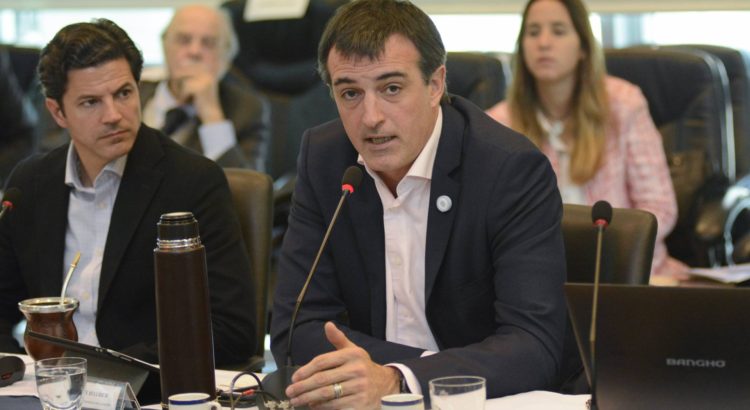
El ministro Esteban Bullrich presentó ayer en la Cámara de Diputados de la Nación, el presupuesto educativo 2017.

El mismo asciende a $131.400 millones, superando en aproximadamente un 50 % al sancionado para el 2016 y en un 30% al presupuesto de gestión del mismo año.

Uno de sus ejes principales es la infraestructura escolar. Se construirán y ampliarán jardines de infantes por un monto de $5.600 millones y se asignarán $3.560 millones para infraestructura escolar en general. En palabras del ministro: «Queremos que todos los argentinos tengan una escuela de calidad cerca de su casa».

Además, se asignará una partida para educación digital: «Queremos que Conectar Igualdad conecte, por eso compraremos 500.000 computadoras el año próximo. El objetivo es que en 2018 todas las escuelas tengan acceso a internet en las aulas», sostuvo el ministro.

Un total de $1.260 millones serán destinados, en tanto, al desarrollo del deporte de alto rendimiento y amateur.

El presupuesto universitario tendrá un aumento del 45% con respecto al 2016. Dicho incremento se refleja en cuatro áreas importantes: salud, educación y gastos de funcionamiento, además de ciencia y técnica.

Este último ítem, a través de un programa especial, pasará de 25 millones en la actualidad a un total de 500 millones de pesos para el próximo año. En el rubro becas universitarias, el presupuesto prevé un incremento del 41%.

Fuente: https://www.argentina.gob.ar/noticias/presupuesto-educativo-2017

Comparte este contenido:

La Educación: currículo normado versus currículo oculto

Por: Rafael Lucio Gil

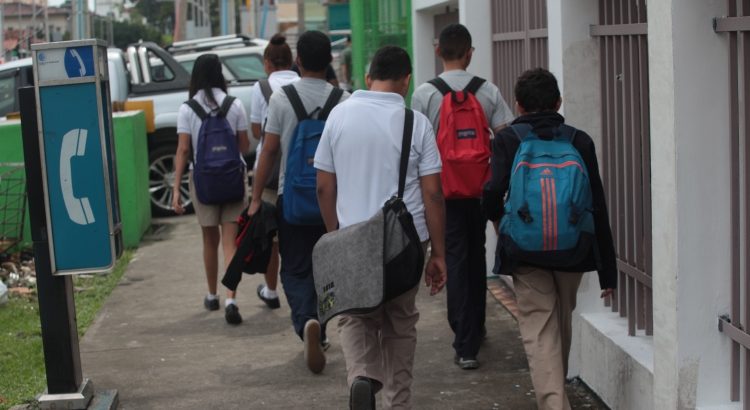
Toda educación formal se expresa en la filosofía que la orienta y contenidos de enseñanza a través de un currículo explícito. La educación inicial, básica y media, a cargo del Ministerio de Educación, cuenta con este currículo general, que acoge los diversos niveles y modalidades educativas, derivándose en competencias, contenidos y metodologías para cada una de ellas. Este mandato constituye el referente obligado de la acción educativa práctica que el personal docente debe ejercer en los centros educativos, aportando sentido y significado a la educación.

Dicho referente curricular no es autónomo, ha de estar conectado íntimamente al modelo de desarrollo de la sociedad nicaragüense, por la cual, las políticas educativas demandarán  articularse con las políticas sociales, ambientales, de salud, etc., solo así, se podrá concretar la incidencia necesaria entre educación y desarrollo.

Este currículo concretado por dirigentes y docentes, acaba siendo interpretado, desde un plano cognitivo, emocional y ético. Entran en acción, por tanto, el currículo oculto o implícito (contenidos y valores no escritos), y el currículo nulo (lo escrito, pero que no se cumple). Al respecto, la investigación científica curricular y sus didácticas, demuestra que la incidencia en los educandos de estos dos currículos llega a ser más determinante, incluso, que la del currículo normado.

Esto explica que la influencia de la educación escolar dependerá, y mucho, de la brecha que exista entre lo prescrito por el currículo oficial y lo que realmente se hace, o no se hace, en la práctica. Podemos entender, así, la poca o ninguna efectividad que tienen en la niñez y adolescencia, las actitudes y valores que mandata el currículo oficial. Algunos ejemplos  facilitan comprender esta paradoja educativa y curricular a la que el país debería prestar mayor atención:

-Mientras el discurso curricular oficial establece aprovechar al máximo los horarios escolares, la práctica se traduce en pérdidas de cuantiosas horas-clase por razones no educativas.

-Si bien, el discurso y documentos oficiales se refieren al rescate de la educación como derecho humano, el presupuesto que la asamblea destina a la educación viene disminuyendo hasta  menos del 3% del PIB, cuando debiera crecer gradualmente hacia el 6%. La paradoja es doble, por cuanto los datos nacionales hablan, también, de un Presupuesto de la República que ha venido creciendo significativamente, mostrando que el país está creciendo más del 4%.

-Es sabido que el personal que dirige la educación desde el nivel central, delegaciones y centros educativos, deben dedicar el tiempo debido a los temas educativos, sin embargo, las preocupaciones y ocupaciones reales, en la práctica, dan prioridad a temas y tareas alejadas de la educación.

-El discurso simbólico afirma que el personal docente ha recuperado un trato justo y recibe una formación pertinente y de calidad, sin embargo, es evidente que el magisterio vive en pobreza y proletarizado, con un salario que no cubre ni la mitad de la canasta básica, con formación precaria y eventos de formación enfáticos en aspectos políticos,  que le impiden proporcionar una educación de calidad.

-La administración afirma que se está logrando una educación de calidad en competencias, sin embargo, en general prevalecen en el centro educativo formatos y metodologías que priorizan la memorización y repetición mecánica de contenidos.
-Mientras el documento curricular mandata desarrollar el pensamiento crítico, en las aulas se prioriza el pensamiento único, la repetición de slogans y consignas, prohibiéndose otras miradas en formas de pensar y valorar la problemática social, política y económica.

-Los resultados estadísticos de los indicadores educativos reclaman transparencia para ser conocidos por la sociedad, sin embargo, no son accesibles a la ciudadanía, y algunos que se divulgan suelen estar sobrevalorados.

-El currículo  aporta un legado de valores muy reconocidos (el respeto, la solidaridad, la justicia, etc), pero tanto en la sociedad como en los centros educativos, se castiga el pensamiento político divergente y penaliza la solidaridad; mientras tanto, el centro educativo enseña valores copiándolos y memorizándolos.

-Por último, el centro educativo demanda ser un “espacio letrado” (todo en él promueva cultura y conocimiento), en cambio, todos los espacios áulicos y ambientales se atiborran de propaganda de un solo partido.

Nuestra educación demanda transformaciones profundas. Coherencia entre el currículo y la práctica del centro educativo, en valores y actitudes que promueva el Estado y sus instituciones fundamentales; y el respeto a los derechos humanos de todos los actores, a su libertad de pensamiento y derecho a decidir. Todo ello debe abonar a un currículo de una ciudad o comunidad educadora. Transformar los currículos educativos, sin esta coherencia del Estado y toda la sociedad con la práctica educativa, sería un trabajo postizo.

Fuente: http://www.elnuevodiario.com.ni/opinion/406965-educacion-curriculo-normado-versus-curriculo-ocult/

Imagen: http://www.teinteresa.es/mundo/UNICEF-UNESCO-denuncian-adolescentes-educacion_0_1288072266.html

Comparte este contenido:

Nueva Zelanda: Education to focus on ‘high-quality’ students

Oceanía/Nueva Zelanda/Octubre de 2016/Fuente: Scoop Independent News

RESUMEN: El discurso titulado, «India y Nueva Zelanda relación internacional de la educación – el crecimiento, oportunidades y desafíos», se habló sobre la reciente crisis que la industria se enfrenta a la educación, en relación con las deportaciones de estudiantes de la India y es secuela de la industria. Charles dijo que este problema, no sólo se limita a la India y otros países también se han enfrentado a problemas similares. «Creo que es importante reconocer en esta etapa también que Nueva Zelanda no está sola ante los problemas de fraude en la visa de estudiante y el comportamiento del agente deshonesto. Los Estados Unidos, Canadá, Australia y otros países de todo frente a los mismos desafíos «. «Las tasas de disminución de visado de la India son evidencia de un esfuerzo significativo por Inmigración de Nueva Zelanda para gestionar los estudiantes y los agentes que presenten información falsa y engañosa en las solicitudes de visado. Inmigración de Nueva Zelanda está haciendo mucho trabajo para educar a los proveedores acerca de la selección de los estudiantes, y la necesidad de gestionar sus redes de agentes «.

Education NZ to focus on ‘high-quality’ students, to maintain high standards across New Zealand’s international education industry.

“All of us have a collective responsibility to ensure the experience of our international students is a positive one and results in positive outcomes for them and ultimately for our businesses and New Zealand society and economy. We welcome international students who come here with genuine intent and means. But New Zealand, like any sovereign country, will take steps to protect our borders and deal decisively with fraudulent or unlawful behaviour when we see it.”

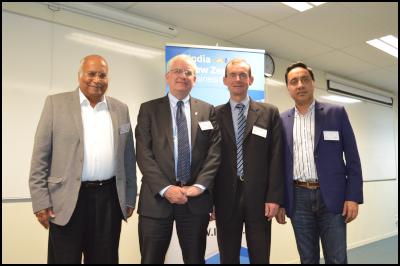
This was one of the main sentiments arising out of the address of Education NZ Chair, Charles Finny, when he addressed the members of the India New Zealand Business Council on Wednesday 5 October. The event was hosted by Auckland Institute of Studies.

The speech titled, «India-New Zealand international education relationship – growth, opportunities and challenges», spoke about the recent crisis that the education industry is facing, with regard to the Indian student deportations and it’s aftermath in the industry.

Charles said that this problem, is not only confined to India and other countries have also faced similar issues. “I think it’s important to acknowledge at this stage too that New Zealand is not alone in facing issues of student visa fraud and dishonest agent behaviour. The United States, Canada, Australia and other countries all face the same challenges.”

“The visa decline rates from India are evidence of a significant effort by Immigration NZ to manage students and agents who submit false and misleading information in visa applications. Immigration New Zealand is doing a lot of work to educate providers about student selection, and the need to manage their agent networks.”

According to Mr. Finny, The New Zealand government agencies earlier are working closely together on these issues, to ensure all international students are treated fairly and are well cared for – that they feel welcome, are safe and well, enjoy a high-quality education and are valued for their contribution to New Zealand. This joint-agency work on international student wellbeing has focused in recent months on Auckland where the majority of international students are located. It has involved a wide range of community meetings and student focus groups to ensure student needs and concerns are being heard and addressed.

He said, “We must maintain high standards across our international education industry. Equally, we are determined not to let the actions of a small number of individuals damage the reputation of an entire community, nor devalue the contribution that students from India and elsewhere, and our education providers, make to New Zealand.”

Highlighting that the situation is not that grim, he said, “Most providers are doing a very good job for their students. Satisfaction rates among students surveyed by the International Student Barometer in 2014 and 2015 ranged from 88% to 94% as being satisfied or very satisfied with their overall experience at their New Zealand institution.”

Charles laid emphasis that the education providers must ensure that they work with high quality agents and there have been a number of directives and guidelines to work on that. He also emphasised that the govt. agencies will work more strongly to ensure the compliance is met with.

“Tough sanctions are now available to deal with providers who fail to manage their agents, including the removal of the right to enrol international students. Enforcing the Code is the responsibility of NZQA who are working closely with Immigration New Zealand to ensure providers proactively comply with the Code.”

INZBC took the initiative to invite the chair of Education NZ, to interact directly with the PTEs and university education providers, most of whom are the members of INZBC.

Mr. Finny applauded INZBC for taking this initiative. He commented, “INZBC has a crucial role to play in helping to bridge the gap that may exist through differing cultural contexts, where, for example, some international students aren’t aware that their rights in New Zealand are protected. I’d like to applaud the contribution of INZBC members who acknowledge the opportunities that a New Zealand education can offer Indian students in terms of skills and knowledge transfer.”

The education providers had a lengthy Q&A with Charles where they debated some of the ways in which the government is working out the solutions.

The most PTEs said that they are being pressurised and held accountable for the applications, for which they have no control. Most applications and their information is being held between the student, the agent and immigration NZ. So their argument being that if the PTE’s are not privy to those conversations, then how can the government hold them accountable.

Charles noted the suggestions and promised that he would take the industry concerns to the right people.

Mr. Wenceslaus Anthony, head of government relations, INZBC also informed the members of a list of answers that have come from Immigration NZ on the recent visa issue.

While immigration New Zealand maintains that the onus of providing the right information is on the students themselves, they did highlight that India is an important market for the country.

Quoted from one of the answers: “The Indian market is an extremely important one to New Zealand with more than 20,000 Indian nationals approved student visas in the last financial year – second only to China. The Indian market is an extremely important one to New Zealand and Indian students make a valuable and valued contribution to our economy, our communities and our diverse student body. All interested parties need to work together to ensure that only genuine students who can comfortably afford international study apply to come to New Zealand.”

Fuente: http://www.scoop.co.nz/stories/ED1610/S00028/education-nz-to-focus-on-high-quality-students.htm
Comparte este contenido:

Panamá: Conep rechaza que se regule costo educativo

Centroamérica/Panamá/Fuente: Panamá América

El Consejo Nacional de la Empresa Privada (Conep) siente que se han vulnerado los principios de la libre empresa y de la seguridad jurídica debido a la creación de leyes y normas que buscan regular el costo de la educación privada.

Mediante un comunicado, el gremio empresarial sostuvo que los miembros ven con profunda preocupación la difícil situación que está confrontando la educación particular.

«Por ello hacemos un llamado al Gobierno Nacional, y en especial al Órgano Legislativo, por la presentación de diversas iniciativas legislativas que, lejos de beneficiar la educación del país, le crean un atraso y deterioro», dice el escrito.

Señalaron, además, que «nos hacemos participes del clamor por la afectación que está sintiendo este sector educativo privado, toda vez que estas acciones de incomprensión repercutirán en el cierre de colegios particulares que no tienen ningún tipo de subsidios, acciones estas que violentan la libre empresa».

Claves

Indican que la educación privada aporta significativamente al país para que haya una educación nacional de calidad y de excelencia para los niños y jóvenes, ya que son atendidos 152 mil alumnos, lo que alivia al Estado de una pesada carga.

Fuente: http://www.panamaamerica.com.pa/economia/conep-rechaza-que-se-regule-costo-educativo-1046421

Comparte este contenido:

Venezuela: Instalado en Aragua Congreso de la Patria Capítulo Universidades

América del Sur/Venezuela/Fuente: Noticias 24

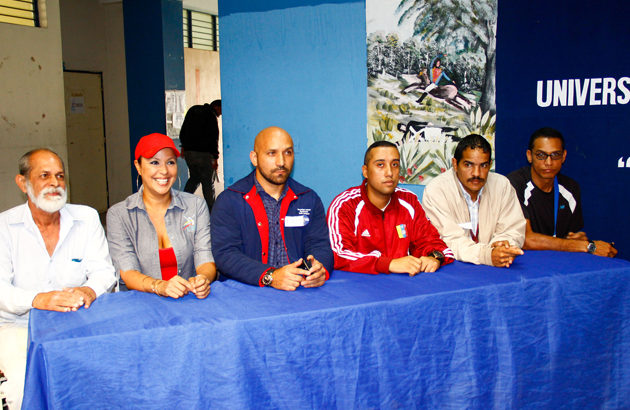
La primera mesa de trabajo en Aragua del Congreso de la Patria, Capítulo Universidades, se realizó en la sede de la Universidad Simón Rodríguez, en el sector Caña de Azúcar del municipio Mario Briceño Iragorry (MBI).

Pedro Merentes, presidente de la Unidad Territorial Aragua del Ministerio del Poder Popular para la Educación Universitaria, Ciencia y Tecnología, informó que participaron diferentes actores de las casas de estudios universitarios que hacen vida en la entidad, así como también representantes de la Zona Educativa, la Organización Bolivariana de Estudiantes y centros estudiantes.

Refirió que trabajaron en esta oportunidad sobre temas académicos y el compromiso de la juventud y los movimientos sociales que hacen vida en los recintos universitarios junto al poder popular, así como el rol de las universidades frente a la guerra económica.

Asimismo, explicó que en total serán tres encuentros como este, correspondiendo el día jueves en Barbacoas, municipio Urdaneta; y el viernes en La Victoria, municipio Ribas. Las conclusiones de estos debates serán llevadas a una plenaria nacional que realizará en noviembre en Caracas, con el presidente Nicolás Maduro.

Fuente: http://www.noticias24.com/venezuela/noticia/324647/instalado-en-aragua-congreso-de-la-patria-capitulo-universidades/

Comparte este contenido:
Page 532 of 750
1 530 531 532 533 534 750