China’s prestigious Tsinghua University has unveiled its Big Data Intelligence Research Center as part of efforts to push forward the development of artificial intelligence (AI).
The research center, which is coordinated by the university’s Institute of Artificial Intelligence, will focus on the improvement of AI’s theoretical research and big data computing method. Through the interdisciplinary research of data science, cognitive science and social science, the center aims to develop a new generation of people-oriented big data intelligent computing.
Zhang Bo, director of Tsinghua’s Institute of Artificial Intelligence, said the center will improve basic theoretical research of data intelligence as well as promoting integration with industries and fostering international cooperation.
You Zheng, vice president of Tsinghua University, said the center hopes to pool wisdom in AI research and generate theoretical achievements with international influence, contributing to China’s AI development.
Information reference: http://www.xinhuanet.com/english/2019-09/25/c_138421861.htm
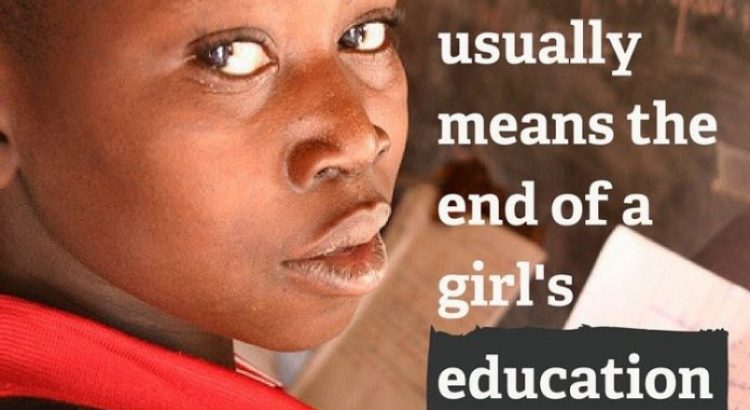
Early pregnancy and early marriage worsens poverty conditions of families and girls, instead of reducing it, Machakos County Director for Education, Mrs. Shamsa Adan Mohammed has said.
She said access to education was the surest way to breaking the vicious cycle of poverty that teenage pregnancy and early marriages sustained in families.
She girls should take advantage of the Free Primary and Day Secondary Education programme the government provided to break the chains of poverty by completing primary and secondary education.
She made the remarks at Makivenzi ABC Girls Secondary schools during a Joint Mission to assess the preparedness of the Counties in implementing Secondary Education Quality Improvement Project (SEQIP) in 110 sub counties are the most disadvantaged sub counties in 30 counties.
Get breaking news on your Mobile as-it-happens. SMS ‘NEWS’ to 20153
The team was led by the National Coordinator of the Project, Ms Jane Mbugua, and World Bank Task Team Leader, Ms Huma Ali Waheed. The team visited eight schools in Murang’a and Machakos Counties, which is among 30 Counties to benefit from the project.
Also ReadDP Ruto opposes calls to review constitution
The Project worthy Shs.20 billion, and funded by the World Bank, aims at improving student learning and transition from Primary to Secondary education in 110 sub counties that the most disadvantaged areas in 30 counties.
The Project targets 7,852 Primary Schools and 2,147 secondary schools in 110 Sub counties in the 30 Counties.
Also ReadChange of constitution through backdoor will not succeed: Ruto
Under the project, Class 7 and 8 and forms 1-4 in targeted schools have already received textbooks in Mathematics, English and Science subjects, thereby achieving a student-textbook ratio of 1:1.
Under the project, Kenya Institute for Curriculum Development (KICD) has received technical support in developing Competence based curriculum grade 4, 5and 6.
Schools in the target regions have been selected schools and are set to benefit from infrastructure support which includes classrooms, science laboratories, library, toilets, water facilities and electricity.
Embedded in the project, is a scholarship programme to enable vulnerable students to complete secondary schools.
The Teachers Service Commission (TSC) has recruited 600 teachers to serve the targeted region in the last financial year, to address teacher shortage in the area. Kenya National Examinations Council has been able, under the auspices of the Project, to strengthen national examinations and assessments systems.
Also ReadKenya seeks China’s support for UN Security Council seat
The strengthening of the national examinations and assessments systems follows adoption of the Competence based curriculum. KNEC will now examine and assess the effectiveness of the teaching and learning of the repertoire of skills that learners are expected to learn and internalise.
The project aims at, among others, addressing barriers to access to inclusive quality education in the region, as part of the strategy to meeting the Sustainable Development Goals.
Source of the notice: https://www.kbc.co.ke/ending-child-marriage-and-teenage-pregnancy-in-kenya/
Pakistan ranks as the sixth most dangerous country in the world for women, with cases of sexual crimes and domestic violence recording a rapid rise. Activists blame society’s patriarchal attitudes for the problem.
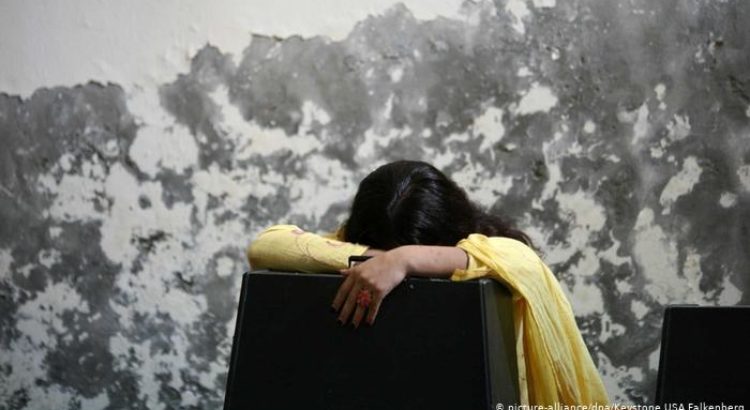
40-year-old Shazia S. was busy talking to her daughter at her parents-in-law’s house in Lahore. The mother of six barely had any idea what awaited her. Her husband Sajjad R., a mason by profession, suddenly turned up and asked her to accompany him. She was surprised, but went with him nonetheless.
«He grabbed me firmly, shoving me against the wall and unleashing a barrage of kicks and slaps,» Shazia told DW. «Then he picked up a metal pipe and started hitting me mercilessly,» she added. Shazia’s husband suspected that his wife was having an extramarital relationship. He kept asking about it while hitting me and wouldn’t listen to me even though I stressed that I wasn’t having any extramarital affair, she said.
Sajjad even threatened to kill her and used his knife to cut off her nose, Shazia said. «No one could hear my cries because he had tightly locked the door. He also inflicted wounds on other parts of my body, including my neck, and then fled. He left me bleeding and crying for help,» she recollected.
After the ordeal, Shazia’s neighbors took her to a hospital, where she was treated. The doctors said they couldn’t fix her nose with plastic surgery, but that she could try and get some treatment abroad.
Amjad Ali, an investigating officer in the case, told DW that the police raided various locations to nab the accused, but could not find him. Shazia’s husband has now received bail and the court hearings of the case are set to take place in the coming weeks.
«The police failed to arrest my husband, who managed to get bail even before his arrest,» Shazia said. «He came back to our area just the other day and told one of the residents that he chopped off my nose to teach me a lesson and save his honor, because he suspected me of meeting another man.»
Shazia, who is now living with her mother in Lahore, fears for her life. Her husband wants her to withdraw the case against him. But she says she cannot imagine living together with a person who has ruined her life. She is also afraid that her father-in-law, a retired police official, might influence the authorities and seek to compromise the legal case against his son. Shazia stressed that she would not let her husband go scot-free.
Rising numbers
Shazia is not the only victim of gender violence in Pakistan over the past several months. Recently, a woman was badly beaten up by her husband, a policeman, in Sheikhupura, a city located 55 kilometers away from Lahore.
Violence against women has been on the rise in Pakistan, a country of over 200 million people. It ranks sixth on the list of the world’s most dangerous countries for women.
According to statistics collected by White Ribbon Pakistan, an NGO working for women’s rights, 4,734 women faced sexual violence between 2004 and 2016. Over 15,000 cases of honor crimes were registered. There were more than 1,800 cases of domestic violence and over 5,500 kidnappings of women during this period.
According to media reports, more than 51,241 cases of violence against women were reported between January 2011 and June 2017. Conviction rates, meanwhile, remain low, with the accused in just 2.5% of all reported cases ending up being convicted by the courts.
The chief justice of Pakistan has recently announced that 1,000 courts would be set up to deal with the cases of violence against women.
«Women police stations and other facilities are set up in cities while the majority of the violence cases take place in villages,» Mai said. «In rural areas, feudal landlords call the shots; the administration and police are subservient to these feudal chieftains who view women as commodities. So how can justice be delivered in such cases?»
Farzana Bari, another prominent women’s rights activist, believes the patriarchal attitudes prevalent in Pakistani society are responsible for the problem. «No government has ever tried to put an end to this mindset,» she said.
«It can be done by educating women in rural areas, empowering them economically and raising their representation in the legislature. If women constitute more than 45% of the population, why should they not have the same representation in the economy, employment and government?»
Critics say the current Pakistani government, under Prime Minister Imran Khan, hasn’t been focusing on empowering girls and women.
In the northwestern Khyber Pakhtunkhwa province, governed by Khan’s Pakistan Tehreek-e-Insaf (PTI) party, official recently issued guidelines ordering girls to wear the veil or abaya.
The order drew widespread outrage, forcing the government to reverse the decision. PTI leader and former federal minister Ishaq Khakwani admitted that the government did not pay enough attention to address the issue of violence against women.
«Only the government cannot be blamed for this situation. The entire society will have to come forward. The police and the judiciary will also have to play their roles. If cases linger in courts for years, then victims are forced to find other ways to settle such cases. So a comprehensive reform program is needed and all sections of society will have to play their role.»
Source of the notice: https://www.dw.com/en/violence-against-women-on-the-rise-in-pakistan/a-50550672
India released a Draft National Education Policy (DNEP) in June 2019. It’s the first comprehensive policy proposal on education in the country since 1986 and a major, game changing statement.
Australia has a moral duty to engage with the global challenge of providing quality education to hundreds of millions of Indian youth. And by engaging with India as it rolls out this policy, Australian universities stand to gain knowledge and research capacity, among many other things.
What’s the new policy trying to achieve?
India’s National Policy on Education was framed in 1986 and modified in 1992. Clearly a lot has change in the country since then.
The proposed new policy is remarkable for two main reasons.
First, it takes a cold-eyed look at the existing educational structures and processes in India. The document reflects honestly and in depth on state-level universities and colleges where the majority of students study. In these institutions, the facilities, teaching, and governance are usually poor.
A second remarkable element to the draft is the scale and boldness of the vision. The policy aims to make changes across all levels of education – from early childhood to university.
The draft policy, which is currently in the consultation phase, recommends doubling funding for public education from the present figure of roughly 3% of GDP to 6%.
It aims to change the structure of school education so children begin their schooling at three years old, with three preschool years incorporated into the formal structure.
The draft policy also calls for an overhaul of teacher training which will now occur in universities rather than specialist colleges, which are often of low quality.
In tertiary education (though the draft is weak on the issue of vocational education), the policy sets a target of 50% of youth being enrolled in universities by 2035 (in 2016, the figure was 24.5%).
The DNEP recommends dismantling the current system of universities and private and public colleges to develop between 10,000-15,000 multi-disciplinary universities, which would be funded in part through the increased government investment in higher education.
The document notes the current system is made up of more than 850 universities and about 40,000 colleges, with 20% of those colleges offering just a single program of study, and 20% having under 100 students.
The main thrust of this policy regarding higher education is the ending of the fragmentation of higher education by moving higher education into large multidisciplinary universities and colleges, each of which will aim to have upwards of 5,000 or more students.
The new institutions are envisioned to promote education in the arts and social sciences. The focus on “liberal arts” will encourage critical thinking and appreciation of the value of education beyond just preparing the population for employment.
The DNEP emphasises the importance of developing a research culture across most universities in India and stresses the value of internationalisation by “preparing our students to participate in world affairs through providing them with learning experiences that cut across countries and cultures”.
It also aims to to “attract students from other countries to participate in our higher education programmes”.
Why Australia should care
The poor quality of school and university described in the DNEP is a critical global challenge. As it stands, large parts of India, especially northern India, are unlikely to meet the United Nation’s Sustainable Development Goal 4, which calls for accessible, quality education for everyone.
Australia should partner with India to address the needs of the hundreds of millions of young people demanding a better education.
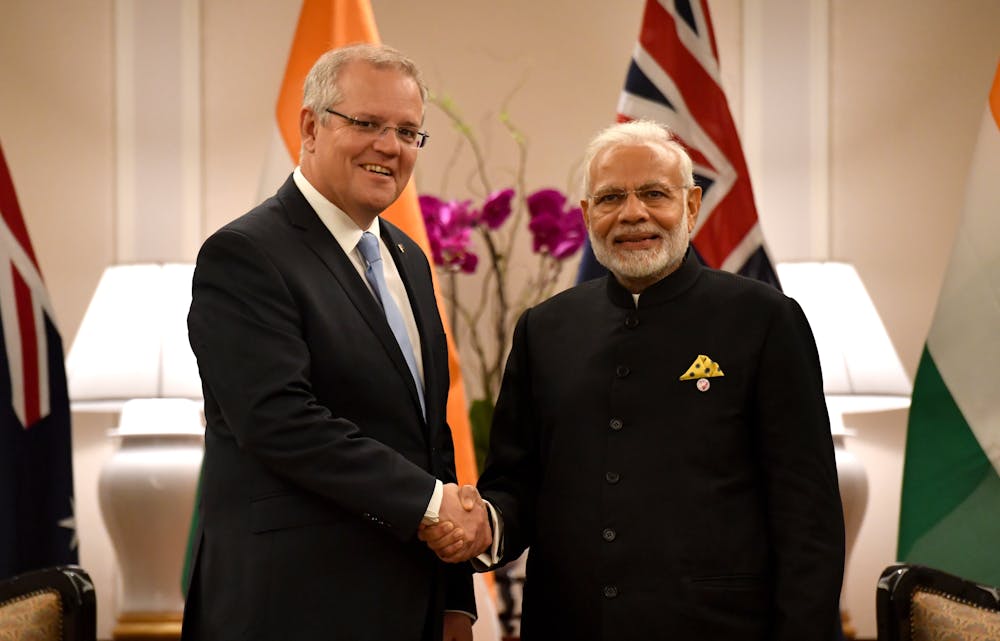
Australia has a lot to gain from engaging with India on its new education policy.MICK TSIKAS/AAP
By interacting with top Indian researchers and students, Australia can also improve its own research and knowledge capacity. Australia can make commercial gains from working with India in the redevelopment of its education system.
Australian universities can act in five areas in particular:
1. Build research capacity in India and across the Australia-India boundary
Australia already has a research partnership with India, the Australia India Strategic Research Fund (AISRF). This should be extended, through a joint new research fund with India’s already established new National Research Foundation.
India faces a major challenge in creating a body of excellent researchers capable of occupying positions in its proposed new universities. It is therefore crucial that research partnership also involves building this capacity, especially by creating new PhD training and post-doctoral positions.
2. Partner with India in open and distance learning (ODL)
The DNEP’s goal of increasing the number of students in university in India to 50% can’t occur through bricks and mortar expansion. India has a lot of experience on ODLs but Australia and India could usefully partner in the development of better quality technology platforms.
3. Help train Indian school teachers
Australia has major strength in teacher education. India is looking to other countries to assist in training the staff in universities who will be responsible for training teachers in the new system. Australian action in this area would greatly help Indian education into its next phase.
4. Provide expertise on internationalisation
Australia has been very successful since the 1990s in internationalising its education. Education is now one of Australia’s largest exports. Australian universities and peak bodies such as the Group of Eight Universities could be partners in India’s efforts to internationalise.
5. Building campuses in each other’s countries
The DNEP recommends overturning regulation that prevents foreign universities from establishing campuses in India. It invites the world’s top 200 universities to develop a physical presence in the subcontinent. It also encourages Indian institutions to consider opening campuses abroad.
Australian universities could approach Indian institutions to discuss the development of a physical presence in each other’s countries, such as laboratory spaces, research centres or campuses.
The DNEP is remarkable on many levels: a bold effort to rethink education from first principles in a country containing one fifth of the world’s youth. Australia should make it a priority to engage.
Source of the notice: https://theconversation.com/india-is-reforming-education-for-the-first-time-since-1986-heres-why-australia-should-care-121812
América del Norte/ México/ 26.11.2019/ Fuente: www.elcontribuyente.mx.
La jefa del SAT, Margarita Ríos-Farjat, dijo que es importante desarrollar una conciencia social sobre la importancia de cumplir de forma obligatoria y oportuna con las obligaciones fiscales.
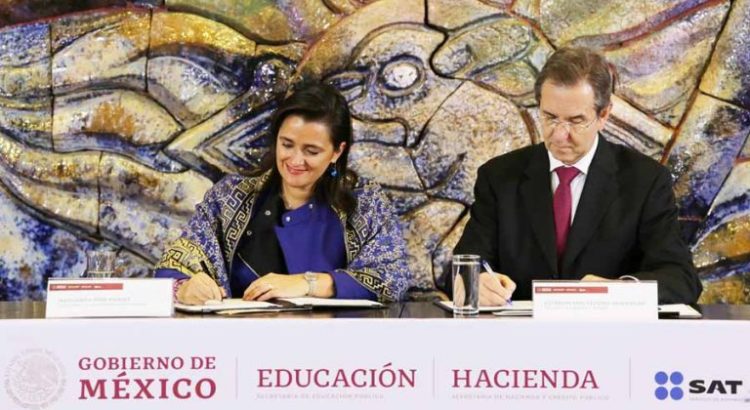
El día de hoy el Servicio de Administración Tributaria (SAT) publicó un comunicado en el que informó de la firma de un convenio con la Secretaría de Educación Pública (SEP).
El comunicado de prensa del SAT dice que se espera desarrollar una conciencia social sobre la importancia de cumplir de forma obligatoria y oportuna con las obligaciones fiscales. Se planea hacer esto con los niños, jóvenes y adultos de los diferentes niveles educativos.
En el evento en que se firmó el documento, la jefa del SAT, Margarita Ríos-Farjat, resaltó la importancia de que los ciudadanos conozcan la utilidad y beneficios que trae consigo la actividad recaudatoria del SAT.
El secretario de la SEP, Esteban Moctezuma Barragán, dijo que es importante enseñar a los niños pequeños los valores de la contribución, “que no viven solos sino en grupo, en una sociedad”.
También señaló que en la Nueva Escuela Mexicana se espera formar personas que contribuyan al bienestar de la comunidad, conscientes de que su felicidad también depende de vivir en una sociedad armónica, en cuya construcción tienen que contribuir.
América del Norte/ México/ 26.11.2019/ Fuente: www.gob.mx.
La Agencia Mexicana de Cooperación Internacional para el Desarrollo (AMEXCID) canaliza y difunde las convocatorias de becas que gobiernos extranjeros ofrecen a mexicanos.
Autor
Agencia Mexicana de Cooperación Internacional para el Desarrollo
Tener un promedio mínimo de 8.0 en el último grado de estudios
Constancia de conocimiento del idioma en que realizará los estudios
Acta de nacimiento o carta de naturalización
Carta de contacto o aceptación de la universidad receptora
*El interesado deberá consultar también los requisitos que solicitan los gobiernos extranjeros, una vez que la convocatoria se encuentre vigente.
PAÍS
OFERTA | NIVEL DE ESTUDIOS
FECHA APROXIMADA
DE
APERTURA
Alemania
Estudios superiores o proyectos de investigación, es administrada directamente por el Servicio Alemán de Intercambio Académico (DAAD, por sus siglas en alemán).
• Abril
Argentina
•Becas para especialización, maestría y estancias de investigación en estudios doctorales o posdoctorales
•Programas Franz Werfel y Richard Plachka, dirigida a investigadores a nivel posdoctorado, para realizar estudios en las áreas de teología, humanidades, lingüística y literatura.
•Programa Ernst Mach, para realizar estudios de Posgrado/Movilidad a nivel de licenciatura, en las áreas de ciencias naturales, medicina, agricultura, veterinaria, ciencias sociales, derecho, economía, humanidades y teología.
• Becas UNILA para realizar estudios de licenciatura en las áreas de Cooperación Educacional, Cultural o de Ciencia y Tecnología.
• Programa Estudiante-Convenio de Graduación tiene como objetivo la formación y calificación de estudiantes extranjeros por medio de la oferta de vacantes gratuitas en cursos de Graduación en Instituciones de Enseñanza Superior-IES Brasileñas
Programa de Estudiante-Convenio de Posgrado (PEC-PG)
•Julio
•Julio
•Agosto
Canadá
•Canadá ELAP, Emerging Leaders in the Americas/ Nuevos Líderes en las Américas. Oficina Canadiense de Educación Internacional (CBIE)
•Cátedra de Estudios México Contemporáneo en la Universidad de Calgary
•Cátedra de Estudios México Contemporáneo en la Universidad de Regina
• Programa de Becas para Maestría en Desarrollo y Cooperación Internacional
•Julio
• Septiembre
China
• Idioma, Licenciatura, Maestría, Doctorado, Especialización y Estancias de Investigación
• Programas de maestría y doctorado en inglés, del Instituto Tecnológico de Beijing
•Youth of Excellence Scheme of China (YES China) | Master Program para personas que desempeñen cargos de responsabilidad en una entidad de gobierno, empresas o institutos de investigación, o contar con experiencia en el área de investigaciones científicas.
•Enero
• Febrero
• Marzo
Colombia
•Especialización, maestría y doctorado
•Cátedra de Estudios México en la Universidad Nacional de Colombia
Becas para realizar cursos cortos en temas relacionados con la agricultura, en el Centro Egipcio Internacional de Agricultura (EICA)
• Enero
España
Convocatoria de becas de cofinanciamiento en el marco del acuerdo de Cooperación Educativa entre la Secretaría de Relaciones Exteriores y Fundación Carolina de España, para realizar doctorado y estancias cortas posdoctorales. dirigida a docentes de carrera o de planta y personal directivo-administrativo de universidades públicas mexicanas, en cualquiera de sus categorías.
Becas de Fundación Carolina para Postgrado y Estudios Internacionales
Para otras becas de posgrado, la institución que administra directamente sus ofrecimientos de becas es la Fundación Carolina; se sugiere consultar la información que aparece en dicha página web para conocer las características, beneficios y requisitos de su oferta de becas.
• Está dirigida para realizar estudios de Maestría en universidades públicas francesas.
• Becas de Estudios del Gobierno de Francia 2017, convocatoria del Servicio de Cooperación Universitaria del IFAL de la Embajada de Francia en México.
• Febrero
• Junio
Georgia
Becas para estudios de licenciatura en el área de Medicina
• Junio
Grecia
• Curso de idioma y civilización griega moderna.
• Maestría, doctorado e investigación doctoral.
• Becas para cursos y seminarios sobre Cultura e Idioma Griego Moderno
• Marzo
• Marzo
• Agosto
Hong Kong
Para realizar estudios de licenciatura en la Universidad Bautista de Hong Kong
Para realizar estudios de Maestría en la Universidad Bautista de Hong Kong
• Diciembre
• Abril
Hungría
• Programa Bilateral de Becas Estatales
• Programa de Becas Stipendium Hungaricum, para estudios de Licenciatura, Maestría y Doctorado.
•Febrero
•Diciembre
India
• Curso de aprendizaje del idioma hindi en el Instituto Central de Hindi
• Estudios de licenciatura, maestría, doctorado y estancias posdoctorales
• Programa de Cooperación Técnica y Económica de la India (ITEC)
•Febrero
• Enero
•Julio
Indonesia
• Programa de becas Darmasiswa, para realizar estudios de corta duración en arte y cultura: idioma, música, danza, tallado en madera, fotografía, y artesanías tradicionales de Indonesia, entre otras.
• Maestría KNB
• Enero
• Marzo
Italia
Para realizar estudios de posgrado e investigación
•Mayo
Japón
• Becas Monbukagakusho. Perfeccionamiento del idioma japonés
• Becas Monbukagakusho. Perfeccionamiento del idioma japonés para jóvenes Nikkei (descendientes de japoneses, nacidos en México)
• Becas Monbukagakusho. Maestros en Servicio.
Para maestros en activo de enseñanza preescolar, primaria y secundaria en las escuelas públicas, así como al personal académico de las Escuelas Normales para Maestros
• Licenciatura
• Escuela de Formación Especializada
• Colegio Tecnológico
• Posgrado
• Enero
• Enero
• Enero
•Mayo
•Mayo
•Mayo
•Mayo
Letonia
• Becas para Licenciatura, Maestría, Doctorado, Estancias de Investigación y Cursos de verano
• Marzo
Lituania
• Estudios e investigaciones de corta duración en todas las áreas incluyendo estudios bálticos, filología lituana, lingüística indoeuropea, literatura e historia lituana, cultura, etnografía y folklore.
Becas del Ministerio de Educación, Cultura y Ciencia de los Países Bajos para Licenciatura y Maestría. Es administrada por Nuffic Neso México.
• Noviembre
Perú
Para realizar movilidad a nivel licenciatura, doctorado, investigación y docente, a través de la Plataforma de Movilidad Estudiantil y Académica de la Alianza del Pacífico.
• Mayo
Polonia
Programa de Becas en Ingeniería cofinanciadas por la UNESCO
Programa de Becas para estudios de Licenciatura, Maestría, Doctorado y estancias de investigación a nivel doctoral.
Becas Chevening. Programa de becas para realizar estudios a nivel posgrado.
República Checa
Becas para realizar estudios de Maestría o investigación de posgrado
Curso de verano de idioma checo en la Universidad de Masaryk en Brno y en la Universidad Carolina de Praga
• Enero
• Febrero
República de Eslovenia
Ofrece becas de movilidad a estudiantes Licenciatura y posgrado, bajo la supervisión de un profesor esloveno de una institución de educación superior de ese país. El candidato debe estar matriculado en una institución mexicana.
• Noviembre
República Eslovaca
Becas de Movilidad de estudiantes pasantes de Doctorado, profesores universitarios, investigadores y residencias artísticas.
• Marzo
Rumania
Ofrece becas para realizar estudios a nivel Licenciatura, Maestría y Doctorado.
• Enero
Suecia
El Instituto Sueco administra anualmente más de 500 becas para los estudiantes e investigadores que viajan a Suecia para estudiar en una universidad sueca.
Suiza
Ofrece 4 becas para realizar estudios de Doctorado, posdoctorado y estancias de investigación doctoral en universidades públicas y escuelas politécnicas suizas.
Becas para estudios de Maestría (sólo en artes), Doctorado y Posdoctorado, o para realizar una estancia de investigación en una universidad suiza
• Octubre
• Agosto
Tailanda
Becas para realizar cursos en diversas áreas de estudio.
• Marzo
Turquía
Becas del Gobierno de Turquía para la Enseñanza del Idioma Turco, dirigida a funcionarios públicos y académicos.
Becas de Licenciatura y Posgrado del Gobierno de Turquía.
• Abril
• Enero
La Agencia Mexicana de Cooperación Internacional para el Desarrollo no otorga becas para que mexicanos realicen estudios en el extranjero. Sin embargo, difunde y coadyuva al proceso de selección de candidatos mexicanos a becas ofertadas por gobiernos extranjeros.
No existen criterios de selección homogéneos para todas las convocatorias, debido a que cada gobierno extranjero define a qué aspectos de los candidatos dará prioridad.
Algunos de los criterios que los gobiernos extranjeros toman en cuenta son:
– Claridad de objetivos
– Exposición de motivos
– Consistencia entre objetivos y el programa elegido
– Premios, distinciones y actividades extracurriculares
– Potencial de impacto al regreso de los estudios
– Distribución de las áreas de estudio
– Número de candidatos por estado
– Lugar de procedencia
– Nivel de idioma
– Calificaciones obtenidas en los estudios anteriores (grado previo)
– Experiencia profesional
– Componente de género
– Evaluación de los expertos en la temática de la beca, cuando así proceda
Para mayor información:
Centro de Promoción y Difusión de Becas
Av. Juárez No. 20, Planta Baja, Col. Centro, C.P. 06010, Ciudad de México
t. 3686 5274, 75 y 76, de lunes a viernes, de 09.00 a 15.00 horas. Correo electrónico: infobecas@sre.gob.mx.
Los residentes en el interior de la república podrán obtener más información y entregar solicitudes en las Delegaciones de la S.R.E.
Fuente de la noticia: https://www.gob.mx/amexcid/acciones-y-programas/oferta-para-mexicanos
América del Sur/ Venezuela/ 26.11.2019/ Fuente: www.telesurtv.net.
La marcha por el Día Internacional de la eliminación de la violencia contra la Mujer exigió resolver casos aún sin respuestas y mayor inclusión de defensoras comunales y delegadas en la representación de las víctimas.
Una gran movilización de mujeres venezolanas llegó este lunes al Ministerio Público (MP – Fiscalía) para entregar un documento que exige de manera inmediata la solución de casos de violencia contra las mujeres.
La marcha, que partió desde Parque Carabobo en la capital Caracas, se realizó en conmemoración al Día Internacional de la eliminación de la violencia contra la Mujer, decretado por la Organización de las Naciones Unidas (ONU) desde 1999.
La directora de Participación del Ministerio para la Mujer e igualdad de Género, Odalis Monzón, indicó que con la marcha «se está exigiendo que los casos que aún no han sido resueltos, y sobre los cuales (las autoridades) no se han pronunciado, lo hagan».
Por su parte, la primera vicepresidenta de la Asamblea Nacional Constituyente (ANC) Tanía Díaz, resaltó que en Venezuela «tenemos fiscalías especializadas en la defensa de la mujer así como tribunales especiales que trabajan día a día por nuestros derechos».
Mientras que la viceministra Carolys Pérez, expresó el apoyo las venezolanas con «la lucha de las mujeres en Chile, Colombia, Ecuador, Haití, y todo el mundo».
Felicito la extraordinaria movilización de las mujeres trabajadoras, estudiantes, madres y todas quienes se movilizaron por la erradicación de la violencia de género. Tengan la plena seguridad de mi absoluto compromiso en la lucha por la igualdad y el respeto de sus derechos. pic.twitter.com/6Y1CeJ6NOv
La ministra del Poder Popular para la Mujer e Igualdad de Género, Asia Villegas, entregó el documento en el Ministerio Publico (MP) a la vice fiscal Beysce Loreto. El texto detalla tres reclamos sobre inclusión de la mujer en la sociedad venezolana:
-La incorporación del Órgano Superior de Justicia de Género como espacio de articulación de todas las instancias para coordinar la acción conjunta con criterios unificados y protocolos comunes de actuación.
-El reconocimiento e incorporación de las defensoras comunales de los derechos de las mujeres como instancia de contraloría social para el apoyo y el acompañamiento a las víctimas de violencia.
-El reconocimiento de la cualidad de las defensoras delegadas de los derechos de la mujer de actuar ante el sistema de justicia pudiendo asistir y representar judicial y extrajudicialmente a las víctimas de violencia en todos los entes jurisdiccionales administrativos.
#EnFotos || Las venezolanas le dicen NO a la violencia de genero, en la conmemoración del Día Internacional de la Erradicación de la Violencia contra la Mujer.
La ANC también realiza este lunes un debate sobre la reforma a la Ley Orgánica sobre el Derecho de las Mujeres a una Vida Libre de Violencia, para incluir dos nuevas formas de agresión a través de los medios sociales: la política y la informática.
Por su parte, la segunda vicepresidente de la ANC, Gladys Requena, resaltó «la labor de las mujeres que batallamos todos los días contra el guion fascista y neoliberal que nos afectan e impactan en nuestra vida cotidiana, hoy marchamos no solo por el Día Internacional de la eliminación de la violencia sino también en contra del injerencismo y el neoliberalismo».
Fuente de la noticia: https://www.telesurtv.net/news/venezuela-marcha-mujeres-contra-la-violencia-machista-20191125-0032.html
OtrasVocesenEducacion.org existe gracias al esfuerzo voluntario e independiente de un pequeño grupo de docentes que decidimos soñar con un espacio abierto de intercambio y debate.
¡Ayúdanos a mantener abiertas las puertas de esta aula!




 Users Today : 136
 Total Users : 35499323
 Views Today : 147
 Total views : 3619229