Los indicadores son el fruto de una asociación entre el Instituto Ethos y la Red Empresarial de Inclusión Social (REIS), compuesta por más de 100 empresas.
América del Sur/Brasil/comunicarseweb.com.ar
Los indicadores se incluyen en una Guía Temática que consiste en una herramienta de diagnóstico, planificación y gestión que ayuda a las empresas a direccionar sus prácticas hacia la gestión de la diversidad. Pone foco en la inclusión de profesionales con discapacidad con base en los desafíos de inserción, pero también en cuanto a la posibilidad de trayectoria y ascenso de las personas con discapacidad en las empresas.
«Este es un momento de emoción porque es el resultado del trabajo y la dedicación de un grupo muy comprometido con esa agenda. Finalmente llegamos al lanzamiento de la guía temática, que, más que una herramienta de evaluación, es un instrumento potente de transformación», afirmó Ana Lúcia de Melo Custodio, gerente ejecutiva de Gestión para el Desarrollo Sostenible del Instituto Ethos.
Las 500 empresas más grandes del Brasil sólo tienen un 2% de su plantilla de colaboradores que se relacionan a alguna discapacidad, este número cae a un 0,41% cuando se habla de funciones gerenciales.
La guía se destaca porque ofrece la posibilidad de realizar análisis comparativos entre las empresas que respondieron la encuesta. Además contempla los cinco compromisos del Pacto por la Inclusión de la Red Empresarial de Inclusión Social.
El proceso de elaboración de la Guía duró un año y medio y, entre las etapas, contó con taller con personas con discapacidad y rondas de discusión en las Conferencias Ethos, además de una consulta pública para la elaboración del cuestionario y talleres para la validación del documento.
«El formato de esta guía temática se hizo de forma participativa. En marzo de 2017, un total de 180 personas con discapacidad participaron en la base de la construcción de esa herramienta. Seguimos la máxima ‘nada sobre nosotros, sin nosotros’, evidenció Ivone Santana, miembro del grupo director de la REIS.
La Guía presenta 12 indicadores para el autodiagnóstico y buenas prácticas en la inclusión de este colectivo. Por medio de la Guía Temática será posible tener un panorama de cómo las empresas están incluyendo a las personas con discapacidad, si están favoreciendo la accesibilidad en sus instalaciones y en qué nivel; si priorizan el uso del concepto de diseño universal para instalaciones, servicios y productos; si establecen alianzas con instituciones con el propósito de integrar social o profesionalmente a las personas con discapacidad; si los gestores están siendo capacitados para actuar de forma inclusiva con los profesionales con discapacidad que serán a ellos subordinados, entre otras cuestiones.
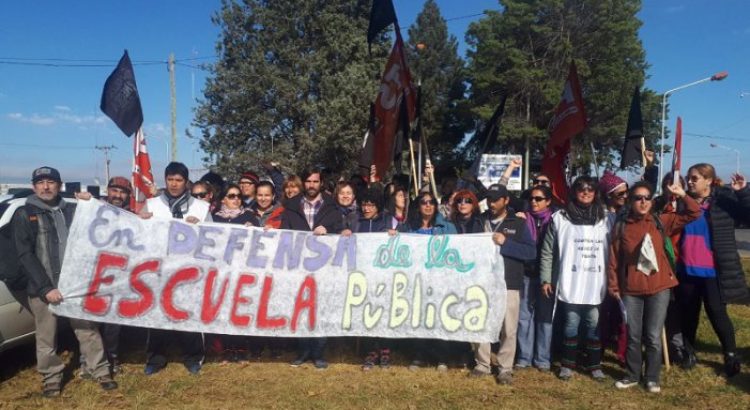
El diputado del PTS en el Frente de Izquierda aportó $50.000 de su banca al fondo de lucha. Por la mañana del martes se hizo presente en la acción del puente de Neuquén resuelto por la asamblea docente.
“La lucha de las trabajadoras y trabajadores de la educación son un ejemplo, peleando junto a la comunidad en defensa de la educación pública y defendiendo el salario contra el techo salarial que quiere imponer Macri y los gobernadores” Con estas palabras del diputado, La Mañana de Neuquén anunciaba la llegada de Del Caño a la provincia para traer su apoyo a la lucha docente. Esa misma tarde, compartiría una reunión con docentes, estudiantes terciarios y secundarios impulsada por la Agrupación Negra de ATEN.
“¿Lo presente bien? Usted viene en el marco de esta lucha docente que lleva adelante ATEN por no haber alcanzado un acuerdo salarial” preguntó el conductor del programa matutino de Radio Nacional. “Venimos a apoyar la lucha de los y las trabajadoras de la educación de Neuquén, que están dando una pelea muy justa y que se hace mucho más necesario con el aumento de las tarifas y los precios, para que no sean los trabajadores los que paguen la crisis”, planteó Del Caño y remató “Los docentes lo plantearon muy claramente y se está dando el apoyo de muchos sectores de la comunidad educativa con respecto al paro que es comprender que aca no se trata del salario docente solamente sino del conjunto de la educación, del presupuesto, que hace a tener escuelas en condiciones. Es una pelea que va mucho más allá del salario docente, hace a la calidad educativa y muchos padres lo comprenden y los estudiantes tambien».
El conductor de Viento a Favor destacó la presencia del diputado Del Caño en el piso de LU5 y aprovechó para preguntarle sobre las medidas que el gobierno anunciaba horas después de la jornada de los y las docentes en distintos puntos de la provincia. “La vuelta al FMI no significa otra cosa que más endeudamiento a cambio de peores condiciones para el conjunto del pueblo trabajador. Todos recordarán los canjes y megacanjes del gobierno de De La Rua”. Y hacia el final enfatizaba “En este marco de situación es fundamental poner nuestra fuerza y nuestras bancas al servicio de la pelea de los trabajadores y los sectores populares, por eso vinimos hasta acá e hicimos este aporte al fondo del huelga de $50000 que se suman a los $30000 que ya hizo mi compañero Raul Godoy de la banca del PTS en el FIT”.
En el mismo sentido en Va con Firma afirmó que “nuestras bancas en el Congreso están a disposición de nacionalizar esta lucha, y junto al sindicalismo combativo y la izquierda vamos a seguir exigiendo a las centrales sindicales que rompan la tregua y convoquen a un plan de lucha nacional, para derrotar los tarifazos, romper los techos salariales y enfrentar los despidos”
Distintos portales y radios provinciales dieron cuenta de la importante visita del diputado que manifestó su compromiso de llevar la lucha docente al Congreso Nacional para amplificar su reclamo.
5.000 alumnos de una veintena de colegios han apostado por esta herramienta.
Un libro de texto de unas 100 páginas para aprender habilidades tan importantes para toda la vida como leer y escribir. Este es el sistema de aprendizaje de Lengua en Educación Primaria que se ha utilizado desde siempre. Pero la tecnología también ha llegado al ámbito educativo y permite incorporar técnicas de aprendizaje adaptadas a cada alumno, y no a la inversa como en el método convencional, como propone VoxPrima una plataforma digital pionera en la enseñanza de la lengua escrita.
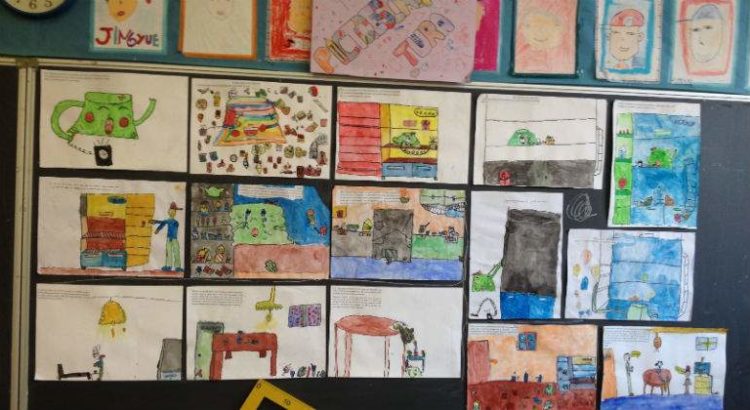
Esta plataforma abarca todo el currículo de la asignatura de Lengua de Educación Primaria y está basada en la PictoEscritura, una metodología pedagógica innovadora para la enseñanza de la lectura y la escritura de manera creativa y 100% inclusiva, adaptando el proceso de aprendizaje de manera personalizada a las capacidades y evolución de cada alumno. Una técnica que además posibilita a los alumnos ser más creativos, flexibles y capaces de interpretar información en una amplia variedad de formatos.
VoxPrima es fruto de las inquietudes de Roser Ballesteros, una emprendedora catalana madre de un niño con dislexia, que comenzó a plantearse procesos de aprendizaje alternativos a las técnicas convencionales y de fomento de la creatividad e imaginación. Un proyecto con el que ha sido reconocida como Emprendedora Social Ashoka 2017 y le ha permitido contar con el apoyo de esta importante red internacional de emprendedores sociales.
Durante dos años, VoxPrima se ha implantado en 16 colegios para comprobar la efectividad del método y se ha concluido que la PictoEscritura contribuye a duplicar la extensión de los textos y que la comprensión lectora es seis veces mejor que con la técnica convencional. Además, 9 de cada 10 maestros que han utilizado la plataforma reconocen que estimula la creatividad, el trabajo en equipo y la autoestima y aumenta sus propias expectativas sobre los alumnos.
En el curso actual, 5.000 alumnos de una veintena de centros privados y de colegios públicos utilizan la plataforma digital de VoxPrima en su clase de Lengua. Gracias a las ventas conseguidas en estos centros, sólo el año pasado la plataforma consiguió facturar 163.000 euros.
La previsión de esta startup para 2022 es llegar a unos 180.000 alumnos con su implantación en unos 600 colegios y escalar también a la escuela pública, con presencia en 1.700 centros durante los próximos años. Para lograr esta expansión y continuar con el desarrollo de la plataforma, VoxPrima ha abierto una campaña de equity crowdfunding de entre 315.000 y 420.000 euros a través de la Bolsa Social, la plataforma que pone en contacto a inversores y empresas de impacto social.
Según Roser Ballesteros, «invertir en VoxPrima es sinónimo de generar un importante Impacto social positivo porque permite que todos los niños puedan tener las mismas oportunidades de aprendizaje. Lograr una competencia escrita y lectora óptima es fundamental a nivel académico y profesional, pero también en la vida en general, y el fracaso escolar en esta competencia es muy alto, tanto a nivel nacional como internacional. En Cataluña, un 41% de los alumnos tiene un nivel medio-bajo en escritura y en EEUU también dos tercios del alumnado están en este nivel».
VoxPrima funciona en todos los idiomas y es aplicable a cualquier centro educativo y perfil de alumno. Su modelo de negocio se basa en la venta al colegio de una licencia por alumno. Es la única plataforma de aprendizaje personalizado que contiene todo el currículum de Lengua para los seis cursos de Primaria, fácilmente exportable y escalable.
Entre las principales ventajas de la PictoEscritura para el alumno destaca el trabajo en equipo, el fomento del pensamiento creativo, el desarrollo de la motivación para la expresión escrita, la mejora del rendimiento y actitud hacia el aprendizaje o el refuerzo de la autoestima. La plataforma posibilita a los educadores mejorar su capacidad pedagógica, así como contar con datos que analizan la evolución del alumno en habilidades lingüísticas clave como el vocabulario, la estructura, la ortografía o la comprensión lectora.
Para dar a conocer estas ventajas, VoxPrima presentará su plataforma en la jornada práctica ‘Innovación educativa aplicada’, que se celebrará el miércoles 9 de mayo en CaixaForum Madrid de 17.30 a 20h. En este taller, directores académicos y docentes podrán acceder a metodologías innovadoras de eficacia en las aulas, en el campo de las Ciencias, las Matemáticas o la Lengua.
Mejora el desarrollo del lenguaje, la formación de imágenes mentales, la capacidad expresiva, la comprensión de las palabras. Pero también, y fundamentalmente, actúa en aspectos emocionales relacionados con los libros.
Daniel Pennac ya lo decía en su libro Como una novela. Describía muchos momentos en los que la lectura en voz alta, sobre todo con adolescentes, se convertía en un ritual que podían desarrollar las familias, para aumentar su interés por la lectura, por los libros.
Desde el sistema educativo, también desde las familias, se enseña a las criaturas a leer, y cuando han adquirido los rudimentos más básicos de esta difícil tarea, se les deja a su suerte. Ya no se les lee en voz alta porque ya saben leer. La lectura pasa de ser algo que se comparte en grupo, en familia, en un entorno cálido, a convertirse, en exclusiva, en algo privado.
Pero siempre hay excepciones. Son muchas las asociaciones y grupos de personas las que dedican esfuerzos a la lectura en voz alta.
Una de estas entidades está en Granada y se llama Entrelibros. Es una asociación presidida por Juan Mata, en colaboración con Andrea Villarrubia, la vicepresidenta. Contactamos con los dos vía correo para hablar de la importancia de la lectura en voz alta.
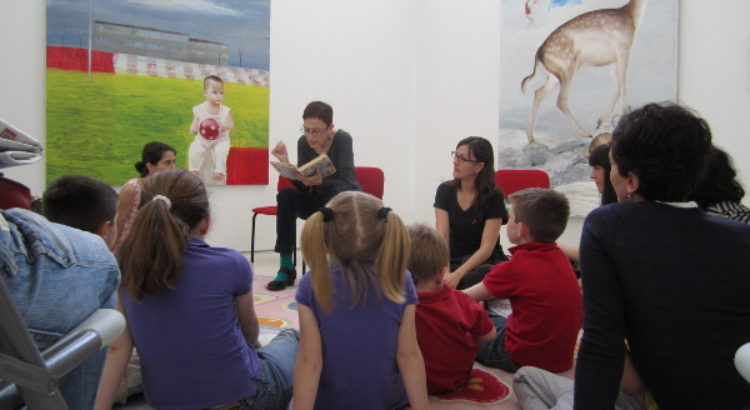
“La lectura en voz alta en los primeros años de vida tiene consecuencias emocionales y cognitivas de extraordinaria importancia”, aseguran. En primer lugar, es el primer acercamiento que tienen niñas y niños a los libros, a través de sus familias, cuando les leen cuentos. También en las escuelas infantiles. Esto hace que las criaturas entiendan “ la lectura como una demostración de cariño y protección”.
“Pero, continúan, además de los aspectos emocionales, de los momentos de intimidad y afecto que se crean entre quienes leen y escuchan, la lectura en voz alta también tiene que ver con aspectos cognitivos, como el desarrollo del lenguaje, la formación de imágenes mentales, la capacidad expresiva, la comprensión de las palabras…”.
La lectura en voz alta, en cualquier caso, no solo tiene importantes consecuencias en los primeros años de vida; también más adelante. Aunque diferentes, claro.
No es cosa de niños
¿La lectura en voz alta es cosa de niños, de niñas? “En absoluto”. Aunque es clave en la primera infancia. “ Los beneficios son extensibles a otras edades. ¿Por qué privar a adolescentes, jóvenes o mayores del placer de escuchar un poema o un relato leído por un amigo, una madre, un profesor, una escritora? Todos hemos conocido ese placer y deseamos repetirlo”.
Desde su punto de vista, con toda la carga de la experiencia, aseguran que, además de poder facilitar el acercamiento a la lectura con una perpectiva más “cariñosa”, más amable, esta lectura en voz alta puede significar la diferencia entre entender un texto o no hacerlo. “Cuántas veces hemos visto que un poema, por ejemplo, adquiría de pronto sentido al escucharlo en boca de alguien, mientras que al leerlo en silencio apenas había sido comprendido”. “Y eso sin olvidar los rasgos emocionales que conlleva esa actividad”, insisten.
Con estos mimbres, claro, consideran que la lectura en voz alta es una herramienta importantísima en el fomento de la lectura en general. “A nuestro juicio es uno de los medios más eficaces, si no el que más, para estimular el deseo de leer. La voz de una lectora o un lector expertos presentando un libro, bien sea en las aulas, en los hogares o en las bibliotecas, despierta el deseo de leerlo. Los libros se hacen así atractivos y comprensibles. Es un modo además de darles un significado emocional”.
Además, sirve no solo para aquellas personas a las que les gusta leer, como forma de engancharse a algún libro en concreto. “La lectura en voz alta es inclusiva y puede contribuir a que quienes rechazan rotundamente la lectura participen en una experiencia lectora. No hay por qué excluir a los no lectores de los valores de la literatura, de modo que la lectura en voz alta de un texto puede ayudarles a sentirse implicados”.
Según las estadísticas a partir de los 15 años es cuando se vive la mayor deserción de lectoras y lectores. Hasta el punto que en la edad adulta la mitad de la población no abre un libro nunca. Una buena estrategia, precisamente, para reducir este desenganche bien podría pasar por la lectura en voz alta con chicas y chicas en estas edades.
“Contrariamente a lo que se suele pensar, también los adolescentes se sienten interesados por esa forma de relacionarse con los libros. La voz de un adulto puede ser la mejor manera de introducirlos en el mundo de la escritura literaria o filosófica”, aseguran estos dos expertos en el fomento de la lectura.
¿Y cómo elige uno los títulos? “Lo hacemos en función del grupo con el que vayamos a leer. Cada edad requiere un tipo diferente de libros. Por fortuna, hay libros o textos que pueden ser leídos a cualquier edad. Por ejemplo, los cuentos populares, los mitos clásicos o muchos álbumes ilustrados. Pero, en general, los libros que escogemos tienen en cuenta las características del grupo: edad, circunstancias, entorno, objetivo…”.
Además de la propia lectura, desde Entrelibros se fomenta la charla posterior, sobre lo leído.
¿Y después?
Y esta lectura en alto no debe quedarse en eso solo. Tanto para Juan como para Andrea, los momentos posteriores son muy relevantes.
“Para nosotros son tan valiosos como la lectura en sí misma. Nos parece que la potencial conversación que los textos pueden generar tiene una gran significación”. Más si se piensa que realizan su labor en centros educativos, pero también en bibliotecas o en centros penitenciarios u hospitales.
“Los libros hacen hablar y nosotros procuramos que las emociones, los pensamientos, los recuerdos o los deseos fluyan con naturalidad. Por eso la cuidamos tanto. Nos parece fundamental prestar atención a las respuestas que los oyentes puedan dar al texto escuchado”.
Algo similar a lo que se hace, por ejemplo, desde el proyecto de comunidades de aprendizaje y sus tertulias literarias dialógicas. Cada persona lee en su casa un fragmento de una obra clave de la literatura y, después, en la tertulia, cada una pon en común qué ha sentido, qué le ha parecido o recordado el texto en cuestión. En una conversación en la que nadie ha de llevar la razón, simplemente se habla de las realidades personales de cada cual.
“Nos parece más relevante hablar a partir del libro que hablar del libro mismo”, aseguran Juan y Andrea sobre las conversaciones que se desarrollan tras la lectura.
Y en este sentido, es importante la figura de la persona que lee en alto. ¿Alguna característica concreta? “Una lectora o un lector con sensibilidad sabe que la lectura en voz alta es un modo de relacionarse afectivamente con otras personas, sean niños, adolescentes o ancianos, y que por lo tanto tienen que mostrarse atentos, afables, cuidadosos, receptivos, comprometidos… A partir de un libro pueden aflorar mundos íntimos por lo que se requiere una gran delicadeza para que todos se sientan confiados y comprendidos”.
Así que ya saben, no dejen de leer a otras personas en voz alta, sea cual sea la edad que tenga. Y, por supuesto, busquen a alguien que les lea en alto a ustedes también.
Asimismo, buscan lograr un pacto para mejorar la calidad educativa y una ley de financiación de la escuela pública.
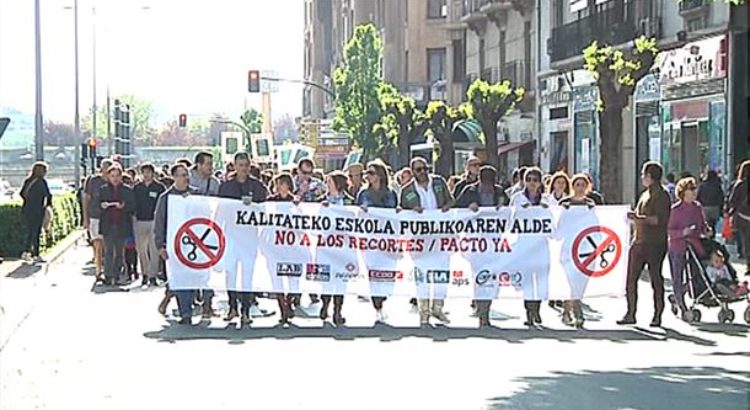
arios cientos de personas han participado este sábado enPamplona en la manifestación convocada por los nueve sindicatos representados en la mesa sectorial de Educación en Navarra para revertir los recortes, lograr un pacto para mejorar la calidad educativa y una ley de financiación de la escuela pública.
Tras una pancarta con el lema «Kalitateko eskola publikoaren alde. No a los recortes/pacto ya» la marcha ha recorrido el centro de Pamplona convocada por LAB, STEILAS, ELA, AFAPNA, CCOO, UGT, ANPE, CSI-F y APS, al grito de diferentes lemas que reclamaban «Más financiación para educación», «Más millones para sustituciones» o «Menos maderos y más lapiceros», y advertían de que «En la docencia se acaba la paciencia».
En declaraciones a los periodistas al inicio del acto, en nombre de los convocantes, Alberto Goikoa (LAB) ha enmarcado la movilización de hoy en las reclamaciones que llevan haciendo en una Mesa de trabajo desde hace más de un año «reclamando la reversión de los recortes, y la recuperación de unos elementos referenciales que nos den pie a poder trabajar en pro de una enseñanza de calidad».
Como puntos esenciales, ha recordado reivindicaciones como la disminución de las ratios profesor/alumnos, la bajada de las horas lectivas, o la inmediatez en las sustituciones.
Además de todo esto, ha pedido «aportación de medios económicos» para poner en marcha medios estructurales que evidencien «una enseñanza de calidad desde una base medianamente normalizada y adecuada».
The weeklong strike by Arizona teachers ended in a pretty handsome victory for teachers and supporters. They won a 19 percent salary increase over three years which is quite something for hard working teachers grown accustomed to tiny raises, if any, that never kept up with the cost of living.
Yet some are criticizing the educators for ending the strike before winning every one of their demands. They are not understanding how important was the victory that the teachers and their allies actually did win.
To understand the magnitude of the victory it’s important to look at what educators are up against. You may have noticed that when teachers strike, which isn’t often, they usually walk out in the fall when classes begin. First days of school in the fall get more attention, when teachers, students, and staff are knuckling down for the school year. Teachers’ unions have had time to prepare for job actions over the summer and everybody is more energetic.
This latest wave of teacher strikes, however, took place late in the school year precisely because it wasn’t a narrowly planned action. Arizona teachers reacted spontaneously, inspired by teachers’ strikes in West Virginia, Oklahoma, and other states. The main organizers formed a loose online organization called Arizona Educators United which grew like a prairie fire. It was joined by the two teachers’ unions, parents, students, school boards, the labor movement, and the public at large. It was a lesson about the need to be creative and always look for new ways to advance the struggle.
In Tucson on May Day, thousands celebrated International Workers’ Day with a massive rally and march down to the State Building in solidarity with the striking educators. With strong support from the Pima Area Labor Federation, teachers, and community supporters and all wearing red in solidarity it looked like a real May Day. To many it was a lesson about the workers’ holiday, labor history and the importance of international solidarity.
The large concessions won by teachers and the promised infusion of more money into schools is a huge reversal from years of neglect and severe cuts in school funding. The Arizona Republicans, who control the legislature and all statewide offices, haven’t merely cut and slashed education. They have been out to destroy public education.
Since public schools are such a basic part of American democratic tradition they couldn’t just abolish the schools outright without a public outcry. Instead they have been weakening public education by supporting private school vouchers, and contracting out education through use of charter schools. They figured if they damaged schools enough the public might eventually agree to replacing the schools with state subsidized private and charter schools. Their main weapon has been large tax cuts to the rich, draining funds from education and that was another lesson learned. When they ended the strike teachers began a petition campaign for a ballot initiative to tax the rich to fund future education. Hundreds of thousands learned who the enemy of education is and where the funding must be found.
I worked for a decade in Arizona schools and was an active member of the American Federation of Teachers. Our union local’s president was a Reagan Republican, and many of the school employees were quite conservative with no experience or knowledge of trade unionism. In my school most were not union members.
The strike movement has changed that. Now teachers have learned the importance of organization and unity, and the need to fight back if they want to save public education. It was another lesson learned, one about the importance of allying with parents, students, and their communities for a broader front against the right wing.
Most importantly, Arizonans learned that small struggles by local unions for small concessions, while important, are not enough. They learned that working people need to get political and take on the corporate class and their right-wing puppets in the streets, in the legislature and governor’s mansion. Yes, it’s important to win concessions, even small ones, but they will take them back unless we organize and strengthen our peoples’ coalitions. It’s important to defeat the ultra-right in the November elections. These struggles are where working people learn about class struggle and, hopefully, where they will eventually learn about the need to abolish capitalism once and for all.
So aside from winning some good economic concessions our teachers and the public also gained a class struggle education which, together with the new organizational forms, will strengthen us for the battles ahead. We have nothing to lose but our chains.
The Federal Government’s commitment to revamp the national education curriculum and accept the reform proposals put forward under Gonski 2.0 should be aimed at both international competitiveness and ensuring more young people have the skills and preparation necessary to continue their education or enter the workforce, according to the state’s peak business organisation, the NSW Business Chamber.
“Since the year 2000, across a range of measures, the performance of Australian schools has fallen against international benchmarks, and businesses are finding it even harder to fill vacant positions,” said Mid North Coast NSW Business Chamber Regional Manager, Kellon Beard.
“With Youth unemployment in the Mid North Coast Region at 12.9% (average for the past 12 months), there is no time to waste we need to move on these changes to ensure the future of our youth.
“Our school system is failing too many young people and is a handbrake on the potential of our economy and business across a range of sectors. It’s clear the educational outcomes required from our school system are not being achieved and both our young people, and the economy, is suffering,” Mr Beard said.
In 2017, the NSW Business Chamber released its Old School/New School: Transforming school education for the 21 st century Report Developed in consultation with business and education leaders, teachers, parents and, importantly, students themselves.
Old School/New School called for a radical rethink of our approach to school education to properly prepare our kids for a satisfying career and life after school.
“The Chamber has highlighted the need for a school system that provides better support for teachers, more flexible models of learning and which provides a range of learning pathways including a greater focus on vocational education training.
“A lot of local business complain to me that school leavers do not have the soft skills that are required in the workplace and this is something that needs to be addressed” Mr Beard said.
“The Gonski 2.0 proposals to develop an independent national body to assess educational approaches, empowering teachers and principals with a greater ability to focus on individual student attainment and providing a more flexible senior curriculum with apprenticeships and work experience is the shake up our school system needs to deliver better outcomes,” Mr Beard said.
OtrasVocesenEducacion.org existe gracias al esfuerzo voluntario e independiente de un pequeño grupo de docentes que decidimos soñar con un espacio abierto de intercambio y debate.
¡Ayúdanos a mantener abiertas las puertas de esta aula!






 Users Today : 129
 Total Users : 35491838
 Views Today : 544
 Total views : 3606563