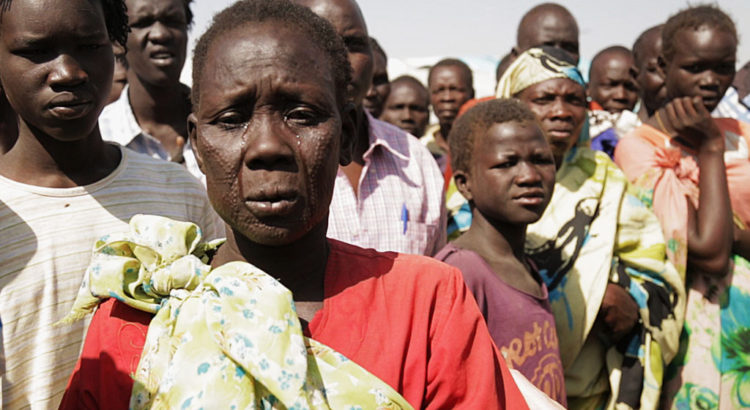
El Banco Mundial inició hoy la segunda etapa del Proyecto de Calidad de Vida Sostenible para Desplazados y Comunidades Vulnerables en el estado de Kassala, este de Sudán.
El representante del Banco Mundial en Sudán, Xavier Furtado, indicó en un boletín de prensa que el objetivo del proyecto es que las comunidades marginadas realicen operaciones de desarrollo y adquieran medios para un ingreso sostenible.
Furtado dijo que la segunda etapa del proyecto cuesta cerca de 4,4 millones de dólares y señaló que la mejora de la calidad de vida de los desplazados y las comunidades marginadas puede reducir la presión causada por el desplazamiento forzoso.
La primera etapa del proyecto inició en octubre de 2013 y terminó en marzo de 2016 con un fondo de 3 millones de dólares manejado por el Banco Mundial y otorgado por su Fondo Estatal y de Consolidación de la Paz.
El Banco Mundial mantiene en Sudán una cartera de alrededor de 130 millones de dólares en una amplia gama de ámbitos: educación, salud, agricultura, manejo de recursos naturales, cambio climático, consolidación de la paz y administración de finanzas públicas.
De acuerdo con estadísticas internacionales, 2,2 millones de desplazados viven en Sudán y 174.000 de ellos se encuentran en tres estados del este de Sudán: Geddarif, Mar Rojo y Kassala.
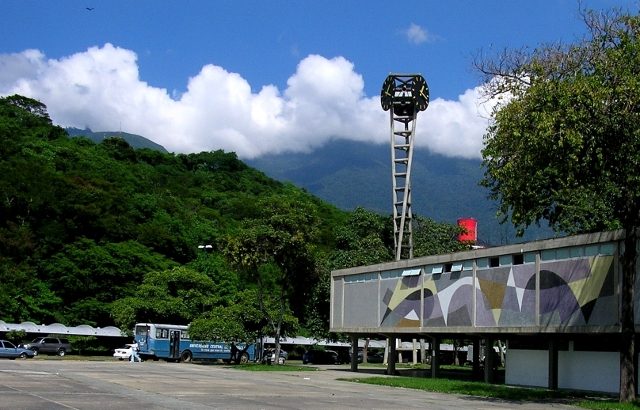
La Universidad de Central de Venezuela nace cuando el Rey Felipe V concedió al Seminario del Colegio Santa Rosa de Lima la facultad para otorgar grados mediante la Real Cédula, el 22 de diciembre de 1721
La sede actual de la UCV fue declarada Patrimonio Cultural de la Humanidad por la Unesco en el 2000.
Este jueves, el ministro del Poder Popular para Educación Universitaria, Ciencia y Tecnología, Jorge Arreaza, felicitó a través de su cuenta en Twitter @jaarreaza a la Universidad Central de Venezuela que el día de hoy cumple 295 años de fundada.
«Nuestro reconocimiento a la Universidad Central de Venezuela en sus 295 años. Avancemos hacia la Universidad Popular y democrática», escribió.
Solo en 2016, el Gobierno Bolivariano ha otorgado 350 mil millones de bolívares a las casas de estudios públicas, garantizando así la inversión para una educación universitaria pública, gratuita y de calidad.
El patriarcado es un orden social fundamentado en relaciones asimétricas de poder que se sustentan en la imposición de la supremacía de lo masculino y en la consideración de lo femenino como inferior y subordinado, y que en aras de legitimación, da origen a preceptos sociales que implican la imposición directa o solapada de órdenes por parte de los hombres o las instituciones que les representan, sobre las mujeres (Duarte y Fernández, 2006: 145. Asimismo, las construcciones sociales han impuesto una diferenciación de jerarquización de roles entre hombres y mujeres que determinan a estereotipos que cuestionan ciertas capacidades sobre las mujeres.
Por ello estos patrones estereotipados, lenguaje, símbolos y valores reproducen la dominación, desigualdad y discriminación en las relaciones sociales, naturalizando la subordinación de la mujer en la sociedad. Y así produce una violencia que genera una sumisión. Estas acciones en el proceso de socialización en el orden social, naturalizan las relaciones asimétricas de poder acentuando percepciones del mundo dominante y se plantean como naturales.
Los medios de comunicación, como agentes de socialización, forman parte de este sistema que reproduce esos estereotipos y naturalización de las representaciones negativas de la mujer, a través de sus contenidos y exposición de la información. Por ello, esta fuerza mediática es uno de los principales agentes promotores de derechos humanos y equidad de género que influyen en la cultura de una sociedad y refuerzan la desigualdad social.
De esta manera su poder en la consolidación de un imaginario social estereotipado conlleva efectos insondables y perdurables, reforzando procesos de exclusión hacia grupos históricamente excluidos y perpetuando el “deber ser” establecido como “normal”para los géneros.
PERFIL
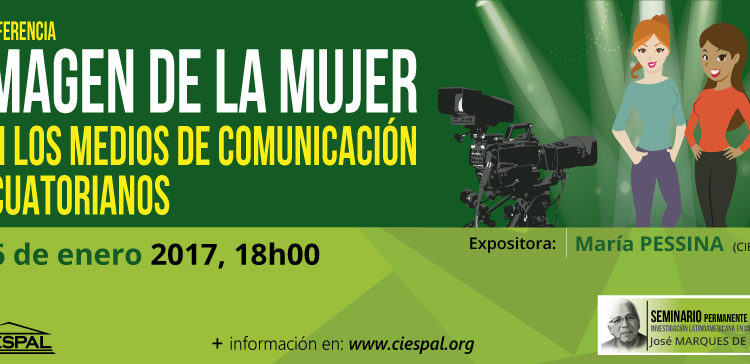
María PESSINA es Secretaria General de CIESPAL. Feminista, Máster en Género y Desarrollo, con mención publicación por su trabajo Conocimiento, Mujer y Ciencia, por la Facultad Latinoamericana de Ciencias Sociales, sede Ecuador (FLACSO) entidad en la que también realizó estudio sobre Periodismo y Responsabilidad Social. Es periodista por la Universidad Central de Venezuela y especialista en estrategias de comunicación política y género. Además realizó estudios en la Universidad de Ginebra (Suiza) y en Roma en donde realizó estudios de producción de cine y televisión. María PESSINA ha sido editora de varias publicaciones sobre género publicadas en la FLACSO (Ecuador) y ha trabajado en varios medios nacionales e internacionales: editora en El Nacional (Caracas); Hoy (Quito) y El Comercio (Quito). Ha colaborado en medios como BBC Mundo, Familia, El Comercio, El Telégrafo y en Radio Quito y Platinum (Ecuador Radio) se desempeñó como Productora Ejecutiva. Consultora de comunicación en organismos internacionales. Fue Directora de Comunicación del Instituto de Altos Estudios Nacionales (IAEN) y asesora del despacho en temas comunicacionales de la Secretaria de Educación Superior Ciencia, Tecnología e Innovación (SENESCYT). Ha participado en congresos, seminarios y encuentros, nacionales e internacionales, sobre comunicación, política y género.
Para inscribirse: http://ciespal.org/matriculas/index.php/evento/32
Fuente de la noticia: http://ciespal.org/event/imagen-de-la-mujer-en-los-medios-de-comunicacion-ecuatorianos/
Resumen: Después de un importante brote de sarampión en Somalia, el Fondo de las Naciones Unidas ( UNICEF ) y sus socios apoyó una rápida entrega de 55.000 dosis de vacuna contra el sarampión a Kismayo, junto con suplementos de vitamina A para aumentar la inmunidad de por lo menos unos 54.000 niños menores de 10 años. «El sarampión es una de las enfermedades más mortales prevenibles mediante la vacunación, pero por desgracia, está lejos de ser el único en Somalia», dijo Jeremy Hopkins, representante interino de UNICEF en Somalia, y agregó que la agencia está muy agradecida con los donantes, sin embargo más apoyo es necesario para asegurar una cobertura de la vacunación en todo el país y así cumplir con el compromiso con las comunidades locales.
UNICEF informó de que ha habido más de 704 casos de fiebre y erupciones en Kismayo, la mayoría de ellos niños. Muchos de los niños, se sospecha que sufren a causa del sarampión, están durmiendo en el piso del Hospital General de Kismayo. La mayoría no fueron vacunados contra el sarampión, aunque hay 16 puestos de vacunación gratis en Kismayo
Following a major measles outbreak in Somalia, the United Nations Children’s Fund (UNICEF) and its partners supported a swift delivery of 55,000 doses of measles vaccine to Kismayo along with Vitamin A supplementation to boost the immunity of the some 54,000 children under the age of 10 that are expected to be vaccinated.
“Measles is one of the most deadly vaccine-preventable diseases but sadly it is far from being the only one in Somalia,” said Jeremy Hopkins, UNICEF Somalia’s acting Representative, adding that the agency is very grateful to the donors, but more support is needed to secure a nationwide immunisation coverage and engagement with local communities, as well as fully vaccinate every child.
UNICEF reported that there have been over 704 cases of fever and rashes in Kismayo, the majority of them children. Many of the children, suspected to be suffering from measles, are sleeping on the floor of Kismayo General Hospital. Most were not vaccinated against measles although there are 16 free vaccination posts in Kismayo.
In addition, the agency has sent three freezers for the cold chain storage for vaccines. The initiative was supported by several donors, including the UK’s Department for International Development (DFID), Finland, Japan, Sweden, Switzerland and the United States Agency for International Development (USAID).
Somalia, where measles continue to be the leading cause of death among young children in, has one of the lowest immunization rates in the world. The disease can be prevented with two doses of a safe and effective vaccine, while lack of immunization can lead to pneumonia, diarrhoea, and encephalitis which causes brain swelling and blindness and attacks those with weak immunity resulting from malnutrition, Vitamin A deficiency and unhygienic living conditions.
Gavi, the Vaccine Alliance, is funding the cold chain and awareness creation activities, as well as the newly introduced vaccine against polio (IPV) and the Pentavalent vaccine which covers childhood TB, diphtheria, tetanus, pertussis, hepatitis B and Haemophilus influenza type b (Hib).
Ecuador/24 de diciembre de 2016/Fuente: Diario EL TELÉGRAFO
ALREDEDOR DE $ 15 MILLONES SERÁN INVERTIDOS EN LA EDIFICACIÓN. LA OBRA ESTARÁ LISTA EL PRÓXIMO AÑO
El Ministerio de Educación iniciará la construcción de 6 unidades educativas en el sur de la capital. Las obras beneficiarán a 13.386 estudiantes.
Según Edwin Beltrán, director de Educación del Distrito 7 Quitumbe, la demanda de estudiantes en el sector es alta. Para cubrirla, desde hace 3 años se crearon instituciones educativas en espacios arrendados. Hoy, esas edificaciones resultan insuficientes.
Edgar Calles, rector de la Unidad Educativa Bicentenario D7, explica que tienen muchas molestias porque funcionan utilizando las instalaciones de la Unidad Educativa Municipal del Milenio Bicentenario.
“Como inquilinos no podemos tocar ciertas cosas ni tenemos todos los accesos, casi ni respirar podemos porque les molesta”, dice Calles.
Después de un proceso iniciado meses atrás, la comunidad consiguió que predios municipales, que permanecían abandonados y que eran focos de delincuencia, pasen a manos del Ministerio para que edifique unidades educativas. Estas estarían listas el próximo año.
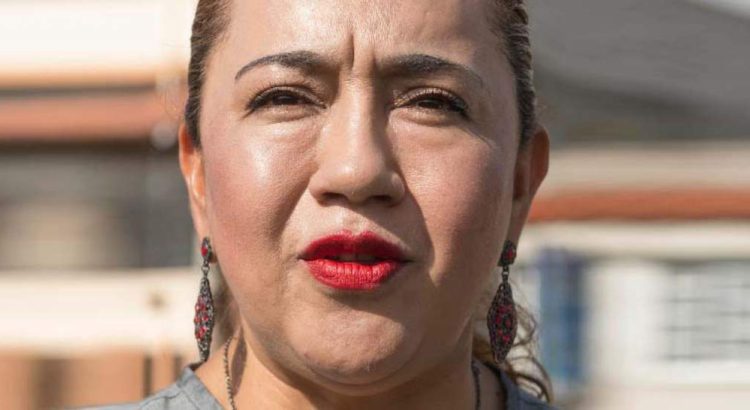
Para Luisa Maldonado, concejala del Distrito (foto), con el uso de predios abandonados no solo se soluciona el problema de educación, sino que también se da seguridad a los barrios y se incentiva las actividades económicas.
Cerca de 70 mil personas se verán beneficiadas de la construcción de estas infraestructuras.
Gustavo Ramos, vicepresidente del barrio La Bretaña, explica que tanto estudiantes como padres de familia deben realizar un viaje diario de cerca de una hora y media para llegar a las unidades educativas fiscales cercanas. Agrega que deben salir en la madrugada, arriesgándose a asaltos en la oscuridad.
“Para nosotros es un logro que se hayan aprobado estos colegios en el barrio”, dice Ramos. (I)
—————————-
Extensión en la lucha de los pobres
Los barrios se organizaron para pedir las obras Los vecinos se organizaron para solicitar las obras. Así, en Ciudad Jardín se construirá la Unidad Educativa del Milenio Ciudad Jardín Manuela Sáenz. En el barrio La Bretaña se harán las unidades educativa Bicentenario y Eugenio Espejo.
En el barrio Nueva Aurora se construirá la Unidad Educativa Nueva Aurora Siglo XXI.
En la ciudadela del Ejército se edificará la Réplica Central Técnico. Y finalmente, en la Lucha de los Pobres ya inició la construcción de la extensión de la Unidad Educativa Nicolás Guillén. (I)
Fuente de la Noticia:
Esta noticia ha sido publicada originalmente por Diario EL TELÉGRAFO bajo la siguiente dirección: http://www.eltelegrafo.com.ec/noticias/quito/11/en-sur-de-quito-se-construiran-6-unidades-educativas Si va a hacer uso de la misma, por favor, cite nuestra fuente y coloque un enlace hacia la nota original. www.eltelegrafo.com.ec
América Latina/24 de diciembre/Fuente: http://latino4u.net/
Existen excelentes aplicaciones aptas para niños que mantienen a los padres libres de preocupaciones, son sumamente divertidas y a su vez educativas.
Como adultos y padres de niños y niñas en edad escolar muchas veces nos vemos obligados a limitar la tecnología en nuestro hogar. En el trabajo hacemos uso de la tecnología en un 100 %, por lo que sabemos cuán beneficiosa puede ser, pero también cuán dañina si no existe control.
Sin embargo, existen excelentes aplicaciones aptas para niños que mantienen a los padres libres de preocupaciones, son sumamente divertidas y a su vez educativas. Las mismas son un excelente regalo porque se adaptan a la edad de cada niño y pueden personalizar su experiencia mientras las usan. Igualmente, son una alternativa para que los padres se diviertan con sus hijos.
YouTube Kids
YouTube diseñó esta app pensando precisamente en los padres. En YouTube se puede ver de todo, por lo que el control parental es casi imposible. Pero, YouTube Kids ofrece contenido de vídeo desde caricaturas hasta películas específicamente para niños de todas las edades. Es seguro y fácil de manejar por los niños. Lo mejor de todo es gratuita.
Samsung Kids
Esta aplicación está disponible solo para dispositivos móviles y tabletas Android. Tiene un costo mensual. Son muchas aplicaciones dentro de una aplicación. Es 100 % educativa y divertida. Entre sus ventajas están, que los padres tienen total control del uso del dispositivo a través de un código secreto, ya que la aplicación es un programa que funciona separado al sistema Android que trae instalado el dispositivo. Por tal razón, el niño puede acceder al internet y bajar aplicaciones sin la ayuda de los padres, liberándolos de toda preocupación de que sus niños puedan acceder a contenido no apto para su edad en aplicaciones preinstaladas. A su vez, permite a los padres configurar la aplicación según la edad del niño, mostrándole los juegos educativos específicamente para la edad programada. Entre los juegos educativos que los niños pueden acceder están para mejorar destrezas de matemáticas, desarrollar toma de decisiones, aumentar la capacidad de los reflejos, gramática, etc.
My Talking Tom o Talking Ginger
Esta aplicación es gratuita, divertida y graciosa. Aunque después de un rato puede ser molestosa para los padres, haz la prueba. En esencia, la aplicación es sobre un gato o gata el cual los niños tienen que cuidar a diario. Aprenden a asumir responsabilidad porque tienen que alimentarlo, vestirlo, bañarlo, acostarlo a dormir, a ir al baño, etc. A su vez, se divierten escuchando al gracioso animal repetir todo lo que ellos dicen.
Minecraft
Esta aplicación está disponible para cualquier dispositivo móvil y en videojuego. Tiene un costo módico que solo se paga una sola vez. Es una excelente alternativa para niños con el Trastorno de Déficit de Atención o Autismo. Esta aplicación permite a los niños crear su propio mundo desde cero. Es un canvas en blanco. Los niños nombran su mundo y tienen que construir desde sus herramientas hasta sus viviendas y hasta cosecharsu propia comida, ni hablar de sobrevivir a los zombies durante la noche. Minecraft es una herramienta que promueve la autonomía en los niños y la toma de decisiones, ya que son ellos los únicos responsables de su sobrevivencia en ese mundo, lo que también ayuda en la enseñanza de asumir responsabilidades en el hogar. Es ideal para jugarlo entre padres e hijos.
Snapchat e Instagram
Si tenes cuenta de Snapchat o Instagram diviértete en esta Navidad con tus hijos. Aprovecha las actividades en familia para usar los filtros y hacer monerías. A los niños les encanta y más aún si pueden hacerlo con sus padres.
Como estas, existen muchas aplicaciones más, pero estas han sido buenísimas con mis propios hijos. Amo la tecnología y las redes sociales, por lo que estas aplicaciones proveen un balance positivo para los niños y la paz mental de los padres. Aunque son completamente seguras es importante que siempre supervises su uso. Hazlo con la excusa de que quiere jugar con ellos. Además, le dará la oportunidad de pasar un buen rato divertido y momentos que no regresan. Disfruta estas aplicaciones con tus hijos, forme parte de ese entretenimiento.
La tecnología y las redes sociales llegaron para quedarse, no hay marcha atrás. Solo tenemos que encontrar ese punto de beneficio para todos en casa y promover en sus hijos un sano uso de las mismas. Y créeme, crecerán con esta responsabilidad en mente. Lo mejor de todo: podrás sentirte orgulloso que tú mismo se lo enseñaste.
Cuba/ 24 de diciembre de 2016/ Autor: Cuba Debate/Fuente: Insurgencia Magisterial
Hace 56 años el 23,6 por ciento del pueblo cubano era analfabeto. Una de cada cuatro personas no sabía leer ni escribir. Por eso el año 1961 trascendió tanto en la historia de este país. En menos de solo unos meses se alfabetizaron a 707 mil 212 cubanos. La estadística bajó al 3,9 por ciento, o sea cuatro de cada 100. Pero más allá del número, siempre frío, la Campaña de Alfabetización impactó en la identidad y el desarrollo económico-cultural de la nación.
Sin la Campaña no hubiese sido posible el desarrollo de la cultura cubana, esta Isla no se hubiera convertido en una de las potencias latinoamericanas de la música, el cine, la literatura, en fin, las artes, y también la ciencia, la medicina, la educación. O al menos el proceso hubiese sido mucho más largo. La Campaña fue un catalizador cultural. 1959 fue una Revolución, 1961 otra, que también tuvo sus mártires.
En esa etapa grupos armados intentaban sabotear todo lo que estuviera vinculado al triunfo de dos años antes. Con ese fin mataron al campesino Eliodor Rodríguez y a su maestro Conrado Benítez apenas el 5 de enero. Tenía 19 años y en su honor se nombraron a las Brigadas de vanguardias, inmortalizadas en el himno de Eduardo Saborit.
Los asesinatos no se detuvieron. El 26 de noviembre, casi al final, torturaron y ahorcaron a Manuel Ascunce Domenech, 16 años. Y también a su alumno, Pedro Lantigua.
Hubo otros seis asesinados y en total fueron 42 los que perdieron la vida durante la Campaña de Alfabetización, contando fallecidos por enfermedades y accidentes.
Pero nadie regresó, ningún maestro dejó a su alumno a medias.
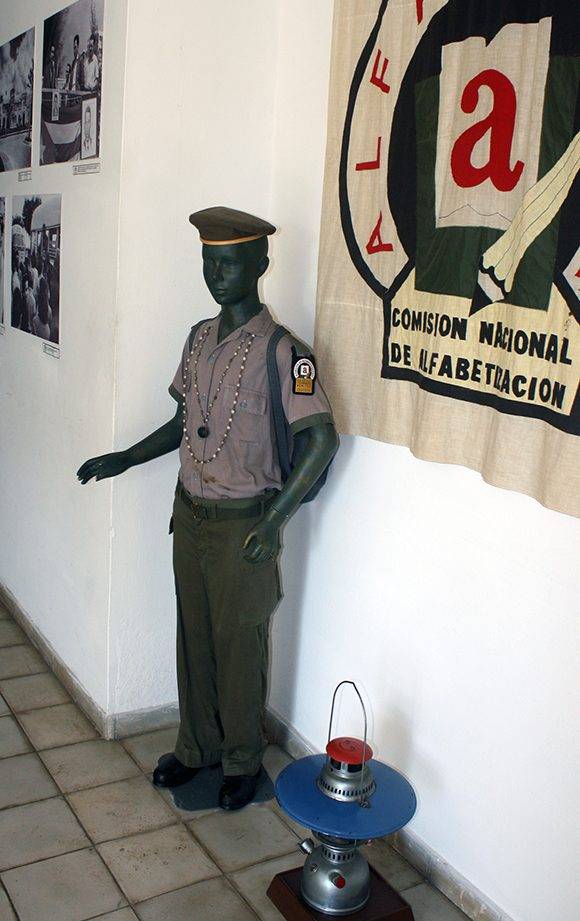
Para rememorar la Campaña de Alfabetización en su 55 aniversario, nos trasladamos hasta el centro de Ciudad Libertad para visitar el lugar que guarda la memoria de aquel hito. Y conocer por qué Cuba es el único país del mundo con un museo dedicado a la Alfabetización. Cubadebate conversa con Luisa Campos, su directora.
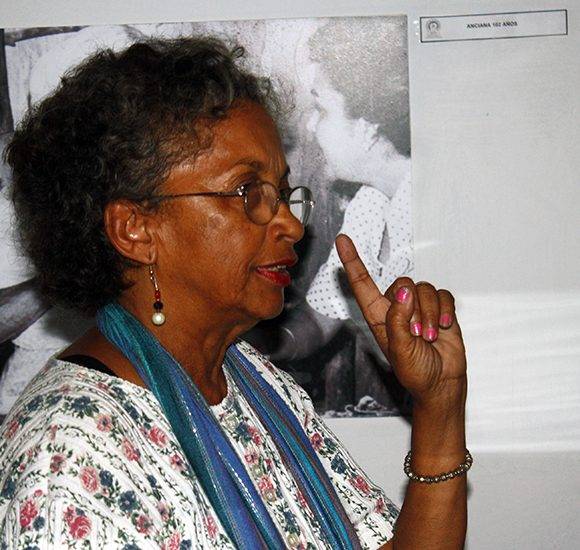
La máster en Educación Luisa Campos Vallarde es directora del Museo Nacional de la Campaña de Alfabetización desde enero de 1997. Ejerce como profesora de Historia en el Instituto Superior Pedagógico Enrique José Varona y es autora de un programa para la enseñanza de José Martí a través de los propios textos del Apóstol.
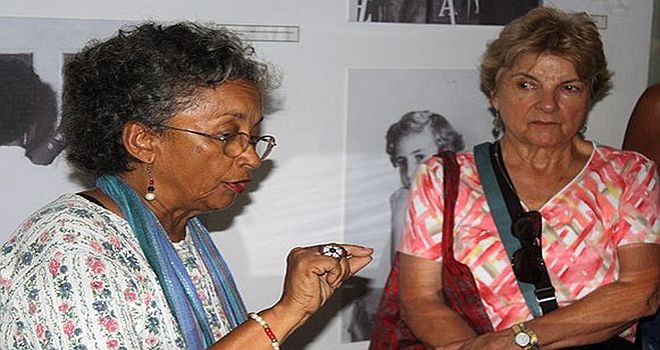
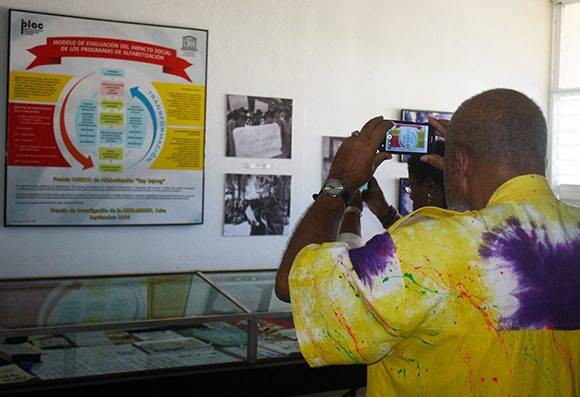
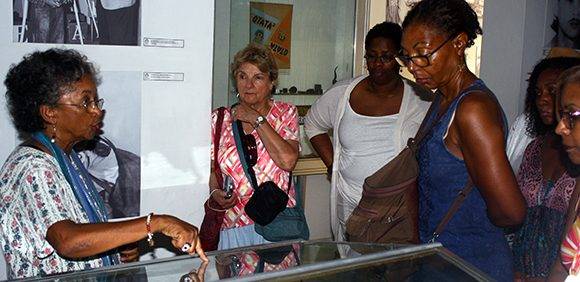
Visitantes toman fotos en el Museo de la Alfabetización, fundado en 1964. Foto: José Raúl Concepción/ Cubadebate.
¿Cómo surge la idea de inaugurar un Museo dedicado a la Alfabetización?
El Museo se funda el 29 de diciembre de 1964, pocos días después del tercer aniversario de la Campaña de Alfabetización. Aquí está toda la documentación de ese año 1961 y algunas anteriores, a partir de la intervención de Fidel en las Naciones Unidas (26 de septiembre de 1960).
El Museo fue inspiración del Comandante en Jefe, que dijo: “del mundo vendrán a preguntar cómo fue posible erradicar en un año el analfabetismo en un país”, entonces dónde se puede conocer de eso: en un museo. Aquí está toda esa historia. Además, el Comandante Fidel les decía a los miembros de la Comisión Nacional de la Campaña, entre ellos Armando Hart, ministro de Educación de esa época y ejecutor de la misma, y Mario Díaz, coordinador nacional de la Campaña, que se debía guardar toda la documentación para las próximas generaciones que no conocerían sobre este hecho.
Y quien inauguró este Museo fue Evelia Domenech, la madre de Manuel Ascunce, junto a Armando Hart.
Me comentaba antes de la entrevista que este es el único museo de su tipo en el mundo…
Sí, es el único dedicado a la alfabetización en todo el mundo. Hemos hecho un convenio con la Misión Robinson venezolana, que está parado en estos momentos, pero la idea es que como Venezuela fue el primer país libre de analfabetismo con el programa Yo sí puedo, sea la segunda nación que tenga un museo sobre el tema.
¿Cómo usted asumió el reto de dirigir este museo?
“Conocer es resolver”, esta es una de las ideas de José Martí que más me ha servido para el trabajo y la vida. Esas tres palabritas tienen una gran significación. Entonces, desde que comencé aquí me estudié toda la información: las cartas, los informes municipales, provinciales y de las escuelas de pescadores, en fin, todo lo que me sirve para enfrentar esta tarea.
Además, intento que los visitantes no vean al museo como algo plano, aquí hay que respirar amor, patriotismo… porque eso fue lo que hicieron los alfabetizadores y los analfabetos. Si no hubiesen entendido el mensaje del Comandante en Jefe, no se hubiera terminado en un año la Campaña de Alfabetización.
¿Qué actividades realizan en el Museo y cómo es su vínculo con la docencia y la investigación?
Realizamos actividades con las generaciones que no vivenciaron la campaña, espacios de intercambio de experiencias de los alfabetizadores con estudiantes de las diferentes enseñanzas, en las cuales se propicia el interés y el conocimiento de aquella etapa. Estos encuentros generacionales tienen lugar en el propio museo o en las escuelas, cuando los estudiantes están recibiendo esta temática como contenido de estudio.
Otra de las actividades que desarrollamos anualmente es la conmemoración del 8 de septiembre, Día Internacional de la Alfabetización, declarado por la UNESCO. Además de talleres, presentaciones de libros, exposiciones de arte, relacionados con la temática de la alfabetización.
Igualmente tenemos contacto con amigos de otras nacionalidades que se interesan por la Campaña de Alfabetización para desarrollar investigaciones. Por ejemplo, un alemán se hizo doctor en esta temática, hay tres norteamericanos haciendo el doctorado y otros tantos sus maestrías.
Además de los cubanos, que existen dos que son doctores en esta especialidad. Jaime Canfux que fue el primero en realizar su doctorado en esta especialidad y Felipe Pérez, que discutió su tesis de doctorado muy joven, demostrando lo que decía Fidel que las nuevas generaciones deberían conocer sobre la Campaña.
Y el Museo ha logrado que alfabetizadores escriban sus memorias de la Campaña y se publiquen en libros, entre ellos El pueblo dice. Además está el libro Y no hubo domingo de Chaterine Morphy, una escritora y realizadora norteamericana que lo presentó en la pasada Feria Internacional y que ha dirigido tres documentales sobre la Campaña.
¿Qué es lo que más resalta cuando ofrece los recorridos por el museo?
Cuando atiendo a los visitantes, sean cubanos o extranjeros, siempre destaco el papel que jugó la familia cubana. Las brigadas Conrado Benítez estaban conformadas por estudiantes que fueron a los campos a enseñar y sus edades eran entre 10 y 16 años. En esa etapa, los hijos no salían solos, mucho menos las muchachitas, y de esa brigada el 52 por ciento era del sexo femenino. Por tanto, los padres debían firmar autorizaciones para sus hijos. Quiere decir que se debe reconocer a la familia cubana en aquel momento.
Además de la actitud de la familia, ¿qué es lo más impresionante de la Campaña? Según su criterio como historiadora.
La actitud de los alfabetizadores, en su mayoría jóvenes estudiantes que se separaron de sus hogares, que se enfrentaron a un contexto totalmente desconocido.
Una vez reunidos con Fidel en Varadero, el Comandante expresó: “Ustedes van a aprender más de lo que van a enseñar”. Y sí, aprendieron a enfrentar la vida, a asumir responsabilidades, a decir sí se puede.
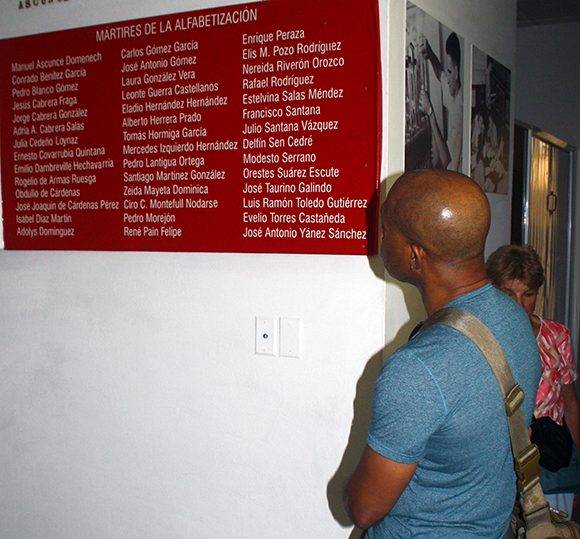
Un visitante observa la lista de mártires de la Campaña de Alfabetización. Foto: José Raúl Concepción/ Cubadebate.
¿Cómo se organizaron los alfabetizadores?
Habían tres tipos: las brigadas Conrado Benítez eran los estudiantes que fueron a los campos (la mayoría menores de edad), los Patria Muerte estaban conformadas por trabajadores y también fueron a los montes y los Alfabetizadores Populares se quedaron en las ciudades y los pueblos, porque si no se enseñaba en esos lugares no se terminaba la Campaña. Pero todos para mí tienen el mismo mérito.
Además, estaban los profesores graduados que fueron los responsables de toda la preparación metodológica de aquellos que se sumaron a enseñar y que no eran maestros. Algunos también acudieron a los campos donde supervisaban el trabajo de los Conrado Benítez y los Patria o Muerte.
Todos cumplieron con el Comandante en Jefe, no hubo rajados. Los que no regresaron a sus casas fue porque perdieron la vida, unos asesinados por la contrarrevolución, otros por enfermedades o accidentes. Todos los demás no cogieron miedo ni siquiera en Playa Girón. Cuando los mercenarios atacaron allí había estudiantes-maestros, incluso el primer herido fue uno de ellos que apenas tenía 15 años y hubo cinco que estuvieron prisioneros, pero siguieron enseñando.
Increíble cómo a pesar de los asesinatos nadie abandonó la Campaña…
Cuando entrevisté a Evelia Domenech en 1996, ella me contaba cómo en el velorio de su hijo Manuel, muchos padres marcados por el dolor la apoyaban, pero había otros que le mostraban el ticket de la guagua o el tren que tenían preparado para ir a buscar a sus hijos cuando conocieron cómo fue el asesinato de Ascunce.
Pero ella a través de la prensa hizo un llamado a los padres de los alfabetizadores para que no fueran a buscar a sus hijos, que el asesinato de Ascunce no fuera un motivo para abandonar la Campaña, al contrario, debía asumirse como un incentivo para seguir luchando por erradicar el analfabetismo en Cuba. La muerte de él fue el 26 de noviembre, y aún quedaba un mes para culminar la campaña.
A veces comparo a esta mujer con Mariana Grajales, pues ante el dolor por la pérdida de su hijo, fue capaz de tan valiente acto.
¿Cómo fue la muerte de Manuel Ascunce Domenech?
No fue solo el ahorcamiento, le amarraron las manos y le dieron 14 punzonazos en el cuerpo y le trituraron los órganos genitales. Lo arrastraron, le dieron patadas y ya cuando estaba moribundo lo ahorcaron.
La historiadora Luisa Campos, directora del Museo. Foto: José Raúl Concepción/ Cubadebate.
La Campaña no solo impactó en la educación, sino en otros sectores y sobre todo en la identidad de los cubanos.
Los Conrado Benítez regresaron de las zonas rurales con collares, al igual que los combatientes del Ejército Rebelde cuando derrocaron a la tiranía de Batista, esta vez, habían derrocado el analfabetismo, lo cual significaba no solo un desarrollo cultural para Cuba, sino también económico porque los alfabetizados podían superarse en sus trabajos.
Fue una campaña muy cubana, los documentos de estudio que se emplearon como referente fueron diseñados por nuestros pedagogos, fue implementada por alfabetizadores cubanos, aunque también participaron algunos extranjeros.
Y existen personalidades de la cultura muy conocidas que fueron alfabetizadores…
Sí, de las ciencias y la cultura. Entre ellos Agustín Lage, Carlos Gutiérrez, las actrices Mirtha Ibarra, Adria Santana; los músicos Adalberto Álvarez, Silvio Rodríguez y Carlos Alfonso.
De alguna manera, la Campaña de Alfabetización no quedó solo en Cuba, sino que se extendió a otros paises.
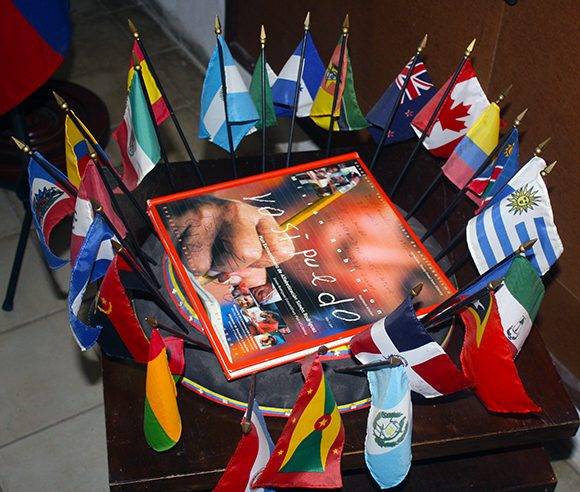
De 1976 a 1998 realizamos procesos de alfabetización en Nicaragua, Angola y otros países de África, a través del método de la alfabetización presencial, similar a lo que habíamos hecho en Cuba. Ya a partir de 1999 en Haití realizamos un programa de alfabetización a través de la radio. En el 2003 se crea el programa Yo sí puedo en Venezuela, utilizando los medios de comunicación y las tecnologías como la televisión, el DVD, etc.
Cuba extendió su experiencia para ayudar a alfabetizar otros pueblos, el programa “Yo sí puedo” es uno de los métodos de alfabetización más conocidos. Foto: José Raúl Concepción/ Cubadebate.
Letra del Himno de las Brigadas Conrado Benítez o Himno de la Alfabetización
Somos las Brigadas Conrado Benítez,
somos la vanguardia de la Revolución,
con el libro en alto cumplimos una meta,
llevar a toda Cuba la alfabetización.
Por llanos y montañas el brigadista va,
cumpliendo con la patria,
luchando por la paz.
¡Abajo imperialismo, arriba libertad!
Llevamos con las letras la luz de la verdad.
OtrasVocesenEducacion.org existe gracias al esfuerzo voluntario e independiente de un pequeño grupo de docentes que decidimos soñar con un espacio abierto de intercambio y debate.
¡Ayúdanos a mantener abiertas las puertas de esta aula!



 Users Today : 20
 Total Users : 35509442
 Views Today : 20
 Total views : 3637120