Page 5512 of 6197
1 5.510 5.511 5.512 5.513 5.514 6.197

Kenya: Kenya to make secondary school education free

Kenya: Kenya to make secondary school education free

Ministerio de Educación/Kenya/junio de 2016/IOL

RESUMEN: El presidente Uhuru Kenyatta, anunció el miércoles que el gobierno va a convertir la educación secundaria en escuelas públicas gratuitas en Kenia a partir de 2019.
Kenyatta dijo que su gobierno estaba resuelto a garantizar que todos los niños de las escuelas primarias de tránsito público a la escuela secundaria pública estudien sin tener que abandonar debido a problemas financieros. El presidente dijo que el presupuesto nacional publicado recientemente aumentó el gasto diario en educación secundaria en un 33 por ciento a 32 millones de chelines kenianos, y se prepara para hacer la educación secundaria universal y gratuita para garantizar el 100 por ciento de transición de primaria a secundaria.
«Estamos haciendo todo esto para mejorar la calidad de la educación y aliviar la carga de los padres mediante la eliminación de los obstáculos de acceso a la educación secundaria», dijo el presidente.

Por: Roseleen Nzioka
Mombasa – President Uhuru Kenyatta on Wednesday announced that the government will make secondary school education in public schools in Kenya free starting from 2019.
Kenyatta said his government was determined to ensure that all children in public primary schools transit into public secondary school without having to drop out due to financial problems.
The president said the recently released national budget increased the Free Day Secondary Education expenditure by 33 percent to 32 billion Kenyan shillings as it prepares to make universal secondary education free to ensure 100 percent transition from primary to secondary school.
“We are doing all this to improve the quality of education and ease the burden on parents by removing impediments of access to secondary education,” the president said.
President Kenyatta was speaking in Mombasa where he addressed the 41st Kenya Secondary School Heads Association (KESSHA) annual national conference.
He told the gathering of head teachers and principals that they must embrace prudent management of the funds.
“Prudence is not limited to funds disbursed by the Government – this includes funds collected from parents as well. As accounting officers in your institutions, you are fully responsible for management of the resources,” President Kenyatta told the secondary school heads.
He traced the introduction of Free Day Secondary Education back to 2008 when the government started paying a subsidy of Sh10,265 (US$102.65) for each student a year, saying the scaling up of the figure to Sh12,870 (US$128) in 2015 had seen a phenomenal growth in enrollment in high schools.
“The Free Day Secondary Education programme has paid handsome dividends – transition rates from primary to secondary schools have improved substantially from 60 percent in 2008 to 86.7 percent in 2015,” President Kenyatta said.
The central place of education in national development is crucial, the president said, adding that the government would continue to invest heavily in education.
On national examinations, the president said the government had undertaken far-reaching actions aimed at improving administration of the national tests.
“My government has embarked on critical changes in streamlining examination administration so that cases of cheating are eradicated,” the president said.
He said there would be harsh punishment for those who cheat and those who abet the vice, citing a 10-year jail term for the culprits.
The president said as the country takes a leap into national prosperity, Kenya requires a critical mass of knowledgeable and skilled citizens to deal with the challenges of the this century.
President Kenyatta challenged the school heads to sharpen the social skills and attitudes of the students saying: “The youth require guidance and understanding, not judgment and condemnation to be able to navigate through this turbulent period of their lives.”
Education Cabinet Secretary Fred Matiang’i said his ministry would ensure that exams are administered in a credible manner to guard against cheating and other malpractices.
Matiang’i said his ministry is also improving infrastructure in schools so that students can learn in a conducive environment that would boost the success of education.
Other speakers at the event included Mombasa Governor Hassan Joho, teacher unions’ officials and head teachers’ association chairman John Awiti.
Earlier in the day at State House, Mombasa, President Kenyatta had met with top officials of the two teachers’ unions, Kenya National Union of Teachers (KNUT) and Kenya Union of Post Primary Education Teachers (KUPPET) and the teachers’ employer, the Teachers Service Commission.
Kenyatta applauded the two unions for the recent signing of a Collective Bargaining Agreement (CBA) with the Teachers Service Commission which put to rest years of disruptive strikes by teachers over their salaries.
Kenyatta praised the landmark agreement that covers 2013 – 2017, saying for the first time there was a platform on which future discussions and negotiations between the employee (unions) and the employer (TSC) would be held.
He added: “As you will recall, a few months ago I asked the TSC and the Kenya National Union of Teachers (KNUT) to sit together as reasonable people and find a way forward in establishing a harmonious relation in the education sector.”
The CBA, signed on Tuesday, introduces, among other things, an alternative dispute resolution mechanism that will end the perennial strikes that have dogged the education sector in the past.
The head of state pointed out that harmonious relations between the TSC and teachers’ unions cannot exist in an environment of confrontation. The two must look for a way that will ensure the education of Kenyan children is not put at risk, especially during their crucial time when they are doing their exams, he said.
President Kenyatta also assured the teachers as well as other public servants that his government was committed to safeguarding their welfare.
TSC Chairperson Lydia Nzomo said the CBA protects the pupils by ensuring that they learn in an environment where there is industrial harmony.
Union officials said that for the first time teachers have a pact with their employer that fully protects their rights.
KNUT Secretary General Wilson Sossion and Chairman Mudzo Nzili said the successful implementation of the CBA would entrench the tripartite relationship between the government, the TSC and the KNUT to deliver high quality education.
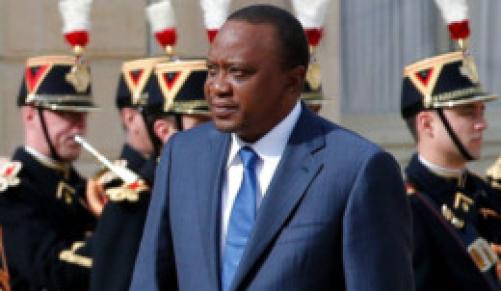
File photo: Kenya’s President Uhuru Kenyatta. Credit: AP

Fuente: http://www.iol.co.za/news/africa/kenya-to-make-secondary-school-education-free-2037775

Comparte este contenido:

Papua Nueva Guinea: Unitech Girls Lead Drive To Return To Class

Papua Nueva Guinea: Unitech Girls Lead Drive To Return To Class

Oceanía/Papua Nueva Guinea/junio de 2016/Papua Nueva Guinea News

Resumen: El rector de la Universidad de Tecnología de Papúa Nueva Guinea dice que confía en la mayoría de sus estudiantes volverá a clase esta semana. Los estudiantes de toda PNG han sido boicotear las conferencias desde el comienzo de mayo al tiempo que exige al primer ministro dimita para enfrentar el fraude acusaciones.

The vice-chancellor of the University of Technology in Papua New Guinea says he’s confident the majority of his students will return to class this week.
Students across PNG have been boycotting lectures since the beginning of May while demanding the Prime Minister step down to face fraud allegations.
Vice-chancellor, Dr Albert Schram, said UNITECH’s female students were leading the return to study.
«The female students all met yesterday and they decided all to go to classes. So that is a very, very positive development. And 40 percent of our student population is female so we have that group already onboard.»
Albert Schram estimated the six week boycott had cost UNITECH about $US1.2 million which the university will try to absorb if the government does not provide additional funding. RNZI
Fuente: http://edu.pngfacts.com/education-news/unitech-girls-lead-drive-to-return-to-class

Comparte este contenido:

Argentina: Zuccari destacó trabajo de alumnos

Argentina: Zuccari destacó trabajo de alumnos

América del Sur/Argentina/junio de 2016/Por: Diario Democracia

La diputada provincial Vanesa Zuccari visitó la Escuela de Educación Técnica Nº 1 “José María Cané” y felicitó a alumnos por un destacado trabajo sobre generación de energía a través de paneles solares.
Se trata del proyecto Natural Mente Iluminados que recibió una declaración de la Honorable Cámara de Diputados de la Provincia.
Zuccari le entregó al director, arquitecto Guillermo Depine, la Declaración que la Honorable Cámara de Diputados de la provincia de Buenos Aires le hizo a la institución por la presentación del proyecto Natural Mente Iluminados, que consiste en la generación de energía a través de paneles solares. Actualmente esos paneles se encuentran colocados en el establecimiento educativo y generan electricidad para el comedor de la escuela.
En el acto organizado en el establecimiento, con la presencia de los docentes y de la inspectora distrital de Educación Secundaria, profesora Valeria Quevedo, la diputada linqueña de UCR – Cambiemos habló con los chicos y manifestó la importancia que tiene para ella la educación: “Este tipo de iniciativas le hacen muy bien a la institución y para mí es importante destacarlas no sólo para el reconocimiento de la escuela, sino como incentivo para ustedes». Además los alentó a seguir investigando y creando para que en un futuro alguno de ellos pudiera ser un destacado ingeniero.
Por último y a pedido del director de la escuela, la Diputada Zuccari se comprometió a realizar las gestiones para que parte de los alumnos pueda viajar a la ciudad de La Plata y así conocer la Capital de la provincia.
Fuente: http://www.diariodemocracia.com/notas/2016/6/23/zuccari-destaco-trabajo-alumnos-136770.asp

Comparte este contenido:

Malta: ‘Let teachers be teachers’ – Comodini Cachia tells European Parliament

Malta: ‘Let teachers be teachers’ – Comodini Cachia tells European Parliament

Ministerio de Educación/Malta/junio de 2016/Por: Independiente.com

RESUMEN: El enfoque principal de las políticas europeas en materia de educación y formación no sólo debe ser sobre el empleo y la empleabilidad, sino también acerca de los maestros de apoyo”. MEP Teresa Comodini Cachia hizo estas declaraciones durante un debate en el Pleno en el Parlamento Europeo el seguimiento en el marco estratégico para la cooperación europea en educación y formación (ET 2020). Comodini Cachia comentó que dentro de ET 2020 la UE tiene que empujar los Estados miembros hacia la formación continua de la calidad de los profesores, para establecer estructuras que apoyan a los maestros y confiar en ellos para abordar adecuadamente la diversidad de habilidades y capacidades que sus estudiantes les presente. Los Estados miembros deben proporcionar a los maestros con las herramientas y materiales que faciliten el aprendizaje efectivo de educación. Comodini Cachia un llamamiento para la eliminación de la burocracia administrativa innecesaria y supervisión para que los maestros pueden enfocar su energía en la educación.
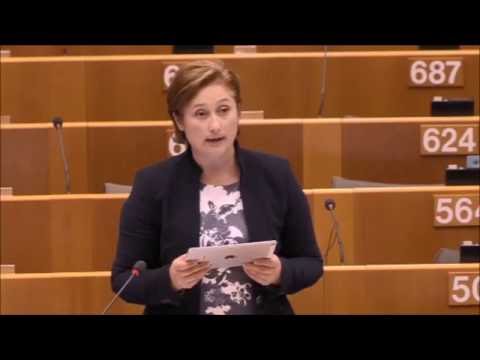
“We need to let teachers be teachers. We need to empower teachers to be creative, innovative and professional in their work. We need to give teachers what they really need: respect, trust and continuous professional development and support. The primary focus of European policies in education and training should not only be about employment and employability but also about supporting teachers.”
MEP Therese Comodini Cachia made these remarks during a plenary debate at the European Parliament following-up on the Strategic Framework for European cooperation in education and training (ET2020).
Comodini Cachia remarked that within ET2020 the EU must push Member States towards providing quality continuous training to teachers, to establish structures that support teachers and trust them to address appropriately the diversity of skills and abilities that their students present them with. Member States should also provide teachers with education tools and materials that facilitate effective learning. Comodini Cachia appealed for the removal of needless administrative bureaucracy and oversight so that teachers can focus their energy on educating.
Fuente: http://www.independent.com.mt/articles/2016-06-23/local-news/Watch-Let-teachers-be-teachers-Comodini-Cachia-tells-European-Parliament-6736159893

Comparte este contenido:

Nicaragua: Más de 1.8 millones de nicaragüenses se beneficiarán con extensión de cobertura en salud

Nicaragua: Más de 1.8 millones de nicaragüenses se beneficiarán con extensión de cobertura en salud

Bando InterAmericano de Desarrollo /Nicaragua/junio de 2016/ BID. Comunicado de Prensa

Programa reducirá la mortalidad materna e infantil en zonas rurales priorizadas
El Banco Interamericano de Desarrollo (BID) ha aprobado un préstamo de US$45 millones que contribuirá a la reducción de la tasa de mortalidad materna e infantil en los municipios rurales más vulnerables de Nicaragua.
En los últimos 10 años la esperanza de vida ha aumentado en Nicaragua y las cifras de mortalidad neonatal e infantil han disminuido. No obstante, siguen existiendo disparidades en el acceso y cobertura de salud entre las zonas rurales y urbanas. La desnutrición crónica en menores de cinco años es 29,5 por ciento en la zona priorizada contra el 17 por ciento equivalente al nivel nacional.
Esta operación busca atender esos desafíos mediante un acceso adecuado a servicios esenciales de salud para poblaciones rurales pobres. El Programa de Salud Comunitaria para Municipios Rurales beneficiará a una población de 1,8 millones de nicaragüenses que viven en 54 municipios del Caribe Norte, Jinotega, Matagalpa y departamentos del Corredor Seco del país, con la extensión de servicios materno-infantiles a través del monitoreo de calidad y de cobertura, intervenciones de vigilancia a embarazadas y promoción de la nutrición en primera infancia.
Con este financiamiento, también se mejorará la infraestructura de hospitales primarios y se brindará equipamiento de diagnósticos a las unidades de salud más alejadas tanto para atender con más oportunidad a la población como para mejorar la respuesta a brotes epidémicos. Además, se financiará la continuación de un plan de optimización dirigido a los trabajadores de la salud complementado con la formación de auxiliares de salud y la actualización de conocimientos del actual personal de salud.
El plan de acción de salud de este programa se encuentra alineado a la estrategia del país que busca reducir de la desnutrición crónica en niños dentro de la “ventana de los 1,000 días” (período transcurrido desde el embarazo hasta los 2 años de vida) de las comunidades rurales. El plan considera además, recursos para atender eventuales alertas sanitarias con el fin de contener brotes epidémicos como el virus del zika, dengue y chicunguña.
Fuente: http://www.iadb.org/es/noticias/comunicados-de-prensa/2016-06-23/cobertura-de-salud-en-nicaragua,11503.html

Comparte este contenido:

Reino Unido: With ‘Brexit’ Win, Universities Face ‘Significant Challenges’

Reino Unido: With ‘Brexit’ Win, Universities Face ‘Significant Challenges’

Europa/Reino Unido/24 de junio de 2016/Inside Highe Red

Resumen: ciudadanos británicos votaron el jueves para el Reino Unido para salir de la Unión Europea, marcando el comienzo de un período de incertidumbre para las universidades. El margen fue de 52 a 48 por ciento. Muchos en la educación superior se opusieron a una salida británica , o Brexit, de la unión, con el argumento de que la pertenencia a la UE ayuda a permitir que las colaboraciones de investigación internacionales y que la libre circulación entre los estados miembros de la ayuda a las universidades del Reino Unido atraen a los mejores profesores y estudiantes. La asociación de vicerrectores universitarios, Universidades del Reino Unido, condujo un esfuerzo de lobby anti-Brexit, y alrededor de 100 vicerrectores firmó una carta abierta publicada el martes expresando su preocupación por el impacto de una salida del Reino Unido de la UE en materia de universidades y estudiantes.

British citizens voted on Thursday for the United Kingdom to leave the European Union, ushering in a period of uncertainty for universities. The margin was 52 to 48 percent,

Many in higher education opposed a British exit, or “Brexit,” from the union, arguing that membership in the E.U. helps enable international research collaborations and that free movement across member states helps U.K. universities attract top scholars and students. The association of university vice-chancellors, Universities UK, led an anti-Brexit lobbying effort, and about 100 vice-chancellors signed an open letter published on Tuesday expressing concern about the impact of a U.K. exit from the E.U. on universities and students.

«‘Leaving the EU will create significant challenges for universities,» Julia Goodfellow, president of Universities UK said in a statement. “Although this is not an outcome that we wished or campaigned for, we respect the decision of the U.K. electorate. We should remember that leaving the E.U. will not happen overnight – there will be a gradual exit process with significant opportunities to seek assurances and influence future policy.»

‘Our first priority will be to convince the U.K. Government to takes steps to ensure that staff and students from E.U. countries can continue to work and study at British universities and to promote the U.K. as a welcoming destination for the brightest and best minds. They make a powerful contribution to university research and teaching and have a positive impact on the British economy and society. We will also prioritize securing opportunities for our researchers and students to access vital pan-European programs and build new global networks.”

In the run-up to the referendum many in higher education raised concerns that British academics could potentially find themselves cut out of E.U. research programs, including the flagship Horizon 2020 program, which is funded at nearly €80 billion (about $88 billion) over seven years.

A number of non-E.U. states – including Iceland, Israel, Norway, Switzerland and Tunisia — have successfully negotiated participation in Horizon 2020, so there’s precedent to think that a U.K. outside the E.U. could too. But opponents of Brexit stressed that Britain’s future participation in the event of a “leave” vote would have to be negotiated and would not be guaranteed. Switzerland saw its participation in Horizon 2020 reduced after the passage of a 2014 referendum limiting immigration. Switzerland’s future level of participation in the program after the end of this year is contingent on it ratifying an agreement to extend free movement to the people of Croatia, the newest of the E.U. member states.

Beyond participation in E.U. research programs, U.K. universities face post-Brexit questions about student mobility. Will a U.K. outside the E.U. continue to participate in the union’s Erasmus+ student exchange program? And will full degree-seeking students from the E.U. be deterred from attending British universities if they’re required to pay higher international student tuition fees? Currently students from the E.U. pay the same tuition as British students and have access to the same student loan system.

“A lot of students are saying to us, can you tell us what it will be like if the U.K. leaves the E.U.,” Dominic Scott, the chief executive for the UK Council for International Student Affairs said in an interview before the vote. “We continue to say as yet we have no idea. There are so many things which could be negotiated or could be discussed following a Brexit.”

“We can’t assume that the current system would continue,” Scott said, “but what would be put in its place many of us have no idea.”

Under the terms of the Lisbon Treaty the U.K. has two years after it notifies the European Council of its intent to withdraw to negotiate a new agreement governing its future relations with the union. As the BBC reports, the referendum is not legally binding on Parliament, which must take action in order to initiate the U.K’s separation from the E.U.

The University of Cambridge’s vice chancellor, Leszek Borysiewicz, issued this statement Friday morning: «We note this result with disappointment. My position on this issue is well known, but 52 percent of voters in the referendum disagreed. We will work with our partners in business, research and academia, as well as our European partners and the government, to understand the implications of this outcome.»

International Higher EducationEditorial Tags: BritainInternational higher educationIs this breaking news?:

British citizens voted on Thursday for the United Kingdom to leave the European Union, ushering in a period of uncertainty for universities. The margin was 52 to 48 percent,

Many in higher education opposed a British exit, or “Brexit,” from the union, arguing that membership in the E.U. helps enable international research collaborations and that free movement across member states helps U.K. universities attract top scholars and students. The association of university vice-chancellors, Universities UK, led an anti-Brexit lobbying effort, and about 100 vice-chancellors signed an open letter published on Tuesday expressing concern about the impact of a U.K. exit from the E.U. on universities and students.

«‘Leaving the EU will create significant challenges for universities,» Julia Goodfellow, president of Universities UK said in a statement. “Although this is not an outcome that we wished or campaigned for, we respect the decision of the U.K. electorate. We should remember that leaving the E.U. will not happen overnight – there will be a gradual exit process with significant opportunities to seek assurances and influence future policy.»

‘Our first priority will be to convince the U.K. Government to takes steps to ensure that staff and students from E.U. countries can continue to work and study at British universities and to promote the U.K. as a welcoming destination for the brightest and best minds. They make a powerful contribution to university research and teaching and have a positive impact on the British economy and society. We will also prioritize securing opportunities for our researchers and students to access vital pan-European programs and build new global networks.”

In the run-up to the referendum many in higher education raised concerns that British academics could potentially find themselves cut out of E.U. research programs, including the flagship Horizon 2020 program, which is funded at nearly €80 billion (about $88 billion) over seven years.

A number of non-E.U. states – including Iceland, Israel, Norway, Switzerland and Tunisia — have successfully negotiated participation in Horizon 2020, so there’s precedent to think that a U.K. outside the E.U. could too. But opponents of Brexit stressed that Britain’s future participation in the event of a “leave” vote would have to be negotiated and would not be guaranteed. Switzerland saw its participation in Horizon 2020 reduced after the passage of a 2014 referendum limiting immigration. Switzerland’s future level of participation in the program after the end of this year is contingent on it ratifying an agreement to extend free movement to the people of Croatia, the newest of the E.U. member states.

Beyond participation in E.U. research programs, U.K. universities face post-Brexit questions about student mobility. Will a U.K. outside the E.U. continue to participate in the union’s Erasmus+ student exchange program? And will full degree-seeking students from the E.U. be deterred from attending British universities if they’re required to pay higher international student tuition fees? Currently students from the E.U. pay the same tuition as British students and have access to the same student loan system.

“A lot of students are saying to us, can you tell us what it will be like if the U.K. leaves the E.U.,” Dominic Scott, the chief executive for the UK Council for International Student Affairs said in an interview before the vote. “We continue to say as yet we have no idea. There are so many things which could be negotiated or could be discussed following a Brexit.”

“We can’t assume that the current system would continue,” Scott said, “but what would be put in its place many of us have no idea.”

Under the terms of the Lisbon Treaty the U.K. has two years after it notifies the European Council of its intent to withdraw to negotiate a new agreement governing its future relations with the union. As the BBC reports, the referendum is not legally binding on Parliament, which must take action in order to initiate the U.K’s separation from the E.U.

The University of Cambridge’s vice chancellor, Leszek Borysiewicz, issued this statement Friday morning: «We note this result with disappointment. My position on this issue is well known, but 52 percent of voters in the referendum disagreed. We will work with our partners in business, research and academia, as well as our European partners and the government, to understand the implications of this outcome.»

International Higher EducationEditorial Tags: BritainInternational higher educationIs this breaking news?:


Source: With ‘Brexit’ Win, Universities Face ‘Significant Challenges’

Comparte este contenido:

Venezuela: Este año se han invertido Bs. 94 mil millones en educación universitaria

Venezuela: Este año se han invertido Bs. 94 mil millones en educación universitaria

América del Sur/Venezuela/Junio de 2016/Por: AVN

AVN.- El Gobierno Nacional ha mantenido este año la inversión en las instituciones de educación superior con 94 mil millones de bolívares, destinados a sus funcionamientos, informó el ministro para la Educación Universitaria, Ciencia y Tecnología, Jorge Arreaza.
Durante un encuentro del sector universitario realizado en la Universidad Politécnica Territorial del Oeste de Sucre Clodosbaldo Russián, el ministro indicó que dicha inversión es parte de la política sostenida por el Gobierno para garantizar la gratuidad de la educación en todos los niveles, que debe ser protegida por el pueblo.
“Si la revolución no estuviera en el Gobierno no habría universidades públicas en Venezuela”, aseveró el funcionario, ante un amplio auditorio.
En este sentido, hizo énfasis en la importancia de la unidad de los trabajadores, docentes, estudiantes, investigadores y comunidad universitaria para defender la educación como un derecho que debe ser garantizado por el Estado.
La matrícula de estudiantes universitarios pasó de 700.000 estudiantes en 1999 a a 2,6 millones en 2013.
Este logro, alcanzado a través de una política de masificación y gratuidad impulsada por el Estado, hizo que en 2014 Venezuela fuera reconocida por la Organización de las Naciones Unidas para la Educación, la Ciencia y la Cultura (Unesco, por sus siglas en inglés) como el quinto país con mayor matrícula universitaria en el mundo y el segundo en Latinoamérica.
El pasado 9 de junio, el vicepresidente de Planificación, Ricardo Menéndez, informó que la proyección para 2019 es de alcanzar una matrícula de 2,9 millones de estudiantes universitarios.
Fuente: http://www.ultimasnoticias.com.ve/noticias/comunidad/educacion/este-ano-se-invertido-bs-94-mil-millones-educacion-universitaria/

Comparte este contenido:
Page 5512 of 6197
1 5.510 5.511 5.512 5.513 5.514 6.197