Page 200 of 622
1 198 199 200 201 202 622

Africa’s education crisis must be a top development agenda priority

By: mg.co.za/Graça Machel/ 06-06-2018

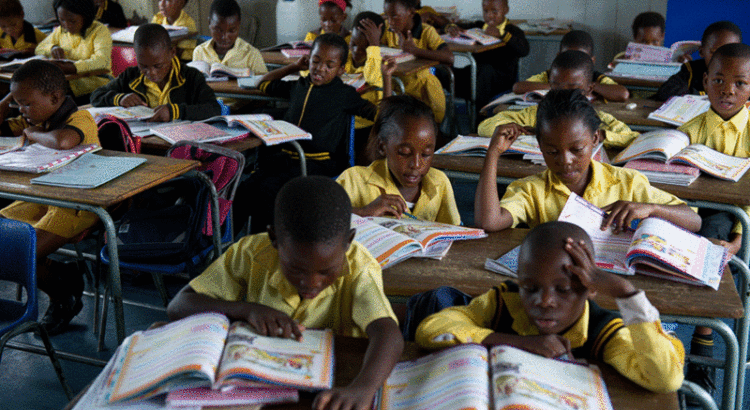
Africa is in the midst of an education crisis. Despite pledges to improve access to education for all children by 2030, many African governments are failing to fund this ambitious component of the UN Sustainable Development Goals (SDGs). There is still time to address the financing shortfall, but only if new investment strategies are embraced with vigor.

Today, roughly half of the world’s young people, including some 400-million girls are not being educated to succeed in the workplace of the future. This challenge is most acute in Africa; although 75% of girls in Sub-Saharan Africa start school, only 8% complete secondary education. Sub-Saharan Africa is the only region where women still do not enroll in or graduate from tertiary education at thesame rates as men.

These problems are well known, if not always addressed. Less understood is the contradictory impact that Africa’s future growth will have on the availability of education funding.

By 2030, nearly 30 countries in Africa are expected to have reached lower middle-income status, defined by the World Bank as a per capita gross national income (GNI) between $1 026 and $4 035. As countries approach this level of development, new investments will be needed to pay for health and education upgrades, and mobilizing domestic tax revenue will become a critical component of budgeting strategies.

At the moment, however, estimated tax revenues in most countries will be insufficient to cover the costs associated with improving educational outcomes. As a result, an education-funding crisis threatens to dash hopes of sustained rapid growth and lasting prosperity.

Traditional forms of international aid will continue to play a role in the development of Africa’s education sector. And yet, owing to the projected increases in GNI, most lower-middle-income countries will no longer qualify for the grants and low- or zero-interest loans that are currently available. As a result, millions of young Africans will suffer the effects of a paradox in international development: countries will be too prosperous to qualify for the best funding options, but too poor to meet the educational needs of their citizens on their own.

Fortunately, the International Commission on Financing Global Education Opportunity, where I serve as a commissioner, has helped to develop a solution. Called the International Finance Facility for Education, this innovative approach aims to help lower-middle-income countries invest in education — especially programs for women and girls — in more sustainable ways.

By leveraging $2-billion in donor guarantees, we aim to deliver about $10-billion in grant and concessional education funding to countries that need it most. But there is a catch: governments seeking to access these funds must first demonstrate an interest in and capacity for long-term educational reform.

This approach is designed to improve grants’ effectiveness and give countries the ability to strengthen their economic resilience with a better-educated workforce. Research shows that in lower-middle-income countries, every $1 spent on education increases the earning power of graduates by $4. In other words, our long-term goal is broader than building schools or teaching math; it is to create conditions for lasting social and economic change.

Similar funding strategies have already proved to be successful in the health-care sector. For example, the International Finance Facility for Immunisation was created to provide financing forGAVI, the vaccine alliance. Eventually, billions of dollars in new funding was mobilized to help vaccinate more than 640-million children and save over nine million lives. The economic returns were also dramatic; one study that surveyed outcomes in 73 countries found that every $1 spent on immunisations translated into $18 in healthcare-related savings. The education finance facility has the potential to produce a similar impact.

Millions of young people around the world, and particularly young girls in Africa, are failing to excel because they continue to be denied access to quality education. With just 12 years to go before the expiration of the SDGs, Africa’s education crisis must be moved to the top of the development agenda. Government leaders routinely claim that children are our future. If they truly believe it, programs like the International Finance Facility for Education must be given the priority they deserve.

*Fuente: https://mg.co.za/article/2018-06-04-how-to-pay-for-africas-education-gains

Comparte este contenido:

Egypt: Education min. to integrate students with special needs in society

Asia/Egypt/05.06.2018/Source: www.egypttoday.com.

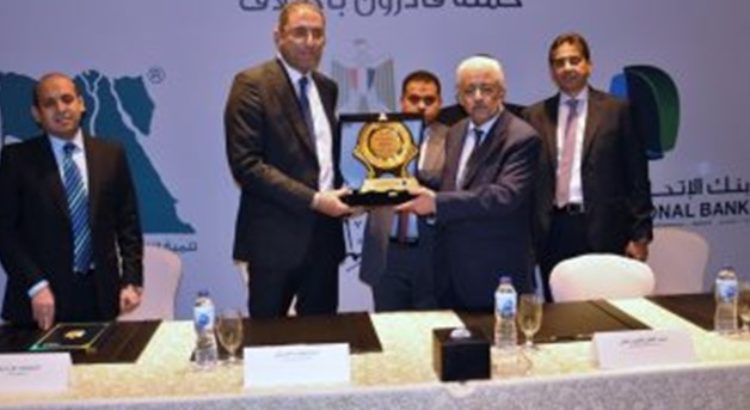
The Ministry of Education signed on Saturday a cooperative protocol with the National Union bank and Misr El Kheir Foundation (MEK) to implement the media campaign “Differently-abled” that aims to integrate students with special needs in the society.

Advisor of the Minister of Education for Marketing and Promotion, Yousra Allam, launched the biggest national campaign “Differently-abled”, focusing on psychological and educational needs of students with special needs, according the spokesman for the Ministry of Education Ahmed Khairy.

Allam remarked that the campaign will raise the awareness of the society particularly parents about the sound ways to treat their children through different kinds of media.

The Ministry of Education has taken several steps to enhance education in Egypt, which is part of Egypt’s 2030 vision to cultivate economic and social justice and revive the role of Egypt as a regional leader. Launching the first Arabic Citation Index (ARCI) worldwide comes at the top of these efforts.

First Arabic Citation Index worldwide

Minister of Education and Technical Education Tarek Shawki, a representative of the Knowledge Bank, signed on May 28 a protocol with Clarivate Analytics to launch the first Arabic citation index worldwide.

The signing ceremony was attended by Minister of Culture Inas Abdel Dayem, head of Bibliotheca Alexandrina Mostafa el Feki, public figures, members of Parliament and leaders at the Ministry of Education.

“The ARCI will be powered by the Web of Science – the world’s most trusted and only publisher – neutral citation index for researchers in Egypt and across the 22 member states of the Arab League,” according to Clarivate Analytics’ website.

The new system of education

In the same context, he mentioned that the index is included in the new system of education at the secondary school, stressing that the Ministry of Education has contracted many international entities to buy their contents and deliver them to Egyptian students, along with buying 2D and 3D films, adding that 5,700 videos in English and Arabic have been bought. He said that these movies, Al-Adwaa book and other scientific content would be put on tablets.

He stated that a random exam would be prepared every week to encourage students to come to schools.
Japanese schools

On the sidelines of the signing ceremony, the minister of education said in a press statement that the Egyptian-Japanese schools’ curriculum will be in Arabic at primary schools.

The Japanese education system, Tokkatsu, will be applied at 40 Egyptian-Japanese schools in different governorates in September.

A total of 20,000 teachers have applied to receive a training in the Japanese Tokkatsu education system in the ministry.

Shawki added that the ministry will hold a meeting on June 4 to choose 1,500 students for Japanese schools.


Source of the news: https://www.egypttoday.com/Article/1/51471/Education-min-to-integrate-students-with-special-needs-in-society

Comparte este contenido:

Egipto: Al Sisi promete mejoras en educación en su segundo mandato

África/ Egipto/ 06.06.2018/ Fuente: start.att.net.

Dos meses después de ser reelegido en las urnas en unos polémicos comicios, el presidente de Egipto, Abdelfatah al Sisi, asumió hoy su segundo mandato en un acto en el Parlamento de El Cairo en el que prometió ocuparse en primer término por la educación, la sanidad y la cultura.Con la ceremonia comienza oficialmente su nuevo periodo al frente del país tras unas elecciones que ganó con una clara mayoría pese a las acusaciones de manipulación y del autoritarismo con el que ejerce el poder.

En 2014 Al Sisi fue elegido con casi el 97 por ciento de los votos, después de que encabezara un golpe de Estado en medio de fuertes protestas en el país contra el primer presidente elegido democráticamente en Egipto, el islamista Mohammed Mursi.

«En el primer mandato nos enfrentamos juntos a los mayores desafíos en la historia de nuestra patria», afirmó el presidente, y añadió que seguirá intentando mejorar las relaciones con los socios internacionales y regionales sin entrar en conflictos inútiles.

Egipto enfrenta una difícil situación económica. Los críticos acusan a Al Sisi de haber recortado la libertad de expresión y de perseguir a los opositores. Miles de islamistas y miembros de la oposición secular han sido encarcelados desde que Mursi fue destituido.

Las elecciones también son cuestionadas. Según la Comisión Electoral, un 97,08 por ciento de los votos válidos fueron para Al Sisi, frente a un 2,92 por ciento para su rival, Mussa Mustafa. La victoria era esperada porque todos los adversarios de peso se retiraron antes de los comicios en medio de dudosas circunstancias. El único que se enfrentó a Al Sisi fue Mustafa, un político desconocido que los observadores consideraron una marioneta para dar una fachada de legalidad.

Comparte este contenido:

Nigeria: Education best instrument to fight poverty, social ills – Nasarawa Speaker

África/Nigeria/June 04, 2018/Source: www.pulse.ng

Abdullahi described education as the best instrument to fight poverty and other related abuses on children, hence the need for parents to give topmost priority to the education of their wards.

Alhaji Ibrahim Abdullahi, the Speaker, Nasarawa State House of Assembly, has urged parents and guardians to provide good education and proper upbringing of their children for a better society.

The speaker made the appeal in a statement issued by his Press Secretary, Alhaji Jibrin Gwamna, and made available to News Agency of Nigeria (NAN) in Keffi on Sunday.

Abdullahi described education as the best instrument to fight poverty and other related abuses on children, hence the need for parents to give topmost priority to the education of their wards.

The speaker described children as special gifts from God while urging parents to take adequate care of them for a prosperous society.

He also urged parents to live an exemplary life by inculcating good moral values on their children.

Education is the leeway to success in life and a route to escape from poverty box, and it is the bed rock of any society as knowledge is power.

“When one is well informed, he or she can move to places beyond his local environment,” the statement said.

Abdullahi condemned violence against children, calling for all hands to be on deck in order to fight violence against violence.

He congratulated the children on their day, describing the day as unique and worth celebrating.

According to him, there will be permanent peace in the society if parents instill moral values on their children and to live a life worth of emulation for the overall development of the country.

Besides, the speaker called for special prayers for the survival, good health and growth of children as leaders of tomorrow.

He underscored the need for all, especially leaders, to brace up and put smiles on the faces of children, especially the less privileged.

Abdullahi restated the commitment of the state legislature to continue to pass resolutions and enact laws that have direct bearing on the lives of the children.

He enjoined the people of the state and Nigerians at large to be law abiding, respect constituted authorities and to live in peace for the overall development of the country.

Source:

http://www.pulse.ng/news/local/education-best-instrument-to-fight-poverty-social-ills-id8426987.html

Comparte este contenido:

Se busca material escolar para Gambia

Gambia / 3 de junio de 2018 / Autor: Manu Gon / Fuente: Periódico de Ibiza

Periódico de Ibiza y Formentera y Radio Ibiza SER buscan ayudar a la escuela Jarumeh Koto Lower Basic School

La República de Gambia es una nación del oeste de África. Está rodeada totalmente por Senegal salvo en la zona del océano Atlántico en la que desemboca el río Gambia que discurre por el centro del país. Tiene una superficie de 10.300 kilómetros cuadrados en los que viven cerca de 1,7 millones de personas, más de una tercera parte bajo el umbral de la pobreza. De hecho, según datos oficiales, Gambia tiene uno de los índices de desarrollo humano más bajos del mundo ocupando el puesto 175 de 188 países.

Dicho esto, todos los que hemos tenido el privilegio de visitar el país coincidimos en que Gambia «es la sonrisa de África». Más allá de tópicos sobre la amabilidad de sus habitantes, sobre el colorido de los vestidos de sus mujeres, sobre sus playas desiertas, su naturaleza y sus reservas de aves, sobre el agobiante pero también atrayente caos de sus mercados, sus infraestructuras, sus medios de transporte y su día a día, esa «sonrisa» se la deben fundamentalmente a sus niños y niñas.

Ellos son el futuro de este pequeño país y si la riqueza se midiera por sonrisas, amabilidad, cercanía y naturalidad Gambia remontaría siendo uno de los países más emergentes del mundo. Desgraciadamente cómo todo en este mundo se rige por dinero sus habitantes siguen luchando día a día afrontando su futuro con optimismo.

En este futuro juegan un papel fundamental sus escuelas. Actualmente hay varios modelos educativos en Gambia. El más habitual son los colegios de modelo británico. Son gratuitos, no obligatorios, de carácter mixto y al ser el modelo oficial y tener el mayor número de estudiantes están subvencionadas por el gobierno que paga el sueldo de los maestros y el mantenimiento de las instalaciones. Éstas conviven con las escuelas coránicas, divididas en jarañimbés, madrasas y maisis, los colegios concertados con financiación mixta y que suelen ser propiedad de órdenes religiosas, y las escuelas privadas sin subvención.

Una escuela en Niani District

Una de estas escuelas públicas es Jarumeh Koto Lower Basic School, en Niani District, uno de los diez distritos que forman parte de la región Central River Division, en el centro del país.

Allí pasamos una mañana y lo primero que llama la atención al visitar sus clases junto a su director y su jefe de estudios es el alto nivel de inglés que tienen los alumnos ya que además de ser uno de sus idiomas oficiales es su lengua vehicular. Desde el más pequeño al más mayor todos pueden mantener una conversación medianamente fluida a pesar de que la lengua mayoritaria en Gambia es la mandinga, perteneciente a la etnia más numerosa del país.

Además, el número de niñas y niños en cada aula es muy parejo y aunque hay distintas etnias representadas, la mayor parte son mandinga. Todos cursan sus estudios desde los 7 a los 15 años, divididos en los seis grados que corresponden al Lower Basic School y que en España podría equipararse a la Educación Primaria. De lunes a jueves, de 08.00 a 14.00 horas, y los viernes hasta las 12.00 horas estudian, entre otras materias, matemáticas, caligrafía, arte y manualidades, ciencias, sociales, religión islámica o educación física.

Sus aulas son sencillas, humildes y acogedoras, recordándonos a las de hace más de medio siglo en nuestro país. Apenas una pizarra, unos pupitres que compartir y una estantería para el material. Los libros de texto, los cuadernos y los lápices son tan escasos que, incluso, cuando traemos lapiceros para los niños de una clase, todos se afanan por demostrar a la profesora cual es el que lo tiene más gastado para poder conseguir uno nuevo.

No existe el concepto de patio al que en Occidente estamos acostumbrados, con suelo asfaltado, canastas y porterías de fútbol sala. Lo único parecido a un campo de fútbol es una gran extensión de terreno de arena de playa con porterías con postes y larguero hechos de madera. Hay un balón para todos los estudiantes, sin importar el curso que estudian, y en el recreo todos se afanan por marcar el gol o hacer el regate que decida el improvisado partido.

Campaña de recogida de material

Sin embargo, esto no impide que los estudiantes de Jarumeh Koto Lower Basic School pierdan la sonrisa en ningún momento. Al principio nos miran asombrados pero una vez que se familiarizan a nuestro rostro y nuestro cuerpo whitty (blanquito) chocan nuestras manos y no paran de hacerse fotos con nosotros. Incluso, alguna clase improvisa una canción que emociona y emociona el espíritu.

Por ello, desde Periódico de Ibiza y Formentera y Radio Ibiza Ser hemos lanzado una campaña de recogida de material para ayudar a esta escuela del centro de Gambia que nos abrió sus puertas y nos hizo sentirnos como en casa. No necesitan dinero, «no suele llegar porque se queda en el camino ante tanto intermediario», pero si bolígrafos, lapiceros, cuadernos, mochilas, carpetas y todo lo necesario para seguir mejorando su educación.

Todos los interesados pueden dejar el material en las instalaciones del Grupo Prensa Pitiusa (Cami Vell de Sant Mateu, 3 – Ibiza) o en Radio Ibiza Ser (Avenida Sant Jordi, 5, escalera derecha, primer piso – Ibiza).

El futuro de Gambia está en sus manos. El futuro de África está en sus manos. El futuro de la sonrisa de África depende de la ayuda occidental.

Fuente de la Noticia:

https://periodicodeibiza.es/pitiusas/local/2018/05/31/1003749/busca-material-escolar-para-gambia.html

Comparte este contenido:

Japón apuntala ayuda a la educación superior a familias con bajos ingresos

Japón / 3 de junio de 2018 / Autor: Redacción / Fuente: Internationalpress

El Gobierno japonés realiza los últimos ajustes a un paquete para reducir la carga de la educación superior en los hogares que ganan en total menos de 3 millones 800 mil yenes.

Según el plan, los hogares exentos de impuesto a la renta por sus bajos ingresos se beneficiarán con matrículas gratuitas en las universidades nacionales y recibirán becas de estudio no reembolsables.

En el caso de una familia conformada por 2 padres y 2 hijos y uno de ellos sea universitario, la ayuda para la educación superior se hará efectiva en la siguientes condiciones:

a) Si el hogar tiene un ingreso menor a 3 millones de yenes anuales, la ayuda será de dos tercios del gasto universitario.

b) Si el hogar tiene un ingreso de entre 3 millones y 3 millones 800 mil yenes anuales, la ayuda será de un tercio del gasto universitario.

Se conoció que todos los años se verificará el ingreso anual total de la familia beneficiada, incluidos sus bienes, para decidir la renovación de la ayuda estatal para la educación superior.

El paquete de ayuda entraría en vigencia en el año fiscal de 2020

Fuente de la Noticia:

Japón apuntala ayuda a la educación superior a familias con bajos ingresos

Fuente de la Imagen:

http://www.latin-a.com/universidad-en-jap-n-buena-inversi-n-o-derroche/

Comparte este contenido:

Etiopía busca reforzar educación en zonas rurales

Etiopía/02 de Junio de 2018/Prensa Latina

Etiopía evalúa nuevos mecanismos para reforzar la educación en las zonas rurales, sobre todo en las tierras altas de pastoreo, donde es más difícil el acceso.
Los estados de Afar, Somalia, Benishangul Gumuz, Gambela y Oromia son aquellos en los que se pondrán en marcha las iniciativas previstas, que incluyen escuelas móviles, una alternativa para llevar el conocimiento a aquellos que viven una vida casi nómada, como resultado de las labores de cría, guía y cuidado del ganado al aire libre.

A su vez, se redactaron nuevos folletos para el aprendizaje, incluidos los Manuales de Educación Básica Alternativa, implementados para ofrecer clases a los niños de entre 7 y 14 años en los grados del primero al octavo.

Los centros móviles tienen un claro potencial para abordar los problemas de acceso y retención, en opinión de la jefa de la Dirección de Enseñanza Especial, Fekade Negash.

‘Aprenderán si les traes una escuela que tiene pies, que puede caminar junto con ellos’, concluyó Negash.

Para el Gobierno, aún es un reto disminuir los índices de analfabetismo recurrentes en este país del denominado cuerno africano, que asciende al 42,72 por ciento en hombres y al 59,03 por ciento en mujeres.

Esos indicadores se acentúan, según especialistas, en las regiones más remotas de la nación.

Fuente: http://prensa-latina.cu/index.php?o=rn&id=181948&SEO=etiopia-busca-reforzar-educacion-en-zonas-rurales
Comparte este contenido:
Page 200 of 622
1 198 199 200 201 202 622