Page 247 of 622
1 245 246 247 248 249 622

Africa: A moral case for Free Senior High School education

Africa/ December 05, 2017/By: Mustapha Hameed/Source: http://citifmonline.com

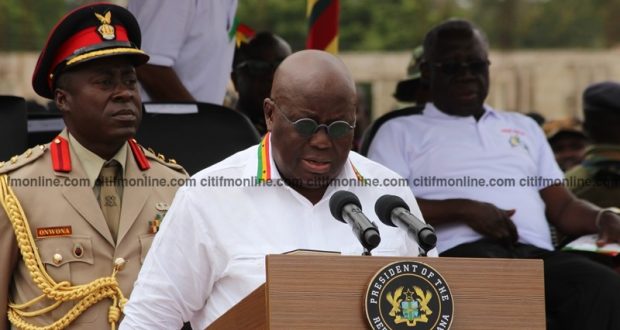
On Tuesday 12th September, 2017 at the West Africa Senior High School, the President, H.E. Nana Addo Dankwa Akufo-Addo launched the free senior high school education policy ushering the nation into an era where the age old creed of “education as a right not a privilege” assumes its true meaning.

Indeed, this has been the dream of the forebears of our republic; a Ghana where our children will not be denied the opportunity of senior high school education because of the inability of their parents to support them financially.

It is indeed a fact, that many young people since independence have been denied the opportunity of secondary education mainly due to financial constraints; hence it came as no surprise when Ghanaians all over the country received the news of the launch of this flagship policy with excitement. It was a dawn of a new era, an era that is not only bringing to our young people hope of a brighter future, a future with limitless and greater opportunities, but it also brings enormous financial relief to the overwhelming majority of parents who find it extremely hard to finance the education of their children.

If free education means one thing, then it is the fact that the era where pupils dropped out from school for financial reasons, or had their education cut short has become a thing of the past. It therefore came as no surprise that across the length and breadth of the country, the news of the launch was received in most instances amidst the display of joy and celebrations in our streets.
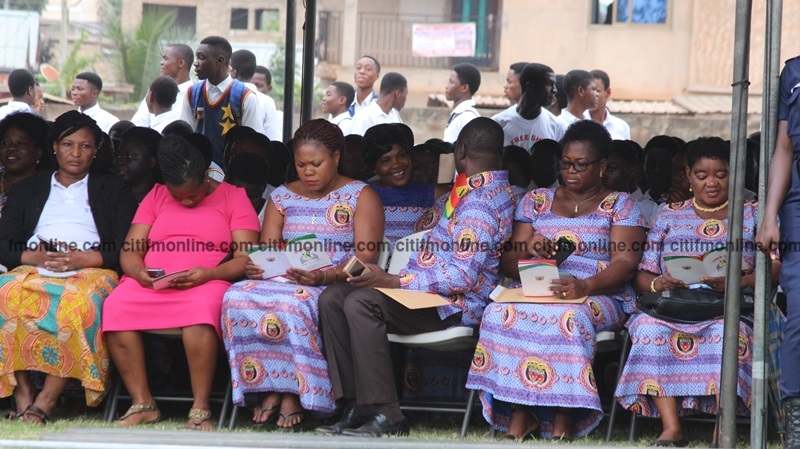
Free SHS like any pro-poor policy or any policy intervention for that matter has its own challenges. It is however unfortunate that today even problems with SHS three students, their classrooms and any other problems in our high schools are attributed to the Free SHS and pupils benefiting from the intervention.

So I want to ask, until the start of the Free SHS, were there no challenges in our schools already? Was it all rosy and glossy? Why is the NDC victimising students? Students whose only crime is that, they have chosen to go to school and their country has chosen to pay for it fully.

It is worth noting, that even before the implementation of the policy, the propaganda then, was that, government intended fidgeting and interfering with WAEC marking schemes so as many students would be affected and failed. This they claimed would affect enrolment causing a sharp reduction in enrolment figures so that government could fund the scheme for the few brilliant ones. It turned out cut-off points were lowered so every child could start SHS education. The effect – enrolment figures have been astounding, unlike anything we’ve ever seen before.
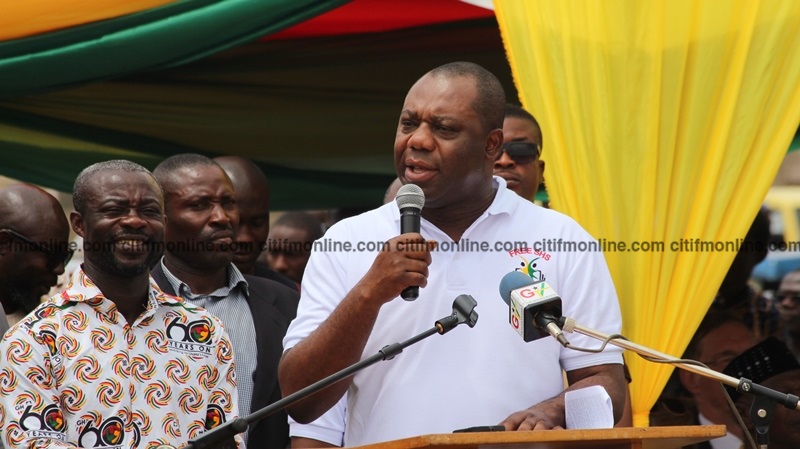
Minister of Education, Dr. Matthew Opoku Prempeh

This deliberate propaganda still do exist, but they now appear in different forms and seem to be aided for whatever reason by some media houses. For whatever its worth, the forces against this policy seem unrelenting and even more belligerent in their endeavours. How has it become a crime to dedicate part of our resources towards ensuring every child receives free secondary education? Do we bastardise a policy because of some few problems. In lecture halls and auditoria in some of our universities, students stand to listen to lectures because of inadequate seats, others go to lab and only observe because of inadequate equipment and other essentials, you attend lectures and you don’t hear anything because the PA System is faulty. In our halls of residence, we have people we refer to as ‘perchers’, a room for 4 people end up accommodating 10. In my room back in Katanga at KNUST, there were about 12 of us, in a cubicle meant for 4 people originally designed for one or two persons. Back then, one would hear stories about rooms that have never been locked, obviously because of the enormously high number of occupants. Did we condemn our universities over this? Were these problems also because of Free SHS?

You remember what they call ‘the shit on shit’ phenomenon? We went through these conditions and today our lives have seen tremendous improvements. Some of us have risen to greater heights, achieved greater feats and doing greater things. One man here who used to be my ‘percher’ rose through the ranks of one of the biggest banks in the world headquartered in New York, managing assets of multinational oil companies worth several billions of dollars.
I remember back then at Anglican secondary school in Kumasi several years ago, students from other schools used to come in to use our labs and other facilities, this was years before the idea of Free SHS was conceived. I remember a senior high school that had a spill over of SSSCE candidates to other schools because they did not have enough facilities, some SHSs could not be approved WAEC centers because of inadequate infrastructure and facilities, this was aeons before Mr. President became a candidate for the first time.

Clearly, these were no challenges arising as a result of Free SHS; they are challenges that come with our educational system as a developing country which governments over time have tried to address. Should we have condemned high school education then because of these challenges? Where would we be today?

Today, our lecture halls, auditoria and theatres have received tremendous boosts, fully furnished, some with functioning central air conditioning systems. The conditions under which we study have improved. Most schools have moved beyond the blackboard-white chalk system to a healthier whiteboard-marker system. More dormitories have been built over time, more halls of residence and many other facilities to give our campuses a facelift and make them modern centres of learning. I remember the NPP’s model school system and the infrastructure it came with.
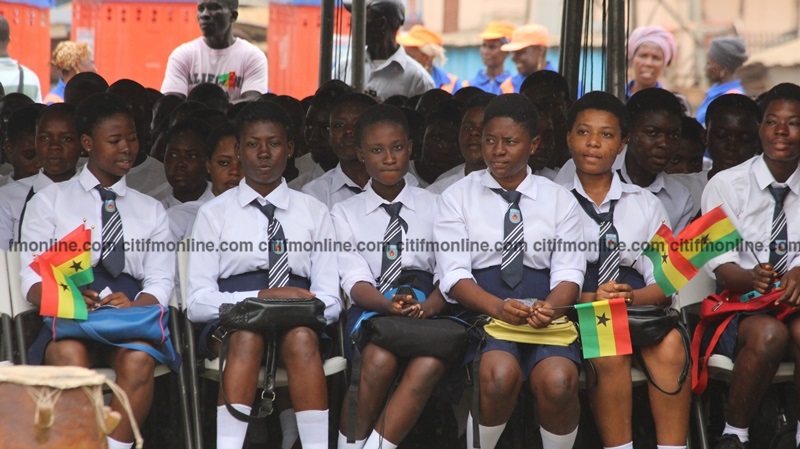
Why do I even have a feeling that hypocrisy is ingrained in our body-polity and there is a deliberate attempt by some people to destroy the opportunities created by the Free SHS? Even as I write this, pupils in basic schools still study under trees and other dilapidated structures. Did these start today? Were these the doing of the Free SHS policy? Must we deny those pupils the ability to read and write because they have no classrooms?

The problems of our education system did not start with the opportunity created for every child to receive free secondary education and it certainly won’t end here. And head teachers crying about problems in their schools as though those challenges haven’t persisted for years. Must we have shut down schools and stopped educating our children entirely because of challenges in our educational institutions?
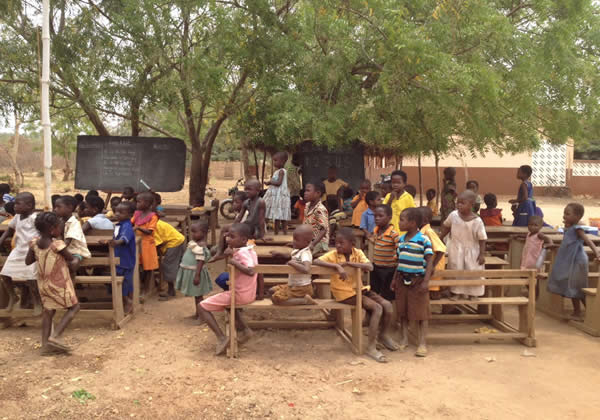
Pupils studying under a tree, an existing problem before Free SHS.

Must we have denied our children university education because of the challenges with facilities and infrastructure? Where would we be today? Ask yourself, those days you used to stand in the lecture hall, should government have revoked your admission or denied you admission on the basis of that alone, where would you be today? Or are the problems and challenges with infrastructure and facilities at our universities and basic schools also as a result of Free SHS?

With all the conditions and challenges that confronted us on all fronts in the education sector then, on no occasion did we see this level of bastardization and antagonism against university education or SHS. Because? It makes no sense, and we couldn’t refuse to educate ourselves on the basis of infrastructure and some challenges alone. These problems are solved over time and no country can claim anywhere that its education sector has no challenges. Today, democrats and republicans in congress are fighting each other because of budget cuts. Betsy Devos is always hot because these cuts are going to affect less endowed schools in deprived communities. But, education doesn’t stop because of challenges. Because things get better over time.

Today, even problems with the grass on the pitch of a high school are attributed to Free SHS. Yes, government including all of us do admit that, Free SHS, just as any other policy intervention has challenges, but these policies also have their success stories. We have heard about those challenges and we are doing everything possible to address them.

I want to ask those media houses that constantly feel the need to highlight on the infrastructural challenges of our high school system ever since this novel policy was rolled out, who seem to have a strong penchant for reporting only on the negatives of the policy, and who have carved an unpopular enviable niche for themselves in this business, that, did all challenges with high school education start with Free SHS? In their daily rounds, do they not see any positives of the Free SHS policy? Can they not see that, it has given opportunities to several thousands of young people who hitherto would be loitering our streets?
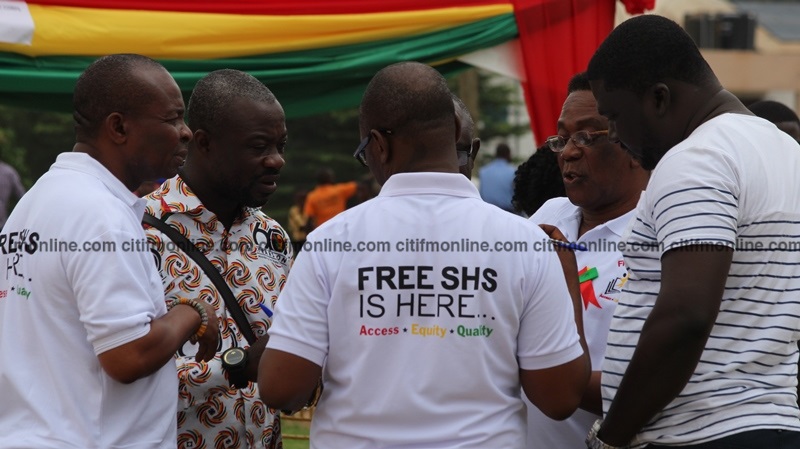
Have they not met people whose lives have been changed by the policy? Why do they find it extremely difficult to report on the glaring life changing testimonies of those affected by the policy? Must we destroy the policy because of some challenges in its first year of implementation? Even in their media houses, do they not have challenges? Do they detonate bombs to destroy their stations because of some challenges? Why do I sense that feeling that they have connived with the NDC and some misguided school heads, using propaganda, subterfuge, sabotage to paint a rather dark picture of an unprecedented policy initiative?

I have earlier on highlighted the challenges and circumstances under which most of us received our education, yet here we are today. We stand here today as doctors, as lawyers, as engineers, as economists, as policy makers as nurses, as teachers all products of a not-so-rosy education system. All products of an education system fraught from its basic level to its highest with deeper problems.

At some point under Prof. Mills, lecturers went on strike for seven weeks, disrupting the semester and throwing the academic calendar off balance, yet here we stand today. Here we stand today as professionals beaming with pride and doing what we can to contribute to the socio-economic development of this dear country. We sat through those challenges yet, we are able to compete with our colleagues anywhere on earth in fields of study or profession. What if we had been condemned because we sat under trees to study in primary school? What if we had been refused admission or our schools demonized because of inadequate facilities? What if someone had denied us university education citing inadequate facilities?

But today here we stand. As headmasters, yes, the policy certainly severs an illegitimate source of income for us. So what? When the university placed a ban on the sale of handouts, yes I was affected, but it was the larger picture that mattered. Today I buy PDFs and I gladly share with my students on WhatsApp to support their research. Many of whom have gone to work with big oil companies contributing their quota to developing this country. What if I had decided to sabotage my own school and students? Then running around to the media to bemoan the falling standards in our education. Who’d be the beneficiary? To what end?

The Free SHS has challenges, but if we had set our priorities right from the onset, these problems would probably not be this common as we make it seem or be here with us in the first place. Free SHS has challenges but most of these challenges existed before the policy, and it stopped no one from receiving education. Our senior high schools have problems and most have existed with us before the implementation of this policy. Free SHS came with its own challenges but it doesn’t in any way warrant the campaign of negativity and bad publicity as championed by some media houses. Free SHS has its own challenges and these are problems government is working assiduously to ameliorate. If we can speak of the challenges of these few schools, creating the unfortunate impression as though those challenges only arose from the implementation of the policy and they are so rampant when they’re but just some isolated cases, why can’t we also write about those overwhelming majority of schools where the policy is running without a scintilla of challenges?
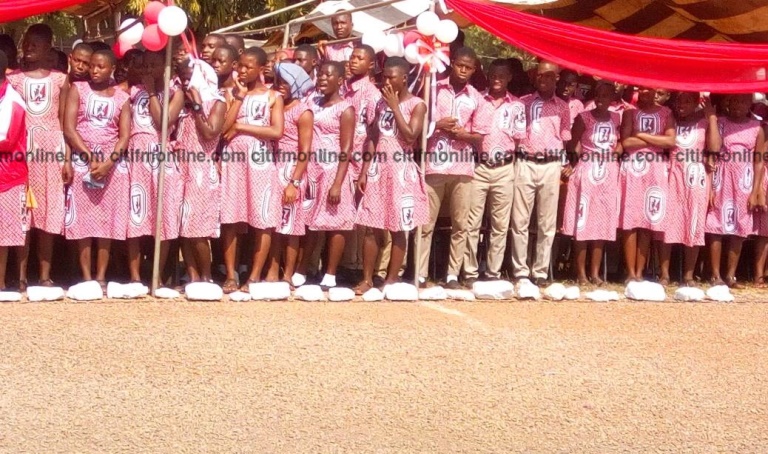
Free SHS may have its challenges but it is better it stays. If we cannot write a line to thank the president for this enormous intervention that will go down in history as the greatest thing we have gifted to ourselves by ourselves, then we have no business joining the bandwagon of doom mongers, purveyors of shenanigans, despicable chicanes and ill-wishers of the republic. If someone would even condemn this policy, must it even be the NDC? Those who have presided over us for half the period since independence yet cannot boast of a single policy beyond the stealing, naked thievery, CLS, and rape of our republic from all sides.
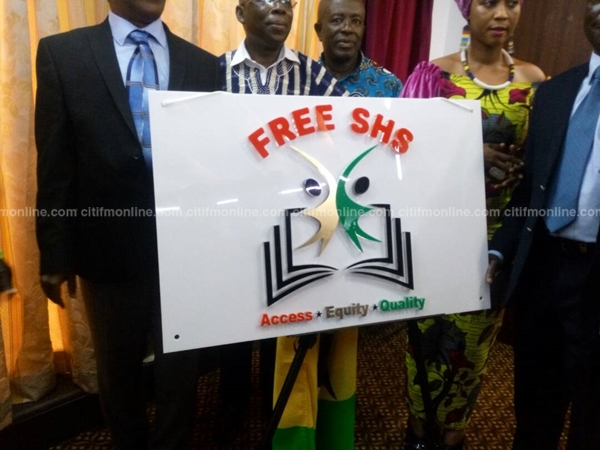
Today, the NDC is talking about policy document? What policy document did they need to pay Woyome and all the fraudulent judgement debts? What policy document did they use to implement the bus branding and the fraudulent schemes?

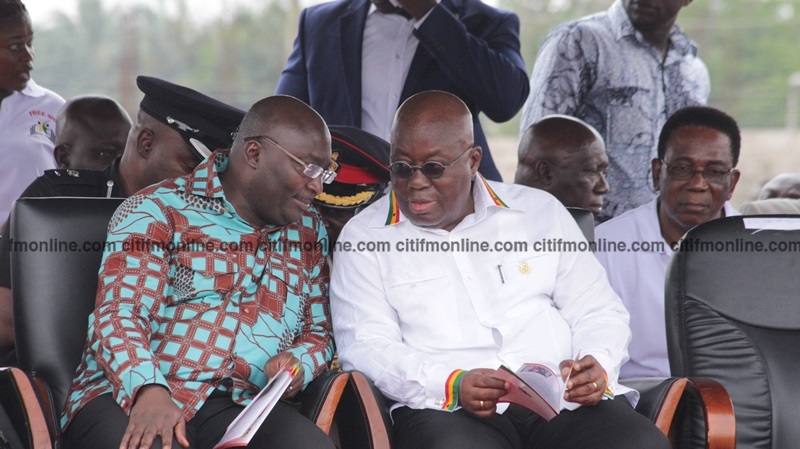
Thank you Mr. President, posterity never forgets and it certainly won’t forget this honourable gesture. Thank you Mr. Vice President, the education minister and everyone supporting to make this policy a success. Ghana is grateful, her future is even more grateful. And if there is anything that threatens the success of the Free SHS, then it is the NDC and its continuous existence.


By: Mustapha Hameed
The author is a Lecturer in Petroleum Engineering (KNUST) and a 2016 Mandela Washington Fellow.

Goldman School of Public Policy – University of California, Berkeley

Source:

http://citifmonline.com/2017/12/02/moral-case-free-senior-high-school-education-article/
Comparte este contenido:

Sudáfrica: Gauteng Education to meet parents over new Noordgesig principal

Sudáfrica/Dicicembre de 2017/Fuente: Times Live

Resumen: Los funcionarios del Departamento de Educación de Gauteng se reunirán con los padres y las organizaciones comunitarias que se oponen al nombramiento de un nuevo director en la escuela primaria Noordgesig, supuestamente debido a la raza.

El compromiso se produce después de que las clases fueron interrumpidas en la escuela el viernes por padres y organizaciones que alegaban que el director negro les había sido impuesto.

El portavoz de Educación de Gauteng, Steve Mabona, dijo que el nuevo director fue recomendado por el cuerpo directivo de la escuela y se suponía que comenzaría a trabajar en la escuela la semana pasada, pero los descontentos lo rechazaron, porque preferían un candidato coloreado que haya sido el director interino de la escuela.

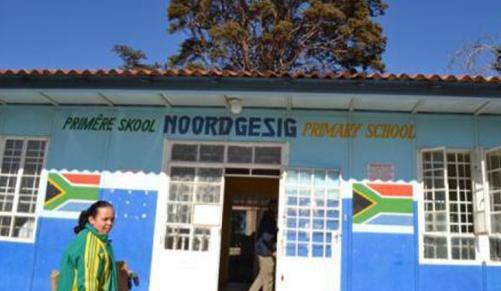
Officials from the Gauteng Department of Education are set to meet with parents and community organisations opposing the appointment of a new principal at Noordgesig Primary School – allegedly due to race.

The engagement comes after classes were disrupted at the school on Friday by parents and organisations claiming the black headmaster was imposed on them.

Gauteng Education spokesperson Steve Mabona said the new principal was recommended by the school governing body and was supposed to start working at the school last week‚ but disgruntled parties rejected him‚ because they preferred a coloured candidate who has been the acting principal at the school.

Mabona said last week’s protesters claim the acting principal has led the school well and that she is qualified to hold the position permanently‚ but the department believes the protest is racially motivated.

“It’s sad that the same group who disrupted learning at Roodeport Primary School and Klipspruit West Secondary School are also involved in the Noordgesig Primary School protest‚” said Mabona. “We will meet them this morning to hear their concerns‚ but as the department we won’t tolerate any form of racism in schools.”

Community members in Eldorado Park recently disrupted classes at Klipspruit West Secondary School‚ because they also rejected the appointment of a black principal. The community demanded that a coloured principal be appointed for the post.

The South African Human Rights Commission (SAHRC) hosted an investigative hearing in the area‚ in a bid to address reported allegations of inequality.

Shirley Matthews‚ who was a member of the Klipspruit West Primary school governing body that was dissolved by the Gauteng MEC for Education‚ told SAHRC that parents don’t have a problem with the appointment of a black principal – their main concern is that due processes were not followed.

“Racist was never a word that we knew in Klipspruit‚ until the MEC said we are racist. That word was never mentioned in Klipspruit‚” Matthews told the SAHRC.

Fuente: https://www.timeslive.co.za/news/south-africa/2017-12-04-gauteng-education-to-meet-parents-over-new-noordgesig-principal/

Comparte este contenido:

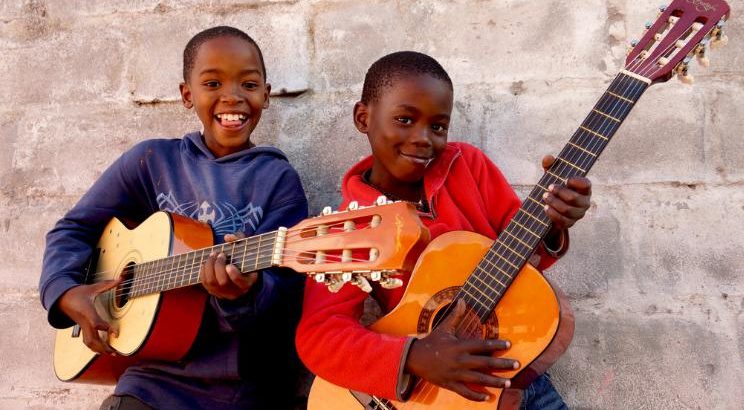
Music education in Africa

África/Diciembre de 2017/Fuente: Music in Africa

Resumen: La educación en las artes es tan esencial como en cualquier otro campo y, aunque muchos músicos creen que puede manchar su creatividad y su punto de vista original, no hay duda de que hay más aspectos positivos que negativos que restar del estudio de la música. Al igual que el gran Picasso, que produjo pinturas de realismo antes del cubismo pionero, los músicos novatos deben aprender los principios básicos antes de que puedan ser apreciados por su creatividad.

Education in the arts is just as essential as in any other field and although many musicians believe that it can taint their creativity and original point of view, there is no doubt that there are more positives than negatives to take away from studying music. Just like the great Picasso, who produced realism paintings before pioneering cubism, novice musicians must learn the basic principles before they can be appreciated for their creativity.

But music education does not only go as far as music theory; it also involves other aspects of the industry such as business, stagecraft, copyright and media studies, to name a few. It is incumbent on today’s music professional to know as much about the music industry as possible if they want to participate in a highly competitive sphere where only the best get to make a living from their efforts.

At Music In Africa we see education as one of the central elements still missing from music in most countries on the continent. If one considers the exceptional artists and many musical styles that originated on the continent, then Africa is arguably the world’s richest source of musical talent. It unfortunate, however, that much of the talent that Africa produces is neglected in favour of other professions deemed more important by society or political structures.

This is why Music In Africa strives to provide our readership with authoritative educational content about all the aspects of music, such as instrument lessons, lessons on how to build your own instrument, information about what avenues you can take to educate yourself in various African countries and expert tips on the best practices required to be a successful music professional, among others.

Check out some of the educational material we have on our portal below and make sure you return to this page daily as we continue to add content during the month of December.

Fuente: https://www.musicinafrica.net/magazine/music-education-africa

Comparte este contenido:

Angola: Milhares de crianças fora do sistema escolar

Angola/04 diciembre de 2017/Jornal de Angola

Resumen: Un total de setenta mil niños están fuera del sistema escolar en el año lectivo que está a terminar, debido al reducido número de personal docente, informó el Director provincial del Ministerio de Educación.

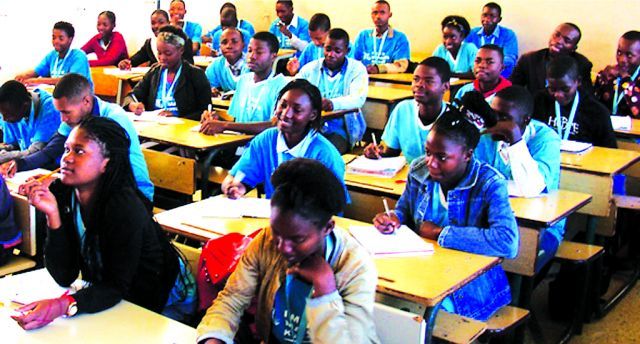
Um total de setenta mil crianças do ensino primário, na província do Bié, ficaram fora do sistema de ensino no ano lectivo que está a terminar, devido ao reduzido número de pessoal docente, informou ontem ao Jornal de Angola o director provincial do Ministério da Educação, Basílio Caetano.

Actualmente, segundo Basílio Caetano, a província conta apenas com mil 926 professores, dos 13 mil que estavam controlados até há cinco anos. Razões como aposentação, falecimento e desistência fazem parte dos  motivos que levaram a província do Bié a registar uma baixa significativa no número de professores. “Nos últimos anos, registámos ausência de muitos professores  por razões várias, particularmente no ensino primário”, frisou.
Na óptica do responsável da Educação na província, a actual conjuntura do país tem sido favorável à afluência de muitas crianças à escola, ao contrário de outrora, daí o aumento de alunos no sistema escolar público.
“A livre circulação de pessoas e a abertura de algumas vias em zonas rurais estão a motivar muitas famílias a levarem os filhos à escola, o que não se verificava há alguns anos. Infelizmente, não conseguimos corresponder com esta procura por termos poucos professores”, assinalou.
Paralelamente ao défice do reduzido número de professores, Basílio aponta o estado precário das salas de aula em várias localidades como outro factor que estrangula o ensino no Bié, pois, argumenta que “sem condições  para acomodação dos alunos e professores” não se consegue ter bom aproveitamento. “Não é possível cobrarmos dos professores e dos alunos quando não lhes proporcionarmos boas condições para que desempenhem, com sucesso, as suas actividades”, sublinhou.
O responsável máximo do Ministério da Educação na província do Bié revelou ainda que uma das grandes apostas do seu elenco é garantir que os estudantes tenham ensino de qualidade. “Estão em curso uma série de acções para a melhoria do ensino na província, como o refrescamento constante dos professores, a reabilitação e o apetrechamento das infra-estruturas.

ONG apoia educação

A organização não governamental checa, People In Need , está a dirigir   um programa estruturante em Angola que visa a reorganização do sistema de educação primária e a diversificação da produção agrícola nas províncias do Bié, Huambo, Huíla e Lunda-Norte, informou ontem, no Cuito, o seu representante em Angola Klára Jelinková.
Na vertente agrícola, o programa da People In Need,  beneficia 875 mil pessoas desfavorecidas nas referidas províncias, onde também  foram construídas  15 escolas e quatro bibliotecas. Nestas mesmas regiões foram   entregues a famílias camponesas charruas e imputes agrícolas.
Klára Jelinková , informou que, a par dos programas agrícolas e educativos, a People In Need presta  ainda apoio directo às comunidades na condução de projectos de irrigação, saneamento básico, nutrição e  saúde pública.
“ Vamos continuar a dar apoios às populações no interior de Angola, particularmente  na província do Bié, desenvolvendo  várias acções junto das comunidades rurais”, garantiu.
Klará Jelinková  disse que à  People In Need  tem recebido apoio do Governo angolano para implementar os seus projectos humanitários em várias províncias do país.
A interrupção dos trabalhos do projecto agrícola “Terra do Futuro”, que estava a ser desenvolvido no município de Nharea, província do Bié, há dois anos, está a preocupar  muitas famílias camponesas, que tinham grandes perspectivas de obter mais rendimentos com a sua integração no programa, apurou o Jornal de Angola de fonte junto de alguns moradores da localidade.

«Terra do Futuro» 

O projecto “Terra do Futuro”, que está a cargo do governo provincial, é financiado pelo  Banco de Desenvolvimento Angolano (BDA). Além de estar virado para o fomento da agricultura, também  prevê a construção de  residências e a reabilitação de vias que ligam zonas rurais a áreas produtivas.

Fuente: http://jornaldeangola.sapo.ao/provincias/milhares_de_criancas_fora_do_sistema_escolar

Comparte este contenido:

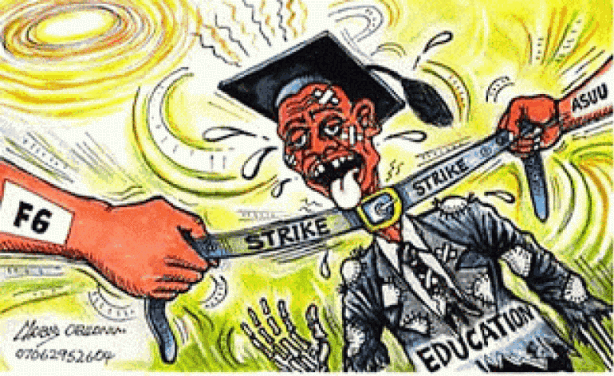
Nigerian Universities Face More Staff Strikes

Nigeria/December 04, 2017/Allafrica

Resumen: Los sindicatos del personal no académico de las universidades nigerianas han decidido reanudar su huelga el 4 de diciembre, en protesta contra la financiación deficiente de las universidades y otros asuntos relacionados que afectan el bienestar de sus miembros.

The non-academic staff unions of Nigerian universities have resumed their suspended strike.

The unions, members of NAAT, NASU, and SSANU, announced the resumption of the strike in a joint statement on Thursday night.

They said the strike will resume on Monday, December 3.

The statement was signed by the national presidents of NAAT, Sani Sulaimon; NASU, Chris Ani; and SSANU, Samson Ugwoke.

They workers said they reject the mode of sharing the recent financial allocation to universities.

 «We wrote a letter to the federal ministry of education to explain the criteria for the allocation and we gave them seven days notice to do the needful. But the date has elapsed without a response from the federal government,» they said.

PREMIUM TIMES reported how the mode of sharing N23 billion sent to universities by the federal government had caused protests in many universities as the non-academic workers accuse their academic counterparts of unfair distribution formula.

The unions suspended their strike and asked their members to resume work on September 25 after signing a memorandum of understanding with the federal government.

They gave the federal government one month to start the implementation of the agreement; but said on Thursday that the government is yet to meet their demands after two months.

 Fuente: http://allafrica.com/stories/201712010095.html

Comparte este contenido:

La OCDE lamenta la desigualdad laboral en Oriente Próximo y el norte de África pese a los avances

África/04 de Diciembre de 2017/Ecodiario

Las mujeres tienen un 23 por ciento menos de posibilidades de conseguir un empleo, según un estudio

Las tasas de participación laboral y empresarial femenina en los países de Oriente Próximo y el norte de África mantienen algunos de los niveles más bajos del mundo pese a los avances logrados gracias al impacto en materia de género de los nuevos marcos legales implantados en la región, según la Organización para la Cooperación y el Desarrollo Económico (OCDE).

El informe sobre «El empoderamiento económico de las mujeres en países MENA», publicado por la OCDE, analiza los cambios que se han producido en Argelia, Egipto, Jordania, Libia, Marruecos y Túnez tras la implementación de la nueva legislación, que ha supuesto un ligero aumento de la participación en la vida económica de las mujeres, que cuentan actualmente con mayor libertad y un mejor nivel educativo.

Carlos Conde, jefe de la División de Oriente Medio y África y secretario de relaciones globales de la OCDE, ha lamentado los «resultados decepcionantes» de la investigación ya que, pese a la transformación en el marco legal y jurídico, las mujeres siguen sufriendo una discriminación generalizada en su vida cotidiana, así como en el ámbito laboral.

«Las mujeres tienen un 23 por ciento menos de posibilidades de conseguir un empleo», ha dicho Conde, quien ha subrayado que «el cambio es posible». «El mensaje general, aunque duro, es que la mujer sufre discriminación legal, y a pesar de los esfuerzos, este hecho tiene un gran impacto en las economías», ha concluido.

Por su parte, Nicola Ehlerman, responsable del programa sobre competitividad MENA-OCDE, ha puesto en relieve los cambios constitucionales de Marruecos, Jordania y Libia en materia de igualdad y discriminación. «La legislación importa», ha dicho Ehlerman, quien ha recordado que «los cambios contemplados en las constituciones deben reflejarse ahora en la vida real».

Ehlerman ha explicado que la situación de desigualdad actual es el resultado de una confluencia de factores entre los que destacan la falta de mecanismos legales y las distintas barreras a las que se enfrentan las mujeres en el acceso a la justicia.

Uno de los factores más importantes es la desigualdad con respecto al derecho familiar. Actualmente las mujeres continúan asumiendo más obligaciones familiares y siguen teniendo deber de obediencia en su relación conyugal. Además, las diferencias con respecto a los derechos de la propiedad, divorcio y herencia suponen para la mujer una presión social y personal que les impide la integración plena en la vida económica.

Por otro lado, Nora Alim, una investigadora independiente, ha subrayado los «cambios prometedores» en países como Túnez, donde se han implementado políticas de igualdad en la ley de sucesiones y se está produciendo un debate con respecto a los matrimonios interreligiosos. En Egipto, ha explicado Alim, también se han producido mejoras en el derecho de sucesión, sancionando incluso a los hombres que se apropian de la herencia de sus hermanas.

Los representantes de la OCDE han recomendado afrontar estos retos a través de políticas dirigidas a ayudar a liberar el potencial que representan estas mujeres e impulsar el crecimiento, la competitividad y el desarrollo social inclusivo.

Fuente: http://ecodiario.eleconomista.es/internacional/noticias/8775484/11/17/La-OCDE-lamenta-la-desigualdad-laboral-en-Oriente-Proximo-y-el-norte-de-Africa-pese-a-los-avances.html

Comparte este contenido:

Guinea Ecuatorial: Taller de lanzamiento del Diagnóstico del sector Educación

Guinea Ecuatorial / 2 de diciembre de 2017 / Autor: Redacción / Fuente: Página Institucional de Guinea Ecuatorial

El 30 noviembre ha tenido lugar en el Hotel Hilton de Malabo, un Taller de lanzamiento del Diagnóstico del sector Educación en Guinea Ecuatorial, organizado por el Banco Mundial y el Ministerio de Economía Planificación e Inversiones Públicas, en el que estuvieron presentes tanto personalidades del sector educativo como personal del Gobierno. Adjuntamos el contenido íntegro.

El objetivo del taller era la divulgación del diagnóstico del sector educativo a fin de lograr iniciar un diálogo con el Gobierno que pueda concluir con un apoyo financiero y técnico del Banco Mundial, a políticas y programas educativos de Guinea Ecuatorial permitiendo el logro de los objetivos marcados por el Gobierno para una enseñanza de calidad.

Las sesiones comenzaron con la apertura realizada por los ministros de Economía, Planificación e Inversiones Públicas y el Ministro de Educación y Ciencias, quienes manifestaron la importancia de la educación para un país y su estado de bienestar.

La reunión continuó con una presentación sobre los principales resultados y recomendaciones del estudio. Posteriormente, se formaron grupos temáticos para profundizar en cuestiones prioritarias, para presentar las conclusiones y recomendaciones de cada grupo.

Fuente: Ministerio de Economía, Planificación e inversiones
Envío: Mansueto Loeri Bomohagasi (DGPWIGE)
Oficina de Información y Prensa de Guinea Ecuatorial

Fuente de la Noticia:

http://www.guineaecuatorialpress.com/noticia.php?id=10694

Comparte este contenido:
Page 247 of 622
1 245 246 247 248 249 622