Resumen: La provincia de Moxico necesita más de tres mil profesores, informó ayer, en Luena, el director provincial de Educación.
A província do Moxico necessita de mais três mil professores, informou ontem, no Luena, o director provincial da Educação.
Abel Jones Pique explicou que a província conta com 5.544 professores, número insuficiente para cumprir os objectivos do sector. “Com o preenchimento das vagas e aumento de salas de aula, o sector da Educação na província vai colocar em cada turma o máximo de 35 alunos, um imperativo da reforma educativa.”
Sobre este ano lectivo, que caminha para o fim, Abel Pique fez um balanço positivo e disse que no segundo trimestre houve 87 por cento de aproveitamento escolar em todos os subsistemas de ensino. Ao perspectivar os desafios do sector, Abel Jones Pique disse que as prioridades são a construção de mais escolas e o enquadramento de docentes.
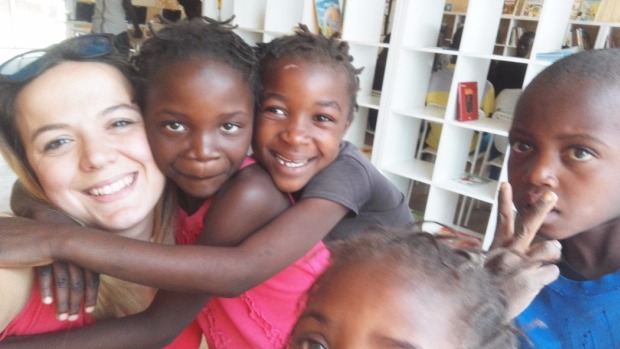
Dos chicas quieren ayudar a los jóvenes que tienen grandes deseos de aprender y que sueñan con ir a la Universidad.
Los libros que aquí tenemos arrinconados y en muchos casos olvidados en las casas, son en otro sitio un valioso tesoro. Es una de las cosas que dos chicas, Rebeca Herrera, alcalareña y su compañera de trabajo y en este proyecto María Medina aprendieron en Angola donde fueron a realizar una experiencia de voluntariado. También aprendieron que la vida como la conocemos con sus comodidades y posibilidades de mejora es una excepción. Pero sobre todo y como ellas afirman, aquel viaje les cambió la vida, así que ahora ellas quieren cambiar la suya a quienes dejaron en África y ellos mismos les han manifestado que la llave para ese cambio son los libros.
La fundación Elecnor dio forma como proyecto solidario a la creación de una planta potabilizadora de agua en Gove un pueblo de Angola. La iniciativa incluía además la creación de una salsa multiusos de unos cien metros cuadrados donde recibieron formación técnica los encargados locales de la planta. Tenía algunos libros, aire acondicionado, material escolar y una televisión, todo un lujo en aquellas latitudes. Rebeca y María trabajan en la esta empresa y en verano quisieron pasar dos semanas en este punto haciendo voluntariado. Su misión era ayudar a la formación de los chicos y jóvenes de Gove. Pero cuando llegaron se encontraron con la sala multiusos intacta y los ordenadores con los plásticos puestos. Tuvieron claro que aquello no podía ser y comenzaron a reunirse con la comunidad educativa local.
Según cuenta Rebeca «niños de todas las edades comenzaron a llegar y a usar el material escolar que llevamos para dibujar, colorear, leer o simplemente ojear cuentos mirando los dibujos; desde niños de tres años que aparecían de la nada, sin ningún padre o supervisor, hastajóvenes de 23 años entusiasmados ante la idea de poder escoger un libro, consultar un diccionario o realizar manualidades».
En Gove, viven unas 10.000 personas y además acuden muchos niños y jóvenes de los alrededores los centros de enseñanza. Pero allí estudiar es algo muy distinto al concepto que podemos tener en España. El colegio tiene tres aulas donde dan clases 150 niños en cada una. También se dan clases en la calle y los propios alumnos se traen sus sillas, en ocasiones las acarrean desde kilómetros a diario. En el instituto hay seis aulas también repletas y en turno de mañana y tarde. Las clases consisten en que el profesor intenta enseñar lo que puede de viva voz y al salir por la puerta, ya no hay posibilidad de aprender más.
Los propios profesores cuentan que «con libros haríamos maravillas». Ellos les explicaron que la llave de todo eran los libros. En ellos estaba la posibilidad de ampliar conocimientos, de profundizar, de contrastar datos, de encontrar materias que interesaran a los alumnos, de poder seguir estudiando y aprendiendo fuera del horario de clase. Los propios estudiantes con timidez al principio y lanzados luego les pidieron cursos de informática, de inglés, libros sobre salud y cuidado del cuerpo, manuales sobre canalización de aguas o finanzas, novelas, libros sobre finanzas o arquitectura.
Así que, profundamente conmovidas por lo vivido allí en el terreno personal y por el cariño que encontraron, Rebeca y María y se han puesto en marcha con una campaña solidaria que busca llenar cajas y cajas de libros, tesoros para ellos y llevarlos a Angola.Todo ello tiene una dificultad añadida y es que el idioma allí es el portugués y con la necesidad de sufragar los gastos de transporte que elevan en mucho el coste del proyecto.
Pero ellas se han propuesto hacer posibles esas maravillas. Han puesto en marcha una campaña en internet para recibir donativos o libros en la web: https://www.gofundme.com/libros-para-ninos-en-angola y han iniciado contactos con editoriales en portugués. También se puede contactar con ellas en el correo: proyectolibrosgove@gmail.com.
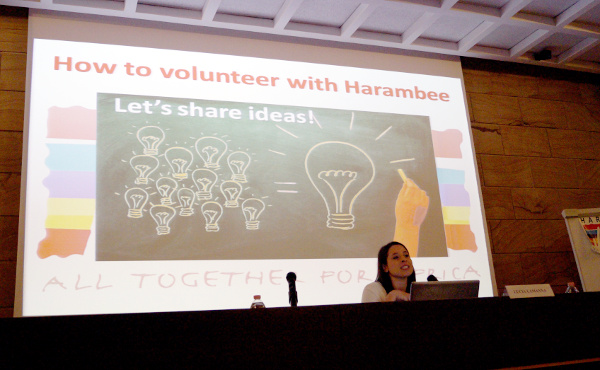
Estudiantes de Polonia, Italia y Estados Unidos se reunieron en Roma para poner en marcha el grupo solidario «Harambee Youth» y compartir experiencias de voluntariado.
Harambeees el nombre de la asociación internacional que surgió con ocasión de la canonización de Josemaría Escrivá, y que, desde hace 15 años, trabaja para sostener realidades y organizaciones africanas activas en áreas de salud, educación y formación.
Recientemente, estudiantes de Polonia, Italia y Estados Unidos se reunieron en Roma para lanzar «Harambee Youth», el grupo que dentro de la asociación internacional promoverá el voluntariado entre los jóvenes.
En este primer Harambee Youth Meeting, jóvenes voluntarios pudieron compartir experiencias y buscar soluciones creativas frente a las necesidades con las que se enfrentan sus coetáneos en algunas ciudades de África.
Jacek e Wojciech con otros participantes.
«África no te deja indiferente. Es imposible estar allí y olvidarlo. África te marca». Son palabras de Jacek Pytel, médico y Coordinador de Harambee Polonia, quien acudió al encuentro romano con estudiantes de la Universidad de Medicina de Poznan. Desde el 2013 viajan cada año a las ciudades de Muthale y Mutomo (Kenia) para trabajar en colaboración con profesionales del lugar.
HAY QUE PENSAR CARA AL FUTURO, ¿QUÉ QUEREMOS CONSEGUIR DE AQUÍ A UNOS AÑOS? Y LUCHAR POR ELLO
Wojciech Sierocki, estudiante de Medicina, compartió su experiencia: «Empezamos a colaborar en Kenia con deseos de ayudar y, también, de aprender mucho. No hay que desanimarse cuando el trabajo no funciona al principio. Hay que pensar cara al futuro, ¿qué queremos conseguir de aquí a unos años? Y luchar por ello».
Orge Huja Duba, estudiante de Finanzas en la Universidad de Strathmore(Kenia), que también participó del evento, compartió su historia: «Mis padres nacieron en una comunidad nómada con muy pocos recursos económicos. En los años 60 llegaron al norte de África los misioneros del Instituto Consolata y, al comprobar la pobreza del país, decidieron invertir en educación. Construyeron un colegio con ayudas económicas provenientes, fundamentalmente, de Italia. Fueron casa por casa buscando niños que pudieran beneficiarse de este nuevo colegio. Es así como mis padres comenzaron a formarse. Ahora pienso que si mi padre no hubiese estudiado, seguramente yo no estaría hoy aquí».
A través de su testimonio, Orge explicó que educar a una persona es educar a toda una generación. La transmisión de conocimientos es fundamental, ya que la educación de una sola persona tiene un fuerte efecto expansivo; de ella se beneficia toda su familia, y esta educación se expande de generación en generación. Participar en alguno de estos proyectos es como sembrar una semilla y dejar que ésta arraigue y crezca por muchos años.
LOS JÓVENES QUE PARTICIPARON EN ESTE ENCUENTRO ESTUVIERON DE ACUERDO EN QUE LOS VIAJES A ÁFRICA NO SON LA ÚNICA MANERA DE PARTICIPAR EN LOS PROYECTOS DE HARAMBEE
Los jóvenes que participaron en este encuentro estuvieron de acuerdo en que los viajes a África no son la única manera de participar en los proyectos de Harambee. Así, por ejemplo, en Italia se llevan a cabo nuevas formas de voluntariado con inmigrantes, actividades de sensibilización en las redes sociales que se refieren a África como el continente del futuro y campañas de recogida de fondos.
Para concluir, Lucia de Smaele, representante de FOCSIV (Federazione degli Organismi Cristiani Servizio Internazionale Volontario), animó a los presentes a involucrarse más en proyectos sociales: «Servir significa que el centro no somos nosotros mismos, sino los demás. El centro de nuestros proyectos es el servicio, no nuestras ideas o necesidades. Hacer voluntariado es una oportunidad de conocer nuestras capacidades y de sacar lo mejor de nosotros mismos».
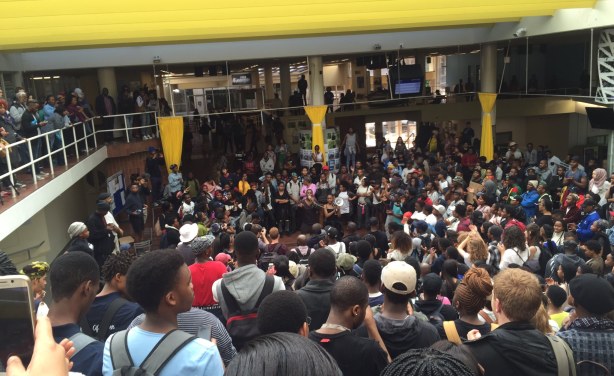
Resumen: Estimados estudiantes y colegas El campus permanece abierto hoy y todos los lugares de prueba estarán protegidos. Las pruebas y los exámenes se realizarán según lo programado. Sin embargo, la situación es volátil y los actos de vandalismo y otras actividades ilegales han interrumpido temporalmente el servicio Jammie Shuttle, el acceso al campus y las actividades en tres edificios.
The University of Cape has issued a statement assuring that tests and examinations will proceed as scheduled. This comes after the institution was granted an interdict by the Western Cape High Court following a series of disruptions by demonstrators.
Dear students and colleagues.
Campus remains open today and all test venues will be protected. Tests and exams will proceed as scheduled. However, the situation is volatile and acts of vandalism and other illegal activities have temporarily disrupted the Jammie Shuttle service, access to campus and activities in three buildings.
The executive are working with Campus Protection Services, private security and the South African Police Service (SAPS) in an attempt to contain the situation. As some protesters have resorted to unlawful activities, our expectation is that the SAPS will act in terms of the interim interdict that was granted by the court recently to prevent unlawful action. Please note the terms of the interim interdict granted by the High Court of the Western Cape.
The unlawful action by protesters is wholly unacceptable and is creating a situation that is traumatic for many, poses serious safety risks and is directly impacting the rights of students and staff to study and work. This is condemned by the executive in the strongest terms.
This morning protesters slashed the tyres of several Jammie Shuttle vehicles. One person has been arrested in connection with this incident and will be charged by the SAPS. The Jammie Shuttle service has resumed, but please be aware that there might be further disruptions.
Several incidents have been reported of protesters interfering with and intimidating staff and students. Barricades on Baxter Road were di
The main library and the Law Library are closed until further notice. Library staff are monitoring the situation. Please monitor the libraries website to check whether library services are affected at any given point in the day.
Groups of protesters are currently moving around campus and disrupting university activities. There have been incidents of vandalism reported and security services are attempting to contain the situation.
False information about the disruptions at UCT is unfortunately being circulated on social media. Please monitor the official UCT platforms for confirmation of current events on campus. Follow UCT on Twitter, Facebook and UCT News.
África/Angola/04 Noviembre 2017/Fuente: Prensa Latina
Dejaron la sombra que persigue a los iletrados y hoy dicen con orgullo en su portugués melodioso Sim, eu posso (Yo, sí puedo). Son más de dos millones de angoleños adultos que se alfabetizaron con un método cubano.
Algunos hasta hace muy poco engrosaban la fría estadística de un cuarto de la población, que totaliza 28 millones de habitantes, que no sabe leer ni escribir en Angola.
Desde que se reactivó aquí el Yo, sí puedo en 2012 hasta octubre pasado se graduaron dos millones dos mil 749 alumnos, expresó a Prensa Latina el consultor del Ministerio de Educación y responsable del programa, Alfredo Díaz.
Han sido sobresalientes las labores de los 42 asesores cubanos en las 18 provincias del país y de casi la mitad (54,7 por ciento) de los alfabetizadores que este año colaboraron voluntariamente, subrayó.
Existen, precisó, alfabetizados en 162 de los 173 municipios con que cuenta el país, que se independizó en 1975 de Portugal y vivió casi tres décadas envuelto en una guerra civil.
El método, que cumplió recientemente 15 años, tuvo su estreno en 2002 en Venezuela, que se declaró libre de analfabetismo al igual que Bolivia, Nicaragua y Ecuador.
Su capacidad de adaptarse a cualquier zona y soporte técnico le ha permitido al Yo, sí puedo estar presente lo mismo en América, en África o en Asia, y tuvo incluso una incursión en Europa al probarse en la ciudad española de Sevilla.
Las grabaciones de las clases se realizan con actores de cada nación e incluyen variaciones propias del idioma hablado en cada territorio, flexibilidad que busca la aceptación y el apoyo de las experiencias vividas por los beneficiados.
Otra de las bondades reconocidas es su rapidez al desarrollarse el curso de siete a 10 semanas como promedio, aunque en condiciones intensivas se ha podido conseguir la alfabetización en un mes.
Sin embargo, la mayor facilidad del método consiste en que se asocia cada número a una letra del alfabeto, una opción que permite al estudiante partir del dígito conocido hacia lo desconocido.
El programa cuenta con versiones en español, inglés y otra en portugués, además de en creole para Haití, aymara y quechua para Bolivia y tetum para Timor Leste.
Periodista, bloguera y desde hace unos meses consultora en Women’s Links, Rosebell Kagumire se ha convertido en una de las voces femeninas de Uganda que ha cobrado fuerza en los últimos años. Especializada en derechos de las mujeres es una firme defensora de la necesidad de contar historias con perspectiva de género. En su país, asegura que sólo el “20% de las voces políticas a las que consultan o que salen en las informaciones son mujeres”, a quienes se les entrevista para temas más pequeños y circunstanciales.
La realidad de la mujer en los medios de comunicación que describe Kagumire no se aleja de la que se da en España, donde en la sección de Política sólo un 25% de ellas actúa como fuente de información, según el último informe nacional de Monitoreo Global de Medios (GMMP). Por ello, es tan importante cambiar el enfoque y explicar las noticias desde el prisma de la mujer, recurriendo a ellas como fuente y visibilizarlas en los medios. La periodista ugandesa ha señalado este jueves en un encuentro con periodistas canarias en la Casa África que en su país cada dos meses se reúne junto a miembros de distintos medios para que reflexionen sobre cómo se han abordado algunas noticias de actualidad ya que “en las escuelas de Periodismo no se enseña cómo contar historias con perspectiva de género y es necesario”.
A Kagumire también le preocupa cómo se cuenta lo que ocurre en el continente, que en muchas ocasiones se tiende a ver como un conjunto y no se atiende a las 54 realidades diferentes que vive cada uno de los países que lo integra. A su juicio, para informar mejor de cada país africano desde España se debe contactar más con la gente local, algo que Internet llena de posibilidades.
La mayor parte de los reporteros que llega a un país de África se pone en contacto primero con otros periodistas de su mismo país o de Europa, lo cual no cree que esté mal pero considera que se está poniendo un filtro más, ya que es posible contactar directamente con periodistas de allí que aporten otros enfoques, diferentes puntos de vista de lo que ocurre y que ayuden a aumentar los contactos.
Poco a poco y gracias a la expansión de Internet en África por el empuje de la telefonía móvil, se requieren más testimonios locales o se trata de contactar más con periodistas que se encuentran sobre el terreno. Asegura que es importante crear una red y que a ella misma, aunque no nació en El Congo, muchos periodistas le escriben interesándose por este país, por lo que ella les pasa contactos para que puedan contar bien el tema.
No obstante, recalca que para contar buenas historias sobre su continente es necesario dedicarle tiempo. África es mucho más que esa imagen negativa que históricamente se le ha dado, pero cree que tampoco se deben forzar las noticias positivas sólo por el hecho de que en un medio de comunicación se hayan contado muchas noticias negativas de forma seguida. De hecho, en un mismo día pueden ocurrir cosas buenas y malas. Al final, «la gente navega en las complicaciones de la vida como en cualquier otra parte del mundo».
Lamenta que durante tantos años se haya asociado tanto a África con inmigración ya que este «no es un tema de África, es un tema global, la gente quiere moverse para mejorar su vida». En este sentido, reprocha que se esté intentando frenar la inmigración con dinero, pues «no es la solución».
Rosebell Kagumire defiende que la idea de que su continente está lejos es «una construcción mental que no es real». Prueba de ello es que en las últimas semanas muchos ugandeses le han preguntado por la situación en Catalunya e incluso bromean preguntándole si va a viajar a España o a Catalunya.
Afirma que, a pesar de que no se entienda toda la historia en profundidad, en Uganda sí que tienen una idea global de lo que está ocurriendo en España y en Catalunya, por lo que se cuestiona por qué «si ese interés está allí no está aquí respecto a África».
Periodismo en Kenia o Uganda
Rosebell Kagumire trabaja principalmente en cuatro países: Uganda, Tanzania, Ruanda y Kenia. Subraya que en este último hay una crisis política importante ya que se celebraron elecciones que fueron anuladas por el Tribunal Constitucional y, después de convocarse de nuevo, la oposición decidió no presentarse porque consideraba que no había garantías. Por ello, el anterior presidente resultó ganador con un 98% de los votos.
Cuenta que Kenia tiene además una baja presencia de mujeres en política comparado con países del este de África. En la primera ronda de elecciones hubo un importante avance de mujeres que se presentaban como políticas, pero tras esta crisis que atraviesa el país después de las últimas elecciones ha quedado en nada. La periodista ha estado trabajando con diferentes organizaciones documentando muchos casos de violencia sexual hacia mujeres en toda la represión que se ha producido durante los últimos comicios.
En Uganda, señala que no hay una crisis política comparable a la de Kenia, pero tienen el mismo presidente desde hace 31 años. El año pasado fue reelegido en otra «elección fraudulenta». No lleva aún dos años y ya está intentando promover un cambio constitucional que permita que pueda ser elegido aunque sea mayor de 75 años, que ahora la Constitución lo prohíbe». Además, a ello se le añade que el presidente está empleando dinero y técnicas de intimidación y violencia para conseguirlo.
«Su mujer es la ministra de Educación, su hijo el consejero presidencial, todo va alrededor de su familia y está usando los recursos del estado para financiar sus políticas e intereses particulares», apunta. En su país existe una tasa muy alta de población joven (un 50% tiene menos de 17 años) a lo que se le suma el aumento de esta población, que ha pasado de 11 millones a 40 en apenas 20 años, según aclara.
Rosebell Kagumire subraya que ejercer el periodismo en un sistema represivo no es fácil. En su país, el Gobierno al controlar la comisión de control de los medios veta a algunas personas o cargos de la oposición a que puedan comparecer en programas o tertulias. «Tenemos mucha vigilancia online sobre qué hacen los periodistas y muchos trolls pagados para hacer difícil la expresión en el país».
No obstante, a pesar de las dificultades, asegura que se termina contando la verdad ya que existe un gran compañerismo entre periodistas y se denuncia si alguien está siendo acosado por su trabajo. Matiza que esta situación no afecta solo a comunicadores, también a activistas de distintas asociaciones.
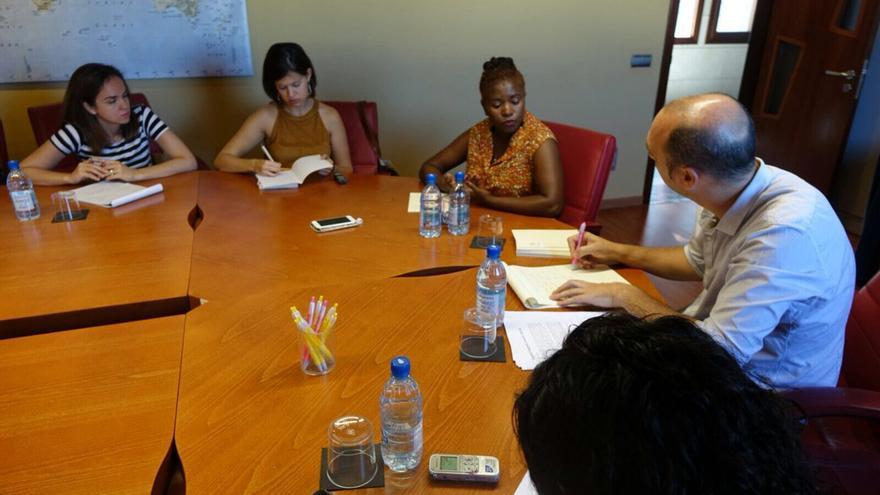
Rosebell Kagumire en un encuentro con periodistas canarias CASA ÁFRICA
Internet: la ventana para visualizar la verdadera África
La periodista ugandesa reitera las ventajas que ofrece Internet tanto para conocer África como las experiencias e iniciativas que se están poniendo en marcha. Destaca que muchos activistas y periodistas utilizan Facebook Life para compartir situaciones que a los gobiernos no les interesa que se conozcan.
Whatsapp es además la herramienta que más se ha expandido en los últimos años ya que, por ejemplo en Uganda aunque aún es caro mantener un móvil cada vez más ciudadanos disponen de uno.
También en redes sociales como Twitter o Facebook es posible hacer contactos e incide en la idea de crear esa red y apoyarse en la gente local a la hora de contar historias y asegura que ellos son los principales interesados en que se les tenga en cuenta en los testimonios para dar una imagen real de África al resto del mundo.
Nigeria/Noviembre de 2017/Autor: Farrah Mohamed/Fuente: Quartz
Resumen: Si le preguntas a la mayoría de las personas si creen que las niñas deberían ir a la escuela, responderán que sí. Supongo que la mayoría de ustedes que leen esto ahora se sienten ofendidos por la idea de un mundo en el que las niñas todavía no son iguales para los niños en cuanto a educación y oportunidades. Sin embargo, esta es la realidad de 130 millones de niñas que no asisten a la escuela en todo el mundo. Si bien la mayoría de la gente no lo considera uno de los problemas más apremiantes de nuestro mundo, la evidencia muestra que la educación de las niñas es la mejor inversión que podemos hacer para hacer crecer las economías, mejorar el aire que respiramos, reducir el riesgo de conflictos violentos y avanzar en la salud pública .
If you ask most people if they believe girls should go to school, they’ll answer yes. I would guess that most of you reading this right now are offended by the idea of a world where girls are still unequal to boys in education and opportunity. Yet this is the reality for 130 million girls out of school around the world.
While most people don’t count it as one of our world’s most pressing problems, evidence shows that girls’ education is the best investment we can make to grow economies, improve the air we breathe, reduce the risk of violent conflict and advance public health.
Here are the facts:
If all girls went to school for 12 years, low- and middle-income countries could add $92 billion per year to their economies.
Educated girls are less likely to marry young or contract HIV—and more likely to have healthy, educated children.
The Brookings Institution calls secondary schooling for girls the best and most cost-effective investment against climate change.
When a country gives all its children secondary education, it cuts its risk of war in half.
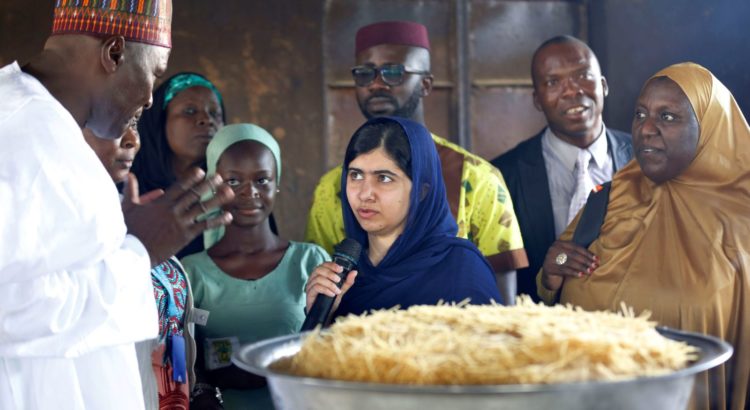
As CEO of Malala Fund, I’ve travelled to countries where girls are fighting poverty, early marriage, war and conflict to go to school. Their individual stories confirm what multiple studies show: educated girls improve their communities and countries.
16-year-old Sydney lives in an indigenous community outside Oaxaca, Mexico. Girls in Mexico are free to go to school, but about half leave school before graduating, often because of teen pregnancy or child marriage.
When Sydney reached secondary school age, her grandfather expected her to drop out and marry, like her mother and grandmother before her. But Sydney had other plans. She wanted to stay in school, go to university and become her town’s first pediatrician.
Having fought and won her own battle against cultural norms and family pressure, Sydney hosts a local radio show advocating for girls’ education and equality. She tells listeners that economically independent women are more equipped to care for their families and contribute to their communities—that everyone advances when women are allowed to fulfill their potential.
In Nigeria, fear of violence marked 20-year-old Amina’s school years. Amina lives in the north of the country where Boko Haram extremists routinely kidnap schoolgirls. While some escaped or were released through government negotiations, many others have been forced to marry their captors or become child soldiers, sold into slavery or killed. Going to school is an act of extreme bravery for girls in Amina’s region.
Despite the risks, Amina recently graduated secondary school. Her favourite subject is chemistry; she hopes to study science education at university and become a teacher.
She’s already had some practice—for years she served as a mentor to girls in her community. After her own classes, she taught out-of-school girls to read and write. Amina also helped these girls understand reproductive health, a subject rarely discussed in her community.
Girls like Amina and Sydney are filling in for failing governments. It is no surprise that the countries with the highest numbers of girls out of school also spend the least on education.
UNESCO recommends that developing country governments spend 20% of their annual budget on education—but most fall well short of this target. None of the nine most populated countries in the global South increased their education budgets in the last two years, despite repeated commitments to get all girls in school by 2030.
Nigeria is the richest country in Africa, but has the highest number of out-of-school girls. In the last three years, the Nigerian government cut the education budget from 9% to 6%. Mexico enacted an austerity budget this year, reducing education spending by 4%, according to news reports.
Developing country leaders aren’t alone in breaking their promises. Donor countries have flatlined or decreased their education aid in the last two years.
If aid to education and domestic spending continue to decline, we risk leaving millions of girls uneducated and unprepared for the future.
Consider these two facts:
UNESCO estimates that the world could have 40 million job vacancies by 2020, but not enough educated workers to fill them.
Today 76% of men participate in the global labour market, but only 46% of women are employed.
The answer seems obvious, doesn’t it? Modern economies need educated women. And girls are the key to a safer, healthier, wealthier world.
Whatever the challenges facing our world, I know I want girls like Sydney and Amina to help solve them. Our future depends on girls. And their future depends on our leaders. Malala Fund will continue to hold them accountable—for 130 million girls out of school and for all of us.
OtrasVocesenEducacion.org existe gracias al esfuerzo voluntario e independiente de un pequeño grupo de docentes que decidimos soñar con un espacio abierto de intercambio y debate.
¡Ayúdanos a mantener abiertas las puertas de esta aula!

 Jacek e Wojciech con otros participantes.




 Users Today : 90
 Total Users : 35502230
 Views Today : 122
 Total views : 3628017