Saltar al contenido principal
Page 39 of 622
1 37 38 39 40 41 622

Ghana: Rasta students ruling ‘a giant step for our constitutional dispensation’

Rasta students ruling ‘a giant step for our constitutional dispensation’ – Franklin Cudjoe

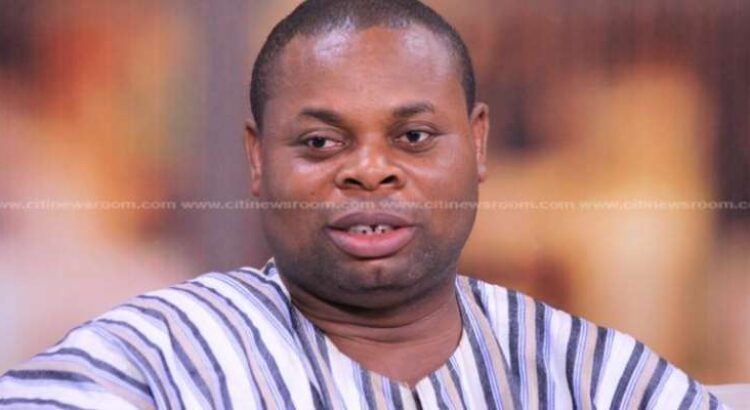
IMANI Africa President, Franklin Cudjoe, has welcomed the ruling of the Accra High Court that ordered Achimota School to admit two Rastafarian boys, Tyrone Marhguy and Oheneba Nkrabea.

According to him, the ruling is a win for mankind and a “giant step for the country’s constitutional dispensation”.

Mr. Franklin Cudjoe, speaking on Citi TV and Citi FM’s current affairs programme, The Big Issue, on Saturday, June 5, 2021, commended the lawyers of the students for the victory.

He also commended the media for giving a full coverage of the case.

“For me, this is one giant steps again in our constitutional dispensation, and one giant lead for mankind. I am terribly happy, and I think that we need to congratulate everybody who was involved in the process. The media especially and ultimately the lawyers who did the fight.”

Mr. Cudjoe further suggested that the case could have been avoided if the Ghana Education Service had stamped its authority by coming up with clear guidelines for all schools.

“However, I think we shouldn’t have gotten here if the policymakers had come up with clear guidelines for all institutions.”

On the same ruling, the Executive Director of Africa Education Watch, Kofi Asare, said it is a progressive one.

According to him, this is a “victory for the right to education and the rule of law.”

“In any country where there are disagreements in relation to the position of the law, the last resort is to go to court. And so citizens going to court to pursue their fundamental human rights in the exercise of democratic rights should be encouraged.”

“I was honestly not expecting this ruling because I have seen previous rulings by other courts in Ghana on similar issues that suggested otherwise. When the parents of the two informed the school authorities of their intention to go to court, the school actually told them that they have handled such cases before, and it goes in their favour, so they are not the least intimidated.” What did the court say?

Delivering the judgment on the case of the two Rastafarian boys, Justice Gifty Agyei Addo held that the Attorney-General failed to provide a legal justification as to why the students’ right to education should be limited on the basis of their dreadlocks.

Messrs. Marhguy and Nkrabea were denied admission into Achimota School for refusing to shave off their dreadlocks, despite the fact that they had passed their qualifying examinations, and had been selected into the school through the computerized placement system.

The school, through the Attorney General, argued in court that allowing the students into the school would have dire consequences on the school’s discipline, students’ health, tradition, and community cohesion.

The Attorney General subsequently argued in court that the Rastafarian students had not even completed or returned their admission acceptance forms and thus, could not claim to have been denied admission.

But for the students, their parents, and lawyers, this was simply a case of a breach of fundamental rights on the basis of their religion and religious practices.

Justice Addo disagreed with the submissions of the Attorney General and granted all the reliefs separately sought by the students, except the relief of compensation in the case of Tyrone Marhguy.

According to Justice Addo, it was preposterous for the Attorney General to have even suggested that the two were not students in the first place. Consequently, she directed Achimota School to admit the two students.

—citinewsroom

Fuente de la Información: https://www.modernghana.com/news/1085976/rasta-students-ruling-a-giant-step-for-our-consti.html


Comparte este contenido:

Uganda: Oxygen shortage hits Moroto hospital

Oxygen shortage hits Moroto hospital

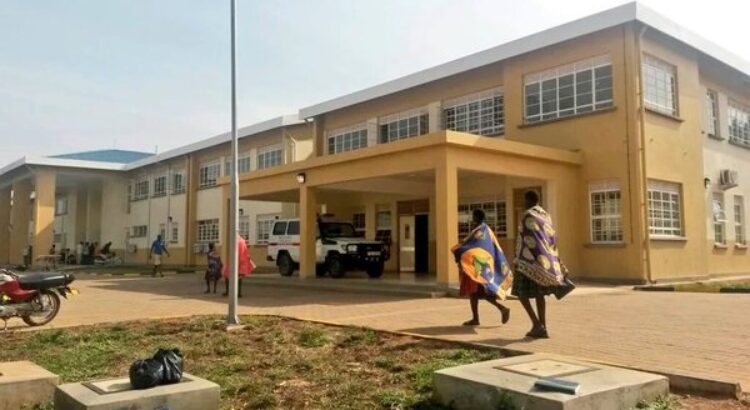
Moroto Regional Referral Hospital currently has 18 patients at the Covid-19 treatment unit all needing oxygen support. File Photo

Moroto, Uganda | THE INDEPENDENT | Moroto Regional Referral Hospital is facing a shortage of oxygen for critically ill Covid-19 patients.

Moroto Regional Referral Hospital has an oxygen plant but its current production rate is much lower than its capacity of 15 cylinders per day.

According to the hospital director, Dr Ben Watmon, the plant produces less than half of the required oxygen, making Covid-19 treatment difficult. He says because of this, the hospital struggles to provide oxygen to critically ill patients, sometimes affecting general management of Covid 19 cases.

He adds that the situation is made worse by the unstable power supply to the hospital due to constant power blackouts, forcing the hospital to bring in oxygen from Mbale and Soroti after every two days.

The low level of oxygen production comes at a time when the district has recorded the highest number of Covid-19 patients ever.

Currently, there are 18 patients at the Covid 19 Treatment Unit at Moroto Hospital all needing oxygen support with an additional 20 under home based care.
On Friday, 45 new cases were confirmed in Moroto district, taking the total number of active confirmed cases to 83, the highest number recorded at the time since Covid 19 outbreak in March last year.

Moroto Regional Referral Hospital has handled 293 cases, 268 discharged and 3 deaths.

According to Dr Hans Lokale, the District Health Officer, the district Covid-19 taskforce has embarked on risk communication, testing and tracing of contacts to mitigate community infections.

*****

URN

Fuente de la Información: https://www.independent.co.ug/oxygen-shortage-hits-moroto-hospital/


Comparte este contenido:

África, protagonista de la peor crisis educativa por la Covid-19

En 2019, solo hubo un 21% de escolarización en el África Subsahariana y un 41% en el norte de África, datos que han empeorado por la pandemia.

Con motivo del Día de África, el pasado 25 de mayo, la Fundación ProFuturo, un programa de Educación digital impulsado por Fundación Telefónica y Fundación “La Caixa” para reducir la brecha educativa, organizó el evento híbrido El poder transformador de la E-ducación en África, una conversación sobre los retos y las oportunidades de la Educación en el continente africano, al que algunos se refieren como el continente “olvidado”, pero por el que muchos “apuestan”, según aseguró Magdalena Brier, directora general de Profuturo.

Javier Ruiz, director general de World Vision en España: «Cerrar el acceso a la escuela es cerrar el acceso a la alimentación y a la higiene de los niños»

El acto, coorganizado por Casa África, Acnur, Empieza Por Educar, Entreculturas, Save the Children, la ONG World Vision y los medios de comunicación Planeta Futuro, de El País, y Mundo Negro, tenía como objetivo “mostrar la cara positiva del continente y fortalecer el entendimiento entre los países africanos y España”, según explicó Juan Jaime Martínez, jefe de Cultura de Casa África.

Escolarización

Más de 32 millones de niños y niñas africanos se encontraban fuera de la Educación Primaria en el año 2019, cifra que ha aumentado con la Covid-19 por la falta de acceso a Educación digital y por el absentismo escolar.

En 2019, solo hubo un 21% de escolarización en el África Subsahariana y un 41% en el norte de África. Dos terceras partes de los países africanos con menos renta recortaron su presupuesto en Educación durante 2020 en torno a una media del 4%, según Firmin Edouard Matoko, subdirector general de Prioridad África y Relaciones Exteriores de la Unesco, que hizo hincapié en dos de los grandes problemas de la Educación en África, la falta de docentes y la brecha digital existente.

“Muchos países africanos optaron por la Educación a distancia para salvar las barreras de los confinamientos, pero las familias encontraron obstáculos en los que no se había pensado, como la falta de electricidad y de internet“, explicó.

Efectos colaterales

“Cuando cerramos el acceso a la escuela cerramos el acceso de los niños a muchas más cosas, como la alimentación o la higiene”, comentó Javier Ruiz, director general de World Vision en España, que reflexionó sobre el poder transformador de la Educación a través de la historia de Isaac, un niño del norte de Uganda que “estudiaba para ser presidente y llevar la paz a su país”.

El impacto del cierre de colegios a corto plazo engloba la salud física y mental, la explotación laboral, embarazos no deseados, matrimonios forzosos y la desnutrición. “La comida que reciben en la escuela es para muchos la única que reciben a lo largo del día”, informó Luca Fabris, coordinador de Asia y África en Entreculturas.

Brecha de género

“Cada tres meses de cierre de colegios se provocan 15 millones de abusos y alrededor de dos millones de casos de mutilación genital“, analizó Andrés Conde, director general de Save the Children en España, que aseguró que las niñas tienen barreras de entrada a la escuela muy superiores a la de los varones.

“Antes de la Covid-19 nueve millones de niñas no podían acceder a la Educación frente a tres millones de varones”. En África central una de cada cinco niñas nunca llegarán a entrar en un aula, según datos de Unicef.

Andrés Conde, director general de Save the Children en España: «Cada tres meses de cierre de colegios se provocan 15 millones de abusos en África»

Colocar a las niñas en el foco de la acción y empoderarlas para que sean ellas las que realicen el cambio es imprescindible para cambiar su realidad, que va desde el matrimonio forzoso hasta un peor acceso a los recursos digitales, considerados por la sociedad como recursos no aptos para la mujer.

“Hay que invertir en las niñas, favorecer los espacios para que puedan ser libres y crear sus propios caminos”, sentencia Conde.

Fuente: https://www.magisnet.com/2021/06/africa-protagonista-de-la-peor-crisis-educativa-por-la-covid-19/

Comparte este contenido:

Autoridades de Nigeria trabajan contrarreloj para liberar a 136 niños secuestrados

El plagio sucedió el pasado domingo, cuando hombres armados llegaron a la localidad de Tegina para llevarse a los menores.

Autoridades de Nigeria confirmaron que 136 niños fueron secuestrados en una escuela musulmana del estado Níger, en el centro de Nigeria, el domingo por un grupo de hombres armados.

“El gobierno del estado Níger confirma que el número de estudiantes secuestrados por los bandidos es de 136”, dijo el gobierno local en un mensaje en Twitter el miércoles por la noche.

Comparte este contenido:

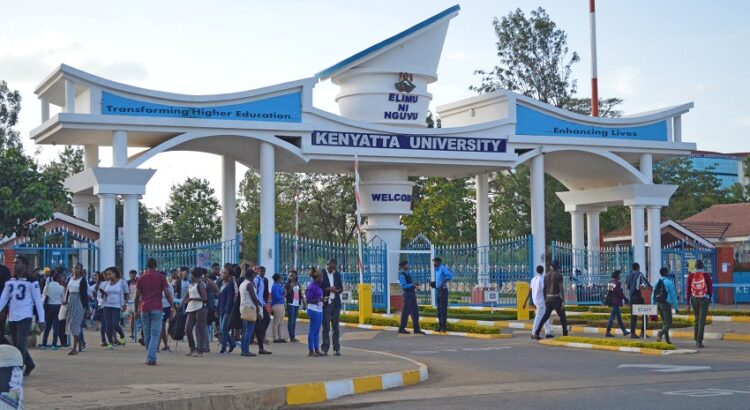
Kenya: Shortage of professors a concern at Kenyatta university says VC

Africa/Kenya/04-06-2021/Author and Source: www.kbc.co.ke

Kenyatta University Vice Chancellor, Paul Wainaina, has raised concern over few number of professors in the institution, saying it might affect the quality of future education and research.

He said the University has not had a full professor for the past four years to replace those who retire or leave through other causes pointing out that Department of Education has only four full and two associate professors.

Prof. Wanaina observed that most of the remaining professors will be all gone in the coming years, leaving the university at cross roads in terms of education quality and research.

“The future of every university lies with its think tanks who are the professors. There used to be a time when we used to be like eight full professors and several associates. Now it is worrying because I have just a few years left before I leave and I have not seen anyone close to a professor level,” he said.

He said it may seem like dark days in the education industry since the mainstay of quality education is evidence-based knowledge brought by professors.

The Don called on lecturers to further their studies through doing more research and attain the prof. stature, in order to save the future of the departments and the quality of education in the country.

“Professors are the apex of scholarship in any university. We need to get more lecturers promoted into professors to save the quality of education starting with teaching, doing research for solving problems of this nation,” said Wainaina.

He was speaking as one of the lecturers, Dr. Rubai Mandela, launched a book, Before Two Become One, at a Ruiru hotel.

He said the university would support those in the field of research to attain those high education accolades to ensure they bring out qualified scholars, who will hold up the university in future.

Source and Image: https://www.kbc.co.ke/shortage-of-professors-a-concern-at-kenyatta-university-says-vc/
Comparte este contenido:

Argelia: Las manifestaciones del Hirak imposibilitadas: ¿y ahora qué?

Las manifestaciones del Hirak imposibilitadas: ¿y ahora qué?

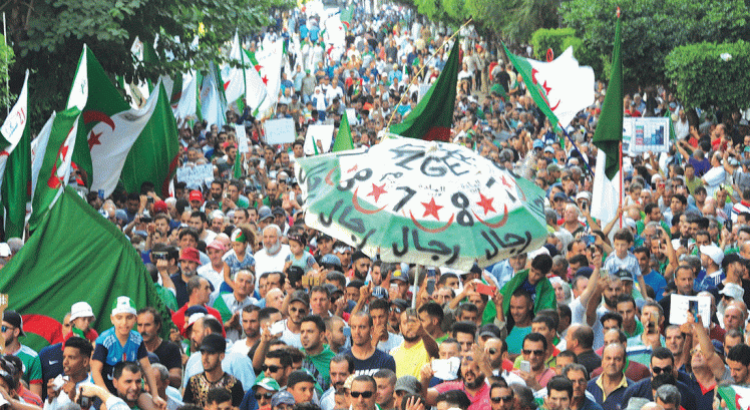
La gran marcha de Argel, que cada viernes atrae al menos a decenas de miles de personas, es imposibilitada por segunda vez consecutiva1.

El concepto de «gestión democrática de multitudes» funcionó y las y los manifestantes no pudieron hacer frente al dispositivo de seguridad desplegado. ¿Deberíamos sacar la conclusión de que asistimos al fin del Hirak o al menos, al final de las manifestaciones callejeras de Hirak, el principal modo de acción del movimiento popular iniciado hace dos años?

Probablemente sea algo apresurado afirmar esto, ya que el movimiento ha demostrado mucha capacidad de regeneración como cuando se reanudó como el primer día, este 22 de febrero, después de casi un año de tregua debido a una crisis sanitaria.

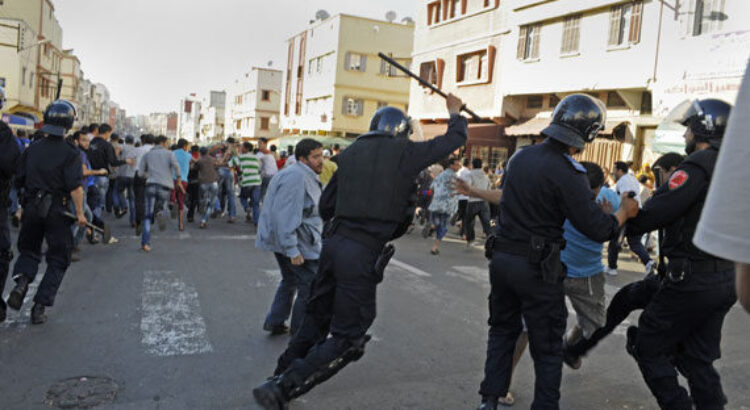
Igual que es arriesgado argumentar lo contrario frente a la intransigencia de las autoridades, los dispositivos policiales que despliegan y las duras maneras a las que ya no dudan en recurrir2.

Así que nadie sabe de qué se hará el mañana. El Hirak bien puede no ser más que una página que se cierra en la larga lucha del pueblo argelino por la democracia, igual que puede seguir influyendo en la vida nacional, a través de manifestaciones callejeras u otras formas de acción.

Además, el movimiento, nacido en la contienda del quinto mandato del depuesto presidente Abdelaziz Bouteflika, ha demostrado a lo largo de semanas y meses que su esencia principal es el deseo compartido de cambio.

Y este deseo seguirá siendo compartido y expresado de una manera u otra hasta que se haya producido el cambio reclamado.

En otras palabras, si el gobierno realmente logra poner fin a las manifestaciones semanales, al final, solo habrá roto el termómetro pero no hacer bajar la fiebre. De hecho, hay un malestar en la sociedad y el descontento es una realidad que ni siquiera algunas voces oficiales niegan.

El país se prepara para tener un nuevo Parlamento y el fin o no de las manifestaciones no cambiará nada en la participación de las y los ciudadanos en el escrutinio.

El referéndum sobre la revisión constitucional del 1 de noviembre de 2020 tuvo lugar en un contexto de detención de las manifestaciones debido al contexto sanitario, pero casi cuatro de cada cinco argelinos lo ignoraron. El boicot es una de las alternativas al alcance de la mano de la protesta, que no tiene tratamiento con resultados garantizados desde el punto de vista de los dispositivos de seguridad.

Un vector de esperanza que canalizó la ira social

Por lo tanto, el riesgo inmediato está en este nivel: dotar al país de un Parlamento mal elegido, del que saldrá un gobierno sin más legitimidad, con la misión principal de gestionar un contexto económico y social por lo menos difícil. En otras palabras, convencer a la población de que muestre paciencia y aplace sus demandas de trabajo, vivienda, mejor poder adquisitivo…

El malestar no es solo político. También es, y sobre todo, social. En los últimos dos o tres años, el país ha acumulado los factores del declive de su salud económica: bajada de los precios del petróleo y de la producción de hidrocarburos, una crisis sanitaria que ha ralentizado aún más una actividad que, francamente no funcionaba, cierre de empresas por razones judiciales o económicas, inestabilidad política, desinversión, hundimiento de las reservas de divisas.

Y no se le escapó a nadie que, paradójicamente, fue durante este período cuando menos se expresó la ira social.

Los movimientos sociales, las huelgas y los cortes de carreteras fueron más frecuentes en los años de petróleo caro. La paradoja solo se puede explicar por el efecto del Hirak y la esperanza que ha despertado.

En las intervenciones de los actores del movimiento o las consignas de las manifestaciones, escuchamos como un leitmotiv la necesidad de dejar de lado las preocupaciones sectoriales cuando una categoría social o profesional está tentada de hacer oír su desesperación.

La idea era centrar el esfuerzo en el cambio político del que resultaría la solución al resto de los problemas. Se recuerda que incluso los harragas [migrantes se echan al mar] de repente dejaron de salir al mar en las primeras semanas del Hirak.

Aún cuando desafió vehementemente al poder y, a veces, incluso al chovinismo, el Hirak sirvió como un vector de esperanza que canalizó toda la ira, todas las frustraciones y evitó al país los dolores de la explosión social.

¿Qué pasará una vez que haya dejado de estar sobre el terreno en un país donde los espacios para la libertad de expresión van siendo reducidos con firmeza, por no decir que son inexistentes?

Prever la continuación de los acontecimientos en esta etapa es un ejercicio difícil, pero el hecho es que el final del Hirak puede no significar el retorno de la estabilidad. (Artículo publicado en TSA, 22 de mayo de 2021)

Fuente:

Traducción: Faustino Eguberri para viento sur

1/ Sobre el 118 viernes, la crónica de Abdelghani Aichoun en http://alencontre.org/afrique/algerie/algerie-dossier-118e-vendredi-du-hirak-alger-ville-interdite.html. Posterior a este artículo el 119 viernes ha sido igual que los dos anteriores: imposibilidad de manifestarse en Argel y grandes capitales, aunque en Bejaia y Tizi Uzu lo han logrado varios miles de personas. Ha habido detenciones en todo el país. Ver la información en https://www.tsa-algerie.com/vendredi-119e-la-marche-dalger-empechee-des-arrestations/

2/ El giro represivo del poder en Argelia es enorme. El pasado viernes 21 de mayo, 118º viernes de manifestación, fueron detenidas en todo el territorio argelino más de 800 personas según la Liga Argelina por la defensa de los Derechos Humanos. El viernes anterior habían sido detenidas más de 700 personas. Las detenciones acaban en muchos casos en condenas de prisión firme. Según la LADDH y el Comité Nacional para la liberación de las personas detenidas (CNLD), el 26 de mayo había 175 detenidos por delitos de opinión en las prisiones argelinas cuando a mediados de enero eran 90. La LADDH deplora “el cierre por la fuerza del debate y el espacio públicos, de los campos democrático, político, asociativo y mediático totalmente cerrados y esto en vísperas de elecciones legislativas”. Ver https://www.tsa-algerie.com/detenus-dopinion-ils-sont-175-selon-le-cnld-et-la-laddh/. Igualmente pesan amenazas de disolución y encarcelamiento de su militancia sobre organizaciones como el Partido Socialista de las y los Trabajadores (PST) o la asociación Rassemblement Actions Jeunesse/Reagrupamiento Acciones Juventud (RAJ) que participan en el Hirak, ndt.

Fuente: https://vientosur.info/las-manifestaciones-del-hirak-imposibilitadas-y-ahora-que/


Comparte este contenido:

SMILE: designing a participatory project to promote inclusive education in Nigeria

By Liesbeth Roolvink, Global Technical Lead Education Systems, Sightsavers
Gillian Mackay, Social Inclusion Monitoring, Evidence and Learning Manager, Sightsavers

Disability inclusion has been a neglected, under-prioritised issue in international development. There is a lack of evidence around what works in practice to deliver inclusion, which contributes to difficulty in building effective programmes. For too long, policies have been designed with no consultation with people with disabilities, leaving implementation faltering, or failing to meet expectations. A new education project in Nigeria, designed with and for people with disabilities teaches lessons for how to conduct inclusive and participatory project planning for others in the field.

Credit: SMILE Nigeria

As recommended by the UN Convention on the Rights of Persons with Disabilities principle ‘nothing about us, without us’ and by the 2020 GEM Report motto ‘All means all’, realising true inclusion in education requires structural, coordinated engagement from organisations of people with disabilities (OPDs) to facilitate joint decision making to ensure that the needs of learners with disabilities are effectively addressed.  Following this recommendation, Sightsavers established a steering committee with 20 key stakeholders from federal, state and local government and the OPD community to jointly develop a new innovative community-driven inclusive education project in Nigeria: the Support Mainstreaming Inclusion so all Learn Equally (SMILE) project in Kaduna State.

‘SMILE is a Nigerian project for Nigerians’, explained Chairman of the SMILE steering committee Jake Epelle, CEO/Founder of The Albino Foundation and Convener of Disability Inclusion Nigeria. “All steering committee members are given the opportunity to participate, suggest and implement all the strategies that have been agreed together. Project partners are empowered to implement their ideas by themselves to ensure it is relevant for the specific local context. We are happy with this strategy; it has worked and we call on others to learn from it.”

A learning review was conducted to gather and distil learning from implementing an inclusive and participatory planning process, highlighting both the practical and technical aspects of the project with reference to participation, inclusion and accessibility. Quantitative, qualitative and participatory methods were used consisting of a desk-review of relevant project documentation, consultations with key informants, surveys and written evaluative feedback.

The review found that participants perceived the planning process to be inclusive and participatory. Stakeholders reported that they had been continuously engaged, that their suggestions had influenced the design and they had been afforded decision making powers on the project’s design.

I advised on how to organise this project for children living with disabilities’, explainedJosephine Paul Danbo, Inclusive Education Officer in Jema’a Local Government Authority. “We attended workshops, had a series of meetings and selected the pilot schools together. The project will allow us to work with communities to show them that disability has ability in it. Disability is not the end of a life; we want them to know that there is hope. They can learn, become good citizens, and be self-reliant. So, we are ready to put in our best effort to support this project and make it successful.”

Critically, as Dr. Ndubuisi Iroham, representative of the Nigerian Educational Research and Development Council explained, ‘the participatory design process gave a sense of ownership to all the participants.’ By facilitating awareness and advocacy activities, it increased buy-in from key stakeholders and allowed more space for knowledge sharing. This resulted in a project design that is in accordance with the country’s education context, policy environment and institutional and stakeholder strengths to support inclusive education.

The SMILE project is part of the Inclusive Futures Programme, a Sightsavers-led initiative funded by UK aid in which 16 organisations work together to ensure opportunities for people with disabilities and a future that’s disability inclusive. This programme is designed to contribute to the long-term improved well-being and inclusion of people with disabilities in low- and middle-income countries. It focuses on partnering with OPDs to create development programmes in line with the UN Convention on the Rights of People with Disabilities and aims to deliver rigorous evidence to enable disability inclusion in all development programmes.

Monday Okwoli, Programme Manager at the Hope for the Handicapped Persons Foundation said that this is one of the very few projects where he has seen active and meaningful involvement of persons with disabilities. “I believe the SMILE approach works because it has persons with disabilities at its heart. I hope this approach will be adopted for all future intervention for persons with disabilities.’

Recommendations for others conducting future inclusive and participatory project planning processes include:

  • ensuring the pre-conditions to inclusion are met (including accessibility of content, communications and collaborative spaces as well as diversity and representativity of stakeholders),
  • establishing desired levels of participation at the start of each project,
  • undertaking participatory stakeholder mapping and a power analysis,
  • building stakeholders’ knowledge of the subject area before commencement of design work,
  • agreeing on appropriate methods to ensure meaningful, accessible and inclusive consultation with partners at the commencement of the project
  • facilitating varied methods of engagement.

Fuente: https://gemreportunesco.wordpress.com/2021/05/28/smile-designing-a-participatory-project-to-promote-inclusive-education-in-nigeria/

Comparte este contenido:
Page 39 of 622
1 37 38 39 40 41 622
OtrasVocesenEducacion.org