Page 435 of 622
1 433 434 435 436 437 622

Sudáfrica: Violent protests, campus closures drive foreign students away

África/Sudáfrica/Octubre de 2016/Fuente: The Pie News

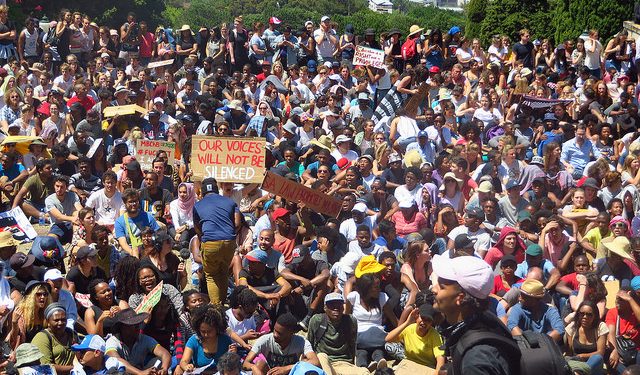
RESUMEN: Protestas por el alza de los costos de la matrícula, se han intensificado en enfrentamientos violentos en los campus de África del Sur que podría disuadir a los estudiantes extranjeros de inscribirse en las universidades del país, así lo ha admitido un funcionario del Gobierno. Los informes de los países de origen de los estudiantes muestran los estudiantes que ya han comenzado a mirar hacia destinos alternativos de estudio, mientras que algunas universidades han suspendido la enseñanza en respuesta a las protestas. Los estudiantes protestan una decisión por el Departamento de Educación Superior y Capacitación al permitir que las universidades aumenten sus tasas hasta en un 8% al tiempo que ofrece subsidios para los estudiantes de bajos ingresos. Hablando con la noticia de PIE, un portavoz de la DHET dijo que aunque el aumento de las tasas de matrícula  entra en vigor en 2017 no debería ser un obstáculo financiero, las «repetidas, protestas violentas» que ha desencadenado podría conducir a otros estudiantes africanos para estudiar en otros lugares.

Tuition fee protests that have escalated into violent clashes at campuses across South Africa could discourage foreign students from enrolling in the country’s universities, a government official has admitted. Reports from student source countries show students have already begun to look to alternative study destinations, while some universities have suspended teaching in response to the protests.

Students are protesting a the decision by the Department of Higher Education and Training to allow universities to increase their fees by up to 8% while offering subsidies for lower income students.

Speaking with The PIE News, a spokesperson for the DHET said that although the increase in tuition fees due to take effect in 2017 should not be a financial barrier, the “repeated, violent protests” it has triggered could drive other African students to study elsewhere.

“Since most foreign students studying in South Africa work with foreign currency, the fees are relatively cheap even at the most expensive universities and will still offer great value for money,” according to Busiswa Nongono, spokesman for DHET.

However, he acknowledged: “What is more likely to impact on foreign student enrolments are the repeated violent protests and campus closures, which could drive the top end of students from the rest of the continent to increasingly look at other markets such as the UK, USA and Australia, as many Zimbabweans are once again starting to do.”

The trend is already being seen on the ground in Zimbabwe, reported Liza Manoussis, founder of Global Education, which sends students from Zimbabwe and South Africa overseas to study.

“Enquiries from our Zimbabwe office have escalated dramatically, even students who are in the first year in South African universities have their parents call us to try and place them into universities overseas,” Manoussis told The PIE News.

“They want options out of South Africa. It definitely is no longer an option for Zimbabwean students.”

As the violent protests continue, five universities have already seen clashes with the police that have threatened to turn into anarchy, with destruction of property and injuries reported among protestors.

A number of highly rated universities have temporarily closed, including the University of the Witwatersrand, The Nelson Mandela Metropolitan University, Free State University and Tshwane University of Technology, after the chaos that dominated most of September.

The University of Cape Town has suspended teaching for two weeks and its vice chancellor, Max Price, warned this week that the university could close until 2017 if clashes continue.

“UCT sent a statement to all its students this week to say if students don’t resume their studies and the university does not go back to normal on Monday it will cancel this year’s studies completely and students will have to repeat the year,” reported Manoussis at Global Education.

“The violence continues and we will wait to see what Monday brings.”

Jen Whittingham, an international master’s student from the UK, studying at UCT, said the fee hikes will affect more than just students. Speaking with The PIE News, she said:  “I appreciate the fact that they have listened to protestors to an extent and have shutdown the university in order to allow space and time for transformative engagements between students and faculty to take place.

“However, the outcome of these efforts is unclear at the moment but will emerge on Monday. The repercussions of a further shutdown is very grave for all students and the country as a whole,” she added.

“I also believe that in parallel, the repercussions for black students who may see fee increases in the future are just as grave.”

Other higher education leaders are reading the protest as a class revolt, rather than simply fees-hike protests, pointing out that the unrest reflects social and economic discontent among the country’s youth.

“The current situation on all our campuses is of great concern and as you might have seen it is affecting all universities. It is now much more than a just university focused student uprising, but a social uprising against the current social order by a group of young people,” an international educator at NMMU told The PIE News.

Higher Education Minister Blade Nzimande and the ruling African National Congress have condemned the riots, with the minister blaming the unrest on “rogue” elements.

“It is most disturbing to see such violent protests inflamed by rogue elements, even after wide consultation was undertaken on the measures announced to address the ongoing issue of university fees,” the minister said in a statement.

The South African government he said is committed to finding resources under its National Student Financial Aid Scheme to subsidise fees for children from “poor, working and middle class families”, as well as those with a household income of no more than 600,000 rand per annum to cushion them against the anticipated rise.

Fuente: https://thepienews.com/news/south-africa-violent-protests-campus-closures-drive-foreign-students-away/

Comparte este contenido:

Kenia: Laptops project right on course

África/Kenia/01 Octubre 2016/Fuente:the-star.co.ke /Autor: JOE MUCHERU

Resumen: La próxima década, 2016-2025, promete ser la década del desarrollo de África a través de una transformación  propulsadas por las TIC . El lanzamiento de la Iniciativa de África inteligente durante la Cumbre de África en Kigali, Ruanda, en octubre de 2013 marcó un ritmo renovado para la realización de las aspiraciones de desarrollo de África.En Kenia, el Programa de Alfabetización Digital es una de las medidas adoptadas por el gobierno en línea con los objetivos de África inteligente y, de hecho, las aspiraciones del continente.

The next decade, 2016-2025, promises to be the decade of Africa’s development through an ICT-propelled transformation. The launch of the Smart Africa Initiative during the Transform Africa Summit in Kigali, Rwanda, in October 2013 set a renewed pace for the realisation of Africa’s development aspirations.

It is envisaged that through Smart Africa, a single digital and knowledge-driven economy will emerge and push the continent’s global competitiveness to higher levels. However, for this to happen, African countries must take deliberate measures to create enabling platforms for large scale implementation of ICT in all areas of the society and economy.

In Kenya, the Digital Literacy Programme is one of the steps taken by the government in line with the Smart Africa objectives and, indeed, the continent’s aspirations. The government is fulfilling the promise of developing innovative skills for a globally competitive knowledge economy, promoting research and development, promoting locally assembled/manufactured goods and services and enhancing job creation.

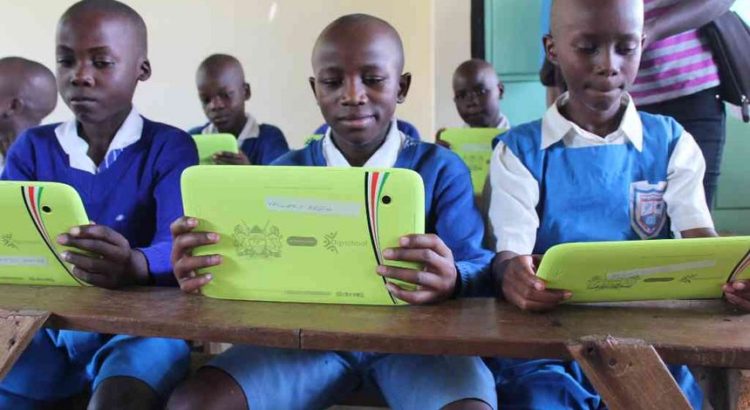
Its immediate aim is to integrate ICT into teaching and learning for standard one pupils in public primary schools in order to create a critical mass of future ICT-grounded citizens capable of turning around Kenya’s development fortunes. To date, hundreds of schools have received tablets and, beginning October 30, CSs and their PSs will be out in the field overseeing and inspecting the distribution of digital tablets, laptops, projectors and communications hubs to public primary schools countrywide.

Some 3,000 schools will be installed by the end of October, and by December, the entire country will have been covered, setting Kenya on course towards tech-savvy future generations.

Although the programme was initiated with the main purpose of enhancing learning in public primary schools through the use of digital technologies, it has transferred secondary benefits ranging from lighting up far-flung areas that had no electricity to triggering subsidiary economies that complement the project.

Indeed, DLP manifests how a multi-sectoral approach to project implementation can help confer spin-off benefits on the country and spur economic growth. What started off as a project to provide laptops to standard one pupils, and was heavily criticised in some quarters, has spiralled to become a landmark project that has created opportunities for thousands of Kenyans, way beyond the target population of pupils.

Citizens in remote areas can now get electricity by virtue of their proximity to the targeted schools. There is increased internet access to citizens, increased access to online government services, increased global awareness and collaboration, and greater community participation in education matters through school websites, emails and blogs, among others.

Employment opportunities have been created in development of software, hardware and content. The plans being put in place to ensure the maintenance and sustainability of the programme will result in the development of local assembly and manufacturing capabilities. In the next few years, Kenyans will be able to use digital products designed and made by Kenyans for Kenyans.

Through this collaborative approach, several government agencies under the coordination of the ICT Authority in the Ministry of Information, Communication and Technology have worked together, demonstrating the power of synergy and collaboration among public entities to deliver a shared goal.

For example, the Education ministry has provided leadership in the development of curriculum content for use on the digital platform, capacity building and training for teachers and other relevant education stakeholders. Some 66,000 primary school teachers have been trained on digital literacy to manage the programme.

Eventually, all schools will be provided with internet connectivity so the devices are updated with the latest software, curriculum materials and other approved content. To protect the children from inappropriate content or harmful software, various levels of security will be applied as well as having an approved list of sites they can access.

Isn’t it amazing how what started out as a simple idea has now grown into a truly transformative programme, not just in the education sector, but for the entire country. This will cement Kenya’s position as a regional ICT hub and set our country on the journey to a globally competitive knowledge-based economy.


Fuente de la noticia: http://www.the-star.co.ke/news/2016/09/29/laptops-project-right-on-course_c1428056

Fuente de la imagen: http://www.the-star.co.ke/sites/default/files/styles/new_full_content/public/articles/2016/09/29/1345405.jpg?itok=Oy5IPm6m

Comparte este contenido:

La intimidad aparece cuando te quitas la piel, no solo la ropa

Por Arantxa Alvaro Fariñas

Después de una noche de sexo con otra persona a la que no conoces mucho, te despiertas con una sensación extraña. Has disfrutado, mucho, pero falta algo. No te sientes del todo bien contigo mismo, sientes un vacío. De hecho, pocos vacíos hay tan peculiares como este, pocas veces se echa tanto de menos a la intimidad como en estos momentos.

Esa sensación se debe, en la mayor parte de las ocasiones, a que buscas afecto, necesitas sentirte querido y lo haces a través del sexo, pensando que la intimidad de dos cuerpos desnudos es la única intimidad posible, y no es así. De hecho probablemente has abandonado la esperanza de otro tipo de intimidad, por el esfuerzo y el tiempo que cuesta construirla, por le coste que puedes pagar si es traicionada.

Hablamos mucho de sexo y de amor y los confundimos y mezclamos continuamente. Podemos tener una experiencia sexual muy placentera con alguien sin necesidad de que exista una relación de amor. La psicóloga Silvia Olmedo dice que el deseo sexual se puede dar sin amor y sin ningún otro tipo de afecto o emoción.

Sin embargo, los encuentros sexuales frecuentes, con todo lo que conllevan en cuanto a deseo, emociones, intimidad, sexo, pueden ser la base de una relación de amor romántico. No es extraño que tras la repetición de estos encuentros, poco a poco nazca la conexión y la complicidad entre la pareja.

La intimidad es mucho más que una noche de pasión

“Intimus” en la palabra latina que significa algo como “lo más interior”, “lo más profundo”. Es decir, se refiere a nuestro mundo interior, a aquel que no mostramos a los demás. Guardamos nuestros miedos, nuestros sueños, lo que nos ilusiona y lo que nos avergüenza. Lo guardamos porque de confiarlo a la persona inadecuada, nos exponemos a heridas profundas.

La intimidad con otra persona implica dar a conocer tu mundo interior y que el otro te de a conocer el suyo, complicidad, conocerse con tiempo, tener curiosidad por saber quién es esa persona, seducir. La intimidad se produce dando un paseo, charlando en una cafetería, cocinando una cena juntos, viajando, enviando un mensaje para saber qué tal está esa persona.

El sexo también es una manifestación de intimidad, pero no es la única. La intimidad, en general, tanto en el sexo como fuera de él, supone una situación en la que nos sentimos cómodos y seguros. Un espacio creado en el que somos nosotros mismos y no tenemos miedo.

Si lo piensas detenidamente, cuando conoces a una persona, no sabes nada de ella y al pasar el tiempo te das cuenta de que muchas cosas no son como tú pensabas, sino que son distintas y, a veces, mejores. También sientes que tú eres distinto porque has abierto tu corazón a esa persona.

La intimidad se alcanza cuando no hacen falta palabras. Es suficiente con una mirada para entender lo que el otro piensa, cuando te olvidas del reloj y dejas que pasen los minutos y las horas, cuando el tiempo parece que se ralentiza con cada gesto de cariño y de afecto.

¿Tenemos miedo a la intimidad?

En la sociedad actual todo va demasiado deprisa y en cuanto conoces a una persona puedes plantearte la posibilidad de un encuentro sexual, sin que sobre él exista la condena social de tiempos pretéritos. Puedes temer que la otra persona descubra tus secretos, tienes miedo a que te rechacen de nuevo y en cuanto surge un poco de intimidad emocional, huyes.

La intimidad nace cuando pierdes el miedo a mostrarte, a que otra persona vea tus defectos y te enseñe los suyos y eso requiere tiempo y paciencia. No es suficiente con que desnudes tu cuerpo si no te quitas la piel: hablamos de un proceso de conocimiento mutuo que requiere meses e incluso años.

Cuando la intimidad existe entre dos personas, el sexo mejora porque se convierte en una demostración de deseo, cariño, afecto y amor. La intimidad no solo invade la cama sino todo lo que rodea a la pareja, su día a día, sus miradas y sus caricias.

Sucede lo mismo con los amigos, cuando conoces a una persona con intereses afines sientes cierta conexión, comienzas a compartir, a hablar, a descubrir a esa persona y con el tiempo se forja una amistad profunda y sincera.

Superar el miedo a tener intimidad con una persona supone gestionar ese temor y saber que siempre que mostremos nuestra alma, nuestro corazón corremos un riesgo. Sin embargo, ese riesgo es necesario para vivir, para conocernos y para disfrutar de nuestra existencia.

Fuente: https://lamenteesmaravillosa.com/la-intimidad-parece-cuando-te-quitas-la-piel-no-solo-la-ropa/

Comparte este contenido:

UNESCO unveils video on comprehensive sexuality education for young people

América del Norte/ EEUU/ NK World, New York

Resumen:  La agencia cultural de las Naciones Unidas dio a conocer este lunes un nuevo video que describe cómo la educación sexual amplia ayuda a los jóvenes a desarrollar los conocimientos y habilidades para tomar decisiones conscientes, saludables y responsables sobre las relaciones y la sexualidad. En el material audiovisual se reconoce como un enfoque apropiado para la edad, culturalmente relevantes para la enseñanza sobre la sexualidad y las relaciones, proporcionando información científica precisa, realista y sin prejuicios, indicó la UNESCO en un comunicado de prensa.

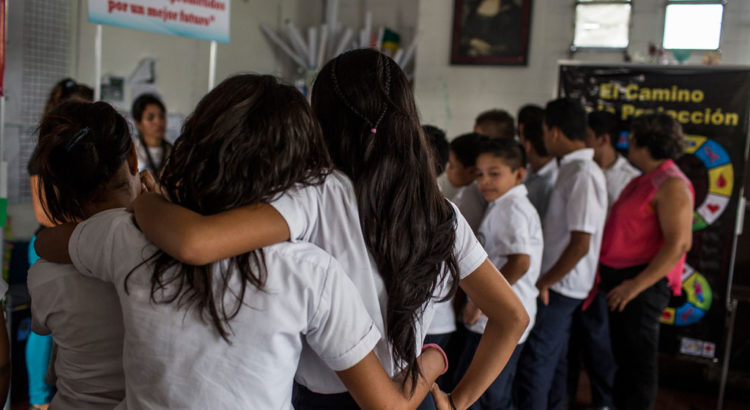
The United Nations cultural agency on Monday released a new video that outlines how comprehensive sexuality education helps young people develop the knowledge and skills to make conscious, healthy and responsible choices about relationships and sexuality.

The Being a Young Person video, released by the UN Educational, Scientific and Cultural Organization (UNESCO), outlines the vital role that comprehensive sexuality education plays in ensuring the sexual and reproductive health of all young people. It is recognized as an age-appropriate, culturally relevant approach to teaching about sexuality and relationships by providing scientifically accurate, realistic, non-judgemental information, UNESCO said in a press release.

The videos release comes after a high-level event at the UN General Assembly in New York, on Improving the Sexual and Reproductive Health of the Adolescent Girl: The Role of First Ladies.

The event, which was initiated by the Organization of African First Ladies Against HIV/AIDS, brought together heads of State and Government, First Ladies, heads of UN agencies and civil society organizations to increase acceptance and catalyse action on expanding access to sexual and reproductive health services for adolescents across Africa.

Speaking at the event, which was held on 21 September, UNESCO Director-General Irina Bokova highlighted that comprehensive sexuality education is a foundation for all HIV prevention, and part of every young persons journey to adulthood.

It reduces sexually transmitted infections, HIV and unintended pregnancy, improves self-esteem, changing attitudes and both gender and social norms, the Director-General said.

An early preview of the video was seen by ministers and representatives from government, development and civil society organizations at a high-level dialogue on the sidelines of the AIDS Conference in Durban, South Africa, in July. The meeting marked progress since the 2013 Eastern and Southern Africa Ministerial Commitment, in which 20 countries in Eastern and Southern Africa committed to scaling up comprehensive sexuality education and sexual and reproductive health services for young people.

A Global Review conducted by UNESCO in 2015 revealed that comprehensive sexuality education leads to improved sexual and reproductive health, resulting in the reduction of sexually transmitted infections, HIV and unintended pregnancy. Comprehensive sexuality education not only promotes gender equality and equitable social norms, but has a positive impact on safer sexual behaviours, delaying sexual debut and increasing condom use, UNESCO said.

Photo: UNICEF/Adriana Zehbrauskas

Fuente: www.justearthnews.com

Comparte este contenido:

Zimbabue, salvar la educación

Zimbabue/03 de Octubre de 2016/

Cuando las condiciones socioeconómicas se tambalean, por desgracia, el sistema educativo es el primer herido. Esto ha sucedido en Zimbabue, un país que en otros tiempos presumió de cuidar a alumnos y profesores y que ahora sufre una crisis que está dejando muy malherido a su sistema educativo.

En este reportaje, grabado en el noroeste de Zimbabue, contamos la historia de un grupo de hombres y mujeres que siguen trabajando porque saben que, en la educación, está la clave del desarrollo. Manos Unidas, la ong de la Iglesia española, ha financiado 26 proyectos educativos en los últimos cinco años en el país.

El internado de la misión de Mateta, la escuela de Mapfumo y los centros de primaria y secundaria St. Paul, en la diócesis de Gokwe, son varios ejemplos de este trabajo que se está llevando a cabo. Al frente de dicha diócesis está el obispo Ángel Floro, un misionero español que llegó a Zimbabue hace 51 años.

Fuente: https://www.google.co.ve/webhp?sourceid=chrome-instant&ion=1&espv=2&ie=UTF-8#tbm=nws&q=educacion+en+zimbabue

Comparte este contenido:

El futuro de los niños nigerianos

Por: Jean Gough

Ajija no puede estar más frágil. Esta niña de cuatro años debería estar jugando alegremente con sus amigos, pero apenas puede mantenerse de pie. No es de sorprender que, después de que un profesional de la salud evaluara su estado, decidieran ingresarla por estar gravemente malnutrida. “Me siento inútil por no poder hacer nada. Los dos últimos años han sido muy duros, hay poca comida y muchas enfermedades”, me dice su madre, Halima, desesperada.

Estamos en Gwoza, una zona remota del estado de Borno, en la frontera del noreste de Nigeria con Camerún. Esta clínica médica provisional está abarrotada de madres que traen a sus bebés y niños pequeños para que les hagan pruebas o les traten la malnutrición.

Desgraciadamente, Ajija no está sola. Al tiempo que se recupera el acceso de la asistencia humanitaria a cada vez más zonas del noreste de Nigeria, se pone de manifiesto el verdadero impacto de esta crisis. En la actualidad, casi un cuarto de millón de niños de Borno padecen malnutrición aguda grave como resultado de más de tres años de violencia que han destrozado la zona.

Dado el peligro que conlleva labrar la tierra, acceder a los mercados e incluso obtener agua segura, las familias y en especial los niños pequeños han dejado de recibir algunos elementos esenciales para la vida. Ante la imposibilidad de atender a casi un millón de niños, lo único que podemos hacer es imaginar qué les deparará el futuro.

Esta tragedia para los niños nigerianos se proyectó en el mapa del mundo por primera vez en abril de 2014, cuando Boko Haram abdujo a más de 270 niñas de una escuela de Chibok. Y ellas tampoco estaban solas. Desde 2009 se ha abducido a, al menos, 4.000 mujeres jóvenes (de entre 18 y 24 años), niñas y niños de los estados afectados del norte de Nigeria, y 7.000 mujeres y niñas han denunciado haber sufrido violencia sexual.

Los niños de Borno vuelven a estar en el punto de mira, esta vez afectados por una crisis de malnutrición y comida sin precedentes. Sin embargo, no conseguiremos la ayuda que necesitamos si damos importancia a estos asuntos únicamente cuando se convierten en el centro de atención. No podemos esperar a que ocurra otra tragedia: debemos seguir trabajando con los medios que vamos teniendo a nuestra disposición, incluso después de un ataque a un convoy humanitario.

Antes de nada, se trata de salvar la vida de los niños a los que podamos atender, a muchos de los cuales se les ha obligado a dejar sus casas. Con solo proporcionarles un suministro de alimentos terapéuticos listos para el consumo para ocho semanas, podremos ayudarlos a recuperarse de la malnutrición aguda grave. Pero esto solo funciona si cuentan con el acceso a un centro de salud primaria y a agua y saneamiento seguros que contribuyan a evitar enfermedades infantiles prevenibles y tratables que pueden ser cuestión de vida o muerte para niños ya débiles.

Para lograrlo, debemos seguir ayudando a rehabilitar y mejorar las clínicas de salud locales de todo el estado de Borno, un 60% de las cuales han quedado parcial y totalmente destruidas. Además, tenemos que seguir formando a los trabajadores de la salud y ofrecer una fuente sostenible de suministros médicos tales como los alimentos terapéuticos, esenciales para salvar vidas. Al mismo tiempo y mediante la red de voluntarios de la comunidad, los contactos y los conocimientos de la zona, debemos identificar y gestionar rápidamente casos de malnutrición infantil.

No obstante, también hay algunos avances. Este año, unos 75.000 niños han recibido tratamiento para la malnutrición aguda grave. Desde abril se ha duplicado el número de revisiones de malnutrición (de 288.000 a unas 500.000), lo que significa que se están haciendo pruebas y dando tratamientos a algunos niños de forma habitual. Aun así, nadie esperaba la verdadera escala de la crisis.

Mientras nosotros luchamos por salvar vidas, necesitamos también ayudar a que los niños se recuperen mentalmente de los horrores que han presenciado. Proporcionarles cierta sensación de normalidad con juegos, oportunidades seguras de aprendizaje y ayuda psicológica cuando lo necesiten puede contribuir a devolverles sus infancias.

Las familias y los niños piden muy poco. Solo quieren tener acceso a instalaciones médicas, disponer de medicinas y contar con trabajadores de la salud. Quieren ir a la escuela y encontrar allí profesores, pupitres, libros y bolígrafos. Quieren bombas manuales que les proporcionen agua segura.

Desde Gwoza hasta Maiduguri y desde Port Harcourt hasta Lagos, el recurso más preciado de Nigeria son sus niños. Para salvar, proteger y sacar partido a ese recurso necesitamos contar con una ayuda comprometida y sostenida. Solo entonces podremos ofrecer los servicios esenciales y la normalidad que los niños y sus familias necesitan para reconstruir sus vidas.

Fuente: http://www.unicef.org/spanish/infobycountry/nigeria_92798.html

Comparte este contenido:

Sudáfrica: Student protests only the start of greater pain

África/Sudáfrica/Septiembre de 2016/Autor: Greg Nicolson/Fuente: Daily Maverick

RESUMEN: Al anunciar la semana pasada su recomendación sobre los aumentos de tasas, el Ministro Blade Nzimande tuvo cuidado de enumerar los esfuerzos en la educación superior y la formación. A pesar de la difícil situación económica, el presupuesto de su departamento aumentaría de R42-millones en 2015/16 a R55-millones de dólares en 2018/19. El Gobierno pagó R1.9 mil millones del déficit R2.3 mil millones después del estado dijo que no pagarían los aumentos de tasas terciarias en 2016. Más de mil millones de R4.5-fue re-priorizado para el Plan Nacional de Ayuda Financiera para Estudiantes (NSFAS) este año. El Fondo Nacional de Habilidades ha facilitado casi R1.4 mil millones de dólares para el 2016.

Announcing his recommendation on fee increases last week, Minister Blade Nzimande was careful to list efforts in higher education and training. Despite the struggling economy, his department’s budget would rise from R42-billion in 2015/16 to R55-billion in 2018/19. Government paid R1.9-billion of the R2.3-billion shortfall after the state said no students would pay tertiary fee increases in 2016. More than R4.5-billion was re-prioritised to the National Student Financial Aid Scheme (NSFAS) this year. The National Skills Fund has allocated almost R1.4-billion for 2016.

“It is indeed a fine balancing act and we must all participate,” he said, “whether at the national level, in university administrations, or as student leaders – because it is the nature of balancing acts that if one falls, all fall.”

Two days later, students at the University of Witwatersrand edged towards police officers enforcing an interdict limiting student protests. We’re fighting for your children, they told the cops. Kill us like you killed people in Marikana. And, after the police set off stun grenades and fired rubber bullets, some students retaliated with rocks, saying: I hate White people.

The democratic government is spending billions to uplift the lives of the black majority, but those lives often exist on the bitter dregs of a society designed to exclude, with competing debts the state cannot pay and struggle to prioritise. The democratic hope for dignity has not been met, leading here, where change is a universal demand. The how and how fast is a national knot still unravelling.

Fees Must Fall is about how a democracy deals with a history of oppression. It’s about healing broken bones, about a generation’s phantom limbs and its children refusing amputation.

Only about half of the students who start primary school make it to matric, with failure rates higher in rural provinces. The number of matric students who qualify for university studies remains low. The number of black students at universities has risen, but as a proportion in comparison to other racial groups it still remains low. Statistics differ, with the statistician-general saying there are still far too few black graduates. Others have lauded the huge increase. Black graduate unemployment remains at about 9% compared to 3% for whites.

The education system, despite progress, is still stacked against black students, starting from primary school. If black students qualify for university, NSFAS still does not cover all deserving applicants and black families who do not qualify for funding will use a greater proportion of their income, or take on debt, to cover study costs. Unemployment for black South Africans is far higher than whites, they have far fewer private company executive positions, much less control of the country’s wealth, and own far less land. The democratic project’s achievements often come with reports of racism, as blacks start to enter white spaces, in high schools, universities and businesses.

Protesting university students have continually linked their cause to race. Speaking at the Wits medical campus on Monday, former SRC president Mcebo Dlamini spoke more about reports of racism at the institution than fees. “Decolonisation” is repeated at protests. Essentially, demonstrating students say universities don’t reflect the demographics or cultures of the black majority.

“We can’t breathe” is a phrase often cited by students. Black students have to struggle or be extremely lucky to get into university and face family financial pressures or be lumped with future debt. By their nature, universities reproduce past knowledge systems before they create new thoughts, meaning black students are not only usually taught by whites but taught White. To breathe, or to survive, under financial constraints and repeated cultural domination seems impossible, or at least only tolerable to pay back, pay forward, family investment.

This is the country’s DNA, where dignity is a luxury, but how many generations will be able to accept the virus? Protesting students have talked about historical debt, registration fees, issues of accommodation, campus security, racism and fees, which for the average student remain extremely high in relation to household income, and has risen with lower government subsidies. Revolution is the underlying message.

There was hope last year. Student protests culminated at the Union Buildings, with diverse South Africans turning out in their thousands under the banner of Fees Must Fall. Change, it felt, could be achieved. It was. President Jacob Zuma announced a zero-percent fee increase. But that was only after a small group of protesters started fires and battled police for hours in the gardens of the country’s highest office. The no-fee increase only slightly reduced the costs for struggling families; it didn’t scrap fees.

The short-term victory at the Union Buildings was diluted, an idealistic hope confronted with a violent reality. There’s violence on black bodies, violence in crime and violence in the streets. How would systemic violence against blacks not lead to more violence? How could this issue avoid the same fate as violent service delivery protests, where promises, police and protests repeat like a song stuck in your head?

Students, being students, know the promise of “radical economic transformation”. They know the ANC’s resolutions. They know how little has been delivered, or, at least, how slow the pace of delivery is.

A handful of student groups have made written submissions to the commission of inquiry on the feasibility of free higher education. A running theme was that this generation needs to achieve free higher education, at least for the poor, now or never. They propose new or increased taxes on the wealthy or budget changes. Clampdowns on wasteful and irregular government spending, as well as corruption, are often cited as sources for potential funding of free education, but reclaiming that cash is easier said than done. At least until the commission’s recommendations come out, the state seems cautious of introducing new taxes or committing to wholesale budget changes to fund free education.

Answers aren’t forthcoming. In the last few days, differences between students have been pointed out. There’s a growing acknowledgement of the “silent majority” who don’t want campuses closed. Nzimande has called on parents to take an active role in combating campus violence. The Democratic Alliance has started an online petition to open universities. Wits will poll its student body on a way forward. A number of organisations have called on students to isolate those causing violence. There appear to be many students who support change but don’t want their studies to be interrupted, or to risk further costs to their families. Black and white students are weighing their potential careers and ability to help their families against the long-term costs and benefits of university closure.

Protesting students appear united in their demand for free education, or at least steps towards it. They want it now. Past protests suggest mass demonstrations will end when most students accept they’ve made a point and need to continue their studies, ready to fight another day, or internal divisions lead to only a small group of protesters continuing. That could change depending on the response of universities, government and police.

Students, however, have held up society’s shackles for all to see. Even if the protests pause, they will resume again in future. Academic programmes and individuals might suffer. That’s the cost of living in an unequal society.

The balance can’t hold. The pain will be spread. The outcome is unknown.

Fuente: http://www.dailymaverick.co.za/article/2016-09-28-student-protests-only-the-start-of-greater-pain/#.V-yARRJGT_s

Comparte este contenido:
Page 435 of 622
1 433 434 435 436 437 622