México / elindependientedehidalgo.mx / 24 de Agosto de 2016.
Internacionalización en la práctica
La internacionalización implica llevar acciones como la movilidad de estudiantes, profesores e investigadores, creación de redes de carácter regional e internacional, oferta educativa a nivel internacional, internacionalización del currículum vitae, dobles titulaciones, acuerdos interinstitucionales, investigaciones y posgrados conjuntos, enseñanza de idiomas y culturas locales, programas de cooperación al desarrollo, procesos regionales de evaluación y acreditación de la calidad universitaria y las medidas para disminuir la “fuga de cerebros”, entre varias otras medidas.
Algunos puntos a considerar son:
*Fomentar que la comunidad universitaria se concientice de los retos de la globalización y de la necesidad de interactuar más allá de su espacio geográfico, entendiendo la pluralidad cultural y lingüística. Esto invariablemente requiere que los miembros de la comunidad conozcan otros sistemas, de primera instancia, a través de las estancias en instituciones de otros países.
*Incorporar a las unidades académicas de la institución en el diseño y operación del programa de internacionalización, pues son los agentes principales del proyecto. Las unidades académicas deben generar iniciativas basadas en políticas generales establecidas por la universidad, que otorguen congruencia al conjunto.
*Promover una postura proactiva de la universidad hacia su participación en el entorno global, que dé lugar a políticas, planes, acciones y programas encaminados hacia la participación activa y dinámica de la institución en el concierto académico local, regional e internacional.
*Crear programas de estudio que resulten atractivos para la comunidad académica global, especialmente los impartidos en idioma inglés, que permitan el intercambio efectivo de estudiantes y profesores con la mayoría de las universidades del planeta (solo las de España y América Latina utilizan casi con exclusividad el idioma español, pero en Asia, Europa, América del Norte y Oceanía predomina el inglés).
*Incluir elementos de internacionalización en las políticas educativas institucionales y en los planes de desarrollo, así como en el marco legal y normativo.
*Incrementar la calidad de los programas educativos. Ello conllevará a generar interés de instituciones de otras partes del mundo en la propia, abriendo oportunidades de intercambio e internacionalización en términos más adecuados y justos.
*Revisar la pertinencia de los programas en el contexto global, vigilando que estos resulten de interés no únicamente para los estudiantes locales, sino también para los de otras instituciones que puedan estar interesados en inscribirse en los programas de internacionalización.
*Realizar convenios internacionales que permitan contribuir de manera práctica a realizar las acciones de internacionalización, así como al intercambio de conocimientos y transferencia de tecnología que incrementen la competitividad y, por ende, el bienestar de la comunidad.
*Establecer un sistema de evaluación del desempeño de la institución y sus programas en términos comparativos con otros similares en el mundo, que permita vigilar periódicamente sus avances, impactos y proyección a futuro.
Las estrategias y acciones señaladas deben adecuarse a las circunstancias de cada institución educativa, así como a las ventajas competitivas de sus unidades académicas. Así, resulta fundamental para las universidades priorizar las actividades de internacionalización que desean llevar a cabo y adjudicar los elementos necesarios y los medios adecuados para su consecución.
Cada 23 de agosto se celebra en el mundo el Día Internacional del Recuerdo de la Trata de Esclavos y de su Abolición.
La esclavitud no es cosa del pasado, es un problema actual y tiene rostro humano. El caso más reciente es el Daniela, una joven que fue secuestrada y condenada a ser víctima de explotación sexual del Cártel de Los Zetas en México.
Su liberación fue un asombro para la comunidad mexicana e internacional, logró lo que pocas mujeres en manos de las organizaciones criminales más temidas pudieron hacer: continuar con vida. Fue expuesta en bares, discotecas y cualquier sitio donde pudiera captar clientes, mismos que pagaban altas sumas de dinero no solo por sus servicios sexuales, sino también por golpearla brutalmente.
No escuchaba la radio, ni veía televisión, ni leía periódico. El dinero que recibía le era despojado por los mismos integrantes del cártel. Daniela, quien hoy se dedica a contar el horror que se vive en la frontera de México, solo recuerda haber visto a mucha gente morir » de forma espantosa» prestando «sexoservicio».
Pasó se der una esbelta chica veinteañera a ganar peso, tener cicatrices en su rostro y piel producto de quemaduras de cigarro, un ojo desviado y medio rostro paralizado por las golpizas que recibió durante su cautiverio y que fueron corregidas parcialmente por una cirugía plástica de seis horas.
¿Los clientes? eran en su mayoría migrantes rubios, altos, esbeltos y con dinero que provenía de los Estados Unidos y que disfrutaban más con el sufrimiento ajeno que con el acto sexual. Daniela es tan solo un nombre de las millones de personas en todo el mundo que sufren la esclavitud moderna.
Hoy es el Día del Recuerdo de la Trata de #Esclavos.
Casi 49 millones en el mundo
Solo imagine la historia de Daniela multiplicada por 49 millones de veces. Este es el número de personas que en el mundo, es afectada por este flagelo, ya sea porque son expuestas involuntariamente a la explotación sexual, el trabajo forzado o el tráfico humano.
La cifra es ofrecida por el Índice Global de Esclavitud de la Fundación Walk Free, que en su proyecto anual de investigación reveló este 2016 que en la dramática cifra de afectados, incluye a un gran porcentaje de niños, no solo de países en desarrollo, sino de Estados ricos que viven en democracia.
No es cosa del pasado. Los 49 millones suponen un 28 por ciento más que en la edición de 2014, según el estudio que incluyó 42 mil entrevistas en 53 idiomas, en 25 países, y 15 encuestas realizadas a nivel estatal en La India. Los estudios abarcaron un 44 por ciento de la población mundial.
Foto: ABC
Corea del Norte es el país que encabeza el mayor predominio de esclavitud moderna con respecto a su población, ya que se calcula que 4,37 por ciento de ella está esclavizada. Le siguen Uzbekistán 3,97 por ciento y Camboya 1,65 por ciento.
No obstante, en términos de números absolutos, India tiene los índices más altos con 18,35 millones de individuos esclavizados, seguida por China 3,39 millones, Pakistán 2,13 millones, Bangladesh 1,53 millones y Uzbekistán 1,23 millones.
Los cinco países antes citados, poseen 58 por ciento de los individuos afectados por este flagelo, o en números concretos: 26,6 millones de personas.
¿Quiénes se esfuerzan?
El índice Global de Esclavitud precisa que de los 161 países evaluados, solo 124 penalizaron el tráfico de individuos en concordancia con el Protocolo de las Naciones Unidas contra el tráfico.
Asimismo, revela que 96 implementaron planes de acción nacional para coordinar las respuestas del gobierno.
Entre las naciones que muestran mayor esfuerzo por combatir la esclavitud moderna, se encuentran los Países Bajos, Estados Unidos (EE.UU.), Reino Unido, Suecia, Australia, Portugal, Croacia, España, Bélgica y Noruega.
No obstante, en el caso de EE.UU. se registra 0,018% de la población en esclavitud, lo que representa en números concretos: 57 mil 700 personas.
El dato: El presidente de la Fundación Walk Free, Andrew Forrest, expresó que la erradicación de la esclavitud tiene sentido desde un punto de vista moral, político, lógico y económico.
¿Dónde encontramos a los esclavos?
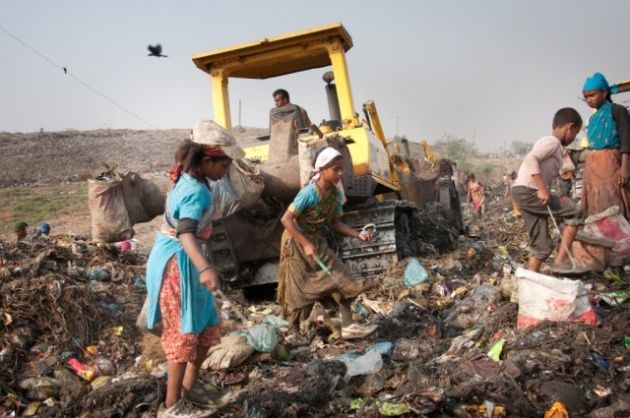
Basureros como el de Tegucigalpa (Honduras), en las fronteras, con turistas, bares, y hasta en fábrica de ropa que incluso pertenecen a famosos, es posible encontrar o ver a hombres, mujeres y niños esclavos.
Fuente: Entreparentesis.org
En los basureros, niños desmenuzan montañas de basura en busca de residuos para vender, mientras que ejércitos extremistas raptan o reclutan a infantes para hacerlos soldados.
Niñas, en Tailandia, por ejemplo, intercambian relaciones sexuales por dinero y muchas otras son forzadas a trabajos sin salario y con pasaporte confiscado.
Está ocurriendo aunque no esté en las estimaciones de las naciones. Su naturaleza ilegal hace que sea un fenómeno escondido que importante daño sobre todo en la población infantil. No hay preferencia, sucede en Europa, América Latina, Asia y en África.
Este 2016, la cantante Beyoncé fue acusada de crear su línea de ropa Ivy Park con mano de obra esclava en Sri Lanka.
¿Qué propicia la esclavitud moderna?
Existen una gran cantidad de factores que favorecen la esclavitud moderna, pero la pobreza es la causa más importante. No obstante, las guerras también están originando que las cifras aumenten, y las prácticas culturales a que se perpetúen.
El dato: Los países más afectados son por lo general los que tienen más cifras de pobreza, menor educación, con un clima hostil y falta clara de derechos humanos.
En conflictos armados, más de 300 mil niños son utilizados como soldados y esclavos, mensajeros, cocineros o limpiadores. Las niñas, en cambio, son condenadas a ser esclavas sexuales, con riesgos de sufrir enfermedades o quedar embarazadas.
Asimismo, algunas prácticas culturales- religiosas han desencadenado que 700 millones de mujeres en el mundo se hayan casado cuando apenas eran niñas, muchas veces fueron víctimas de abusos sexuales y obligadas a trabajar.
Las movilizaciones masivas de personas a causa de los conflictos bélicos también han propiciado el aumento en las cifras de esclavos en el mundo, pues muchos de los migrantes han caído en mafias que por lo general se aprovechan de la condición de extranjeros de sus víctimas para abusar de ellas y someterlas a trabajo forzado o prostitución a cambio de algún favor.
«No se puede concebir el fin de la esclavitud como algo aislado de los demás problemas en el mundo«, afirmó Andrew Forrest, fundador y copresidente de la organización australiana Walk Free Foundation.
Los grandes movimientos migratorios vienen infundados por el creciente terrorismo en zonas como Siria. El Estado Islámico, una de las organizaciones extremistas más temidas, fuerza a mujeres a prostituirse y mantener relaciones sexuales no consentidas, mientras que a los hombres y niños los obliga a convertirse en soldados.
El The New York Times refiere que a diferencia de las versiones históricas de la esclavitud, que mantenían a las personas como si fueran una propiedad enajenable y que ha sido prohibida en todo el mundo, la esclavitud moderna se define como tráfico de personas, trabajo forzado, endeudamiento que deviene en servidumbre, matrimonios forzados para el trabajo o explotación sexual con intercambio de dinero.
Africa, 23 de agosto de 2016/Fuente y autor: (IPS)/ Monique Barbut
gobierno de Namibia la Conferencia Africana sobre Sequía, realizada entre el 15 y el 19 de agosto en Windhoek.
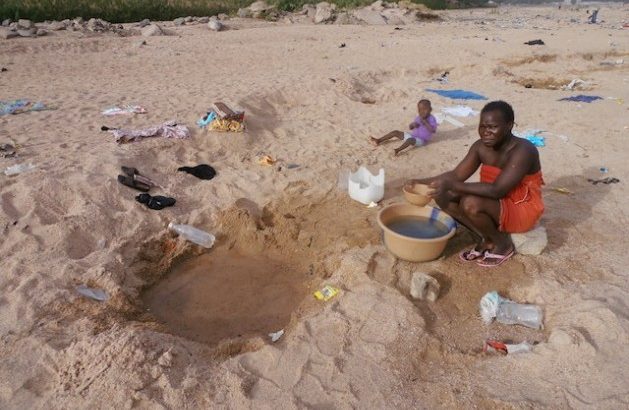
– Comencemos con buenas noticias. El Niño más fuerte de los últimos 35 años está llegando a su fin. En 2015/2016 este fenómeno climático provocó sequías en más de 20 países. Hubo altas temperaturas, escasez de agua e inundaciones en todo el mundo. Pero las zonas más afectadas fueron África oriental y austral.
Para entender lo que esto significa para la población basta con ver las repercusiones en la inseguridad alimentaria, que afectó a unos 32 millones de personas en África austral. En todo el continente, un millón de niños y niñas necesitaron tratamiento contra la desnutrición severa.
Si no cambiamos de estrategia, las personas se verán obligadas cada vez más a decidir si habrán de soportar el desastre de la sequía para luego reconstruir o si simplemente se irán. Obligar a nuestra gente a tomar estas decisiones difíciles es una forma de locura.
Y aunque lo peor de la sequía está llegando a su fin, cerca de 75 por ciento de los expertos predicen que La Niña – el fenómeno complementario a El Niño y conocido por las inundaciones que trae – llegará a finales de 2016.
Es posible que las autoridades políticas y la población de África no sientan alivio alguno antes de que finalice el año. Pero entonces, una vez más, podremos volver a la normalidad, ¿verdad?
Albert Einstein dijo que una de las definiciones de locura es “hacer la misma cosa una y otra vez y esperar resultados diferentes”. Volver a la normalidad en este contexto se ajusta a esta definición de locura muy bien.
Monique Barbut
Sabemos que:
Las próximas sequías de El Niño probablemente regresen periódicamente, cada dos a siete años.
La extensión y gravedad de las sequías aumentarán. Esto se debe al cambio climático y el uso insostenible de la tierra. Los científicos calculan que la superficie terrestre que experimenta habitualmente condiciones de sequía crecerá de menos de cinco por ciento actual a más de 30 por ciento en la década de 2090.
No se cumplirán las metas 6.4, 6.5 y 6.6 referidas a la escasez de agua incluidas en los Objetivos de Desarrollo Sostenible.
Las consecuencias las sufrirán los pobres, que tienden a ser totalmente dependientes de los recursos naturales, como el agua y la tierra, para mantener a sus familias.
A menos que cambiemos de estrategia, cuando aparezca la sequía y las lluvias fallen, el futuro de los 400 millones de agricultores africanos que dependen de la agricultura de secano de subsistencia, por ejemplo, correrá peligro.
La agricultura de secano se practica en más de 95 por ciento de la tierra cultivada de África subsahariana. Y la escasez de agua podría costarle a algunas regiones hasta seis por ciento de su producto interno bruto.
A menos que cambiemos de estrategia, las personas se verán obligadas cada vez más a decidir si habrán de soportar el desastre de la sequía para luego reconstruir o si simplemente se irán. Obligar a nuestra gente a tomar estas decisiones difíciles es una forma de locura.
Especialmente si se puede romper el ciclo de desastres provocados por la sequía y la recuperación.
Ya hay avances. Brasil, Marruecos, México y Vietnam, por nombrar solo unos países, ahora implementan planes contra la sequía con un fuerte énfasis en la mitigación de riesgos y la preparación.
Y en las zonas donde la tierra fue recuperada en Tigray, Etiopía, los ecosistemas y la población parecen haber tenido mejores resultados en las últimas sequías relacionadas con El Niño que en otros lugares donde no se emprendió restauración alguna.
Pero queda mucho por hacer, ya que en 2050 una de cada cuatro personas – hasta 2.500 millones de seres humanos – estará viviendo en un país en riesgo de escasez de agua. Tenemos que prepararnos mejor y gestionar los riesgos de sequía de manera proactiva.
África ya ha hecho mucho, pero tiene que seguir atenta. La Convención de las Naciones Unidas de Lucha contra la Desertificación propone tres pilares importantes para tomar en cuenta.
En primer lugar, los sistemas de alerta temprana.
Declarar una sequía demasiado tarde puede tener un impacto devastador en las vidas y los medios de subsistencia. Sin embargo, la decisión de declararla puede ser muy subjetiva y sumamente política.
África se beneficiaría de un sistema eficaz de alerta temprana en sus países. Para eso se necesitarán buenos datos, además del conocimiento local y tradicional. El sistema proporcionaría información oportuna que se puede utilizar para reducir los riesgos y prepararse mejor para una respuesta eficaz.
En segundo lugar, vulnerabilidad y evaluación de riesgos.
Algunas personas y algunos sistemas son más vulnerables a la sequía como resultado de factores sociales, económicos y ambientales. Es importante combinar mejores pronósticos con un conocimiento detallado de la manera en que las geografías y las sociedades responden a la falta de lluvia.
¿Qué comunidades y ecosistemas están en mayor riesgo? ¿Por qué son vulnerables sectores importantes como la agricultura, la energía, el turismo o la salud?
A continuación, convierta ese conocimiento en una intervención temprana. Podemos asegurarle que será muy rentable.
En Níger y Mozambique, por ejemplo, los esfuerzos de intervención temprana y de generación de resiliencia reducirían el costo en 375 millones de dólares en Mozambique y 844 millones de dólares en Níger, cuando se compara con una respuesta humanitaria tardía a la sequía.
Por último, las medidas de mitigación del riesgo de sequía.
Hay cosas que se pueden hacer en un nivel muy práctico para reducir el riesgo, que si se inician de inmediato pueden ofrecer beneficios reales y tangibles a sus comunidades.
Los países africanos podrían considerar el desarrollo de sistemas de riego sostenible para los cultivos y el ganado y planes de captación o reciclaje de agua. Pueden explorar el cultivo de cultivos que sean más tolerantes a la sequía, ampliar los planes de seguros para los plantíos y establecer medios de vida alternativos que ofrezcan ingresos en las zonas propensas.
La inversión en la mejora de la gestión del suelo, por ejemplo, puede mejorar la seguridad del agua en las explotaciones agrícolas de 70 a 100 por ciento.
Esto daría lugar a mayores rendimientos y más seguridad alimentaria. En Zimbabwe, la captación de agua combinada con la agricultura de conservación mejoró los márgenes brutos de los agricultores de cuatro a siete veces y los rendimientos de la mano de obra de dos a tres veces.
Este es el tipo de gestión proactiva del riesgo de sequía que podría salvar vidas y el sustento de millones de personas, algo a lo que todos deberíamos aspirar.
La Conferencia Africana sobre Sequía es una ventana de oportunidad poco común para que el continente reconozca que el enfoque tradicional de “respuesta” a la sequía ya no es viable. Ha demostrado su ineficacia con demasiada frecuencia. En cambio, África podría provocar una revolución proactiva contra la sequía.
Al invertir en sistemas de alerta temprana y hacer frente a sus vulnerabilidades, medidas bien planificadas y coordinadas contra la sequía tendrán un efecto multiplicador positivo en todos los sectores y a través de las fronteras.
Nelson Mandela dijo una vez, “debemos usar el tiempo sabiamente y darnos cuenta de que siempre es el momento oportuno para hacer las cosas bien”.
Es el momento oportuno. La adopción de medidas proactivas contra la sequía es lo que hay que hacer.
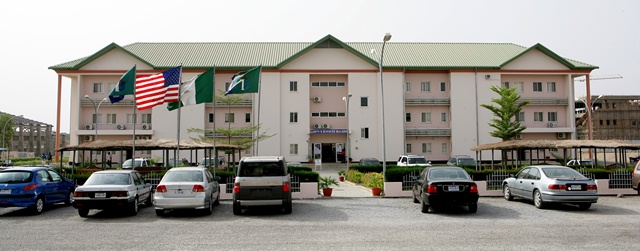
La Universidad Americana de Nigeria (AUN) ha anunciado concesión de 67 becas a los nuevos estudiantes que llegan a la universidad para la sesión académica 2016/2017.
Las becas se dividen en tres categorías, una declaración por el Director de la Universidad de Comunicaciones, Dan Okereke, dijo el sábado.
Incluyen Beca Nacional para el anotador global superior (una beca), becas regionales de los cinco máximos goleadores de cada región (30 becas), y becas estatales por el Pichichi en cada estado (36) becas.
Además de la beca nacional que cubre todos los gastos de asistencia, cada beca en una categoría cubrió el 50 por ciento de la matrícula, dijo la universidad.
Un candidato puede ganar en un máximo de dos categorías (estado el 50 por ciento y 50 por ciento regional) si se tratara de uno de los cinco mejores goleadores más altos en su región y también el máximo anotador de su estado para un triunfo combinado de cobertura del 100 por ciento en la matrícula.
Un total de 45 estudiantes ganó 64 de las becas, mientras que dos becas estatales no se otorgaron debido a que dos estados no cuentan con un competidor.
The American University of Nigeria (AUN) has announced award of 67 scholarships to new students arriving the university for the 2016/2017 academic session.
The scholarships are in three categories, a statement by the university’s Director of Communications, Dan Okereke, said Saturday.
They include National Scholarship for the overall top scorer (one scholarship), Regional Scholarships for the top five scorers in each region (30 scholarships), and State Scholarships for the top scorer in each state (36) scholarships.
Apart from the national scholarship that cover all costs of attendance, each scholarship in a category covered 50 percent of tuition, the university said.
A candidate could win in up to two categories (50 percent state and 50 percent regional) if they were one of the top five highest scorers in their region and also the highest scorer in their state for a combined win of 100 percent coverage on tuition.
A total of 45 students won 64 of the scholarships, while two state scholarships were not awarded because two states did not feature a contestant.
The 67 scholarships were awarded as follows:
One student won the National Scholarship;
20 students, who won a regional scholarship each, also were the highest scorers in their states and won 20 of the 36 state scholarships offered, making a total of 40 scholarships awarded in this group;
10 students won the remaining 10 regional scholarships; and 14 students won 14 of the remaining scholarships in the State Scholarships category.
Two scholarships were not awarded in the state category because two states did not feature a contestants.
Ruanda: La innovación – Nueva solución TIC para monitorear el comportamiento de los estudiantes:Iniciativa inteligente, una firma local ha dado a conocer una iniciativa que ayudará a los maestros y los padres monitorear el comportamiento de los estudiantes. La nueva iniciativa denominada » Padres inteligente ‘ utilizará soluciones de Tecnología de Información y Comunicación ( TIC ) para que las escuelas , en particular los maestros, para seguir y controlar el comportamiento de los estudiantes en la escuela.
Smart Initiative, a local IT firm has unveiled an initiative that will help teachers and parents to monitor the behaviour of students.
The new initiative dubbed «Smart Parent’ will use Information and Communication Technology (ICT) solutions to enable schools, particularly teachers, to track and monitor students’ behaviour while at school.
It will also provide daily SMS reports to parents on the status of their children during school time.
Speaking to The Rwanda Focus on Thursday, Olivier Karasira, the Smart Initiative CEO, said the solution relies on the presence of a computer in each classroom, Smart Parent software and internet access.
«This tool will help parents and schools to provide the best study environment for children given the high ICT penetration level in Rwanda, both in the urban and rural areas. It helps schools to communicate with parents, and also provides real time information to be used by government institutions as a measurement to guide development initiatives,» Karasira, said.
Smart Initiative is purchasing laptops from ASID, the official distributors of Positivo BGH Made in Rwanda laptops for Rwanda education system.
The initiative is already operational at Lycée Notre Dame de Citeaux (LNDC) in Kigali.
Fuente de la Imagen: https://www.google.co.ve/search?q=traductor&biw=1024&bih=485&source=lnms&tbm=isch&sa=X&ved=0ahUKEwjpgcSN-NDOAhXFNiYKHQw8Cv4Q_AUIBigB#tbm=isch&q=tic+en+ruanda&imgrc=N3h1xXjoM9UIgM%3A
Resumen: Veinte años después de su graduación (1995) , el conjunto de los médicos de la Facultad de Medicina de la Universidad de Nigeria , Nsukka ( UNN ) , el sábado se protagonizó una remontada a la escuela con la donación de las instalaciones , así como la renovación de la infraestructura en decadencia en la institución .
wenty years after their graduation, the 1995 set of doctors of the College of Medicine, University of Nigeria, Nsukka (UNN), on Saturday staged a comeback to the school with the donation of facilities as well as renovation of decaying infrastructure at the institution.
They promised to invest massively in sustaining the school’s ‘towering image’.
The doctors who congregated under the aegis of ‘Lynx 95′ donated a 40 KVA solar power system to the new 120-room medical students’ hostel at the cost of N10 million.
The 1995 set of UNN medical graduates also renovated the lecture theatre at Ituku Ozalla, new site of the University of Nigeria Teaching Hospital (UNTH).
They equally changed the roof, ceilings, broken windows, refurbished electrical connections and fixtures, repainted the edifice, repairing the plumbing and installing an overhead water tank. All these gulped about N18.5m, they said.
The cordinator of Lynx 95, Dr. Obi Okoli, a USA based infectious diseases specialist, who spoke during the donations and infrastructural rehabilitation in the school, said they were motivated to give back to the school what it gave them in learning and character.
«Unlike the conducive atmosphere in our time at the medical school, what we found upon our visit to the school earlier were classes with leaky roofs, disjointed and disconnected electrical installations, and classes with broken window glasses, among others.
«We drew inspiration from the late Catholic Pontif, Pope John Paul 11 who said: «No man has so much that he has nothing to receive and no man has so little that he has nothing to offer» as well as the late Mother Theresa who admonished: «Let no one come to you without leaving better and happier,» he said.
La crisis humanitaria a causa de la falta de agua potable, alimentos y seguridad ha matado a miles de personas en Nigeria.
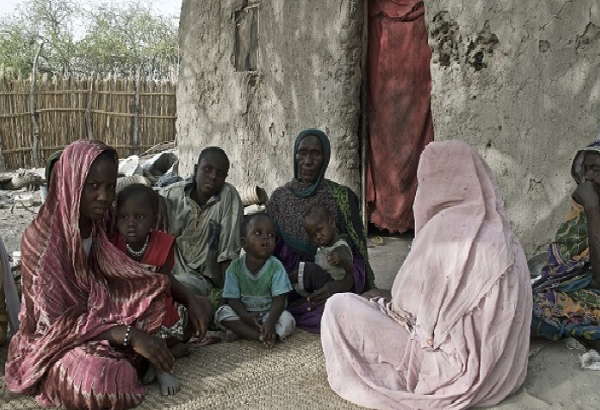
El Alto Comisionado de Naciones Unidas para los Refugiados (ACNUR) denunció este viernes la grave situación humanitaria que se vive en el noreste de Nigeria a raíz del conflicto con el grupo terrorista Boko Haram. Unas 800 personas están en una situación de extrema necesidad.
El comunicado denuncia la situación de urgencia que se está viviendo en el noroeste de Nigeria, donde el conflicto con Boko Haram ha dejado millones de desplazados internos que no tienen acceso a asistencia básica y que se encuentran desprotegidos frente a la violencia.
No obstante, la situación podría empeorar debido al avance de la ofensiva del Ejército nigeriano contra el grupo extremista.
Los terroristas se sienten acorralados, por lo que han aumentado su actividad en los estados de Borno y Yobe, donde los ataques a civiles, los coches bomba, el robo de comida y los atentados suicidas han aumentado en los últimos meses.
El acceso a la mayor parte de la Cuenca del Lago Chad, donde Boko Haram concentra su actividad, resulta de imposible acceso para las organizaciones humanitarias.
Cada día se producen nuevas violaciones de los Derechos Humanos en esa recóndita zona del país africano, perpetradas por los milicianos de Boko Haram: asesinatos indiscriminados a civiles, violencia sexual, desapariciones, reclutamiento forzado, rapto de menores para convertirles en niños soldado, conversiones forzadas, robos, entre otros.
Los civiles que todavía viven en esa zona del país no sólo deben hacer frente a la amenaza terrorista, sino que además tienen que enfrentar la grave situación de emergencia humanitaria que está matando a miles de personas cada día, la carencia de agua potable o a alimentos.
De acuerdo con los datos de Naciones Unidas, alrededor de 800 mil personas están en una situación de extrema necesidad. Cada día se registran nuevos casos de desnutrición grave aguda, y la escalada de violencia que se ha producido en los últimos años impide que la población pueda cultivar sus propias cosechas o mantener su ganado, por lo que cada vez son más dependientes de la ayuda humanitaria.
En el estado de Borno, Naciones Unidas estima que más de 50 mil personas están en situación de alerta crítica, de las cuales unos 21 mil son niños. Más de la mitad de estos menores han perdido a uno o a sus dos padres.
En la actualidad, hay 157 mil desplazados internos en Camerún, 74 mil 800 en Chad y más de 127 mil en Níger. En Nigeria ese número asciende a los 2 millones y medio de personas. El conflicto, por otro lado, ha acabado con la vida de más de 13 mil nigerianos.
OtrasVocesenEducacion.org existe gracias al esfuerzo voluntario e independiente de un pequeño grupo de docentes que decidimos soñar con un espacio abierto de intercambio y debate.
¡Ayúdanos a mantener abiertas las puertas de esta aula!





 Users Today : 132
 Total Users : 35502272
 Views Today : 194
 Total views : 3628089