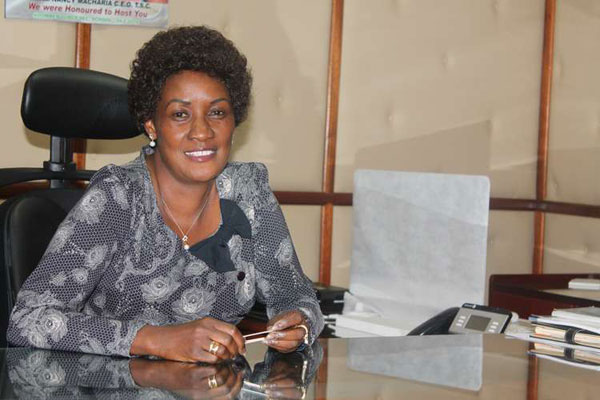
Embajador de Nigeria ante la UNESCO Mariam Y Katagum, miembro de la junta de gobierno de la Commonwealth of Learning, responde a preguntas sobre las oportunidades y desafíos que enfrenta el suministro de MOOCs – mooc – en África.
UWN: ¿Cuál es la actual disposición de MOOCs en Africa – ¿en cuántos países se ofrecieron? ¿Qué países están por delante, y los que se enfrentan a dificultades?
MYK: No tengo estadísticas específicas del número de países en los que se ofrecen mooc, pero sabemos que MOOC como un modo de enseñanza y aprendizaje está empezando a ganar popularidad en África.
Los registros muestran que los países africanos han sido lentos en abrazar la idea de MOOCs, a pesar de que el concepto presenta muchas ventajas en el aumento del acceso a la educación superior de calidad a un costo reducido.
Muchas universidades de África practican alguna forma de educación a distancia en línea, pero sólo unos pocos ya están abogando por la movilización o MOOCs. universidades abiertas en Mauricio, Nigeria, Tanzania, Zambia y Zimbabwe proporcionan una forma de e-learning o el otro, pero la correcta aplicación de MOOCs se encuentra todavía en un estado de desarrollo para muchos.
Mientras tanto, Sudáfrica representa un caso excepcional como un país líder abrazando MOOCs. La participación del gobierno de Sudáfrica en la racionalización de las políticas para promover MOOCs da testimonio de esto.
Cabe recordar que una estrategia nacional MOOC se resume en un Libro Blanco de 2012 para la educación post-escolar y la formación. Esto preparó el país, aparte de ser listo para abrazar un sistema MOOC mezclado con medidas de calidad en su lugar para la articulación de las cualificaciones, entre otros.
Esta implicación por parte del gobierno ha seguido siendo un factor en la aceptación relativa de MOOCs en Sudáfrica en la actualidad. Sudáfrica como un país ha establecido ahora una Massive Open College en línea como resultado de este esfuerzo. Muchas universidades sudafricanas como la Universidad de Sudáfrica y la Universidad de Witwatersrand, Johannesburgo, también se han desarrollado bien portales MOOC.
El reto de la infraestructura para MOOCs, como la falta de un acceso adecuado a los servicios tecnológicos, conexión a Internet inadecuada o baja de banda ancha, sigue siendo un factor general que milita en contra de su desarrollo en África.
La falta de conciencia sobre el valor de la educación MOOC, la mentalidad de la torre de marfil y la faceta de privatización real del desarrollo de la educación superior en África también son comunes las dificultades del desarrollo presente y futuro de MOOCs en África está contendiendo con.
UWN: ¿Qué oportunidades y desafíos do MOOCs presentes que son específicos de África, para estudiantes y proveedores? (por ejemplo, acceso a Internet, las comunidades dispersas, los costes de infraestructura, la carga de trabajo de los profesores …?). Vamos a empezar con las oportunidades.
MYK: Para los alumnos, MOOC significa la educación superior para todos, en cualquier momento y en cualquier lugar. La oportunidad de acceder, la rentabilidad y la calidad de la educación es el beneficio más importante de los cursos en línea, mientras que la posibilidad de distribución a gran escala y la participación es peculiar de MOOCs. Esta es una forma de revolución en la educación superior, donde las necesidades se cumplen con las disposiciones, sin tener que preocuparse por el espacio y la distancia.
Por otra parte, la corriente de gran población analfabeta y débil entorno de la ciencia y la tecnología pueden ser abordados a través de la educación superior masiva. MOOCs ampliar el acceso a la educación y promover la emancipación económica y tecnológica. Es por lo tanto un buen desarrollo en la mejora de sistema de educación de África.
El problema con la comunidad dispersa y el reto de la creación de sistemas de conferencia clásicos también se tiene cuidado de que el MOOC está presente.
La población estudiante africano de 18-25 años se estima actualmente en 200 millones de dólares. Con ello se espera que se duplique para el año 2045. Con esto, sólo el 5% de los estudiantes africanos están matriculados en la educación superior. -Alta deserción escolar, la asequibilidad y la falta de apoyo a los estudiantes son razones de esta baja tasa de inscripción.
MOOCs pueden complementar la base de conocimientos y habilidades para una economía productiva en África a través de programas de desarrollo de habilidades que sean accesibles y asequibles.
Para los proveedores, MOOCs tienen el potencial de un mercado masivo en África. La justificación más simple de esto es que hay una enorme necesidad de que se cumplan y los estudios han demostrado que un MOOC bien optimizada, con la máxima consideración por la excelencia y la acreditación, podría proporcionar soluciones duraderas a la educación y desarrollo de habilidades, especialmente en el contexto africano.
UWN: Y los retos?
MYK: He mencionado algunos de los problemas genéricos anteriores, en el linde con acceso a Internet, la torre de marfil de la mentalidad y la estrategia de privatización por parte del gobierno (como una etapa en el desarrollo de la educación superior de África).
Otros desafíos están relacionados con la acreditación, la calidad y la aparente falta de perspectiva de la formación de puntos de enlace para la búsqueda de nuevos estudios.
El obstáculo conectividad y la falta de acceso a los ordenadores de relieve el hecho de que, a pesar de que MOOCs han convertido casi en una parte integrante del sistema de educación en el mundo desarrollado, su integración en África sigue siendo un reto.
Según la Unión Internacional de Telecomunicaciones, el 16% de los subsaharianos (alrededor de 140 millones de personas) están utilizando el Internet hoy en día y sólo el 6,7% de los hogares tiene acceso – sobre todo en los centros urbanos.
Donde la conexión está disponible, bajo ancho de banda de Internet se considera una gran pesadilla para el acceso a recursos en línea, especialmente el vídeo, como MOOCs son de enseñanza y aprendizaje métodos basados en vídeo todo en línea y el acceso a los cursos en línea y vídeo intensiva depende de hardware de TI que viene con alta costos de adquisición en el continente.
La mentalidad de torre de marfil que privilegia el ámbito universitario y los métodos tradicionales de conferencias sobre la educación en línea presenta otro nivel de dificultad. A diferencia del mundo desarrollado, África sigue siendo a punto de pasar de la firme creencia en la exclusividad y el carácter público de la educación universitaria. Esta mentalidad constituye un reto para la aceptación de MOOCs como una buena forma de proporcionar y recibir la educación superior.
La cuestión de la participación del gobierno en la promoción, financiación y prestación de políticas específicas que abogan por MOOCs es otro desafío. El reto financiación está estrechamente relacionada con la privatización de las universidades en África, y también lo es la ausencia de políticas gubernamentales que promueven específicamente el concepto.
La opinión generalizada es que la proliferación de la política de privatización en África en la década de 1990 estaba destinado a aliviar los gobiernos de financiación de las universidades, mientras que la incorporación de MOOCs requiere una inversión masiva por los gobiernos. Habrá una necesidad de aprovechar estas medidas de recorte de la inversión de educación superior con la necesidad de acelerar el desarrollo y la sostenibilidad de los MOOCs en África.
La siguiente cuestión es la de acreditación y el valor percibido de los certificados de formación basada en MOOC. La mayor parte de las capacitaciones orientadas MOOC-no son a base de crédito. Esto significa que sólo tienen el propósito de certificar los alumnos para la adquisición de conocimientos y habilidades de ciertos conjunto, pero no se podrán elaborar estudios más altos.
MOOCs son por lo tanto más atractivo para un conjunto de audiencia que ya tienen educación universitaria y sólo buscan actualizar sus conocimientos o adquirir nuevas habilidades. Este reto proyecta una sombra de si MOOCs son la mejor solución para aumentar el acceso a la educación superior en África.
UWN: ¿Cuáles son los alumnos?
MYK: No existen datos estadísticos a mi disposición para la edad y el sexo de los alumnos a través MOOCs. En lo que se refiere al nivel de educación, en el caso de Nigeria, la mayoría de los alumnos a través de MOOCs son estudiantes de post-secundarias, así como los graduados y la población ocupada tratando de actualizar sus conocimientos y habilidades.
El portal de recursos educativos abiertos o REA de la Universidad Nacional Abierta de Nigeria ofrece MOOCs para los estudiantes que no pueden asegurar la admisión a la universidad y la necesidad de llenar el vacío de un año antes de proceder a la universidad.
UWN: ¿Hay cooperación entre las instituciones de educación superior de África, los países o las organizaciones nacionales / internacionales para crear MOOCs?
MYK: Sí! Tengo el ejemplo del Portal REA de la Universidad Nacional Abierta de Nigeria , financiado por la Unión Europea y desarrollado en colaboración con la UNESCO.
Habilidades del Banco Mundial para la Nueva Economía Programa de África: Información y la Comunicación, o NESAP-TIC, el programa es otro ejemplo. El NESAP-TIC apoyó el desarrollo de lo que se llama de SMART (software, aplicaciones móviles, Investigación y Tecnología) Centros de Conocimiento en Tanzania como un modelo para el conocimiento previo de las habilidades relacionadas con las TIC pertinentes que están siendo buscados por el sector local de TI.
Con el apoyo del Banco Mundial, el país también puso en marcha una iniciativa piloto para incorporar entrenamientos Coursera como parte de una iniciativa más amplia para equipar a los estudiantes con habilidades relevantes para el mercado.
UWN: ¿Podría describir la Universidad Nacional Abierta de experiencias de Nigeria y el progreso en la introducción de MOOCs?
MYK: Un ejemplo visible de progresos en la introducción MOOCs por la Universidad Nacional Abierta de Nigeria, o NOMBRE, es la puesta en común de sus cursos bajo una licencia abierta (REA) y hacer que estos utilizan dispositivos móviles accesibles.
El rector de la universidad una vez afirmó que se dirige hacia NOMBRE convirtiéndose en la primera universidad abierta basada en REA, donde todos los cursos nuevos y revisados serán publicados como recursos educativos abiertos.
Lo más importante es, apenas se han introducido los tres primeros MOOCs licencia abierta de NOMBRE, que básicamente se abrazan los principios de MOOCs, bajo la iniciativa OpenUpEd. Los MOOCs de cinco semanas con podcasts, sesiones de chat y reflexión-asignaciones con estudiantes de pares se puso en marcha en enero de 2016.
Como ya he mencionado, los tres MOOCs están dirigidos a graduados de la escuela secundaria que no encuentran un lugar para el primer año en la universidad. Los MOOCs, sobre la historia y la filosofía de la ciencia, técnicas de estudio, y la instrucción de la información, son promover la aceptación de la educación abierta y superior en línea en Nigeria.


 Users Today : 100
 Total Users : 35502240
 Views Today : 140
 Total views : 3628035