Saltar al contenido principal
Page 76 of 622
1 74 75 76 77 78 622

COVID-19 has exposed the education divide in Nigeria. This is how we can close it

Africa/ Nigeria/ 23.06.2020/ Source: www.weforum.org.


  • Children in rural and underserved communities in Nigeria are being left behind as they are not equipped to adapt or transition to new methods of learning.
  • Governmental reforms in the national curriculum would help bridge the gap in inequality, as would PPPs.

According to a 2019 Executive Summary on Poverty and Inequality by the National Bureau of Statistics, 40.1% of the population in Nigeria, Africa’s most populous country and the largest producer of oil in Africa, is classified as poor. That is, on average, four out of 10 Nigerians has per capita expenditure below $400.

UNICEF report states that 10.5 million of the country’s children aged 5-14 years are not in school. Only 61% of 6 to 11-year-olds regularly attend primary school. Some states in the north east and north west of the country have more than half of the girls not enrolled in schools as marginalisation ensures that girls are deprived of basic education.

A struggle was going on prior to COVID-19 to ensure young children stay in school and have access to proper education, as Nigeria contributes approximately 20% of the total global out-of-school population.

Image: Nelly Ating Photography for UNICEF Nigeria

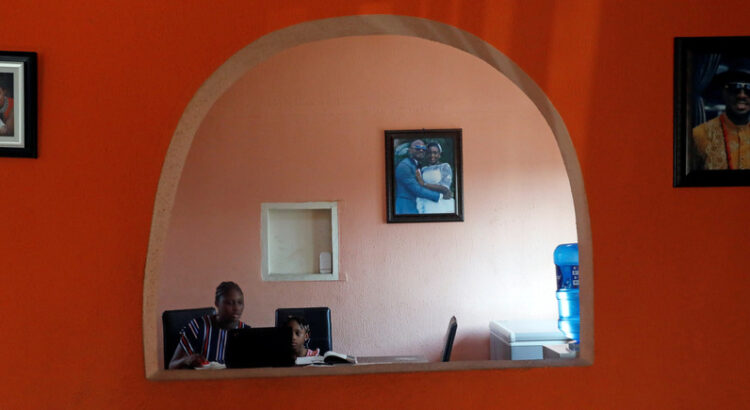
The COVID-19 pandemic is revolutionizing digital and online education globally but kids in rural and underserved communities in Lagos State, Nigeria, are being left behind as they are not equipped to adapt or transition to the new methods of learning.

On 19 March 2020, the Federal Ministry of Education approved school closures as a response to the pandemic. States in the federation contextualized this, with the Lagos State Ministry of Education releasing a schedule of radio and TV lessons for students in public schools.

Priorities should include the introduction of courses such as coding and robotics.

—April Amorighoye

However, for families that earn below $1 per day and faced harsh economic realities due to the four-week lockdown in the state, the purchase of radios or TV might be a trade-off that they cannot afford. A suggestion to this problem was the provision of portable solar radios to help bridge the digital divide.

The pandemic has unmasked substantial inequities in the education sector. Private and non-governmental sectors are tirelessly working to salvage this situation. Projects such as Digiterate and Teach for Nigeria hope to ensure proper tools for education are available to all in Lagos.

However, one major issue that may stem from this inequality is that these kids who currently cannot keep up with their peers because of inaccessibility to digital tools may never catch up and will continue to feel the effect of this gap long after the pandemic is over.

This may result in a severely diminishing pool of young adults who have not garnered the necessary skills to stay ahead in the future. With Nigeria already behind in preparing its young people for the workplace of the future, the effects of the pandemic further exacerbate this issue.

There are measures that must be taken to help bridge the divide when the urgent needs of the pandemic subside. They centre largely around Public-Private Partnerships (PPPs) and government aid.

PPPs can do much to improve the quality of, and increase access to, education for poor children in underserved communities. More schools in such areas, especially Lagos, would go some way to start shifting the teacher/student ratio which has hit alarming lows of 1:83 at points during the past decade.

The result of new schools opening would be a reduced burden on teachers, currently ill-equipped to handle the ever-burgeoning class sizes.

Voucher schools may also aid in rapidly improving the education system in Lagos as suggested by a World Bank Report addressing the need for more information on the private education sector there, given that private schools are the lead education provider in the state. Voucher schools are schools chosen by students and to which the government provides funding; they may be government or non-government providers or both, depending on the system.

Government aid is needed in terms of investing in educational tools of the future alongside a total revamp of the educational sector. Reforms in the national curriculum post-pandemic would be an effective way to bridge the gap in inequality. Priorities should include the introduction of courses such as coding and robotics which can usher students into the era of the Fourth Industrial Revolution and prepare them for jobs of the future.

In countries such as Nigeria, education should be viewed as a high government priority. Help in increasing awareness of the pressing need for the country’s children to be educated, especially those from low-income families, will benefit the country’s economy in years to come.

Aid provided in this direction can be viewed as an investment in human capital; the more educated a country is, the more productive.

Of all sustainable missions surely the most pressing is to improve lives, and there’s no better way to do so than proper and sound education for all.

Comparte este contenido:

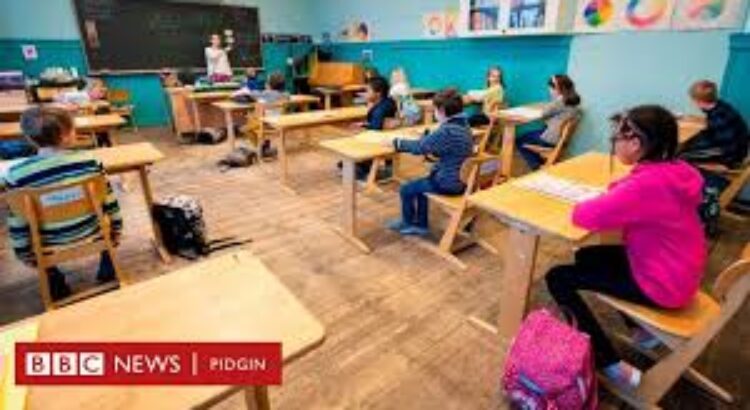
Nigeria says no plan for reopening of school

Africa/ Nigeria/ Source: www.xinhuanet.com.


No date has been fixed for the reopening of schools across Nigeria, said Minister of State for Education, Emeka Nwajiuba on Monday.

The rumors that schools would reopen on June 21 are fake and did not emanate from the ministry, the minister told a regular COVID-19 daily news conference.

Any news about the reopening of schools would be communicated through the Presidential Task Force Committee on COVID-19, the minister added.

He said the reopening of schools would involve the advice of experts on when it would be safer to reopen schools, stressing that the government would avoid the mistake of shipping the students in and out of school.

The ministry, according to the minister, would not lead Nigerians into danger because it was in a hurry to reopen schools, adding that it would only reopen them when it was convinced that it was safe to reopen schools across the country.

He said the ministry was studying the time-table to know when it would be convenient as soon as there was ease on inter-state lockdown.

The minister also urged students and parents to be wary of fake news peddlers. Enditem

Source of the news: http://www.xinhuanet.com/english/2020-06/09/c_139126587.htm


Comparte este contenido:

Cierran más escuelas en Sudáfrica por Covid-19

Redacción: Prensa Latina

Las autoridades de la provincia sudafricana de Gauteng (donde se enclava esta capital y la ciudad de Johannesburgo) cerraron más escuelas de manera temporal luego que algunos maestros y alumnos dieran positivo a la Covid-19.


Al respecto, el portavoz del Departamento de Educación de demarcación, Steve Mabona, aseguró a la prensa que proporcionaría ‘a su debido tiempo’ una información actualizada y detallada sobre el número de centros escolares que habían cerrado, así como la cantidad de alumnos habían dado positivo a la enfermedad.

La pasada semana el primer ministro de esa provincia, David Makhura, había revelado que para entonces 52 escuelas habían sido afectadas por 56 personas contagiadas con el nuevo coronavirus.

En otros departamentos del país, como Western Cape y North West también se han debido cerrar temporalmente varias escuelas ante casos de Covid-19.

Frente a esa situación, la Asociación de Servidores Públicos (PSA) pidió a la ministra de Educación Básica, Angie Motshekga, que revierta la decisión gubernamental de reabrir las escuelas bajo el actual Nivel tres de Alerta nacional.

El PSA cree que con el aumento de la tasa de infección diaria actual, el cierre temporal de las escuelas se convertirá en la norma en todo el país, lo cual provocará aún más interrupciones en el año académico y, en última instancia, no beneficiará a los alumnos, informó la asociación.

Fuente: https://www.prensa-latina.cu/index.php?o=rn&id=375334&SEO=cierran-mas-escuelas-en-sudafrica-por-covid-19
Comparte este contenido:

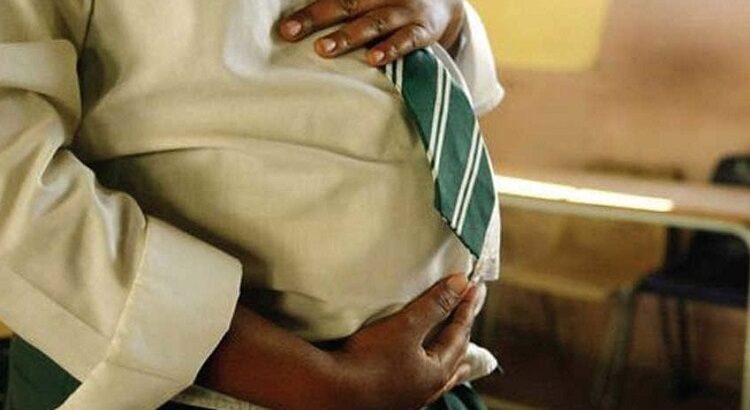
Kenya: Alarm as 4000 school girls get pregnant in Machakos since March

Africa/Kenya/21-06-2020/Author and Source: www.kbc.co.ke

Over 4000 school girls in Machakos County have been impregnated in last three months. Among these, 200 are under 14 years of age.

This is according to the County Children’s Officer Salome Muthama speaking on Tuesday during the celebrations to mark the Day of the African Child at Machakos Rescue Center in Katoloni, Machakos town.

Ms Muthama described the situation as worrying. She assured that legal action would be taken against those responsible for the beastly action. The Children’s officer blamed the long school holiday occasioned by the Coronavirus pandemic for the upsurge and implored parents to take more responsibility over their children.

“As we celebrate this day here today, just within this Covid-19 period alone, some 4000 girls have been impregnated in our county!” Ms Muthama declared as she blamed parents for not taking keen interest in bringing up their children thus exposing them to the trickeries of wayward adults and bad peer influence.

“This is a very big number and I am calling upon parents to involve themselves fully in taking care of their children especially the girl child,” the officer added.

She noted that following the partial lockdown of major towns like Nairobi and Mombasa due to Covid-19 pandemic, most parents had sent their children to the rural areas where they are being taken care of by aged grandparents who are unable to take keen care of the youths.

“These helpless grandmothers are not able to closely watch over the youths, and as a result the young ones are introduced to bad habits or even molested by peers and other unscrupulous people thus leading to such calamities such as these pregnancies,” she observed.

She said it was not enough for the parents to send food and money from the towns for the children they had dumped at their own grandparents’ homes noting that it behooves them to stay with their children and mentor them.

“Parents should stay with their children so that they watch over them closely and provide appropriate guidance instead of dumping them at their grandparents’ homes claiming that they are protecting them from the Corona pandemic,” she noted.

At the same time Muthama urged those charged with the dispensation of justice to children to make deliberate efforts to eradicate delays in the process. She particularly called on the police to fast track cases involving children so that justice is dispensed with promptly and the children allowed to go on with building their lives.

She told those attending the celebrations whose theme was “Access to a child-friendly justice system in Africa” that delays in dispensation of justice to children amounted to denial of their rights.

“Cases involving children should take at most six months to resolve but here in Machakos some take up to two years or more,” she lamented.

Noting that delay of children’s cases amounted to a denial of their rights, she added, “Children attend court either as offenders, victims or witnesses, and every time a case drags, the children are being denied opportunity to either attend school or other matters that affect their future lives,” she noted.

The children’s officer similarly appealed to members of the society who are witnesses in cases involving children not to shy away from attending court, but come out and participate fully so that the cases are solved promptly.

And reacting to the shocking news, Machakos Women Representative Joyce Kasimbi condemned the wave of pregnancy among children and said local grassroots leaders should explain how it happened.

She said parliament would pass a law that will ensure that anybody who impregnates a child will be held responsible.

Similar sentiments were expressed by two DCI officers who warned of dire consequences.

Speaking when they joined children of at  Mwisoo Children’s home in Kyawango, Maau-eli in Mwala, to celebrate the Day, Machakos Sub County DCI boss Rhoda Kanyi and her Mwala counterpart Catherine Kinoti said the law will be brought to bear on those found molesting minors.

“Men who sleep with minors must be warned that the law will definitely catch up with you,” they warned.

Source and Image: https://www.kbc.co.ke/alarm-as-4000-school-girls-get-pregnant-in-machakos-since-march/

Comparte este contenido:

África: Voces alternativas al feminismo hegemónico

Redacción: Porfinenafrica

Cuatro escritoras y activistas analizan el feminismo occidental y reclaman espacios para las mujeres menos privilegiadas.

Comparto, con el objetivo de repensar y reflexionar, este vídeo sobre “Feminismo mainstream” en el que cuatro grandes autoras y activistas -Chimamanda Adichie, Angela Davis, Judith Butler y Arundhati Roy- hablan y se posicionan respecto a lo que ha sido el feminismo hegemónico y cómo a través de él se ha representado la lucha de las mujeres por la igualdad sin tener en cuenta las realidades ni las necesidades de las menos privilegiadas: mujeres negras, migrantes, pobres, racializadas…

Un vídeo que nos puede servir para mirar con otros ojos la realidad, abrir nuestra mente y comenzar a deconstruirnos para formar algo más grande aún, que incluya a todas, especialmente a las menos privilegiadas.

Este vídeo recoge parte de las intervenciones de las escritoras con motivo de su presencia en las Conferencias del Centro de Cultura Contemporánea de Barcelona el pasado 2018. Un ciclo en el que se abordó el feminismo dando voz a voces alternativas y dispuestas a la crítica constructiva.

Fuente: https://porfinenafrica.com/2020/06/voces-alternativas-al-feminismo-hegemonico/

Comparte este contenido:

Zimbabwe: plataformas de aprendizaje en línea gratuitas para estudiantes universitarios

Africa/Zimbabwe/AllAfrica

El gobierno ha hecho un gran avance en sus negociaciones con los operadores de redes móviles que han acordado proporcionar acceso gratuito a las plataformas de aprendizaje en línea para estudiantes universitarios.

Econet, el mayor proveedor de servicios de redes móviles por cuota de mercado y su subsidiaria Liquid Telecommunications, ha accedido a una solicitud del Gobierno para ayudar a las instituciones en su enfoque de aprendizaje combinado.

Hubo preocupaciones por parte de los sindicatos de estudiantes de que el aprendizaje remoto estaría fuera del alcance de la mayoría de los estudiantes con cargos de datos normales.

En una carta reciente dirigida al Secretario Permanente de Educación Superior, Innovación, Ciencia y Tecnología para el Desarrollo, Profesor Fanuel Tagwira, Liquid Telecommunications dijo que estaban listos para comenzar de inmediato a proporcionar servicios subsidiados a estudiantes y profesores.

«Los estudiantes podrán acceder a Wifi gratuito y rápido instalado en todas las zonas Edu que se encuentran en instituciones de todo el país», dijo Liquid Telecommunications en la carta.

Cuarenta y ocho universidades públicas y privadas, los colegios tienen esta instalación.

«Se accederá a todos los sitios web de las universidades con calificación cero y hemos solicitado a su departamento de TI que compile una lista de estos sitios para que la función se realice», dijo Liquid Telecommunications.

Esto significa que la conexión a los sitios web de la universidad, que actuará como la plataforma fuente para el aprendizaje en línea, será gratuita.

También habrá descuentos en el hogar de Internet para estudiantes y profesores suscriptores de Econet y Liquid.

En una entrevista, el ministro de Educación Superior, Educación Superior, Innovación, Ciencia y Desarrollo Tecnológico, el profesor Amon Murwira, confirmó el desarrollo.

«Nos hemos comprometido con compañías de telecomunicaciones que buscan asociaciones de esta naturaleza», dijo. «Este es el resultado de nuestras buenas relaciones como ministerio con las partes interesadas».

A medida que las universidades comienzan el aprendizaje en línea hoy, la empresa se convierte en una oportunidad para el Gobierno, ya que permite la implementación inclusiva del aprendizaje mixto, lo que hará que la mayoría aprenda fuera del campus.

«No queremos dejar a nadie atrás», dijo el profesor Murwira.

«Queremos asegurarnos de que todos tengan acceso al contenido que nuestras universidades han estado compilando rápidamente.

«Las universidades han dado su opinión, están listos para continuar con su semestre y esperamos que se incorporen más jugadores de redes móviles».

The Herald entiende que el ministerio está conversando con TelOne y NetOne a través de una instalación similar en sus redes.

Fuente:

Comparte este contenido:

Más de 10 mil niños asesinados o mutilados en conflictos, reporta ONU

Naciones Unidas/18 Junio 2020/prensa-latina.cu

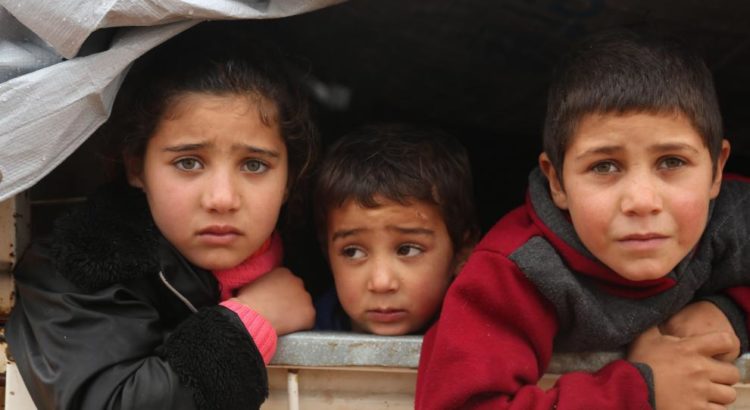
Más de 10 mil niños fueron asesinados o mutilados durante el 2019 en países que padecen conflicto, y si bien la cifra representa una ligera baja, es un número demasiado alto, según reportes divulgados hoy aquí.

Así lo indicó la representante especial de Naciones Unidas para Niños y Conflictos Armados, Virginia Gamba, y detalló que en el 2018, se registraron 12 mil 14 víctimas menores de edad.

En la actualidad, precisó, Afganistán es el país con más muertes de menores de edad.

Naciones Unidas también verificó 25 mil violaciones graves contra niños, es decir, unas 70 diarias, número similar al de 2018.

El informe anual sobre niños en conflictos armados también reveló un aumento de 400 por ciento en los obstáculos a la entrega de ayuda humanitaria, durante el 2019 se confirmaron cuatro mil 400 incidente de negación de la entrada de ayuda a las zonas de conflicto.

Además, hubo un alto nivel de impedimentos y violencia contra los trabajadores humanitarios, se saquearon sus provisiones, se les restringió el movimiento y se les impuso todo tipo de dificultades en su tarea de brindar asistencia básica a los niños, apuntó Gamba.

‘La infancia de estos niños y niñas ha sido reemplazada con dolor, brutalidad y miedo mientras el mundo lo atestigua. Las partes en conflicto no cumplen su obligación de proteger a los menores durante las hostilidades y les niegan la ayuda vital que necesitan desesperadamente’, afirmó.

Durante el 2019, la ONU verificó 735 denuncias de violencia sexual, pero Gamba resaltó que ese dato seguramente no refleja la realidad, ya que muchísimas violaciones no se reportan, sobre todo, por la impunidad de la que gozan los agresores, la falta de acceso a la justicia y a servicios para las víctimas, y el temor al estigma.

Más de siete mil niños fueron reclutados o utilizados para el combate y en la mayor parte de los casos, quienes los reclutaron fueron actores no estatales en la República Democrática del Congo y Somalia.

Según cifras de ONU, mil 683 niños fueron secuestrados recientemente, muchos de ellos para servir como soldados o esclavos sexuales: Somalia, la República Democrática del Congo y Nigeria registraron el mayor número de casos.

Para poner fin al ciclo de violencia contra los niños en los conflictos armados hacen falta programas amplios de reintegración que contemplen educación, apoyo psicosocial, servicios de salud y empleos, consideró Gamba.

La alta representante recalcó que es imperativo implementar ceses de hostilidades y acelerar los procesos de paz.

Fuente: https://www.prensa-latina.cu/index.php?o=rn&id=374411&SEO=mas-de-10-mil-ninos-asesinados-o-mutilados-en-conflictos-reporta-onu
Comparte este contenido:
Page 76 of 622
1 74 75 76 77 78 622
OtrasVocesenEducacion.org