Page 340 of 396
1 338 339 340 341 342 396

Libro: A people’s history of the American revolution – Howard Zinn

América del Norte/Estados Unidos/04 de Julio de 2016/Autor: Steven/Fuente:Libcom.org

RESUMEN: Alrededor de 1776, ciertas personas importantes en las colonias inglesas hicieron un descubrimiento que resultaría de enorme utilidad para los siguientes doscientos años. Ellos encontraron que mediante la creación de una nación, un símbolo, una unidad legal llamada los Estados Unidos, podrían hacerse cargo de la tierra, las ganancias y el poder político de los favoritos del Imperio Británico. En el proceso, que podrían contener una serie de rebeliones potenciales y crear un consenso de apoyo popular para el gobierno de un nuevo liderazgo privilegiada.

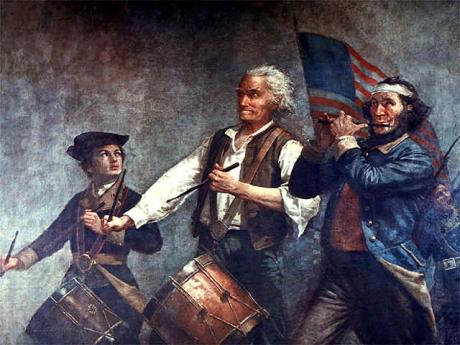
Cuando nos fijamos en la revolución americana esta manera, se trataba de una obra de un genio, y los Padres Fundadores merece el homenaje impresionado que han recibido durante los siglos. Ellos crearon el sistema más eficaz de control nacional ideado en los tiempos modernos, y mostraron las futuras generaciones de líderes de las ventajas de combinar el paternalismo con el comando.

A partir de la Rebelión de Bacon en Virginia, por 1760, había habido dieciocho levantamientos contra gobiernos coloniales. También había habido seis rebeliones negras, desde Carolina del Sur a Nueva York, y cuarenta revueltas de diversos orígenes.

Por este tiempo también, surgió, según Jack Greene, «estable, coherente, eficaz y reconocido élites políticas y sociales locales.» Y por la década de 1760, este liderazgo local vio la posibilidad de dirigir la mayor parte de la energía rebelde contra Inglaterra y sus funcionarios locales. No fue una conspiración consciente, sino una acumulación de respuestas tácticas.


Around 1776, certain important people in the English colonies made a discovery that would prove enormously useful for the next two hundred years. They found that by creating a nation, a symbol, a legal unity called the United States, they could take over land, profits, and political power from favorites of the British Empire. In the process, they could hold back a number of potential rebellions and create a consensus of popular support for the rule of a new, privileged leadership.

When we look at the American Revolution this way, it was a work of genius, and the Founding Fathers deserve the awed tribute they have received over the centuries. They created the most effective system of national control devised in modern times, and showed future generations of leaders the advantages of combining paternalism with command.

Starting with Bacon’s Rebellion in Virginia, by 1760, there had been eighteen uprisings aimed at overthrowing colonial governments. There had also been six black rebellions, from South Carolina to New York, and forty riots of various origins.

By this time also, there emerged, according to Jack Greene, «stable, coherent, effective and acknowledged local political and social elites.» And by the 1760s, this local leadership saw the possibility of directing much of the rebellious energy against England and her local officials. It was not a conscious conspiracy, but an accumulation of tactical responses.

After 1763, with England victorious over France in the Seven Years’ War (known in America as the French and Indian War), expelling them from North America, ambitious colonial leaders were no longer threatened by the French. They now had only two rivals left: the English and the Indians. The British, wooing the Indians, had declared Indian lands beyond the Appalachians out of bounds to whites (the Proclamation of 1763). Perhaps once the British were out of the way, the Indians could be dealt with. Again, no conscious forethought strategy by the colonial elite, hut a growing awareness as events developed.

With the French defeated, the British government could turn its attention to tightening control over the colonies. It needed revenues to pay for the war, and looked to the colonies for that. Also, the colonial trade had become more and more important to the British economy, and more profitable: it had amounted to about 500,000 pounds in 1700 but by 1770 was worth 2,800,000 pounds.

So, the American leadership was less in need of English rule, the English more in need of the colonists’ wealth. The elements were there for conflict.

The war had brought glory for the generals, death to the privates, wealth for the merchants, unemployment for the poor. There were 25,000 people living in New York (there had been 7,000 in 1720) when the French and Indian War ended. A newspaper editor wrote about the growing «Number of Beggers and wandering Poor» in the streets of the city. Letters in the papers questioned the distribution of wealth: «How often have our Streets been covered with Thousands of Barrels of Flour for trade, while our near Neighbors can hardly procure enough to make a Dumplin to satisfy hunger?»

Para continuar con la lectura, visite: https://libcom.org/history/peoples-history-american-revolution

Comparte este contenido:

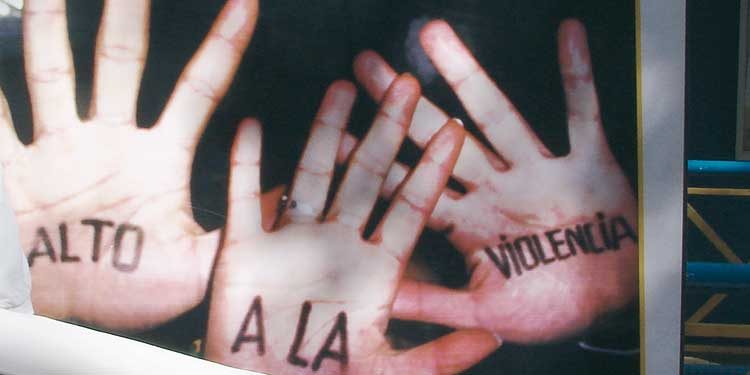
La cultura de la violencia

Bolivia/16 de Junio de 2016/Página Siete

Por: Fernanda Wanderley

Vivimos en un mundo en el que predomina la cultura de la violencia en todos los ámbitos de la convivencia social.
La palabra violencia surge asociada a la idea de fuerza física y poder. Los romanos denominaban vis a esa fuerza que permite que la voluntad de uno se imponga sobre la de otro y  deriva el adjetivo violentus y violare con el sentido de agredir, faltar al respetar, maltratar, arruinar y dañar al otro.
El acto violento ocurre con el uso de la fuerza tanto física como psicológica, para lograr objetivos sometiendo la voluntad del violentado. Se manifiesta a través de la agresión física, la manipulación verbal, emocional y psicológica, mediante ofensa, amenaza, humillación, intolerancia, sometimiento, lesión física e, inclusive, muerte.
La cultura de la violencia se instaura cuando las prácticas violentas son normalizadas en una sociedad y así se vuelven recurrentes, aceptadas, toleradas e, inclusive, justificadas a través de la culpabilización de la víctima. Situación que se agrava cuando el Estado, responsable por normar y sancionar los actos de violencia no sólo minimiza los hechos como, en el peor de los casos, se vuelve el perpetrador de violencia.
Nosotras las mujeres somos un grupo que fue y es víctima de todo tipo de violencia. También lo son la comunidad LGTB, las minorías étnicas, los pobres, los jóvenes, los críticos al régimen, entre otros. La vulneración de derechos ocurre en todos los espacios de la vida social: hogares, comunidades, calles, escuelas, universidades, espacios laborales, partidos políticos y la burocracia estatal.
En Brasil hoy se habla de la cultura de la violación debido a la generalización de este crimen en todo el territorio. También se puede hablar de la cultura de la violación en universidades como se visibilizó con los casos en la Universidad Mayor de San  Andrés, en Bolivia, y en Stanford, en los Estados Unidos. La cultura de la violencia en las relaciones de pareja es la causa del extendido crimen de feminicidio en la región.  Igualmente dramática son las redes de trata y esclavitud sexual de niñas, adolescentes y jóvenes que se arrastran en el mundo.
La cultura de la violencia contra las mujeres se funda en el uso del cuerpo de las mujeres como objetos sexuales y como medios para la afirmación del poder masculino. Esta es una de las peores y más persistentes violencias, enraizada en estructuras de vulneración de derechos civiles, políticos y sociales.
La indiferencia o complicidad del poder público, de instituciones de la sociedad (como, por ejemplo, las escuelas, las universidades, las empresas, la burocracia estatal) y la misma ciudadanía con los diferentes tipos de violencia es lo que permite su continuidad y profundización.
La reacción de indignación de la ciudadanía, especialmente de los jóvenes en los últimos casos de violación en Brasil, Bolivia y Estados Unidos, son señales de la creciente politización sobre la violencia contra las mujeres. A esto se suman las crecientes manifestaciones de colectivos sociales e individuos en las redes sociales, en las calles y en los periódicos en contra de la violencia por parte del Gobierno boliviano en relación a grupos sociales como los discapacitados, las mujeres, los pueblos indígenas, los periodistas, los abogados y los analistas sociales.
Estamos frente a un problema profundo que nos toca a todos y a todas y que, independientemente de sus formas, tiene la misma raíz: la manutención de privilegios y del poder por parte de grupos y logias a través de la subordinación, la humillación, el amedrentamiento, el acoso y el sometimiento físico, psicológico e intelectual.
La cultura de la violencia es un monstruo que puede tragar a todas y a todos si no encuentra resistencia sostenida por parte de la sociedad y acciones integradas para detenerlo. Los colectivos feministas, de ciudadanos y de jóvenes que vienen peleando contra este mal estructural no pueden quedar solos en esta batalla. Es urgente que sumemos esfuerzos y compromisos contra todas las prácticas de violencia y su normalización, rebelándonos contra los abusos de poder y exigiendo acciones integrales y concretas por parte de instituciones y organizaciones políticas y sociales.
Fuente: http://www.paginasiete.bo/opinion/fernanda-wanderley/2016/6/16/cultura-violencia-99756.html
Fuente de la imagen: https://www.google.co.ve/search?q=cultura+de+la+violencia&biw=1024&bih=623&tbm=isch&source=lnms&sa=X&ved=0ahUKEwjKytaI89nNAhWm64MKHexFCtEQ_AUIBigB#imgrc=Y4lvwStdeTVfIM%3A
Comparte este contenido:

Genocidio nuclear por ambición imperialista

Por: Manuel E. Yepe

Las hostilidades de la Segunda Guerra Mundial, en el teatro de operaciones de Asia y el Pacífico, concluyeron el seis de agosto de 1945 con la explosión de una bomba atómica aerotransportada que Estados Unidos lanzó sobre la ciudad japonesa de Hiroshima asesinando a 80.000 seres humanos.

La cifra llegó a ser en 1950 de 200.000 difuntos a causa de los efectos ulteriores de la radiación nuclear. Pocos días más tarde, una segunda bomba atómica, también lanzada por Washington, cayó sobre otra ciudad japonesa aún más poblada. En Nagasaki, fueron asesinadas unas 300.000 personas más.

 En diciembre de 1941, el imperio japonés había ocupado una parte considerable de las costas de China, Corea y las colonias francesas de Indochina (Vietnam, Laos y Camboya) cometiendo atrocidades en gran parte de las Indias Orientales Holandesas (Indonesia). En 1944 atacó a Hawái, una posesión de Estados Unidos.

El gobierno del Japón era entonces una dictadura militar que nominalmente encabezaba un Emperador que había aplastado toda disidencia democrática, proscrito al partido comunista y practicado una política exterior muy agresiva contra sus vecinos. Pero en 1945 Japón era ya un imperio derrotado. Había perdido sus reservas de petróleo y su flota naval había sido  destruida. Alemania nazi, su mayor aliado, se había rendido en mayo.

 En junio de ese año, el régimen de Japón había comunicado a los gobiernos de Suecia, Suiza y la Unión Soviética su intención de rendirse, poniendo como una única condición a negociar que el Emperador Hiroito se mantuviera como jefe nominal del Estado. No obstante, a fines de 1945, ya el gobierno estadounidense había tomado la decisión de hacer una demostración de su poderío y de su voluntad de asumir el liderazgo mundial partiendo de saberse único poseedor de un arma nueva y terrible.

El mensaje sería evidente y claro: Estados Unidos posee un arma terrible y está dispuesto a usarla contra cualquier nación que se oponga a su dominación global.

 El entonces presidente estadounidense, Harry Truman, justificó la utilización del arma atómica tras el genocidio. «Hemos utilizado (la bomba atómica) para acortar la agonía de la guerra, con el fin de salvar las vidas de miles y miles de jóvenes norteamericanos». Al ser informado de la destrucción total de Hiroshima por aquel bárbaro crimen, el presidente se limitó a calificarlo textualmente como “lo más grande que ha ocurrido en la historia”.

Desde 1945 hasta hoy, Estados Unidos ha venido manipulando la cuestión nuclear como amenaza estratégica para su dominación.

 Durante gran parte de la posguerra, Washington logró imponer a la Unión Soviética una onerosa carrera armamentista a la que fueron incorporadas otras novedades de la técnica militar como los misiles intercontinentales.

 Washington, que había concluido la segunda guerra mundial (IIGM) con menos daños materiales que las demás potencias y, por tal motivo, relativamente enriquecida respecto a éstas tenía todas las de ganar en esa carrera.

 El presupuesto militar estadounidense, que sobrepasa la suma de los presupuestos militares combinados de todos los demás países del mundo, ha hecho que la deuda total del gobierno estadounidense también supere la deuda externa total del resto de los países del globo.

Washington ha sido capaz, hasta ahora, de evadir las pavorosas consecuencias de tan desastroso manejo de su economía gracias a que goza del privilegio único de poder imprimir su moneda, ventaja que le permite dilatar indefinidamente la liquidación de su enorme  deuda y transferir los nocivos efectos de ello al conjunto de la economía global.

 El mundo vive hace algunas décadas pendiente de probables desenlaces nucleares de los “conflictos” que desata o suscita Washington en cualquier lugar del mundo ya sea para provocar un cambio de régimen, imponer algún Tratado de libre comercio por medios violentos; aplastar los llamados gobiernos «fallidos» y los movimientos populares que resisten el imperio corporativo mundial; promover el despojo del petróleo y otros recursos en los países más débiles, u otros fines incalificables.

 Aunque la Guerra Fría concluyó hace un cuarto de siglo, las armas nucleares siguen estando en el núcleo de la estrategia imperialista. La doctrina militar de Estados Unidos, aunque evidencia una política de constantes guerras, agresiones y ocupaciones contra diversos países, según todo parece indicar, apunta a preparativos para una guerra contra Rusia y China que a todas luces sería a escala mundial, sería nuclear y la última de la vida en la Tierra.

http://manuelyepe.wordpress.com/

Comparte este contenido:

EEUU: Rauner is driving faculty, students from Illinois

Fuente: chicagosuntimes.com / 4 de julio de 2016

A recent op-ed in the New York Times  [“Higher Education in Illinois is Dying,” June 3] has brought national attention to the shameful budget stalemate in Illinois, and its resulting devastation of our public universities.

By failing to secure a budget, Gov. Bruce Rauner has created a climate in which faculty and students alike have begun to flee, taking their talents and tuition dollars out of state. Springfield may think that our universities can sustain massive cuts to their operating budgets without lasting impact. As faculty at Illinois’ public universities, we come together here to say that they are wrong.

Education is the engine of economic growth in our state. The rapid decline in revenues that Illinois continues to experience will only worsen with disinvestment in the knowledge and skills of its citizens. All public servants, whether employed at the university or in state government, have a responsibility to fulfill. We cannot fulfill ours unless you fulfill yours. However we arrived at the current economic crisis, it cannot be bettered when compromise is only viewed as failure, and when precious state resources are used to further a political agenda. Inaction is not benign. The Illinois government is making a conscious decision that its public universities, the culmination of 150 years of state, federal, community, and private effort and investment, are expendable. This is unacceptable.

Article X of our state Constitution sets “the educational development of all persons” as a goal, promises “to provide for an efficient system of high quality educational institutions and services,” and assigns the state “the primary responsibility for financing the system of public education.” An engaged citizenry is the bedrock of democracy, and access to excellent and affordable public education is a civil right. Time is running out to ensure it.

Dana Rabin, LAS, University of Illinois at Urbana-Champaign
Catherine Prendergast, LAS, University of Illinois at Urbana-Champaign
Christopher Breu, CAS Illinois State University
Joyce Walker, CAS Illinois State University
Matt Felumlee, Department of English, Heartland Community College
Kerry O. Ferris, CLAS, Northern Illinois University
J.M. van der Laan, CAS, Illinois State University
Gary Weilbacher, CLAS, Illinois State University
Peter Ping Liu, School of Technology, Eastern Illinois University
Brian R. Horn, College of Education, Illinois State University
Claudia Janssen Danyi, College of Arts and Humanities, Eastern Illinois University
Susan Kalter, CAS, Illinois State University
Rebecca Saunders, CAS, Illinois State University
Amy Robillard, CAS, Illinois State University
James J. Pancrazio, CAS Illinois State University
Christopher C. De Santis, CAS, Illinois State University
Michael Day, CLAS, Northern Illinois University
Joe Amato, CAS, Illinois State University
Tania Ionin, LAS, University of Illinois at Urbana-Champaign
James Hye Suk Yoon, LAS, University of Illinois at Urbana-Champaign
Amy Rosenstein, College of Ed and Professional Studies, Eastern Illinois University
Ann Haugo, School of Theatre and Dance, Illinois State University
Deborah Wittman, College of Ed, Illinois State University
Sarah Hochstetler, CAS, Illinois State University
William Thomas McBride, CAS, Illinois State University
Jill Hallett, College of Education, University of Illinois at Chicago
Christina M. Borders, College of Education, Illinois State University
Phillip Eubanks, CLAS, Northern Illinois University
Olaya Landa-Vialard, College of Ed, Illinois State University
Lennard Davis, College of Medicine, University of Illinois at Chicago
Juliet Lynd, LAS, Illinois State University
Caroline Mallory, Mennonite College of Nursing, Illinois State University
E. Paula Crowley, College of Education, Illinois State University
Lea Cline, School of Art, Illinois State University
Jeff Rients, CAS, Illinois State University
Susan A Hildebrandt, CAS, Illinois State University
Rachel Shively, CAS, Illinois State University
Rick Hallett, CAS, Northeastern Illinois University
Russell Zanca, CAS, Northeastern Illinois University
Kathleen Renk, CLAS, Northern Illinois University
Diana Swanson, CLAS, Northern Illinois University
Richard Cameron, LAS, University of Illinois at Chicago
Marjorie Worthington, College of Arts and Humanities, Eastern Illinois University
Christine McCormick, College of Sciences, Eastern Illinois University
Robert Zordani, College of Arts and Humanities, Eastern Illinois University
Renee King, College of Arts and Humanities, Eastern Illinois University
Steve Brantley, Library, Eastern Illinois University
Angela Glaros, College of Sciences, Eastern Illinois University
Timothy N. Taylor, College of Arts and Humanities, Eastern Illinois University
Rena Shifflet, School of Teaching and Learning, Illinois State University.
Gabrielle M. Toth, Library Information Services, University of Illinois at Chicago
Diane Burns, College of Sciences, Eastern Illinois University
Jeannie Ludlow, College of Arts and Humanities, Eastern Illinois University
Edmund F. Wehrle, College of Arts and Humanities, Eastern Illinois University
Jennifer L. Stringfellow, College of Ed and Prof. Studies, Eastern Illinois University
Leila Porter, LAS, Northern Illinois University
Charles R. Foy, College of Arts and Humanities, Eastern Illinois University
Ann Brownson, Ballenger Teachers Center, Eastern Illinois University
Gary E. Aylesworth, College of Arts and Humanities, Eastern Illinois University
Marina Terkourafi, LAS, University of Illinois at Urbana-Champaign
Rosemary Buck, College of Arts and Humanities, Eastern Illinois University
Sonia Kline, College of Education, Illinois State University
Peter Andrews, College of Sciences, Eastern Illinois University
Robin L. Murray, College of Arts and Humanities, Eastern Illinois University
Ralph Cintron, LAS, University of Illinois at Chicago
Maria T. Pao, College of Arts and Sciences, Illinois State University
Gary Justis, College of Fine Arts, Illinois State University
Edward O. Stewart, College of Fine Arts, Illinois State University
Issam Nassar, College of Arts and Sciences, Illinois State University
Fern Kory, College of Arts and Humanities, Eastern Illinois University
Peter Hesterman, College of Arts and Sciences, Illinois State University
Marjorie Moretz Stinespring, College of Arts and Sciences, Chicago State University
Leroy Bryant, College of Arts and Sciences, Chicago State University
Carol Jean Dudley, College of Arts and Humanities, Eastern Illinois University
Jamie V. Ryan, College of Arts and Humanities, Eastern Illinois University
Jason Reblando, College of Fine Arts, Illinois State University
Ann Kuzdale, College of Arts and Sciences, Chicago State University
Shaila Christofferson, College of Arts and Sciences, Chicago State University
Fiona Ngo, LAS, University of Illinois at Urbana-Champaign
Mukti Upadhyay, College of Sciences, Eastern Illinois University
Michael Leddy, College of Arts and Humanities, Eastern Illinois University
Lee E. Patterson, College of Arts and Humanities, Eastern Illinois University
Steven E. Rowe, College of Arts and Sciences, Chicago State University
Kelly Harris, College of Arts and Sciences, Chicago State University
Iryce Baron, LAS, University of Illinois at Urbana-Champaign
Dennis Baron, LAS, University of Illinois at Urbana-Champaign
Eric Bollinger, College of Sciences, Eastern Illinois University
Amalia Pallares, LAS, University of Illinois at Chicago
Bill O’Donnell, College of Fine Arts, Illinois State University
Andreas Fischer, College of Fine Arts, Illinois State University
Scott Balcerzak, LAS, Northern Illinois University
Marcia Buell, College of Arts and Sciences, Northeastern Illinois University
Christina Bueno, College of Arts and Sciences, Northeastern Illinois University
Maureen Kelty, Daniel L Goodwin College of Education, Northeastern Illinois University
Brandon P. Bisbey, College of Arts and Sciences, Northeastern Illinois University
Lisa Wallis, Library, Northeastern Illinois University
Melanie Bujan, College of Arts and Sciences, Northeastern Illinois University
Lou Bohr, Daniel L Goodwin College of Education, Northeastern Illinois University
Alison Dover, Daniel L Goodwin College of Education, Northeastern Illinois University
Cyndi Moran, Professor, College of Arts and Sciences, Northeastern Illinois University
James Ball, Daniel L Goodwin, College of Education, Northeastern Illinois University
Kristin Carlson, College of Fine Arts, Illinois State University
Janet Halpin, College of Arts and Sciences, Chicago State University
James M. Skibo, College of Arts and Sciences, Illinois State University
Eric L. Peters, College of Arts and Sciences, Chicago State University
Katie Lewandowski, College of Sciences, Eastern Illinois University
James Stanlaw, College of Arts and Sciences, Illinois State University
Xóchitl Bada, LAS, University of Illinois at Chicago
Maria de los Angeles Torres, LAS, University of Illinois at Chicago
Richard Sullivan, College of Arts and Sciences, Illinois State University
Elizabeth A. Skinner, College of Education, Illinois State University
Eastern Illinois University, College of Arts and Sciences, Illinois State University
Grant C. Sterling, College of Arts and Humanities, Eastern Illinois University
Michael D. Gillespie, College of Sciences, Eastern Illinois University
Lauren M. Lowell, College of Fine Arts, Illinois State University
Víctor Alejandro Sorell, College of Arts and Sciences, Illinois State University
Therese Quinn, Architecture, Design, and the Arts, University of Illinois at Chicago
Cedric Johnson, LAS, University of Illinois at Chicago
Aleeca Bell, Nursing, University of Illinois at Chicago
Robert Johnston, LAS, University of Illinois at Chicago
Barbara DiEugenio, College of Engineering, University of Illinois at Chicago
John Abbott, LAS, University of Illinois at Chicago
Janet Smith, Urban Planning and Public Affairs, University of Illinois at Chicago
Joan Kennelly, College of Public Health, University of Illinois at Chicago
Aaron Krall, LAS, University of Illinois at Chicago
Laurie Quinn, Nursing, University of Illinois at Chicago
James Drown, LAS, University of Illinois at Chicago
Blake Simpson, Architecture, Design, and the Arts, University of Illinois at Chicago
Anthony Simon Laden, LAS, University of Illinois at Chicago
Laurie Schaffner, LAS, University of Illinois at Chicago
Paul Preissner, Architecture, Design, and the Arts, University of Illinois at Chicago
John Betancur, Urban Planning and Public Affairs
Jeffrey Sklansky, LAS, University of Illinois at Chicago
John D’Emilio, LAS, University of Illinois at Chicago
Marina Mogilner, LAS, University of Illinois at Chicago
Nicole Jordan, LAS, University of Illinois at Chicago
Laura Hostetler, LAS, University of Illinois at Chicago
Mark Liechty, LAS, University of Illinois at Chicago
Susan Hughes, Public Health, University of Illinois at Chicago
Susan Altfeld, Public Health, University of Illinois at Chicago
Joe Persky, LAS, University of Illinois at Chicago
John A. Jones, LAS, University of Illinois at Chicago
Renato Barahona, LAS, University of Illinois at Chicago
Jennifer Brier, LAS, University of Illinois at Chicago
Richard Levy, LAS, University of Illinois at Chicago
Kevin Schultz, LAS, University of Illinois at Chicago
Joseph Tabbi, LAS, University of Illinois at Chicago
Julie Peters, LAS, University of Illinois at Chicago
Rachel Weber, Urban Planning and Public Affairs, University of Illinois at Chicago
Jim Hansen, LAS, University of Illinois at Urbana-Champaign
Liv Stone, College of Arts and Sciences, Illinois State University
Frank McCormick, College of Arts and Humanities, Eastern Illinois University
Robert Zordani, College of Arts and Humanities, Eastern Illinois University
Joel Palka, LAS, University of Illinois at Chicago
Timothy Bell, College of Arts and Sciences, Chicago State University
Robert E. Bionaz, College of Arts and Sciences, Chicago State University
Melissa Ames, College of Arts and Humanities, Eastern Illinois University
Lucinda Berry, College of Arts and Humanities, Eastern Illinois University
John H. Bickford III, College of Ed and Prof. Studies, Eastern Illinois University
Deborah Olbert, College of Education, Eastern Illinois University
Valerie Garver, CLAS, Northern Illinois University
Erik Zdansky, College of Arts and Sciences, Illinois State University
Jennifer Slate, College of Arts and Sciences, Northeastern Illinois University
Thomas P. Crumpler, College of Education, Illinois State University
Maria Schmeeckle, College of Arts and Sciences, Illinois State University
Debra A. Reid, College of Arts and Humanities, Eastern Illinois University
Nobuko Adachi, College of Arts and Sciences, Illinois State University
Lisa Lee, Architecture, Design, and the Arts, University of Illinois at Chicago
Yann Robert, LAS, University of Illinois at Chicago
Barbara Ransby, LAS, University of Illinois at Chicago
Hannah Higgins, Architecture, Design, and the Arts, University of Illinois at Chicago
Michael Scott, Engineering, University of Illinois at Chicago
Judith Gardiner, LAS, University of Illinois at Chicago
Geraldine Gorman, Nursing, University of Illinois at Chicago
Carrol Smith, Nursing, University of Illinois at Chicago
Nick Hugget, LAS, University of Illinois at Chicago
Chris Boyer, LAS, University of Illinois at Chicago
John Polk, LAS, University of Illinois Urbana-Champaign
Lynn Kennell, Mennonite College of Nursing, Illinois State University
Teresa Novy, Mennonite College of Nursing, Illinois State University
Holly Dust, College of Sciences, Eastern Illinois University
Jeff Gore, LAS, University of Illinois at Chicago
Olivia Perlow, CAS, Northeastern Illinois University
Craig Kois, Northeastern Illinois University
James Barrett, LAS, University of Illinois at Urbana-Champaign
Martin Manalansin, LAS, University of Illinois at Urbana-Champaign
Hadi Salehi Esfahani, University of Illinois at Urbana-Champaign
Zohreh T. Sullivan, LAS, University of Illinois at Urbana-Champaign
Fred Hoxie, LAS, University of Illinois at Urbana-Champaign
Lauren Goodlad, LAS, University of Illinois at Urbana-Champaign
Zsuzsa Gille, LAS, University of Illinois at Urbana-Champaign
Isabel Molina-Guzmán, College of Media, University of Illinois at Urbana-Champaign
Gilberto Rosas, LAS, University of Illinois at Urbana-Champaign
Kathryn La Barre, Library and Information Sciences, University of Illinois at Urbana-Champaign
Carol Symes, LAS, University of Illinois at Urbana-Champaign
Bruce Rosenstock, LAS, University of Illinois at Urbana-Champaign
Craig Koslofsky, LAS, University of Illinois, Urbana-Champaign
Behrooz Ghamari-Tabrizi, LAS, University of Illinois at Urbana-Champaign
Jesse Ribot. LAS, University of Illinois at Urbana-Champaign
Jay Rosenstein, College of Media, University of Illinois at Urbana-Champaign
Gabriel Solis, College of Fine and Applied Arts, University of Illinois at Urbana-Champaign
Stephen Jaeger, Emeritus, LAS, University of Illinois at Urbana-Champaign
Angharad Valdivia, College of Media, University of Illinois at Urbana-Champaign
Dennis Dullea, LAS, University of Illinois at Urbana-Champaign
Anna Westerstahl Stenport, LAS, University of Illinois at Urbana-Champaign
Lilya Kaganovsky, LAS, University of Illinois at Urbana-Champaign
Richared Ross, College of Law, University of Illinois at Urbana-Champaign
Charles F. Gammie, LAS and Engineering, University of Illinois at Urbana-Champaign
Kristin Hoganson, LAS, University of Illinois at Urbana-Champaign
Rebecca Ginsburg, College of Education, University of Illinois at Urbana-Champaign
Sarah Theule Lubienski, College of Education, University of Illinois at Urbana-Champaign
Patrick Smith, College of Education, University of Illinois at Urbana-Champaign
Allyson Purpura, Krannert Art Museum, University of Illinois at Urbana-Champaign
Marilyn Parsons, College of Education, University of Illinois at Urbana-Champaign
Kiel Christianson, Beckman Institute, University of Illinois at Urbana-Champaign
Elizabeth A L Stine-Morrow, Beckman Institute, University of Illinois at Urbana-Champaign
Adrienne D. Dixson, College of Education, University of Illinois at Urbana-Champaign
Jennifer Greene, College of Education, University of Illinois at Urbana-Champaign
Walter Feinberg, College of Education, University of Illinois at Urbana-Champaign
Dan Morrow, College of Education, University of Illinois at Urbana-Champaign
Erik S. McDuffie, LAS, University of Illinois at Urbana-Champaign
Diane Koenker, LAS, University of Illinois at Urbana-Champaign
William Sullivan, College of Fine and Applied Art, University of Illinois at Urbana-Champaign
Amita Sinha, College of Fine and Applied Arts, University of Illinois at Urbana-Champaign
Harley Johnson, College of Engineering, University of Illinois at Urbana-Champaign
Carolyn J Anderson, College of Education, University of Illinois at Urbana-Champaign
Michael Rothberg, LAS, University of Illinois at Urbana-Champaign
Taher Saif, College of Engineering, University of Illinois at Urbana-Champaign
Michael LeRoy, College of Law, University of Illinois at Urbana-Champaign
Jacob Sosnoff, Applied Health Sciences, University of Illinois at Urbana-Champaign
Rochelle Gutiérrez, College of Education, University of Illinois at Urbana-Champaign
Gloriana González, College of Education, University of Illinois at Urbana-Champaign
Kirstin Wilcox, LAS, University of Illinois at Urbana-Champaign
D. Fairchild Ruggles, College of Fine and Applied Arts, University of Illinois at Urbana-Champaign
Stephen Taylor, College of Fine and Applied Arts, University of Illinois at Urbana-Champaign
Mary-alayne Hughes, College of Education, University of Illinois at Urbana-Champaign
Luz A. Murillo, College of Education, University of Illinois at Urbana-Champaign
Megan McLaughlin, Professor Emerita, LAS, University of Illinois at Urbana-Champaign
Anne Haas Dyson, College of Education, University of Illinois at Urbana-Champaign
Marcelo Bucheli, College of Business, University of Illinois at Urbana-Champaign
Susan Fowler, College of Education, University of Illinois at Urbana-Champaign
Celestina Savonius-Wroth, University Library, University of Illinois at Urbana-Champaign
Clare Crowston, LAS, University of Illinois at Urbana-Champaign
Albert J. Valocchi, College of Engineering, University of Illinois at Urbana-Champaign
Marc Snir, College of Engineering, University of Illinois at Urbana-Champaign
Bruce Reznick, LAS, University of Illinois at Urbana-Champaign
Richard Laugesen, LAS, University of Illinois at Urbana-Champaign
Amy L. Powell, Krannert Museum, University of Illinois at Urbana-Champaign
David O’Brien, College of Fine and Applied Arts, University of Illinois at Urbana-Champaign
Shawn Gilmore, LAS, University of Illinois at Urbana-Champaign
Linda Herrera, College of Education, University of Illinois at Urbana-Champaign
Katherine Ryan, College of Education, University of Illinois at Urbana-Champaign
Brett Ashley Kaplan, LAS, University of Illinois at Urbana-Champaign
Phillip Phillips, College of Engineering, University of Illinois at Urbana-Champaign
Renee Trilling, LAS, University of Illinois at Urbana-Champaign
Stephanie Foote, LAS, University of Illinois at Urbana-Champaign
Justine Summerhayes Murison, LAS, University of Illinois at Urbana-Champaign
Eleanor Courtemanche, LAS, University of Illinois at Urbana-Champaign
Ricky Rodriguez, LAS, University of Illinois at Urbana-Champaign
John S. Popovics, College of Engineering, University of Illinois atUrbana-Champaign
Kathryn Oberdeck, LAS, University of Illinois, Urbana-Champaign
Rosa Milagros Santos, College of Education, University of Illinois, Urbana-Champaign

Kate Clancy, LAS, University of Illinois, Urbana-Champaign


Enlace original: http://chicago.suntimes.com/opinion/monday-letters-rauner-is-driving-faculty-students-from-illinois/
Comparte este contenido:

USA: Película. Buscando a Dori (Finding Dory)


Dirigida por: Andrew Stanton, Angus MacLane

Reseña de Película :

«Buscando a Dory» de Disney•Pixar reúne en la gran pantalla a uno de los personajes más queridos del público, un pez cirujano color azul que vive feliz en el arrecife de coral en compañía de Nemo y Marlin. Pero de repente, Dory recuerda que tiene una familia en algún sitio y que a lo mejor alguien la está buscando en algún sitio. Así que embauca a Marlin y Nemo en una increíble aventura oceánica que les llevará al prestigioso Instituto de Vida Marina (MLI) de California, un acuario y centro de recuperación de especies marinas.

Para encontrar a su madre y a su padre, Dory pide ayuda a tres de los habitantes más estrafalarios del MLI: Hank, un pulpo cascarrabias que suele zafarse de los cuidadores; Bailey, una ballena beluga que está convencida que su sonar biológico está estropeado; y Destiny, un tiburón ballena corto de vista.

Dory y sus amigos se adentran con destreza por los complejos mecanismos internos del MLI y descubren la magia de sus defectos y las de sus amistades y familias.

Descripción de los personajes

DORY (voz de Ellen Dgeneres) es un pez cirujano de color azul brillante con una personalidad muy alegre. Sufre de pérdida de memoria a corto plazo pero eso no es ningún obstáculo para su carácter optimista… hasta que se da cuenta que ha olvidado algo importante: su familia. Es cierto que ha encontrado una nueva familia en Marlin y Nemo, pero le atormenta la idea de que en alguna parte alguien la está buscando. Puede que Dory tenga problemas para recordar exactamente qué está buscando o a quién, pero no piensa rendirse hasta descubrir su pasado y de paso aprenderá a aceptarse a sí misma.

MARLIN (voz de Albert Brooks)  ha viajado por todo el océano pero eso no significa que quiera volver a hacerlo. Así que no tiene muchas ganas de acompañar a Dory en una misión a la costa de California para localizar a su familia. Está claro que Marlin sabe lo que se siente al perder a la familia; de hecho fue Dory quien le ayudó a encontrar a Nemo no hace tanto tiempo. Puede que el pez payaso no sea muy divertido, pero es leal. Comprende que debe dejar de lado su personalidad nerviosa y escéptica y embarcarse en otra aventura, esta vez para ayudar a su amiga.

Un año después de su gran aventura en el extranjero, NEMO (voz de Hayden Rolence) vuelve a ser un niño normal: va al colegio y vive en el arrecife de coral con su padre y su vecina Dory, el pez cirujano azul. No parece que su angustiosa aventura haya hecho mella en su espíritu aventurero. De hecho, cuando Dory recuerda retazos de su pasado y sueña con emprender un ambicioso viaje por el mar para encontrar a su familia, Nemo es el primero en ofrecer su ayuda. Puede que Nemo sea un pez payaso joven y despreocupado con una aleta de la suerte, pero apoya al 100% a Dory. Después de todo, Nemo sabe muy bien lo que significa ser diferente.

HANK (voz de Ed  O¨Neill) es un pulpo. En realidad, es un «septopulpo» porque perdió en algún sitio un tentáculo y de paso su sentido del humor. Pero Hank es tan competente como sus congéneres de ocho brazos. Hank es un experto en desaparecer gracias a sus técnicas de camuflaje y es el primero en recibir a Dory cuando ésta llega al Instituto de Vida Marina. Pero no os equivoquéis, no quiere hacer amigos. Hank sólo desea una cosa: un billete en un camión de transporte para llegar a un acogedor acuario de Cleveland y disfrutar de una vida tranquila en soledad.

DESTINY (voz de Kaitlin Olson) no nada muy bien que digamos, pero tiene un corazón enorme. De hecho, todo en ella es enorme y con razón, porque las ballenas son los peces más grandes de los mares. Destiny vive en el Instituto de Vida Marina y un día, un pez cirujano azul extrañamente familiar llamado Dory aparece en su piscina. A Destiny le avergüenza su falta de elegancia fruto de su mala vista, pero Dory cree que nada maravillosamente bien. Y Dory está encantada al saber que su amiga tamaño gigante también habla balleno.

BAILEY (voz de Ty  Burrel)   es una ballena beluga que vive en el Instituto de Vida Marina y está convencido que su sonar biológico está estropeado. La buena noticia -o la mala, dependiendo a quien preguntemos- es que los doctores del MLI no encuentran ninguna anomalía. La afición de Bailey por el drama sigue fastidiando a sus vecinos: El tiburón ballena Destiny no consigue que le haga caso por mucho que lo intenta. Puede que escuche a su nueva amiga Dory que tiene un montón de ideas estrafalarias.

JENNY (voz de Diane Kaeton)   y CHARLIE (voz de Eugene Levy)   harían cualquier cosa por Dory, su única hija. La animan, la protegen e intentan darle las armas que necesitará para navegar por el mundo con una memoria defectuosa. Jenny puede parecer un poco frívola pero es una madre protectora y un buen ejemplo para su hija. A Charlie le encanta bromear pero para él lo más importante es enseñar a Dory a sobrevivir a pesar de sus problemas de memoria.

FLUKE (voz deIdris Elba)   y RUDDER (voz de Dominic West)  son una pareja de perezosos leones marinos que recogieron en el Instituto de Vida Marina. Marlin y Nemo se los encuentran roncando al sol en una roca muy solicitada justo a la entrada del centro. Estos leones marinos disfrutan al máximo de su tiempo libre y no les gusta que les molesten durante la siesta… pero es peor oír sus ladridos a que te muerdan.

SR. RAY (voz de Bob Peterson) es el profesor cantarín del arrecife. Se toma muy en serio enseñar a Nemo a y sus compañeros submarinos. A nadie le gusta más la clase del Sr. Ray que a Dory. Aunque no sirva de mucho, le encanta hacer de ayudante del profesor durante las interesantes excursiones que hacen con él.

BECKY (voz de Torbin Bullock) es una gavia muy original que siente debilidad por Marlin. Aunque inspira poca confianza, sobre todo en cierto pez payaso escéptico, es más lista de lo que parece.

CRUSH (voz de Andrew Stanton) y su SQUIRT (voz de Bennett Dammann) son las tortugas más guay del mar. Siempre están dispuestas a echar una mano, o más bien una aleta, a un pez en apuros. Llevar más de cien años cursando los mares tiene sus ventajas.

LAS NUTRIAS son una auténtica monada. ¿Quién puede resistirse a sus tiernas y peludas caritas?.

Fuente: http://www.lahiguera.net/cinemania/pelicula/7251/sinopsis.php

Comparte este contenido:

Estados Unidos: One Of The Nation’s Poorest Districts Has Found A Way To Help Immigrant Students

América del Norte/Estados Unidos/02 de Julio de 2016/Autora: Tara García Mathewson/Fuente: Huffingtonpost

RESUMEN: La población de Bhután ha crecido hasta convertirse en un grupo floreciente, muy unido de cerca de 3.000 personas. Son parte de una población de refugiados sustancial desde el sur de Asia, África y Oriente Medio, que ha transformado la ciudad y sus escuelas. Los estudiantes en el Distrito Escolar de Syracuse hablan más de 70 idiomas diferentes y cuatro de los más comunes entre ellos son de Nepal, Karen, Somalia, y árabe. En 2010, para servir mejor a esta población, el Distrito Escolar de Syracuse creó una nueva posición – los trabajadores de nacionalidad – para servir como un puente entre las nuevas comunidades de inmigrantes y las escuelas. Dahal es uno de ellos, y una gran parte de su trabajo es la interpretación. Él ayuda a los padres inmigrantes comunican con los maestros de habla Inglés y los funcionarios del distrito y asegura que los padres tienen la oportunidad de ser escuchados.

SYRACUSE, N.Y. — When Dadhi Dahal first came to the United States in early 2009, the Bhutanese population in Syracuse, New York was quite small — the first refugees from Bhutan, fleeing ethnic cleansing policies in their home country, arrived in 2008, after they had spent years in refugee camps in Nepal.

Fast forward eight years. The Bhutanese population has grown into a flourishing, tightly knit group of about 3,000 people. They are part of a substantial refugee population from South Asia, Africa and the Middle East that has transformed the city and its schools. Students in the Syracuse City School District speak more than 70 different languages and four of the most common among them are Nepali, Karen, Somali, and Arabic.

In 2010, to better serve this population, the Syracuse City school District created a new position — nationality workers — to serve as a bridge between new immigrant communities and the schools. Dahal is one of them, and a big part of his job is interpretation. He helps immigrant parents communicate with English-speaking teachers and district officials and ensures that parents have an opportunity to be heard.

The district, one of the poorest in the country, works hard to maintain open channels of communication with parents — because it’s important to student success, and because it’s the law. A failure to communicate effectively with immigrant parents is a violation of their civil rights, considered discrimination based on national origin, which is prohibited by the Civil Rights Act of 1964. Without language services, non-English-speaking parents are considered to be blocked from equal access to school information and resources.

As refugees spread out across the U.S., settling in the Southeast, Midwest, and many rural areas that, before, were fairly insulated from large immigrant populations, schools are being forced to adapt to a new reality. Syracuse is one of the more proactive districts when it comes to providing language access. While it struggles, at times, to meet its obligations, districts in other cities and states have fared worse. Dozens have been investigated by the Office of Civil Rights or the Department of Justice in recent years following complaints that they did not provide interpreters or translated materials to parents who needed them. These schools are in Yuma, Arizona; New Orleans, Louisiana; Richmond, Virginia; Detroit, Michigan; Modesto, California; and Seattle, Washington, among others.

“Providing an interpreter is a fundamental responsibility of a district when they have children or parents who do not speak English,” said Roger Rosenthal, executive director of the Migrant Legal Action Program in Washington, D.C.

Rosenthal has been advocating on behalf of immigrant families for more than 30 years, and he has been glad to see the Obama administration turn up the pressure on districts that don’t meet their obligations to them.

The legal rationale for language access requirements has existed for decades, but the Obama administration has been more aggressive than others in holding schools accountable. While the Civil Rights Act doesn’t specifically require schools to offer interpretation and translation services to parents — or any special supports for their non-English-speaking children – it bars discrimination based on national origin in any program or activity receiving federal dollars. The courts have consistently relied on this rationale to require schools to provide these services, and a “Dear Colleague” letter from the Education Department’s Office of Civil Rights and the Department of Justice in 2015 went into explicit detail about what schools have to do to communicate with immigrant parents.

    Providing an interpreter is a fundamental responsibility of a district when they have children or parents who do not speak English. Roger Rosenthal, executive director of the Migrant Legal Action Program

The letter says that schools must have a process in place to identify parents who need language assistance and assign the resources to provide it. They must ensure interpreters and translators are trained in their roles and understand the ethics and confidentiality requirements involved. And their services must be offered for free by competent staff members or contracted individuals.

Fuente: http://www.huffingtonpost.com/entry/syracuse-schools-translator_us_5776b7cae4b04164640fe39b

Comparte este contenido:

EEUU: After Orlando: Two, Three, Many Stonewalls

América del Norte / Estados Unidos / 03 de julio de 2016 / Por: Left Voice


In the month of gay Pride, a homophobe named Omar Mateen walked into the Pulse Night Club in Orlando and committed the deadliest mass shooting in US history. It was an attack against overwhelmingly Black and Latino LGBT people, but the media and bourgeois politicians insist on painting this attack as one of “radical Islam” against the American people.

Tatiana Cozzarelli

“You know all our lives they’ve told us the way we are isn’t right. Well this (bar) is our home. We’re family… So tonight we’re going to celebrate the way we are. It’s not only OK, it’s beautiful”

Stone Butch Blues, Leslie Feinberg

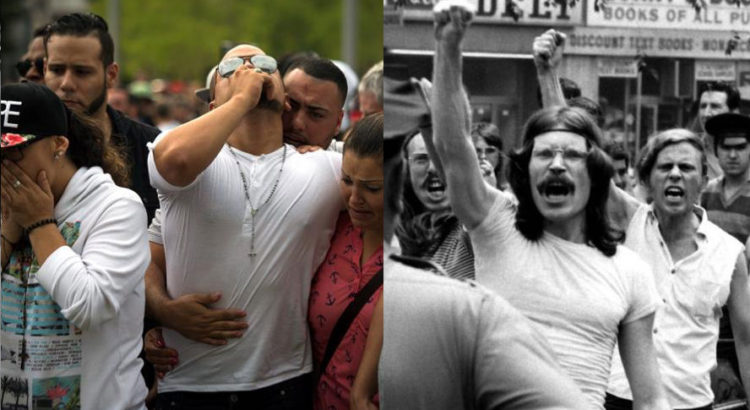
To understand the massacre at Pulse, the LGBT club in Orlando, we must first understand what clubs mean to the LGBT community. For those of us who do not find a home with our families due to homophobia and transphobia, those of us who cannot feel safe in the streets, the club is our home. A place to feel safe, to feel sexy, to feel free.

The club was the birth of our movement; the place where we stood up to the homophobic and transphobic cops who incarcerated and raped us. The Stonewall riots, which began at the Stonewall bar, led by queer and trans people of color, marked the birth of the LGBT rights movement- a movement against police violence and against homophobia and transphobia.

For LGBT Latinxs, finding a home is even harder in a society that is racist, homophobic and transphobic. How can one feel at home when the countries our families come from are dominated by the Catholic church? A church which convinces our families that we are sick and that loving us means rejecting who we are and who we love. How can we feel at home at gay clubs with white people who treat us as exotic rarities? How can we feel at home in an American society which deports our brothers and sisters, in which a Presidential candidate calls us rapists and criminals? How can we feel at home when LGBT Black and Latino people face so much employment discrimination with high rates of joblessness and precarious, low wage employment? Pulse was having a Latino night- a night that brought Latino queers out for a time to celebrate, to feel at home, to dance to the rhythms that we heard in our homes growing up in the company of other queers.

That night of celebration was cut short in the most horrifying way; there are no words for the horror of the massacre in that club. There are no words for the attack on every LGBT person that day.

The shooter’s name was Omar Mateen, a New York-born 29-year old person of Afghan descent who worked as a security guard for the company G4S since 2007. According to FBI officers, Mateen called 911 and claimed allegiance to ISIS. Omar Mateen, who was openly homophobic and had a history of domestic violence, chose Pulse, a Gay Night Club to perpetuate the hate crime. There he shot to death 50 people, severely wounding 53 more. These are facts that point to a clear anti-LGBT motive behind the attack.

The media has struggled to paint this as a terrorist act against American citizens, which will lead to policies and politics like those in the aftermath of 9-11. Trump has used this incident to reiterate his unacceptable Islamophobic policy of banning Muslim people from entering the United States. Aside from stirring up fear and racism in Americans, this proposal serves no purpose in curbing mass shootings, which are nearly always perpetrated by white men and not foreign born “terrorists.” The shooter was born and raised in the United States, a product of the United States’ own virulent militarism, patriarchy and homophobia.

When a Muslim person does perpetrate an act of violence on US soil, the overwhelming majority of Muslims become the victims of violence – verbal attacks at best and physical violence at worst. From individual racists who beat up people who look like they might be Muslim to FBI investigations of Muslims, Islamophobia kills. This horrible act of hatred cannot become an excuse to further oppress Muslim and middle eastern people. It cannot be an excuse for further surveillance and detainment of Muslims, as we saw in the aftermath of 9-11.

We can and we should respond with rage against this horrible act of violence. But that rage cannot be directed at another group that is oppressed by the same government and the same right wing oppressors of LGBT people. We must transform the rage into organization and fight against homophobia, transphobia, racism and the institutions that perpetuate these.

We must fight against the lawmakers who voted against trans people using the restroom because of “public safety” concerns. We can have hate and we can have rage at this policy and the lawmakers who voted for it. We must hate those religious leaders who use their pulpit to preach bigotry, convincing followers that we are unnatural, that we are sick and going to hell. We must hate Trump and his racist rhetoric. We must hate the two-faced hypocrisy of the Democrats who deport our families and our friends, who bomb and murder abroad.

We should also hate all those who stand in the way of refugees entering the country- often Muslim refugees fleeing violence created by ISIS. ISIS – a product of the brutal and unrelenting devastation unleashed by imperialism against the Middle East. We should hate those who leave refugees to drown in the ocean or rot in camps while waiting to find a home. These refugees are denied entry into the US by the same people who wish to deny LGBT people the right to marry, or even to pee in public bathrooms. The same people who deny entry to Latino immigrants.

Our lives matter only in this moment- to fulfill a right wing political agenda to demonize Muslims. Queer lives don’t matter when we are deported or killed by the police. Our lives do not matter when LGBT people make up 40% of homeless youth youth due to the homophobia that pushes us out of our homes.

Obama has called this a terrorist act against American citizens. It’s a cruel joke that when it is politically expedient, Latinos suddenly become political citizens. To the police, to the government, to random racists we will never be Americans, regardless of our citizenship status. Obama is careful not to say that Latinos are in the US for our jobs, lest the anger the Latino voting bloc who sees the Democrats as the “lesser evil.” Yet he has deported more immigrants than any other president in history- deporting many undocumented immigrants seeking refuge from violence in their home countries-violence that is the product of an imperialist foreign policy endorsed and implemented by Democrats and Republicans alike.

The hypocrisy of Obama’s speeches on violence is clear when we examine his foreign policy and the overwhelming number of civilian casualties caused by the drone war. The Republicans and Democrats are united behind this foreign policy of mass killings in the Middle East. They stand on their moral pulpit from atop a mass grave dug by decades of imperialist devastation- from the drones of today to the sanctions of the 90’s, to the proxy wars and coups of the Cold War.

While Obama speaks out in favor of LGBT people on US soil, he hands out millions of dollars in aid to countries such as Saudi Arabia where the punishment for being LGBT is death.

At home, LGBT people have limited recognition and protection if they are citizens. Abroad, their dreams, their bodies, their lives are sacrificed on the mangled alter of US strategic interests.

Even in the US, the state maintains homophobic policies like the FDA policy ban on men who have sex with men from donating blood. There are 53 LGBT people in the hospital in need of blood while LGBT men are banned from donating due to this explicitly homophobic policy. In a wrenching moment of brutal violence against LGBT people, the state which claims to protect us bans even such a basic act of solidarity as giving blood.

2015 was the deadliest year for trans women in the US, and 2016 began with several killings of trans women in one month- overwhelmingly Black trans women. Yet there were no actions taken to address or curb this wave of violence. LGBT people are dying, and our deaths are not reported in the news; they are not mourned or even noticed by politicians. To the government, the lives of LGBT people, especially LGBT people of color, have never mattered.

In the face of this tragedy, some will call for prayers. Some will call for love. Some will call for peace. I call for us to organize with the spirit of Stonewall- demanding that not one more of us be killed and recognizing that our problems are not individual, but rather perpetuated by the US government- Republicans and Democrats. I will call for us to organize using our rage to destroy a system that does not care whether we live or die, whether we live free or in prison.


Originally published: http://www.leftvoice.org/After-Orlando-Two-Three-Many-Stonewalls


Comparte este contenido:
Page 340 of 396
1 338 339 340 341 342 396