Page 338 of 396
1 336 337 338 339 340 396

EEUU: University of Texas Professors Sue to Block Guns in Classrooms

América del Norte/EEUU/Julio 2016/Autor: Jon Herskovitz / Fuente: Reuters

Resumen:  Tres profesores de la Universidad de Texas han presentado una demanda, en un tribunal federal, en un intento por detener una ley estatal, que permite a las personas con licencias para portar armas, llevar pistolas en las aulas, diciendo que la medida tendría un efecto inhibitorio sobre la libertad académica.

Three University of Texas professors have filed suit in federal court in a bid to halt a state law that lets people with concealed handgun licenses bring pistols into classrooms, saying the measure would have a chilling effect on academic freedom.

The law, passed by a Republican-led legislature and signed by a Republican governor, is due to take effect on Aug. 1. The lawsuit was filed in U.S. district court in Austin on Wednesday.

The law permits concealed-handgun license holders 21 and older to bring handguns into classrooms and buildings throughout the University of Texas system, one of the nation’s largest, with an enrollment of more than 214,000 students.

«Compelling professors at a public university to allow, without any limitation or restriction, students to carry concealed guns in their classrooms chills their First Amendment rights to academic freedom,» the lawsuit stated.

The lawsuit filed by professors Jennifer Lynn Glass, Lisa Moore and Mia Carter names defendants including the state’s Republican attorney general, the school’s president and the university’s board of regents.

Attorney General Ken Paxton said the law is constitutionally sound and he will defend it.

«This lawsuit is not only baseless, it is an insult to the millions of law-abiding gun owners in Texas and across this country,» Paxton said in a statement.

The professors argue that they discus controversial and emotionally laden subjects such as reproductive rights, and it would be inevitable for them to alter their classroom presentations because of potential gun violence.

There has been heightened concern about gun violence on U.S. college campuses after several mass shootings in recent years.

University President Greg Fenves in February approved plans for holders of concealed handguns to bring pistols into classrooms, saying he had been forced to do so by the new law.

University officials said they were reviewing the lawsuit and typically do not comment on pending litigation.

Texas Governor Greg Abbott has said the law could prevent mass shootings because someone with a licensed concealed weapon could confront a gunman.

The so-called campus-carry law allows private colleges to opt out, and most of the state’s best-known private universities have done so, saying the measure runs counter to protecting student safety.

Eight states allow people to carry concealed weapons on public post-secondary campuses, according to the National Conference of State Legislatures.

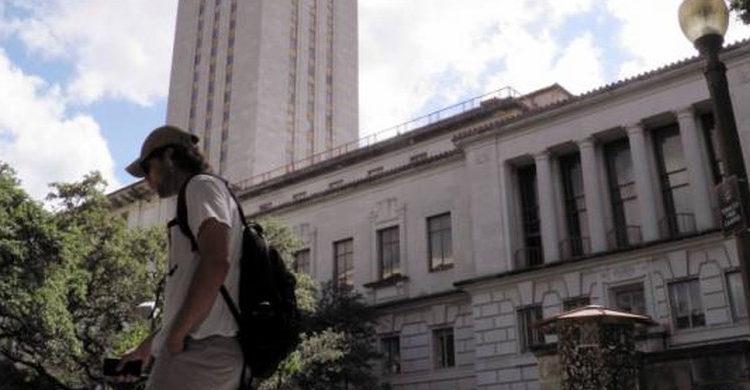
The Texas law takes effect on the 50th anniversary of one of the deadliest U.S. gun incidents on a U.S. college campus. Student Charles Whitman killed 16 people by firing from a perch atop the clock tower at the University of Texas at Austin in 1966.

Fuente de la noticia: http://readersupportednews.org/news-section2/318-66/37881-university-of-texas-professors-sue-to-block-guns-in-classrooms

Fuente de la imagen: http://readersupportednews.org/images/stories/article_imgs21/021750-texas-070716.jpg

Comparte este contenido:

EEUU: Clinton Embraces Sanders’ Plan for Tuition Free College

América del Norte/EEUU/Julio 2016/Autor: Harper Neidig / Fuente: The Hill

Resumen:  Hillary Clinton propuso el miércoles un plan para eliminar la matrícula universitaria para la mayoría de las familias, un tema empujado por Democrática presidencial principal rival Bernie Sanders.

Hillary Clinton on Wednesday proposed a plan to eliminate college tuition for most families, a topic pushed by Democratic presidential primary rival Bernie Sanders.

Under the plan, families making $125,000 or less will pay no tuition at public, in-state universities and colleges.

“The plan will be phased in over five years, but families earning $85,000 or less will immediately be able to attend an in-state college or university without paying any tuition,” reads an announcement on Clinton’s website.

The presumptive Democratic presidential nominee also unveiled a plan to use executive actions to offer a three-month moratorium on payments for those with federal student loans.

«American families are drowning in debt caused by ever-rising college costs, and it is imperative that the next president put forward a bold plan to make debt-free college available to all,» Clinton said in a statement. «My New College Compact will do just that — by making sure that working families can send a child or loved one to college tuition-free and by giving student debt-holders immediate relief.

“While [presumptive GOP presidential nominee] Donald Trump offers little more than broken promises to get rich quick, I remain committed to ensuring that a college degree is attainable for anyone in this country with the desire and determination to earn one.»

The new Clinton plan does not go as far as one proposed by Sanders, who has not yet endorsed her and is continuing to pressure the party to adopt some of his proposals.

The Vermont senator has made universal, tuition-free public college and university a major platform of his campaign. Clinton’s plan, according to the announcement, would relieve about 80 percent of students from the burden of tuition.

Shortly after the announcement, Sanders lauded Clinton for the proposal, saying the compromise «will have a profound impact on the future of our country.”

“I want to take this opportunity to applaud Secretary Clinton for the very bold initiative she has just brought forth today for the financing of higher education. This proposal combines some of the strongest ideas she fought for during the campaign with some of the principles that I fought for. The final product is a result of the work of both campaigns,» he said in a statement.

“Let me be very clear. This proposal, when implemented, will revolutionize the funding of higher education in America, improve the economic future of our country and make life immediately better for tens of millions of people stuck with high levels of student debt.»

Sanders refused to offer a timeline for endorsing Clinton during a meeting with House Democrats on Wednesday.

Even so, lawmakers viewed the coordination between the two campaigns Wednesday as a positive step toward party unity ahead of the convention later this month.

“Today is evidence that Sen. Sanders and Secretary Clinton are working together,” said Rep. Ben Ray Luján (D-N.M.), the chairman of the House Democrats’ campaign arm.

«He’s very committed to making sure that our message of doing something for the middle class is going to resonate,» said Rep. Jackie Speier (D-Calif.).

Fuente de la noticia: http://readersupportednews.org/news-section2/318-66/37864-clinton-embraces-sanders-plan-for-tuition-free-college

Fuente de la imagen: http://readersupportednews.org/images/stories/article_imgs21/021735-hillary-070616.jpg

Comparte este contenido:

Entrevista a Carl Lipscombe, responsable político y legal de BAJI. Leyes liberticidas y racistas en EE.UU., ¿congeladas o en marcha?

Estados Unidos/09 Julio 2016/Autor: Alex Anfruns/Fuente: Investig’action 

Inmigración Justa (en inglés BAJI) es una organización de defensa de la justicia racial y los derechos de los inmigrantes negros y los nacionales norteamericanos afroamericanos. BAJI fue creada en 2006 a raíz de las escandalosas propuestas legislativas estatales y nacionales sobre inmigración, con el fin de movilizar a los ciudadanos negros de Estados Unidos y obtener su apoyo al movimiento por los derechos de los inmigrantes. Desde entonces, BAJI ha evolucionado hasta convertirse en una organización con múltiples objetivos de defensa para la población afroamericana en EE.UU., en particular en los ámbitos de la criminalización masiva, la regulación de la inmigración y la desigualdad económica. Lean esta entrevista a Carl Lipscombe, responsable político y legal de BAJI, realizada por Alex Anfruns.

Con motivo del 20 aniversario de la ley de 1996 sobre la inmigración, ustedes han acaban de apelar a la movilización de la opinión en contra de esas leyes. ¿Cuál es el propósito de BAJI?

Nosotros hemos apelado al Congreso para que retire las leyes de 1996. Esas leyes están entre las más duras de los códigos legales estadounidenses. Los textos de Antiterrorismo y de Lucha por la condena no ejecutable de la Pena de Muerte de 1996 (Ley Antiterrorista y de Pena de Muerte Efectiva) amplían los motivos para la detención y expulsión de inmigrantes.

Son también las primeras leyes que permiten los procedimientos comúnmente utilizados en la actualidad de expulsión acelerada. Este texto ilegal de reforma de las leyes de inmigración y sobre los inmigrantes que firmaron pocos meses más tarde (IIRIRA : Illegal Immigration Reform and Immigrant Responsibility Act/IIRIRA: Reforma de Inmigración Ilegal y Responsabilidad del Inmigrante), ha introducido cambios drásticos que permiten expulsiones sobre bases retroactivas. Además, el tipo de delito que podría justificar la expulsión se extiende ahora a los delitos menores como posesión de drogas. No se tiene más en cuenta la confidencialidad de las investigaciones e introduce una nueva serie de motivos en los procedimientos de detención preventiva.


¿Cómo afecta eso a la comunidad negra y a las personas sin papeles?

Más de un no-ciudadano (sin-papeles) de cada cinco, enfrentado a una medida de expulsión sobre bases criminales ante la Oficina Ejecutiva de revisión de la inmigración, es negro. Los inmigrantes negros están más expuestos a los procesos de deportación que la población inmigrante en general.

Mientras que los inmigrantes negros representan sólo el 7,2% de la población que no es ciudadana de  Estados Unidos, representan el 20,3% de los inmigrantes que se enfrentan al riesgo de deportación por motivos criminales. Esto se ha de comparar con el 10% del conjunto de todos los inmigrantes que se enfrentan a medidas de expulsión por parte de esa Oficina Ejecutiva de Control de la Inmigración.

Los inmigrantes negros son más susceptibles de ser detenidos por motivos criminales que la población inmigrante en su conjunto. Mientras que los inmigrantes son 3,5 veces más propensos a una detención basada en la violación de las leyes de inmigración que por motivos penales, esta proporción se invierte cuando los inmigrantes son negros.

Los inmigrantes negros están dos veces más expuestos a la detención sobre bases penales. Los inmigrantes negros también están más expuestos que los nacionales de cualquier origen a ser deportados por motivos criminales.


¿Podría exponernos  cuáles son los efectos perversos de la retroactividad inducidos por estas leyes?

Implica que una persona que haya cometido un crimen hace años, tal vez décadas antes de que esas leyes fueran aprobadas en 1996, puede ser expulsado en base a ese delito. Aún más, a pesar de que hubiera cumplido la pena de prisión por la falta en cuestión, asimismo puede ser arrestado y deportado.

¿Cuál es la imagen de los inmigrantes negros que transmiten los medios de Estados Unidos?

En EE.UU., los medios de comunicación son una entidad basada en los beneficios. En lo que concierne a nuestra comunidad de inmigrantes negros, no aparece como tal en los medios de comunicación. Estos medios se centran más bien en los países de América Latina, y la inmigración se plantea en el contexto de los latinos de México, de forma que la cara de la inmigración en EE.UU. no es casi nunca la del inmigrante negro.

La lucha de los inmigrantes negros para su reconocimiento por parte de los medios de comunicación apenas está comenzando. Consiste en hacer admitir que en Estados Unidos existen inmigrantes procedentes de países de amplia mayoría negra. Mientras estos inmigrantes negros estén ausentes de los medios de comunicación, también estaremos al margen de la toma de conciencia global del problema. Por lo tanto, los problemas con los inmigrantes negros tienen pocas posibilidades de ser abordados incluso por organizaciones de defensa de los derechos de los inmigrantes, en el seno de las cuales los inmigrantes negros luchan por ser reconocidos.

Nosotros, en BAJI, queremos acercar a algunos de nuestros colaboradores a abordar los problemas específicos de los inmigrantes negros. Porque aunque compartimos lo esencial de esos problemas con los otros inmigrantes, también tenemos problemas más específicos: como la criminalización masiva y sistemática, o el nivel anormalmente elevado de expulsiones a que nos enfrentamos sólo porque somos inmigrantes y negros. Esta es una de las razones por las que BAJI insiste en este punto sobre la información y la educación del gran público, así como el trabajo de comunicación en las redes sociales. Por eso estamos luchando, por el reconocimiento de nuestras comunidades.


¿Qué opina del sistema de prisiones de Estados Unidos y en particular del fenómeno de hacinamiento?

BAJI cree en la abolición de toda forma de encarcelamiento, incluyendo el régimen de aislamiento en celda, la prisión, los centros de detención…

Creemos que las cantidades gastadas en encarcelamientos deben ser gastadas en programas de rehabilitación, consultoría, acompañamiento, formación, educación y vivienda. Eso reforzaría mucho más la seguridad pública.


Traducido del francés por Carles Acózar para Investig’Action

 Fuente: http://www.investigaction.net/es/leyes-liberticidas-y-racistas-en-los-ee-uu-congeladas-o-en-curso/#sthash.zNpVfgRP.m04taDNg.dpuf

Comparte este contenido:

EE.UU.: Sexually Active Teens

Resumen: Alrededor de un tercio de los estudiantes de secundaria indican que son sexualmente activos. Este porcentaje global no ha cambiado mucho desde 1991. Una excepción es un descenso significativo entre los estudiantes negros, donde la proporción que son sexualmente activas se redujo de 59 por ciento en 1991 a 42 por ciento en 2013. Adolescentes definidos como los que han tenido relaciones sexuales en los últimos tres meses, están en riesgo inmediato de embarazos no deseados e infecciones de transmisión sexual (ITS). Los adolescentes que se dedican a ciertos comportamientos sexuales, por ejemplo, los adolescentes que no usan anticonceptivos, uso de anticonceptivos de manera inconsistente, o tener múltiples parejas sexuales, tienen un riesgo aún mayor. A pesar de causa y efecto son difíciles de separar, los jóvenes sexualmente activos también son más propensos que los jóvenes que no son sexualmente activas reportar problemas con el abuso de sustancias y la depresión, así como tener menores niveles de logro educativo. La investigación ha identificado varios factores asociados con el retraso del inicio de la actividad sexual entre los adolescentes. Los adolescentes que crecen en familias estables con más recursos, que se comunican con sus padres sobre el sexo, que expresan más la religiosidad, y que están más conectados con sus escuelas son más propensos a retrasar las relaciones sexuales, mientras que aquellos que se involucran en actividades delictivas, o que tienen grados más altos de comportamientos (acting out), tienen un mayor riesgo de la actividad sexual temprana.

Noticia Original:

About one-third of high school students report they are sexually active. This overall percentage has not changed greatly since 1991.   An exception is a significant decrease among black students, where the proportion who are sexually active declined from 59 percent in 1991 to 42 percent in 2013.

IMPORTANCE

Sexually active teenagers—defined as those who have had sexual intercourse in the past three months—are at immediate risk of unintended pregnancy and sexually transmitted infections (STIs). Teens who engage in certain sexual behaviors—for example, teens who don’t use contraceptives, use contraceptives inconsistently, or have multiple sex partners—have an even higher risk. Though cause and effect are difficult to disentangle, sexually active youth are also more likely than youth who are not sexually active to report problems with substance abuse and depression, as well as have lower levels of educational attainment.

Research has identified several factors associated with delaying the onset of sexual activity among teens. Teens who grow up in stable families with more resources, who communicate with their parents about sex, who express more religiosity, and who are more connected to their schools are more likely to delay sexual intercourse, whereas those who engage in delinquent activities, or who have higher levels of externalizing behaviors (acting out), have an increased risk of early sexual activity.

TRENDS

23_Fig1The share of high school students who are sexually active has fluctuated since 1991, ranging from 33 to 38 percent. In 2013, 34 percent of high school students reported being sexually active. Among black students, however, the proportion who reported they were sexually active decreased from 59 percent in 1991 to 41 percent in 2011, before increasing slightly to 42 percent in 2013. (Figure 1)


DIFFERENCES BY GENDER

23_Fig2Roughly a third of both male and female high school students reported being sexually active in 2013 (33 and 35 percent, respectively). In 2013, black male students were slightly more likely than black female students to report being sexually active (47 and 38 percent, respectively). There was no statistically significant difference in the prevalence of sexual activity between white or Hispanic males and their female peers. (Figure 2)


DIFFERENCES BY RACE AND HISPANIC ORIGIN

Black high school students are more likely than white students to report being sexually active (42 percent compared with 33 percent, in 2013). Hispanic students were not significantly different from either white or black students in 2013. This gap between black student and those of other races and ethnicities has decreased since 1991, when blacks were nearly twice as likely as students in the other two groups to report being sexual active. (Figure 1)

The racial/ethnic gap is wider among males. Black males were the most likely to report being sexually active (47 percent), followed by Hispanic males (35 percent). White male students were the least likely to report being sexually active (30 percent). There were no significant differences by race among female students. (figure 2)

DIFFERENCES BY GRADE

23_Fig3The likelihood of being sexually active increases with age, by eight to twelve percentage points each year. In 2013, 20 percent of ninth-grade students reported they were sexually active, compared with 49 percent of twelfth-graders. The difference was slightly greater among female students. (Figure 3)


Tomado de: http://www.childtrends.org/?indicators=sexually-active-teens

Documento en PDF: http://www.childtrends.org/wp-content/uploads/2012/07/23_Sexually_Active_Teens.pdf

Comparte este contenido:

Estados Unidos: Report: Increases in Spending on Corrections Far Outpace Education

América del Norte/Estados Unidos/Julio de 2016/Prensa Oficial Departamento de Educación Estados Unidos

RESUMEN: Publicado hoy, el informe, Tendencias en el Estado y los gastos locales sobre las correcciones y Educación, presenta una imagen especialmente acusada del gasto en educación superior en todo el país en un momento en que la educación superior es más importante que nunca. Desde 1990, el estado y el gasto local en la educación superior ha sido en gran parte plana, mientras que el gasto en correcciones se ha incrementado un 89 por ciento. «Los presupuestos reflejan nuestros valores, y las tendencias reveladas en este análisis son un reflejo de las prioridades de nuestra nación que debe ser revisado», dijo el secretario de Educación, John B. King Jr. EE.UU. «Durante demasiado tiempo, los sistemas de este país han seguido perpetuar la desigualdad. Debemos optar por hacer más inversiones en el futuro de nuestros hijos. Tenemos que invertir más en la prevención que en el castigo, a invertir más en escuelas, no cárceles «.
State and local spending on prisons and jails has increased at triple the rate of funding for public education for preschool through grade P-12 education in the last three decades, a new analysis by the U.S. Department of Education found.
Released today, the report, Trends in State and Local Expenditures on Corrections and Education, notes that even when population changes are factored in, 23 states increased per capita spending on corrections at more than double the rate of increases in per-pupil P-12 spending. Seven states—Idaho, Michigan, Montana, North Dakota, South Carolina, South Dakota, and West Virginia—increased their corrections budgets more than five times as fast as they did their allocations for P-12 public education. The report also paints a particularly stark picture of higher education spending across the country at a time when postsecondary education matters more than ever. Since 1990, state and local spending on higher education has been largely flat while spending on corrections has increased 89 percent.
“Budgets reflect our values, and the trends revealed in this analysis are a reflection of our nation’s priorities that should be revisited,” said U.S. Secretary of Education John B. King Jr. “For far too long, systems in this country have continued to perpetuate inequity. We must choose to make more investments in our children’s future. We need to invest more in prevention than in punishment, to invest more in schools, not prisons.”
The report sheds light on the connection between educational attainment and incarceration. The United States has only 5 percent of the world’s population yet more than 20 percent of the world’s incarcerated population. According to the Bureau of Justice Statistics, two-thirds of state prison inmates have not completed high school. One study also shows young black men between the ages of 20 and 24 who do not have a high school diploma or an equivalent credential have a greater chance of being incarcerated than employed. Researchers have estimated that a 10 percent increase in high school graduation rates results in a 9 percent decline in criminal arrest rates.
“Mass incarceration does not make us safer. Yet for three decades, our country has prioritized spending on prisons instead of classrooms,” said Valerie Jarrett, senior advisor to President Obama. “We can no longer afford this failure to invest in opportunity, only to lock up people once they’ve dropped out of school and turned to crime. These misguided priorities make us less safe and betray our values, and it is time we came together as a country to invest in our people and their capacity to contribute to society.”
The report comes after former U.S. Education Secretary Arne Duncan last September called on states and communities to invest in teachers rather than prisons by finding alternative paths for non-violent offenders outside of incarceration. The $15 billion that could be saved by finding alternate paths to incarceration for just half of non-violent offenders is enough to give a 50 percent raise to every teacher and principal working in the highest-need schools and communities across the country.
Key findings from the report include:
• Over the past three decades, between 1979–80 and 2012–13, state and local expenditures for P–12 education doubled from $258 to $534 billion, while total state and local expenditures for corrections quadrupled from $17 to $71 billion.
• All states had lower expenditure growth rates for P-12 education than for corrections, and in the majority of the states, the rate of increase for corrections spending was more than 100 percentage points higher than the growth rate for education spending.
• Even when adjusted for population changes, growth in corrections expenditures outpaced P-12 expenditures in all but two states (New Hampshire and Massachusetts).
• Over the roughly two decades, between 1989–1990 and 2012–2013, state and local appropriations for public colleges and universities remained flat, while funding for corrections increased by nearly 90 percent.
• On average, state and local higher education funding per full-time equivalent student fell by 28 percent, while per capita spending on corrections increased by 44 percent.
To read the full report released today, click here.
The United States spends more than $80 billion annually on corrections. The Department’s new report suggests that a better path forward would be increasing investments in education—from early childhood through college—which could improve skills, opportunities, and career outcomes for at-risk children and youth, particularly if the additional funds are focused on high-poverty schools. Investing more in increasing school success for disadvantaged children and youth could reduce disciplinary issues and reverse the school-to-prison pipeline. In addition, educational programs for incarcerated youth and adults could reduce recidivism and crime by developing skills and providing opportunities.
The Obama Administration continues to shine a light on reducing recidivism and promoting reentry for formerly incarcerated individuals. Recently, the Department announced that nearly 12,000 incarcerated students will enroll in the new Second Chance Pell pilot program, which allows students incarcerated in federal and state penal institutes to access pell grants for postsecondary education and training programs. The Department, in partnership with the U.S. Department of Justice’s Office of Juvenile Justice and Delinquency Prevention, created a $5.7 million grant program aimed at improving outcomes for students who have been involved in the criminal justice system by providing career and technical education, and released a toolkit providing guidance to educators and others to support a successful reentry system for formerly incarcerated youth and adults. The Education Department also recently called on colleges and universities to remove barriers that can prevent the estimated 70 million citizens with criminal records from pursuing higher education, including considering the chilling effect of inquiring early in the application process whether prospective students have ever been arrested.
A recent report from the Council of Economic Advisors titled “Economic Perspectives on Incarceration and the Criminal Justice System” shines further light on issues of incarceration and the criminal justice system. Additionally, the Administration has taken action to disrupt the school-to-prison pipeline through efforts like the President’s My Brother’s Keeper Initiative, which brings together partners from the federal government and almost every sector to improve opportunity for all young people, including young men and boys of color.
Fuente: https://www.ed.gov/news/press-releases/report-increases-spending-corrections-far-outpace-education

Comparte este contenido:

EE.UU.: Immigrant Heritage Month: In Their Own Words

Ministerio de Educación de Estados Unidos/08 de julio de 2016

Resumen: La diversidad de todo tipo – raza, etnia, origen nacional y la situación económica, la estructura familiar y de identidad de género, orientación sexual y estado de discapacidad, religión o idioma nativo – beneficia a todos los estudiantes. La diversidad no es una sutileza, sino una necesidad. En honor al Mes de la Herencia Inmigrante, estas instituciones puedan compartir sus historias personales en sus propias palabras:

Celebrando Nustra Diversidad Patrimonio y Estudiantes

Mi nombre es Alfonso Treto y yo soy un maestro de escuela mexicana-americano y pública de primera generación. Venir a los Estados Unidos, mis padres tenían que luchar por el sueño americano. Mi madre hizo hincapié en la importancia de una educación. Me criaron con la idea de que una educación adecuada crearía muchas oportunidades para mí.

Alfonso Treto

Puedo decir que la enseñanza es una profesión que me eligió. Como ayudante de un profesor, fui testigo de los estudiantes están siendo tratados de manera diferente lo que me motivó a convertirse en un maestro y dar una oportunidad a todos los estudiantes independientemente de su origen. Muchos de los estudiantes me ven como un modelo a seguir debido a las similitudes de crianza.

Trabajando para el Programa de Educación Migrante M-DCPS Título I que he tenido el privilegio de servir a las familias de orígenes muy diversos. Recientemente ha habido una afluencia de los menores no acompañados que han hecho un peligroso viaje por sí mismos, así como escapar de la violencia y buscan protección en busca de una vida mejor. Algunos estudiantes tienen miedo de lo que está pasando políticamente sin embargo han aprendido a respetar y celebrar sus diferencias. Todos los estudiantes saben que con determinación ( ganas) que pueden superar cualquier obstáculo.

Alfonso Treto enseña a los estudiantes de la escuela secundaria en el  programa de educación migrante Título I en  Miami-Dade en  Miami, Florida. 
Sólo deseo vivo para exhalar, si no respirar en libertad

Reclutado en dos ocasiones por los organismos con sede en Filipinas para cubrir la escasez de mano de obra profesor, primero en Texas y más tarde en Maryland, Rogie ha enseñado en las escuelas estadounidenses para un total combinado de 20 años. Su primer intento de la inmigración resultó ser un esquema de tráfico de seres humanos por la agencia que primero lo reclutó.

Rogie Legaspi

A la espera de exhalar del proceso de inmigración prolongada, que aprovechó su terrible experiencia en su trabajo con un consejo de múltiples partes interesadas para co-autor de «El Código de la Ética contratación internacional y contratación de maestros», un documento que guía las mejores prácticas para la contratación y el empleo de los profesores inmigrantes. Todos los días, que anima a sus estudiantes a prometer lealtad a la bandera de Estados Unidos, aun cuando no es capaz de hacer lo mismo que un trabajador temporal. Sus estudiantes (y sus hijos nacidos en Estados Unidos) pregunta: «¿Por qué haces comprometámonos pero no lo hace usted mismo?» Después de tantos años de enseñanza consumado, mientras que luchan sin descanso como un defensor de inmigrantes maestro, espera que algún día todos los maestros de inmigrantes que eligen pueden ser capaces de unirse con orgullo a sus estudiantes en la prenda también. Entonces, tal vez, todos ellos podrían atreverse a parar justo anhelo de exhalar, pero respirar verdaderamente libres.

Rogie Legaspi enseña  7º grado en Ciencias de la Vida  / Escuela Media Hamilton Primaria en el Sistema de Escuelas Públicas de Baltimore en  Baltimore, Maryland.

Decidido a hacer una diferencia en las vidas de mis estudiantes

Remigio Willman

Las experiencias de vida moldea a los individuos, y debido a experiencias que he perseverado a través de mi viaje desde México a los Estados Unidos, sé que todo el mundo tiene el potencial para tener éxito en bruto. Después de varios años de trabajar en varias escuelas públicas, que sirve de necesidad inmediata, las poblaciones en riesgo, incluyendo estudiantes migrantes y estudiantes diversos, siento una urgencia y el compromiso para hacer frente a las necesidades de mis estudiantes y sus familias. Yo trabajo continuamente para fortalecer mis habilidades para hacer frente a estos obstáculos. También trabajo en el fortalecimiento de estas habilidades en otros maestros. Crear oportunidades equitativas de educación para todos los niños en nuestra sociedad, es un imperativo moral para la cohesión social y una democracia fuerte. Como maestro que emigró a este país me siento una responsabilidad extremadamente importante para servir como un ejemplo para mis alumnos de lo que es posible cuando usted está decidido y trabaja duro. En los Estados Unidos si se trabaja duro, junto con su comunidad para crear oportunidades para todos, a salir adelante y no hace ninguna diferencia donde vienes. Nosotros, los inmigrantes que hicieron de este país nuestro hogar sentimos orgullosos de decir que esto sólo puede ocurrir en Estados Unidos.

Remigio Willman es una  maestra de 3er grado en la  Escuela Primaria Askew en el  Distrito Escolar Independiente de Houston en  Houston, Texas.

Aprender a vivir sin miedo

Nací en Guanajuato, México. Tenía nueve años cuando mi padre falleció y mi familia tuvo que emigrar a los Estados Unidos. Me perdí a mi abuela, echaba de menos mi lengua, mi cultura. Mi madre nos consuele diciendo que volvería a México dentro de unos meses.Sin embargo, pronto entré en el cuarto grado.

María Domínguez

En la escuela media, recuerdo haber visto a mi madre trabajar en dos empleos, volver a casa a altas horas de la noche y que lucha para criar a cuatro hijos sola. Yo sabía que un día me quería pagar su sacrificio y todo lo que ella estaba haciendo para nosotros. Mi sueño era convertirse en un profesional; Yo sabía que quería ser maestra y ayudar a otros con las mismas dificultades. El 15 de junio de 2012, que se convirtió de nuevo la esperanza de que el presidente Barack Obama anunció su orden ejecutiva que me permitió empezar a trabajar en mi escuela sueño. Como DACAmented 1 stmaestro bilingüe de grado servir a mi comunidad. Me preocupo por mis estudiantes y la comunidad, no estoy renunciando, esto es sólo un revés.

María Domínguez es un  1 st  maestro de grado en  la Escuela Primaria Rodríguez en el  distrito de Austin en Austin, Texas.


Original News:

Diversity of all types – race, ethnicity, national origin and economic status, family structure and gender identity, sexual orientation and disability status, religion or native language – benefits all students. Diversity is not a nicety but a necessity.

In honor of Immigrant Heritage Month, these educators share their personal stories in their own words:

Celebrating Our Heritage & Student Diversity

My name is Alfonso Treto and I am a first generation Mexican-American and public school teacher. Coming to the United States, my parents had to struggle for the American dream. My mother emphasized the importance of an education. I was raised with the idea that a proper education would create many opportunities for me.

Alfonso Treto

Alfonso Treto

I can say that teaching is a profession that chose me. As a teacher’s assistant, I witnessed students being treated differently which motivated me to become a teacher and provide an opportunity to all students regardless of their background. Many of the students see me as a role model because of the similarities of upbringing.

Working for M-DCPS Title I Migrant Education Program I have had the privilege of serving families from very diverse backgrounds. Recently there has been an influx of unaccompanied minors who have made a treacherous journey by themselves as well as escaping violence and seeking protection in search of a better life. Some students are fearful of what is going on politically however they have learned to respect and celebrate their differences. All students know that with determination (ganas) they can overcome any obstacle.

Alfonso Treto teaches high school students in the Title I Migrant Education Program in Miami-Dade County Public Schools in Miami, Florida. 


Just Yearning to Exhale, If Not to Breathe Free

Recruited on two occasions by Philippine-based agencies to fill teacher labor shortages, first in Texas and later in Maryland, Rogie has now taught in American schools for a combined total of 20 years.

His initial immigration attempt turned out to be a human trafficking scheme by the agency that first recruited him.

Rogie Legaspi

Rogie Legaspi

While waiting to exhale from the protracted immigration process, he leveraged his awful experience in his work with a multi-stakeholder council to co-author “The Code for the Ethical International Recruitment and Employment of Teachers,” a document that guides best practices for the recruitment and employment of immigrant teachers.

Every day, he encourages his students to pledge allegiance to the American flag, even while he is unable to do the same as a temporary worker. His students (and his American-born children) ask, “Why do you make us pledge but you don’t do it yourself?”

After so many years of accomplished teaching, while struggling tirelessly as an immigrant teacher advocate, he hopes that someday all immigrant teachers who choose to may be able to proudly join their students in the pledge as well. Then perhaps, they could all dare to stop just yearning to exhale, but breathe free indeed.

Rogie Legaspi teaches 7th grade Life Science at Hamilton Elementary/Middle School in the Baltimore Public School System in Baltimore, Maryland.

Determined to Make a Difference in the Lives of My Students

Remigio Willman

Remigio Willman

Life experiences molds individuals, and because of experiences I have persevered through in my journey from Mexico to the United States, I know that everyone has the raw potential to succeed. After multiple years of working in various public schools, serving at-need, at-risk student populations, including migrant and diverse students, I feel an urgency and commitment to address the needs of my students and their families. I work continually to strengthen my skills to address these obstacles. I also work on strengthening these skills in other teachers. Creating educational equitable opportunities for every child in our society it is a moral imperative for social cohesion and a strong democracy.

As a teacher that immigrated to this country I feel an extremely important responsibility to serve as an example for my students of what is possible when you are determined and work hard. In America if you work hard along with your community to create opportunities for all, you get ahead and it makes no difference where are you coming from. We, the immigrants that made this country our home feel proud to say that this can only happen in America.

Remigio Willman is a 3rd grade teacher at Askew Elementary School in the Houston Independent School District in Houston, Texas.

Learning to Live without Fear

I was born in Guanajuato, Mexico. I was nine years old when my father passed away and my family had to migrate to the United States. I missed my grandma, I missed my language, my culture. My mother would comfort us by saying we would go back to Mexico in a few months. However, I soon entered fourth grade.

Maria Dominguez

Maria Dominguez

In middle school, I remember seeing my mother work two jobs, coming home late at night and struggling to raise four children on her own. I knew one day I wanted to repay her sacrifice and everything she was doing for us. My dream was to become a professional; I knew I wanted to be a teacher and help others with the same struggles.

On June 15, 2012, I again became hopeful when President Barack Obama announced his executive order that allowed me to begin working at my dream school. As a DACAmented 1st grade bilingual teacher serving my community I’m heartbroken that the Supreme Court failed me, my students, and over 720,000 other DACAmented individuals that are proving President Obamas’s executive action work. I worry for my students and community, I’m not giving up, this is just a set-back.

Maria Dominguez is a 1st grade teacher at Rodriguez Elementary School in the Austin Independent School District in Austin, Texas.

Imagen: https://www.google.com/search?q=Immigrant+Heritage+Month:+In+Their+Own+Words&espv=2&biw=1366&bih=623&source=lnms&tbm=isch&sa=X&ved=0ahUKEwiWotrNpuLNAhXHKh4KHe0vBrkQ_AUIBigB#tbm=isch&q=immigrant+heritage+month+2016&imgrc=q1l1zkFMQO7eNM%3A

Tomado de:

http://blog.ed.gov/2016/06/immigrant-heritage-month-in-their-own-words/
Comparte este contenido:

4 francotiradores dejan 5 policías muertos y varios heridos durante protestas en EE.UU.

RT/Publicado: 8 jul 2016  8 jul 2016 

El hecho tuvo lugar en Dallas durante las manifestaciones para pedir justicia para los dos afroamericanos que esta semana fueron violentamente asesinados a manos de agentes de policía.

Cinco policías han muerto y otros seis han resultado «gravemente heridos» en un tiroteo registrado la noche de este jueves (hora local) en la ciudad de Dallas (Texas, EE.UU.) durante las manifestaciones para pedir justicia para los dos afroamericanos que esta semana fueron violentamente asesinados a manos de agentes de policía, informa en su cuenta oficial de twitter el Departamento de Policía de Dallas. Según ha informado el jefe de la Policía de Dallas, al menos 2 civiles y 12 policías fueron tiroteados por los francotiradores.

Un grupo de radicales que se hace llamar «Organización Política de Poder Negro» (BPPO, por las siglas en inglés) ha publicado en Facebook un anuncio alegando que habría más ataques en los próximos días.

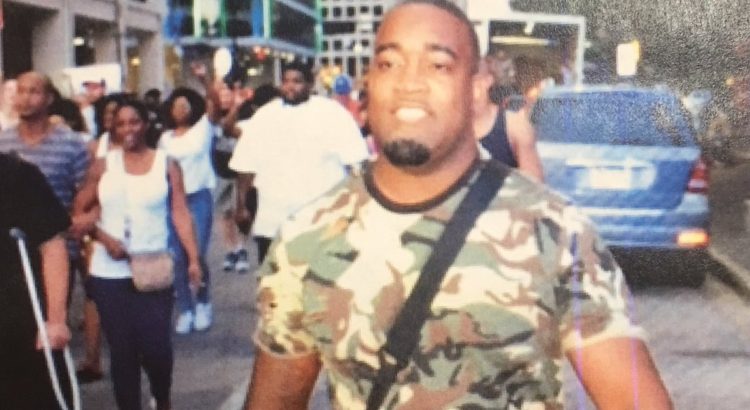
Según la información disponible, se prevé que fueron al menos cuatro francotiradores quienes abrieron fuego contra las fuerzas de seguridad. La Policía difundió a través de las redes sociales la fotografía de uno de los sospechosos, que posteriormente se ha entregado. Mientras que el segundo sospechoso ha sido reducido por las fuerzas de seguridad.

Los últimos reportes indican que, en total, detuvieron a tres sospechosos y el cuarto se disparó el mismo tras varias horas de enfrentamiento con la policía. El tiroteo masivo que ha vivido Dallas es el ataque a oficiales de servicio más letal desde el 11-S.

El jefe de la Policía de Dallas, David Brown, ha confirmado que uno de los sospechosos confesó que actuaba solo y no formaba parte de ningún grupo. Además, el tirador indicó que no quería matar a los policías negros, sino a los blancos, por lo que está muy apenado.

Según los últimos datos, la agencia federal de aviación (FAA) de Estados Unidos ha anunciado la restricción del espacio aéreo sobre la ciudad de  Dallas. «Ningún piloto puede operar un avión en el área», ha dicho la FAA. «Solo aviones de operaciones de ayuda bajo la dirección del Departamento de Policía de Dallas están autorizados en el espacio aéreo», ha agregado la agencia.

En diferentes ciudades del país fueron convocadas manifestaciones para rechazar los últimos casos de violencia policial. La noche de este miércoles, Philando Castile, un afroamericano de 32 años, falleció en Falcon Heights (Minnesota) abatido por los disparos efectuados por un agente de policía que le había dado el alto porque su vehículo tenía un faro trasero roto.

Mientras que este jueves, Alton Sterling, un hombre de 37 años que vendía CDs en la localidad de Baton Rouge, Luisiana, murió a manos de dos agentes que le dispararon cuando ya había sido reducido. Ambos incidentes fueron grabados por los testigos. Estos dos últimos asesinatos han agravado la herida racial del país y la desconfianza de las minorías hacia las fuerzas policiales.

Activistas de derechos humanos han llamado a manifestaciones en todo EE.UU. Se están preparando concentraciones de protesta desde Washington D.C. a Oakland, California.

https://actualidad.rt.com/ultima_hora/212541-eeuu-tiroteo-protestas-violencia-policial

Comparte este contenido:
Page 338 of 396
1 336 337 338 339 340 396