Saltar al contenido principal
Page 45 of 397
1 43 44 45 46 47 397

Estados Unidos: Minnesota students, professors say college during pandemic was ‘not a lot of fun’

Minnesota students, professors say college during pandemic was ‘not a lot of fun’

Months of online classes and social distancing took a toll on many. But the various campus life restrictions that institutions put in place appear to have paid off.

By  Star Tribune

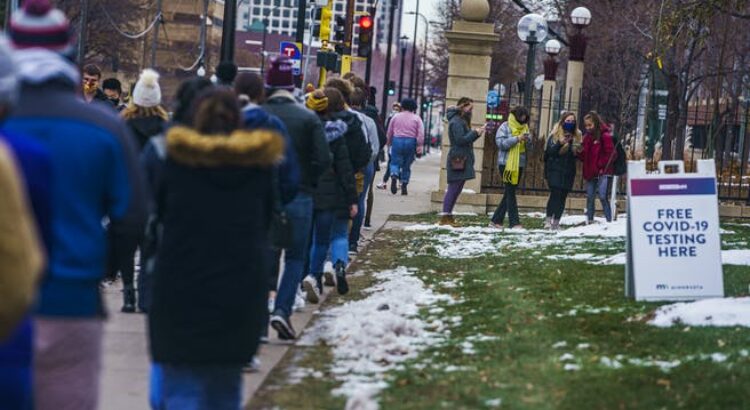
Students lined up for COVID-19 tests at the University of Minnesota before the Thanksgiving holiday.

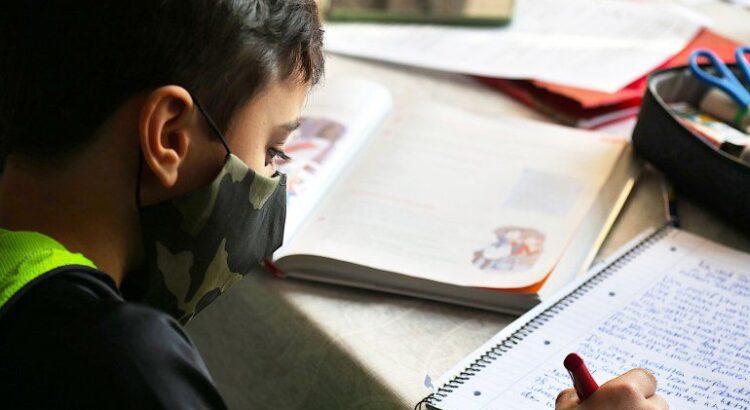
Minnesota colleges have closed the book on the strangest fall semester in recent memory, one in which students and professors alike spent much of their time perched behind a computer screen and isolated from their peers.

Months of online classes and social distancing took a toll on many students and faculty, who reported struggling with loneliness, stress and burnout. But the various campus life restrictions that institutions put in place appear to have paid off, as most Minnesota colleges managed to avoid large outbreaks of COVID-19. As they look toward the spring, college leaders say they will likely continue to operate under strict campus safety measures until vaccines become widely available.

«I think students have found that it’s not a lot of fun, and there’s a lot of fatigue for them,» said Minnesota State University, Mankato President Richard Davenport.

The traditional rituals of college life — from student group gatherings to homecoming and rush week for fraternities and sororities — were held virtually this fall. Students at many colleges spent little time in the classroom, as most courses were taught online or in a hybrid format.

About 1 in 3 community college students in Minnesota reported they were struggling or «in a bad place» this fall, according to a survey of more than 8,000 students conducted from Nov. 24 through Dec. 8 by LeadMN, the statewide community college student association. Two-thirds of students said they were concerned about their mental health, about 80% were afraid of catching COVID-19 and nearly 40% worried about affording food and housing.

Students also reported struggling with online learning. «I feel disinterested in learning because I am sick of watching everything on the computer screen. I used to be an A/B student but have now become a C student,» a student from Minnesota West Community and Technical College wrote.

Added North Hennepin Community College student and LeadMN President Priscilla Mayowa: «I don’t feel like I am getting an education. … You are practically teaching yourself.»

Other students said the semester went better than expected, though they admit to low expectations.

University of Minnesota freshman Robbie Wichterman was not able to connect with his classmates during online learning, but he did befriend students who lived in his dormitory, Middlebrook Hall. When the weather was warm, they got together in parks and ate at Dinkytown restaurants. Toward the end of the semester, they gathered in the dormitory’s common spaces and dining halls.

«I did meet some really awesome people. There was definitely ways to keep everyone safe,» he said.

U freshman Ethan Myos, who is studying computer science, said his online classes were easy to keep up with and his professors were responsive to students. Still, he said, learning in person «would have felt more like school.»

Distance learning has not been easy for professors, either. About 1 in 5 faculty members at the U reported high levels of burnout since the start of the pandemic, according to a research study surveying more than 1,000 faculty. Colleen Flaherty Manchester, a professor in the U’s Carlson School of Management who led the study, said she found professors often spent less time on their research because of increased teaching demands.

«I think there’s so much extra work that faculty are having to do to engage with their students,» Manchester said. «There could be not only immediate effects on how faculty are using their time, but longer-term effects on career success if research is what’s being pushed out the door.»

Professors and students should not expect college life to look much different when the spring semester begins in January.

State epidemiologist Cynthia Kenyon said the Health Department’s guidance for colleges will stay more or less the same, though officials may encourage schools to offer more testing now that the state’s capacity has increased.

«The guidance that we do have does seem to be working,» Kenyon said.

The U reported about 1,900 positive cases among students, staff and faculty at its Twin Cities campus between Aug. 1 and Dec. 12, according to state Health Department data. Some 52,000 students were enrolled at the Twin Cities campus this fall.

Minnesota State’s 37 colleges and universities cumulatively reported about 4,700 positive COVID-19 cases among students and employees through Dec. 16. The system serves more than 300,000 students.

U President Joan Gabel said there were no known cases of in-class transmission at the Twin Cities campus. Davenport, president of Minnesota State Mankato, noted just one student fell seriously ill with the virus and had to be airlifted to the Mayo Clinic in Rochester. Both Gabel and Davenport say they will finalize their colleges’ spring semester plans over winter break.

Other colleges have already announced their plans.

Carleton College in Northfield will begin its winter term Jan. 4, with the first two weeks of classes to be taught online. Students will be tested for COVID-19 upon arrival to campus and are expected to lay low until in-person classes resume. Carleton plans to double its testing of asymptomatic students, staff and faculty to 600 individuals per week. The school also will update its ventilation systems.

Students at Gustavus Adolphus College in St. Peter will return for a January term that will feature a mix of online, in-person and hybrid classes. The private college’s spring semester will start Feb. 1. Most spring courses will be taught online for the first two weeks. Classes will be taught online, in-person or hybrid for the remainder of the semester, as indicated by the instructor.

St. Cloud State University and the University of St. Thomas will also carry over their plans from the fall, holding spring classes in online, in-person and hybrid formats and maintaining masking and social distancing requirements.

Mike Dean, executive director of LeadMN, said colleges must work hard this spring to make sure students receive the academic and mental health support they need. Students who struggled this fall could be in an even worse position in the spring if schools don’t make efforts to support them, he said.

«Meeting students where they’re at is kind of a key part of this,» Dean said.

Fuente de la Información: https://www.startribune.com/minnesota-students-professors-say-college-during-pandemic-was-not-a-lot-of-fun/573484212/



Comparte este contenido:

GOP group claims its carbon tax is better for the economy than climate mandates

GOP group claims its carbon tax is better for the economy than climate mandates

A Republican-backed group pushing for Congress to pass a carbon tax is out with a new study Friday showing it would achieve the same level of emissions reductions as a regulatory approach while producing better economic outcomes.

The group, the Climate Leadership Council, is seeking to shore up support for its carbon tax and dividend proposal as policymakers have gravitated toward other ideas.

Democrats, including President-elect Joe Biden, are instead embracing regulations and mandates for combating climate change, while Republicans oppose new taxes or regulations and are offering more limited policies. The council, led by former Republican Secretaries of State James Baker III and George Shultz, is seeking to counter that.

“The intent of this study was not to criticize any particular regulation, however, if our objective is to find a global solution to climate change and rapidly decarbonize in a way that promotes the economy and where U.S. families come out ahead, it’s clear our solution is the best approach,” Greg Bertelsen, CEO of the Climate Leadership Council, told the Washington Examiner.

The council commissioned the firm NERA Economic Consulting to model its proposal for a carbon tax beginning at $40 per ton, increasing 5% every year. The proposal, dubbed a “carbon dividend,” would return the revenue to taxpayers through equal quarterly payments to offset higher energy prices.

The study found the plan would cut carbon emissions in half by 2036, about the same as an approach featuring a mixture of regulations and mandates.

But the carbon dividends policy results in an additional $190 billion per year in gross domestic product, on average, and by 2036, annual GDP is $420 billion higher under that method.

The subsidy to taxpayers also would translate into greater purchasing power for households, as most lower- and middle-income people would collect more in dividends than they pay in increased energy costs.

By 2036, annual consumption per household is $1,260 higher with the carbon dividends approach than projected under the regulatory scenario.

The study attributes those benefits to the idea that the “price signal” from the tax would encourage energy producers and other businesses across the economy to switch to cleaner, non-fossil fuel alternatives.

By contrast, a regulatory approach that tackles each economic sector on its own is more siloed and could force some sectors to make higher-cost reductions.

The regulatory scenario projected in the study would consist of a mixture of policies.

These include a clean energy standard for electricity and efficiency targets for homes and buildings, a subsidy program to accelerate the adoption of electric vehicles, requirements for coal plants to adopt carbon capture technologies, stricter vehicle fuel efficiency standards, and a ban on fossil fuel leasing on federal lands.

Biden has broadly endorsed most of those policies, while his climate plan, as he proposed in the campaign, does not mention a carbon tax. But Bertelsen said the council is “delighted” that Biden is nominating Janet Yellen to be his Treasury Department secretary. Yellen, an economist and former Fed chair, is a longtime carbon tax supporter who has specifically endorsed the dividend approach as a founding member of the council.

“We know in working with Dr. Yellen that she cares deeply about finding a pragmatic solution to climate that promotes economic growth,” Bertelsen said.

Critics of carbon taxes say it’s attractive in theory but does not stand up to political reality.

Carbon taxes have routinely been rejected by voters in states, while more than half of states have been able to enact some form of clean electricity standard or mandate.

“I really worry that the ONLY carbon tax/dividend scenario that is examined is an idealized system and there is no evidence that such a system could exist in the real world,” David Victor, a professor at University of California San Diego’s School of Global Policy and Strategy, told the Washington Examiner in an email.

Joseph Majkut, director of climate policy at the Niskanen Center, said that «regulations might have more immediate traction» but «a carbon tax offers efficiency and well-understood designs to help households.»

Noah Kaufman, an economist at Columbia University Center on Global Energy Policy, said the council’s study adds to a “mountain of evidence showing that some form of carbon pricing is going to be part of a cost-effective decarbonization strategy.”

But Kaufman told the Washington Examiner that a carbon tax would be more effective if it were implemented alongside a portfolio of other climate policies, including regulations and standards.

Fuente de la Información: https://www.washingtonexaminer.com/policy/energy/gop-group-claims-its-carbon-tax-is-better-for-the-economy-than-climate-mandates

Comparte este contenido:

Estados Unidos: ¿Qué hay en la lista de deseos de todo educador para estas vacaciones?

¿Qué quieren los educadores para 2021? Lo mismo que quiere la mayoría. Queremos que esta pandemia termine y que nuestros estudiantes estén de regreso en las aulas, en condiciones seguras. Sin embargo, lo que no queremos es volver a la normalidad. En Florida, lo normal ha significado décadas de falta de fondos y sobre gestión de las escuelas públicas, todo lo cual empeoró las cosas cuando llegó el COVID-19.

La pandemia ofrece una oportunidad para un restablecimiento completo sobre cómo este estado aborda la educación pública y sobre cómo trata a los maestros y al personal de apoyo que han trabajado tan duro para que los niños la superen.

Quienes ingresan a la educación lo hacen con una clara dedicación y amor por los niños. Los conductores de autobuses, los monitores de autobuses, los conserjes, los trabajadores de la cafetería, los paraprofesionales (asistentes de maestros), el personal de recepción, los trabajadores de mantenimiento y los maestros quieren que cada uno de «sus hijos» tenga éxito. En marzo, fueron los educadores quienes dieron un giro al sistema de escuelas públicas.


El personal de apoyo pone en riesgo su salud para preparar y entregar comidas, paquetes de trabajo y tecnología a los niños. Los maestros reelaboraron las lecciones en persona para el aprendizaje a distancia, ayudaron a los padres y se aseguraron que los niños estuvieran seguros.

Cuando las escuelas físicas abrieron en agosto, esas mismas personas recaudaron fondos para estaciones portátiles de lavado de manos y gastaron su propio dinero en artículos de limpieza. A algunos se les pidió que hicieran lo imposible: enseñar a algunos estudiantes a través de la pantalla de una computadora y al mismo tiempo enseñar a otros en persona, en el aula. Ellos perseveraron, haciendo todo lo posible por los niños y las familias.

Entonces, esto es lo que está en la lista de deseos de cada educador para un mejor 2021 para estudiantes, educadores y escuelas públicas:

  • El apoyo y los recursos necesarios para realizar el trabajo. Fue absurdo cuando los legisladores llamaron a 2020 “El año del maestro” sin dejar de socavar el trabajo de los educadores.
  • Garantías de que podemos defender a nuestros estudiantes sin temor a represalias. Los estudiantes salen perdiendo cuando los maestros temen que sus contratos no se renueven si hablan.
  • Que cada niño tenga acceso a todo lo que necesita para tener éxito. Esto comienza con un programa de prekindergarten totalmente financiado. Es imperativo que los estudiantes, independientemente de los ingresos familiares, reciban todas las herramientas necesarias para el jardín de infantes. Los distritos estatales y locales deben realizar esta inversión.
  • Ser respetados como profesionales y reconocidos como la máxima autoridad en nuestra profesión. Nos lo hemos ganado, pero los legisladores en todos los niveles toman decisiones sin la participación de las personas que mejor saben.
  • Saber que se valora nuestro trabajo y recibir una justa compensación. Enfrentar a los nuevos educadores contra los veteranos, o los maestros contra el personal de apoyo, o implementar un esquema de pago con el objetivo de mantener bajos los salarios, solo aleja a las personas de la profesión.
  • El fin de las pruebas excesivas. Esto no significa que debamos eliminar las pruebas, sino que debemos utilizar las pruebas para promover el aprendizaje, no para penalizar a los niños, los maestros y las escuelas.
  • Para que todos reconozcan que este no es un año escolar normal. No necesitamos dar hasta tres o cuatro semanas de instrucción para poder administrar exámenes de gran importancia. Necesitamos enfocarnos en las necesidades académicas y emocionales de los estudiantes.

Estamos aprendiendo mucho durante esta pandemia, pero una de las lecciones más importantes que se nos ha enseñado es que cuando los padres y los educadores trabajan juntos, pueden suceder cosas increíbles. Hagamos que sea un año nuevo increíble para nuestros estudiantes y las escuelas públicas del vecindario.

* Andrew Spar es presidente de la Asociación de Educación de Florida, que representa a más de 150.000 maestros y profesionales del personal educativo de PreK-12, profesores de educación superior y estudiantes graduados, estudiantes que se preparan para convertirse en maestros y empleados de educación jubilados.

Fuente: https://www.diariolasamericas.com/florida/que-hay-la-lista-deseos-todo-educador-estas-vacaciones-n4212888

Comparte este contenido:

Lo que dejó 2020 para la educación en EEUU

Por: http://eltiempolatino.com

«Que hablen mal de uno es espantoso. Pero hay algo peor: que no hablen», afirmaba el famoso escritor Oscar Wilde. Así, fuera a favor o en contra, con la designación de Betsy Devos como secretaria de Educación del gobierno de Donald Trump y con la llegada de la pandemia, el tema de las opciones escolares (school choice) recibió más atención en los últimos cuatro años que en cualquier otro momento de la historia.

Esta idea, que resultaba desconocida para un gran segmento de la población, de pronto, fue redescubierta y discutida masivamente por los medios de comunicación, en las cortes y en diversos foros públicos tales como paneles y eventos en línea.

Uno de los acontecimientos más sobresalientes ocurrió en junio y fue el caso Espinoza v. Montana Department of Revenue, que sentó un precedente al decidir la Suprema Corte de Justicia a favor de una familia que había elegido poner a sus hijos en una escuela perteneciente a una designación religiosa.

El estado de Montana buscaba negarle a los Espinoza las becas obtenidas a través de un programa subvencionado con donaciones privadas, incentivadas vía un crédito fiscal. El veredicto se amparó en la Primera Enmienda de la Constitución de Estados Unidos —que protege la libertad religiosa— y dictaminó que toda familia tiene derecho a escoger la escuela de su elección.

Con esta decisión, este tipo de opción escolar fue declarado neutro ante cualquier disposición anti-religiosa, permitiendo así que los padres tengan acceso a todas las posibles escuelas privadas en su comunidad, sean estas laicas o no.

De igual manera, este año la popularidad de educar desde el hogar se duplicó. De acuerdo con la Universidad de Virginia, la modalidad de aprendizaje virtual vino a hacer con la educación lo que Netflix hizo con las tiendas para rentar videos.

En consecuencia, la opción de home-schooling experimentó un incremento del 200%. No obstante, ante la imposibilidad de atender un salón en persona, la pandemia puso sobre el tapete la falta de acceso digital. Muchas familias no tuvieron las computadoras y capacidad de banda (WIFI) para cada uno de sus miembros en edad escolar. De ahí que la brecha digital pasara de ser un fenómeno poco debatido a convertirse en el sujeto esencial de la eterna polémica entre los que tienen mucho y los que tienen muy poco.

A su vez, los grupos de aprendizaje o learning pods entraron en su época de apogeo. La necesidad es madre del ingenio, dice el viejo proverbio. Por eso, ante la urgencia de continuar educando a sus hijos, los padres crearon de forma orgánica grupos guiados por maestros contratados para atenuar la interrupción académica y para garantizar cierto nivel de enseñanza presencial.

Los docentes empleados para dicha tarea reportaron encontrar mayor libertad al elegir horarios, estilo, contenido e incluso tarifas para hacer de su labor algo más innovador y remunerador tanto en lo financiero como en la parte de docente. De nuevo, también en este caso las familias de recursos económicos limitados no pudieron pagar por un maestro privado para implementar la opción de un learning pod.

En lugares como Florida, Arizona, Carolina del Norte, Indianápolis y Wisconsin, donde existe pluralidad de opciones escolares, los programas de becas para asistir a una escuela privada recibieron un mayor número de solicitudes y/o incrementaron el número de participantes.

Es decir, que las inusuales circunstancias impuestas desde marzo y las políticas de gobierno, han producido un auge en el ámbito de las opciones escolares. Ahora que aquello que se daba por sentado (obedecer el mandato de la asignación residencial) ha dejado de ser la norma, tal vez la educación escolar nunca vuelva a ser lo que era. Y las opciones escolares, cada vez más empleadas y conocidas, pudieran pasar a ser en el futuro algo más central que periférico nation-wide.

*http://eltiempolatino.com/news/2020/dec/16/opinion-lo-que-dejo-2020-para-la-educacion-en-eeuu/

Comparte este contenido:

Clarice Lispector, fiel a su esencia salvaje

Clarice Lispector, fiel a su esencia salvaje

Por Ilka Oliva Corado

La gran Clarice Lispector cumple 100 años.

La escritora extraordinaria que nunca se lo  creyó, demasiada pureza en su alma  como para caminar por la vida con el ego de la intelectualidad. Sus textos se abrían paso entre la vida diaria, con la máquina de escribir sobre sus piernas en lo que cuidaba a sus hijos pequeños. La habitación propia de la que habla Virginia Woolf fue para Clarice esa máquina de escribir que la salvó del vacío.

Clarice, que creció en la pobreza, emigrante desde niña que hablaba el portugués con un acento raro, luego pudo viajar por el mundo y probar las mieles de la holgura económica nunca olvidó su origen.  Pero, ¿cómo alguien que conoció lugares espectaculares, que se codeaba con personas de alto abolengo en el mundo de la política, la cultura y las artes, le escribió un texto a una gallina? Sí, al sentimiento de una gallina que huía para no convertirse en el caldo del día para una familia.

Que pudo escribir de rascacielos, de vinos caros, de vistas sorprendentes, de casas con alfombras persas, le escribió un texto a un hombre invidente como muchos de los que viven en las calles y son invisibles para la sociedad. Y  qué decir de la historia de la niña malvada que se burlaba de la pobreza de su amiga cuando fingía que le prestaría un libro para leer, solo para verla llegar todas las tardes a su casa y tocar la puerta con ilusión para luego arrebatársela diciéndole que ese día no.

Clarice escribía para respirar, eso eran las letras para ella, su oxígeno. Por eso la profundidad y consistencia de las mismas. Alejada del bullicio de la fanfarrea que secunda a muchos escritores gloriosos, Clarice  en soledad creó un volumen impresionante de textos, todos importantes, esenciales, con las emociones a flor de piel.

Una sola línea de cualquiera de sus textos deja al lector en un éxtasis, ido, sumergido en las profundidades de su propia alma. Esa capacidad tiene Clarice, un talento extraordinario para traspasar todas las capas de la piel y llegar directo al espíritu humano. Sus textos no caducan son atemporales porque muestran la realidad de la vida en infinidad de circunstancias. Su aplomo para relatar el día  a día de una mujer, que será excluida por el mundo de hombres creado para ellos mismos. Eso no ha cambiado o ha cambiado pero muy poco en estos últimos 100 años.

Alejada de las normas lingüísticas, Clarice crea su propio lenguaje, su propia forma de expresión y de escritura. Rompe con todo lo impuesto, navega sin radar lanzándose a las aguas del mar sin salvavidas, camina sin medir los pasos, sin temor, solo avanza y se adentra en las hondonadas del alma. De Clarice Lispector no se vuelve jamás.

También pintora, la niña de origen ruso, Chaya Pinkhasovna Lispector dio a Brasil la mayor de las glorias en literatura. Y a nosotros sus lectores en todas partes del mundo, la alegría de poder disfrutar de su talento sobrenatural y de  la  esencia salvaje en los mismos.

Por haberse atrevido a ser ella misma, roto con las normas impuestas en literatura, por haber creado su propio lenguaje y mundo, por haber sido fiel a su esencia humana, Clarice Lispector es una insurrecta. Y yo la celebro en el centenario de su nacimiento  y siempre. Porque con su ímpetu abrió puertas para generaciones de escritoras no solo en Latinoamérica.

Blog de la autora: https://cronicasdeunainquilina.com

Ilka Oliva Corado. @ilkaolivacorado

Estados Unidos.  —
Ilka Oliva Corado.Blog: Crónicas de una Inquilina Editorial: https://ilkaeditorial.com

Fuente de la Información: https://rebelion.org/clarice-lispector-fiel-a-su-esencia-salvaje/

Comparte este contenido:

Estados Unidos- Childhood Without Other Children: A Generation Is Raised in Quarantine

Childhood Without Other Children: A Generation Is Raised in Quarantine

Covid-19 has meant the youngest children can’t go to birthday parties or play dates. Parents are keeping them out of day care. What is the long-term effect of the pandemic on our next generation?

Alice McGraw, 2 years old, was walking with her parents in Lake Tahoe this summer when another family appeared, heading in their direction. The little girl stopped.

“Uh-oh,” she said and pointed: “People.”

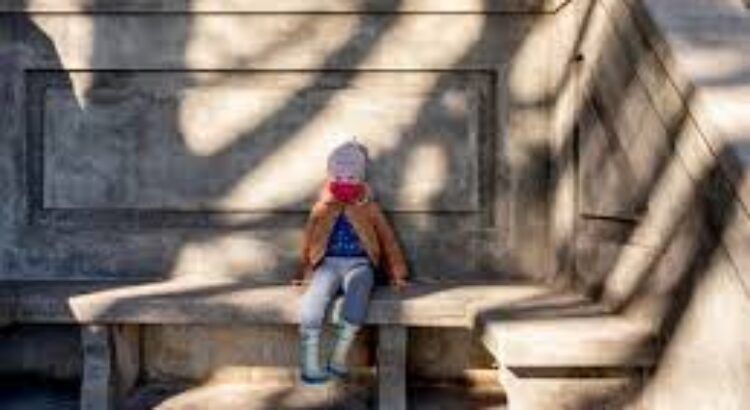
She has learned, her mother said, to keep the proper social distance to avoid risk of infection from the coronavirus. In this and other ways, she’s part of a generation living in a particular new type of bubble — one without other children. They are the Toddlers of Covid-19.

Gone for her and many peers are the play dates, music classes, birthday parties, the serendipity of the sandbox or the side-by-side flyby on adjacent swing sets. Many families skipped day care enrollment in the fall, and others have withdrawn amid the new surge in coronavirus cases.

With months of winter isolation looming, parents are growing increasingly worried about the developmental effects of the ongoing social deprivation on their very young children.

“People are trying to weigh pros and cons of what’s worse: putting your child at risk for Covid or at risk for severe social hindrance,” said Suzanne Gendelman, whose daughter, Mila, 14 months old, regularly spent rug time with Alice McGraw before the pandemic.

“My daughter has seen more giraffes at the zoo more than she’s seen other kids,” Ms. Gendelman said.

It is too early for published research about the effects of the pandemic lockdowns on very young children, but childhood development specialists say that most children will likely be OK because their most important relationships at this age are with parents.

Still, a growing number of studies highlight the value of social interaction to brain development. Research shows that neural networks influencing language development and broader cognitive ability get built through verbal and physical give-and-take — from the sharing of a ball to exchanges of sounds and simple phrases.


Comparte este contenido:

Retired professor fights to keep his North Mankato yard natural

Retired professor fights to keep his North Mankato yard natural

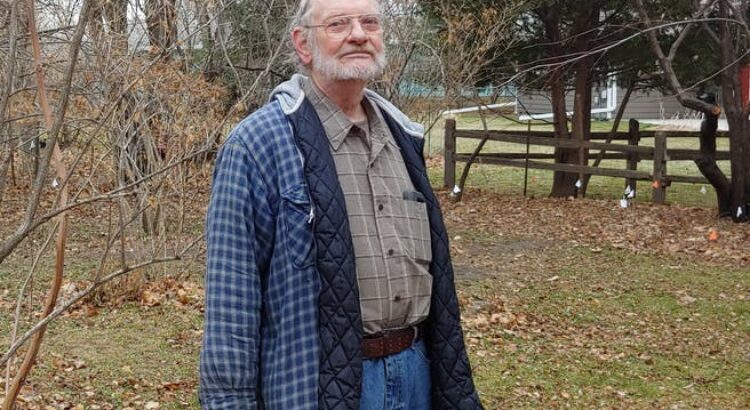
Ed Borchardt, 80, a natural-yard advocate and former botany professor, has been ordered by the city of North Mankato to clean up “rank growth” on his property.

NORTH MANKATO – Ed Borchardt’s yard doesn’t look like any other on his block. And that’s his intention.

«The bees and the butterflies love this,» Borchardt said, pointing out plant varieties. «They’ll be out here working all day.»

Borchardt, who taught physics and botany for 33 years at Minnesota State University, Mankato, has lived in his modest ranch home for nearly four decades. And from the start, he planned his yard as a natural haven.

The yard bursts with milkweed, goldenrod, peonies and hostas. With crabapple, pear, plum and elderberry trees; with high bush cranberries.

Borchardt’s plants are leafless now, of course, but in the springtime, «this will all be flowering, and it’s beautiful,» he said. «The whole yard will be beautiful.»

With the flowers and berries will come bees, birds, butterflies and other insects, providing endless fascination for Borchardt and his wife, Ann.

But not everyone enjoys looking at Borchardt’s yard. After a series of complaints going back several years, the city of North Mankato last week cited him for maintaining a nuisance property, calling out the «rank growth of vegetation» that «unreasonably annoys a considerable number of the members of the public.» The citation also mentions «the infestation of the premises by plants, animals, and birds.»

«We have … complaints about growth of vegetation on the property,» said Michael Fischer, the city’s director of community development, as well as «reports of raccoons, woodchucks, mice and feral cats on the property.»

Borchardt said he’s been working with the city to trim back his plants and trees, and officials at last week’s City Council meeting praised his efforts. But it’s not enough, they said. Photos taken in early autumn show plenty of vegetation. But is it too much? That answer is in the eye of the beholder.

Several of Borchardt’s friends and neighbors testified at the council meeting, saying there should be room for a yard that’s not a simple stretch of lawn.

«Ed does not want a yard with three shrubs, plastic mulch and an expansive lawn,» said Tom Hagen. «He has not been uncooperative. He just doesn’t like your idea of what his yard should look like.»

Barb Church echoed those thoughts.

Who decides if a yard is «unsightly?» she asked. «What birds are part of this infestation? Are you going to outlaw bird feeders?»

Two of Borchardt’s neighbors testified against him. Jordan Johnson called the Borchardts «wonderful people,» but added, «The yard does get to be a little bit of a mess.»

Diane Anderson said Borchardt’s yard «has been an eyesore for 30-plus years.»

«We work hard to maintain our house and yard,» she said. «It’s not fair that our property value is compromised.»

The 80-year-old Borchardt, who is awaiting back surgery, said he’s spent countless hours over the past year trimming and tidying, but he believes the natural benefits of his vegetation outweigh any further aesthetic considerations. Ann Borchardt has chronic health problems and isn’t able to help with yardwork.

In the end, the city gave Borchardt until June 1 to get his yard into what officials consider an acceptable condition.

His situation is ironic, Borchardt said, given that the city is now considering an ordinance to encourage pollinator gardens, and state environmental officials are urging Minnesotans to plant less grass.

«The mayor, City Council members, park superintendent, city attorney, city budget [on one side] and a retired elderly couple on fixed income,» he said. «I think that’s where the expression, ‘You can’t fight City Hall’ fits.»

John Reinan • 612-673-7402


Comparte este contenido:
Page 45 of 397
1 43 44 45 46 47 397
OtrasVocesenEducacion.org