Este pequeño texto se publica en atención a la invitación que me hicieran los colegas de SINAFUM, el portal “Otras Voces en Educación” y en especial los amigos Wilman Losada, Iliana Lo Priore, Marianicer Figueroa, María Magdalena Saurraute, Luz Palomino, Carlos Bracho, Alí Marcano y Rose Mary Hernández, para elaborar contribuciones sobre nudos problemáticos para las transformaciones de los sistemas educativos en el siglo XXI. Le seguirán otros textos.
Por:Luis Bonilla Molina.
Más de cien palabras, más de cien motivos, para no cortarse de un tajo las venas, más de cien pupilas donde vernos vivos, más de cien mentiras que valen la pena. Tenemos un as escondido en la manga, tenemos nostalgia, piedad, insolencia, monjas de Fellini, curas de Berlanga, veneno, resaca, perfume, violencia. Tenemos un techo con libros y besos, tenemos el morbo, los celos, la sangre, tenemos la niebla metida en los huesos, tenemos el lujo de no tener hambre. Tenemos talones de Aquiles sin fondos, ropa de domingo, ninguna bandera, nubes de verano, guerras de Macondo, setas en noviembre, fiebre de primavera. (Joaquín Sabina, Mas de 100 mentiras)
- Globalizar como aproximación a la totalidad desde la particularidad y, la comprensión de lo particular como expresión de la totalidad
Casi todos estamos de acuerdo respecto a la urgencia de incorporar la globalización a la actividad pedagógica. Y fíjense que digo globalizar la acción pedagógica y no solo globalizar contenidos ni currículo globalizado. Porque, desde la perspectiva docente, la primera recuperación de noción de conjunto en todo aprendizaje en el aula está asociado a la recuperación de la globalidad pedagógica, hoy fragmentada en sus componentes (currículo, didácticas, evaluación, gerencialismo, planeación).
Una autentica y revolucionaria reforma educativa se debería fundamentar en la recuperación de la pedagogía como ciencia o confluencia de ciencias, para el abordaje del hecho educativo, desde una perspectiva compleja, integral e interrelacionada. Y la recuperación de la pedagogía conlleva en sí misma, la recuperación de la profesión docente y de la formación docente. Pedagogías, docentes y formación docente son tres vértices de un proceso indisoluble de defensa de la educación pública.
Sin pedagogía no existe autentica profesión docente y los centros de formación de educadores dejarían de tener razón de existir. Por ello, las reformas centradas en algunos de los componentes de las pedagogías, las ubicamos como funcionales al Apagón Pedagógico Global que hemos venido denunciando en los últimos tiempos.
Si analizamos -a escala internacional- podemos verificar que la tendencia es a impulsar reformas educativas que se centran exclusivamente en lo curricular o en la gestión y, ahora en la llamada evaluación de la calidad educativa. Cuando valoramos los resultados de estas reformas, comprobamos que la mayoría devino en fracasos que profundizaron las políticas de destrucción de la escuela pública y, contribuyeron a reafirmar socialmente la falsa idea que los sistemas escolares públicos no sirven.
Por ello, sin ningún tipo de duda señalamos que el impulso de reformas educativas desde la unidimensionalidad curricular o de gestión, solo contribuyen a reafirmar la fragmentación educativa y a la despedagogización de la actividad escolar. Resulta ingenuo políticamente y desafortunado técnicamente hablando, apelar al currículo como el centro de la actividad educativa obviando la centralidad pedagógica como eje vertebrador de la práctica educativa..
Desde nuestra perspectiva existe una dialéctica entre lo general y lo particular, que le es intrínseca las pedagogías y sus componentes. Sólo desde esta mirada de sistemas complejos e interrelacionados podemos contribuir, desde la cotidianidad de lo educativo, a globalizar como aproximación a la totalidad desde la particularidad y, la comprensión de lo particular como expresión de la totalidad. De esta manera el todo es más que la suma de las partes de los procesos educativos y, cada uno de los componentes de las pedagogías, resultan esenciales para el cumplimiento de los propósitos de los otros, en la dinámica unificadora de la cotidianidad del plantel.
En esa orientación compleja, los sujetos del hecho educativo en el aula (maestros, estudiantes, representantes) y quienes coadyuvan a la actividad educativa, emergen como autores/ejecutantes sincronizados -desde distintos instrumentos musicales intercambiables- de la hermosa partitura de la educación para todos y todas. En la lógica de esta misma metáfora, las pedagogías, dotan de ritmo, direccionalidad y capacidad de improvisación creativa integrada, a la acción educativa concreta.
La visón fragmentada y las políticas públicas que impulsan reformas centradas en uno solo de los componentes de las pedagogías, aún con el discurso de eje convergente del componente seleccionado, solo contribuyen a la creciente incomprensión de las dinámicas educativas por parte de sus actores fundamentales. Por ello, encontramos y entendemos el despiste de trabajadores de la educación, cuando se les pretenden imponer reformas educativas, que a diferencia de los que hemos aprendido en la praxis del aula, señalan que el epicentro de la labor educativa esta o bien en lo evaluativo, o en lo curricular, o en la gestión, abandonando la visión integral que le es propia a las pedagogías.
Reafirmamos que en esta etapa, en la cual son evidentes los intentos de los organismos económicos globales orientados a la destrucción de la profesión docente y, con ella de la escuela pública y los sistemas escolares como los hemos conocido; recuperar las pedagogías como centro de la actividad educativa, resulta fundamental para garantizar la existencia de la escuela pública y la profesión docente.
Si bien los sistemas educativos deben estar en permanente transformación para acompañar o pararse críticamente respecto a los cambios económicos, políticos, tecnológicos y sociales, lo que distingue a una reforma que trabaja transformaciones que se asocian a proyectos emancipatorios, de las contrarreformas que destruyen las conquistas educativas fundacionales del derecho humano a la educación, insisto, es su posición respecto a la dinámica del modo de producción a escala planetaria y local.
En ese marco y desde ese lugar de enunciación, nos aproximamos y entendemos el debate abierto en muchas reformas educativas, respecto a las disciplinas, la interdisciplinariedad y la globalización en la cotidianidad del aula.
- Conocimiento y métodos científicos
El eje del conocimiento disciplinar está en las ciencias cuyo desarrollo se fundamenta en los métodos científicos. Es decir, las disciplinas son el resultado de la teoría científica, que para Ferrater Mora (1991, p. 551, Tomo I):
“designa al estudio de la estructura científica (o, mejor, a los distintos tipos de teorías científicas) … métodos científicos, lógica del lenguaje científico (o de los lenguajes científicos)”.
Por ello, hacemos una primera ubicación, respecto a los ataques que se formulan a las disciplinas en el ambiente escolar, como vinculadas a los cuestionamientos que se hacen a la ciencia, ante las pretensiones de asumir sus resultados, como propios a la existencia de un método científico único. A partir de la anterior precisión es necesario puntualizar algunos aspectos.
Primero, estando de acuerdo, como lo estoy, respecto a la multiplicidad de métodos científicos que existen en la labor investigativa, lejos de cuestionar las ciencias, desde una perspectiva materialista dialéctica, reivindico su epistemología como “caminos para conocer una realidad” (Abbagmano, 1997, 216-227) así como su teleología desde la perspectiva de Christian Wolff (1728, citado por Abbagmano, pp. 1121) quien consideraba su propósito final, es decir “el fin de las ciencias”, no es otra que conocer. Quien conoce, quien aprende, quien ve la realidad como modificable comienza a emanciparse.
Los métodos científicos son caminos para apropiarse de manera colectiva y desde cualquier lugar, de formas de llegar al conocimiento, de romper el velo del oscurantismo. En ese sentido son progresivos y revolucionarios pues democratizan los procesos de acceso a la multiplicidad de los conocimientos.
Al señalar que los conocimientos derivados de las investigaciones conducidas por los métodos científicos, son aproximaciones a la realidad, se contribuye a la construcción de una mentalidad científica en la ciudadanía que posibilita que amplias capas de la población entiendan la realidad como modificable, posible de transformar, quebrando la mentalidad dogmática que la hace ver como destino inalterable. Si la realidad se puede cambiar, la dominación de las inmensas mayorías por parte de unos pocos es también posible modificarla. Los métodos científicos están en la raíz epistemológica de todas las revoluciones progresistas de la humanidad.
Eso sí, entendemos que el uso de los métodos científicos está cruzado por las ideologías que dotan de orientación, es decir subalternizan, al proceso y los resultados de las investigaciones. No existe una ciencia neutra. Un astrónomo con ideología burguesa dominante, entenderá el descubrimiento de planetas distantes con mares, lagos y bosques, como una posibilidad ilimitada de obtener ganancias económicas; mientras que otro colega suyo, con perspectiva socialista ecológica, lo verá como una nueva oportunidad para erradicar el hambre, la falta de vivienda y la miseria de millones de hombres y mujeres en la tierra y, como una nueva oportunidad para re armonizar todas las formas de vida.
El que no exista ciencia ni métodos científicos neutros, al ser usados y puestos en marcha por hombres y mujeres con ideologías de una u otra clase, no niega su utilidad, sino potencia su uso, incluso para conocer cómo se pueden construir caminos hacia una sociedad sin clases.
Oponerse a la perspectiva científica es intentar volver al terreno de la fe, la superchería y del oscurantismo, lo cual nos colocaría nuevamente a merced de fuerzas más allá del alcance de la humanidad, imposibilitaría la comprensión de la realidad en un momento histórico dado. Claro está, la imposibilidad de conocer científicamente la realidad, conduce a la sumisión y la aceptación acrítica de esa realidad, en la cual la mayoría somos dominados.
Defender la ciencia implica también resistir a la “ciencia capitalista” que no sólo ha generado la peor catástrofe ecológica de la historia planetaria, sino que amenaza con la destrucción de la propia vida humana. La ciencia controlada por el capitalismo pareciera abrirle paso al surgimiento de nuevas formas y expresiones de vida, partiendo de la premisa que en el futuro cercano, ni los hombres ni mujeres trabajadores seremos necesarios su modo de producción. Esa expresión de ciencia destructiva, es el resultado de un modo de producción y de su ideología. El problema no es la ciencia, ni la investigación científica, sino el sistema y la ideología capitalista.
La explosión de las bombas atómicas en Japón, para finalizar la segunda guerra mundial, generó una onda expansiva de turbulencia cognitiva incalculable, que afectó la conciencia colectiva humana. Una de sus consecuencias directas, fue el surgimiento defensivo de un discurso anti ciencia. Los descubrimientos científicos destructivos comenzaron a competir con los monstruos de la literatura metafísica, pues amplios sectores de la población comenzaron a temer el conocimiento por venir. Esa percepción de la ciencia recorrió el planeta, como un virus epistemológico que afectó a amplios sectores del movimiento juvenil de los sesenta, la academia y los movimientos de resistencia anticapitalista. El movimiento hippie fue icónico en este sentido.
Hoy, en la segunda década del siglo XXI podemos afirmar que el ataque a la perspectiva científica, está en el centro de la dominación cultural-económica-política del siglo XXI. Resistiendo al ocultamiento de la ciencia como reveladora de la realidad, podremos comprender que la ciencia no es neutral y entrar conscientemente a la disputa hegemónica del conocimiento, por otra ciencia posible para la vida, la humanidad y el planeta.
Desde las pedagogías, este debate ha sido tocado marginalmente. Peor aún, cuando se aborda, se tiene el cuidado de no generar un discurso contrario a la moda actual de buena parte de la academia y las izquierdas en el mundo. Nadie quiere que se le acuse de obsoleto, pasado de moda o poco chic en el debate epistémico sobre los métodos científicos y el conocimiento.
En los sistemas educativos, estamos muy lejos de desarrollar análisis que nos permitan ver como este debate toca a la “praxis” cotidiana del aula, a la unidad dialéctica praxis/teoría del salón de clases, lo cual suele sustituirse por la puesta en escena de un discurso meta teórico, que poco dice a la realidad escolar.
Los sistemas escolares y la actividad del aula ha sido permeada durante los últimos siglos por la perspectiva científica. Por ello, existen resistencias en todos los planteles al desmontaje de la actividad científica expresada en los ataques a los métodos científicos. Expresión de ello, la encontramos en la creciente presión de los docentes para que se les demuestre en la realidad concreta del aula, como se vinculan a las prácticas educativas estos discursos anti métodos científicos.
Cuando, desde la perspectiva y la lógica pedagógica -de los docentes- se les solicita a los “reformadores” educativos que muestren, como se hace lo que proponen, ellos suelen responder como un Obi-Wan Kenobi del siglo XXI, con “argumentos de fe” respecto a su capacidad para entender la realidad escolar “más allá de lo evidente“.
Estos “actos de Fe” los suelen rematar acusando a los maestros, quienes exigen demostración respecto a la forma práctica de implementar la anti ciencia en el aula, con argumentos que les señalan como prisioneros de los métodos científicos. Y el ataque siguiente es contra la capacidad de réplica, demostración, verificabilidad y reproducción en la realidad concreta del conocimiento que dicen ostentar. Incluso, los más osados llegan a decir, que plantear como se expresan esos contenidos en las prácticas del aula, es banalizar el conocimiento. En otros casos se le “pide” a quienes interrogan respecto al cómo se hace, “que vayan a ver como se está viviendo la experiencia en X o Y institución, lugar o país”, para ocultar que no saben cómo se hace aquello que le piden a otros hacer.
Algo similar suele ocurrir con las macro políticas de cambio educativo. Las reformas suelen ser presentadas como el conocimiento necesario para los procesos de enseñanza aprendizaje en el siglo XXI. Pero al no explicar “cómo se hace”, se muerden ellos mismos la cola, convirtiendo en temas de “FE” a las contrarreformas educativas cuya resistencia real en el aula, la constituye la construcción de conocimiento mediante métodos científicos.
Segundo, es urgente precisar las implicaciones que tiene en el aula, la llamada muerte de las disciplinas. Parafraseando a Marcuse, nos preguntamos si el cuestionamiento a la mirada unidimensional de la realidad y el hombre, propia de una disciplina encerrada en sí misma, implica la desaparición de ellas –las disciplinas- en los procesos de enseñanza-aprendizaje. Esto es falso en términos teóricos y prácticos.
El aprendizaje tiene un punto de partida en la construcción del concepto, de aquello lo que se quiere conocer, comprender y aprender. El concepto tiene dimensiones ontológicas, epistemológicas y teleológicas. Es decir, (a) como surge; (b) sus dimensiones, características morfológicas y de composición; (c) para que sirve. Ese objeto, ese ser, esa realidad que se comienza a conceptuar tiene componentes, para cuya comprensión necesitamos el conocimiento disciplinar. La comprensión del concepto de manzana, cama o gato se hace más profundo y explicativo en la medida que conocemos más las lógicas matemáticas o biológica.
En la medida que el conocimiento es más denso, la interconexión se hace evidente. A partir del conocimiento detallado de las disciplinas, se comienzan a conflictuar aquellos “campos” o “realidades”, en los cuales trabajar con puntos de encuentro entre diversos conocimientos podría no solo hacer más eficiente el proceso de innovación, sino también transformar positivamente la realidad. Ese es el momento del surgimiento del pensamiento crítico en niños que están construyendo sus estructuras mentales y en jóvenes que están poniendo en duda toda verdad aceptada.
Por ello resulta de especial importancia pedagógica una adecuada apropiación de los distintos conceptos y reglas disciplinares, como las que le son propias a nociones como número, lugar, fisiología humana, universo, construcción de oraciones, ciudadanía, realidad social, ritmo musical. Para un niño de siete, ocho o nueve años, en los tres primeros grados de primaria los conocimientos disciplinares asociados a realidades concretas, impulsan su cognición a interfaces y sinapsis de pensamiento crítico y perspectiva integradora. Con bases precarias o difusas este proceso resulta más lento o difícil de desarrollar.
Claro está, nadie que piense operarse de una hernia o cálculos en la uretra se dejará hacerlo por alguien que no tenga el pleno conocimiento de anatomía que lo posibilite a distinguir la ubicación de los órganos humanos, la composición química de los fluidos y líquidos del cuerpo, como pre requisitos para el uso de instrumental médico operatorio. Nadie se atreve a montarse en un avión que será piloteado por quien no sabe de cálculo matemático, interpretación de información de instrumentos, ni de tecnología y aerodinámica espacial.
El conocimiento disciplinar, el adecuado manejo de los conceptos, las reglas y las interrelaciones que de él se derivan, constituyen soportes fundamentales para el desarrollo de pensamiento crítico y encuentro interdisciplinario en los sistemas escolares.
Tercero, surge el tema de la actualización y la formación docente continua. A nadie se le puede ocurrir, de manera responsable y sensata, cambiar la perspectiva de enseñanza-aprendizaje en el aula, sin antes haber formado a los docentes para ello. Al menos que lo que se quiera sea colocar en “evidencia“, ante el público en general, una supuesta “ineficiencia” del docente para desarrollar algo para lo cual no fue formado. Esta es una práctica que se impulsó por los promotores del neoliberalismo educativo
Formar docentes para los constantes cambios sociales, cada vez de ciclos más cortos, implica el impulso, de manera urgente, de una revolución en las universidades y centros de formación docente que en su mayoría se han convertido en instituciones de repetición libresca de contenidos.
Las universidades de formación docente están llamados a (a) volver a las pedagogías como camino científico de la actividad educativa. Actualmente buena parte de las universidades y centros de formación docente desarrollan su labor desde miradas fragmentadas; (b) el desarrollo de “bancos de problemas” del entorno universitario, que permitan trabajar desde la universidad con los futuros docentes, espacios de encuentro transdisciplinario para la resolución de problemas. Docentes formados en una epistemología globalizada, fundamentada en una perspectiva transdisciplinaria que se soporta en adecuados manejos disciplinares podrán impulsar procesos de transformación radical de la educación con impacto en las dinámicas sociales del siglo XXI; (c) las universidades deben revisar el impacto que tiene en la formación docente, el hecho que la mayoría de sus profesores tengan más de cinco años sin trabajar en el aula, en el nivel educativo para el cual están formando. Ello tiene un drástico impacto en un tiempo histórico en el cual existe la mayor brecha generacional desde la edad media, entre los nacidos antes y después del año 1985 y la obsolencia del conocimiento adquiere ciclos cortos de 4 a 6 años.
Cuarto, desde la perspectiva de los grandes organismos económicos globales que impulsan el Apagón Pedagógico Global, lo sustantivo del hecho educativo lo reducen a cuatro campos de aprendizaje (lectoescritura, pensamiento lógico matemático, surfeo de las ciencias y tecnologías). Los restantes campos disciplinares pierden interés educativo para los regentadores del actual etapa del modelo de producción capitalista global. El profesional, capataz y obrero del siglo XXI que requiere el capitalismo actual es una especie de titulado con ignorancia supina sobre la profundidad de los grandes temas del mundo actual. Por ello, las pedagogías, el pensamiento científico, la transdisciplinariedad fundamentada en adecuado manejo de las disciplinas científicas y el pensamiento crítico, se convierten en un obstáculo en la ruta de destrucción de la escuela como la conocimos.
- Pensamiento crítico, reflexión y sujeto/autor del cambio
El pensamiento crítico se fundamenta en la posibilidad de cambiar de manera permanente la realidad, en una perspectiva de justicia social liberadora. Pero es imposible criticar correctamente, aquello que no se conoce tanto conceptualmente, como en su dinámica con la realidad social. Por ejemplo, para plantear de manera crítica ideas, opiniones o propuestas respecto a la nutrición en el aula, debemos conocer el cuerpo humano, su desarrollo, así como la alimentación tanto en sus componentes como en la relación de edad del ser humano y, los alimentos requeridos en cada clima local.
Como lo señalamos, la mayoría de conceptos y definiciones específicas de partida, han sido desarrollados por un campo disciplinar. Por ello, resulta fundamental trabajar y fijar los conceptos en la génesis del pensamiento crítico. Una vez fijado estos concepto se deben relacionar con otros conceptos y, vincularlos a la realidad concreta de los/as niños/as, jóvenes y adultos. Siguiendo el mismo ejemplo anterior, metabolismo, alimentos y métrica conceptualizados se relacionan en el desarrollo humano y se vinculan a las determinantes sociales (empleo, servicios básicos, capital cultural) como andamios del pensamiento crítico. En la medida que los conceptos están más claros se hace mucho más fácil relacionarlos y entender sus expresiones e interacciones en la realidad social y sus determinantes.
Una educación liberadora impulsa pensamiento crítico en todos los actores/autores que interactúan en sus procesos. En el caso de los/as niños/as y jóvenes se debe trabajar para que las estructuras disciplinares permitan la comprensión de la realidad, como proceso, pero además deben aparecer en sí mismos, como componentes susceptibles de ser transformados, de cambiar, de modificarse.
El diálogo, la conversación, la reflexión respecto aquello que resulta odioso, injusto o perverso para el/la niño/a y el joven posibilita la construcción de conceptos de justicia basados en los grandes principios humanos, a partir de los cuales, la propia moral de una época empieza a ser contingente a ese momento histórico. Es el momento en el cual el pensamiento crítico adquiere sentido, direccionalidad.
Pero dialogar, conversar, construir juntos conocimiento contextual, no significa navegar a la deriva. El dialogo aparece orientado, como en la bitácora del capitán de un velero, por los estándares[i] referenciales de aprendizaje. Es iluso y contrario a la idea del Estado Docente, pretender que una agenda contingente guie la actividad educativa en cada escuela, sin que existan parámetros que mantengan juntas instituciones con alumnos pertenecientes a orígenes sociales diferenciados.
Volvamos sobre el pensamiento crítico. Insistimos, desde nuestra perspectiva éste se fundamenta en: (a) estructuras de conocimiento (disciplinares) de partida sobre una realidad concreta; (b) epistemología de procesos que abre paso al cambio mediante una lógica dialéctica de síntesis-realidad-teoría-realidad-transformación (c) valoración ética, tanto colectiva como individual, respecto a esa realidad; (d) perspectiva de clase, es decir la ubicación del sujeto respecto a la dinámica de dominación-poder y sus posibilidades de transformación radical.
Las disciplinas como estructuras de soporte inicial del pensamiento crítico contribuyen a (a) revertir la noción de fatalidad ante una realidad opresiva que suele asociarse en el discurso de la dominación como imposible de modificar; (b) darle sentido, orientación a la voluntad; (c) proporcionar pensamiento científico para la comprensión de una realidad opresora, que es injustificable desde el punto de vista del conocimiento liberador. Es decir, el conocimiento disciplinar abordado como proceso de construcción contingente de la realidad, contribuye a la construcción de sujeto crítico.
Otra cosa, es la visión disciplinar vista como producto acabado, encerrada en sí misma, incapaz de entender la realidad como la fusión de múltiples campos disciplinares, desconectada de la realidad concreta e incapaz de potenciar transformaciones sociales. Esa visión disciplinar no sólo es anti pedagógica, sino anti humana e impulsora de una ruptura del hombre con su entorno, es decir anti ecológica.
En los sistemas escolares resulta especialmente peligrosa la puesta en escena de este tema, no como debate sino como “justificación de políticas educativas” con imprecisiones y sin límites. Esta derivación ha abierto la peligrosa puerta de plantearse la eliminación de materias, de campos de conocimiento disciplinar. Desde estos planteamientos de neo metafísica anti pedagógica, se pretende desarrollar supuestos aprendizajes integrados sin soporte disciplinar de base. Es como si comenzáramos a construir un rascacielos por una de sus paredes laterales, esperando que la necesidad de sostener esa pared obligara a crear sus bases.
Este debate “innovador” que postulan reformadores educativos alineados con la política de los organismos económicos globales, no solo genera sospechas, sino profundas preocupaciones. Usan como paradigma a Finlandia, cuyo capital cultural social colectivo es radicalmente distinto a cualquier país de América latina y el Caribe, pero que además, producto de su realidad económica concreta, ha entrado desde hace años a un modelo de escuela mucho mas asociada al modo de producción y trabajo inmaterial del capitalismo del siglo XXI.
En un trabajo aparte, que desarrollaré en las próximas semanas, me dedicare a estudiar y analizar en profundidad el modelo educativo finlandés; en este momento me interesa destacar que resulta técnica y políticamente incorrecto extrapolar mecánicamente una propuesta educativa de un país con un desarrollo político, económico, social y educativo que no permite comparación alguna con los sistemas escolares de la región. La apelación al modelo finlandés en las reformas educativas regionales que plantean la desaparición de materias, solo se entienden como “pulsiones de fuga” al debate, ante la carencia de argumentos sólidos que pretenden ser sustituidos por el llamado éxito de una externalidad europea.
En sociedades como las nuestras, caracterizadas por el desarrollo de un capitalismo tardío y un modelo neocolonial de integración al sistema de gobernabilidad económico-político-cultural mundial, lo que hace la diferencia para llevar adelante proyectos de sociedades independientes, libres, soberanas, con un modelo de justicia social, lo constituye la posibilidad de romper la brecha del conocimiento, hacer ciencia pertinente e impulsar pensamiento crítico transformador. Tareas que como hemos señalado, pasan por el fortalecimiento del pensamiento y la actividad científica.
- Perspectiva transdisciplinaria
Un/a niño/a, joven o adulto que aprende los conceptos, las reglas, las potencialidades y los límites de las disciplinas, entiende que se complementan, las unas con las otras, pues la realidad es diversa, difusa, compleja. En consecuencia, el esfuerzo en esa etapa debería estar centrado en la resolución de problemas como espacio de encuentro de las disciplinas, del conocimiento disciplinar.
Las pedagogías activas que trabajan la resolución de problemas impulsan mecanismos de integración, de fusión disciplinar, de interdisciplinariedad en el encuentro no contemplativo sino transformador de la realidad. Es en ese momento, cuando emergen conceptos, dinámicas y perspectivas transdisciplinarias.
En consecuencia, la resolución de problemas de cada realidad concreta, es el espacio ideal de encuentro transdisciplinar. Es decir, desde el punto de vista educativo, la resolución de problemas de la realidad, de la vida, de la cotidianidad, constituyen el eje vertebrador de la interdisciplinariedad
- Epistemología globalizadora
Al alcanzar una mirada transdisciplinar, la perspectiva del sujeto/actor social respecto a las disciplinas -en términos prácticos y teóricos- supera la diatriba entre segmentación e integración. La transdisciplinariedad fundamentada en un adecuado manejo del conocimiento disciplinar, permite visualizar, comprender y actuar en una realidad que emerge como proceso. Las limitaciones para actuar y transformar en una realidad que es vista como un producto desaparecen.
Al comprender la realidad como proceso se quiebra cualquier epistemología basada en la fatalidad, la imposibilidad de modificar la realidad y el destino, basados en la aceptación de la dominación. Por ello, para la acción pedagógica, para la actividad educativa, el desarrollo de una epistemología globalizadora no puede ser un cliché innovador, sino que realmente debemos cuidar e impulsar las premisas conceptuales y operacionales para su puesta en marcha.
El surgimiento de la sinapsis interpretativa de la realidad como proceso complejo e integrado posibilita, como en la dinámica de construcción de un rompecabezas, que seamos capaces de valorar cada una de las pieza como camino para la construcción de una imagen integrada, pero también de esta imagen de conjunto, como la síntesis de múltiples fragmentos en sinergia. El conocimiento específico se reafirma en su potencialidad para alcanzar una mirada global. Los campos disciplinares aparecen visual, operativa y conceptualmente integrados al conjunto, entendiendo cada parte y la totalidad en permanente cambio, como expresiones de una realidad contingente.
Conversando telefónicamente al respecto, con el amigo y colega Jurjo Torres Santomé, el me señalaba que le gustaba usar la imagen del edificio en cuya construcción se requiere manejo de química para realizar las mezclas de pegamentos, física para los ángulos y una adecuada resistencia, biología para la determinación de ventilación, iluminación y medidas, legislación para todo lo asociado a permisología y normas laborales, entre otros muchos conocimientos disciplinares; pero a veces solo vemos el producto integrado, es decir, el edificio, como si las disciplinas desaparecieran. Las disciplinas están en los cimientos del trabajo transdisciplinario que permite construir el edificio.
Mi hijo Ernesto, de 8 años, regularmente juega en su computadora “simcity” en cuya dinámica él es el Alcalde. Para poder gobernar la ciudad digital que construye, ha tenido que aprender urbanismo básico, legislaciones, técnicas de liderazgo, cultura ciudadana, entre otros muchos conocimientos disciplinares, que el luego integra y modifica conforme al consenso que construye en su labor de líder. Ha pasado horas aprendiendo cada uno de los campos para poderlos fusionar, integrar luego en la labor que realiza. Nuestros niños y jóvenes en su realidad cotidiana construyen una episteme globalizada fundamentada en un adecuado manejo de las disciplinas , que muchos de los reformadores no logran comprender, no solo porque están alejados de las aulas, los procesos de enseñanza-aprendizaje y pareciera que hasta de la vida misma; sino porque su interés real es el cumplir con los dictámenes de los organismos económicos globales o están prisioneros de dogmas anti dialecticos propios de aproximaciones sesgadas al conocimiento. En ambos casos, estos reformadores quieren que la realidad calce en la teoría y no que la teoría sea expresión e interpretación de la realidad.
Una mentalidad revolucionaria, que impulsa transformaciones de la realidad que beneficien a todos y todas, donde se alcancen mayores niveles de justicia social, igualdad de oportunidades e impulso de los derechos humanos, tiene en la globalización de conocimientos, adecuadamente fundamentados en manejo de disciplinas, una herramienta potente para el cambio.
- Aspectos transicionales en la actividad del aula en esta materia
Si realmente queremos trabajar un perspectiva transdisciplinar en la resolución de problemas desde la escuela, que potencie una epistemología globalizada del conocimiento transformador, a mi criterio, tendríamos que recorrer una ruta de transformaciones educativas que pasan por:
- Formar los docentes para ello. Es imposible avanzar con una perspectiva tan compleja, que implica un repensar la actividad escolar sin formar previamente los docentes para ello. Ello implica transformar las propias universidades pedagógicas en algunos aspectos, que puntualizo:
- Debe procurarse que quienes formen a los docentes, tengan por lo menos una década de experiencia en el aula directa con niños/as y jóvenes. Experiencia que no debe ser remota, sino haber finalizado en los últimos cinco años. Es repensar el perfil de los formadores de formadores, para que las dinámicas disciplinares, la perspectiva transdisciplinar de resolución de problemas y la mentalidad compleja para la comprensión de la realidad tenga un sustento real en la práctica. Ello es de especial importancia e impacto para quienes trabajamos la formación permanente de los docentes en servicio.
- La construcción de un Banco de Problemas en las universidades, que contengan las mayores demandas y necesidades de las comunidades de su entorno. A las universidades les gusta plantearse pretensiosamente la solución de los problemas internacionales, nacionales, regionales o de una ciudad. Yo soy más moderado en las aspiraciones y aspiro a las universidades que forman docentes, tengan un inventario de los problemas del entorno comunitario en un radio de ocho cuadras alrededor de la planta física de la institución. Es este banco de problemas el que permite aterrizar, en términos prácticos el discurso y accionar transdisciplinario. Este Banco de Problemas debiera también, ser construido en cada plantel de primaria y secundaria para orientar el trabajo transdisciplinar
- Desarrollar un modelo de currículo problémico que oriente mediante una estructura de proyectos, investigación acción participativa, investigación comparada, u otro camino, la convergencia disciplinar para la transformación transdisciplinaria de la realidad.
- Retomar la idea de universidades experimentales que trabajan con escuelas y liceos poniendo en práctica todas aquellas innovaciones que proponen. Todo lo que se propone como política pública debería ser primero ensayado a pequeña escala, sistematizado y evaluado de manera colegiada.
- Trabajar los procesos de enseñanza-aprendizaje disciplinar a partir de los problemas o necesidades que se detecten en el cinturón que rodea al plantel. Es decir, enseñar la física a partir de la utilidad de sus cálculos para la solución de problemas de vivienda, agua potable o transporte.
- Construir espacios de encuentro y comprensión glocal de la realidad propia de la escuela y el entorno escolar.
- Volver con ánimo y orgullo emancipador a la ciencia y los métodos científicos en la ruta de la transdisciplinariedad y la globalización de aprendizajes.
En consecuencia, para finalizar respondo a la interrogante que titula este artículo. La transdisciplinariedad y la globalización en los sistemas escolares no eliminan las disciplinas ni conllevan a la eliminación de las materias, asignaturas, ni unidades curriculares asociadas a disciplinas. En la perspectiva del pensamiento crítico transformador, la transdisciplinariedad y la globalización en los sistemas escolares se fundamenta en potente desarrollo de las disciplinas.
Lista de referencias
Abbagnano, Nicola (1997). Diccionario de Filosofía. Fondo de Cultura Económica. México
Bonilla-Molina, Luis (2016). El Apagón pedagógico Global.
Marcuse (1976) El hombre unidimensional. Editorial cántaro. España
Mora, Ferrater (1991) Diccionario de Filosofía, Tomo I. Editorial Ariel. Madrid España.
[i] Estándares no asociados a la estandarización de los aprendizajes sino a los marcos de referencias que como grados en una mapa y una brújula orientan a los navegantes para no perder el rumbo, la orientación, la dirección. La carencia de estos marcos referenciales genera desigualdades educativas que hacen más peligrosas por las diferencias de capital cultural entre las clases sociales.
Fuente: https://luisbonillamolina.wordpress.com/2017/04/18/la-transdisciplinariedad-y-la-globalizacion-eliminan-las-disciplinas/
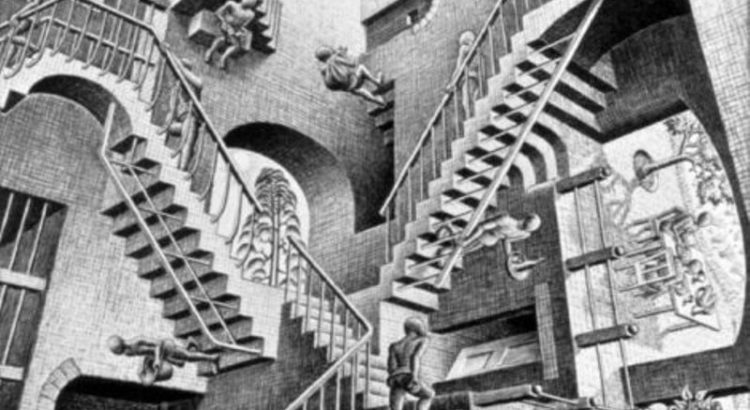
Imagen: https://luisbonillamolina.files.wordpress.com/2017/04/escher3.jpg




 Users Today : 80
 Total Users : 35510128
 Views Today : 114
 Total views : 3638074