Page 607 of 1685
1 605 606 607 608 609 1.685

Public education governance should rest with the public

By: Laurie French.

In some areas of the country, there is an increasing erosion of the fundamental rights of Canadians with regard to local democratic voice in public education. Governance of the education of children and youth in Canada has been entrusted to locally elected trustees across the country for decades. Protecting local voices to ensure local choices is the responsibility of citizens.

Local education governance requires regular focused attention by trustees close to the community. Education is a significantly funded portfolio, and the governance provided by locally elected school boards helps to ensure a transparent and accountable system.

Adding public education to the long list of responsibilities already held by MLAs or MPPs is untenable and is a loss of responsive local voice when questions or concerns at the grassroots arise. This can be seen in ill-informed decisions at the provincial level to make cuts to education and programming that will have drastic effects on students at the local level. Without an understanding of community needs, decisions made at a higher level can be devastating. No two communities are alike, and the needs of one education district can differ from those of another. School boards, accountable to their local constituents, ensure that decisions reflect the needs and priorities of their community.

While school advisory/planning councils play an important role in providing advice to local schools, it is essential to understand that councils are advisory and do not take the place of democratically elected school boards, nor are they accountable to their broader communities. Citizens are encouraged to connect with their local school board trustees to discuss the role they play and gain a better understanding of their work.

Any erosion of democratic representation in the governance of public education must be a concern to all Canadians, regardless of whether their first language is French or English, and whether or not they have school-aged children. The Canadian Charter of Rights and Freedoms guarantees the right of minority language parents to govern the education of their children. However, we should all be concerned when majority French and English parents are losing their right to have a local democratic voice in the education of their children.

In areas where school boards have been eliminated, communities, media, and education partners have felt the loss of transparency in public education. Democratically elected school boards and trustees have one portfolio on which to focus – public education. They meet and make decisions in open meetings, ensuring the public and media have access to debate and insight into how taxpayer money is allocated. This influence is at risk where locally elected school boards are eliminated or when their authority is reduced.

It is incredibly concerning that Canadians are increasingly placed in situations where we must fight to maintain the vital right to be democratically involved in public education. Centralization of control is, by definition, an erosion of local voice and greatly affects the education of children and youth.

In provinces where governing school boards, their provincial associations, and the provincial ministry enjoy a positive, productive co-governance relationship, great things are happening. This is not about power and control – this is about being responsive and responsible to communities and citizens to ensure the success of future generations of students.

We therefore call upon all Canadians to contact their MPP or MLA to express support for locally elected trustees and school boards. At the end of the day, supporting elected school boards is support for public education and the future. As Canadians, we have a right to local voices, local choices.

Fuente del artículo: https://www.thechronicleherald.ca/opinion/opinion-public-education-governance-should-rest-with-the-public-274812/

Comparte este contenido:

La tristeza y la depresión se extienden entre los jóvenes de «los países más felices» del mundo

Por: infobae/16-01-2019

Podría tratarse del primer ‘mal indicador’ para los países ricos. ¿Por qué sufren quienes lo tienen todo?

Finlandia, Noruega, Suecia, Dinamarca e Islandia lideran generalmente todos los ránkings internacionales que miden desde calidad de vida, educación hasta atención médica. Detrás de ellos están las ‘estrellas’ del otro lado del globo: Nueva Zelanda y Australia. Estados Unidos, por su parte, cada vez queda más abajo en la listas que comparan sus índices con los de otros países del mundo.

El Informe Anual de la Felicidad, publicado el último año por la ONU, no fue la excepción y los nórdicos volvieron a quedarse con los premios. Sin embargo, explica un artículo delWashington Post, un reciente informe los ubicó como los ganadores de otro ránking pero más inesperado: el de los ciudadanos afectados por trastornos de salud mental. 

Otro informe, realizado en el año 2017 por la Organización Mundial de la Salud (OMS), encendió las alarmas de Australia, al ubicarlo entre los países cuya población tiene más probabilidades de desarrollar de presión, detrás de EEUU, Estonia, y Ucrania. También midieron alto Nueva Zelanda, Finlandia y Dinamarca.

El dato llama la atención debido a que problemas de salud mental igualmente graves han sido detectados entre los niños y jóvenes de países pobres como India, mientras que en muchos países en desarrollo es posible que esas problemáticas no sean detectadas.

La crisis de salud mental, sin embargo, parece afectar cada vez más a los jóvenes de los países más ricos, y ha desconcertado a los científicos porque no pueden ser explicados por la desigualdad o la pobreza.

Esta semana, las autoridades australianas tomaron notas de esta problemática que se extiende entre su juventud y anunciaron que tomarán medidas; entre ellas la inversión de USD 34 millones en programa de salud mental orientados a la juventud. 

Los investigadores admiten que aún no comprenden completamente las razones por las que los jóvenes sufren ansiedad o depresión, pero estudios recientes han mencionado factores como el uso de las redes sociales, y la sensación de no poder cumplir con expectativas poco realistas de los empleadores, amigos o socios.

Las cifras recopiladas dos años atrás por la organización sin fines de lucro, Mission Australia, ya reflejaban un fuerte aumento en el número de jóvenes australianos que padecen enfermedades mentales: casi el 23% de quienes tienen entre 15 a 19 años padecían algún mal. Recientemente, un estudio gubernamental coincidió con esas cifras: alrededor del 25% de todos los australianos de entre 16 a 24 años de edad luchan contra las enfermedades mentales.

«Estamos hablando de un número alarmante de jóvenes que enfrentan una enfermedad mental grave, a menudo en silencio y sin acceder a la ayuda que necesitan», dijo Catherine Yeomans, la entonces directora ejecutiva de Mission Australia.

La misma tendencia se presentó en Suecia, donde la cantidad de ciudadanos jóvenes que fueron recetados con medicamentos contra la ansiedad aumentó un 20% desde el 2006 al 2013.

Mientras tanto, en Finlandia los investigadores observaron un salto aún más pronunciado en los últimos años. Solo en Helsinki, el número de niños que reciben tratamiento por problemas de salud mental se duplicó con creces en apenas una década.

También en Suecia y otros de los países nórdicos, el aumento de los problemas de salud mental entre las personas más jóvenes está generando una brecha entre generaciones en lo concerniente a la satisfacción con la vida.

«Las personas de los países nórdicos son generalmente más felices que las personas en otras regiones del mundo, pero a pesar de esto, también hay personas en Dinamarca, Finlandia, Islandia, Noruega y Suecia que están sufriendo  o luchando contra alguna enfermedad mental», escribieron los autores de un informe titulado «A la sombra de la felicidad», y que fue publicado el año pasado por el Consejo Nórdico de Ministros.

Mientras que el 12,3 % de todos los residentes de la región nórdica dijeron estar pasando por una situación de estrés, depresión u otra enfermedad mental, esa proporción fue un punto porcentual mayor entre las personas con edades que van de los 18 a los 23 años.

Sin embargo, otras investigaciones indican que los crecientes problemas de salud mental entre los jóvenes pueden no estar necesariamente limitados a los residentes de las naciones que tienen el mejor desempeño en las estadísticas globales, como Australia y Finlandia. Por el contrario, explican otras versiones, estas cifras podrían responder a lasfacilidades relativas al acceso a la salud que harían a los jóvenes más propensos a reportar signos de enfermedad mental, desvirtuando las posibilidades de comparación,  y quizás ocultando una tendencia de carácter más global.

Fuente de la noticia: https://www.infobae.com/america/mundo/2019/01/13/la-tristeza-y-la-depresion-se-extienden-entre-los-jovenes-de-los-paises-mas-felices-del-mundo/

Comparte este contenido:

Libro: Pedagogía Tradicional y Pedagogía Crítica de Rigoberto Martínez Escárcega

Por: Libro-e.org.

En tiempos de oscuridad, en donde prevalece el pensamiento único, la lógica de mercado y la cosificación del alma humana, vale la pena recordar la atinada advertencia que nos hizo Max Horkheimer, uno de los fundadores de la escuela de Frankfurt, sobre cómo los pensadores que se adscriben al pensamiento crítico no solo son atacados de forma furibunda por los intelectuales orgánicos al servicio del sistema capitalista, sino también se les señala con desprecio por sus colegas de lucha como teóricos utópicos. Sin embargo, si el teórico renuncia al pensamiento crítico en aras de su comodidad personal, no pierde él como persona, como proyecto individual, sino la humanidad, la especie entera que reniega de la posibilidad de construir un futuro menos desalentador.

Link para descargar: http://www.celapec.org/documentos/martinez_-_pedagogia-tradicional-y-pedagogia-critica.pdf

Fuente de la reseña: https://www.libro-e.org/2016/07/descarga-libro-pedagogia-tradicional-y-pedagogia-critica-pdf-de-martinez-escarcega-rigoberto/

Comparte este contenido:

My Dreams for Indigenous Education in Canada

  1. By: Jo-ann Archibald.

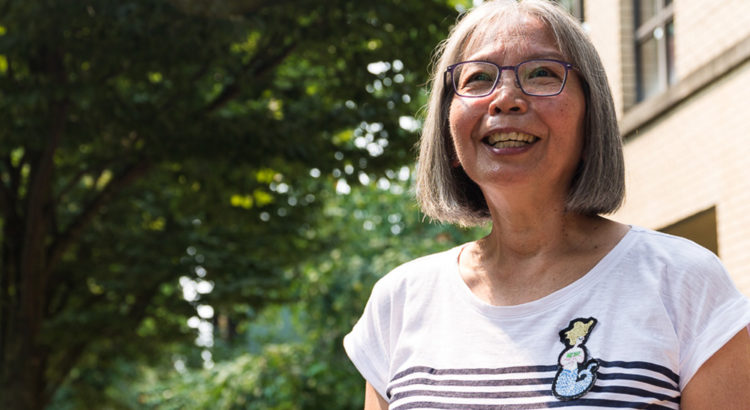
Stó:lō educator Jo-ann Archibald, new Order of Canada recipient, imagines the brightest future for her field.

[Editor’s note: Jo-ann Archibald, University of British Columbia professor emeritus of education and member of the Stó:lō First Nation, is one of 15 people appointed Officer of the Order of Canada for 2019. Archibald, whose Indigenous name is Q’um Q’um Xiiem, spent her 45-year academic career Indigenizing education, from teaching, to teacher education and curriculum development, to university education. Archibald spoke to Tyee reporter Katie Hyslop about where she wants to see Indigenous education in 20 years.]

I’d like to be able to look back in 20 years and say, “Gee, we’ve really made some big steps, instead of the small steps we’ve been making over the years.” For example, ensuring Indigenous ways of knowing are more firmly embedded in all areas of education, moving from the margins to core parts of learning in early learning, Kindergarten to Grade 12, and post-secondary education.

Now we’re at the stage where we have pockets where Indigenous ways of knowing have been introduced, and in some areas we actually have Indigenous programs. We have had success for those who are lucky enough to experience these programs. But those are few.

In 20 years, Indigenous ways of knowing should be more widespread and shared in ways that are meaningful, of good quality and engaging. Teachers who take on this role should feel more confident in introducing the topics, the resources and most importantly work with Indigenous families and community members to supplement what the teachers are doing. Research should be connected to these approaches so that we can learn what’s working, what needs to be improved, and share that widely.

Some teachers will say, “I can’t do anything about the Indigenous kids; they come from poor homes,” and feel hopeless. I would hope this feeling shifts to excitement and confidence in working with Indigenous students and parents, rather than feeling it’s a dismal situation. That point came out in a 2015 auditor general’s report in British Columbia; it is called the racism of low expectations. I hope we wouldn’t have that anymore in 20 years time.

And we need to question our biases and keep examining our own perspectives: “What’s my attitude to Indigenous peoples or the history? What has shaped my attitudes and how I approach these areas in my own practice?” Those questions are so important, and even somebody who feels they are not biased, when they look at their assumptions might think, “Oh, maybe I need to get more informed, get some help from others to deal with some of these questions that I have.” I think it’s really important to question, but you need to act on those questions.

More Indigenous teachers!

We seem to have more Indigenous teachers who act as resource teachers in the public school system, which is important, but at the same time we need to have the Indigenous teachers as classroom teachers, too. That leads up to post-secondary education, where many more Indigenous faculty members are needed for teaching and doing research.

I do see more Indigenous people entering post-secondary education now, and these could be the future teachers and educational leaders at all levels of education. The teachers to me are so central to Indigenous students’ success, which is why I have dedicated much of my educational career to teacher and graduate education.

Including more Indigenous ways of knowing in curriculum

We’ve been working on many areas of Indigenous curriculum, preparation of teachers and educational leaders and increasing the educational involvement of community members. But we really need to ensure that the funding for these approaches continues, and that’s a difficult area, because if educational systems and universities start to have a financial issue the Indigenous programs are often the ones that suffer the most.

Currently, there is a requirement from the B.C. Ministry of Education to include Indigenous topics and resources at every grade level and subject area. Some innovative approaches ensure that students have opportunities to be out in nature to learn about the rivers, the land and the affinity and kinship one can acquire by being on and with the land. They have stories to help them, Elders or knowledge holders doing activities with them out on the land, and the teachers help relate this Indigenous knowledge to science, math, reading, physical activity and more. It can be holistic and integrated, starting with the use of Indigenous traditional stories.

In contrast, it’s not doing a little bit and feeling, “Okay, that’s my Indigenous activity for the year,” which may give students the impression that this learning is not that important. It’s important that teachers, whether they are K-12 or at university, try something, and that could be their first time. But it should not be their last time.

Non-Indigenous students benefiting, too

Non-Indigenous students may develop an awareness that Indigenous people were living on this land going back thousands of years. They managed to survive, to live on and with the land, learned or developed technologies to help them and had their own values and laws.

The other part that students have to know is the history of colonization and to think about the results. If they then hear on the news that Indigenous people are protesting some of the pipelines, logging or the missing and murdered Indigenous women, they will have an understanding about why our society is in this predicament today. Whereas when they don’t learn the history, all they see are the images on the news, and they’re not given an understanding about what are the issues, how they’ve come about, what people want to happen and the racism and how that plays out.

More emphasis on education as a life-long journey

I’d like to see more Indigenous families and community members feeling positive about their engagement with the school, that school is not for them a scary place or a place they don’t belong, which is often a prevalent feeling.

We need to also put the same attention on this lifelong or long-term commitment. It is important for these different systems to work co-operatively: the early childhood education to K-12, then K-12 into post-secondary, then post-secondary to career/business/industry. Right now, it’s not a seamless kind of journey for the learners.

Indigenous learners have often been channelled into some areas that are limited, where they may not take the math or English courses that would get them into a university, for example. That can be problematic when it’s done through bias; we want to make sure if learners decide they want to go into a trades program, they do it knowingly and they feel good about it. At the same time, they should have the option to go to college and university.

Twenty years from now we would have much more flexible educational systems where Indigenous learners feel included, that they belong, that they feel good about who they are as Indigenous people, and that there is this caring and meaningful trajectory for them.

Stronger connections between education systems, community

Where I see a lot of exciting things happening right now is in the Indigenous early childhood programs. Across the country they have been working on ensuring the programs are Indigenous — learning an Indigenous language, Indigenous stories — while they’re also doing child development, learning and communication activities that all children should get at that level.

At the same time, post-secondary Indigenous education in Canada is expanding to include more Indigenous courses, programs and support units for students and faculty. What is needed are ways to connect these various public and Indigenous educational systems so that those students who experience Indigenous learning transition successfully to their next level of learning, where that system is also responsive to Indigenous learners and to Indigenous ways of knowing.

If Indigenous students do need any particular supports, there are ways to find the supports, or draw on the strength that child has or strength from the family and community. That’s where the educational systems could then work with the community.

Or later, for career or job areas, there are partnerships where students can have internships and co-op placements. So that child knows, ‘Hey, somebody cares about me,’ and they are prepared and they are given options. In 20 years, that continuum should be a standard way of thinking about Indigenous students.

That kind of approach is starting to happen. I have been involved with a non-profit society, Dogwood 25, that’s trying to look at this Indigenous learning continuum going from the early years right through into career and work. We are trying to get school districts, post-secondary, business and industry working in partnership so we can develop this kind of continuum planning and program approach.  [Tyee]

Source of the article: https://thetyee.ca/Opinion/2019/01/14/Indigenous-Education-Dreams/
Comparte este contenido:

Moctezuma y la Educación Superior

Por: José Luis Camacho Vargas.

Uno de los más grandes debates actuales en torno a los sistemas educativos en distintas partes del mundo es su universalización. En estos tiempos, ningún país que se precie de ser democrático duda que la educación sea un derecho fundamental de todo ser humano y que el Estado debe hacer todo lo que le sea posible para garantizarla en sus niveles más esenciales.

La duda surge cuando hablamos de hasta dónde esta garantía debe aplicarse sin interferir con la natural competencia que promueve la calidad en todo proceso. Y es que, dado que no todos nacemos con las mismas capacidades y aptitudes, promover por mero decreto político el acceso y estancia en los más altos niveles de una actividad que es competitiva por naturaleza, derivaría en un inevitable abaratamiento de la calidad.

No debiese ser considerado en absoluto un hecho discriminatorio admitir que no todos podemos tener las aptitudes requeridas para cursar estudios universitarios. Esta situación es corroborada por los datos que nos arrojan distintos estudios en torno a la elevada deserción escolar universitaria.

Esto no quiere decir de ninguna manera que aquel que no posea las características propicias para enrolarse con éxito en una carrera universitaria deba ser hecho a un lado del sistema, jamás debiese ser así, pero es que el sistema educativo no debiese estar enfocado a producir licenciados al por mayor, sino a explotar las cualidades de cada persona de acuerdo con sus habilidades potenciales.

Y es que un buen sistema educativo no es el que más licenciados produce en el año, sino el que sabe potenciar y encausar las habilidades y aptitudes del estudiante hacia un campo de acción específico. Esto lo demuestran distintos sistemas educativos a nivel mundial que logran canalizar al estudiante hacia las áreas en las cuales por su perfil profesional y características emocionales mejor podría desarrollarse.

Este planteamiento cobra especial relevancia tras lo dicho por el secretario de Educación Pública, Esteban Moctezuma Barragán, en el sentido de repensar completamente la política nacional en educación superior de México.

Para ello, el egresado de la UNAM ha dicho que se trabajará en coordinación con toda la comunidad universitaria, rectores, expertos, estudiantes y maestros, a fin de “crear una visión de cómo se formará a los mexicanos del futuro desde la educación inicial hasta la conclusión de sus estudios”, ha dicho Moctezuma Barragán.

Se trata de atender el pendiente que desde hace lustros se ha hecho presente, como lo es la reforma de la educación superior en México.

Hace 158 años el Presidente Benito Juárez promulgó la Ley de Instrucción Públicaconvencido de que para la niñez mexicana, aprender a leer y escribir los despojaba del lastre de la ignorancia, la opresión y el sufrimiento. Hoy se debe seguir el ejemplo del más ilustre mexicano y pugnar ya no sólo por que nuestra niñez y juventud aprendan a leer y escribir, sino que reciban una educación de calidad, que los aleje de la violencia, frustración e ignorancia.

Fuente del artículo: https://www.elsoldemexico.com.mx/analisis/moctezuma-y-la-educacion-superior-2914500.html

Comparte este contenido:

México: La educación dual en el olvido

América del Norte/ México/ 15.01.2019/Por: César Acosta Amaya/ Fuente: www.noticiasdelsoldelalaguna.com.mx.

Para el presidente de Canacintra, Jorge Pérez Garza, el tema sobre educación dual (aprendiendo y practicando en las aulas y empresa al mismo tiempo), ha sido olvidado por el nuevo Gobierno Federal y desairado por el anterior, junto con los estatales.

Recordó que este Modelo Mexicano de Formación Dual plantea la formación en la empresa y en la escuela de las y los estudiantes del bachillerato tecnológico, profesional técnico o profesional técnico bachiller de Instituciones Públicas de Educación Media Superior, con apoyos o subsidios de las administraciones estatales y federales.

“Sin embargo, el recurso económico como subsidio o apoyo no fluyó, lo que hace olvidar el compromiso de empresarios y planteles educativos”, dijo.

Pérez Garza comentó además, que ésta era una excelente oportunidad para que los jóvenes egresados de educación media superior con carácter y experiencia laboral, contaran con un capital económico social, para superarse a través de la educación dual.

Con esta mecánica, se habrían de establecer los programas de estudio, a través de un equilibrio armónico entre la formación teórica y la formación práctica, alternando el espacio con el aula, no obstante, el proyecto ha quedado en el olvido, expuso.

Hay que observar en este sentido, lo que dice la Secretaría de Educación Pública (SEP) a través de la Subsecretaría de Educación Media Superior (SEMS) y el Colegio Nacional de Educación Profesional Técnica (Conalep), quien en coordinación con la Confederación Patronal de la República Mexicana (Coparmex), y con la asesoría de la Cámara México-Alemana de Comercio e Industria (Camexa) desarrollaron desde el 2013 el Modelo Mexicano de Formación Dual (MMFD), el cual retoma los elementos esenciales del modelo dual alemán y los adapta a la realidad nacional, pero aquí poco a funcionado y por ello los empresarios pocas veces tienen alumnos en sus talleres u oficinas para que el estudiante practique, aprendiendo al lado del maestro, dijo.

Fuente de la noticia: https://www.noticiasdelsoldelalaguna.com.mx/local/gomez-palacio/la-educacion-dual-en-el-olvido-perez-garza-2915294.html

Comparte este contenido:

México: Mujeres en espiral, proyecto que ayuda a mujeres en prisión

América del Norte/ México/ 14.01.2019/ Fuente: www.e-consulta.com.

La UNAM no sólo tiene presencia académica en diversas instituciones nacionales y extranjeras, diseñadas para impartir educación; también brinda servicios en las cárceles con el objetivo de apoyar el acceso a la justicia a favor de las mujeres en reclusión.

En el Centro Femenil de Readaptación Social (Cefereso) de Santa Martha Acatitla, el proyecto “Mujeres en espiral: sistema de justicia, perspectiva de género y pedagogías en resistencia”, cumple una década de vida, en la que ha logrado integrar a hasta 70 mujeres que, aseguran ellas mismas, han cambiado su situación y perspectiva de vida.

Con esta propuesta artístico-pedagógica, las mujeres en reclusión han logrado apropiarse de las paredes de la cárcel, al crear cuatro murales representativos: “El Grito”, “Fuerza, Tiempo y Esperanza”, “Caminos y formas de la libertad” y “Acción colectiva por la justicia”. Esta apropiación les permitió trabajar en sus procesos jurídicos y de emancipación.

“Mujeres en espiral” ha obtenido diversos reconocimientos nacionales e internacionales: En 2018, a Marisa Belausteguigoitia, académica de la Facultad de Filosofía y Letras (FFyL) y quien inició y dirige esta iniciativa, le fue otorgada la Cátedra Andrés Bello de la Universidad de Nueva York, por el carácter extraordinario de esta labor.

En 2017, el proyecto logró el premio del 9° Festival de Cortometrajes Latinoamericanos Imágenes Sociales, por “CinEtiquetas: la/mentada de la llorona”, en la categoría Cortometrajes realizados por adultos mayores.

También, el premio del Festival Internacional de Cine de Fusagasugá, Colombia (FICFUSA), por el documental “Nos pintamos solas”, en las categorías de Mejor película y Mejor dirección. En 2014 fue distinguido con la ampliación de actividades culturales por su destacada contribución a la Subsecretaría del Sistema Penitenciario del DF.

En 2011, el Movimiento Muralistas Mexicano, a través de Muralistas Mexicanos por la Cultura Universal AC, les otorgó el título de Muralistas Honorarias por su trabajo en la creación de la obra “Fuerza, Tiempo y Esperanza”.

Con esta “aula expandida”, la espiral de la UNAM ha alcanzado al Cefereso, que se ha convertido en un “campus universitario” no sólo para quienes están privadas de la libertad, sino para el grupo interdisciplinario que trabaja en esta labor: académicos, artistas, activistas, servicios sociales, becarios, alumnos y egresados.

Se trata de un proyecto que funciona con giros conceptuales para tejer los campos jurídico, pedagógico y artístico, que posibiliten el acceso de las mujeres a la justicia. Busca interrumpir el concepto de la universidad que produce conocimiento entre la biblioteca y el aula, y conectarse con urgencias sociales, definió Belausteguigoitia.

Voces

En “Mujeres en espiral” el color es el lenguaje. La única forma de ingresar es siendo multicromático, no azul, como las sentenciadas; no beige, como las que están en proceso; ni negro, como los custodios. Ésa es la política implícita: desvanecer el gris de la piedra y del espíritu.

“Estamos unidas para compartir nuestras vivencias; somos personas que trabajamos nuestras emociones para sanar heridas. Aprendemos y creemos que nuestros anhelos y sentimientos son libres, para ellos no hay barreras”, dijo Elia, una de las reclusas.

En tanto, Lucero Sofía Marines, quien obtuvo en 2017 el segundo lugar del concurso de carteles “Por el porvenir”, organizado por el Programa de Derechos Humanos de la Ciudad de México, compartió que recibió un reconocimiento que la excarceló físicamente unas horas (le fue entregado en el teatro Esperanza Iris), pero de manera definitiva como artista.

Guadalupe Cruz tiene 52 años. Una noche de 2015 subió a una patrulla para recibir auxilio por una riña que involucraba a sus familiares, pero cuando llegó al ministerio público ya estaba acusada de homicidio. “Mujeres en Espiral me ha ayudado a levantar la voz. No me rebelaré con violencia, sino con derechos”.

Aída Blanco recordó que comenzaron a pintar en papel hasta que intervinieron los muros y los caracoles grises (rampas en forma circular), que hacían tétrico el lugar. “Nos pusimos contentas porque ya había otra estructura de vida, el color nos daba alegría. Empezamos 15 y terminamos siendo 70, cifra que fluctúa porque algunas salen libres o se cambiaban de reclusorio”.

Gabriela Velasco lleva seis años presa, y evocó el laberinto del abandono, porque sólo se sabía expresar en náhuatl. “Por hablar mi lengua me trataron mal, porque ‘vienes de un cerro bajada a tamborazos’. Soy de un pueblo que se llama Tamazulápam, en Oaxaca; mis padres eran indígenas, ya fallecieron. A mí me costó mucho aprender español, pero tuve que hacerlo para no sufrir esos ratos de tristeza e ignorancia”.

Espirales

Patricia Piñones, coordinadora de formación en el área artístico-pedagógica del proyecto, académica del Programa Universitario de Derechos Humanos (PUDH) y docente de la FFyL, expuso que en 10 años se han conjuntado los aspectos jurídico, pedagógico, artístico, la investigación y la formación. “Trabajar con las reclusas implica hacerlo también con jóvenes universitarias de diversas carreras de la UNAM, que a veces es la primera vez que vienen aquí, y la primera que atienden desde su disciplina las urgencias sociales”.

Finalmente, Rían Lozano, coordinadora de prácticas artísticas en el área artístico-pedagógica y académica del Instituto de Investigaciones Estéticas (IIE), dejó en claro que el proyecto no es asistencial, sino académico y de creación.


Fuente de la noticia: http://www.e-consulta.com/nota/2019-01-13/sociedad/mujeres-en-espiral-proyecto-que-ayuda-mujeres-en-prision

Comparte este contenido:
Page 607 of 1685
1 605 606 607 608 609 1.685