Page 942 of 1686
1 940 941 942 943 944 1.686

Canada: How to save zoos? Focus on education, conservation

América del Norte/Canada/Agosto del 2017/Noticias/https://theconversation.com

One of my earlier memories from my childhood is visiting the Frankfurt zoo in Germany. I watched several elephants in an indoor enclosure, and while they were huge and fascinating, it also saddened me to see such magnificent animals in captivity. I also remember having straw thrown in my face by one of those elephants, although my parents dispute this.

Now, with my own children, we visit the Toronto Zoo with all of its animals in more naturalistic enclosures, and the many educational and conservation programs and displays. It’s a different world.

For many, zoos are central to some of their favourite memories as children. Seeing lions, tigers and elephants and other less familiar animals, never mind smelling them, can be a wonderful experience.

But the role of zoos in society has led to serious discussion about whether zoos should even exist. A strike earlier this year by workers at the Toronto Zoo had many musing about whether the zoo should re-open at all. The Toronto Star reported that social media and emails they received argued “zoos are outdated, inhumane attractions that should be closed outright, or converted to animal sanctuaries.”

That’s a widespread sentiment, manifested in part by the existence of organizations such as Zoocheck, which acts to “promote and protect the interests and well-being of wild animals,” including those held in captivity.

Zoos a thing of the past?

Some of the negative perceptions of zoos may be the result of their past. The modern zoo is based on a history of colonialism in which exotic animals from faraway lands were brought back for public amusement. A particularly ugly aspect of this history occurred when Indigenous people from colonized countries were also brought to Europe and the United States for display at human zoos, even as late as the 1950s.

While the ethical questions surrounding zoos today are not as controversial, they are no less important.

The social contract that zoos have with society has changed. Due largely to animal welfare concerns, the general public now has a predominately negative view toward the display of animals solely for entertainment, and the traditional zoo as a menagerie is no longer considered acceptable.

The modern zoo must become more than a source of entertainment, and must embrace conservation, research and education as part of its mandate. For example, in its most recent strategic plan, the Toronto Zoo has stated one of its goals is to become a zoo-based “conservation centre of excellence.”

A lion at the Toronto Zoo.

Increasingly, zoos must also now be accredited. For example, in Canada, CAZA (Canada’s Accredited Zoos and Aquariums) has an accreditation program that ensures animal welfare and promotes conservation research and outreach with the public.

Similar organizations exist globally, including in the United States (where the AZA has taken a global lead in zoo accreditation requirements) and Europe (EAZA). While there is room for criticism about how these organizations manage their programs, it’s clear that accredited zoos are the standard to which the modern zoo must be held.

Modern zoos are institutions that reflect complicated and sometimes conflicting values related to entertainment, conservation and animal welfare. Modern zoos in many ways represents a paradox – they’re organizations with a mandate to support conservation and education of the public regarding wild animals and nature that also manage captive wildlife. It’s this paradox that fuels much of the criticism of zoos.

In the United States, where arguably this transition from menagerie to conservation organization is most advanced, zoos such as the San Diego Zoo and the National Zoo in Washington, D.C., have rebranded themselves (e.g. San Diego Zoo Global), highlighting their contributions to conservation, research and the training of conservation professionals.

In Canada, the Toronto Zoo, the Calgary Zoo and the Vancouver Aquarium probably have the most developed research and conservation programs. But they fall short relative to their American counterparts in terms of the scope of these activities, in part because of the huge disparity in financial support.

Nonetheless, there’s no doubt that zoos make significant contributions to conservation.

Endangered species saved

Captive breeding programs and the accompanying reintroductions have saved many endangered species from extinction. Currently, captive breeding by Canadian zoos is a significant component of the conservation programs for a number of species, mostly of those native to Canada (e.g. the Vancouver Island marmot, the Eastern loggerhead shrike, wood turtle, burrowing owl, and black-footed ferret).

The endangered black-footed ferret.(Shutterstock)

These programs often stand between the extinction and the survival of these species. In addition, the people who work for conservation and education in the zoos are passionate and skilled.

But there remain untapped opportunities for zoos to enhance their work in conservation and research. Zoos should be pressured by the general public to ensure that the conservation and education mandate of the modern zoo is upheld.

Determining the efficacy of conservation and education efforts by zoos is important and will give confidence to the general public that zoos are fulfilling the evolving social contract with society.

Do zoos actually do good?

For example, how do we know that education programs at zoos actually work?

The research of my colleague Dr. Chantal Barriault (Director of the Science Communication graduate program at Laurentian University) indicates that the general public doesn’t learn as much as we would like or expect.

The efficacy of conservation programs should also be examined. How successful are the captive breeding and reintroduction programs? Are there ways to improve these conservation outcomes? As zoos evolve into conservation organizations, in Canada and globally, it is critical that appropriately trained conservation professionals support these efforts.

While the zoo community has tremendous veterinary expertise related to the care and captivity of animals, there is an opportunity for professionals trained in evolution, population genetics and other conservation-oriented disciplines to support zoo conservation.

Clearly, zoos are already asking these questions of themselves. The public should encourage more of this self-examination so that zoos evolve into more valuable institutions.

Fuente : https://theconversation.com/how-to-save-zoos-focus-on-education-conservation-81005

Fuente imagen:

https://lh3.googleusercontent.com/5L7oZf57gOSvj6eE4pLHn7bdHl7qdwmgfZ4DLYY7kiG2orSH3zQcxpnnEO2NnDrrJhQPOA=s170
Comparte este contenido:

EEUU: St. Paul charter school, family settle discrimination complaint over transgender student

América del Norte/Minnesota/Agosto del 2017/Noticias/http://www.startribune.com/

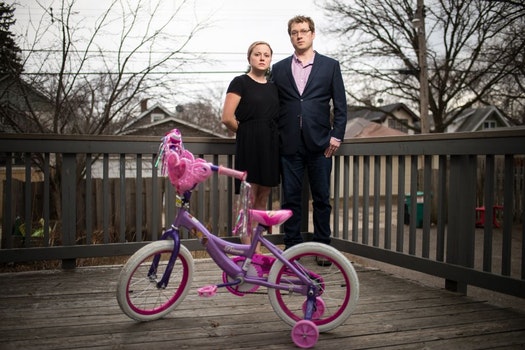
The parents of a transgender child and Nova Classical Academy recently reached a $120,000 settlement and an agreement that revised the school’s policy supporting transgender and gender nonconforming students.

Parents Dave and Hannah Edwards said they hope other schools learn from their case. “Hopefully, no other family will have to go through this,” Hannah Edwards said.

The controversy began when the parents wanted their child to socially transition at the St. Paul public charter school without fear of being harassed or bullied.

The family withdrew their child from Nova in February 2016 and filed a case with the city of St. Paul, alleging the school was violating the city’s human rights ordinance. A year later, the city determined that there was probable cause that the child was discriminated against, prompting the parents and school officials to resolve the issue through mediation.

In a written statement, school officials said they “strongly disagreed” with the probable cause finding but agreed to confidential mediation in hopes of avoiding a costly lawsuit. Last month, both sides reached a settlement and the parents agreed not to sue the school.

The conflict began before the start of the 2015-16 school year when the Edwards family informed Nova that their 5-year-old child was gender nonconforming. They asked the school to protect their kindergartner from harassment and asked that Nova clarify its policies so that their child be allowed to wear any of the approved uniform clothing rather than being restricted to wearing clothing labeled for boys.

Nova attorney Laura Booth said the family and school began working together in late August 2015. She said an antibullying policy was in place that would prohibit harassment against a nonconforming or transgender student. The school hired an expert to train its staff and inform the community to create an environment where the student was “very much accepted” and then a couple of incidents happened, Booth added.

From the school’s perspective, the incidents were primarily remarks by 5-year-olds who were curious, Booth said.

“The pushback, the anger and the ugly stuff came from outside the Nova community,” Booth said.

From the family’s perspective, their child faced harassment for her gender expression and they formally requested in November 2015 that the school adopt a gender inclusion policy.

“Initially, they wanted the school to be proactive about helping teachers and students to interact positively and do some very basic education about gender inclusivity and gender diversity,” said Lisa Stratton, an attorney and co-founder of Gender Justice, a St. Paul nonprofit organization that represented the family in their case against Nova.

“Certainly they were advocating for their child but they were also trying to make the school welcoming and inclusive to all gender diverse kids who are there.”

In January 2016, school officials agreed to create a task force to put together a gender inclusion policy.

“But there was no time frame or guarantee that it would go through,” Dave Edwards said. “It left a lot of space for hate and a lot of misinformation.”

That same month, the Minnesota Family Council, which rented space at the school to discuss the issues unfolding at Nova, argued that parents be allowed to opt out of gender discussions with their children.

“People have a right to believe what they believe at home but in a public school, everyone needs to be safe,” Dave Edwards said.

By May 2016, Nova adopted a gender inclusion policy in a quicker time frame than normal, Booth said.

It was too late for the Edwards family. The parents had pulled their daughter out of Nova three months earlier because the child planned to transition to using a female name and pronouns but they felt their child wouldn’t be safe from harassment.

Policy updates

The Edwards were pleased the school eventually passed the policy because “there are other kids who are trans at Nova and they still needed the policy,” Dave Edwards said.

Not all families welcomed the policy, which prompted fewer than five families to withdraw their children from Nova, Booth said.

The agreement reached last month revised that policy because it was “still discriminatory against trans kids,” Dave Edwards said.

School officials called the changes “minor revisions and clarifications” and noted that its insurance company will pay $100,000 of the $120,000 in damages that will be paid to the Edwards family.

“Nova Classical Academy has never wavered in its commitment to providing a school environment free of discrimination of any kind, where every student feels safe, welcomed, accepted and valued,” school officials said in a written statement.

Fuente:http://www.startribune.com/st-paul-charter-school-family-settle-discrimination-complaint-over-transgender-student/439326463/

Fuente Imagen:

https://lh3.googleusercontent.com/xaYzKJbA4E-y_BvgeAhHBELbRgq4BmhUeYBmCOzqocLX6b6fPygmzPczCnYgbkgNd6t6xQ=s85

Comparte este contenido:

México: Marcharán contra la guía de sexualidad

América del Norte/México/Agosto del 2017/Noticias/http://www.elpais.com.uy


Unas horas después de que el Consejo Directivo Central de la ANEP respaldara la guía de educación sexual de Primaria, un conglomerado de organizaciones impulsó desde las redes sociales una concentración contraria a la propuesta didáctica. La cita será el próximo viernes a las 18.30 horas frente a la sede del Ministerio de Educación y Cultura, en la calle Reconquista 535.

«Nos juntaremos para que las autoridades de gobierno y la prensa tomen en cuenta que esto traerá problemas irreversibles a nuestros niños», dice la convocatoria que entre sus principales promotores tiene al pastor Sebastián Vilar, aunque se llama a no concurrir con banderas religiosas ni políticas.

Los autoconvocados señalan que la guía tiene imágenes «pornográficas» y una clara «ideología» que «promueve la homosexualidad». Y ante eso dicen que «no se respeta» el derecho constitucional de los padres a educar a sus hijos.

Los manifestantes harán entrega de una carta dirigida a la ministra María Julia Muñoz y portarán carteles al estilo: «A mis hijos no se los toca» y «respeten nuestros derechos como padres».

Fuente

http://www.elpais.com.uy/informacion/marcharan-contra-guia-sexualidad.html

Fuente Imagen: https://lh3.googleusercontent.com/NhCt0Oge5AGqJe8emTj_yBA2NlDJI-TRQb-g7z26ksL4VkQRMi5KGa1uTjH6nxQ72H_S4i4=s85

Comparte este contenido:

Mexico: Dialogan sobre derecho de indígenas a la educación

América del Norte/México/Agosto del 2017/Noticias/www.elheraldodechihuahua.com.mx/

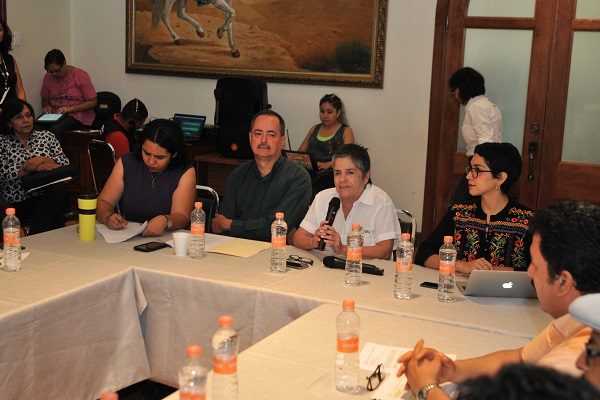
El derecho a la educación es central y va generando un camino hacia otros derechos. Es un derecho constitucional que debe respetarse, pero que también debe adecuarse a los entornos de las personas; coincidieron quienes participaron en el “Conversatorio: Caminos y experiencias del Derecho de los Pueblos Indígenas a la Educación”, organizado por la Comisión Estatal para Pueblos Indígenas.

El salón Hidalgo de Palacio de Gobierno fue la sede de este evento donde participaron intelectuales, defensores de derechos humanos, integrantes de organizaciones de la sociedad civil local e internacional, maestros, funcionarios, estudiantes universitarios, mestizos e indígenas.

Actividad enmarcada en el Día Internacional de los Pueblos Indígenas, donde incluso se compartieron experiencias del Programa Universitario Indígena, donde los estudiantes reciben apoyos para continuar sus estudios y pueden incidir en sus comunidades. Una de las beneficiarias compartió su experiencia, ya que estudia en la Facultad de Ciencias Agrícolas y Forestales de la Universidad Autónoma de Chihuahua, quien además ganó una beca para viajar este verano a Albuquerque al seminario de identidad y liderazgo comunitario. “Estoy agradecida de pertenecer a esta cultura, mi meta es terminar la carrera y seguir la maestría”.

La joven Rocío Palma, parte del Programa Universitario Indígena, es originaria de Guadalupe y Calvo, y estudia la maestría en Ciencias de la Productividad Frutícola en la Facultad de Ciencias Agrotecnológicas, y señaló que el PUI es un programa muy noble.

De la misma manera el antropólogo y jefe del Departamento de Desarrollo Cultural de la Secretaría de Cultura, Enrique Servín Herrera, mencionó que “no sólo tenemos el derecho, sino la obligación de participar en estos diálogos, porque en más de un siglo, el Estado ha interiorizado el modelo neocolonial, lo cual ha hecho que pierdan su lengua tradicional”, consideró. “Los pueblos indígenas ya la consideran un estorbo y ven al castellano como un instrumento de progreso, cuando nunca ha demostrado ser un elemento de progreso. La lengua por sí misma es un instrumento de educación”, expresó.

Este es el inicio de las actividades que buscan incidir en la vida de la población indígena.

Cinco municipios concentran al 54% de las etnias indígenas; el 24.2% es analfabeta

Los municipios con mayor población indígena son Guachochi, Guadalupe y Calvo, Balleza, Batopilas y Bocoyna, los cuales se han convertido en focos rojos debido al analfabetismo que se registra, ya que en ellos se concentra el 54 por ciento de la población indígena mayor de 14 años, donde el 62 por ciento no cuenta con el nivel de educación primaria.

Lo anterior se dio a conocer en el “Conversatorio: Caminos y Experiencias del Derecho de los Pueblos Indígenas a la Educación”, donde se analizó la necesidad de que las lenguas no se pierdan y que los pueblos originarios tengan la posibilidad de acceder a la educación en su propio idioma, por lo que los pueblos piden maestros bilingües capacitados y espacios educativos adecuados.

“En el trabajo realizado en las audiencias públicas, nos dimos cuenta que existe un desarraigo de la educación con la realidad sociocultural de los pueblos indígenas, por eso afirmamos que la educación contribuye a la pérdida de idiomas, pueblos, por la falta de maestros bilingües, que no conocen usos y costumbres. Encontramos fuertes vínculos entre la discriminación escolar y las lenguas, así como la deserción escolar”, explicó Sofía Castillo, enlace de Género de la Comisión Estatal para Pueblos Indígenas, quien fue la encargada de presentar el panorama educativo.

educacion-basica-en-los-pueblos-indigenas-17

La población total indígena es de 401 mil habitantes y 128 mil 126 hogares indígenas. A nivel estatal existen 21 mil 419 indígenas que son analfabetas, 9.9 por ciento son hombres y 14.3 mujeres. El analfabetismo se da en el 24.2 por ciento de la población total, de esta manera hay 21 mil 056 indígenas que no cuentan con ningún grado de instrucción, de los cuales 13.9 por ciento son mujeres. En cuanto a educación básica en la población indígena mayor de 15 años, han concluido 15 mil 350 mujeres y más de 18 mil 240 hombres la primaria, mientras que 62 por ciento de la población no ha concluido su educación básica; en cuanto a secundaria un 80 por ciento de la población no cuenta con este nivel educativo, sólo el 9.3 de mujeres y 10.3 de hombres.

Los 5 municipios antes mencionados concentran el 54 por ciento de la población indígena mayor de 14 años y representa más del 36 por ciento de la población del estado que es analfabeta y no cuenta con ningún grado de instrucción. Cuatro de los 5 municipios registran grados muy altos de marginación a excepción de Bocoyna, donde la marginación es menor.

En cuanto a las demandas de cada pueblo para el sector educativo que fueron externadas durante las audiencias públicas, mencionó que el pueblo rarámuri o de la baja tarahumara, pidió espacios educativos; en el caso de Cuiteco desean una Universidad Regional Técnica y Especializada, así como maestros capacitados y supervisión en las escuelas para que se respeten las costumbres y se hable la lengua materna.

Los rarámuri demandaron que en las escuelas se les imparta historia de la comunidad, juegos tradicionales, historia de sus ancestros, denunciaron la falta de casas del estudiante, formación de artes y oficios. Así como políticas públicas para eliminar la discriminación y la deserción escolar. Además señalaron que el Departamento de Educación Indígena no cuenta con suficiente personal indígena.

El pueblo odami pide maestros bilingües, que se cubran las plazas faltantes, que se corrija a los maestros faltistas, que se mande personal bien preparado, se elimine la discriminación que la educación monolingüe produce y pidieron el mantenimiento de espacios educativos.

Mientras que el pueblo pima denunció que tres de las 9 escuelas que se encuentran en territorio pima están cerradas, por lo que se pidió el equipamiento de las 6 escuelas, denunciaron la falta de profesores y pidieron docentes hablantes de pima, además de suficiencia de becas alimenticias.

El pueblo warijó denunció la discriminación, la falta de maestros que no hablan la lengua, además que hay un gran número de personas que no saben leer y escribir. De la misma manera denunciaron que la violencia en la región serrana afecta el acceso a la educación de los jóvenes.

“En el trabajo realizado en las audiencias públicas, nos dimos cuenta que existe un desarraigo de la educación con la realidad sociocultural de los pueblos indígenas, por eso afirmamos que la educación contribuye a la pérdida de idiomas, pueblos, por la falta de maestros bilingües, que no conocen usos y costumbres. Encontramos fuertes vínculos entre la discriminación escolar y las lenguas, así como la deserción escolar”.

Lanzará Coepi programa estatal de alfabetización

“El analfabetismo es el problema más fuerte que hay entre la población indígena. En la Sierra Tarahumara se habla de un 47 por ciento de gente que no sabe leer y un 30 por ciento de gente que lee pero no escribe, es el analfabetismo funcional”, indicó María Teresa Guerrero, comisionada estatal para los Pueblos Indígenas, al participar en el “Conservatorio: Caminos y Experiencias del Derecho de los Pueblos Indígenas a la Educación”.

María Teresa Guerrero, comisionada de los pueblos indígenas

María Teresa Guerrero, comisionada de los pueblos indígenas

Ante ello anunció que en un par de semanas se dará a conocer el programa interinstitucional de alfabetización que desplegarán en zonas urbanas como Chihuahua y Juárez, así como en rurales entre las que destacan Carichí, Urique y Ocampo.

“Es muy delicado porque este es un indicador del rezago en materia educativa que tienen los pueblos indígenas”, esto en cuanto al esfuerzo que han sumado la Secretaría de Educación y Deporte, la Secretaría de Desarrollo Social, la Secretaría de Cultura y la Comisión Estatal para los Pueblos Indígenas.

El objetivo de la campaña será tratar de incidir en el rezago y en los índices de analfabetismo que se registran entre la población indígena.

“El programa de alfabetización va muy avanzado, es un programa interinstitucional consolidado y en un par de semanas se hará el anuncio oficial. Estamos haciendo una selección con un criterio pedagógico y sociológico, la alfabetización es una necesidad de individuos en sociedades que tienen un contexto alfabetizador, es decir, que tengan que leer letreros, llenar formularios, que tengan que entregar documentos por escrito”.

Explicó que en el caso de Batopilas, que es el municipio con el mayor rezago en alfabetización, la gente tiene menos necesidad de la alfabetización que en zonas llamadas frontera como pueden ser los analfabetos en Juárez y Chihuahua.

Fuente:

https://www.elheraldodechihuahua.com.mx/chihuahua/681843-dialogan-sobre-derecho-de-indigenas-a-la-educacion

Fuente Imagen:

https://lh3.googleusercontent.com/FETyHsETm9ReXIerSvxQH81mY8pkrgjAF4aQIV1cmdR7yN0Ek30AumjkO-0KwVUZNmI-qw=s85


Comparte este contenido:

Directo al estómago: golpes bajos de Monsanto y compañía

Por: Silvia Ribeiro


Por la salud de todas y todos y la del medioambiente del que dependemos, por las economías campesinas que nos dan alimentos sanos, se deben prohibir estos cultivos de alto riesgo, que además sólo benefician a las trasnacionales.»

Monsanto está bajo una ola de juicios en Estados Unidos, acusado de haber causado cáncer a los demandantes con glifosato, sabiendo que era dañino, incluso potencialmente cancerígeno.  

A esto se suman nuevas acusaciones contra la trasnacional y el glifosato: la destrucción de bacterias presentes en el intestino humano, esenciales para la buena salud digestiva, del sistema inmunológico e incluso para el funcionamiento del cerebro. Parece nimio, porque no solemos reconocer la importancia vital de los billones de bacterias que forman nuestro microbioma, pero lo cierto es que son cruciales para la salud y el buen funcionamiento de muchos órganos, incluso del sistema general que es nuestro organismo. Mientras que la ciencia avanza en reconocer la importancia del microbioma, Monsanto ha estado incisivamente destruyéndolo por décadas.

Este es el núcleo de la acción legal contra Monsanto que seis consumidores de Missouri iniciaron en junio 2017, por difundir información falsa sobre los daños del glifosato. El glifosato actúa como herbicida inhibiendo la acción de la enzima EPSP sintetasa, indispensable para la síntesis de varios aminoácidos importantes, que a su vez construyen proteínas.

En lenguaje sencillo, cuando esa enzima no actúa, la hierba no se puede desarrollar y muere. Monsanto ha afirmado repetidamente que cómo esta enzima solo existe en plantas y no en animales y humanos, el glifosato es seguro para nosotros y nuestras mascotas. (aquí).
Pero la enzima sí existe en las bacterias que están en nuestros órganos digestivos y, por tanto, la ingestión continua de glifosato las va matando, inhibiendo no solo su función benéfica, sino produciendo adicionalmente un desequilibrio que permite que otros microorganismos dañinos se expandan.

Monsanto inventó el glifosato en 1974 y lo vende desde entonces, es una de sus principales fuentes de ganancias. Pero lo que realmente provocó el aumento exponencial de su uso fueron los transgénicos tolerantes a glifosato, como soya, maíz y algodón transgénico. Antes de los transgénicos, el glifosato dañaba también al cultivo, por lo que su uso era menor y limitado a ciertos momentos de la siembra. Con los transgénicos, el uso se multiplicó hasta 2000 por ciento en Estados Unidos, matando todo lo que hay alrededor del cultivo, pero también generando rápidamente resistencia en esas hierbas, que pasaron a ser llamadas supermalezas, porque resisten glifosato y otros herbicidas.
Más de la mitad de los campos de cultivo en Estados Unidos tienen supermalezas y en los estados del sur, por ejemplo Georgia, más de 90 por ciento de las fincas tienen una o más hierbas invasoras resistentes. Situaciones similares se repiten en Argentina y Brasil, que con Estados Unidos son los tres países con mayor extensión de cultivos transgénicos.

Ante esta situación, los agricultores comenzaron a usar dosis cada vez más altas y repetidas de glifosato y a su vez Monsanto y otras trasnacionales de transgénicos aumentaron la concentración y los surfactantes presentes en los agrotóxicos, aumentando su toxicidad.
Actualmente, sufrimos una epidemia silenciosa de glifosato –sea por inhalación directa en campos, por ser vecinos a zonas de fumigación o por los muy extendidos y cada vez más altos residuos en alimentos, principalmente los productos industriales que contienen soya y maíz transgénico.

A la sombra de esta amenaza, se ha desatado otra, directamente relacionada. Ante las hierbas resistentes, las trasnacionales de agrotóxicos y transgénicos comenzaron a hacer cultivos transgénicos tolerantes a varios herbicidas al mismo tiempo, aún más tóxicos y peligrosos. Una de ellas es la soya RR2 XTend de Monsanto, que tolera glifosato y dicamba, otro agrotóxico de alto riesgo.
Esta soya y el cóctel tóxico que la acompaña, comenzó a usarse en Estados Unidos en 2016 y ya es motivo de fuertes conflictos, porque dicamba mata o daña mucho más que las hierbas del campo donde se aplica: por deriva, ha dañado también los cultivos de otros campos, incluso los de agricultores que plantan soja transgénica de versiones anteriores, no tolerante a dicamba. Dicamba es un potente agrotóxico, que puede matar siembras de hortalizas, frutales, ornamentales y hasta árboles. Además de su toxicidad, tiene alta volatilidad, pero según Monsanto, la formulación para soya Xtend es de baja volatilidad.

No obstante, los daños de siembras por usar esta soya con dicamba se han desatado en Arkansas, Missouri, Tennessee, Iowa y todo el tiempo salen nuevos reportes en más estados, lo que ha generado desde conflictos graves entre agricultores –incluso un muerto– hasta demandas legales y contra seguros, que a su vez, no quieren asumir los daños.
Arkansas prohibió en julio el uso de dicamba y varios otros estados han cambiado a regulación más estricta, según los agricultores casi imposible de cumplir. Seis granjas industriales de Arkansas iniciaron a fines de julio 2017 acciones legales contra Monsanto, Basf y DuPont Pioneer, que son quienes venden los agrotóxicos que requiere la soya Xtend.

Brasil y Paraguay ya han aprobado la siembra de soya tolerante a dicamba. En México, se aprobó la siembra de algodón transgénico tolerante a glifosato, dicamba, glufosinato e insecticida en una misma planta, muestra clara de la evolución de los transgénicos: cada vez necesitan más tóxicos.
Por la salud de todas y todos y la del medioambiente del que dependemos, por las economías campesinas que nos dan alimentos sanos, se deben prohibir estos cultivos de alto riesgo, que además sólo benefician a las trasnacionales.

Fuente:http://www.ecoportal.net/Temas-Especiales/Salud/Directo-al-estomago-golpes-bajos-de-Monsanto-y-compania

Fuente: https://lh3.googleusercontent.com/U2PRCJll9oHOxch9UentlV_KvSxTNIpvOQbJt6dMtnSvtTK49NPCT59FqLp_0pKY6MrXlA=s85

Comparte este contenido:

EEUU: Minnesota’s education brass should show some humility and listen to parents

America del Norte /EEUU/Agosto del 2017/Noticias/http://www.startribune.com

Minnesota has a nation-leading education achievement gap. We’ve known this since the implementation of No Child Left Behind some 15 years ago and have been talking about it, like the weather and the Vikings, ever since.

But just as with the weather and the Vikings, no one seems able to do much about it.

With the recent release of Minnesota Department of Education statewide reports showing little or no growth in student reading and math test scores, Education Commissioner Brenda Cassellius opined, «It’s frustrating to see test scores slowly increasing …»

The commissioner is certainly not alone in her frustration. Nearly everybody, and particularly the parents of students from Minnesota’s lowest-performing ethnic groups, is frustrated — for good reason.

During the last four years, the percentage of 11th-grade students proficient in math fell by 3 percentage points, from 51 percent to 48 percent. Years earlier, during a similar window of time, Commissioner Cassellius’ predecessor, Alice Seagren, oversaw a 12-percentage-point rise in the percent of 11th-grade students proficient in math.

With statewide results like these, it is little wonder that the powers that be would like to quickly change topics. We are told «test scores are just one part of the picture» — and so they are. Discerning parents and taxpayers might have their concerns allayed if the commissioner had other significant growth to report.

Perhaps that is why the Education Department used the occasion of releasing statewide test results to note that the data are now being reported with seven federally required ethnicity and race categories, up from five in previous years.

While the growth in the number of administrative boxes by which we can categorize students is interesting, it means that there are now even more categories of students who are not proficient. This is certainly not the kind of growth we seek.

A good education is vitally important to a well-lived life and a hope-filled future — the things parents want for their children. Minnesota employers want a well-educated populace, too, but they say such workers are increasingly difficult to find. Real, value-added change is hard and, the larger the organization, the more difficult it becomes. Still, significant statewide growth in reading and math is possible. It has been done before and can be done again.

The modest scale of improvements in Minnesota’s achievement gap calls for a healthy degree of humility among all involved in education leadership. The Education Department is not able to fix this problem for us. Instead, we must do more to ensure that the voices and educational choices of parents are respected and that transparency is maintained.

We need more parent-directed choices in early-childhood education; a broader field of dual-enrollment options; and expanded career and technical education opportunities — initiatives that have been proven to yield long-term results.

Let’s focus on doing what it takes to make sure our children — all children — have access to a great education that prepares them to be tomorrow’s leaders.

Unlike the weather or the Vikings, this is something we can change.

Carla Nelson, of Rochester, is a Republican member of the Minnesota Senate.

Fuente:http://www.startribune.com/minnesota-s-education-brass-should-show-some-humility-and-listen-to-parents/439526073/

Fuente Imagen:

https://lh3.googleusercontent.com/a5NauI5T00eI8XLwQVhmAIXAdd3W9NTxMRn2PajZVuNF_p1-BUwk3r6STkrkNq1l-o0lZ8g=s85

Comparte este contenido:

Canada: Immigrant children’s play can clash with mainstream cultures

América del Norte/Canada/Agosto del 2017/Noticias/https://theconversation.com/

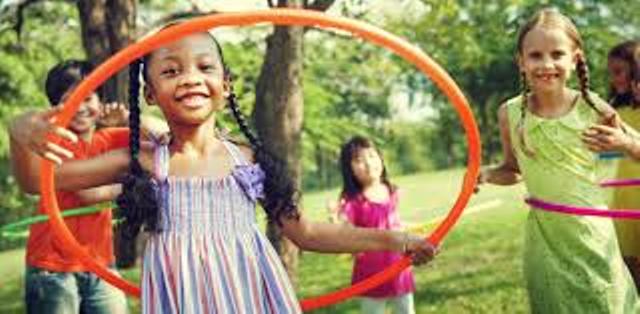
Every child in the world is a master of play. Play is part of the basic developmental experiences of human lives. Children learn about culture, social norms and language through play. Precisely because of its sociocultural nature, children in different cultures engage in play differently due to differences in language, context and social norms.

Parents in different cultures also perceive play differently. Some see children’s play as part of their natural learning process — “learning through play.” In other cultures, children’s play may be seen as just a pastime and separate from learning.

When children move to another culture and context, their experiences of play can be more complex than commonly thought. Play can be an effective and natural way for immigrant children learn to socialize with children in their new country. On the other hand, differences in context, language, social norms and parental perceptions of play may create social conflicts among children in cross-cultural contexts.

The living arrangements of families influence how children play in their new land. This week, Statistics Canada released new census data on multi-generational and multi-family dwellings. From 2001 to 2016, multi-generational households rose 38 per cent. The data also points to increasing settlement patterns of multi-family dwellings in several immigrant-rich cities such as Brampton, Markham and Vaughan on the northern edges of Toronto, and other suburban communities such as Surrey, near Vancouver. These trends, even though they’re likely due to financial reasons, may help immigrant families preserve and reconstruct play environments for their children in the new land.

Children-led play versus adult-supervised spaces

One of the major differences many immigrant children and their parents experience in Canada and the U.S. is the different contexts and social expectations of play. One example is the adult-controlled nature of play versus the child-initiated peer play in many other cultures. This can make common concepts such as the “play date” foreign to many immigrant parents and children.

The Sudanese and Vietnamese refugee families in my studies, for example, were accustomed to children playing freely with each other in their villages without adult organization or supervision. When they immigrated to an inner city in the U.S., they found this kind of play, without adult supervision, was no longer possible. Instead, they had to closely watch whom their children were playing with and where they played. Often, due to the unsafe environments of their neighborhoods, the children were confined indoors in crowded spaces.

Too many toys and too much screen time

Contextual differences can also be reflected in the materials available in the environment. A North American child’s upbringing is filled with toys and games (both electronic and non-electronic). It is reported that an average 10-year-old in a Western society can have as many as 238 toys. In pre-school in North America, 90 per cent of children’s play is toy-dominated.

Children in the U.S. and Canada are increasingly getting more screen time. (Shutterstock)

In addition to toys, children in Canada and the U.S. are increasingly getting more screen time, a concern for many mainstream and immigrant parents. These differences in the medium of play available in the environment can have a significant impact on how children play cross-culturally.

Language and social norm differences

Another challenge is language and social norms that mediate children’s play. Children bring social language use into play. For example, in role-playing, children often imitate adult use of language and interpret social relations they observe in their culture.

Since language use and social relations are different in diverse cultures, children must engage in negotiating these differences in cross-cultural play. One researcher documented a newly arrived Korean boy who bowed repeatedly while pretending to be a postman, as this is how it was in his culture. His peers laughed at his behaviour and caused great distress for the boy who did not know what went wrong.

While language may be an apparent barrier for immigrant and mainstream children’s play activities, the more important layer is the socio-cognition, that is, the ways of thinking and behaving associated with language use.

One example is the well-cited story, “How to be happy,” about an anthropologist who asked the children in a remote African tribe to race for the prize of a gift basket of fruit under a tree. Instead of racing against each other, to the anthropologist’s surprise, the children took each other’s hands and ran together to the tree and enjoyed their prize as a group. These differences in socio-cognition or ways of thinking and behaving can affect how children from different cultures interact with each other in play.

Parental perceptions of play

Parental perception of play is also an important factor that affects how children play in cross-cultural contexts. Chinese immigrant parents from my studies, for example, often came with the perception that play is just for fun and for relaxing, and is not a learning activity.

Many Chinese parents believed that too much play is a waste of time for learning and therefore will not encourage play, and sometimes limit their children’s play time in order to maximize their academic learning time. Some parents even considered the mainstream ways of teaching — for example, “experiential learning” in school — as just play and not learning. To compensate, they tried to structure more organized learning periods at home or through community tutoring services.

One child in one of my studies said that his mom created a second “home school” immediately after his day school, with repeated learning sessions alternated by some playtime — often TV watching or game playing.

These differences suggest that play in cross-cultural contexts is complex and dependent on many sociocultural and sociolinguistic factors that stimulate or regulate children’s play activities. It’s important to note that there is no “normal,” “ordinary” or “right” way of play. These differences must be interpreted within the socio-cultural contexts and backgrounds that they come from.

Fuente:https://theconversation.com/immigrant-childrens-play-can-clash-with-mainstream-cultures-81927

Fuente imagen:

https://lh3.googleusercontent.com/M9t6QYacW5iGLTwO0z7td15N8yWz7VcFsP_QJQTb81iGam_rNnlizHE9jDIxqCv1_YWX1Q=s85

Comparte este contenido:
Page 942 of 1686
1 940 941 942 943 944 1.686