La plataforma The Skate Room y la ONG Skateistan combinan el arte, el ‘skateboarding’ y la educación para empoderar a niños y jóvenes en Afganistán, Camboya y Sudáfrica
Como a cualquier otro skateboarder, a Charles-Antoine Bodson le apasionan los monopatines y sus diseños. De joven, coleccionó cientos de ellos durante diez años sin saber que, algún día, esas tablas de madera acabarían ayudando a miles de niños y niñas. “Hace seis años recibí la visita de Oliver Percovich en mi galería de arte en Bruselas, donde vendía mi colección de tablas”, cuenta Bodson. “Me habló de su ONG Skateistan y de la labor que hacían a través del skateboardingen Afganistán. Quería abrir otro centro en Camboya, pero necesitaba financiación. Me gustó tanto la idea que decidí ayudarlo”. Bodson vendió parte de su colección y donó 100.000 dólares (unos 86.000 euros) para la apertura del nuevo centro. “Meses más tarde estaba frente a este complejo deportivo. No me podía creer que yo hubiese ayudado a crear aquello”, añade.
Bodson cerró su galería de arte para dedicarse íntegramente a este proyecto. “Continué vendiendo mi colección, pero me di cuenta de que pronto acabaría por agotarse. Había que seguir produciendo y coleccionando nuevas tablas”. Así nació The Skate Room, un proyecto social en colaboración con artistas internacionales que produce ediciones únicas de obras de arte en tablas de skateboarding que pueden colgarse en una pared, como una pintura, o patinar sobre ellas.
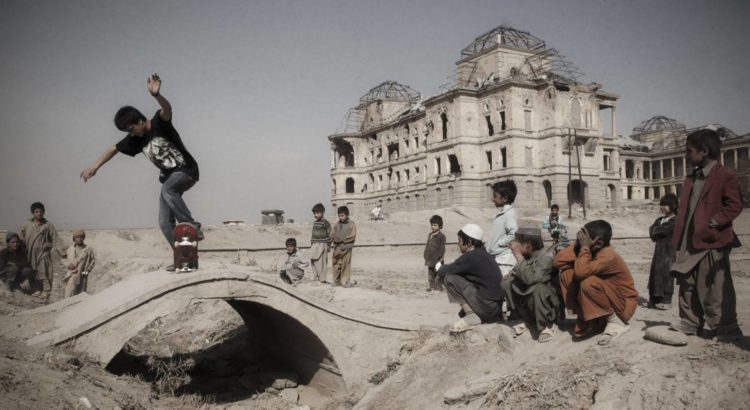
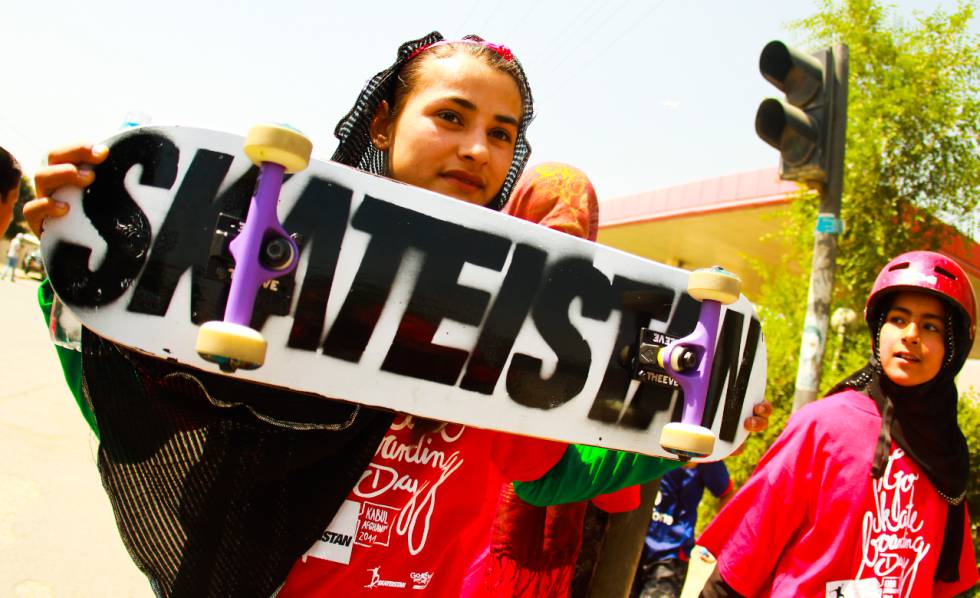
The Skate Room es uno de los principales patrocinadores de Skateistan. Esta organización sin ánimo de lucro une el skateboarding y la educación para ayudar a menores de edad en riesgo de exclusión social en países como Afganistán, Camboya y Sudáfrica. Actualmente, más de 1.500 niños y jóvenes (de 5 a 17 años) se benefician cada semana de los programas educativos que ofrece la ONG. Skateistan trabaja también para combatir la desigualdad de género (más del 60 por ciento de los participantes son niñas). “El skateboarding es un deporte que te relaciona directamente con tu ciudad, con sus calles, te permite conocer gente y crear nuevas amistades”, opina Bodson. “No requiere de materiales caros y cualquiera puede practicarlo”, agrega.
Instalación de The Skate Room.
Uno de los artistas internacionales que ha colaborado con The Skate Room es el artista disidente chino Ai WeiWei. “La primera vez fue hace cuatro años y su obra se vendió en apenas unas horas”, dice Bodson. En 2016, cuando Donald Trump ganó las elecciones presidenciales de Estados Unidos, el artista volvió a llamar a Bodson. “Levanté el teléfono y al otro lado estaba Ai WeiWei. Me dijo que quería volver a colaborar con nosotros y que ya tenía un diseño en mente. Inmediatamente después, me mandó una foto de sí mismo frente a la Casa Blanca haciendo un corte de mangas”, se ríe el fundador de The Skate Room. Aquella imagen se imprimió sobre un tríptico de tres tablas y una edición limitada de aquel diseño se puso a la venta coincidiendo con los cien días de Donald Trump al frente del gobierno. A las pocas horas se habían vendido todas las tablas.
Con Afganistán y Camboya funcionando, el siguiente objetivo de The Skate Room y Skateistan era crear un nuevo centro en Johannesburgo, Sudáfrica. “Necesitábamos 300.000 dólares, así que le pedimos un diseño al artista norteamericano Paul McCarthy. Sus tablas comenzaron a exhibirse hace cuatro años en el MOMA de Nueva York para su venta”, cuenta Bodson. En 2016, lograron el dinero para construir el nuevo centro sudafricano, inaugurado por la leyenda del skateboarding Tony Hawk.
Después de todas estas experiencias, Bodson está totalmente convencido de que el consumo también puede mejorar el mundo. “Todo lo que compramos –casas, móviles, gafas, coches, etcétera– puede contribuir a cambiar las cosas si se dona un porcentaje de los beneficios”.
Recientemente, The Skate Room ha comenzado a preparar la producción de tablas de skateboarding que financiará el nuevo proyecto de Skateistan en Jordania, el centro más grande hasta la fecha. “La reina Rania ha cedido un territorio en la frontera con Siria muy cercano al campo de refugiados de Zaatari”, explica Bodson. Y concluye: “Costará un millón de dólares y queremos que esté listo antes de los Juegos Olímpicos de Tokio de 2020 en los que por primera vez se incluirá el skateboarding como disciplina olímpica”.
Un chaval con una de las tablas del proyecto de Skateistan.
Education has been at the forefront of the political battles and conflicts that have plagued Afghanistan over the past few decades.
Changing political ideologies have taken a toll on all students as the entire Afghan education system including its staff, buildings, curricula, and attendance, was wiped out.
The current Afghan government has made service delivery a priority to promote social cohesion and trust in public institutions and pave the way for growth and jobs.
But despite these efforts, Afghanistan has been experiencing increased fragility.
The report Afghanistan: Promoting Education During Times of Increased Fragility provides an up-to-date analysis of the Afghan education sector, including the use of public money spanning over a period of six years.
Further to that, The report offers new insights on the performance of the education system and recommends reforms to improve learning outcomes and maximize public expenditures.
Key Findings
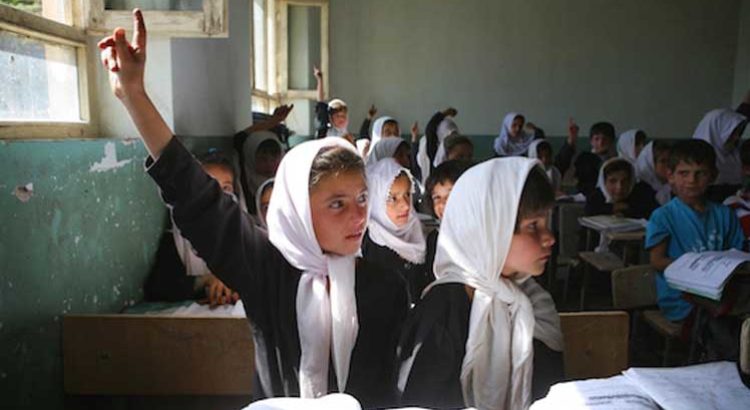
Afghanistan has made great strides in improving access and enrollment in primary schools, but access outcomes are not equitable. In 2016, out of a population of 34.66 million, more than 9.2 million Afghan youths and children were enrolled in school, representing a 9-fold growth since 2001. But provincial analysis shows a high proportion of out-of-school children, including girls exceeding 50 percent in 15 of the 34 provinces. Rural children and youth are 10 percent more likely to be out of school compared to the national average.
There is also a big gap between enrollment and attendance, witnessed by the fact that nearly half of enrolled students do not show up regularly at school. In Afghanistan, schools typically keep a student on the enrollment rolls for three years after the student stops attending. These are called “permanently absent” students and these numbers have implications for calculating unit costs per student as they are calculated based on official enrollment figures.
In addition to considerable access challenges, the education system in Afghanistan is facing a learning crisis. Many young Afghans do not know how to read and write. Only half of the population between the ages of 15 and 24 is literate. Other factors contributing to low learning outcomes and thus the learning crisis include the low qualification of teachers and inadequate learning environment, with the teacher force remaining generally underqualified.
Education spending in Afghanistan has reduced over the past five years; only considerable donor financing has kept the sector afloat to deliver basic services.However, substantial resources are needed to prepare for the increase in students attending secondary education. Despite enrollment growth, education spending in Afghanistan has declined over time as a proportion of the government budget. During the period of 2010-2015, thanks to the growing economy, the total government budget tripled, but this growth did not translate into a larger share of the budget being allocated for education.
Although Afghanistan’s average education spending is higher than education expenditures in comparable countries, due to the lack of or inefficient use of resources, the country’s current spending trajectory is not sufficient to support expected enrollment growth, particularly in lower and upper secondary education. There are significant challenges that the country must overcome to ensure that funding is maintained at an adequate level. Without new resources or improvements in the efficient and effective use of available resources, the current system would not be able to support (expected) student growth.
Unit cost analysis, on its surface, does not suggest that there is significant waste at any particular subsector. However, it is important to remember that there is a significant gap between attendance and enrollment rates. Adjusting this unit cost using attendance rates instead of enrollment rates, Afghanistan spends about 25 percent of per capita gross domestic product (GDP). This is higher than most low-income countries for which data exist. Higher education unit costs are closer to the low-income country averages: 141 percent of per capita income in Afghanistan compared to 125 percent across low-income countries. Other sources of inefficiency include low budget execution, especially in capital projects, high overhead spending and thus few resources for learning materials.
The benefit incidence analysis shows that public spending across all education levels, from primary school to higher education, benefits more children from higher income quintiles.Among primary school students, children from the highest income quintile constitute one-fourth of all students while students from the lowest income quintile account for only 15 percent. The bottom two income quintiles combined represent 26 percent of students at the lower secondary level (compared to the top quintile students that account for nearly a third of all students). At the upper secondary level, the bottom two quintiles can claim only a fifth of the students, and at the university level, only 12 percent. More than half the students who attend university are from the higher income quintile in the country.
Recommendations
To improve the performance and equity of the education sector, Afghanistan must reform the sector policies and funding priorities. Afghanistan should target investments towards improving equity. Given that poor learning conditions are linked to repetition, attrition and dropping out, Afghanistan must invest in improving the quality of education by increasing spending on teaching and learning materials.
Expand/stabilize access and attendance through community-based education, especially in rural and conflict-affected areas where school attendance comes at a considerable risk.However, given the variety of approaches and costs, designing a harmonized and cost-effective package of services should be a priority.
Develop a long-term needs projection for the education budget.Afghanistan must focus on developing multi-year budget projections adjusted for the current and future needs of the education system. As the pressure for expanding school infrastructure at the national level slows down over time with the eventual reduction in the school-age population, long-term budgeting should consider an increasing need for school repairs and maintenance as well as much needed school materials and supplies.
Make better use of the existing budget structure and the information systems for more transparency on allocation and use of public resources.Analyses of education sector performance and its financing point to the necessity to strengthen the comprehensiveness of data provided through the multiple management information systems. Institute integrated information management systems for better monitoring and reporting on outcomes and evaluation.
Source of the review: https://reliefweb.int/report/afghanistan/afghanistan-promoting-education-during-times-increased-fragility
Afganistán es uno de los países con más analfabetismo en el mundo cuya cifra supera el 60 por ciento de la población, por lo que funcionarios del gobierno abogaron hoy por impulsar una campaña para erradicar el flagelo.
En un acto por el Día Internacional de la Alfabetización, que se celebra anualmente el 8 de septiembre, admitieron que todavía hay ‘un largo camino por delante’ para superar ese problema.
El ministro de Educación en funciones, Asadullah Hanif Balkhi, citado por la cadena Tolo News, dijo que Afganistán tiene 10 millones de analfabetos, la mayoría de los cuales son mujeres.
Los niveles de alfabetización de las mujeres en este país, azotado por la guerra, son en promedio del 17 por ciento, con una gran variación, lo que indica una fuerte división geográfica y de género, según la Unesco.
La tasa más alta de alfabetización femenina es del 34,7 por ciento, y se encuentra en Kabul, mientras que tasas tan bajas como el 1,6 por ciento se encontraron en dos provincias del sur del país.
El subjefe de la Cámara de Comercio e Industrias de Afganistán, Khanjan Alokozay, señaló que al menos el 80 por ciento de sus trabajadores son analfabetos.
El pasado año, el segundo vicepresidente, Mohammad Sarwar Danish, recalcó que los esfuerzos del ministerio de Educación para superar el problema han fracasado.
‘Desafortunadamente, estamos entre los países que tienen el porcentaje más alto de analfabetismo. Las estadísticas más optimistas siguen siendo entre el 60 y el 65 por ciento de la población del país ‘, dijo Danish.
“Education is increasingly a casualty in Afghanistan,” a briefing note by the Norwegian Refugee Council (NRC) recently observed. The note was in reaction to a larger, comprehensive report by the Global Coalition to Protect Education from Attack (GCPEA), titled ‘Education Under Attack’, which studies the impact of conflict on education in 28 countries.
According to the report, Afghanistan, along with Nigeria, suffered the most number of attacks against students and educators. Indeed, as conflict in the country surges, educational facilities find themselves threatened or caught in the crossfire. In the latest such attack, a suicide bombing inside a classroom in Kabul on Wednesday killed 48 people, many of them students preparing for the national university entrance exams. Claimed by the Islamic State (IS), the attack targeted the minority Shia Hazara community. In June, some schools for girls were forced to shut following threats from the IS. Separately, over a 100 schools in Logar province were briefly closed, allegedly by local Taliban groups. Last month, the Malikyar Hotak High School in Khogyani district of the eastern province of Nangarhar came under attack, resulting in the beheading of three staff members.
“Threats — and actual violence and destruction — to schools and staff in Nangarhar Province are paralysing the educational sector and quickly reversing development gains,” William Carter, head of the Afghanistan programme at the NRC, told this writer, adding that the situation has had “a profoundly distressing effect on children’s sense of safety”. Aid organisations working with local educational groups have also confirmed that not only are school and educational facilities at risk of attacks but also that the overall environment has discouraged student attendance. The NRC observed that schools in the region were “increasingly at risk on military, ideological, and political fault lines, with attacks increasing in eastern Afghanistan”.
Not safe at school
In its own research, the NRC found that a majority of the surveyed children did not feel safe at school. It discovered that at least 12% had experienced attacks on their schools and 15% had experienced shooting very near their school buildings. Another 36% were frightened about risks of kidnapping or attack en route to schools and many of them had missed lectures and exams because of threats from armed groups. “This also undermines parents’ attitudes to the value of education,” Mr. Carter elaborated.
Meanwhile, as the much-delayed parliamentary elections approach, school facilities used as voting registration and election centres are increasingly at risk from insurgent attacks. An assault on a school that was being used as a National ID registration centre in Kabul resulted in 60 deaths in April. Currently, according to the UN, over 60% of the 7,000 voter registration and polling centres are schools, with activities taking place during classroom hours.
The deteriorating situation has also affected the delivery of educational aid. “This level of insecurity has made it very difficult for us to assure the safety of both our beneficiaries and our own staff,” Mr. Carter said, adding that they are evaluating different approaches to ensure that children are protected and that their learning can be continued in the wake of deepening insecurity. “However, we are making adjustments intended to reduce the likelihood and limit the impact of such incidents on children and staff,” he said.
Source of the notice: https://www.thehindu.com/news/international/militants-war-on-education-in-afghanistan/article24726454.ece
Before the start of another Afghan school year, about 200 tribal elders in the southeastern district of Laja Mangal gathered in a schoolyard for an important declaration: Any family that did not send its children to school would be fined $70, about half a civil servant’s monthly salary.
The district of about 50,000 people had built seven schools over the past 15 years, yet it had struggled to attract students from the mountainous area where the Taliban also have influence. The elders, feeling old tribal customs were holding back their children, thought the drastic measure was necessary.
“They see those people who go to school and become important people in the government and international organizations, so they have tasted the value of education,” said Khayesta Khan Ahadi, who was the headmaster of the first school built in the district.
Mr. Ahadi said local Taliban, after outreach by the tribal elders, announced their support for the decision from the loudspeakers of local mosques.
The tribal elders’ decision has gained attention across Afghanistan not just because it could help more children get an education, but also because it comes at a time when many remain deprived. Violence and corruption have overshadowed what was once a remarkable success story.
3.5 million children are unschooled.
That 3.5 million figure is according to Unicef. Seventy-five percent of them are girls.
The reasons vary. Violence remains high and widespread. There are too few female teachers, and many families will only let girls be taught by women. For many, going to school means a walk of many miles each day.
In certain parts of the country enjoying relative peace, however, female enrollment seems higher than that of boys.
In the central Bamian Province, 58 percent of the 162,000 students are female, according to Ayyub Arvin, the provincial director of education.
1,075 schools remain closed.
The country’s Education Ministry says it has 17,500 schools across the country, but 1,075 remained shut last year, largely because of raging violence. The south of the country, where violence has been relentless over the past decade, has been disproportionately affected by the school closures.
Activists say the number of closed schools is even higher. Mattiullah Wesa, who leads the organization the Pen Path, said they have counted 1,600 shuttered schools.
Of Afghanistan’s approximately 400 school districts, there are 48 districts where not a single male student has graduated from high school in the past 17 years, Mr. Wesa said. There are around 130 districts from where not a single girl has graduated from high school in the same period, he added.
Nearly half of schools lack buildings.
A survey of 32 of the country’s 34 provinces by The New York Times shows close to half the schools lack buildings. Provincial officials in these areas reported that more than 7,000 schools either teach in open air or have worked out temporary arrangements for classes in rental homes.
The provinces of Ghor and Herat in the west, Badakhshan in the northeast, and Nangarhar in the east had the highest number of schools without buildings, each with at least 400.
“Even inside the city, and the centers of the districts, we have schools that lack buildings,” said Rohullah Mohaqeq, the provincial director of education in Badakhshan.
Corruption hits every level.
Despite huge donor investment in Afghan education, corruption remains one of the major causes for its abysmal infrastructure.
The country’s education system is marred by corruption — from the smallest procedures of modifying school certificates, to the appointment of teachers and the handling of school construction contracts — a damningreport by the country’s independent corruption monitor said last year. People seeking a teaching job could pay as much as a $1,000 in bribes, nearly five months’ salary, to secure a position.
Recently, the government has tried to tackle corruption in the hiring of teachers by introducing a more rigorous process through its civil service commission. The Education Ministry is the country’s largest civil service employer.
Corruption has also been seen as a major reason for discrepancies in enrollment numbers. The country’s previous government had claimed more than 11 million children were in school, with allotted resources often going into the pockets of local and central officials. But the new government has placed that number anywhere between 6.2 million to a little over 9 million.
Pressure on Taliban works, sometimes.
Across the country, as violence has become the daily reality, elders have tried to figure out local arrangements that would reopen schools.
“The good news is that the Taliban now want schools in their area of control because of local pressure,” said Dawood Shah Safari, the head of the education department in Helmand, whereas many as 30 school buildings are used as cover by fighters on both sides. “Villagers keep coming to me with letters of approval from the Taliban, asking us to open schools.”
In northeastern Warduj district, which is largely controlled by the Taliban, officials said 16 schools that had been closed for two years were reopening this spring after talks with the group.
The 13 schools in the Nawa district of Ghazni Province have been closed since 2001, with no child able to attend, according to Mujib-ur-Rahman Ansar, the provincial director of education. But recently, local elders convinced the Taliban to allow the schools to reopen. As many as 25,000 children could attend if the Taliban allow both boys and girls, Mr. Ansar said.
“I must tell you that there isn’t any professional teacher for these students,” Mr. Ansar said. “I will hire one to two teachers, and the guy may only be able to read and write, with a ninth or 10th grade education, not much more.”
Other times, Taliban still threaten.
Last week, as schools prepared to open in the northern province of Kunduz, the official ceremony in the capital city had to be shifted because of Taliban threats.
Only a quarter of Kunduz city’s 130 schools have opened their doors to students. The rest, even those under nominal government control, are waiting for the Taliban to give the green light.
The dispute seems to be over the mechanism of paying the teachers. The Taliban say they are not opposed to education but will keep the schools shut until the government changes the method of paying teachers from bank deposits to cash.
On Saturday, hundreds of teachers marched in Kunduz city, saying they hadn’t been paid for five months.
Mawlawi Bismillah, the Taliban’s head of education for Kunduz, said the group’s position was intended to reduce the headache for teachers, who need to make long trips to the provincial capital to withdraw their money. It’s easier if the money is delivered by middlemen, he said.
Government officials say the Taliban are pushing the change because they want a cut.
“They should come and monitor the payment process,” Mr. Bismillah said. “In our areas of control, we have very active attention and monitoring.”
Source of the article: https://www.nytimes.com/2018/04/01/world/asia/afghanistan-schools-taliban.html
El terrorista suicida hizo estallar su chaleco explosivo en un establecimiento educativo de un barrio chiita de Kabul. El grupo fundamentalista Islámico (ISIS) se atribuyó públicamente el operativo.
Al menos 37 personas murieron este miércoles 15 de agosto, en un ataque terrorista perpetrado por el grupo Estado Islámico (también conocido como ISIS, por sus siglas en inglés) contra una escuela privada en un barrio chiita en la capital de Afganistán, Kabul.
Atentado suicida con explosivos
Los portavoces del Ministerio del Interior y el de Sanidad confirmaron el balance de víctimas señalando que además, otras 40 personas resultaron heridas tras producirse el impacto.
El ataque tuvo lugar sobre las 16:00 hora local, cuando un terrorista suicida hizo detonar los explosivos que portaba en su chaleco en el interior de una escuela del distrito policial número 18, según indicó el portavoz de la Policía de Kabul, Hashmat Stanekzai.
El edificio atacado fue un centro educativo privado en el que estudian principalmente menores, tanto niños como niñas.
El libro ‘Gigantes de la Educación’ recorre el mundo en busca de las historias personales de maestros y escuelas que no se reflejan en los exámenes ni en los informes
Una maestra que daba clases a escondidas a las niñas en Kabul, durante el período talibán. El profesor de una hagwon (academia extraescolar) surcoreana al que los padres exigen más deberes. Robótica en Estonia. Los estudiantes que acabaron con las escuelas segregadas en Estados Unidos. Poesía con el móvil en el Bronx. Violines en Caracas. Boxeo en Río de Janeiro. Monopatines en Adís Abeba. Herramientas diversas para sacar a los niños de la calle. Y del sofá. Sus historias no aparecen en ningún ranking educativo.
El libro Gigantes de la educación. Lo que no dicen los rankings (Fundación Telefónica, 2017) nació con el objetivo de poner rostro, nombre y contexto a las cifras sobre educación internacional. Recoge reportajes y entrevistas sobre educación en el terreno a profesores, padres, alumnos, académicos y políticos, en contextos tan distintos como: Cuba, Corea del Sur, Hong Kong, Singapur, Afganistán, Venezuela, Brasil, EE UU, Estonia o Etiopía, junto a entrevistas a distancia o en España a expertos de otros sistemas enfoques de enseñanza como el de Ontario en Canadá, Reggio Emilia en Italia y la aclamada Finlandia. El prólogo lo escribe el educador británico Richard Gerver, que bajo el título Al final, todo trata de personas, lanza un mensaje a los fanáticos de las evaluaciones: “Los cerdos no engordan por pesarlos”. Estos son algunos de esos rostros, nombres y contextos… que hay detrás de las cifras.
Gigantes asiáticos: la herencia del Examen Civil
Siguiendo la pista de las evaluaciones internacionales, uno de los primeros viajes de Gigantes de la Educación fue a tres gigantes asiáticos: Corea del Sur, Hong Kong y Singapur. Desde que se publicara el primer Informe PISA (el Programa Internacional para la Evaluación de Estudiantes de la OCDE que desde 2000 evalúa trienalmente a los estudiantes de 15 años en Matemáticas, Ciencias y Lectura) gobiernos y medios miran al ranking como a la clasificación de la Liga de Fútbol. Y en la quiniela, los asiáticos ganan por goleada. Siete de los diez mejores sistemas de las últimas evaluaciones PISA (2012 y 2015) fueron asiáticos. Singapur (1º), Japón (2º), Taiwán (4º), Macao (6º), Vietnam (8º), Hong Kong (9) y las cuatro provincias que participaron de China —Pekín, Shanghái, Jiangsu, Guangdong— (10º), junto a Estonia (3º), Finlandia (5º) y Canadá (7º). Es más, dice la OCDE que los estudiantes más desfavorecidos de Macao y Vietnám superaran a los estudiantes más favorecidos de 20 países (PISA 2015).
Más allá de los resultados, en los sistemas de Asia Oriental los retos son comunes: los niños estudian demasiadas horas, el sistema es demasiado rígido y muy enfocado a un examen. Las virtudes también se asemejan: la importancia de la educación y el respeto por los profesores. Para el profesor Kaim-ming Cheng, de la Universidad de Educación de Hong Kong, más allá de estereotipos que simplifican los resultados asiáticos, existe una base cultural en las que denomina “las sociedades de los palillos”, que son las sociedades que comparten dos ingredientes: comen con palillos y durante siglos se enfrentaron al Examen Civil: Corea, Japón, China continental, Taiwán, Hong Kong, Macao y Vietnam.
El Examen Civil fue una especie de oposición a funcionario imperial, a la que cualquier varón, sin importar su origen podría presentarse y arraigada en estos países por más de 1.300 años. Aprobar el examen significaba sacar a toda la familia de la pobreza, lo que hizo calar a fondo la meritocracia pero también asentó la idea de que examen y educación eran la misma cosa.
Asia olvidada: las luchadoras de Kabul
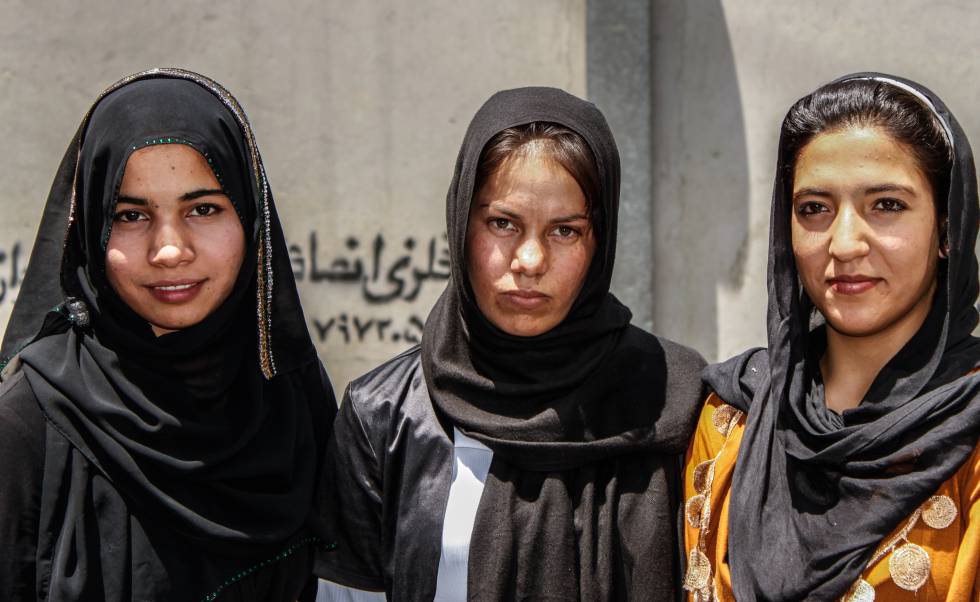
Si la educación de Afganistán se reduce a unas cifras, se puede concluir que un 60% de las niñas de Afganistán está fuera del colegio, según datos de 2018 de Unicef. Si los números se sustituyen por personas, la educación en Afganistán es la historia de la profesora Sahila, de las parlamentarias Farida Hamidi y Fawzia Koffi, de las universitarias Mursal, Sadaf, Nagina, Lina y Manizha o de las boxeadoras Sadaf, Shabnam, Farzana y Fátima y el resto de integrantes del equipo de boxeo femenino de Afganistán.
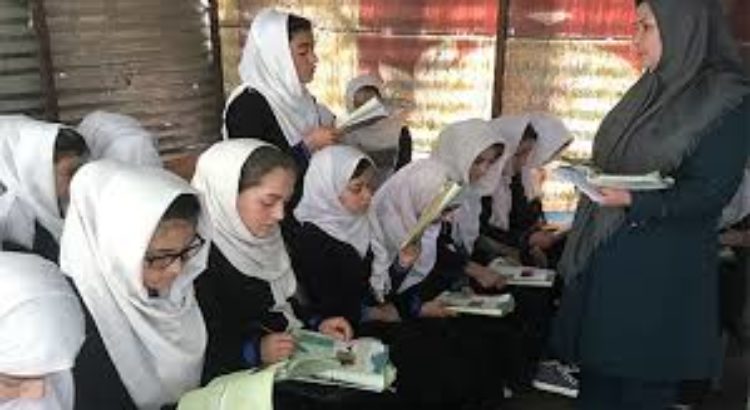
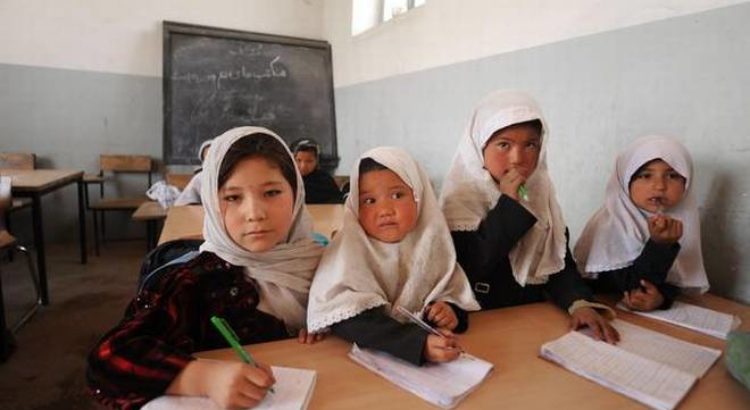
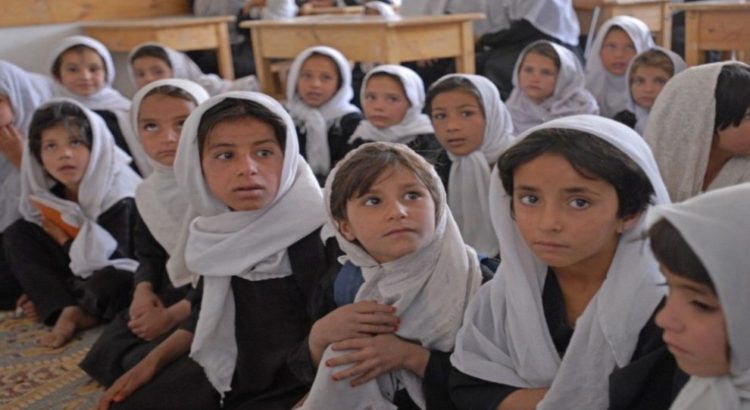
Chicas estudiantes en Kabul (Afganistán).
Cuando en 2001, los talibán llegaron al poder, la hija de la profesora Sahila tendría que haber empezado el colegio. La enseñanza quedó prohibida a las mujeres a partir de los ocho años y ella decidió dar clases a escondidas a su hija y a las niñas de otros vecinos: “Si me hubieran descubierto, me habrían matado”. La parlamentaria Farida Hamidi también fue amenazada cuando abrió la primera escuela para niñas de Nimruz, tras el período talibán. La lucha de Sadaf, Shabnam, Farzana y Fátima es literal: a puñetazos.
“El Sistema” de Venezuela: La belleza como derecho
El maestro venezolano José Antonio Abreu creía en el arte como derecho universal. Estaba convencido de que la belleza transformaba el alma de un niño para convertirlo en uno más feliz, más completo y por tanto, mejor ciudadano. Defendía que era posible vencer a la pobreza material con riqueza espiritual y que, por eso, cuando entregabas a un niño de un entorno marginal un instrumento, le estabas dando un arma para salir de la pobreza. Con ese propósito, en 1975, Abreu creó el Sistema Nacional de Orquestas y Coros Juveniles e Infantiles de Venezuela, una red de orquestas infantiles y juveniles por todo el país.
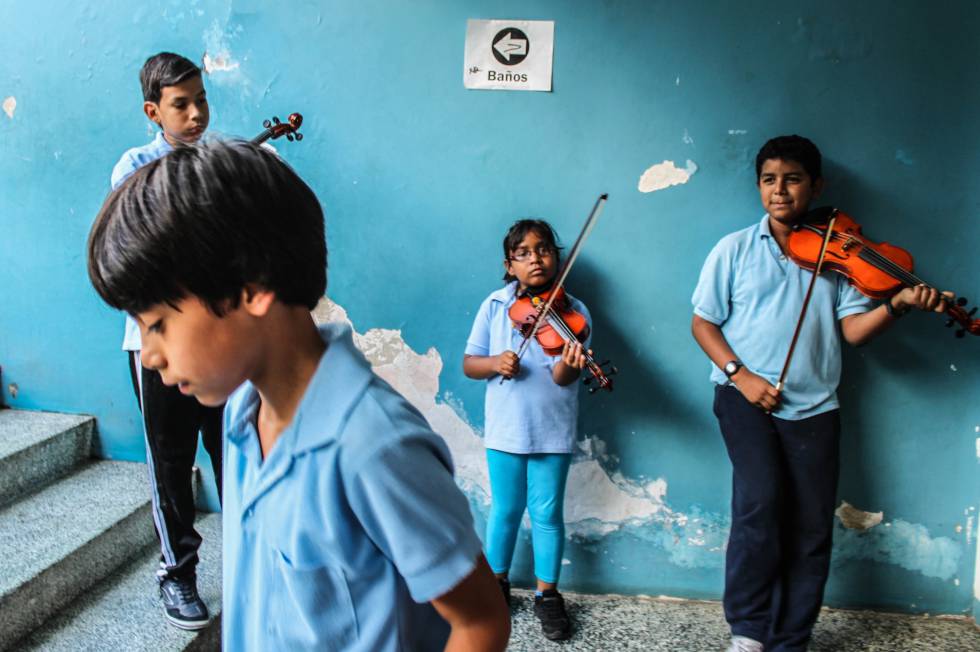
Chicos participantes en ‘El Sistema’ en Venezuela.
En Los Chorros, uno de los núcleos del Sistema en Caracas, hay niños y adolescentes afanados a sus violines y contrabajos, que de repente, cuando interpretan la Sinfonía número 8 de Beethoven, son algo grande, son artistas. “El Sistema se ocupa de sacar a los niños de la calle cuando no están en la escuela y les enseña unas habilidades, como la disciplina, la tolerancia o la comprensión que muchos, desgraciadamente, no aprenden en casa”, explica el directo del Núcleo de Los Chorros, Lennar Acosta. Lo sabe porque él fue uno de esos niños. Habla sin rodeos: “Si no me hubiera dedicado a la música, estaría muerto”.
EE UU: Los estudiantes que acabaron con las escuelas segregadas
En un pueblo de Virginia, tan remoto como su nombre, Farmville (granja), unos niños cambiaron la historia de su país, Estados Unidos, aunque no aparezcan en los libros de texto. En 2014, se celebró el 60º aniversario del fin de la doctrina ‘separados pero iguales’, una política aprobada en 1896 por el Tribunal Supremo de EEUU, que sostenía que mientras las instalaciones separadas para blancos y negros fueran iguales, la segregación no violaba la Ley. Gigantes de la Educación visitó a los antiguos estudiantes del colegio para niños negros en el que se fraguó una huelga estudiantil que puso fin a esa ley. El 70% de los demandantes del llamado caso “Brown contra Topeka”, que acabó con las aulas segregadas, procedían de ese colegio.
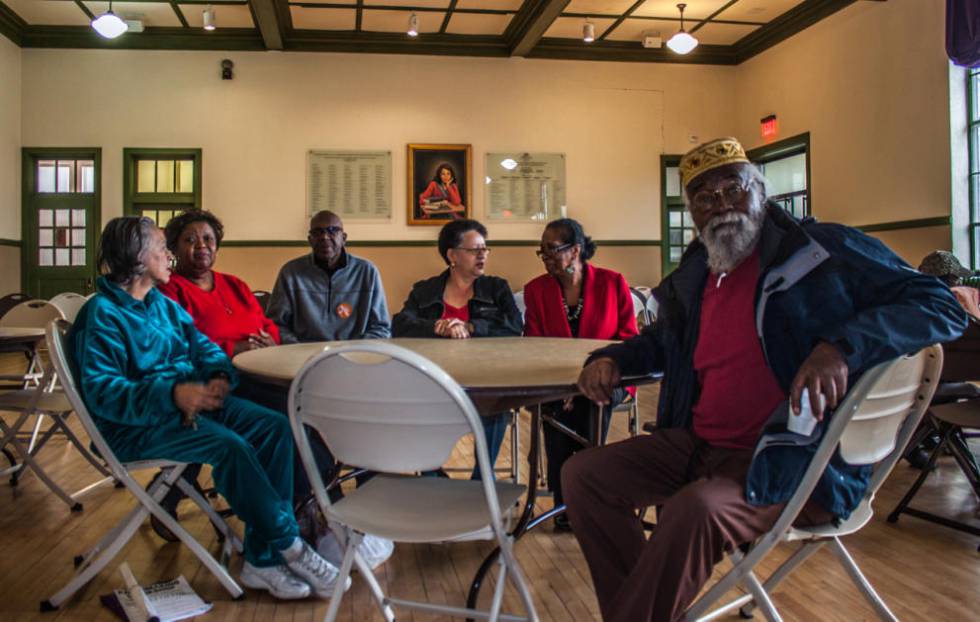
Antiguos estudiantes de Farmville, Virginia (EE UU).
La entrevista tiene lugar en la escuela en la que ocurrió todo, hoy convertida en un modesto museo. Los antiguos estudiantes son septuagenarios. Dicen que nunca pensaron en hacer historia; eran niños, solo querían una escuela mejor. “Yo tenía 10 años, así que realmente no pensaba en las consecuencias. Creo que lo único que me daba miedo era que mis abuelos me regañaran por faltar a clase”, recuerda Joy Speakes, una de las alumnas que participó en las protestas. Explica que su colegio estaba pensado para 180 niños y eran 450, “así que el condado construyó tres gallineros para meternos. Cuando llovía, el agua se colaba por el techo y teníamos que sostener el paraguas durante toda la clase para no mojarnos, nada que ver con el colegio para niños blancos, a solo unas manzanas, con cafetería y gimnasio”.
Aquellos niños, con el apoyo de sus padres y luego de la organización de Derechos Civiles NAACP fueron a juicio y ganaron. El 17 de mayo de 1954, el Tribunal Supremo declaró que las instalaciones educativas separadas eran “inherentemente desiguales”. Pero en Virginia, la batalla duró más. Como el gobierno de Virginia no estaba dispuesto a que niños blancos y negros estudiaran juntos, cuando se publicó la sentencia, cerraron las escuelas públicas durante cinco años. Muchos afroamericanos de esa edad no pudieron volver a estudiar. Mickie Garrington, de 65 años, fue una de las estudiantes afectadas por el cierre: “Cuando me lo dijeron mis padres me sentí muy mal (…). La decisión no tenía sentido para una niña de 10 años”. “No puedes ir al colegio porque la gente blanca cree que no mereces ir a clase con ellos, eso para una niña no tiene sentido”.
Brasil: Cantos de sirena en la favela
“Yo soy vulnerable al canto de sirenas”, resolvió la alumna, de 14 años, tajante y se produjo un silencio incómodo. Era su interpretación tras leer La Odisea de Homero, durante una tertulia literaria que se celebró en una escuela situada en una de las comunidades más violentas de Rio de Janeiro, la Pavuna.
Eloisa Mesquita, la gerente del Ginásio experimental carioca, una red de innovación pedagógica que integra a 28 escuelas de Río de Janeiro, recuerda la anécdota para exponer el alcance de las tertulias literarias dentro de las llamadas comunidades de aprendizaje, a las que se han unido. A través de las tertulias literarias pretenden hacer partícipes de las escuela a toda la comunidad. Participan: profesores, familias, alumnos, vecinos y voluntarios. También en Río, en otra comunidad, Lecimar y Antonio “Gibi” utilizan el boxeo para sacar a los adolescentes del sofá.
Estudiantes brasileños.
Gigantes de la Educación visitó Brasil en 2014, en un momento de descontento popular en el que las calles se llenaban de manifestantes al grito de “¡Brasil despertó!”. Luiz Cláudio Costa, presidente del Instituto Nacional de Estudios e Investigaciones Educativas (INEP), asegura en entrevista que: “Si miras los datos de la última década verás que Brasil no estaba dormido”. Menciona los programas como la Bolsa familia y Brasil sin miseria con los que más de 36 millones de personas superaron la pobreza extrema en los últimos años; los cinco millones de jóvenes que se matricularon en la escuela entre 1991 y 2012, y cerca de tres millones en la educación superior.
Estonia: robots y ruido
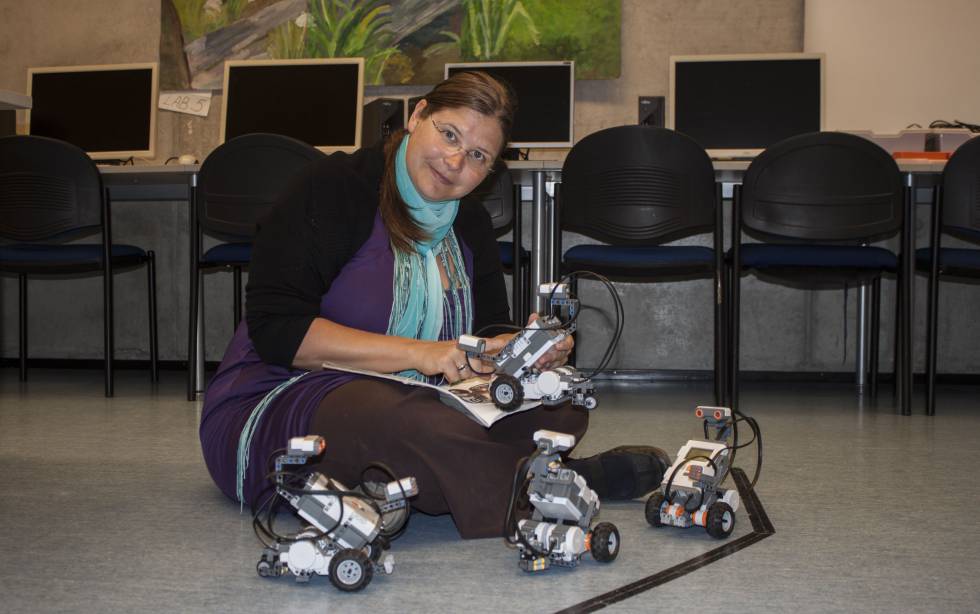
Sentada en el suelo del aula, rodeada por pequeños robots, la profesora Birgy Lorenz, explica que, desde hace tres años, en los colegios de Estonia se trabajan los temas de manera transversal porque la vida “no se basa en asignaturas”. En Estonia, un país donde se vota a las elecciones desde el smarthphone, se crean empresas en cuestión de minutos y un par de clics y hasta se donan órganos por Internet, en los últimos años, la tecnología también dio el salto al ámbito educativo. Dos iniciativas sobresalen en esta área, una es la denominada “e-School”, una plataforma que se puso en marcha en 2002 y que pone en contacto a padres, profesores y alumnos; la segunda es la enseñanza de programación, que Estonia imparte en sus colegios, desde 2012, a partir de los siete años.
Birgy Lorenz, con sus robots.
Lorenz fue Premio Microsoft en 2009, premio al profesor más innovador de Europa en 2010 y profesora del año de Estonia, en 2011. Dice que enseñar robótica a niños también cambia la forma de dar clase: “Antes se creía que una buena educación era con todos sentados en silencio y cuando enseñas por primera vez robótica, los niños hacen mucho ruido y es que el aprendizaje hace ruido ¡y es un buen ruido!”.
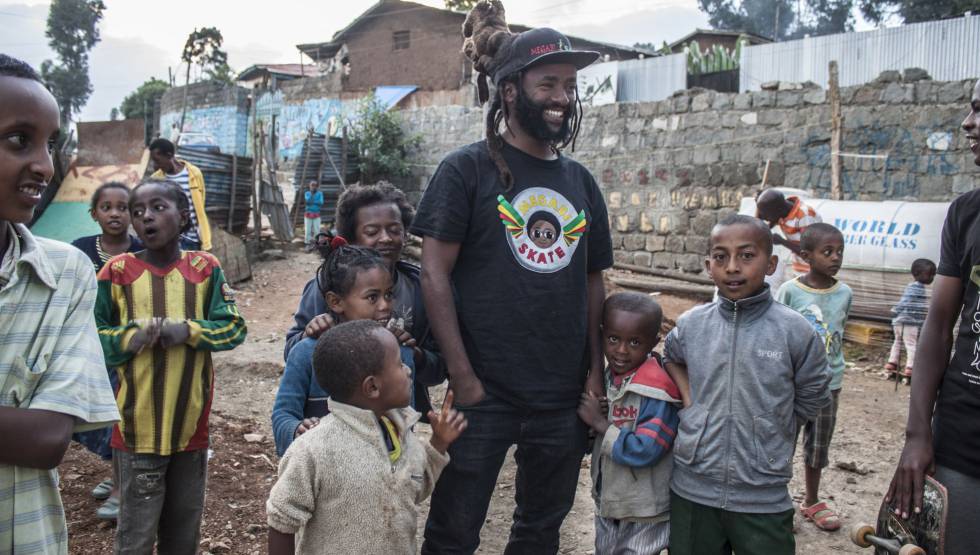
La primera rampa de monopatín de Etiopía
El primer día que Izzy se deslizó con un monopatín por la empinada cuesta del barrio Shiromeda, en Adís Abeba (Etiopía), una multitud de críos le persiguió boquiabierta, entre risitas. Aquel artilugio trotaba divertido, entre motocicletas, asnos y niños con uniforme que salían de clase, en las montañas Ontoto.
Izzy (en el centro), en Adís Abeba.
“Donde crecí no hay nada que inspire a la juventud, uso el patín como herramienta para empoderarlos”, asegura el artista que ha creado con ese fin el proyecto Megabiskate, Love in action para ayudar a los niños del barrio, la mayoría involucrados en la venta ambulante. Planeta Futuro publicó la entrevistaíntegra con este cantante de reggae que explica su particular fórmula del éxito: “Cree en alguien y esa persona será capaz de hacer cualquier cosa”.
OtrasVocesenEducacion.org existe gracias al esfuerzo voluntario e independiente de un pequeño grupo de docentes que decidimos soñar con un espacio abierto de intercambio y debate.
¡Ayúdanos a mantener abiertas las puertas de esta aula!




 Users Today : 8
 Total Users : 35460809
 Views Today : 15
 Total views : 3420045