Saltar al contenido principal
Page 1232 of 2493
1 1.230 1.231 1.232 1.233 1.234 2.493

Estudiar en la universidad, la última barrera educativa para los alumnos con discapacidad

  1. Por: Daniel Sánchez Caballero

Solo un 6% de las personas con discapacidad tiene una titulación universitaria en España, lejos del 40% que tiene como objetivo la Unión Europea para 2020.

La universidad es el gran reto educativo para las personas con discapacidad. En los campus españoles hay 17.000 estudiantes que pertenecen a este colectivo (el 1,7% del millón largo que hay en total), y menos del 6% de las personas con una discapacidad tiene un título, según el III Estudio sobre el grado de inclusión del sistema universitario español respecto de la realidad de la discapacidad, de la Fundación Universia y el Cermi. El dato está lejos aún del 40% que se propone la estrategia europea para 2020. El problema, dicen los expertos, ni siquiera está ahí: la barrera está un poco más abajo, en la Secundaria y el Bachillerato.

“Se va avanzando progresivamente”, explica Isabel Martínez, comisionada de Universidades y Juventud de la Fundación ONCE, consciente sin embargo de que la estadística es pobre. “Pero hay una situación de embudo por los obstáculos que se encuentran por el camino, sobre todo en Bachillerato”, explica. Los datos confirman su teoría. La mitad de los estudiantes con discapacidad no logra ir más allá de este nivel educativo. El 50% nunca intentará siquiera pisar un campus. Con esos mimbres, difícil dar el siguiente paso y subir la tasa de graduados.

Uno de los principales problemas que se encuentran estos estudiantes se llama adaptaciones curriculares. La falta de ellas, en concreto, según explica Martínez. Los alumnos con alguna discapacidad en ocasiones necesitan que los materiales que se presentan en clase, o los exámenes, se adapten para que puedan acceder a la información en igualdad de condiciones que sus compañeros. Sin rebajar contenidos, se trata de facilitar el acceso. Para un ciego, que no se le presenten por escrito. Para un sordo, solventar su incapacidad de escuchar al profesor. Para un TDAH (Trastorno por Déficit de Atención e Hiperactividad) o alguien con dislexia, que se le conceda más tiempo, por ejemplo.

Sin embargo, no siempre se hace, lamenta Martínez. Aunque se podría pensar que esto ocurre más en la Universidad, un nivel educativo no obligatorio, donde no hay que preocuparse porque todos lleguen, es sobre todo en Secundaria donde se forma el escollo. “Es mucho peor esta etapa que la Universidad. Primero por los recortes en profesores de apoyo, pero también por una falta de concienciación y responsabilidad del profesorado, que es impresentable”, explica. “Gran parte de la culpa de que los chicos no accedan a la universidad viene de aquí”, asegura.

Algo que, en teoría, demostrarían los datos respecto al desempeño de las personas ciegas en Secundaria. Estos chicos tienen una tasa de abandono escolar temprano del 8%, muy por debajo de otras personas con discapacidad y la mitad que el alumnado en general, que ronda el 16% actualmente. ¿Por qué? Según Martínez, solo tiene que ver con el apoyo que estos alumnos reciben de la Fundación ONCE. “Ahí se demuestra que, cuando se dan los recursos de apoyo necesarios los chicos llegan”, explica.

Lo corroboran cuatro estudiantes universitarios con TDAH que participaron en un estudio elaborado por la Universidad de Sevilla. En un colectivo con hasta un 95% de posibilidades de abandonar los estudios universitarios, estos alumnos, casos de éxito, consideraron que lo que les había resultado de mayor utilidad durante su tránsito por el campus fue “la implicación del profesorado”, que conocieran su situación y les ofrecieran las adaptaciones curriculares (no significativas, lo que quiere decir que no se modifican los contenidos, las competencias o los objetivos) que piden los expertos.

Varón y con discapacidad física

Como estos cuatro estudiantes, el perfil del alumno universitario con discapacidad responde a un varón (el 54,4%) con una discapacidad física (46%) que estudia Ciencias Jurídicas y Sociales. La discapacidad menos presente en la Universidad es la sordera. Quizá, como le ocurrió a Juanma, por la (ocasional) falta de apoyos que este tipo de estudiante necesita sí o sí para poder seguir las clases.

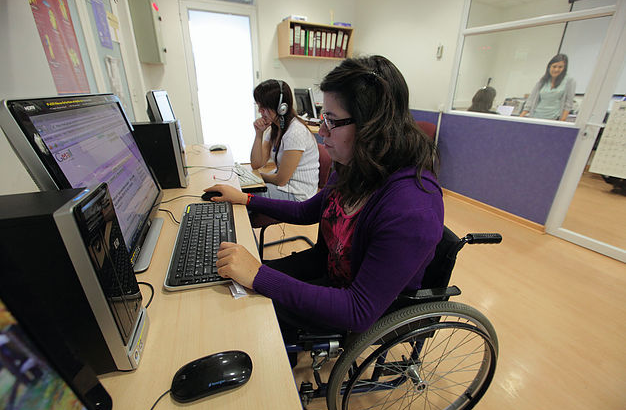
La normativa española ampara el enfoque inclusivo educativo que promulga la Convención de la ONU sobre los Derechos de las Personas con Discapacidad, a la que España está adherida. El problema, como sucede en general con los asuntos relacionados con la discapacidad, es que no se cumple. En cosas tan básicas como garantizar el acceso, tanto físico como virtual, a todas sus instalaciones, que no siempre ocurre. Que se lo pregunten a Raquel, en silla de ruedas y que ha estado tres años llegando a su clase en el tercer piso de la Facultad de Bellas Artes de la Universidad Complutense porque algún alma caritativa la subía a pulso.

Por ley, este mes de diciembre acaba el plazo por el que tendría que estar garantizado este acceso total para personas con discapacidad, sea a un edificio o a una página web. Sin embargo, este objetivo está lejos de cumplirse.

Con lo que sí cuentan las universidades es con una oficina de atención al estudiante con discapacidad, donde pueden acudir a solicitar las adaptaciones y solventar cualquier problema que les surja. Y cada vez más centros realizan convenios específicos con asociaciones pro inclusión para facilitar el acceso, según explican desde Plena Inclusión, que citan los casos de las universidades de Valencia, Burgos, Comillas o Extremadura.

La última en sumarse ha sido la Universidad Oberta de Catalunya (UOC), que acaba de firmar un convenio con la Fundación ONCE para rebajar sus matrículas. Como universidad a distancia que es, con todas las ventajas que eso conlleva a la hora de facilitar el acceso, la UOC es el segundo centro con más estudiantes con discapacidad de España junto a la Universidad de Valencia y por detrás de la UNED.

Fuente: http://eldiariodelaeducacion.com/blog/2017/11/21/estudiar-en-la-universidad-la-ultima-barrera-educativa-para-los-alumnos-con-discapacidad/
Comparte este contenido:

90 preguntas para un diálogo educativo

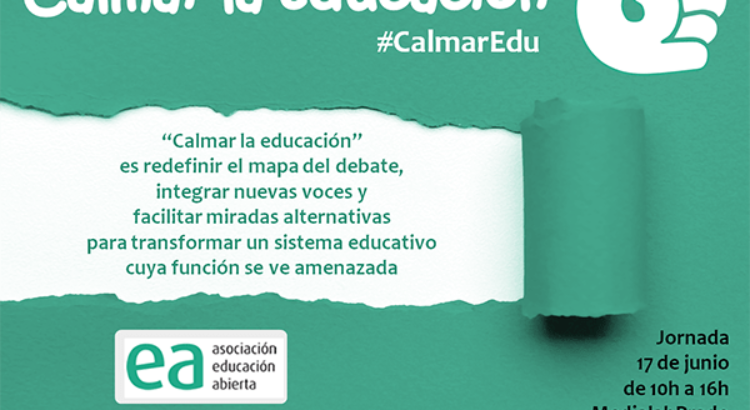
Preguntar es decidir. ¿Quién pregunta a la Escuela?, ¿quién pregunta en la Escuela?, ¿quién responde por la Educación?.A continuación se recogen 90 preguntas, 90 propuestas con las que poder iniciar un diálogo sobre educación. Pero queremos ensanchar esta visión, queremos incorporar al proceso de “Calmar la Educación”, y de manera especial a la jornada del día 17 de junio, cuantas más voces sean posibles.

Comparte tus preguntas sobre el futuro de la Educación en; #CalmarEdu para que podamos incorporar tus experiencias y tus inquietudes.

Temáticas y grupos de trabajo:

Aprendemos dialogando

  1. ¿Para qué ir a la escuela en el siglo XXI?
  2. ¿Qué decide el alumno en su proceso de aprendizaje?
  3. ¿Cómo formalizamos el aprendizaje entre pares?
  4. ¿Cuáles son los límites de la automatización del aprendizaje?
  5. ¿Cómo facilitamos el desarrollo social y laboral de los alumnos?
  6. ¿Cómo adecuamos el aprendizaje a la personalidad de cada alumno?
  7. ¿Cómo incorporar en la escuela lo que realmente les pasa a los alumnos?
  8. ¿Cuál debe ser el periodo de educación obligatoria?

Todos somos todos

  1. ¿Qué es la educación inclusiva: alumnos normales o simplemente alumnos?
  2. ¿Se puede excluir alguna persona del derecho a aprender por motivos económicos?
  3. ¿Cómo integrar la Educación con otras política sociales? ¿Hay Educación sin una visión social?
  4. ¿Qué responsabilidad tiene el entorno empresarial en las políticas educativas?
  5. ¿Cómo adoptar el tiempo de aprendizaje con la organización educativa?
  6. ¿Cómo se deben gestionar las actividades extraescolares?
  7. ¿Aprendemos desde la diversidad, con la diversidad y para la diversidad?
  8. ¿Cuál es el verdadero papel de la Escuela en la construcción social? ¿Hay igualdad sin inclusión educativa?
  9. ¿Cómo debe ser una escuela orientada a crear dirigentes sociales económicos y  administrativos del país?
  10. ¿Cómo deben integrar el ecosistema social dentro de la Escuela para que sea un “laboratorio vital de aprendizaje”?

La familia dentro y fuera de la escuela

  1. ¿De quién es la responsabilidad del aprendizaje de los menores?
  2. ¿Puede la escuela compensar las desigualdades socioeconómicas de las familias?
  3. ¿Cómo deben contribuir las familias a la definición y seguimiento de los proyectos de centro?
  4. ¿A qué datos de los resultados del centro deben tener acceso las familias?
  5. ¿Es relevante la satisfacción de las familias?
  6. ¿Está contribuyendo la educación a la medicalización de los niños?
  7. ¿Cómo mejorar en reconocimiento y respeto profesional de los profesores?
  8. ¿Puede la escuela ayudar a las familias a facilitar el desarrollo de sus hijos?
  9. ¿Puede haber distintos niveles de escolarización de acuerdo con los criterios de las familias?

Profesionales de la educación

  1. ¿Cómo coordinar de cara a las necesidades de los alumnos el equipo docente interdisciplinar del centro?
  2. ¿Cómo promover el aprendizaje entre los profesionales de la educación?
  3. ¿Cómo incorporar las evidencias científicas existentes sobre los procesos de aprendizaje?
  4. ¿Cuál es el futuro de los contenidos educativos?
  5. ¿Cómo incluir en el programa docente el desarrollo y evaluación de las competencias para los alumnos actuales?
  6. ¿Pueden convivir las metodologías propias de cada profesor en un centro?
  7. ¿Qué cualificación demanda el ejercicio del liderazgo educativo?
  8. ¿Cómo mejorar la gestión administrativa en la gestión docente?
  9. ¿Cómo gestionar las micropolíticas de los profesores?

El espacio educa

  1. ¿Cómo debe ser un aula?
  2. ¿Cómo integrar el barrio o el pueblo en el aprendizaje escolar?
  3. ¿Cómo integrar Internet en aprendizaje escolar?
  4. ¿Cómo adecuar el espacio físico y virtual al proyecto educativo?
  5. ¿Desequilibrio territorial y acceso a la educación?
  6. ¿Cómo puede la tecnología favorecer el desarrollo personal en  los entornos rurales sin desarraigos?
  7. ¿Cómo favorecer que los alumnos sean cosmopolitas?
  8. ¿Qué tipos de espacios son necesarios?
  9. ¿Qué principios debemos tener en cuenta al diseñar espacios adecuados para las nuevas metodologías?
  10. ¿Cómo deben participar los alumnos en el diseño de los espacios del centro?

Curriculum y proyecto educativo de centro

  1. ¿Cómo organizamos el curriculum? ¿Cuáles son los criterios que se emplean para diseñar el curriculum? ¿Cómo se articulan sus elementos?
  2. ¿Qué queremos decir cuando hablamos de competencias? ¿Por qué y para qué enseñar y aprender competencias?
  3. ¿Se enseñan y se aprenden realmente las competencias? ¿Cómo transformar un curriculum basado en una lista de contenidos en uno inspirador basado en competencias?
  4. ¿Por qué se sugiere un curriculum abierto? ¿Cuáles son los límites de un curriculum abierto?
  5. ¿Quién debe decidir y cómo debe decidirse el proyecto educativo de centro?
  6. ¿Cómo se resuelve el problema de acomodar la libertad del docente y el proyecto educativo?
  7. ¿Dónde empiezan las creencias y dónde terminan las evidencias en la escuela?
  8. ¿Por qué es importante la autonomía de centros? ¿Debieran existir límites en la autonomía de centros? ¿Puede haber autonomía de centros sin evaluación?
  9. ¿Cómo instaurar redes de centros?
  10. ¿Cómo pueden incorporarse las estrategias de aprendizaje informal en el aprendizaje formal que tiene lugar en la escuela?

Medimos lo que valoramos

  1. ¿Es evaluar un elemento imprescindible del sistema educativo? Si es así, ¿qué tipos de evaluación necesitamos y cuáles no queremos?.
  2. Cuando evaluamos, ¿tenemos claro su finalidad principal?; ¿qué objetivos buscamos con la evaluación?. ¿Establecemos estos objetivos y fines de manera compartida?, ¿se ajusta nuestra forma de evaluar a esa finalidad?. ¿Estamos seguros que conseguimos los objetivos establecidos?
  3. ¿Es evaluar un proceso objetivo? o, por el contrario, ¿cada vez que evaluamos estamos asumiendo unos valores determinados? ¿Es evaluar un proceso técnico o ético?
  4. ¿Somos conscientes del poder de la evaluación?. ¿Sabemos cuáles son las consecuencias pretendidas de la evaluación? ¿somos conscientes de sus consecuencias no pretendidas?. ¿Somos conscientes de cómo condiciona cualquier evaluación al proceso enseñanza/aprendizaje?. Cuando evaluamos, ¿tenemos en cuenta que el cómo evaluamos condiciona la calidad y la durabilidad de los aprendizajes?
  5. ¿Quién debe participar en el diseño de la evaluación? y ¿quién debe evaluar?. ¿Qué ocurriría si a nuestros alumnos les evaluásemos por su capacidad para evaluar y evaluarse?
  6. ¿Estamos midiendo lo que valoramos o medimos aquello que es fácilmente medible, llegando a la situación de que valoramos solo lo que podemos medir?. Dicho de otra manera, ¿estamos midiendo (todo) lo que nos importa? ¿O es necesario ampliar la mirada sobre lo que medimos?.
  7. ¿Qué ocurriría si en lugar de medir la adquisición de  conocimientos que quedarán obsoletos rápidamente les evaluásemos por su capacidad de aprender a aprender y de aprender a ser?; ¿Qué ocurriría si les evaluásemos por su capacidad para transformar sus entornos?; ¿por su capacidad para transformar la sociedad?. ¿Qué ocurriría si evaluásemos su capacidad para vivir y trabajar en la incertidumbre?
  8. Promueven las mediciones internacionales y las comparativas a gran escala un debate amplio y profundo acerca de qué entendemos por una buena educación o, como sostiene Gert Biesta, en realidad han reemplazado las preguntas normativas sobre las metas y logros educativos deseados por preguntas técnicas acerca de la eficacia de los Sistemas?. ¿Son útiles las pruebas internacionales para las escuelas? ¿a los docentes? ¿a los alumnos? ¿Pueden mejorar los resultados en las evaluaciones sin mejorar los aprendizajes?
  9. ¿Cómo se miden las competencias?. ¿Cómo podemos medir competencias sociales y emocionales, como la empatía y la responsabilidad, o competencias y valores como el respeto a la multiculturalidad o la dignidad humana?
  10. ¿Se puede medir la calidad del profesorado?

El tiempo y los tiempos en el aprendizaje

  1. ¿Cómo debe ser la unidad en la que dividir en tiempo en la escuela? ¿Cuáles son las razones por las cuales seguimos compartimentando el tiempo de la docencia en unidades discretas de tiempo limitado?
  2. ¿Por qué no permitimos a los alumnos que aprendan a gestionar su propio tiempo? ¿Por qué se presume que los ritmos y estilos de aprendizaje de todos los alumnos son similares? ¿Por qué no introducimos el aprendizaje de la gestión del tiempo como una herramienta de meta aprendizaje fundamental?
  3. ¿Por qué examinamos a todos nuestros alumnos al mismo tiempo? ¿Por qué no esperamos a que cada uno encuentre el momento más adecuado para someterse a una prueba o un control?
  4. Creíamos hasta hace poco que aprender era un verbo que se ejecutaba durante un tiempo limitado al fin del cual dejábamos de hacerlo; hoy creemos que el aprendizaje se despliega a lo largo del tiempo, a lo largo de toda nuestra vida. ¿Cómo han cambiado las cosas? ¿Qué nos ha llevado hasta ahí? ¿Cómo debemos preparar a nuestros alumnos para que sean capaces de desarrollar esa predisposición a aprender de manera permanente, sin limitaciones temporales? Zygmunt Bauman decía a este respecto: “El apetito de conocimiento debería hacerse gradualmente más intenso a lo largo de toda la vida, a fin de que cada individuo continúe creciendo y sea a la vez una persona mejor”. ¿De qué manera podemos promover esta inclinación?
  5. El aprendizaje y el seguimiento de objetivos personales acompañamiento y asesoramiento, pero los profesores no suelen disponer del tiempo necesario para prestar esa clase de atención personalizada. ¿De qué manera habría que liberar el tiempo de los profesores para que pudieran convertirse en asesores, mentores o tutores personales de sus alumnos?
  6. “La aceleración tecnológica”, escribe Hartmut Rosa, que está vinculada frecuentemente con la introducción de tecnologías nuevas, casi inevitablemente provoca una gama de cambios en las prácticas sociales, las estructuras de comunicación y las formas de vida correspondientes”. Si eso es así -y parece, en buena medida, incontrovertible-, ¿de qué manera ralentizar el ritmo del aprendizaje y promover el uso cabal de la tecnología? ¿De qué forma promover la resonancia personal que el aprendizaje requiere?
  7. Muchos de nosotros hemos constatado que parece existir una pauta temporal reiterativa en el ciclo del abandono y la exclusión escolar: malas calificaciones, desatención y desapego crecientes, fracaso escolar, abandono o expulsión y deserción escolar irreversible. ¿Hay alguna manera de impedir que esta cadencia y este patrón se repitan?
  8. La sobrecarga de los planes de estudio es en parte responsable de que las jornadas escolares de los alumnos no acaben cuando abandonan las aulas. Las tareas escolares añaden horas a su jornada escolar y convierte sus días en interminables jornadas laborales. ¿Hay alguna forma de delimitarlas, de evitar las sobrecargas y de asignar un tiempo para cada cosa?
  9. La psicología y la pedagogía tradicionales abogaban por la existencia de fases de desarrollo cognitivo claramente diferenciadas y, por tanto, de contenidos adecuados para cada tramo de edad. Hoy en día existen posturas, sobre todo en la etapa de infantil, que invitan a obviar esas supuestas diferencias y cultivar, más bien, los intereses de los niños y niñas, independientemente de su edad. ¿Es necesario, en pedagogía, darle tiempo al tiempo y permitir que cada alumno despliegue sus talentos y competencias a su ritmo?
  10. ¿Cuánto tiempo sería necesario para promover una transformación sólida de nuestro sistema educativo que nos garantizara, en la medida de lo posible, resultados positivos? ¿Qué nos puede enseñar el caso, por ejemplo, de Singapur? (un Estado con 50 años y un sistema educativo joven)

La política importa

  1. ¿Cómo actualizar, en un pacto educativo para el 2030, los 4 pilares fundamentales de la Educación del Informe Delors?. (Aprender a conocer, a hacer, a convivir y a ser)
  2. ¿Cuáles debieran ser los límites temporales de la escolarización obligatoria?. ¿Sobre qué postulados habría que considerar la adecuada temporalidad (sociales, desarrollo de la persona…)?
  3. ¿Cómo reforzar una educación inclusiva en una sociedad cada vez más compleja y diversa?
  4. ¿Ha de reforzarse el papel de los municipios, o instituciones públicas más cercanas al ciudadano, en lo referente a la gestión educativa?
  5. ¿Cómo articular la participación de la ciudadanía, más allá de las instituciones públicas (municipios y CCAA) en el desarrollo de las actividades educativas, escolares y extraescolares?
  6. ¿Cómo conjugar y encauzar políticamente la imprescindible burocracia administrativa y legal y los intereses corporativos dentro de la institución educativa con la imperiosa necesidad de transformación que requiere la escuela y el aula?
  7. Relacionado con lo anterior: ¿cómo incorporar la “revolución en la innovación digital” que está sufriendo la Educación y la escuela también en la Administración Pública Educativa?. A este respecto, se vería afectada en: la labor de inspección, evaluación y resultados, la labor de gestión administrativa digital, la labor de selección de personal no docente, etc.
  8. ¿Cuál es el papel de los nuevos actores económicos (corporaciones de internet, fabricantes de dispositivos, desarrolladores de software, fondos de inversión…) y sociales (Fundaciones, Asociaciones sin ánimo de lucro, otras entidades colaboradoras) en sistema educativo?
  9. El derecho a aprender, la necesidad de un aprendizaje para toda la vida, ¿se garantiza con los derechos de escolarización?. ¿Qué más habría que hacer?
  10. ¿Cómo coordinar las políticas educativas con otras políticas públicas relacionadas: culturales, ciencia y tecnología, medio ambiente y sostenibilidad,…  Muy en particular, las políticas vinculadas a la empleabilidad, a la relación entre educación e inserción en el mundo laboral, en lo referente al ajuste necesario a la nueva economía digital.
  11. Por último, y como quiera que debemos educar “para lo que aún no existe” se requiere reflexionar sobre las plataformas políticas más ágiles e innovadores que ayuden a diseñar, a través de la educación, la sociedad que queremos. Una Educación en sentido amplio capaz de afrontar el reto de transformación y rediseño de instituciones (empezando por las educativas) que hagan posible la sociedad futura


“Si no queremos entregar la responsabilidad de nuestros procesos y prácticas educativas a abstractos sistemas de medición y aspiramos a mantener un control democrático sobre nuestras iniciativas educativas y sobre las maneras en las que evaluamos su calidad, es sumamente importante que se lleve a cabo un debate sobre aquello que nuestros esfuerzos educativos deberían tratar de conseguir” (Gert Biesta).

Debemos recuperar el debate sobre los fines de la educación. En educación hemos dedicado mucho tiempo a los métodos y poco a reflexionar sobre las metas. Debatir sobre los los fines de la educación; sobre cuáles podrían ser los parámetros de una buena educación; ampliar el campo de diálogo; incorporar voces y experiencias diversas son parte de los objetivos de la Jornada #CalmarEdu que hemos organizado desde laAsociación Educación Abierta para el próximo día 17 de junio en Medialab Prado. Si quieres participar en inscríbete antes del 2 de junio en este formulario.


Para seguir el debate puedes usar #CalmarEdu o en Facebook la web de la Asociación Educación Abierta.

Fuente: http://educacionabierta.org/90-preguntas-para-un-dialogo-educativo/

Comparte este contenido:

Russian education is enjoying an investment boom


Editorial

On the British Teachers Coming Work in Moscow

Russian education is going through an investment boom. Every year, new private schools are opened, many offering an education in English leading to an international diploma. And following the investment are the teachers from the English speaking world to provide that education.

Russians have traditionally been proud of their education system, yet recent declines in many worldwide competitions and ratings have spurred responses both by the Ministry of Education, but also senior business leaders. Billionaires and senior executives with investments abroad have founded or helped fund projects to develop elite schools. Similarly, the traditional alternative to a Russian state education, Moscow and St Petersburg’s international schools, are also booming with new campuses opening. All these factors lead to the situation where there is increasing demand for English native speaking teachers to come to work in Russia.

To learn more the experiences of international teachers arriving in Moscow we sat down with Alla Ponomareva, the HR Director at one of the leading international schools, Cambridge International School, who is currently recruiting new staff for the next academic year.

What motivates teachers to move abroad to teach?

There are quite a few reasons why teaching abroad can be fulfilling, exciting and rewarding. Teachers think, well, I am young and enthusiastic, full of energy and willing to explore the world or they might say, I am a professional teacher with over 15 years of experience, my children have grown-up, and now I finally have the chance to share my knowledge and culture with others.

Overall, some of the most frequent motivations for teaching abroad that I have seen include the experiences of a different culture, learning a foreign language, gaining international work experience, and making a difference in the lives of others by helping them learn in a whole new way.  And, last but not least, the salaries that many international schools provide.

Who are the kinds of teachers who are most interested in working in Russia?

Usually, these teachers are open-minded professionals who value cultural differences and traditions of Russia. They are very tolerant and open to new challenges. Usually, these are the teachers who are interested in history, art, and travel. They come to Russia not only to share their experience but learn a lot for themselves.

What is teaching abroad like?

Teaching in a foreign country may be different from teaching at home, so it is important to be flexible and adaptable. Such factors as the types of jobs, hours, and ages of students, skills to be taught, and, more generally, attitudes to schooling and education can be very different to what a teacher has experienced at home. But the differences aren’t necessarily challenging, many teachers are delighted by, for example, all the flowers and attention that they receive on 1st September (first day of school).

Do you find yourself in competition with schools in other countries when recruiting?

Yes, we are definitely competing with other countries when recruiting. British teachers and those from other English speaking countries are in high demand, but as surprising as it may sound to some, Moscow and St Petersburg offer some of the most enjoyable environments and lifestyles. It is a European capital with a long historical and cultural heritage. Social attitudes can be much more familiar than in other places and we find some teachers leaving perhaps warmer climates, but radically different cultures, to move to Moscow.

What are the challenges that teachers might face when adapting to life in Russia?

I think that the biggest challenge to adaptation is changing the perception about Russia and Russians.  In most cases, you will meet nice, helpful, and easy going people. The language, for sure, can be difficult, but at least in our school teachers always have a support from teachers’ assistants and other school staff who speak English. CIS Russia provides Russian lessons to International teachers as long as international teachers teach English lessons to local staff. And that’s a great tradition that gives everyone a chance to understand each other and value each other’s language and culture. Of course, winters may not be to everyone’s taste, but the beautiful snow covered cityscapes and the opportunity to learn skiing and other winter sports more than makes up for it!

How do you expect the market for international teachers to change over the next few years?

The opportunities for international teachers in Russia is only set to increase, even if the exact nationalities of new arrivals may change slightly year to year (British, Australian, Canadian, South African, etc.), as the international schools look to raise the quality standards to teachers’ qualification and professional competencies.

The politics may not always be encouraging to those considering Russia, yet it does little to abate Russians appetite for offering their children great educations and their desire to welcome international teachers to Russia. One would also hope that the cultural exchanges taking place inside school communities has long lasting positive impact.

Source of the article: https://themoscowtimes.com/articles/russian-education-is-enjoying-an-investment-boom-60940
Comparte este contenido:

61 years of education in Ghana

By Peter Partey Anti

Last Sunday was the maiden show of a news program on GhOne TV hosted by Nana Aba Anamoah. Normally our media houses do not have very rich current affairs programs for their viewers on Sundays, so this program caught my attention right from the start.

The truth, however, is that, during the headlines, I heard the term “belly schooling”, a term I was hearing for the first time in education literature, so I decided to listen to what the story was about. That story broke my heart. Pupils in a school in Yikurugu in the Northen part of Ghana lie on their stomach to study. This is happening in an educational institution in Ghana in the year 2018.

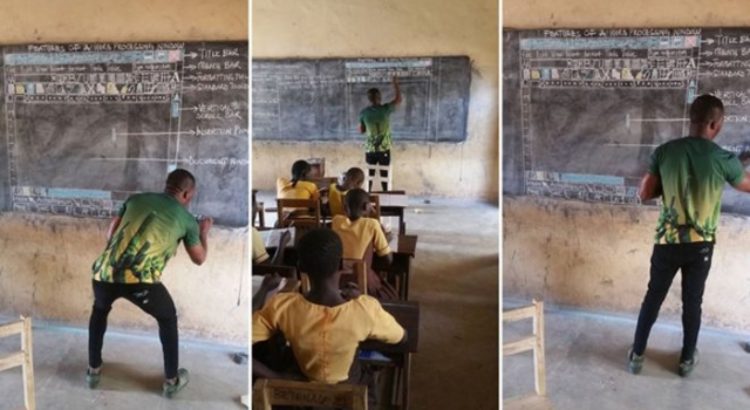
Again, recently a picture of a teacher trying to teach ICT, specifically, the interface of Microsoft word went viral on social media. That picture has been featured in international media reports like the CNN, BBC among others. While some were happy for the school and the teacher, others like myself felt bad for what our educational system has turned out to be. And yes, this is Ghana in 2018.

A country that prides itself as the first country sub of the Sahara to gain independence. A country that has spent between 22% – 27% of its annual budget on education over the last decade; a country that is 61 years today. Growth theorists are vocal about the role of human capital and technology in a country’s long-term growth potential and not just any human capital, but an educated one. It is therefore not surprising that, 61 years ago today, there was a huge focus on education by the leaders at that time.

The address of the President, Osagyefo Kwame Nkrumah to the legislative assembly a day before independence had education as its pivot; the driving force of the country’s development agenda. He envisioned an educational system that is designed to address the challenges we faced as a country. A critical read of McWilliam and Kwamena-Poh reveal that the focus of the then President was to use education to answer the questions of technology, productivity and the economic potential of the country.

This explains the level of investment made by him in the education sector. It is therefore not surprising that between 1951 and 1966, primary schools increased by 647.8%, secondary schools increased by 707.7% whiles one university was added to the already existing two universities. This coupled with other levels of education such as teacher training colleges, technical and middle levels all saw a tremendous improvement. To most experts, education was geared towards solving the Ghanaian problem. Since then there have been changes in our educational agenda, prominent among them are the 1987 and 2007 educational reforms.

These two reforms in particular even though properly conceived were implemented in a way that made it impossible for us to realize its full benefits. The introduction of the JSS and SSS to replace the old system of O’Level and A’Level have been one of the defects of the 1987 Educational Reform according to some educationists. In fact, some have attributed the challenges in our educational system presently in terms of its structure and content to this reform. To others, the two systems should have been allowed to run concurrently.

As someone who is a product of the 1987 educational reform, I will not be quick to pass a judgement on it but to say that, a critical study of the reform brings to fore the good intentions of the policymakers but the problem of resources and lack of commitment to the implementation process led to the non-realization of objectives of that reform.

About five years ago, I had the opportunity to do a comprehensive review of the 2007 educational reform for an international organization. My observation was simple, we ignored the important elements in that reform and focused on the change of name and duration.

That reform was rich in its plans for Technical, Vocational and Agricultural Education agenda and the attempt to incorporate apprenticeship into our educational system. Sadly, we focused on the duration of either 3 or 4 years and the change of name from JSS and SSS to JHS and SHS respectively. The usual problem of fidelity in the implementation of the reform made sure that the objectives of the reform were not met entirely.

From the last 25 years, we have been able to increase access to education for a number of children in the basic level courtesy the introduction Free Compulsory Universal Basic Education (FCUBE) in 1996 and the Capitation Grant in the 2004/2005 academic year. We are seeking to increase access to students at the secondary school level with the introduction of the free SHS.

Sixty-one years after the take off in the educational sector, supported with the fact that, other countries with a robust educational sector have been able to transform their economy, it would have been ideal to see a transformed Ghana championed by an education system designed to address the challenges of our time.

Sadly, we are currently faced with graduate unemployment. What it means is that we are investing in education and yet the products of our educational system cannot be absorbed by the economy. The reasons for these are enormous but if in 1957, the focus was to use education to solve the problems of technology, productivity and how to harness the economic potential of the country, why have we not made progress?

The answer lies in the nature of our curriculum. As indicated earlier on, increasing access to education, investing in education and undertaking various reforms in the education sector should be geared towards addressing the challenges of the time and not be seen as a normal routine.

I am not oblivious to the fact that, currently there is a process ongoing to reform the curriculum for the pre-tertiary level and also teacher education in Ghana. How many of you are aware of this? I can only hope and believe that all the relevant stakeholders are involved in this process.

Aside from this, there is an increasing level of inequality between the urban student and his/her counterpart in the rural area. We continue to roll-out wholesale educational policies without paying attention to the disparities that exist in our society. A visit to most of the schools in rural Ghana will give you an indication of what we need to do as a country in terms of policy formulation in the education sector. How can we introduce ICT into the school curriculum and yet a majority of our schools in the rural areas lack just a computer?

How can we roll-out a policy called “One laptop per child” and yet most of those laptops were given to party members and sympathizers. What is the state of that policy now? Where are the laptops? Why should a child lie on his stomach to enjoy an instructional session when our leaders ride in expensive cars and jump from one radio station to another to lamenting about the problems that they have been elected and are being paid to solve.

This should not be misconstrued to mean we have not done anything as country in terms of education. We have improved access, we have expanded infrastructure and have increased our spending in the education sector. But the end product has been an increase in the level of youth unemployment, sanitation problems, increase in corruption, and an upsurge in crime, a total decline in the moral fabric of our society and reduction in patriotism.

According to Prof Agyemang, a renowned sociologist, education is a process by which each society influences its individuals by passing onto them the culture which is the totality of the society’s accumulated knowledge, art, laws, morals and ways of behaviour, the acquisition of which brings the individuals to the perfection of their nature. A good educational system should yield more positive fruits than negative but can we say this about our educational system, 61 years on?

So yes, this is Ghana’s education after 61 years, when you log on to social media and you come across videos and comments seeking to question the importance of learning osmosis, diffusion, quadratic equations among others, do not be dismayed, that is the system we have created. We have failed to establish relevance or what in Quality Teaching Model, we call, Significance. We love students who can reproduce verbatim what we presented to them during the instructional session.

We have paid lots of attention to examination than to learning. Our educational policies have sought to put students in school but not help students to learn. I once came across this distorted quote on social media “Education is key, but they have changed the lock”. This seems funny but it tells us the perception of people about our educational system after 61 years of independence.

We have to get it right, we will get it right, left us not be populace in our educational policies, let us avoid the wholesale educational policies and let us make sure that, each child in the country receives quality education irrespective of where he/she is. Education remains the key to lifting us from poverty to prosperity, let us get it right.

Source of the article: https://www.myjoyonline.com/opinion/2018/March-9th/61-years-of-education-in-ghana.php

Comparte este contenido:

India’s Higher Education Troubles

By Nandini Sundar

India’s public universities need better funding and greater autonomy.

When the Times Higher Education World University Rankings, which rates about 1,000 global institutions, was released in May, not even one Indian institute featured in the overall Top 100, though the Indian Institute of Science made it in the reputational rankings after seven years.

India’s poor ranking in global indexes of higher education reinforced a growing sense of crisis, became a matter of national shame and is increasingly being used to drive policy and funding decisions by the federal government.

Recently, Prime Minister Narendra Modi’s government took three policy decisions with far-reaching consequences while considering these global rankings, emphasizing quality over quantity.

Mr. Modi’s government decided to designate a few Indian universities as “Institutes of Eminence.” It granted “autonomy” to 60 other universities and colleges. It chose to replace India’s University Grants Commission, the federal body regulating higher education for decades, with an even more centralized and controlling body called the Higher Education Commission.

India’s higher education sector is vast, with 760 universities and 38,498 colleges. About two-thirds of colleges are privately managed, and more than half are in rural areas. While adult literacy levels are rising, only 6 percent of Indian citizens graduate from a college. In absolute terms, however, the numbers are large: about 31.56 million Indian students are enrolled in colleges and universities.

Apart from low investment in educational infrastructure and bureaucratic hurdles, the low number of international students and faculty at Indian universities also affects the global rankings of Indian institutions. Less than 50,000 international students are enrolled in India.

Mr. Modi’s government decided that the new institutions of excellence would be allowed to recruit foreign faculty and students, charge students “appropriate” fees, without any obstacle from India’s affirmative action laws, and design their own degrees.

Yet when the list of “Institutes of Eminence” was announced recently, it was met with disbelief and biting satire. While the Indian Institute of Science and a couple of Indian Institutes of Technology made the cut and are eligible to get $146 million each in additional funding, the three private universities on the elite list included the Jio Institute, which is promoted by Mukesh Ambani, the chairman and largest stakeholder of Reliance Industries Limited and the richest man in India.

India knows “Jio” as the name for Mr. Ambani’s telephone network. The Jio Institute does not exist. It has no known campus, academic leader, courses or faculty. The criterion that helped the Jio Institute make the list is an official clause that requires potential promoters to have a net worth of about $729 million. Mr. Ambani’s net worth, according to the 2018 Forbes billionaires list, is $40.1 billion. Mr. Ambani was also a major backer of Mr. Modi’s 2014 campaign for the prime minister’s job. Mr. Modi has not been remiss in returning the favor.

Source of the article: https://www.nytimes.com/2018/08/03/opinion/india-higher-education-modi-ambani-rss-trouble.html?rref=collection%2Ftimestopic%2FEducation&action=click&contentCollection=opinion&region=stream&module=stream_unit&version=latest&contentPlacement=2&pgtype=collection

Comparte este contenido:

It’s worse than Carillion: our outsourced schools are leaving parents frozen out

By Adity Chakrabortty

Primary schools are being turned over to academy trusts with no accountability, and against the wishes of those who know the children best

This is a story they don’t want you to know. Much of it had to be prised from the grip of officials in Whitehall and the local town hall. Yet it demands to be told, because it shows how democracy and accountability are being drained from our schools, and how a surreal battle now rages over who knows what’s best for a child: the parents and teachers, or remote officials and financiers.

The school in question is Waltham Holy Cross primary in Essex. Helping on a school run last week, I found an entire small world. It was the last day of term, and teachers joined hands to form a human arch. The bell rang and all those leaving to start secondary ran under their teachers’ arms. Parents whooped while staff hugged overwhelmed pupils. There was barely a dry eye in the playground.

More than a school, this is a community – yet officials judge it a failure.

Just days before last Christmas, when a classroom’s mind is normally on the nativity play, Ofsted inspectors dropped by. Three long months later, they damned Waltham Holy Cross as “inadequate”. In the Conservatives’ “all-out war” on mediocre education, that is all the excuse needed to take it off the local authority and turn it into an academy. A trust called Net Academies will soon turn it into a “model school”.

This version of events does not match the views held by any parent I’ve spoken to, nor does it fit the facts brought to light by numerous freedom of information requests. Reported today in a newspaper for the first time, those requests reveal how little say parents and teachers have over the future of their children and school once it is forced to become an academy. In 2016, the then chancellor George Osborne ordered all schools to make the same conversion. Public outrage forced the Tories to back off then, but next time this story could be about your child.

That Ofsted inspection prompted a furious letter from the headteacher and chair of governors, alleging that before the visit had even formally begun, the lead inspector told staff that “based on the previous year’s [SAT] results, our school would be inadequate … judgment had therefore been made from the very first instant”. The private complaint reports inspectors shouting at the head, and telling staff they wouldn’t move their car away from the electric gates because “I’m Ofsted, I can park wherever I want”. Even being told that a child with autism is in his safe space didn’t stop an inspector barging over, “sitting next to him and quizzing him on what he was doing”.

Ofsted tells me the allegations are “simply untrue”, and that “inspectors do not go into schools with a preconceived idea of what judgment the school will receive”. Yet last August, a high court judge attacked the department for believing its views “will always be unimpeachable”.

Ofsted’s draft report – which only emerged through freedom of information – is shot through with errors. The headteacher is given a new surname and the number of nursery classes somehow halved. When the report was finally published, with its “inadequate” ruling, many parents could not square it with the happy place they knew. “The day we were told, I took my daughter into nursery – and she skipped all the way,” remembers Jayshree Tailor. “Is that a failing school?”

True, Waltham Holy Cross had been through rocky times, but over the past few months it has got a new headteacher (“fabulous”, say parents) and some vim. This month’s SAT results for Year 6 show a remarkable double-digit improvement in reading, writing and maths.

Once absorbed by an academy, Waltham Holy Cross has no way of returning to local authority control. This is a form of outsourcing, but with even less control than a contract with Carillion.

Ignoring my other questions, Net Academies asked why I wanted to know about its top salaries. Public interest, I replied: you’re taking taxpayers’ money to run schools. Stories of lavish pay and expenses are rife in this industry. I received no reply.

Those leading the fight against this academisation aren’t politicians or unions, but parents. On being told in March their children’s school was going to be forcibly converted, the meeting exploded. A group of them began firing off freedom of information requests and peppering officials with awkward emails. They have become what one councillor from a neighbouring borough calls “the most dogged parents I have ever come across”.

For Shaunagh Roberts, it began when she first looked up Net Academies – and got a jolt. “I just sat there researching for days, wearing the same pair of pyjamas.”

She’s been told how Net Academies successfully runs four academies in Harlow, Essex. Two of Net’s seven academies in Warwickshire and Reading have been ranked “inadequate”, a third “requires improvement”. According to the latest Education Policy Institute report, Net Academy Trust is the sixth-worst primary school group in England, falling below even the collapsed Wakefield City Academies Trust.

Its board is stuffed with City folk: PFI lawyers, management consultants, accountants – but apparently no working teacher. Even as it drops three of its schools, the trust’s aim is to run 25 to 30 institutions. Waltham Holy Cross will be the latest notch. “My kids are my world – and this school is their world,” Roberts says. “Why should Net spoil that?”

Senior staff don’t want Net either. In April, headteacher Erica Barnett sent a heartfelt private letter to the regional schools commissioner at the Department for Education (Dfe), Sue Baldwin, who has ultimate say over her school’s fate. If it must be an academy, Barnett says, at least let it be run by a rival local trust, Vine, which also has an “incredibly strong community feel”. Come visit, she urges the education official: see what a special place we are. Baldwin doesn’t visit. She picks Net Academies. And we have no idea why – despite this being a taxpayer-funded public asset, parents have been given no full reasoning for the decision. Perhaps because there is no good reason. The DfE told me it was because Vine “did not have the same level of capacity” as Net, the group struggling with almost half its schools. Yet the head refers to Baldwin’s “concern” about Vine being a trust of church schools, which Waltham Holy Cross is not (neither Barnett nor Vine see this as a problem). But the letter contains another clue.

When the school got its Ofsted result months ago, Barnett writes, “the local authority told us that the director of education, Clare Kershaw, would want us only to go with [Net Academies]”. Essex county council’s Kershaw was also a trustee with the charity New Education Trust, out of which came the Net Academies. Both the council and the government assured me that the two were separate entities, and her interest had been properly declared. Net denies any conflict of interest. Yet the charity’s last set of accounts describes the academies as “a connected charity”, affording it “direct involvement in improving [school] standards”. Kershaw also appears on an official document for the academy trust.

Faced with potential conflict of interest in other areas, officials would have ensured they were seen to be a million miles away from the decision. What’s most striking about academies is that there appears to be no such pressure – perhaps in part because private meetings between officials and business people allows everything to happen.And the people who know most about what their kids need – the parents and teachers – are shut out.

Academisation laughs at the idea that Britain is a modern, transparent democracy. Under it, the needs of the child are trumped by the demands of rightwing ideology. And as Waltham Holy Cross is discovering, it tries to reduce parents and teachers to mere bystanders.

Battling that are mothers like Roberts and Tailor. Never the sort to go on marches, they are now activists. They’ve learned about freedom of information, and used it to unearth scandalously bad decisions. They’ve done it in spare minutes, with cracked smartphones and against official condescension. While trying to preserve their children’s school, they have received another education – and taught officials a few things. Watch these women, because I think they might win.

Source of the article: https://www.theguardian.com/commentisfree/2018/jul/30/outsourced-schools-parents-primary-academy-trusts

Comparte este contenido:

«No soy ni mujer ni hombre»

Por Miguel Lajarín

Tres jóvenes murcianos ´trans´ hablan de la diversidad LGTBI+ y de la importancia de separar el sexo biológico y la identidad de género Además de varones y féminas, hay personas no binarias y agéneros

Que no solo hay mujeres y hombres, tal como establece la sociedad cisheteropatriarcal, es algo que ha quedado claro con la visibilidad de las personas transgénero y no binarias en el orgullo LGTBI+ de este año, cuya finalidad era dar voz a la diversidad de género y al colectivo ´trans´.

En cambio, la mayoría de personas desconocen las diferencias entre los conceptos que definen a las personas no normativas, es decir, aquellas que no se identifican con lo tradicionalmente conocido como ´mujer´ y ´hombre´ en nuestra sociedad occidental. A ello se suman los numerosos estudios que muestran que aún queda mucho camino por recorrer hasta acabar con todas las discriminaciones y agresiones que sufren las personas LGTBI+.

Para acabar con estos problemas, hace tres años en la Región de Murcia se creó el grupo joven LGTBI+ de No Te Prives, un espacio donde pueden participar tanto jóvenes del colectivo como heterosexuales que defienden la igualdad e inclusión de las personas LGTBI+. Además, para trabajar específicamente las cuestiones que afectan a las transgénero, en la asociación hay un grupo trans en el que participan personas de todas las edades. Entre los coordinadores de estos grupos, se encuentran Sam García y Félix Peñalver. Sam tiene 20 años, es ´trans´ y no binario.

«No soy ni mujer ni hombre, aunque principalmente tengo una expresión de género masculina», explica. Es bisexual y tiene una relación con un chico ´trans´. Con él se casará pronto. A nivel profesional, se dedica al arte y a la literatura. Por su parte, Félix, de 19 años, retomará sus estudios el año que viene. Él se define como chico ´trans´, bisexual, vegetariano y poliamoroso. También tiene una relación abierta. Además, otro chico ´trans´ colabora con la asociación LGTBI+: Anton Khokhashvili, que tiene 38 años y es psicólogo. En su día a día colabora con varias ONG como intérprete para personas refugiadas y también como facilitador de talleres de prevención del consumo de drogas para presos.

Todos ellos quieren hablar con LA OPINIÓN para explicar la diversidad de géneros, algo que viven en primera persona. De hecho, es una de las cosas a las que se dedican durante su activismo.

Los tres coinciden en que hay que visibilizar la diversidad así como separar el sexo biológico y la identidad de género. Sam lo explica con el ejemplo de la luz y los colores. «Los géneros son como el espectro de luz. No todo es blanco o negro. Hay dentro muchos colores más. También hay luz no visible. Hay personas que son de otros colores intermedios y hay personas que se perciben de un color o de otro dependiendo de su etapa personal. Hay personas agénero, como la luz no visible. Son personas sin género, no hay color con el que se puedan identificar. El género fluido es un punto que no se mantiene fijo en ese espectro y ese movimiento no está condicionado por nada que se sepa. Solo conocemos que se mueve, que fluye. De ahí lo de género fluido. Hay personas que se pueden levantar hombres un día y otro día mujeres. Y esa fluidez puede durar años, meses, o días. Incluso también fluir en otros colores intermedios o incluso salirse del espectro y ser agéneros por un tiempo».

Con respecto a las personas transgénero, Félix señala que «hay que entender el pene o la vagina como un órgano más. No son ni masculinos ni femeninos. Una mujer puede tener pene o pene y vulva y seguir siendo una mujer».
Además, es algo que sienten desde la infancia. Anton, por ejemplo, reconoce que desde pequeño le gustaban las chicas, pero «había algo más». Con la llegada de la pubertad su intelecto no cambió, seguía identificándose como hombre, pese a tener la menstruación. Era un hombre.

En cambio, todos denuncian que a las personas ´trans´ se les sigue pidiendo informes de psicólogos. «No queremos que un test diga lo que somos porque estos están hechos para personas con trastornos mentales y nos sentimos atacados cuando nos los hacen». Además, tanto Anton como Félix aseguran que si una persona sufre algún problema como ansiedad, depresión o un trastorno como personalidad múltiple, ya no se les reconoce como transgénero.

ANTON KHOKHASHVILI

La educación, la solución

Los tres apuestan por educar en la diversidad para que desde el colegio se entienda y conozca con naturalidad que hay personas no binarias y trans para prevenir futuras discriminaciones. «Los niños son los más abiertos porque no tienen prejuicios, asumen la diversidad sin cuestionarla», explica Félix. A su vez, Anton afirma que «si un niño acosa o dice comentarios despectivos, es porque ya los ha escuchado en su casa. Los padres son responsables del acoso escolar y tienen que formarse para educar en el respeto y la igualdad».

A nivel sanitario, también hay cosas que cambiar y demandan formación para los profesionales. «Cuando vamos al médico tenemos que explicarles lo que somos y tenemos la sensación de que no nos escuchan», dice Félix. También lamenta que los doctores no entienden que hay personas ´trans´ que no quieren operarse. Incluso Sam reconoce que no le ha dicho nunca a sus médicos y endocrinos que es no binario, ya que teme «que no lo entiendan o lo manden al psicólogo».

Lenguaje inclusivo

Por último, también rechazan las típicas frases sobre las personas transgénero y piden que no se sigan usando. Frases como «es una mujer que se ha operado para hacerse hombre» o «nació en el cuerpo equivocado». Ambas son tránsfobas. Además, apoyan el uso de la ´e´ y del pronombre ´elle´, por ser neutro, aunque son conscientes de que es difícil ahora mismo. Eso sí, reclaman el uso de sustantivos colectivos. Porque todes somos valioses.

Fuente del artículo: https://www.laopiniondemurcia.es/descubre-fds/2018/08/12/mujer-hombre/945775.html


Comparte este contenido:
Page 1232 of 2493
1 1.230 1.231 1.232 1.233 1.234 2.493
OtrasVocesenEducacion.org