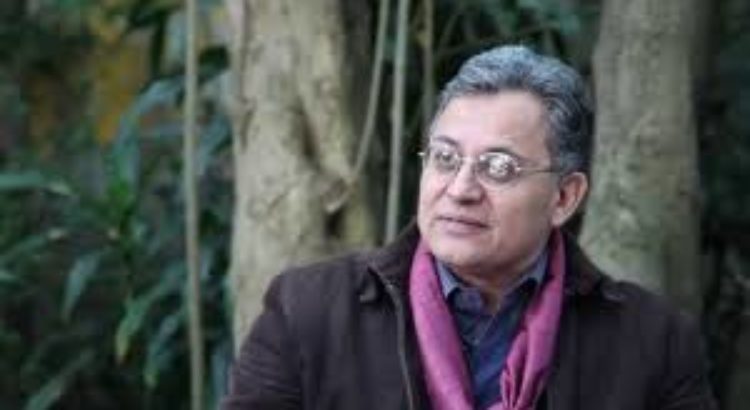
En esta ocasión en nuestros “Diálogos Educativos” tuvimos la oportunidad de platicar con un personaje emblemático y carismático en el estudio de los medios en la educación superior en México. El Doctor Mauricio Andión Gamboa, especialista, investigador y académico de la Universidad Autónoma Metropolitana,Unidad Xochimilco, toda una figura en el mundo de la educación, quien gentilmente nos recibió en las instalaciones del Laboratorio-Aula Multimedia de la UAM-X.
Sin duda que esta entrevista será de interés para los lectores, en estos momentos en que el tema de la educación superiores de suma importancia, dado las reformas al artículo 3º constitucional, que desde hace unos días señala como obligatoria a la educación superior en México.
Aquí iniciamos nuestra conversación, ¿Quién es Mauricio Andión Gamboa?
Mauricio Andión:
Soyun maestro, un educador que practica la docencia desde hace más de 40 años. Nací en México D.F, hoy Cuidad de México, en la colonia Clavería, alcaldía de Azcapotzalco. Crecí en una familia de clase media, mi padre Manuel Andión Ramírez emprendedor y mi madre Irma Gamboa Tovar profesora-normalista especializada en la enseñanza del inglés, sentaron las bases y principios que me permitieron desenvolverme en mi vida, pensando en el valor de educar y ejerciendo una praxis basada en la cultura del esfuerzo y el mejoramiento constante. Por el lado de mi madre provengo de un linaje de maestros. Sus abuelos fueron evangelistas y, por lo mismo pioneros de la alfabetización en el México de fines del siglo XIX, uno de ellos, Abundio Tovar, fundó una escuela modelo en Miraflores, Estado de México, basado en principios pedagógicos modernos. Mi abuela materna también fundóuna escuelaen Tacuba, Ciudad de México, “La Academia Mercantil” recuerdo que se llamaba, en la que se capacitaba a mujeres para el trabajo secretarial, lo que era sumamente progresista para esa época.A su vez, varias de mis tías abuelas fueron también destacadas maestras. Mi madre siguió los pasos de su tía Bertha Gamboa Munguía, reconocida maestra-normalista formada en la Universidad de Cornell, N.Y., y, por lo mismo, realizó sus estudios en la Escuela Normal de Maestros, especializándose en la enseñanza del inglés en la Universidad de Michigan. Así que en mi caso, se podría decir que continué con la tradición familiar al seguir una carrera como profesor e investigador en el campo de la educación superior.
Se agradece que nos comparta esta información sobre sus orígenes y nos cuente sobre las tradiciones de donde emanó su praxis docente. Ahora, para continuar con la conversación nos gustaría que nos compartiera un poco sobre su formación y trayectoria académica, ¿Cómo ha sido?
Mauricio Andión:
Mi formación académica se inicia en el Colegio Alemán “Alexander von Humboldt” a los cuatro años ingresé al kinder en el campus principal ubicado en la entoncescolonia Condesa, y ahí cursé toda mi educación preescolar, básica y media superior. Después de 15 años de educación prusiana, en el más sentido estricto de la palabra, estaba listo para conocer la libertad y a mi país, pues aunque había vivido en él, lo conocía a través de lentes germánicos. En 1974 cuando salí de la prepa mi primera opción era, por supuesto la Universidad Nacional Autónoma de México (UNAM), quería estudiar sociología y la Facultad de Ciencias Políticas y Sociales tenía ya un prestigio en ese campo. Ese mismo año lanza su primera convocatoria la Universidad Autónoma Metropolitana (UAM) y al conocer el pre-proyecto de la unidad Xochimilco, me quedé seducido por la idea de fundar una nueva universidad con un nuevo modelo educativo en el queel alumno era el centro de la acción pedagógica, y por lo mismo era libre para investigar y aprender de manera autónoma y/o colaborativa, y el profesor era un orientador y propiciador de ambientes de reflexión y aprendizaje.
Mi pasaje por la UAM Xochimilco marcó profundamente mi vida, ya que definió la ruta que iba aseguir profesionalmente, desde entonces he estado interesado en las instituciones de educación superior, mi servicio social lo hice en la ANUIES estudiandouniversidades privadas. Mi tesis de licenciatura es sobre esta temática, concretamente sobre el problema de la reificación de los títulos universitarios. En 1979 después de un periplo por Alemania y Europa en que estudié un trimestre en la Universidad de Frankfurt en un programa sobre Pedagogía Social decidí mejor regresar a México, pues era en mi país donde quería ejercer mi carrera como educador. De esta forma en 1980 pude ingresar al programa de maestría del Departamento de Investigaciones Educativas del CINVESTAV del Politécnico Nacional. Esta experiencia me metió directamente al entonces campo emergente de la investigación educativa. Recuerdo haber participado en 1981 en el primer congreso nacional de investigadores educativos. Al salir de la maestría trabajé en el sector público en un programa de difusión cultural en el medio rural del INEA, como profesor asistente en la UAM-X y en la UNAM en distintas posiciones: como secretario académicoen el SUA de la Facultad de Ciencias Políticas, en el Centro de Investigación y Servicios Educativos (CISE), antecedente del IISUE, y como profesor impartiendo las materias de Taller de investigación sociológica y Teorías de la educación. En 1989 ganeel concurso de oposición en la UAM e ingresé como profesor asociado de tiempo completo al Departamento de Educación y Comunicación de la unidad Xochimilco. Desde entonces imparto docencia en la licenciatura de Comunicación Social.
En 1993 gané la beca Fulbright-García Robles y Conacyt me apoyó también para estudiar el doctorado en educación en UCLA, la Universidad de California en los Ángeles,en donde me especialice en el estudio de las instituciones de educación superior y su relación con la tecnología digital y los nuevos medios de comunicación, entonces emergentes en el espacio cibernético.
Desde mi regreso a la UAM Xochimilco, en el otoño de 1998, ya como profesor investigador titular, he ejercido mi praxis docente en la licenciatura en ComunicaciónSocial formando comunicadores educativos y en los posgrados de la División de Ciencias Sociales y Humanidades.Además, como investigador estoy integrado al cuerpo académico del Área de Investigación: Educación y Comunicación Alternativa que actualmente coordino (www.educoma.org). Las líneas de investigación que desarrollo en ese espacio se centran en el estudio de los procesos de apropiación social de la tecnología digital en contextos educativos, las cualeshan decantado en distintos proyectos de innovación educativa, gestión académica, diseño curricular y difusión cultural, como es caso del Nodo Multimedia que es una red que articula múltiples proyectos educativos y comunicativos como: el Laboratorio-Aula Multimedia, La Semana de la Cultura Digital, Cibercampus UAM-X y la revista digital Reencuento: Análisis de problemas universitarios, que actualmente dirijo.
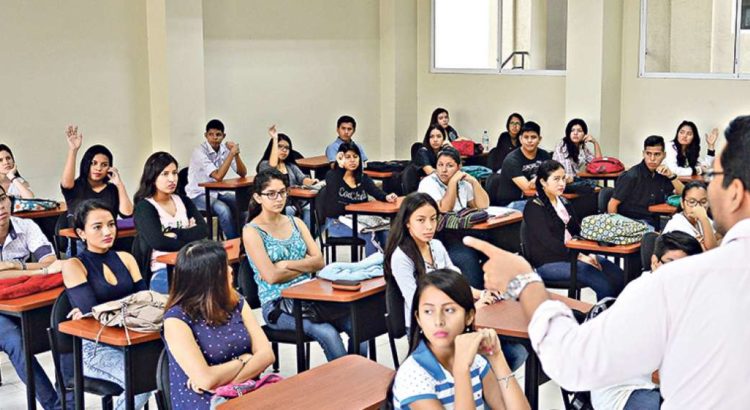
Por lo visto, su experiencia y participación en la educación superior ha tenido diversas aristas. Desde INEA, la UNAM y particularmente la UAM, han sido los escenarios en que ha tenido la oportunidad de desarrollarse como docente, investigador y productor de conocimientos. Ha tenido oportunidad de interactuar con diversas generaciones de estudiantes, creo que eso es una riqueza cultural enorme. Estamos viviendo la era digital desde hace algunos años, es apreciable que hay muchos cambios, por eso le quiero preguntar, ¿Qué cambios observa entre los estudiantes de educación superior de hace cuatro décadas (1980) y los estudiantes que tiene en la actualidad (2019)?
Mauricio Andión: Hay diferencias enormes entre los estudiantes de los 80 y los de hoy, no sólo por el uso que hacen de la tecnología. De hecho, apenas a fines de esa década, fue cuando se comenzaron a usar las computadoras en la UAM-X como un recurso ordinario en las labores académicas, pero eran todavía computadoras de escritorio, no existía la tecnología móvil. Y es hasta fines de los 90, precisamente al regresar de mi experiencia en California,fue cuando se comenzó a usar Internet como una nueva tecnología de la comunicación. Desde entonces los estudiantes han comenzado a depender enteramente de las redes y a estar conectados permanentemente. Esto representa un cambio radical en la cultura estudiantil y su comportamiento en clase, e incluso en su compromiso político y social.
En lo ideológico, político y social, también ha habido muchos cambios. Siento que ahora los jóvenes están menos interesados en la política y viven en condiciones mucho más estresantes, que los enferma y los mantiene oprimidos. Por cierto, en la revista Reencuentro, estamos convocando aparticipar en el abordaje del tema de las “Juventudes Universitarias”,precisamente para saber cuál es elestado actual de los estudiantes universitarios.Es necesario comprender quéestá sucediendo con los jóvenes, sobre todo en el nuevo régimen político al que estamos ingresando.
Le agradezco su respuesta, veo que esta trabajando activamente desde diferentes flancos. Los tiempos han cambiado, las tecnologías han cambiado y las generaciones también. Desde su experiencia en la Universidad Autónoma Metropolitana, a dónde va la Universidad, ¿Qué panorama vislumbra para la Educación Superior Pública en México?
Mauricio Andión:
Tomando como punto de partida, las señales que está dando el nuevo gobierno, veo las cosas un tanto difusas, yo no pienso que el régimen sea anti-intelectual o esté en contra de las universidades, pero dadas las actuales circunstancias no se ve muy claro el panorama para las universidades autónomas, ya que los proyectos de educación superior que se están ofertando, son para atender a un cierto sector de la sociedad. Atender a las zonas más vulnerables en específico. Un ejemplo, es elproyecto de las “Cien Universidades” que propone el Presidente, lo cual en principio es bueno. Sin embargo, el hecho que los presidentes funden universidades por decreto, no significa que estas instituciones vayan a funcionar o tener un efecto real en la sociedad.Una universidad requiere de tiempo para poder consolidarse, se necesita de un proceso de gestación, de cuerpos académicos bien preparados y comprometidos, de un proyecto educativo, y por supuesto se requieren de ciertas condiciones materiales para poder operar. Creo que el presupuesto se debe redistribuir de la mejor forma, sobre todo para las universidades públicas existentes y consolidadas, para seguir cumpliendo con nuestra función educativa.
Por otro lado, la educación superior pública cumple una función social, por lo cual debe formar a sus estudiantes con una conciencia social, debemos ir más allá de sólo formar cuadros para el mundo laboral. Esto no quiere decir que no debamos estar atentos a los requerimientos del mercado profesional. La cuestión esque en estos tiempos, dados los cambios tecnológicos tan profundos que estamos viviendo, no sabemos realmente cómo se van a configurar estos mercados y cómo van a cambiar las profesiones. Esto es un problema mundial que enfrentan los sistemas de educación superior. En ese sentido es que debemos orientar nuestra praxis docentehacia eldesarrollo de saberes, habilidades y competencias intelectuales apropiadas para vivir en una sociedad informatizada,tales como saber investigar, crear, seleccionar, discriminar, interpretar, procesar y comunicar información y sobre todo generar conocimiento, de hecho, eso es con lo que estamos comprometidos aquí en la UAM-X. Actualmente el cambio es permanente y la apuesta de la educación superior, pienso debería de ser el apoyo efectivo a proyectos de educación continua, en línea y a distancia.
Me parece muy oportuna su visión en torno a las necesidades que debe atender la Universidad, lo considero muy acertado, dados los tiempos que estamos viviendo. Aunque nos ha venido compartiendo sobre su interés en los medios y la educación, podría ampliarnos un poco más, sobre, ¿Qué opinión tiene de la tecnología y su influencia en la educación?
Mauricio Andión:
La relación entre la tecnología y la educación es algo que se puede ver desde una perspectiva filosófica. La tecnología está cambiando la condición humana, estamos volviéndonos seres cada vez más programados, robóticos, incluso, se prevé que en breve vamos a poder transformarnos en auténticos Cyborgs, homosapiens mejorados genéticamente. Al respecto,debemos plantearnos una serie de cuestionamientos críticos, por eso estoy iniciando un línea de investigación sobre el campo de las Humanidades Digitales para estudiar más detenidamente estos fenómenos de cambio cultural. Por otro lado, se pueden consultar diversos estudios que señalan que en el nivel de la educación básica no necesariamente es recomendable el uso de las redes, dado que en ese nivel todavía se está formando seres humanos, cosa muy distinta en el nivel superior, donde se forman profesionales y técnicos para su incorporación al ámbito laboral en un sociedad plenamente integrada a la era digital. Es este caso la apropiación social de las TIC es fundamental y por lo mismo ineludible.
Muy interesante lo que nos comenta en relación a todos estos cambios que se avecinan. Universidad, medios de comunicación, tecnología educativa, entre otros, son diversos temas en los que tiene usted una gran experiencia. Me gustaría preguntarle, ¿Cómo vislumbra el momento actual de la Universidad como institución en la era digital?
Mauricio Andión:
Las universidades son centros de poder, desde que nacieron en la edad media, precisamente porque concentran, producen y distribuyen conocimiento e información. Por eso,las universidades que están constituidas y consolidadas es difícil que mueran. La UAM es una universidad consolidada, a pesar de sólo tener cuarenta y cinco años de vida, este espacio tiene mucho futuro. Por otro lado, hay muchas instituciones de educación superior privada, las llamadas ´escuelas patito´,que no reúnen los requisitos para ser universidades. Solo brindan servicios educativos y muchas veces de mala calidad, en realidad no son universidades. Este tipo de instituciones son las que están en mayor riesgo de desaparecer.
En todo caso, en un contexto de modernidad líquida como el que describe Bauman en sus escritos, señala que es muy probable que el futuro de la educación superior este en los medios de comunicación, es decir, en el ciberespacio, y en ese sentido se desarrollen toda índole deprogramas de educación alternativa, esto es, de educación continua y a distancia a los que las personas de todas las edades accedan durante toda la vida. En un mundo tan cambiantecomo el actual se tiene que aprender a reconfigurar profesionalmente cada determinado tiempo.
Distinguido doctor Andión, le agradezco enormemente el tiempo que nos ha concedido para conocer más sobre usted y su experiencia en la educación superior.Finalmente, me gustaría preguntarle, ¿Qué mensaje le daría a los estudiantes de Educación Superior en México?
Mauricio Andión:
Los estudiantes universitariosque tienen por delante su carrera, deben mantenerse en un proceso de formación permanente.En esta era digital no podemos dejar de formarnos.Los estudiantes deben adaptarse a los cambios, estar abiertos a los cambios.Les recordaría que su carrera comienza cuando inician el plan de estudios en la licenciatura y acaba cuando se retiren del ámbito profesional.
Un excelente mensaje para los universitarios. Ha sido un verdadero gusto el poder charlar con el Doctor Mauricio Andión, quien además, invitaa la audiencia a seguir las actividades que se realizan en el Laboratorio Aula Multimedia de la UAM-X, y asistir en próximas fechas a laSemana de la Cultura Digitalque organizan en la UAM-X www.facebook.com/LAM.UAMX/
Muchas gracias y hasta nuestro próximo Diálogo Educativo.
Fuente de la Información: https://mail.google.com/mail/u/0/?tab=rm&ogbl#inbox?projector=1






 Users Today : 217
 Total Users : 35493245
 Views Today : 234
 Total views : 3612054