Page 854 of 6818
1 852 853 854 855 856 6.818

How to help end rural America’s physician shortage

How to help end rural America’s physician shortage

Physician shortages in rural America are sustaining. To help fix this, states should remove some barriers to entry for foreign physicians.

Access to rural hospitals has been deteriorating for years. Low patient volumes and substantial reliance on government payers have made rural hospitals increasingly susceptible to pandemic-induced financial pressures. It all came to a head in 2020, when a record high of 20 rural hospitals closed in a single year — that’s 14% of all hospital closures in the last decade.

The loss of so many healthcare facilities has unleashed a cascade of repercussions, one of them being an acute physician shortage. This has led to higher prices, increased disparities in health outcomes, and reduced access to specialty care for vulnerable populations. Rural Medicare beneficiaries are 18% less likely to receive appropriate medications after hospitalizations, and fewer doctors mean outrageous commute times for rural residents. No one should have to travel 45 minutes to get to their mother who’s having a stroke in the nearest emergency room.

Luckily, there’s a ready supply of doctors that states could tap into. State legislators should consider removing the requirement of repeating a residency program for foreign doctors to practice in the states.

The push is already happening. In Missouri, Rep. Derek Grier is attempting to empower foreign physicians by allowing regulatory state boards to waive residency requirements for international applicants who meet the state’s safety, competency, and conduct standards. It makes sense that this would happen in Missouri. Forty-four of the state’s 114 counties are without a single hospital. To ignore this problem would be irresponsible. Other states should follow suit.

The national doctor shortage is projected to reach 159,000 by 2033. That’s ridiculous, especially given the 263,000 medically trained immigrants in America who are stuck in positions beneath their skill levels. We have more than enough supply to address this growing crisis. So, why are we refusing to use these workers?

Unfortunately, to a certain degree, this crisis is being self-inflicted by rigid review processes influenced by American doctor associations. It seems wrong that the American Medical Association mandates foreign physicians repeat steps in their training when these doctors often come from countries with better healthcare outcomes than ours.

For a physician who completed a decade of training in Australia, Switzerland, or the United Kingdom, the prospect of repeating a residency for another three years is completely unnecessary. Additionally, there are simply not enough U.S. residency programs to support the influx of foreign physicians in a reliable way. In 2020, nearly 45,000 qualified medical school graduates applied for only 37,000 residency positions. Those who completed their educational training abroad faced the harshest odds.

Rural healthcare systems are either fragile or nonexistent. The road to recovery for rural communities in post-pandemic America is steep. It’s thus far past time for state legislators to reevaluate the metric of accreditation.

Tanner Aliff is a Young Voices associate contributor and healthcare policy research fellow.


Fuente de la Información: https://www.washingtonexaminer.com/opinion/how-to-help-end-rural-americas-physician-shortage

Comparte este contenido:

The Indian Children Orphaned By COVID-19

The Indian Children Orphaned By COVID-19

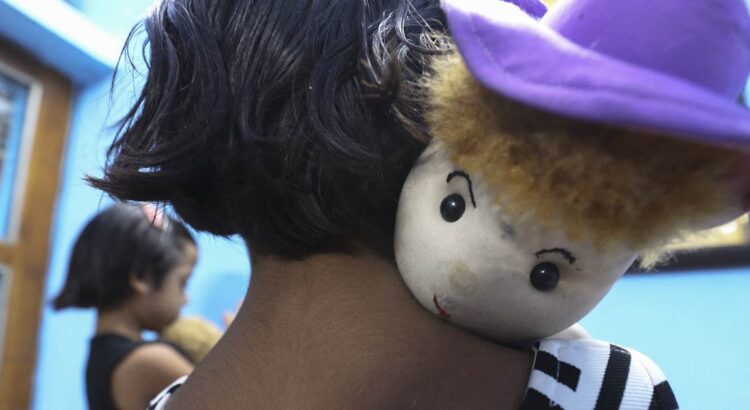
Twin sisters Tripti and Pari, who lost both their parents due to the COVID-19 coronavirus, play with their toys at a relative’s home in Bhopal on 11 May, 2021. (AFP Photo)

Five-year-old Pratham and his 10-month-old brother Ayush lost their father to COVID in April. Days later, at a different Delhi hospital, they lost their mother.

Their world had changed and they didn’t even know it. They couldn’t understand why their parents were taking so long to come home. Relatives told Pratham that his mum and dad had gone out for work. But Pratham kept asking, and each day became more difficult than the last.

The relatives decided to contact a Delhi-based non-governmental organisation (NGO) that works with orphaned children. The NGO says it hopes someone will adopt both Pratham and his brother.

Sonia, 12, and her brother Amit, 7, lost their father in the first wave of the pandemic in June last year and their mother in April this year. Their paternal grandmother is looking after them at the moment. She is worried about their future, but doesn’t even want to consider registering them for adoption.

«Who will look after these kids after me?» she said. «These children are the legacy of my son and daughter-in-law. A lot of people are coming to ask for adoption. How can I give them away?»

These are not isolated stories.

COVID has devastated families across India, orphaning many children.

Smirti Irani, minister for women and child welfare, recently tweeted that both parents of at least 577 children had died with coronavirus between 1 April and 25 May. Experts say this number is likely a significant underestimate.

Over the weekend, India’s Prime Minister Narendra Modi also announced measures to help orphaned children, with a fund of around US$13,970 set aside for each child. This will be given to them as a stipend from the ages of 18-23.

India has strict adoption laws – every state has a child protection and welfare commission which appoints officials in districts. A number of NGOs also help the commissions in identifying children who are at risk.

There is a national portal for adoption where people seeking to adopt children can register themselves. Matches are made after all necessary checks are done and the state’s child welfare committee declares a child «legally free for adoption».

But India’s adoption rates are low – just 3,351 children were adopted in the year to March 2020, while tens of thousands were orphaned. By comparison, more than 66,000 children were adopted in the US in 2019.

And the size of the issue had dramatically increased after the second wave in India, said Anurag Kundu, the chairperson for the Delhi Commission for Protection of Child Rights.

«In my life I have never heard of so many people die in such a small span of time – they must have left behind so many children who are below the age of 18. It is a national emergency in that sense,» Mr Kundu said.

In India’s most populous state, Uttar Pradesh, more than 1,000 COVID orphans had been identified, said Dr Preeti Verma, a member of the state’s child welfare commission.

As with the national picture, the real number is probably higher, Ms Verma said. The commission had enlisted police constables, village-level healthcare workers and village chiefs to identify such children, she said. According to Mr Kundu, a short-term focus on foster care, rather than full adoption, was required to help alleviate the problem.

«It is a myth that every child is adopted,» he said. «Family members can always come forward. Foster care is a great idea but in our country it has not taken off, even though there is a specific provision in the law.»

Foster care allows children to be looked after by families and friends and they don’t have to wait in overcrowded care homes for someone to adopt them.

Experts say it can help improve India’s dismal adoption rates as more families may come forward to look after such children temporarily, which may eventually motivate them to formally adopt.

Trafficking Fears

Many have used social media websites effectively to seek help with hospital beds, oxygen and medicines. But social media has also been flooded with calls to adopt children whose parents have died of COVID.

But such open sharing of phone numbers and photos of children raises fears of trafficking. Mr Kundu warned against social media becoming an «Amazon-like» service where people could pick children for adoption.

His team had come across a Facebook page that was offering children for adoption, he said.

«One of my staff members called the number in the Facebook page, and they quoted the price of US$7,000 for one child. We have reported the group to the police.»

There are fears in India that children can be exploited for cheap manual labour or even sex work. Sonal Kapoor, the CEO of Delhi-based NGO Protsahan, said her organisation had come across cases where one parent had died and the other one, usually the father, pushed children into manual work.

That created a need to look out for children who had not been orphaned, but only lost one parent. In one case, she said, a father began sexually assaulting his daughters after the mother became very sick with COVID.

«COVID orphans are a big issue at the moment but that’s not the whole truth. The number of children who have lost one parent is huge and they also need equal attention,» she said.

Ms Kapoor said Protsahan had received heart-breaking distress calls during the pandemic. One call came from two young children whose father had died in a hospital and they needed help to cremate him, because their mother was debilitated with COVID.

In another family, the mother died and the father was in such shock that for three days he was not able to feed his children. «We got a call from the relatives asking for help to feed the children,» she said.

State governments have begun ramping up efforts to care for India’s pandemic orphans, but experts say much more needs to be done. The risk is that many children may grow up from this moment without a family around them. – BBC

Some names have been changed to protect their identity .

Fuente de la Información: https://theaseanpost.com/article/indian-children-orphaned-covid-19


Comparte este contenido:

Bahamas: Letters to the Editor: The crisis of the Bahamian economy

Letters to the Editor: The crisis of the Bahamian economy

Bahamas Democratic Movement (BDM) Leader Cassius Stuart.

Dear Editor,

In his 2020/2021 budget communication, the prime minister outlined in the approved budget section that the current GDP stands at $11.5 billion. According to his numbers, this represents an 11.6 percent decrease from the previous period. On the other hand, data from the Department of Statistics contradicts this initial assessment. A statement released by the Department of Statistics on May 21, 2021 indicated that the Bahamian economy contracted sharply by 24.7 percent in normal terms and by 14.5 percent in the real terms. It said that the current GDP in real terms now stands at $9.665 billion. This paints a much grimmer picture than what the prime minister would have the Bahamian people to believe.

Considering another aspect, if we rely on the information provided by the Department of Statistics, which states that our debt is $9.506.8 billion and the current GDP in real term stands at $ 9.665 billion, then our debt-to-GDP ratio is 1:1. Further, it is projected that our debt will continue to increase and reach as high as $12 billion by the end of the fiscal period 2021. This will result in a GDP ratio that is negative. This is a dangerous financial position for our country to be in and if we do not fix it, we will “fall” off the economic cliff.

Fellow Bahamians, not only are we compromised by the excessive level of debt being laid upon us, I ask you to consider more deeply the factors of our GDP, which is the measure of productivity in our country. During the current fiscal period 2020/2021, The Bahamas will experience a $900 million recurring deficit because of the reduction in revenue in the same period and the increase in public debt servicing to the tune of $397 million. In fact, according to the Department of Statistics, over the period of 2019/2020, The Bahamas experienced a decrease in every industry except financial services and insurances. While these two industries saw a positive net gain, our most significant industry, the hotel and food industry, saw a decline of 71 percent in total value to the tune of $820 million and the aviation industry saw a 70 percent decrease in total value to the tune of $115 million. This is understandable, in part due to the impact of the pandemic, but where I cry shame and lament is in the lack of vision on the part of this administration! This government has done very little to stimulate or even promote alternative industries in our country so that masses of Bahamians could start to pull themselves up from in the midst of the destabilization of the world economies.

Equally appalling to me is the lack of attention successive governments have paid to the literal health of our people. Undoubtedly, and I am sure you will agree, that the dynamism of our economy is underpinned by the human resources of our nation. While we grapple with tools to move our economy forward, we cannot neglect to raise the alarm and create policy that address the level of sickness and death we experience as a people. According to the Diabetic Association of The Bahamas, The Bahamas presently has 155,000 people diagnosed with diabetes. This number represents 40 percent of the nation’s population. What is even more frightening about this statistic is that diabetes is not the number one killer of Bahamians, hypertension is. According to the world health ranking, The Bahamas is ranked eighth in the world in prostate cancer, 11th in hypertension and sixth in breast cancer. This is indeed a crisis.

Fellow Bahamians, we are in a fight for our financial freedom and in a fight literally for our lives. If our country is to see the “light of day” again, we must address the decay of both our economy and our health with the same degree of criticalness and urgency. If not, there will not be a thriving and healthy Bahamas for our children to inherit.

Cassius Stuart

Leader, Bahamas Democratic Movement


  • To have your letter to the editor published, email eyewitnessbahamas@gmail.com. Please note letters should be under 500 words and refrain from using profanity, slurs or otherwise offensive language.

Fuente de la Información: https://ewnews.com/letters-to-the-editor-the-crisis-of-the-bahamian-economy


Comparte este contenido:

The tech promising to bring lectures alive

The tech promising to bring lectures alive

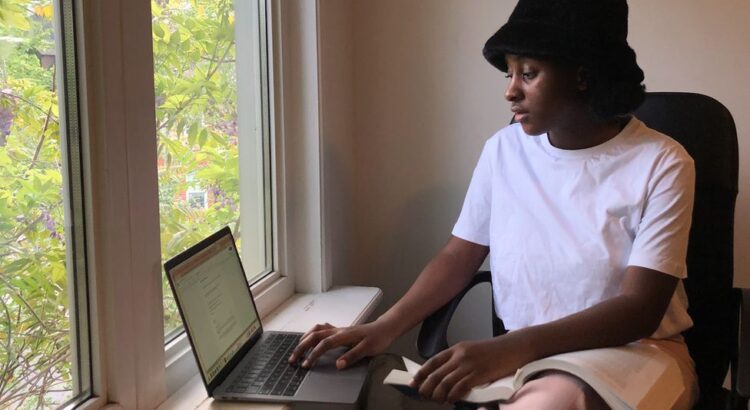
For Jennifer Kasiama, a student at Toronto’s Ontario College of Art and Design, 2020 was an incredibly frustrating year.

Like so many others, her course become all-virtual when the pandemic took hold. «I spent so much time on my laptop, I definitely got Zoom fatigue,» says Ms Kasiama, 20.

«My attention wasn’t as focused as I’ve been with in-person classrooms, and my grades definitely suffered in the first semester.»

After struggling in the autumn she began to monitor her screen habits, while also managing her time more successfully. In the second term her grades inched up.

The lurch into virtual learning has been jarring for both students and educators.

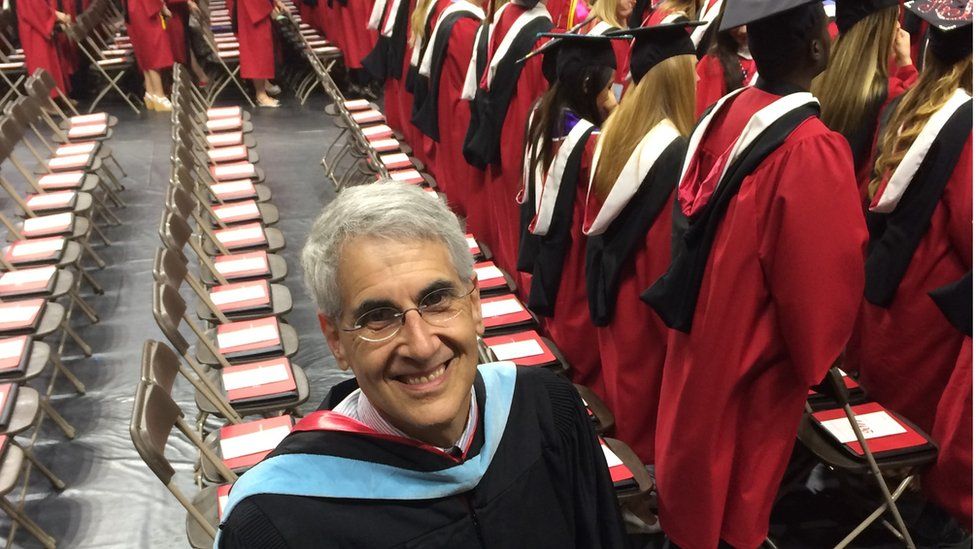
«The transition was so unbelievable, I practically got whiplash from it,» says Steven Miller, a professor of journalism and media studies at Rutgers University in New Jersey.

Steven Miller, professor of journalism and media studies at Rutgers University in New Jersey

He was used to teaching his journalism students about reacting to a crisis, but also found himself struggling to manage the sudden shift to virtual courses as the pandemic forced Rutgers and colleges across the world to lock down.

First, he noticed a gap in communication between educators and students. «In teaching you want to see your students faces to find out if they understand what is being presented to them, and when we went to online learning, students weren’t obligated to turn on their cameras,» Prof Miller says.

Then, he had to quickly adapt to new software his school asked teachers to use for synchronous (real-time) and asynchronous (pre-recorded videos students can access anytime) learning. He recorded lectures using Canvas, which helps deliver online video to students, similar to Zoom.

So what does the future hold? It seems likely that for many colleges there will be a hybrid format of online and in-classroom learning.

Tech firm Top Hat is hoping to cash-in on that.

The Toronto-based firm offers a digital courseware platform that lets anyone running a course film lectures, grade assignments, add live chat and discussion boards, and launch custom quizzes.

The popularity of its system surged during the pandemic. Top Hat recorded a 66% growth in revenue growth in the year to March 2021 – half of its current users have joined since the pandemic began.

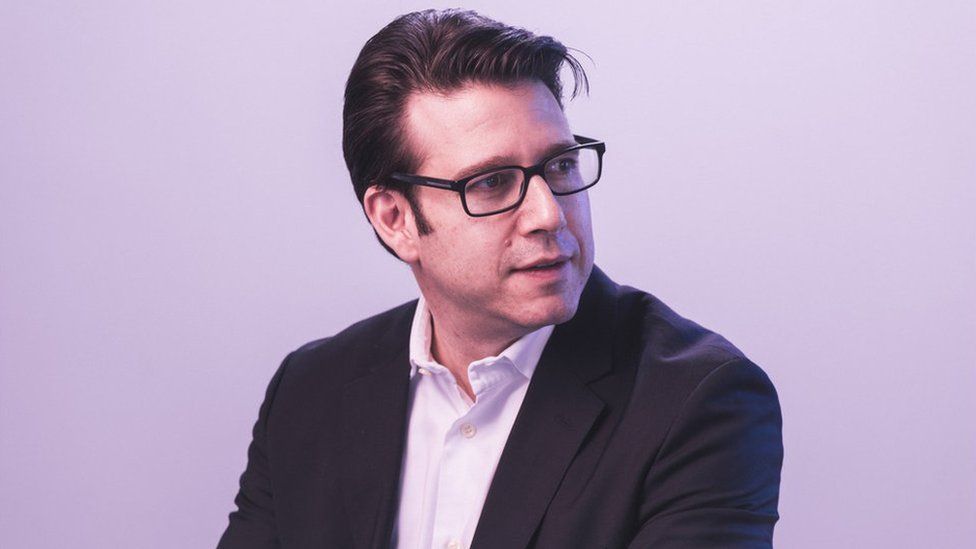
Nick Stein, Chief Marketing Officer at Top Hat.

«What drove this uptick in demand is how educators needed to maintain that engagement with their students – it’s something we even saw pre-pandemic, for those in distance-learning programmes,» says Nick Stein, chief marketing officer at Top Hat.

It’s not enough to just move everything to a virtual space, though. Post-secondary students didn’t feel as motivated by their courses when online classrooms became the norm.

A study found half of US students said they were very satisfied with their courses before they went fully online, but that figure fell to 19% when their courses shifted online.

The software can only do so much, Mr Stein says. Educators still have to maintain some of the routines they practised pre-remote learning, such as arriving 10 minutes before the class begins to chat with students.

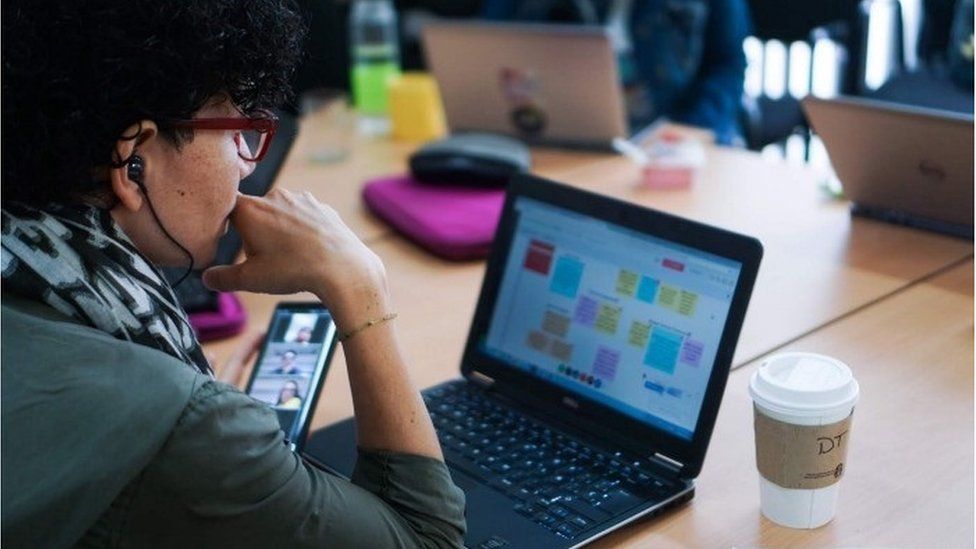
Mural, a San Francisco-based start-up that’s known for its digital workspaces to promote visual collaboration, is popular among more than educators but its presence in classrooms has rocketed in the past year.

Between April 2020 and March 2021, educational workspaces grew by 492% and, in general, monthly active members and guests grew by 359%.

The software simplifies how teachers can add quizzes to courses, for example, or use a course template that another educator using the service has designed and made public.

Marianno Suarez-Battan, co-founder and chief executive of Mural.

«I think we all realized soon after the lockdowns began we can’t handle six hours straight of Zoom,» says Marianno Suarez-Battan, co-founder and chief executive of Mural.

«We can unbundle that for students, say, and bring more interactivity and flexibility to classrooms using features such as breakout rooms.»

So-called breakout rooms are a common feature on Zoom, which Ilona Posner gladly used when teachings students at the University of Toronto’s computer science department. «Large classes don’t offer individual attention but they can group together in those breakout rooms,» she says.

What helped her in 2020, and what she will continue to monitor this year, is the cognitive load her students have to deal with in a virtual classroom.

«I try very hard to minimize all that switching from Zoom to slides then to Canvas then to Mural. That can disengage students from the class.»

Student using Mural software

When the right interactive tools are used to keep the interest of students, it can be a win-win for both sides: Designing effective learning environments and embedding online technologies «can serve as catalysts for teachers to experiment new things, explore creative alternatives and reflect on their own practices,» a European research report found in July 2020.

What all players in the virtual classroom sector should also be cheering on is the acceptance of online credentials among senior managers.

According to a survey that will soon be released by Northeastern University, the perception of quality for qualifications earned online has been growing steadily, says Sean Gallagher, executive director of its future of higher education centre.

«It appears that the remote schooling and working experiences of the pandemic have helped shed some of the scepticism and stigma that surrounded online learning for some in the past,» Mr Gallagher adds.

Yet for some students, online learning is never going to be enough.

Jennifer Kasiama is not sure she will return to her course if it becomes online only, saying she might take a year out.

«I miss going into the city for school and I miss being with my fellow students in-person, not just on Zoom. I don’t think online school is right for me.»

Fuente de la Información: https://www.bbc.com/news/business-57226744


Comparte este contenido:

New Zealand Assures Australia There Is No Rift Over China

New Zealand Assures Australia There Is No Rift Over China

SYDNEY – New Zealand Prime Minister Jacinda Ardern has insisted relations with close ally Australia are not going to be negatively impacted by China. The Ardern government has been accused of going soft on Beijing in order to profit from better trade relations with the East Asian nation.

Ardern has also been holding annual talks with Australian Prime Minister Scott Morrison to discuss trade, security and the challenges linked to the COVID-19 pandemic.

In the New Zealand skiing and adventure sports resort of Queenstown, Prime Minister Jacinda Ardern and her Australian counterpart, Scott Morrison, have downplayed signs of division over relations with China.

Earlier this year, New Zealand said it was “uncomfortable” using the 70-year-old Five Eyes intelligence grouping, which includes the United States, Britain, Australia and Canada, to criticize China. That was widely interpreted as an attempt by Wellington to avoid damaging its lucrative trading relationship with Beijing.

A television news documentary accused New Zealand of abandoning Australia “for a fast Chinese buck.”

New Zealand was reluctant to sign joint statements from its alliance partners condemning China’s crackdown on the pro-democracy movement in Hong Kong and its treatment of its minority Uyghur Muslim population. The declarations have angered China’s government.

But after annual talks Monday with the Australian prime minister, Ardern said she stood in solidarity with her trans-Tasman neighbor.

“At no point in our discussions today did I detect any difference in our relative positions on the importance of maintaining a very strong and principled perspective on issues around trade, on issues around human rights, and you will see that Australia and New Zealand have broadly been positioned in exactly the same place on these issues consistently. So, I really push back on any suggestion that we are not taking a strong stance on these incredibly important issues,” Ardern said.

New Zealand has also indicated it will support Australia in its ongoing trade dispute with China. Tensions between Canberra and Beijing have increased in recent years over geopolitical disputes and allegations of Chinese interference in Australian politics. Canberra’s call for a global investigation into the origins of the coronavirus, which first emerged in China in late 2019, sent the relationship into a tailspin, resulting in sweeping Chinese tariffs on many Australian exports, including wine, barley and coal.

Morrison said his country’s relationship with New Zealand remained strong.

“As great partners, friends, allies and indeed family, there will be those far from here who would seek to divide us, and they will not succeed,» Morrison said.

There are, however, areas of disagreement.

Canberra’s controversial deportation of New Zealanders convicted of crimes, including children, has strained the two countries’ relationship. A senior Australian minister compared the policy to “taking the trash out.” In response, New Zealand officials said practice was «deplorable» and that the minister’s inflammatory remarks served only to «trash his reputation.»

Both countries also discussed how to ease tough COVID-19 border controls to eventually reconnect with the rest of the world.

In a joint statement, Ardern and Morrison urged China to respect human rights in Hong Kong and criticized its incarceration of Uyghur Muslims in Xinjiang.

In response, China said that Australian and New Zealand leaders had made “irresponsible remarks” on its internal affairs and made groundless accusations against Beijing.

China has been a subject of global condemnation over the treatment of a million Muslim Uyghurs held in internment camps, including a U.S. classification of Chinese policies toward Uyghurs as ‘genocide.’

Fuente de la Infomación: https://www.voanews.com/east-asia-pacific/voa-news-china/new-zealand-assures-australia-there-no-rift-over-china

Comparte este contenido:

EsEarly education is in an ‘unsustainable cycle.’ Could service districts help?

Early education is in an ‘unsustainable cycle.’ Could service districts help?

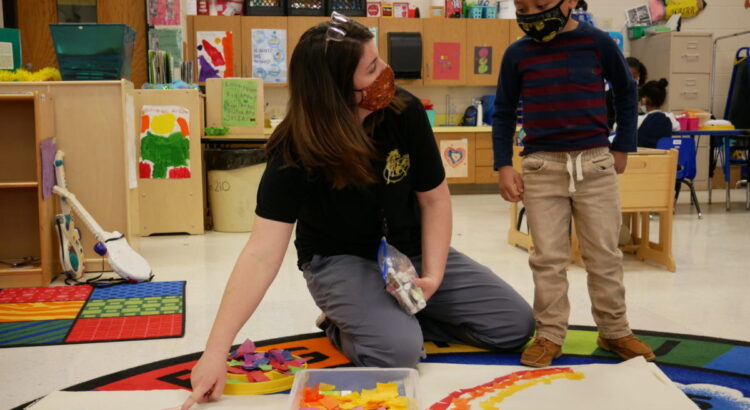
Amy Hairr, NC Pre-K teacher at LC Kerr Elementary in Clinton City Schools, helps student Byron R. with a rainbow arts activity. Liz Bell/EducationNC

County commissioners in North Carolina could create “service districts” to fund early education programs under a bill the House passed this month.

House Bill 664, which has bipartisan sponsorship and now sits in the Senate rules committee, would add “early childhood education programs” to the list of purposes for which counties can levy property tax.

The change could enable a source of public funds for an early care and education system that largely relies on private rates. Those rates, though unaffordably high for many, do not cover the cost of quality early learning, including fair wages for the educators, said Rep. Ashton Clemmons, D-Guilford, one of the bill’s primary sponsors.

“We’re really in an unsustainable cycle of quality early child care costing more than families are able to provide,” Clemmons said. The bill’s other primary sponsors are Rep. Donny Lambeth, R-ForsythRep. Ray Pickett, R-Ashe/Watauga; and Rep. Brandon Lofton, D-Mecklenburg.

Across the state and country, policymakers are grappling with how to lower costs and increase access to early childhood education programs while maintaining quality, Clemmons said.

“How do we get out of that cycle that we’re in right now? I think this is a tool in the toolbox. I think we need many tools in the toolbox,” she said.

“This just gives the option for a county to decide that this is an investment that we want to make in our community.”

Service districts are defined areas within a town or county in which the local government can raise property taxes for a specific service that would benefit those within the district, from sewage collection and disposal to recreation.

A 35-year-old model in Florida

In Florida, counties are able to create service districts to fund services for children and families. A state law, passed in 1986, allows counties to establish Children’s Services Councils (CSCs), which are considered another type of local government, to oversee those funds.

In Palm Beach County, more than 70% of the council’s funds go to early childhood services, from universal screening and early intervention services to child care scholarships, said council CEO Lisa Williams-Taylor.

“Nobody else was really funding in that area,” Williams-Taylor said.

The council also funds community centers called bridges, children’s literacy programs, home visiting services, and supports for maternal health during and after pregnancy.

Within formal early learning environments, the council funds education-based wage supplements and professional development for early educators and child care scholarships — including for children in home visiting programs and for older siblings who need after-school or summer care.

Through the pandemic, Williams-Taylor said, the council has been able to support smaller nonprofits while similar organizations have shut their doors in other counties. She said she hopes to provide PPE and sanitation materials to child care providers soon.

“We’ve been focused on early childhood for, certainly, the 16 years I’ve been here,” she said. “It really was over time, a shift to say the earlier we start, the better off.”

Nine councils across Florida are members of a statewide association called Florida Children’s Council. Michele Watson, CEO of the council, said locally funded initiatives can be measured against desired outcomes. Successful strategies can then be scaled across the state.

“That’s where the association really comes in, is taking all this great innovation … to the state-level decision-makers and working with policymakers to pass those policies to better support all the state’s children,” Watson said.

Watson pointed to the state’s alignment of subsidy and pre-K requirements as a statewide early childhood policy success that resulted from local investments from children’s councils.

Perpetuating inequities

Watson said Florida faces similar early childhood financing challenges that will require state investments that create “a true system that can be supportive and self-sustaining.”

“Without being able to supplement the ability for parents to have access to high-quality child care, we as a community and as a state are always going to create these haves and have-nots.”

Michele Rivest, senior campaign director for the NC Early Education Coalition, pointed to local universal pre-K initiatives in Durham, Wake, and Mecklenburg counties. She said this legislation could help some counties who have similar local initiatives but lack the state or federal resources to move forward.

“This tool is certainly important right from a local community perspective,” Rivest said.

Yet this policy without significant state and federal investments could perpetuate inequities in affordability and access, Rivest said.

“It’s not a statewide solution to the financing crisis in our state,” she said. “Why doesn’t the state set up a special taxing mechanism to fund early childhood services so that it could be equitable across the state? I would rather see that.”

A different strategy is needed to ensure equitable access to high-quality learning, Clemmons said.

“A 2-year-old in a community that does have a greater tax base is no more or less deserving of high-quality early child care than a 2-year-old in a community with a really depleted tax base,” she said. “Any time that we are not making the investments we should at the state level and pushing those down to the local level, it creates an opportunity to have inequities … I see this as a tool, but it is definitely not the best tool to solve the bigger problem. I think we need many many more conversations and work in that area.”

Fuente de la Información: https://www.ednc.org/2021-05-28-early-education-funding-service-districts-property-tax-north-carolina-bill/


Comparte este contenido:

Entrevista a Marcelo Rocha: «Detrás de niños con rótulo de hiperactivos encontré poetas, filósofos e investigadores»

Por: Paula Busnadiego

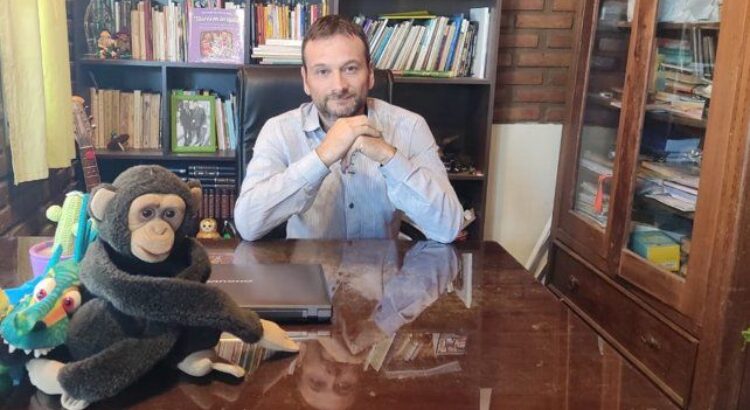
El psicoanalista Marcelo Rocha, autor de «Títeres en terapia», cuestiona las etiquetas que condenan a las infancias.

Quien rompe lanzas por los estigmatizados de siempre es el psicoanalista Marcelo Rocha, que en su nuevo libro Títeres en terapia aborda la problemática de la patologización y los rótulos que condenan a las infancias, e invita a una mirada más sensible sobre ella. “Hay que dejar de observar a los niños clasificatoriamente por lo que hacen y empezar a comprenderlos por lo que son, por su esencia” dice Rocha, que sostiene que los diagnósticos han transformado la forma de mirar a los niños y propone trabajar en red para sostenerlos amorosamente.

Esta idea y muchas otras están presentes en Títeres en terapia, una obra de Editorial Noveduc que ofrece una propuesta original e interdisciplinaria donde se conjugan el arte de los títeres de Elena Santa Cruz, la prosa de Carlos Skliar, los análisis de Esteban Levin y Ruth Harf y la música del compositor rosarino Fabián Gallardo.

El libro se define como una experiencia sensible y única sobre el cuidado de las infancias. Y logra su cometido a través de la historia de Legado, el niño protagonista, y los pormenores de su tránsito por la escuela. En diálogo con La Capital, Rocha cuenta sobre las ideas que abraza su libro, pone en el banquillo a los test de diagnósticos que ahorran tiempo pero producen angustias y plantea la necesidad de generar redes entre docentes, médicos y familias que permitan bien mirar y bien acompañar a las infancias.

—En el libro hay un cuestionamiento a aquellos diagnósticos que ponen el foco en las conductas. ¿Estos diagnósticos han transformado a los niños en problemas?

—Sí, podemos decir que estos diagnósticos han transformado la forma de mirar a los niños y en esa transformación se corre el eje de lo que antes se miraba. En otros contextos epocales y culturales si un niño era movedizo se decía que era terrible, o era un bandido. Ahora el problema es que se impone un concepto que se traduce en un rótulo y esto tiene que ver principalmente con el discurso del saber, con estos famosos manuales de clasificación psiquiátrica. Y empiezan a aparecer nombres que nos horrorizan y que engloban a los niños en ciertos diagnósticos. Por ejemplo, antes el autismo era como algo mas puro, que generalmente no se encontraba, ahora se habla del espectro autista (TEA) y un niño que no mira, que no habla o que aletea está dentro de ese espectro. Desde la clínica vemos que eso no es así. Hay niños que aletean porque tienen ansiedad y eso no es autismo, o no miran porque tienen alguna inhibición. Lo que se juega aquí es toda esa confusión y se empieza a mirar mal a las infancias. Los niños empiezan a ser observados solo por sus conductas, por lo visible, y se va perdiendo la posibilidad de ver realmente de qué sufre ese niño, qué le pasa. Eso es lo que nos interesa.

—El libro plantea el caso de Legado, un niño supuestamente hiperactivo. En este caso el tratamiento tuvo una buena resolución. ¿Cuál es tu mirada sobre lo que sucede en las escuelas cuando llegan este tipo de diagnósticos?

—La historia de Legado tiene un final feliz, pero sabemos que hay muchas otras que no. Los contextos familiares difíciles o las pocas posibilidades educativas agudizan las problemáticas en la historia de cada niño. Lo bueno es que cuando se trabaja bien, en red entre los docentes, el médico y la familia, siempre se acrecientan los porcentajes de buenos resultados. Los fracasos o las dificultades aparecen cuando hay disrupciones o malos entendidos en esa red. Un mensaje del libro es la importancia de la interdisciplina en el trabajo. La escuela como eje, con su directivo y docentes comprometidos con lo que le pasa a ese niño, el terapeuta unido a la escuela y la familia. De modo tal que entre todos puedan construir un saber y un hacer que sostenga a ese pequeño. A veces hay niños con problemáticas graves a los que se le suman dificultades vinculares a nivel familiar, entonces ahí la escuela es un sostén, un soporte, el cuarto nudo como yo lo llamo. Es un nudo que anuda los otros nudos que están débilmente atados en el niño. Si esta red está en comunicación continua se acrecienta mucho el nivel de efectividad en mejorar la calidad de vida de un niño.

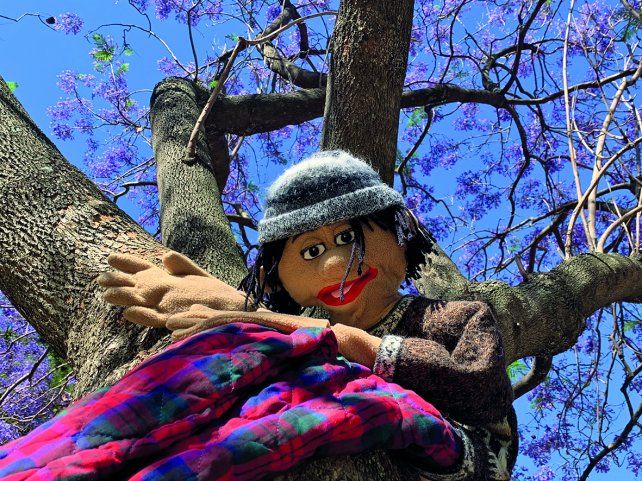
Legado es el nombre del protagonista de “Títeres en terapia”. Es la historia de un chico catalogado como hiperactivo.

Legado es el nombre del protagonista de “Títeres en terapia”. Es la historia de un chico catalogado como hiperactivo.

—¿El diagnóstico desdibuja el nombre propio del niño? Por ejemplo, Juan deja de ser Juan y se transforma en un niño con TDA (trastorno por déficit de atención). ¿Esos diagnóstico rígidos cosifican al niño y lo privan de su subjetividad?

—Totalmente. Nos preocupa cuando una madre o padre dice “yo tengo un hijo Down”, y se pega Down a la palabra hijo. En realidad lo que tendría que decir es “yo tengo un hijo con síndrome de Down” que no es lo mismo. Nos preocupa cuando un significante, un rótulo, un diagnóstico avasalla por sobre el nombre propio, se le pega y termina parasitando al nombre. Nos encontramos en ámbitos educativos con expresiones como “yo tengo un alumno TGD”, y eso es terrible porque lo que nos nomina como seres humanos es el nombre propio.

—Hay una especie de cosificación de la infancia.

—Si, ahí dijiste algo fundamental, la cosificación, que no solo acontece en el ámbito educativo cuando se toma al niño por el síndrome. “Si el niño tiene TEA hay que actuar de tal forma”. ¿Por qué?, si el niño es una experiencia impredecible. Si vos lo tomás como TEA y generás todo un método para trabajar en función de su TEA, claramente lo estás cosificando, porque estás perdiendo la posibilidad de lo espontáneo. También esto acontece muchas veces en el ámbito familiar, cuando se trata demasiado al niño en su dificultad, se empieza a sobredimensionar esa condición y se pierde el lado de la subjetividad.

—¿Esto que estás planteando tiene que ver con esa “trampa” de la que hablás en el libro, en la que caen padres y maestros y en donde la escuela corre el riesgo de perpetuar sentencias sobre los chicos?

—Sí, claramente. Cuando se genera un diagnóstico, esos de los que yo llamo salvajes, donde en una entrevista mediante un test se diagnostica a un niño, se cae en esa trampa. Una trampa en la que todos empiezan a observar a ese niño desde lo que se les dice.

—Y ese diagnóstico finalmente se transforma en una sentencia.

—Claro, porque comienza a predestinar lo que el niño puede o no hacer. Sabemos que los niños tienen plasticidad neuronal, simbólica, y ante eso nadie puede predecir nada, porque el sistema nervioso es plástico y la subjetividad es mucho más plástica. Entonces no podemos caer en esa trampa. El problema es cuando a una familia se le dice “tu hijo tiene tal cosa”, la familia empieza a actuar en consecuencia y se va perdiendo el vínculo de naturalidad que es donde más se dona a un hijo. Un niño recibe y aprende muchas más cosas cuando se siente que es tomado más naturalmente por sus padres. Pero si se le dice a los padres “usted tiene que hacer tal y tal cosa con su hijo” se pierde ese vínculo natural. Lo bueno es que hay un gran porcentaje de docentes y directivos que hoy están teniendo una muy buena mirada. Hoy los terapeutas y docentes somos mas conscientes y ahí es donde tenemos que acompañar a los padres, armando una red donde bien acompañar y bien mirar a las infancias.

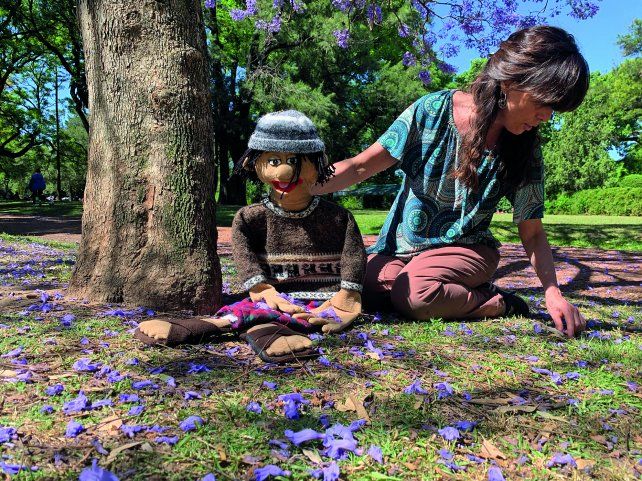
El libro publicado por Noveduc suma el aporte de Elena Santa Cruz, profesora en nivel inicial y titiritera.

El libro publicado por Noveduc suma el aporte de Elena Santa Cruz, profesora en nivel inicial y titiritera.

—Hay una frase en el libro que dice que “cuando hay diagnósticos cerrados se pierden muchas posibilidades”. ¿Tiene que ver con esto, no?

—Exacto, porque ante un diagnóstico cerrado se cierra también hasta la forma de crianza en un “debo hacer” y ahí se van perdiendo muchas otras cuestiones. Eso lo vemos en niños que son hiperterapeutizados, que están todas las semanas con terapias y pierden el contacto mas importante que es el juego con los compañeros, ir a la plaza. Son niños agotados con tantas terapias.

—Hacés una defensa de aquellos niños llamados “hiperactivos” y decís que son los que más aprenden. ¿Por qué?

—¿Quién no ha tenido en la primaria uno de esos compañeros al que le decían que era terrible, ese que no se quedaba quieto y que actualmente sería catalogado como hiperactivo? Hoy seguramente es muy exitoso, no solo porque gane dinero sino porque ha aprendido a hacer cosas. Los niños mas inquietos son lo que mas aprenden la vida, el mundo. A mí los que más me preocupan son los niños que están muy quietos, los alumnos ideales, porque esos niños muy quietos no están haciendo uso de su cuerpo, de su fantasía, de su creatividad, y eso cuando llegamos a la edad adulta pasa factura. Si no hemos vivido esa movilidad, esa inquietud en la infancia, nos va a faltar algo en la adultez. Hay que tener mucho cuidado con rotular a un niño como hiperactivo, porque detrás de esa hiperactividad yo me he encontrado con poetas, filósofos e investigadores.

—En el libro hacés la propuesta de pasar de la observación clasificatoria a una comprensiva. ¿Qué implica este cambio de perspectiva?

—Implica pasar a un tipo de mirada más sensible, dejar de observar a los niños clasificatoriamente por lo que hacen y empezar a comprenderlos por lo que son, por su esencia, por sus subjetividades. La subjetividad es su personalidad, hay niños mas inquietos, otros más miedosos, cada quien tiene sus particularidades. Si pasamos a una observación comprensiva vamos a poder mirar mejor a los niños, porque vamos a estar comprendiendo por qué hacen lo que hacen. Ahí está el punto, no ver lo que hace sino comprender por qué hace lo que hace. Eso es un trabajo de análisis y aquí hay un trabajo para el adulto que siempre está apurado. Tenemos que poder mirar desde la propia infancia y eso es algo que hemos olvidado.

—Y que además requiere de un tiempo.

—Lógico. Fijate que eso está totalmente ligado a la forma en la que se diagnostica a un niño. Los psicoanalistas y muchos otros profesionales nos tomamos tiempo para meternos en el mundo del niño. Tenemos tiempo porque la infancia es tiempo. Lo que queremos es bucear en la angustia y el dolor de ese pequeño y para lograrlo tratamos de llegar a él de la forma que se pueda, a través de un títere, de un objeto, de la música. Cuando nos encontramos con un niño lo primero que tenemos que lograr es una relación, no podemos quedarnos quietos, tenemos que ser dinámicos para lograrlo. Hay una idea errónea de que el psicoanalista solo escucha y analiza palabras y no es así. El psicoanalista va a la escuela, dialoga con los docentes y construye un diagnóstico diferencial junto a ellos. En cambio muchos profesionales que se dedican a diagnosticar parece que no tienen tiempo y administran un tests, que claro ahorra tiempo, pero al ahorrar tiempo podés producir mucha angustia. La ansiedad la tenemos los adultos y estamos mirando a los niños desde ese lugar y eso les transmitimos, por eso hay niños más ansiosos e hiperactivos. No es que la culpa sea de los padres, pero tenemos que admitir que los niños crecen en vínculos. No se puede pensar en el malestar de un niño descontextualizadamente de los vínculos familiares. Legado, el protagonista de esta historia, estaba expresando un malestar que también tenía que ver con los otros.

Fuente e imagen:  lacapital.com.ar

Comparte este contenido:
Page 854 of 6818
1 852 853 854 855 856 6.818