El informe titulado «Una nueva generación: 25 años de esfuerzos en favor de la igualdad de género en la educación» muestra que desde 1995 se han matriculado 180 millones más de niñas en la enseñanza primaria y secundaria alrededor del mundo.
Un informe de la oficina regional de la Unesco indica que en América latina y el Caribe se registró “un progreso significativo” en la matriculación de las niñas y que se acerca a la universalización en el nivel primario, pero aun persisten barreras en el acceso para sectores vulnerables en Guatemala, Haití, Surinam, Honduras, Uruguay y Nicaragua.
El informe titulado “Una nueva generación: 25 años de esfuerzos en favor de la igualdad de género en la educación” muestra que desde 1995 se han matriculado 180 millones más de niñas en la enseñanza primaria y secundaria alrededor del mundo.
El reporte destaca que en la región “se ha registrado un progreso significativo en la educación de las niñas, acercándose a la universalidad en el acceso a la educación primaria”.
Y da como ejemplo a Guatemala donde la tasa de finalización de primaria de las niñas más pobres “ha aumentado más del doble en tan solo 15 años, prácticamente eliminando la brecha con los niños”.
También destaca el caso de México en cuyo segundo ciclo de secundaria “el porcentaje de niñas matriculadas pasó del 38% en 1995 al 84% en 2018”, mientras que en Costa Rica pasó de un 38% en 1995 al acceso universal en el 2018.
No obstante destaca que en Haití, Guatemala, Surinam, Honduras, Uruguay y Nicaragua, “persisten grandes disparidades de género en el acceso a la educación, en particular entre el alumnado más vulnerable”.
En Belice, por ejemplo, “casi ninguna joven pobre de zonas rurales finalizó el segundo ciclo de escuela secundaria”.
Asimismo, son los hombres jóvenes de la región quienes tienen más probabilidades de desvincularse de la educación y abandonar la escuela antes de tiempo.
A nivel mundial, el informe destaca que hay tres veces más mujeres matriculadas en las universidades que hace dos décadas.
Mientras que en la región esa diferencia a favor de las mujeres se evidencia en casi todos los países latinoamericanos.
“El mundo ha cambiado significativamente en los últimos 25 años, cuando las niñas luchaban por hacer realidad su derecho a la educación. Hoy en día, hay más niñas que niños matriculados en las escuelas y universidades”, dijo Manos Antoninis, director del Informe.
Y agregó: “Una agenda de igualdad de género para los próximos 25 años requiere un nuevo enfoque en todo el mundo, incluida América Latina y el Caribe”.
Por su parte Claudia Uribe, directora de la OREALC/UNESCO Santiago afirmó: “Veinticinco años después de la histórica Declaración y Plataforma de Acción de Beijing, las niñas enfrentan muchas menos barreras para acceder a la escuela”.
Pero indicó que “hay otros factores que las alejan de alcanzar su potencial, como son algunas normas culturales que establecen bajas expectativas para ellas en materia educativa”.
El informe de UNESCO destaca que el lento progreso en los avances en materia de igualdad de género en la educación “se debe a la persistencia de normas de género negativas en la educación”.
En las zonas rurales de muchos países de ingresos bajos y medios, “a menudo se espera que las niñas se casen y asuman funciones domésticas, lo que actúa como una barrera para su educación, como ocurre entre las niñas indígenas de Guatemala y México”, precisa el reporte.
La cantidad de niños migrantes bajo custodia del Gobierno estadounidense se duplicó en los últimos dos meses y actualmente alberga al menos 21.000 menores. Una investigación de la agencia AP denuncia que pese a algunos cambios con respecto a las condiciones de estos menores bajo la presidencia de Donald Trump, la mayoría se encuentra hoy en instalaciones atestadas y en algunos casos con bajas condiciones de salubridad y falta de personal calificado para su cuidado.
Pese a algunos cambios de la Administración de Joe Biden para mejorar la situación de los niños migrantes, sus condiciones en los refugios aún están lejos de ser óptimas, según una investigación de la agencia estadounidense AP.
La cifra de niños migrantes bajo custodia del Gobierno se duplicó en los últimos dos meses y para esta semana llegaron alrededor de 21.000 menores, desde pequeños hasta adolescentes. Se encuentran en una red de unas 200 instalaciones que abarca dos docenas de estados e incluye cinco refugios con más de 1.000 niños en su interior.
Aproximadamente la mitad del total de niños en albergues duermen en refugios con más de 1.000 menores más. Alrededor de 17.650 se encuentran en instalaciones con 100 o más pequeños. Algunos refugios y programas de crianza tienen sedes pequeñas, de acuerdo con datos confidenciales citados por The Associated Press.
Al menos una docena de las instalaciones de emergencia para los menores funcionan sin licencia y están situadas dentro de instalaciones militares, estadios y centros de convenciones que eluden las regulaciones estatales y no requieren la supervisión legal tradicional.
Además, en esos lugares llamados Sitios de Admisión de Emergencia, no se garantiza a los niños el acceso a educación, oportunidades recreativas o asesoría legal.
Abogados, defensores y expertos en salud mental señalan que, si bien algunos refugios son seguros y brindan la atención adecuada, otros ponen en peligro la salud y la seguridad de los niños.
Un ejemplo de ello ha sido una gran instalación de Houston que cerró abruptamente el mes pasado después de que se reveló que a los niños se les daban bolsas de plástico en lugar de acceso a los baños.
“El sistema ha sido muy disfuncional y está empeorando”, dijo Amy Cohen, psiquiatra infantil y directora ejecutiva de la organización sin fines de lucro Every. Every Last One, Que trabaja para ayudar a las familias inmigrantes que huyen de la violencia de Centroamérica. Aunque ha habido una gran cantidad de niños que llegan a Estados Unidos durante años, Cohen afirmó que nunca había visto la situación tan negativa como lo es hoy.
Por su parte, Mark Weber, portavoz del Departamento de Salud y Servicios Humanos de EE. UU., (HHS) dijo que el personal y los contratistas de la entidad están trabajando arduamente para mantener a los niños bajo su custodia seguros y saludables.
“El HHS ha trabajado lo más rápido posible para aumentar la capacidad de camas y garantizar que los patrocinadores potenciales puedan brindar un hogar seguro mientras el niño pasa por sus procedimientos de inmigración (…) Tan pronto como los servicios integrales (atención primaria en el lugar, incluidas vacunas y exámenes físicos infantiles, administración de casos, llamadas telefónicas a miembros de la familia, educación, recreación, etc.) estén disponibles como resultado de la infraestructura y el personal adicionales, estos se brindan como parte de la operación”, agregó Weber.
No obstante, la agencia ha recibido informes de abuso que resultaron en el despido de un puñado de empleados contratados para trabajar en los sitios de emergencia este año, según aseguró otro funcionario que habló bajo condición de anonimato.
Algunas de las prácticas actuales son las mismas que las que el presidente Joe Biden y otros criticaron bajo la Administración Trump, afirma el reporte, incluida la no investigación de algunos cuidadores con verificaciones completas de antecedentes penales a través de huellas dactilares de los registros del FBI.
Paralelamente, los registros judiciales muestran que la Administración de Biden intenta resolver varias demandas multimillonarias que afirman que varios niños migrantes fueron abusados en los refugios bajo el gobierno de Trump.
“Es casi como el ‘Día de la Marmota’”, dijo la abogada, Luz López, del Southern Poverty Law Center, al referirse a la película de 1993 en la que los eventos parecen repetirse continuamente. «Aquí estamos de regreso a un punto casi en el que comenzamos, donde el Gobierno está usando el dinero de los contribuyentes para construir grandes instalaciones para los niños en lugar de usar ese dinero para encontrar formas de reunir más rápidamente a los niños con sus patrocinadores», reprochó.
Dificultades para reunificar a los padres con sus hijos
El pasado 4 de mayo, el Gobierno federal informó que desde ese mismo día inició un programa para reunificar algunas de las familias de inmigrantes que fueron separadas en la frontera con México bajo la línea dura de “tolerancia cero” contra la inmigración de su antecesor en la Casa Blanca.
Inicialmente fueron cuatro mujeres las beneficiadas con la nueva medida, quienes pudieron ingresar al país para reencontrarse con sus hijos.
Pero la cuota para estos reencuentros sigue siendo baja y mientras tanto son muchos padres los que atraviesan un calvario para volver a ver a sus pequeños.
José, quien pidió ser identificado solo por su nombre por temor a poner en peligro su caso de inmigración, es un padre que huyó de El Salvador después de que su aldea fuera objeto de una masacre. Solicitó asilo en Estados Unidos hace cuatro años. Esperaba dar la bienvenida a su esposa y a su hija de 8 años al sur de California este año, pero la pareja fue devuelta en la frontera en marzo y expulsada hacia México.
La niña volvió a cruzar sola y fue llevada a un refugio gubernamental en Brownsville, Texas, el pasado 6 de abril. José llamó repetidamente a una línea directa de las autoridades para padres que buscan a sus hijos migrantes, pero dijo que nadie le informó dónde se encontraba. “Estaba tan molesto porque seguía llamando y llamando y nadie me daba información sobre dónde estaba (…) Finalmente me dijeron que tenía que pagar 1.300 dólares para cubrir su boleto de avión y que, si no pagaba, tendría que esperar un mes más».
Durante casi tres semanas, su hija estuvo detenida en las instalaciones de Brownsville antes de ser finalmente entregada a él a fines de abril después de que una organización de defensa interviniera para que el Gobierno pagara su pasaje aéreo.
Como este hay miles de casos, los abogados afirman que muchos padres aún no saben dónde están sus hijos.
Algunas mejoras del sistema de refugio para menores migrantes
Aunque son muchas las condiciones precarias que se mantienen en los centros que albergan menores migrantes, la investigación destaca principalmente dos cambios: más transparencia en la entrega de cifras y menor tiempo de estadía de los menores en las instalaciones.
En un comunicado de prensa reciente, el Gobierno promocionó su “restauración de un enfoque centrado en los niños no acompañados” y ha estado compartiendo los totales diarios del número de menores bajo custodia de las autoridades, así como algunas fotos de las instalaciones. Ese paso refleja un mayor nivel de transparencia en comparación con la anterior Administración.
Además, la cantidad de tiempo que los niños pasan, en promedio, dentro del sistema ha disminuido de cuatro meses el otoño pasado a menos de un mes esta primavera, según el Departamento de Salud y Servicios Humanos.
La mayoría de los niños en el sistema para tramitar su refugio ya tiene un padre u otro pariente adulto o amigo de la familia, conocido como patrocinador, en EE. UU. esperando recibirlos. Pero primero suelen ser detenidos por la Oficina de Aduanas y Protección Fronteriza de EE. UU. (CBP) y luego entregados a un refugio del Gobierno.
“Por mucho que los niños pasen días y días en CBP es inaceptable (…) cada día que pasa, es cada vez más crítico que estos niños sean entregados a patrocinadores o transferidos a instalaciones autorizadas”, dijo la abogada del Centro Nacional de Derecho Juvenil Neha Desai.
Las principales razones del aumento de la llegada de niños sin acompañantes
Una razón que ha sido clave para que tantos niños lleguen ahora sin sus padres se remonta a una orden de emergencia de la Administración Trump de 2020 que básicamente cerró la frontera entre Estados Unidos y México a todos los migrantes, citando preocupaciones de salud pública sobre la propagación del Covid-19.
Esa orden de emergencia todavía se aplica a los adultos, pero la Administración Biden ha comenzado a permitir que los niños que viajan sin sus padres se queden y soliciten asilo si ingresan al país.
Como resultado, algunos padres están enviando a sus hijos al otro lado de la frontera por sí mismos.
En términos generales, tras la llegada de Biden a la Presidencia, los republicanos lo acusan de promover la inmigración irregular debido a su discurso a favor de la inmigración, pues también ha impulsado varias reformas en esta materia. Principalmente una vía a la ciudadanía para alrededor de 11 millones de indocumentados en su país. Ante las dificultades para aprobarla en el Congreso, los defensores de la reforma han indicado que podrían centrarse en grupos específicos como los jóvenes inmigrantes traídos a Estados Unidos por sus padres cuando eran niños, conocidos como “dreamers” o “soñadores”; los trabajadores agrícolas y otros empleados en labores esenciales.
Más de 172.000 migrantes fueron capturados en la frontera entre Estados Unidos y México el pasado marzo, según datos del Gobierno. Es el recuento mensual más alto desde marzo de 2001, cuando casi 171.000 fueron capturados.
Biden se defiende del aumento del cruce de personas en la frontera y responsabiliza a su antecesor, Donald Trump, de desmantelar los sistemas para recibir de forma organizada solicitantes de asilo y menores no acompañados.
«Nos importa conocer la opinión de las familias en todo el país, y queremos que nos ayuden a construir la educación del futuro», afirmó Silva.
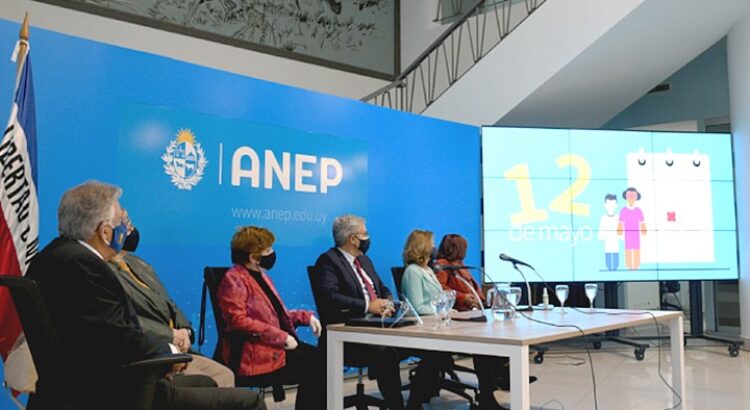
La Administración Nacional de Educación Pública (ANEP) convoca a madres, padres y referentes a completar una encuesta sobre sus hijos o niños y jóvenes a cargo, para conocer sus opiniones y sugerencias acerca de aspectos vinculados a la Educación Inicial, Primaria, Secundaria y Técnico Profesional de la que forman parte. La consulta se extenderá hasta el 30 de mayo, informaron a LA REPÚBLICA desde la ANEP.
La ANEP inicia un proceso de intercambio con las familias que se extenderá hasta el 30 de mayo, en el que solicita la realización de una breve encuesta para conocer las opiniones y sugerencias de las familias acerca de la Educación Pública de sus hijos o niños, niñas y jóvenes a cargo, en los niveles Inicial, Primario, Secundario y Técnico Profesional.
La consulta podrá ser respondida por la madre, padre o referente del estudiante en unos pocos minutos. Se podrá acceder a un único cuestionario a través de distintos medios y plataformas (como la web de la ANEP, GURÍ familia, mensajes de texto con link y redes) en el que se realizarán preguntas concernientes a la experiencia educativa cotidiana de sus hijos o menores a cargo.
La encuesta consulta si existieron dificultades o inconvenientes para atender las clases durante 2020 y a qué las atribuyen, qué integrantes de la familia están más pendientes de la actividad curricular de los estudiantes, qué seguimiento y apoyo recibe el alumno en su hogar, y relevará hábitos cotidianos y de convivencia además de otras cuestiones propias del quehacer educativo.
Las familias podrán contestar por todos los alumnos a su cargo que estén cursando en la Educación Pública. La encuesta tiene como objetivo comenzar un proceso de intercambio periódico con las familias, con el fin de conocer sus opiniones y recoger sugerencias en diversos aspectos relativos a la educación de los estudiantes.
Proceso de consulta
Durante el lanzamiento, el presidente del Codicen, Robert Silva, invitó y exhortó a todas las familias para que colaboren con la educación de sus hijos y/o referentes que integran sus núcleos familiares, aportando su opinión a través de la encuesta.
«La Administración de la Educación Pública del Uruguay quiere escuchar a las familias, quiere contar y tener la opinión de cada uno de los integrantes de los núcleos familiares, ya sea que asistan al nivel Inicial, Primario, Secundario o Técnico Terciario. Nos importa conocer la opinión de las familias en todo el país, y queremos que nos ayuden a construir la educación del futuro. Hoy estamos atendiendo a lo urgente, pero lo importante son esos cambios impostergables que tenemos que promover», manifestó.
Silva valoró que durante lo que va de la pandemia «las familias, en su enorme mayoría, han hecho un gran esfuerzo, y por ello conocer su opinión nos parece fundamental».
Por último, afirmó que para la ANEP es «fundamental tomar decisiones sobre bases informadas, por lo que siempre recurrimos a nuestros equipos técnicos y generamos espacios de trabajo, para tener información que nos permita la toma de decisiones en base a evidencias y no a sensaciones».
Relación histórica
La directora sectorial de Planificación Educativa del Codicen, Adriana Aristimuño, reflexionó acerca de la evolución de los centros educativos desde el siglo XIX y su relacionamiento con las familias en paralelo. «No es lo mismo haber estado en contacto con aquellas familias, las del siglo XIX y comienzos del siglo XX, con sus costumbres, características y composición, que con las actuales, ya que existen diferentes maneras de constituir familias. Los sistemas educativos han ido acompañando esa evolución y esos cambios, apelando a una relación más fluida y profunda».
Aristimuño se refirió al enorme impacto generado por la pandemia en la vida de las familias, «que para el sistema educativo significó cambiar la manera de relacionarse, de mantener el vínculo, y de asegurar aprendizajes, trayectorias y egresos».
En este sentido, indicó que las familias han estado expuestas a altos niveles de estrés, y están mostrando síntomas de fatiga ya que «han sido puestas a prueba profundamente».
«Esta encuesta llega en un muy buen momento para completar la visión acerca de la realidad de todos los actores, ya que el año pasado realizamos relevamientos a docentes y estudiantes y nos faltaba la visión de las familias. Se trata de una encuesta muy relevante, que no solo quiere conocer lo que ha sucedido desde la pandemia en las familias, sino también saber cómo estas están acompañando a los estudiantes», concluyó.
Pablo Pineda, primer diplomado europeo con síndrome de Down, habla sobre la importancia de valorar la educación inclusiva como pieza fundamental para la normalización de la discapacidad.
«Normalizar la discapacidad en las aulas es positivo para todos; tanto para las personas con discapacidad, que se ven estimuladas a desarrollar todas sus capacidades para seguir el ritmo de la clase, como para el resto de alumnos, que desarrollan habilidades como la empatía y la creatividad para ayudar a sus compañeros con discapacidad», declara Pablo Pineda, primer diplomado europeo con síndrome de Down.
Este malagueño ha formado parte de una mesa de diálogo en la Facultad de Educación de la Universidad Complutense de Madrid, para debatir sobre la enseñanza inclusiva de personas con discapacidad. Junto a él, han participado Pilar Hernández, directora general de «El pupitre de Pilu», y Marc Ponce, portavoz de Fundación Adecco.
Hernández, por su parte, ha sostenido que «los profesores deben ver la discapacidad como una oportunidad para crecer como profesionales y enriquecer el ambiente de la clase, ya que aporta un elemento al que no están acostumbrados y tienen que hacer frente a nuevas situaciones».
No sobreproteger
Pineda ha puesto en valor la educación que le dieron sus padres como una de las claves de su éxito. «Yo he podido llegar hasta aquí gracias a que mi familia se empeñó en tratarme como a un niño más. De hecho, no supe que tenía síndrome de Down hasta que cumplí 7 años».
Ha continuado afirmando que «el infantilismo es una tendencia perjudicial en la que muchas personas caen; el tratar a la gente con discapacidad como si fueran niños, sin exigirles responsabilidad de sus actos, dando permisividad a todo lo que piden y justificando sus errores», añade el malagueño. Y continúa: «Yo sé lo que está bien y lo que no. Sé cuándo me estoy esforzando y cuándo no, por lo que ni los padres ni los educadores deben dejar de exigir a una persona con discapacidad. El esfuerzo es lo que nos hace avanzar».
Mentalidad inclusiva
Sobre la inclusión, el malagueño ha opinado que «desde las grandes organizaciones, como la UNESCO, se predica la inclusión laboral de personas con discapacidad, pero si no se practica desde la edad escolar, ni estas personas ni las de su alrededor habrán vivido situaciones ordinarias de inmersión. De este modo, cambiar de hábitos siempre será más complicado».
Hernández, por su parte, trata de inculcar a sus alumnos opositores de Magisterio, futuros docentes, que «el profesor debe tener la formación y la ilusión necesaria para enseñar en aulas con diversidad de alumnado porque si no, estaríamos segregando a una parte de la población y ofreciendo un servicio incompleto a la sociedad».
En la reunión se discutirán cuestiones laborales y profesionales relativas al personal del sector de la educación en el contexto del aprendizaje permanente para todos, las competencias y el Programa de Trabajo Decente, con miras a la adopción de conclusiones, en particular de recomendaciones relativas a actividades futuras. Se hará especial hincapié en el impacto de la tecnología, las demandas del mercado de trabajo y las tendencias mundiales en relación con el trabajo de las personas en el sector de la educación.
América del Sur/Uruguay/14-05-2021/Autor(a) y Fuente: www.republica.com.uy
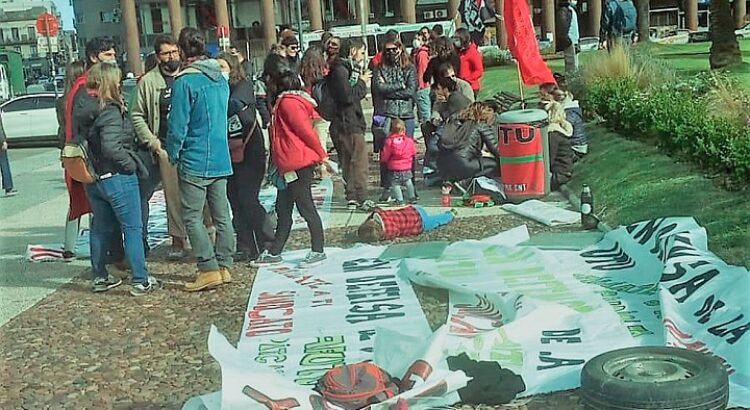
Este martes, Afutu -Asociación de Funcionarios de la Universidad del Trabajo del Uruguay- realizó un paro de 24 horas este martes y una manifestación frente a la Torre Ejecutiva. La medida es a nivel nacional. Además, efectuaron una caceroleada en la noche de ayer.
Los trabajadores indicaron en un comunicado este lunes que se «agotaron» las instancias de negociación bipartita.
Este martes hubo una tripartita con el Ministerio de Trabajo y Seguridad Social, sin demasiados avances.
Fuente e Imagen: https://www.republica.com.uy/trabajadores-de-utu-pararon-y-marcharon-a-torre-ejecutiva-este-martes-id831275/
La educación no prepara suficientemente a los estudiantes para adaptarse, actuar y responder al cambio climático y a las crisis medioambientales, según un nuevo informe publicado por la UNESCO en vísperas de la Conferencia Mundial sobre la Educación para el Desarrollo Sostenible, que se celebrará en línea desde Berlín (Alemania), del 17 al 19 de mayo.
El estudio, titulado “Aprender por nuestro planeta”, ha analizado los planes educativos y los marcos curriculares de cerca de 50 países de todas las regiones. Más de la mitad no hace referencia al cambio climático, mientras que sólo el 19% habla de la biodiversidad. El estudio señala la falta de atención a las habilidades socioemocionales y a las competencias orientadas a la acción, fundamentales para la acción medioambiental y climática. En una encuesta en línea realizada para el estudio a unos 1.600 profesores y responsables de educación, un tercio de los encuestados indicó que los temas relacionados con el medio ambiente no formaban parte de la formación docente.
La educación debe preparar a los alumnos para comprender la actual crisis medioambiental y dar forma al mundo futuro: para salvar el planeta, debemos transformar nuestra forma de vivir, producir, consumir e interactuar con la naturaleza. Es fundamental integrar la educación para el desarrollo sostenible en todos los programas de aprendizaje de todos los lugares. Audrey Azoulay, Directora General de la UNESCO
Así pues, la UNESCO se ha fijado un nuevo objetivo: hacer de la educación medioambiental un componente clave de los currículos escolares de todos los países de aquí a 2025. La Organización esté trabajando con sus 193 Estados Miembros para apoyar reformas en los currículos y examinar los avances para garantizar que todo los educandos puedan adquirir los conocimientos, las aptitudes, los valores y las actitudes necesarios para que se produzcan los cambios necesarios que permitan proteger el futuro de nuestro planeta.
La Conferencia Mundial reunirá a unos 2.500 participantes, entre los que figuran 81 ministros de educación y otras figuras destacadas comprometidas con la transformación de la educación para que todos los alumnos puedan hacer frente a la crisis climática, la pérdida de biodiversidad y todos los demás retos del desarrollo sostenible. Su objetivo será crear estrategias para la integración de la educación para el desarrollo sostenible (EDS) en todos los niveles de la educación y la formación, de acuerdo con un nuevo marco.
A lo largo de tres días, las sesiones se centrarán en las formas óptimas de aprovechar la educación para hacer frente a los desafíos mundiales interconectados, como el cambio climático, la pérdida de biodiversidad, las economías verdes y circulares, el avance tecnológico y la construcción de relaciones resilientes con el planeta a través de la educación. Se estudiarán formas de capacitar a los educadores, empoderar a los jóvenes y emprender acciones locales a través de la educación para el desarrollo sostenible.
Asimismo, se pedirá a todos los participantes que se comprometan con la Declaración de Berlín sobre la Educación para el Desarrollo Sostenible, que esbozará una serie de políticas que abarcan la enseñanza, el aprendizaje, la formación profesional y el compromiso cívico.
Participantes de alto nivel previstos en la conferencia:
Audrey Azoulay, Directora General de la UNESCO
Angela Merkel, Canciller, Alemania
Amina Mohamed, Vicesecretaria General de la ONU
Patricia Espinosa, Secretaria Ejecutiva de la Convención Marco de las Naciones Unidas sobre Cambio Climático
Princesa Lalla Hasnaa, Presidenta de la Fundación Mohammed VI para la Protección del Medio Ambiente, Marruecos
Laurent Fabius, Presidente de la COP21 (Francia)
Alexander Gerst, astronauta de la Agencia Espacial Europea y defensor de la sostenibilidad (Alemania)
Jeffrey Sachs, Director del Centro para el Desarrollo Sostenible de la Universidad de Columbia y Presidente de la Red de Soluciones para el Desarrollo Sostenible de la ONU
Andreas Schleicher, Director de Educación y Competencias y Asesor Especial de Política Educativa del Secretario General de la Organización para la Cooperación y el Desarrollo Económico (OCDE).
En el período previo a la Conferencia, numerosos ciudadanos han sumado sus voces a una campaña mundial lanzada por la UNESCO para pedir cambios en la educación para que todos podamos #AprenderPorElPlaneta, por nuestra propia supervivencia y por el futuro de la vida en la Tierra.
La UNESCO es la principal organización de las Naciones Unidas en materia de Educación para el Desarrollo Sostenible, cuyo objetivo es garantizar que todos los alumnos adquieran los conocimientos, las competencias, los valores y la iniciativa para actuar en favor del planeta y vivir de forma sostenible. En 2019, la Asamblea General de las Naciones Unidas adoptó una resolución en la que se pedía a la comunidad internacional que ampliara la educación para el desarrollo sostenible con el fin de alcanzar los objetivos fijados en la Agenda 2030. La resolución reconocía el liderazgo de la UNESCO en este ámbito.
La conferencia se organiza en cooperación con el Ministerio Federal de Educación e Investigación de Alemania y con su generoso apoyo.
OtrasVocesenEducacion.org existe gracias al esfuerzo voluntario e independiente de un pequeño grupo de docentes que decidimos soñar con un espacio abierto de intercambio y debate.
¡Ayúdanos a mantener abiertas las puertas de esta aula!





 Users Today : 3
 Total Users : 35494385
 Views Today : 3
 Total views : 3613525