Page 44 of 102
1 42 43 44 45 46 102

Australia: English language bar for citizenship likely to further disadvantage refugees

Oceanía/Australia/Abril del 2017/Noticias/https://theconversation.com/

Barra de la lengua inglesa para la ciudadanía que probablemente perjudique aún más a los refugiados

Reseña:

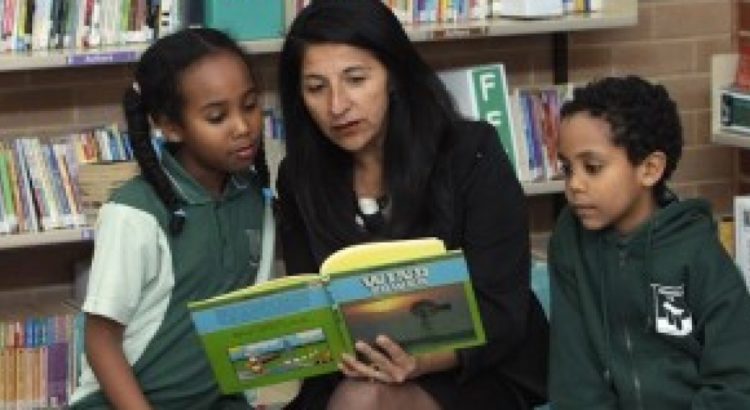
Expresan que una de las consecuencias serian que los solicitantes de ciudadanía tendrán que demostrar un nivel más alto de dominio del inglés si los cambios propuestos por el gobierno a la prueba de ciudadanía australiana continúan. En este sentido los cambios propuestos harán más difícil que las personas con antecedentes educativos no culminados se conviertan en ciudadanos, como muchos refugiados. Esto causa un replanteamiento de la propuesta del ¿Cómo funcionan las pruebas actualmente?, asi como expectativas de competencia. Se dice que el programa de inglés para adultos migrantes (AMEP, por sus siglas en inglés), donde muchos refugiados adultos acceden al aprendizaje del idioma a su llegada,en este orden de ideas señalan que  sólo se  espera un nivel «funcional» de competencia lingüística. Se presume que los desafíos que enfrentan los contextos de re-asentamientos, como las presiones de trabajo y las responsabilidades financieras con la familia extensa, a menudo se combinan para dificultar el aprendizaje de un idioma y, por extensión, para evitar que los refugiados cumplan la prueba de ciudadanía. Tambien señalan que  el gobierno debe entablar una cuidadosa consideración antes de potencialmente más desventaja a los más necesitados de ciudadanía.

English language bar for citizenship likely to further disadvantage refugees

Citizenship applicants will need to demonstrate a higher level of English proficiency if the government’s proposed changes to the Australian citizenship test go ahead.

Applicants will be required to reach the equivalent of Band 6 proficiency of the International English Language Testing System (IELTS).

To achieve Band 6, applicants must correctly answer 30 out of 40 questions in the reading paper, 23 out of 40 in the listening paper, and the writing paper rewards language used “accurately and appropriately”. If a candidate’s writing has “frequent” inaccuracies in grammar and spelling, they cannot achieve Band 6

Success in IELTS requires proficiency in both the English language, and also understanding how to take – and pass – a test. The proposed changes will then make it harder for people with fragmented educational backgrounds to become citizens, such as many refugees.

How do the tests currently work?

The current citizenship test consists of 20 multiple-choice questions in English concerning Australia’s political system, history, and citizen responsibilities.

While the test does not require demonstration of English proficiency per se, it acts as an indirect assessment of language.

For example, the question: “Which official symbol of Australia identifies Commonwealth property?” demonstrates the level of linguistic complexity required.

The IELTS test is commonly taken for immigration purposes as a requirement for certain visa categories; however, the designer of IELTS argues that IELTS was never designed for this purpose. Researchers have argued that the growing strength of English as the language of politics and economics has resulted in its widespread use for immigration purposes.

Impact of proposed changes

English is undoubtedly important for participation in society, but deciding citizenship based on a high-stakes language test could further marginalise community members, such as people with refugee backgrounds who have the greatest need for citizenship, yet lack the formal educational background to navigate such tests.

The Refugee Council of Australia argues that adults with refugee backgrounds will be hardest hit by the proposed language test.

Data shows that refugees are both more likely to apply for citizenship, and twice as likely as other migrant groups to have to retake the test.

Mismatched proficiency expectations

The Adult Migrant English Program (AMEP), where many adult refugees access English learning upon arrival, expects only a “functional” level of language proficiency.

For many adult refugees – who have minimal first language literacy, fragmented educational experiences, and limited opportunities to gain feedback on their written English – “competency” may be prohibitive to gaining citizenship. This is also more likely to impact refugee women, who are less likely to have had formal schooling and more likely to assume caring duties.

Bar too high?

The challenges faced in re/settlement contexts, such as pressures of work and financial responsibilities to extended family, often combine to make learning a language difficult, and by extension, prevent refugees from completing the citizenship test.

Similar patterns are evident with IELTS. Nearly half of Arabic speakers who took the IELTS in 2015 scored lower than Band 6.

There are a number of questions to clarify regarding the proposed language proficiency test:

  • Will those dealing with trauma-related experiences gain exemption from a high-stakes, time-pressured examination?
  • What support mechanisms will be provided to assist applicants to study for the test?
  • Will financially-disadvantaged members of the community be expected to pay for classes/ materials in order to prepare for the citizenship test?
  • The IELTS test costs A$330, with no subsidies available. Will the IELTS-based citizenship/ language test attract similar fees?

There are also questions about the fairness of requiring applicants to demonstrate a specific type and level of English under examination conditions that is not required of all citizens. Those born in Australia are not required to pass an academic test of language in order to retain their citizenship.

Recognising diversity of experiences

There are a few things the government should consider before introducing a language test:

1) Community consultation is essential. Input from community/ migrant groups, educators, and language assessment specialists will ensure the test functions as a valid evaluation of progression towards English language proficiency. The government is currently calling for submissions related to the new citizenship test.

2) Design the test to value different forms and varieties of English that demonstrate progression in learning rather than adherence to prescriptive standards.

3) Provide educational opportunities that build on existing linguistic strengths that help people to prepare for the test.

Equating a particular type of language proficiency with a commitment to Australian citizenship is a complex and ideologically-loaded notion. The government must engage in careful consideration before potentially further disadvantaging those most in need of citizenship.

Fuente:

https://theconversation.com/english-language-bar-for-citizenship-likely-to-further-disadvantage-refugees-76520


Fuente Imagen:

https://lh3.googleusercontent.com/56eqXehB2BEEB1KGzkBuDpgPocRCkqQIp_k9lWBvfg7ETvIYsGAtf-SBcLHJ21wqbCRL=s85
Comparte este contenido:

UNICEF: más de 25 millones de infantes no asisten a la escuela por la guerra

UNICEF/ 25 de abril de 2017/Por: Administrador Regeneración/Fuente: http://regeneracion.mx

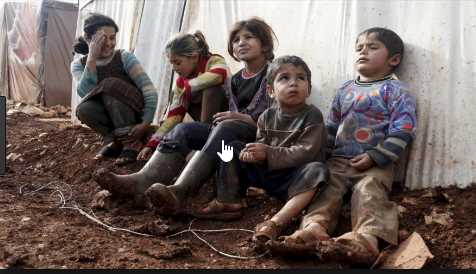
Más de 25 millones de niños entre los seis y quince años de edad no van a la escuela debido a la guerra y los conflictos violentos que se viven en 22 países del mundo, según ha denunciado el Fondo de Naciones Unidas para la Infancia (UNICEF).

“En ningún momento es más importante la educación que en los tiempos de guerra”, ha subrayado en un comunicado la responsable de Educación de UNICEF, Josephine Bourne. “Sin educación, ¿cómo podrán alcanzar los niños su potencial y contribuir al futuro y a la estabilidad de sus familias, sus comunidades y economías?”, ha planteado.

En el nivel de educación primaria, Sudán del Sur tiene la mayor tasa de niños sin escolarizar, con cerca del 72 por ciento de los niños sin acudir al colegio. Le siguen Chad, con un 50 por ciento de niños que no van a clases, y Afganistán, con el 46 por ciento. Estos tres países son también los que tienen una mayor tasa de niñas sin escolarizar, con Sudán del Sur en cabeza, con un 76 por ciento, con un 55 por ciento en Afganistán y un 53 por ciento en Chad.

En el nivel de escuela secundaria básica, las mayores tasas de niños sin escolarizar se dan en Níger, con un 68 por ciento, Sudán del Sur, con un 60 por ciento, y República Centroafricana, con un 55 por ciento. La tasa de niñas sin escolarizar en esta franja se dispara, con cerca de tres cuartas partes de las menores de Níger sin poder ir a las escuela y dos de cada tres tanto en Afganistán como en República Centroafricana.

Para ayudar a entender la necesidad de que los niños y las niñas vayan a la escuela y los desafíos derivados de abandonar las clases por la guerra, la refugiada siria y activista a favor de la educación Muzoon Almelehan, conocida como la ‘Malala de Siria’, ha viajado a Chad, un país en el que cerca del triple de las niñas en relación a los niños no pueden ir a la escuela.

Muzoon se ha reunido con una niña de 16 años que fue secuestrada por Boko Haram frente a su escuela en Nigeria cuando tenía trece años y que fue drogada, explotada y violada durante tres años antes de que consiguiera huir a Chad.

Muzoon también se ha reunido con niños que han podido tener por primera vez una educación y con miembros de comunidades que, como le pasó a ella en su día, lo arriesgan todo para llevar a sus hijos al colegio.

Con información de: UNICEF

https://www.unicef.org/es

Fuente de la Noticia:

UNICEF: más de 25 millones de infantes no asisten a la escuela por la guerra


Comparte este contenido:

CLADE – OVE: SAME 2017 enfoca la participación ciudadana y la rendición de cuentas de los Estados en el cumplimiento de la Agenda de Educación 2030

CLADE – OVE/25 de abril de 2017/

La Semana de Acción Mundial por la Educación 2017 comenzará en la próxima semana y tendrá énfasis en el rol de la participación ciudadana para la realización del Objetivo de Educación de la Agenda de Desarrollo Sostenible

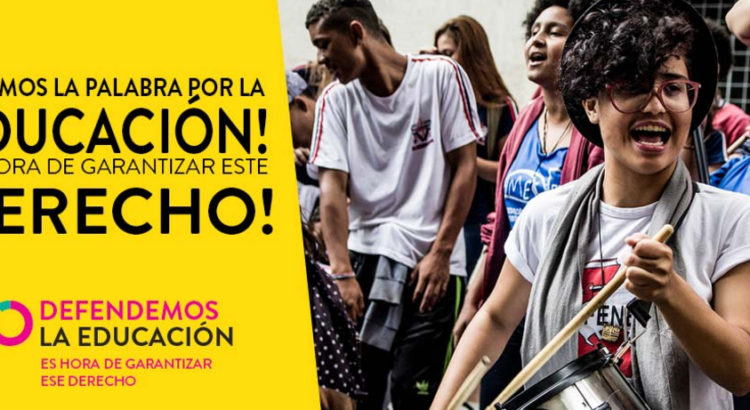
La Semana de Acción Mundial por la Educación (SAME), iniciativa de movilización internacional coordinada por la Campaña Mundial por la Educación (CME), este año se celebra del 23 al 29 de abril y abraza la consigna «¡Pedimos la palabra por la educación! – Es hora de garantizar este derecho». Con miras a exigir a los gobiernos que rindan cuentas sobre la implementación de la Agenda de Educación 2030 en sus países y teniendo como premisa la participación activa de la ciudadanía en el seguimiento e implementación de estos compromisos, se realizarán actividades de incidencia política y movilización social en más de 100 países de todo el mundo.

Con un énfasis particular en recordar a los Estados y a la ciudadanía que la gobernabilidad democrática es la piedra angular de los Objetivos de Desarrollo Sostenible (ODS), la SAME 2017 se propone señalar la necesidad de hojas de ruta realistas y creíbles para garantizar una educación pública, gratuita, de calidad e inclusiva para todas las personas, hasta el 2030. Queremos que los gobiernos y la comunidad internacional reafirmen y asuman su responsabilidad con la realización de la Agenda de Educación 2030, garantizando mecanismos claros y transparentes de rendición de cuentas y tomando en consideración la participación activa de la sociedad civil.

En este contexto, la CLADE apoya y le da seguimiento a la participación de los foros nacionales que integran la red, en los espacios de acompañamiento a la implementación de los ODS que se hayan creado en sus países, así como en el proceso de elaboración de los informes voluntarios que algunos Estados de la región presentarán en julio de 2017 al Foro Político de Alto Nivel de la ONU (High Level Political Forum), que es la principal arquitectura de seguimiento a la Agenda de Desarrollo 2030 a nivel internacional. Este año presentarán sus revisiones nacionales voluntarias sobre los ODS los siguientes países de la región: Argentina, Brasil, Chile, Costa Rica, El Salvador, Guatemala, Honduras, Panamá, Perú y Uruguay.

Durante la SAME 2017, también se abordarán los desafíos para la realización del Objetivo de Desarrollo Sostenible 4 – referido a Educación – a nivel mundial, entre ellos la disputa sobre el concepto de calidad educativa; el debilitamiento del rol de los Estados como garantes del derecho a la educación pública y gratuita; y la reducción de espacios para la participación ciudadana en muchos países, inclusive con casos de criminalización y represión de la protesta social.

Ante este escenario, demandamos que los gobiernos:

  • garanticen espacios estructurados para una participación activa y efectiva de la sociedad civil en el seguimiento de la Agenda de Educación 2030, en referencia a la legislación, planificación, presupuesto y monitoreo;
  • prioricen y aseguren en dichos espacios la participación de sindicatos de trabajadoras/es de la educación y organizaciones y movimientos sociales, especialmente las organizaciones estudiantiles, de mujeres, personas con discapacidad, indígenas y afro descendientes, entre otras poblaciones históricamente marginadas;
  • eliminen y rechacen las políticas y legislaciones que tengan como objeto reprimir y criminalizar a la protesta social y la labor de defensoras/es de los derechos humanos e integrantes de la comunidad educativa;
  • garanticen los presupuestos y medios de implementación necesarios para el cumplimiento de la Agenda de Educación 2030 en los países, en base al compromiso con el fortalecimiento de los sistemas educativos públicos, como una responsabilidad de los Estados.

Seguiremos compartiendo más informaciones sobre los mensajes clave, los objetivos y la agenda de la SAME 2017, destacando especialmente las actividades que se desarrollen por iniciativa de la comunidad educativa y la sociedad civil organizada en distintos países de América Latina y el Caribe, a través de nuestra página web: http://same2017.campanaderechoeducacion.org

Acceda también a la página de la SAME 2017 a nivel internacional: http://actionweek.campaignforeducation.org/

Comparte este contenido:

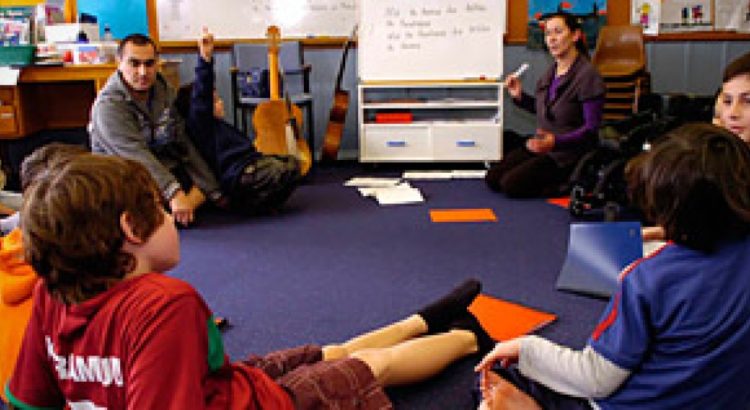
Australia: la escasez de recursos afecta a los/las estudiantes desfavorecidos/as

Por: Internacional de la Educación 

Según datos internacionales recientemente publicados, las escuelas australianas hacen frente a una gran carencia de recursos, lo que demuestra la importancia de la financiación basada en las necesidades para garantizar que todas las escuelas cuentan con los recursos que necesitan.

El déficit de recursos en las escuelas australianas afecta particularmente a los/las estudiantes desfavorecidos/as. Esta es una de las conclusiones de las versiones ampliadas de los informes del Programa para la Evaluación Internacional de los Alumnos (PISA, por sus siglas en inglés) de la Organización para la Cooperación y el Desarrollo Económicos y el Estudio Internacional de Tendencias en Matemáticas y Ciencias (TIMSS, por sus siglas en inglés) de la Asociación Internacional de Evaluación del Rendimiento Escolar. Las versiones completas de los informes del PISA y el TIMSS comparan el rendimiento de los sistemas escolares de diferentes países desarrollados.

“Los nuevos datos confirman que la disparidad de resultados entre los estudiantes de entornos favorecidos y desfavorecidos en Australia equivale a unos tres años de escolaridad”, destaca Correna Haythorpe, Presidenta Federal del Australian Education Union (AEU). “También muestran las disparidades impresionantes de recursos que contribuyen a ello”, señala. “¿Cómo se puede esperar que estos/as estudiantes tengan un buen rendimiento cuando se encuentran en escuelas que carecen de los recursos básicos para su educación?”

Desventaja específica

Los datos ilustran cómo el déficit educativo está asociado a la escasez de recursos en escuelas a las que asisten los/las estudiantes desfavorecidos/as. De hecho, Haythorpe dice que el personal directivo de las escuelas había dicho que:

·         el 55 por ciento de los/las estudiantes asistía a escuelas en las que la enseñanza de matemáticas se veía afectada por la falta de recursos

·         el 69 por ciento asistía a escuelas donde la enseñanza de ciencias estaba afectada

·         el 34 por ciento de los/las estudiantes de entornos desfavorecidos que participaron en la Encuesta sobre la Experiencia de los/las Estudiantes o SES (la única encuesta exhaustiva de estudiantes actuales en centros de enseñanza superior en Australia) se encontraban en escuelas en las que la infraestructura inadecuada obstaculizaba la capacidad de enseñanza del centro, en comparación con el 12 por ciento de los/las estudiantes de entornos favorecidos

Según los datos, los/las estudiantes australianos/as en el cuartil más bajo de la SES tienen seis veces más posibilidades de asistir a escuelas que no disponen de suficientes docentes o personal de apoyo cualificados. “Es una muestra impactante de la escasez de recursos en nuestras escuelas y cómo esta escasez se suma a las barreras a las que se enfrentan los/las estudiantes desfavorecidos/as”, dice Haythorpe.

Gonski

Asimismo, hace hincapié en que el plan del Primer Ministro de Australia, Malcolm Turnbull, “de eliminar la financiación Gonski basada en las necesidades después de 2017 significa que muchas escuelas nunca alcanzarán el nivel de recursos que necesitan para sus estudiantes”. Insta a Turnbull a abandonar su plan de eliminar la financiación Gonski después de 2017 y a dar a las escuelas la financiación completa de seis años de fondos específicos para que todas las escuelas puedan llegar al nivel mínimo de recursos para escuelas que el Informe Gonski recomienda.

Haythorpe destaca que los informes anteriores del PISA muestran que los sistemas escolares con una distribución más equitativa de la financiación tienen un mejor rendimiento general.

*Fuente: https://www.ei-ie.org/spa/detail/14804/australia-la-escasez-de-recursos-afecta-a-loslas-estudiantes-desfavorecidosas


Comparte este contenido:

Nueva Zelanda: una voz para el «ejército silencioso» del personal de apoyo educativo

Oceania/Nueva Zelanda/Prensa IE

Junto con Antonia Wulff de la Internacional de la Educación, Jane Porter del New Zealand Educational Institute – Te  Riu Roa ha hablado sobre los retos que el personal de apoyo educativo tiene ante sí para que se reconozca su contribución a la educación para todos.

En el último episodio de EdVoices, los podcasts de la Internacional de la Educación (IE), Jane Porter, que dirige la campaña para el New Zealand Educational Institute – Te Riu Roa (NZEI) y forma parte del Grupo de trabajo del personal de apoyo educativo de la Internacional de la Educación (IE), recuerda que, en todos los centros escolares, los equipos de personal de apoyo educativo trabajan codo con codo con los docentes para hacer posible que todos los estudiantes tengan la oportunidad de recibir una educación de calidad, pero, con demasiada frecuencia, su esfuerzo y sus aportaciones pasan desapercibidos.

«En Nueva Zelanda a menudo nos referimos a ellos como el ejército silencioso, ya que se preocupan realmente de que los que están en instituciones educativas puedan trabajar y de que los alumnos reciban apoyo para aprender», asegura.

El personal de apoyo educativo: «demasiadas categorías» de trabajadores de la educación

Porter explica que, debido a que el personal de apoyo educativo abarca «demasiadas categorías» de los trabajadores de la educación, más de 200 categorías solamente en su país, son trabajadores esenciales, pero a menudo pasan desapercibidos cuando se debate acerca de los sistemas de educación pública.

«Todo el mundo sabe que cuando vas a clase, tendrás un profesor», asegura, pero el personal de apoyo educativo es un ámbito que se ha desarrollado ad hoc. «Es un grupo que ha evolucionado porque existía una necesidad, pero sin una planificación previa».

Refiriéndose al «nuevo papel» del personal de apoyo educativo en la ayuda a los estudiantes con necesidades educativas especiales, explica que, mientras que para algunas categorías profesionales —como los psicólogos, los bibliotecarios o las secretarias escolares— es fácil encajar en la comunidad educativa, en otros casos resulta más difícil.

«Nos centramos demasiado en las tareas y deberíamos centrarnos en qué puede aportar el personal de apoyo educativo al aprendizaje», subraya Porter, insistiendo en que el grupo de trabajo de la IE se centra especialmente en cómo enfocar el aprendizaje, más que en los docentes. «El personal de apoyo no está aquí para apoyar a los docentes, sino para apoyar la educación, para apoyar el aprendizaje».

Fuente: https://www.ei-ie.org/spa/detail/14819/nueva-zelanda-una-voz-para-el-%C2%ABej%C3%A9rcito-silencioso%C2%BB-del-personal-de-apoyo-educativo

Comparte este contenido:

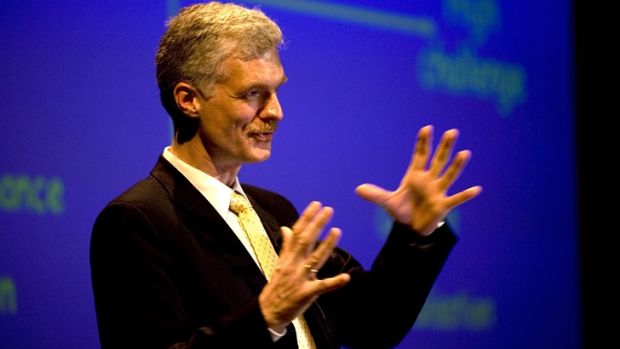
Australia: OECD education chief Andreas Schleicher: great teachers more important than class size

OECD- PISA – Australia/18 April 2017/By: Kelsey Munro/Source: The Sudney Morning Herald

Australia should move to bigger class sizes if it wants to improve its education system without spending more money, according to the OECD’s top education guru Andreas Schleicher, and he has the data to prove it.

The highest performing countries in the OECD’s PISA tests have classes significantly larger than Australia’s average, he said.

But it’s not the class size that’s the key, he explains – it’s giving teachers less class time so they can focus on high-quality teaching.

The trade-off in a finite education budget for having teachers doing just 12-16 hours of class time a week is that you have to fit more kids into their classes.

The impact of class size on education quality is a highly contested issue within the research, while smaller class sizes tend to be popular with teachers, education unions and parents.

Mr Schleicher’s point is that the key factor is not the size of the class – it’s the quality of teaching strategies. Given the choice between a great teacher and a small class, pick the great teacher.

«Australian teachers have relatively little time for other things than teaching compared with their Asian counterparts,» he told Fairfax Media at an education conference in Dubai.

«If you’re a teacher in Hong Kong, China, Japan, you teach a lot less than Australian teachers, but you actually work more.

«You have a lot more time to engage with students individually, to work with parents, to work on reviewing lessons, analysing lessons, observing practice and so on. So there’s more emphasis on the professional development, particularly for higher order thinking skills.

«Those are very important. And the trade-off is bigger classes. The more popular trade-off is a smaller class, that’s what everybody likes. But if you ask me what is actually going to give better outcomes, Australia should think harder about this.»

According to the latest OECD data, the average class size in Australia for both primary and lower secondary was 24 pupils in 2014, compared with the OECD average of 23.

As policymakers have struggled to deal with Australia’s slipping performance in international benchmark tests like PISA and TIMSS, the perceived quality of teachers has come under fire.

Australia has not been as good at extending its top students, and has become less effective at mitigating socio economic disadvantage in its schools. But the OECD’s research suggests the problem is how our teachers are using their time.

«Australia has many ingredients of success,» Mr Schleicher said, speaking on the sidelines of the Global Education and Skills Forum in Dubai on Saturday, but our policy settings have been focusing on things that are not addressing the source of our achievement gap between students.

The reporter travelled to the Global Education and Skills Forum as a guest of the conference.

Source:

http://www.smh.com.au/national/education/oecd-education-chief-andreas-schleicher-great-teachers-more-important-than-class-size-20170320-gv1sr2.html

Comparte este contenido:

Australia: Why it’s the right time for Australia and India to collaborate on higher education

Oceanía/Australia/Abril del 2017/Noticias/https://theconversation.com

In 2060, India will be the most populous country, and likely have the largest economy, in the world. Roughly 20 million young people turn 18 every year, and according to some estimates, India’s middle class now numbers 300 million.

We have about 40 years in Australia to become a key partner of this future global centre. And there is no better starting point than higher education.

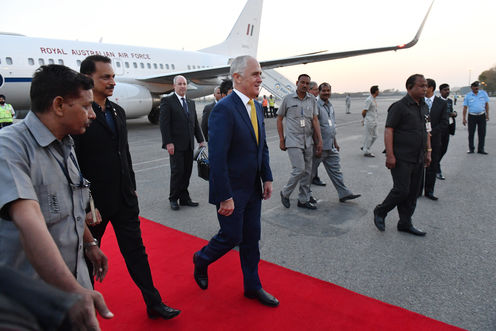
Prime Minister Malcolm Turnbull and Education Minister Simon Birmingham are currently visiting India, in part to promote higher education collaboration. Minister Birmingham has stated that his key objectives will include developing opportunities for Australian providers to deliver quality higher education in India, and emphasising Australia as an international education destination.

As higher education providers from competitor countries such as the UK are deepening their involvement in the Indian education sector, now is a crucial time for Australia to act.

University system in India

India contains a complex higher education landscape, with 760 universities and around 38,000 colleges.

Central government universities absorb just 3% of students and are relatively good quality. A wide range of state universities affiliate private and state colleges, which also award degrees. There is also a class of “deemed university” which was introduced fairly recently to cover private institutions established usually by business entrepreneurs.

…and the challenges it faces

As former Prime Minister Manmohan Singh stated – and as a new book shows in clear terms – the Indian higher education system faces major challenges.

This partly reflects a decision by India’s first Prime Minister Jawaharlal Nehru to channel research funds to independent non-teaching institutes, which has left central and state universities relatively starved of funds.

Indian universities – even elite institutions such as the Indian Institutes of Technology – do not feature in the top 100 universities in global rankings.

The upshot for the ordinary Indian student is that he or she is unlikely to be taught by a research active faculty member, unlikely to be able to acquire a good education with up-to-date curricula, and unlikely to have access to excellent facilities either in terms of teaching or extra-curricular activities.

Such deficits particularly affect the poor, women, rural areas, and north India.

So how does Australia fit into the picture?

The prospects for Australia to engage successfully with Indian higher education institutions are therefore not very high.

Certainly, the focus to date has been on working with the top institutions. But this means the mass of state-level universities and colleges do not typically receive the benefits of foreign collaboration.

Added to the problems are a relatively low knowledge base in Australia on Indian higher education and legal restrictions on foreign universities opening up campuses in India.

The Foreign Providers Bill, which would change the law in this regard, has been stalled. But India’s current government is keen to reform higher education.

Push for collaboration

Prime Minister Narendra Modi has indicated his desire to develop foreign collaborations.

The flow of Indian staff and students to Australia, and the beginnings of revitalisation of Indian studies in Australia, bodes well in terms of the development of partnerships and joint working.

There are success stories, too, such as joint PhD programmes at Monash University and the University of Melbourne, as well as comprehensive ties with Indian higher education developed at Deakin University – among a fairly wide range of examples.

Still, there is no sense in fudging. Such examples are – to use an Indian phrase – like the cumin seed in the camel’s mouth.

Five ways to do this

Australia, with a strong higher education sector and a particular strength in terms of the development of world-class full-spectrum universities, could expand collaborative efforts in several ways. These include:

  1. Agree on the mutual recognition of qualifications in India and Australia. There are currently issues with the recognition of Indian students’ prior learning when they come to study in Australia. India also does not recognise some Australian qualifications, such as accelerated masters’ degrees.
  2. Lobby the Indian government to allow Australian universities to open campuses in India where there is a compelling rationale for doing so. Apart from the direct benefits this would bring in terms of making foreign education available more cheaply to Indian students, it would allow the Indian government to benchmark their institutions against Australian counterparts.
  3. Develop a wide range of staff and student champions of the Australia-India relationship, building on programmes already running and activity already being generated among staff.
  4. Develop a comprehensive scholarship scheme for non-elite Indian students to facilitate the flow of talented students to Australia. This could be funded using a small percentage of the money universities receive from international students. It would help to build understanding of India in Australia, and also increase the diversity of Australian universities. A key advantage of this scheme is that it would allow Australian universities to develop reach into “ordinary India”.
  5. Develop a set of specialist collaborative research institutes in India around key challenges facing India and Australia, for example around water, infrastructure, poverty, security, health, and governance. These could serve as a basis for full spectrum campuses in the future.

Given the inventiveness of other countries in devising ways of collaborating with India, there will be real costs if Australia does not engage with these ideas in terms of opportunities for research collaboration and offering valuable learning experiences to Indian students.

The UK, in particular, has made great strides in this space, such as the Research Councils UK partnership with India, even as its visa restrictions hobble efforts to develop student mobility between India and the UK.

India and Australia have complementary strengths in higher education. A strategic approach could yield major benefits for both countries.

Fuente:

https://theconversation.com/why-its-the-right-time-for-australia-and-india-to-collaborate-on-higher-education-76011

Fuente Imagen:

https://lh3.googleusercontent.com/MnWIjNupglv1EWibdgmSDSKAen3Q6-KUxm7RmdEHC-l5YQPe7_T61W2Ca0XQIzO0DmEptg=s85

Comparte este contenido:
Page 44 of 102
1 42 43 44 45 46 102