Saltar al contenido principal
Page 233 of 558
1 231 232 233 234 235 558

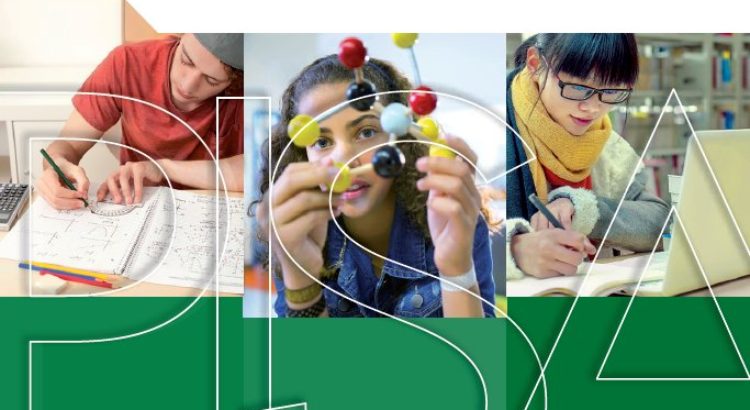
OCDE report: Equity in Education Breaking down barriers to social mobility

In times of growing economic inequality, improving equity in education becomes more urgent. While some countries and economies that participate in the OECD Programme for International Student Assessment (PISA) have managed to build education systems where socio-economic status makes less of a difference to students’ learning and well-being, every country can do more.

OECD (2018), Equity in Education: Breaking Down Barriers to Social Mobility, PISA, OECD Publishing, Paris, https://doi.org/10.1787/9789264073234-en.

Descargar: http://files-eu.clickdimensions.com/ei-ieorg-a4ucu/files/oecd2018equityineducation-embargoedcopy.pdf?1539877267533&_cldee=aGVsZW5hLnNjaHVsekBlaS1pZS5vcmc%3d&recipientid=contact-cd8fdaf713b0e3118e4d005056ad0002-7ecf26c888e24500b2d9ecda6e8fc31f&esid=d6ac42ea-15df-4e5d-ad99-b2a835d93d34

Comparte este contenido:

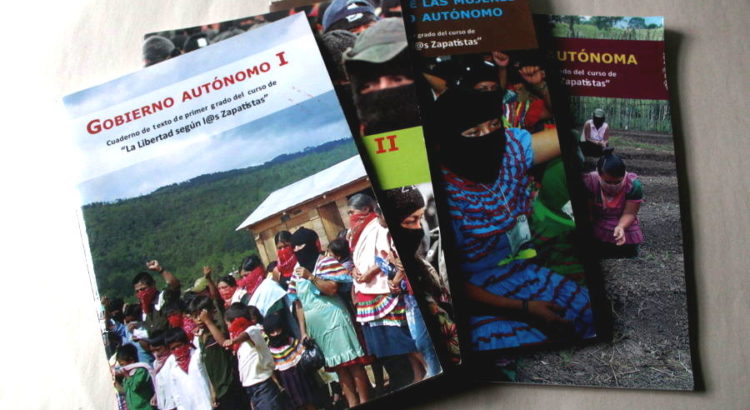
Libros en PDF de la Escuelita Zapatista “La Libertad según l@s Zapatistas”

Por  

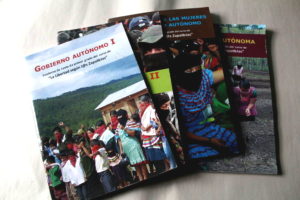
En su momento como otros medios libres también difundimos estos libros de la Escuelita Zapatista cuyo primer curso del primer nivel se realizó en agosto del año 2013. Pero en una de las insistentes hackeadas a la página se perdieron. La Escuelita configuró el segundo de una serie de pasos de la nueva etapa político-organizativa del zapatismo, el primero fue la segunda toma de 5 ciudades chiapanecas mediante marchas pacíficas el 12 de diciembre de 2012, que sería seguida por la serie de comunicados “Ellos y nosotros”. Esa etapa se extiende actualmente a través de la iniciativa de la formación del Concejo Indígena de Gobierno y el nombramiento de su vocera.

El primer nivel tiene 4 temas que son: Gobierno Autónomo I, Gobierno Autónomo II, Participación de las Mujeres en el Gobierno Autónomo, y Resistencia. Cada tema tiene su libro de texto. Los libros de texto tienen entre 60 y 80 páginas cada uno.

Acá van de nuevo los 4 libros descargables, en PDF con formato de texto (click sobre cada link con el botón derecho del mouse para descargar):

Gobierno Autónomo I

Gobierno Autónomo II

Participacion de las Mujeres en el Gobierno Autónomo

Resistencia Autónoma

Descargar (PDF, 9.86MB)

Descargar (PDF, 6.98MB)

Descargar (PDF, 8.94MB)

Descargar (PDF, 10.61MB)

Comparte este contenido:

70 libros sobre el feminismo cultural y asuntos de género – gratuitos

Por: masoportunidades.org.

Asuntos de género y feminismo. Los movimientos del feminismo se han convertido en motores del cambio social y el reconocimiento de la mujer en todos los ámbitos de la vida cultural, profesional y personal.

La Asociación de Mujeres en las Artes Visuales Contemporáneas (MAV) presenta una extensa biblioteca gratuita que incluye la descarga gratuita de libros, ensayos, artículos y debates sobre feminismo.  Te los presentamos a continuación, no sin antes compartir también la lista Países que te pagarán por estudiar en sus territorios.

Fuente de la reseña: http://masoportunidades.org/70-libros-feminismo-cultural-asuntos-genero-gratuitos/

Comparte este contenido:

Libro: Educación para la igualdad de género. Un modelo de evaluación

Por: Centro Reina Sofía.

Año: 2015

ISBN (13): 978-84-92454-32-7

Autor: Povedano, Amapola

Otros autores: Cuesta, Pepa ; Musitu, Gonzalo ; Muñiz, María

Lugar de Edición: Madrid

Editorial: Centro Reina Sofía sobre Adolescencia y Juventud

Año de edición: 2015

Páginas: 75 p.

Serie: Documentos

Idioma: Español

Fuente: Centro Reina Sofía sobre Adolescencia y Juventud

Formato: Web

Temáticas: Educación, Género

Descriptores: educación, coeducación, familia, centros de enseñanza, igualdad de género

Resumen: En este trabajo se ofrece una propuesta para analizar las buenas prácticas en coeducación en España y para evaluar los programas orientados a la Educación en Igualdad de Oportunidades entre los Géneros, Coeducación o Coenseñanza.

Para ello, se introduce el concepto de género y su desarrollo, se estudia la Educación como un proceso esencial para lograr una igualdad real entre los géneros, se analizan los criterios a partir de los cuales se consideran las Buenas Prácticas Educativas y se sugiere una propuesta de Evaluación de Programas Educativos en Igualdad de Oportunidades entre Mujeres y Hombres.

Link de descarga del libro: https://www.uv.es/lisis/amapola/2015/educacion_igualdad.pdf

Comparte este contenido:

Seminario de educación rural planteó como desafío la cobertura en todos los niveles

Por: Leticia Castro.

Cuidados y género, educación terciaria y televisión educativa fueron algunos de los ejes.

“El gran desafío es cómo llegar con servicios educativos de calidad a poblaciones que se debe llegar, porque son ciudadanos como cualquiera, pero están en áreas dispersas”, planteó a la diaria Limber Santos, director del Departamento de Educación Rural del Consejo de Educación Inicial y Primaria (CEIP), en la apertura, el jueves, del noveno Seminario Internacional de Investigación sobre Educación Rural, que se desarrolló hasta ayer en el Centro Agustín Ferreiro, en Canelones. 14 mesas, con un promedio de cinco ponencias cada una, presentaron durante las dos jornadas diferentes proyectos de investigación, uruguayos e internacionales, que se proponen trabajar sobre ese gran desafío.

Los temas que se han tratado en los últimos nueve años se volvieron a presentar: pedagogía rural, historia de la educación rural, didáctica multigrado, formación docente rural; sin embargo, aparecieron algunos nuevos. “El tema cuidados y género apareció en este seminario, y si bien había estado como ponencias, este año llegaron como un conjunto que forman una mesa. Otro tema nuevo es la televisión educativa o, por ejemplo, cuestiones vinculadas más a aspectos como la educación terciaria rural”, comentó Santos.

Una de las mesas nuevas de este año fue la del proyecto Educación +, de la empresa DirectTV. Mediante un convenio firmado por la compañía y el CEIP en 2014, más de 600 escuelas del interior cuentan con la antena y un decodificador que les permite ver y grabar contenido educativo producido por los canales asociados, como Discovery Chanel y National Geographic para Latinoamérica. Para el año 2022 podrían llegar antenas a todas las escuelas rurales del país. Para Santos, esta herramienta “tiene una utilidad potencial muy fuerte; sin embargo, en la práctica todavía falta mucho para que los maestros se la apropien. Lo que pasa es que el maestro empieza a tener una sumatoria de muchos recursos y, si bien eso es positivo, hay que saberlos gestionar”.

15 investigadores de Argentina, Brasil, Chile, Colombia, Cuba, España, México y Paraguay se unieron a las más de 50 exposiciones uruguayas. En cuanto a la selección de los trabajos, Santos explicó: “Hay algunos que son muy buenos, de equipos de trabajo consagrados, con una acumulación de conocimiento producido desde hace años que vienen a presentar ponencias que tienen un altísimo nivel. Hay otros que son más narrativas de experiencias vinculadas con la educación rural, por parte de estudiantes o de maestros muy jóvenes que se presentan por primera vez a instancias de este tipo”.

Del campo a la ciudad

Según Santos, se ha constatado un “proceso de crecimiento en cuanto a la producción de conocimiento sobre lo rural. Hay, respecto a años anteriores, una evolución en ámbitos de producción académica como universidades, ministerios o equipos de trabajo. Hay más ámbitos donde el tema de lo rural, ya sea por lo didáctico, pedagógico, histórico, social o productivo, está presente. Eso es una característica de Uruguay, pero también de los países de la región”. Sin embargo, el decrecimiento poblacional en el campo continúa aumentando, lo que repercute en la disminución de la matrícula escolar rural. Santos aclaró: “Se percibe que es un fenómeno que se ha complejizado, al menos en Uruguay. Si bien la migración del campo a la ciudad continúa, si se analizan regiones en concreto hay ciertas fluctuaciones poblacionales que hacen también fluctuar la matrícula escolar, eso hace que no todas pierdan inscripciones de la misma manera y de forma lineal. En algunas escuelas la matrícula se ha estabilizado, algunas ganan, aunque esa ganancia a veces es circunstancial”.

El pedagogo uruguayo José Pedro Núñez comentó, en la conferencia inicial, un fenómeno que también advierte Santos: “En Uruguay tendemos a urbanizar población e instituciones educativas, tenemos escuelas que están en localidades menores a 2.000 habitantes –hay más de 500 localidades con esa cantidad de población– donde en la mayoría de ellas la escuela es urbana y, sin embargo, la población se identifica como rural”. Los motivos para que esto ocurra son “diversos”: a veces son de carácter administrativo y en otras oportunidades “el criterio no está muy claro”, puntualizó. A su entender, esta situación “da para repensar qué es lo rural, porque hoy nos mantenemos con 1.100 escuelas rurales, pero en realidad podríamos tener afinado un criterio más coherente con aspectos sociodemográficos, y serían muchas más. No es menor este dato, porque eso hace fijar políticas públicas”.

Las escuelas llegan a todas las localidades del país, pero ese no es el caso de la educación secundaria. “La educación media básica hoy en día está bastante cubierta, se ha ido logrando incorporar nuevas modalidades de educación media rural para cubrir territorios más dispersos. Eso hace que el pasaje de los niños desde sexto año de escuela a la siguiente etapa sea casi universal, pero no lo es el sostenimiento luego”, detalló Santos, y agregó que el desafío es mucho mayor en la educación media superior, tramo en el que hay aún menos oferta y, casi siempre, los estudiantes se tienen que trasladar a un centro urbano.

Fuente de la reseña: https://findesemana.ladiaria.com.uy/articulo/2018/10/seminario-de-educacion-rural-planteo-como-desafio-la-cobertura-en-todos-los-niveles/
Comparte este contenido:

‘In our bloodline:’ Land-based learning links curriculum with Indigenous culture

By: 

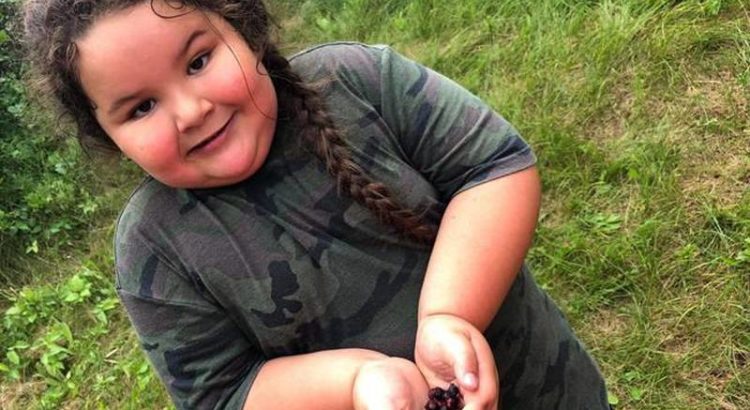
A school day for six-year-old Hunter Sasakamoose can start with lighting a fire for breakfast and end with doing math by candlelight.

In between, the boy learns life skills such as hunting and fishing as well as first-hand science lessons about how rain soaks into the ground to help grow the plants he’s harvesting.

His education combines lessons from his ancestors on the Ahtahkakoop Cree Nation in Saskatchewan with the curriculum of his peers in Regina, where he goes to school half the year.

He’s taking part in land-based learning and his mother, JoLee Sasakamoose, is his teacher.

«We have this ability to just live and have the school be a part of how we are living,» she said.

«The lessons evolved really naturally.»

Sasakamoose, an education professor at the University of Regina and research director with the Indigenous Wellness Research Institute, grew up with land-based learning on the M’Chigeeng First Nation in Ontario. Those lessons have influenced her work as a professor and how she is raising her child.

Hunter was enrolled in Prairie Sky School — a Waldorf-style school with a focus on art, community and nature — but when Sasakamoose was on sabbatical from her teaching position, she wanted to bring education onto the land where her son’s relatives have always found their teachings.

It meant a unique style of home-schooling in a cabin with no electricity or running water, about 400 kilometres north of Regina.

Land-based learning has always been a part of First Nations culture. It encourages critical thought through interaction with the land, an understanding of nature and its relation to science — all the while connecting with and celebrating Indigenous culture.

In Winnipeg, three schools created a land-based education initiative for the 2016-17 school year. In Saskatchewan, the Treaty 4 Education Alliance brought in land-based education programs in 2017.

The Dechinta Centre for Research and Learning in Yellowknife has offered university credits for land-based programming since 2010.

Kate Kent, who recently organized a land-based education conference in Winnipeg, said schools and educators are incorporating such learning into curriculums since the report from the Truth and Reconciliation Commission on residential schools. Many of the commission’s 94 recommendations focused on education, culture and language.

«There’s so much intergenerational effects from residential school, so looking at reconciliation and moving forward, this is taking steps to try and fix what was done in the past,» Kent said.

«It’s important for our young people to learn on the land, instead of sitting in the classrooms for eight hours a day, in order to bring the cultural awareness back into our peoples.»

Sasakamoose said it was important for her son to learn outside of an institutional environment because they are descendents of residential school survivors.

«We have it in our bloodline,» she said.

«I don’t want my son to know that (type of education.) I want him to know a natural way of interacting with the environment as long as possible.»

Hunter has now returned to his Regina school, where all the other students were excited to hear about his land-based learning, which he shared on a special Facebook page he created when it began in July.

In one of his last posts from Ahtahkakoop, the young boy points to thoughtfully laid out logs, rocks and leaves. It’s part of STEAM teaching — science, technology, engineering, art and math — where he was required to build a fairy house.

«This is my fairy house,» he said with a beaming smile, pointing to different areas. «This is the sitting area with the rain log so the rain drips down and so it doesn’t hit you in the face.»

— By Kelly Geraldine Malone in Winnipeg

Source of the review: https://www.thechronicleherald.ca/news/canada/in-our-bloodline-land-based-learning-links-curriculum-with-indigenous-culture-252167/

Comparte este contenido:

Paris draws inspiration from Yerevan to give teenagers digital education

By: Clément Nicolas.

With the support of European funding, Paris has started a school for digital creation called ‘Tumo’. This concept, which comes from Armenia, allows young people aged between 12 and 18 to learn about digital creation in an autonomous manner. EURACTIV France reports.

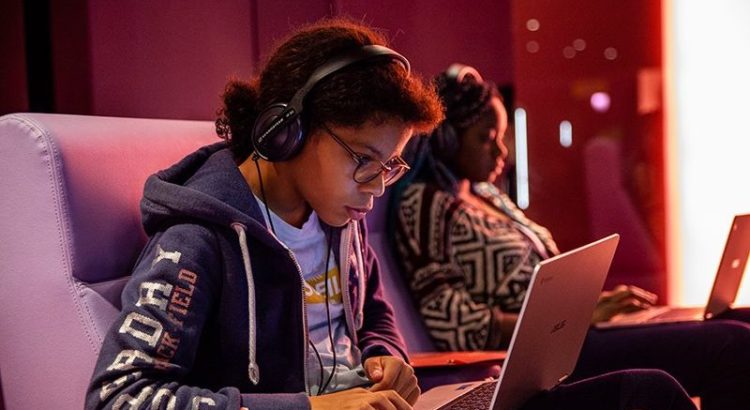
On the illuminated wall at the Forum des Images at Les Halles in Paris, moving human forms create a surreal atmosphere. Inside the building, for two hours a week, young Parisians are able to come and practice programming and digital drawing after school.

While the facility is designed to accommodate up to 4,000 apprentices in total, it has already brought together 800 young people.

In a large ‘classroom’, which resembles a boudoir with its comfortable sofas and its dimmed lamps, the pupils are absorbed by their tablets. They are attending a self-study course where everyone works at their own pace on different subjects including video, cinema, music, drawing and animation, among others.

A school where there are no marks

On 16-year-old Maxime Osty’s screen, logos are scrolling by. He is trying to learn how to reproduce them using the tutorial provided. “I came here because I wanted to discover how programming works, to confirm whether I like it or not,” he explained.

Next to him, 12-year-old Tidiane Ménega is passionate about music. “Here I can learn about electronic music, I’m working on beatboxing and I have even started a Youtube channel! And when you don’t know how to do something, you can ask the others or the coordinators”.

David Martinez is one of these, although he prefers to describe himself as a “coach”. “We’re here in support, we encourage them to keep going. In the course of the programme they can specialise in eight different areas. So far, we have noticed that what people like the most are the video game and cinema specialities,” he said.

His relationship with the children is much more straightforward because all marks are banned. There are no plans to award any qualifications, priority is instead given to the development of the children, who are asked to regularly attend and also to review their projects to improve them.

€1 million for innovation

“Tumo was chosen as the world’s most innovative school three years ago. The school’s about stumbling and valuing failure. It’s wonderful to see the joy on the kids’ faces who come here,” said Claude Farge, General Director of the Forum des Images, at the opening on 16 October.

He was accompanied by Anne Hidalgo, the mayor of Paris, and Carlos Moedas, European Commissioner for Research, Science and Innovation. The funds used to finance the facility came from the European Union.

The city of Paris was awarded a €1 million cheque in November 2017 for winning the European capital of innovation competition. This prize recognises a city’s commitment to the local development of innovations to the benefit of business and citizens.

With “Station F”, the world’s biggest start-up campus, and 5% of its budget reserved for citizens’ projects, the French capital had a number of arguments that it could present.

“I told Anne Hidalgo: so, what are you going to do with this money? She replied that she had seen something special in Yerevan, and it was amazing because I knew it too!” remembered Moedas.

The Parisian councillor visited the Armenian project in 2016. In Tumo, she sees “a school which will mark the lives of those who go there. Few initiatives are really reserved for teenagers, this was the opportunity to change that.”

Out of the 4,000 places available, 35% are reserved for children who live in priority areas, which is a sign of the social dimension that this initiative wants to take. It will also offer periodical placements with professional in the digital sector during the school holidays.

Source of the review: https://www.euractiv.com/section/digital-skills/news/paris-draws-inspiration-from-yerevan-to-give-teenagers-digital-education/
Comparte este contenido:
Page 233 of 558
1 231 232 233 234 235 558
OtrasVocesenEducacion.org