Page 359 of 389
1 357 358 359 360 361 389

EEUU: Rauner is driving faculty, students from Illinois

Fuente: chicagosuntimes.com / 4 de julio de 2016

A recent op-ed in the New York Times  [“Higher Education in Illinois is Dying,” June 3] has brought national attention to the shameful budget stalemate in Illinois, and its resulting devastation of our public universities.

By failing to secure a budget, Gov. Bruce Rauner has created a climate in which faculty and students alike have begun to flee, taking their talents and tuition dollars out of state. Springfield may think that our universities can sustain massive cuts to their operating budgets without lasting impact. As faculty at Illinois’ public universities, we come together here to say that they are wrong.

Education is the engine of economic growth in our state. The rapid decline in revenues that Illinois continues to experience will only worsen with disinvestment in the knowledge and skills of its citizens. All public servants, whether employed at the university or in state government, have a responsibility to fulfill. We cannot fulfill ours unless you fulfill yours. However we arrived at the current economic crisis, it cannot be bettered when compromise is only viewed as failure, and when precious state resources are used to further a political agenda. Inaction is not benign. The Illinois government is making a conscious decision that its public universities, the culmination of 150 years of state, federal, community, and private effort and investment, are expendable. This is unacceptable.

Article X of our state Constitution sets “the educational development of all persons” as a goal, promises “to provide for an efficient system of high quality educational institutions and services,” and assigns the state “the primary responsibility for financing the system of public education.” An engaged citizenry is the bedrock of democracy, and access to excellent and affordable public education is a civil right. Time is running out to ensure it.

Dana Rabin, LAS, University of Illinois at Urbana-Champaign
Catherine Prendergast, LAS, University of Illinois at Urbana-Champaign
Christopher Breu, CAS Illinois State University
Joyce Walker, CAS Illinois State University
Matt Felumlee, Department of English, Heartland Community College
Kerry O. Ferris, CLAS, Northern Illinois University
J.M. van der Laan, CAS, Illinois State University
Gary Weilbacher, CLAS, Illinois State University
Peter Ping Liu, School of Technology, Eastern Illinois University
Brian R. Horn, College of Education, Illinois State University
Claudia Janssen Danyi, College of Arts and Humanities, Eastern Illinois University
Susan Kalter, CAS, Illinois State University
Rebecca Saunders, CAS, Illinois State University
Amy Robillard, CAS, Illinois State University
James J. Pancrazio, CAS Illinois State University
Christopher C. De Santis, CAS, Illinois State University
Michael Day, CLAS, Northern Illinois University
Joe Amato, CAS, Illinois State University
Tania Ionin, LAS, University of Illinois at Urbana-Champaign
James Hye Suk Yoon, LAS, University of Illinois at Urbana-Champaign
Amy Rosenstein, College of Ed and Professional Studies, Eastern Illinois University
Ann Haugo, School of Theatre and Dance, Illinois State University
Deborah Wittman, College of Ed, Illinois State University
Sarah Hochstetler, CAS, Illinois State University
William Thomas McBride, CAS, Illinois State University
Jill Hallett, College of Education, University of Illinois at Chicago
Christina M. Borders, College of Education, Illinois State University
Phillip Eubanks, CLAS, Northern Illinois University
Olaya Landa-Vialard, College of Ed, Illinois State University
Lennard Davis, College of Medicine, University of Illinois at Chicago
Juliet Lynd, LAS, Illinois State University
Caroline Mallory, Mennonite College of Nursing, Illinois State University
E. Paula Crowley, College of Education, Illinois State University
Lea Cline, School of Art, Illinois State University
Jeff Rients, CAS, Illinois State University
Susan A Hildebrandt, CAS, Illinois State University
Rachel Shively, CAS, Illinois State University
Rick Hallett, CAS, Northeastern Illinois University
Russell Zanca, CAS, Northeastern Illinois University
Kathleen Renk, CLAS, Northern Illinois University
Diana Swanson, CLAS, Northern Illinois University
Richard Cameron, LAS, University of Illinois at Chicago
Marjorie Worthington, College of Arts and Humanities, Eastern Illinois University
Christine McCormick, College of Sciences, Eastern Illinois University
Robert Zordani, College of Arts and Humanities, Eastern Illinois University
Renee King, College of Arts and Humanities, Eastern Illinois University
Steve Brantley, Library, Eastern Illinois University
Angela Glaros, College of Sciences, Eastern Illinois University
Timothy N. Taylor, College of Arts and Humanities, Eastern Illinois University
Rena Shifflet, School of Teaching and Learning, Illinois State University.
Gabrielle M. Toth, Library Information Services, University of Illinois at Chicago
Diane Burns, College of Sciences, Eastern Illinois University
Jeannie Ludlow, College of Arts and Humanities, Eastern Illinois University
Edmund F. Wehrle, College of Arts and Humanities, Eastern Illinois University
Jennifer L. Stringfellow, College of Ed and Prof. Studies, Eastern Illinois University
Leila Porter, LAS, Northern Illinois University
Charles R. Foy, College of Arts and Humanities, Eastern Illinois University
Ann Brownson, Ballenger Teachers Center, Eastern Illinois University
Gary E. Aylesworth, College of Arts and Humanities, Eastern Illinois University
Marina Terkourafi, LAS, University of Illinois at Urbana-Champaign
Rosemary Buck, College of Arts and Humanities, Eastern Illinois University
Sonia Kline, College of Education, Illinois State University
Peter Andrews, College of Sciences, Eastern Illinois University
Robin L. Murray, College of Arts and Humanities, Eastern Illinois University
Ralph Cintron, LAS, University of Illinois at Chicago
Maria T. Pao, College of Arts and Sciences, Illinois State University
Gary Justis, College of Fine Arts, Illinois State University
Edward O. Stewart, College of Fine Arts, Illinois State University
Issam Nassar, College of Arts and Sciences, Illinois State University
Fern Kory, College of Arts and Humanities, Eastern Illinois University
Peter Hesterman, College of Arts and Sciences, Illinois State University
Marjorie Moretz Stinespring, College of Arts and Sciences, Chicago State University
Leroy Bryant, College of Arts and Sciences, Chicago State University
Carol Jean Dudley, College of Arts and Humanities, Eastern Illinois University
Jamie V. Ryan, College of Arts and Humanities, Eastern Illinois University
Jason Reblando, College of Fine Arts, Illinois State University
Ann Kuzdale, College of Arts and Sciences, Chicago State University
Shaila Christofferson, College of Arts and Sciences, Chicago State University
Fiona Ngo, LAS, University of Illinois at Urbana-Champaign
Mukti Upadhyay, College of Sciences, Eastern Illinois University
Michael Leddy, College of Arts and Humanities, Eastern Illinois University
Lee E. Patterson, College of Arts and Humanities, Eastern Illinois University
Steven E. Rowe, College of Arts and Sciences, Chicago State University
Kelly Harris, College of Arts and Sciences, Chicago State University
Iryce Baron, LAS, University of Illinois at Urbana-Champaign
Dennis Baron, LAS, University of Illinois at Urbana-Champaign
Eric Bollinger, College of Sciences, Eastern Illinois University
Amalia Pallares, LAS, University of Illinois at Chicago
Bill O’Donnell, College of Fine Arts, Illinois State University
Andreas Fischer, College of Fine Arts, Illinois State University
Scott Balcerzak, LAS, Northern Illinois University
Marcia Buell, College of Arts and Sciences, Northeastern Illinois University
Christina Bueno, College of Arts and Sciences, Northeastern Illinois University
Maureen Kelty, Daniel L Goodwin College of Education, Northeastern Illinois University
Brandon P. Bisbey, College of Arts and Sciences, Northeastern Illinois University
Lisa Wallis, Library, Northeastern Illinois University
Melanie Bujan, College of Arts and Sciences, Northeastern Illinois University
Lou Bohr, Daniel L Goodwin College of Education, Northeastern Illinois University
Alison Dover, Daniel L Goodwin College of Education, Northeastern Illinois University
Cyndi Moran, Professor, College of Arts and Sciences, Northeastern Illinois University
James Ball, Daniel L Goodwin, College of Education, Northeastern Illinois University
Kristin Carlson, College of Fine Arts, Illinois State University
Janet Halpin, College of Arts and Sciences, Chicago State University
James M. Skibo, College of Arts and Sciences, Illinois State University
Eric L. Peters, College of Arts and Sciences, Chicago State University
Katie Lewandowski, College of Sciences, Eastern Illinois University
James Stanlaw, College of Arts and Sciences, Illinois State University
Xóchitl Bada, LAS, University of Illinois at Chicago
Maria de los Angeles Torres, LAS, University of Illinois at Chicago
Richard Sullivan, College of Arts and Sciences, Illinois State University
Elizabeth A. Skinner, College of Education, Illinois State University
Eastern Illinois University, College of Arts and Sciences, Illinois State University
Grant C. Sterling, College of Arts and Humanities, Eastern Illinois University
Michael D. Gillespie, College of Sciences, Eastern Illinois University
Lauren M. Lowell, College of Fine Arts, Illinois State University
Víctor Alejandro Sorell, College of Arts and Sciences, Illinois State University
Therese Quinn, Architecture, Design, and the Arts, University of Illinois at Chicago
Cedric Johnson, LAS, University of Illinois at Chicago
Aleeca Bell, Nursing, University of Illinois at Chicago
Robert Johnston, LAS, University of Illinois at Chicago
Barbara DiEugenio, College of Engineering, University of Illinois at Chicago
John Abbott, LAS, University of Illinois at Chicago
Janet Smith, Urban Planning and Public Affairs, University of Illinois at Chicago
Joan Kennelly, College of Public Health, University of Illinois at Chicago
Aaron Krall, LAS, University of Illinois at Chicago
Laurie Quinn, Nursing, University of Illinois at Chicago
James Drown, LAS, University of Illinois at Chicago
Blake Simpson, Architecture, Design, and the Arts, University of Illinois at Chicago
Anthony Simon Laden, LAS, University of Illinois at Chicago
Laurie Schaffner, LAS, University of Illinois at Chicago
Paul Preissner, Architecture, Design, and the Arts, University of Illinois at Chicago
John Betancur, Urban Planning and Public Affairs
Jeffrey Sklansky, LAS, University of Illinois at Chicago
John D’Emilio, LAS, University of Illinois at Chicago
Marina Mogilner, LAS, University of Illinois at Chicago
Nicole Jordan, LAS, University of Illinois at Chicago
Laura Hostetler, LAS, University of Illinois at Chicago
Mark Liechty, LAS, University of Illinois at Chicago
Susan Hughes, Public Health, University of Illinois at Chicago
Susan Altfeld, Public Health, University of Illinois at Chicago
Joe Persky, LAS, University of Illinois at Chicago
John A. Jones, LAS, University of Illinois at Chicago
Renato Barahona, LAS, University of Illinois at Chicago
Jennifer Brier, LAS, University of Illinois at Chicago
Richard Levy, LAS, University of Illinois at Chicago
Kevin Schultz, LAS, University of Illinois at Chicago
Joseph Tabbi, LAS, University of Illinois at Chicago
Julie Peters, LAS, University of Illinois at Chicago
Rachel Weber, Urban Planning and Public Affairs, University of Illinois at Chicago
Jim Hansen, LAS, University of Illinois at Urbana-Champaign
Liv Stone, College of Arts and Sciences, Illinois State University
Frank McCormick, College of Arts and Humanities, Eastern Illinois University
Robert Zordani, College of Arts and Humanities, Eastern Illinois University
Joel Palka, LAS, University of Illinois at Chicago
Timothy Bell, College of Arts and Sciences, Chicago State University
Robert E. Bionaz, College of Arts and Sciences, Chicago State University
Melissa Ames, College of Arts and Humanities, Eastern Illinois University
Lucinda Berry, College of Arts and Humanities, Eastern Illinois University
John H. Bickford III, College of Ed and Prof. Studies, Eastern Illinois University
Deborah Olbert, College of Education, Eastern Illinois University
Valerie Garver, CLAS, Northern Illinois University
Erik Zdansky, College of Arts and Sciences, Illinois State University
Jennifer Slate, College of Arts and Sciences, Northeastern Illinois University
Thomas P. Crumpler, College of Education, Illinois State University
Maria Schmeeckle, College of Arts and Sciences, Illinois State University
Debra A. Reid, College of Arts and Humanities, Eastern Illinois University
Nobuko Adachi, College of Arts and Sciences, Illinois State University
Lisa Lee, Architecture, Design, and the Arts, University of Illinois at Chicago
Yann Robert, LAS, University of Illinois at Chicago
Barbara Ransby, LAS, University of Illinois at Chicago
Hannah Higgins, Architecture, Design, and the Arts, University of Illinois at Chicago
Michael Scott, Engineering, University of Illinois at Chicago
Judith Gardiner, LAS, University of Illinois at Chicago
Geraldine Gorman, Nursing, University of Illinois at Chicago
Carrol Smith, Nursing, University of Illinois at Chicago
Nick Hugget, LAS, University of Illinois at Chicago
Chris Boyer, LAS, University of Illinois at Chicago
John Polk, LAS, University of Illinois Urbana-Champaign
Lynn Kennell, Mennonite College of Nursing, Illinois State University
Teresa Novy, Mennonite College of Nursing, Illinois State University
Holly Dust, College of Sciences, Eastern Illinois University
Jeff Gore, LAS, University of Illinois at Chicago
Olivia Perlow, CAS, Northeastern Illinois University
Craig Kois, Northeastern Illinois University
James Barrett, LAS, University of Illinois at Urbana-Champaign
Martin Manalansin, LAS, University of Illinois at Urbana-Champaign
Hadi Salehi Esfahani, University of Illinois at Urbana-Champaign
Zohreh T. Sullivan, LAS, University of Illinois at Urbana-Champaign
Fred Hoxie, LAS, University of Illinois at Urbana-Champaign
Lauren Goodlad, LAS, University of Illinois at Urbana-Champaign
Zsuzsa Gille, LAS, University of Illinois at Urbana-Champaign
Isabel Molina-Guzmán, College of Media, University of Illinois at Urbana-Champaign
Gilberto Rosas, LAS, University of Illinois at Urbana-Champaign
Kathryn La Barre, Library and Information Sciences, University of Illinois at Urbana-Champaign
Carol Symes, LAS, University of Illinois at Urbana-Champaign
Bruce Rosenstock, LAS, University of Illinois at Urbana-Champaign
Craig Koslofsky, LAS, University of Illinois, Urbana-Champaign
Behrooz Ghamari-Tabrizi, LAS, University of Illinois at Urbana-Champaign
Jesse Ribot. LAS, University of Illinois at Urbana-Champaign
Jay Rosenstein, College of Media, University of Illinois at Urbana-Champaign
Gabriel Solis, College of Fine and Applied Arts, University of Illinois at Urbana-Champaign
Stephen Jaeger, Emeritus, LAS, University of Illinois at Urbana-Champaign
Angharad Valdivia, College of Media, University of Illinois at Urbana-Champaign
Dennis Dullea, LAS, University of Illinois at Urbana-Champaign
Anna Westerstahl Stenport, LAS, University of Illinois at Urbana-Champaign
Lilya Kaganovsky, LAS, University of Illinois at Urbana-Champaign
Richared Ross, College of Law, University of Illinois at Urbana-Champaign
Charles F. Gammie, LAS and Engineering, University of Illinois at Urbana-Champaign
Kristin Hoganson, LAS, University of Illinois at Urbana-Champaign
Rebecca Ginsburg, College of Education, University of Illinois at Urbana-Champaign
Sarah Theule Lubienski, College of Education, University of Illinois at Urbana-Champaign
Patrick Smith, College of Education, University of Illinois at Urbana-Champaign
Allyson Purpura, Krannert Art Museum, University of Illinois at Urbana-Champaign
Marilyn Parsons, College of Education, University of Illinois at Urbana-Champaign
Kiel Christianson, Beckman Institute, University of Illinois at Urbana-Champaign
Elizabeth A L Stine-Morrow, Beckman Institute, University of Illinois at Urbana-Champaign
Adrienne D. Dixson, College of Education, University of Illinois at Urbana-Champaign
Jennifer Greene, College of Education, University of Illinois at Urbana-Champaign
Walter Feinberg, College of Education, University of Illinois at Urbana-Champaign
Dan Morrow, College of Education, University of Illinois at Urbana-Champaign
Erik S. McDuffie, LAS, University of Illinois at Urbana-Champaign
Diane Koenker, LAS, University of Illinois at Urbana-Champaign
William Sullivan, College of Fine and Applied Art, University of Illinois at Urbana-Champaign
Amita Sinha, College of Fine and Applied Arts, University of Illinois at Urbana-Champaign
Harley Johnson, College of Engineering, University of Illinois at Urbana-Champaign
Carolyn J Anderson, College of Education, University of Illinois at Urbana-Champaign
Michael Rothberg, LAS, University of Illinois at Urbana-Champaign
Taher Saif, College of Engineering, University of Illinois at Urbana-Champaign
Michael LeRoy, College of Law, University of Illinois at Urbana-Champaign
Jacob Sosnoff, Applied Health Sciences, University of Illinois at Urbana-Champaign
Rochelle Gutiérrez, College of Education, University of Illinois at Urbana-Champaign
Gloriana González, College of Education, University of Illinois at Urbana-Champaign
Kirstin Wilcox, LAS, University of Illinois at Urbana-Champaign
D. Fairchild Ruggles, College of Fine and Applied Arts, University of Illinois at Urbana-Champaign
Stephen Taylor, College of Fine and Applied Arts, University of Illinois at Urbana-Champaign
Mary-alayne Hughes, College of Education, University of Illinois at Urbana-Champaign
Luz A. Murillo, College of Education, University of Illinois at Urbana-Champaign
Megan McLaughlin, Professor Emerita, LAS, University of Illinois at Urbana-Champaign
Anne Haas Dyson, College of Education, University of Illinois at Urbana-Champaign
Marcelo Bucheli, College of Business, University of Illinois at Urbana-Champaign
Susan Fowler, College of Education, University of Illinois at Urbana-Champaign
Celestina Savonius-Wroth, University Library, University of Illinois at Urbana-Champaign
Clare Crowston, LAS, University of Illinois at Urbana-Champaign
Albert J. Valocchi, College of Engineering, University of Illinois at Urbana-Champaign
Marc Snir, College of Engineering, University of Illinois at Urbana-Champaign
Bruce Reznick, LAS, University of Illinois at Urbana-Champaign
Richard Laugesen, LAS, University of Illinois at Urbana-Champaign
Amy L. Powell, Krannert Museum, University of Illinois at Urbana-Champaign
David O’Brien, College of Fine and Applied Arts, University of Illinois at Urbana-Champaign
Shawn Gilmore, LAS, University of Illinois at Urbana-Champaign
Linda Herrera, College of Education, University of Illinois at Urbana-Champaign
Katherine Ryan, College of Education, University of Illinois at Urbana-Champaign
Brett Ashley Kaplan, LAS, University of Illinois at Urbana-Champaign
Phillip Phillips, College of Engineering, University of Illinois at Urbana-Champaign
Renee Trilling, LAS, University of Illinois at Urbana-Champaign
Stephanie Foote, LAS, University of Illinois at Urbana-Champaign
Justine Summerhayes Murison, LAS, University of Illinois at Urbana-Champaign
Eleanor Courtemanche, LAS, University of Illinois at Urbana-Champaign
Ricky Rodriguez, LAS, University of Illinois at Urbana-Champaign
John S. Popovics, College of Engineering, University of Illinois atUrbana-Champaign
Kathryn Oberdeck, LAS, University of Illinois, Urbana-Champaign
Rosa Milagros Santos, College of Education, University of Illinois, Urbana-Champaign

Kate Clancy, LAS, University of Illinois, Urbana-Champaign


Enlace original: http://chicago.suntimes.com/opinion/monday-letters-rauner-is-driving-faculty-students-from-illinois/
Comparte este contenido:

Argentina: Gremios estatales ratifican el paro del 12 de julio

Fuente: agenciacta.org / 4 de julio de 2016

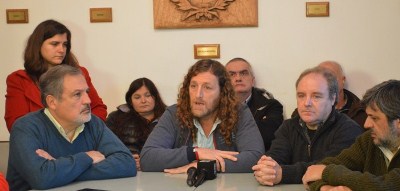
Gremios estatales realizaron una conferencia de prensa en la sede ATE nacional ratificando el paro provincial y la jornada de lucha para el próximo 12 de julio en todo el territorio de la provincia de Buenos Aires. Participaron ATE; SUTEBA; AJB; SOEME; CICOP; UDOCBA.

Al respecto, el secretario General de ATE y la CTA Autónoma de la provincia de Buenos Aires, Oscar de Isasi, explicó los motivos de la medida de fuerza y los alcances de la misma.

“En primer lugar, solicitamos un aumento salarial urgente y en el marco de la discusión paritaria, teniendo en cuenta que la fantasía del 25% anual de inflación fue echada por tierra por los mismos economistas del gobierno, ya que Prat Gay habló de una proyección inflacionaria del 42%».

Y agregó: «En segundo lugar, exigimos la derogación de las leyes de Emergencia Administrativa y de Reforma Tecnológica, que lo único que hacen es desguazar el Estado e impactar de manera negativa en la prestación de servicios, sobre todo aquellos dirigidos a los sectores más vulnerables de la sociedad. La derogación de los Decretos Nº 230, que otorga potestad a los ministros para hacer contrataciones directas y el Decreto Nº 618, que congela las vacantes y el pase a planta permanente del personal provincial”.

Asimismo, De Isasi señaló que “El gobierno provincial cada vez que decide una medida tiende a desguazar el estado y precarizar las relaciones laborales. La unidad y la masividad sigue siendo la clave para derrotar estas políticas del gobierno de Vidal”.

Estuvieron presentes en la conferencia de prensa, el secretario Adjunto del SUTEBA, Raúl Calamante; el secretario General de la AJB, Pablo Abramovich; la secretaria Adjunta del SOEME, Susana Laburu; el secretario General de la CICOP, Guillermo Pacagnini y el secretario General de UDOCBA, Miguel Díaz.

La medida de fuerza convocada por ATE, SOEME, UDOCBA y la Federación Nacional Docente (FND-CTA) se enmarca en la Jornada Provincial de Lucha a la que adhieren SUTEBA, AJB y CICOP, con quienes acordaron actividades en las distintas regiones, donde se va a poner en evidencia cómo se está vaciando el Estado, cómo faltan políticas en educación, en salud y en las áreas de niñez, entre otras.

Además, cada organización participante decidirá a través de sus cuerpos orgánicos la forma en que protagonizarán la jornada provincial de lucha.

Fuente: www.atepba.org.ar

* Equipo de Comunicación de la CTA de la provincia de Buenos Aires


Enlace original: http://www.agenciacta.org/spip.php?article20311

Comparte este contenido:

Hungría: Two months to act

Europa/Hungría/02 de Julio de 2016/Autor: Adam Janos/Fuente: The BudapestTime

RESUMEN: La Comisión Europea envió una carta de advertencia a Hungría el 26 de mayo sobre la segregación de los niños romaníes en el sistema de educación pública del país. La Comisión dio el gobierno del primer ministro Viktor Orbán dos meses para responder a la preocupación por el desproporcionado número de estudiantes romaníes en escuelas para discapacitados mentales, así como «un considerable grado de educación segregada en las escuelas regulares». El requerimiento se inicia un procedimiento de infracción contra Hungría, con el argumento de que esté en violación de la Directiva sobre igualdad racial de la Unión Europea.

The European Commission sent a letter of warning to Hungary on May 26 over the segregation of Roma children in the country’s public school system.  The Commission gave Prime Minister Viktor Orbán’s government two months to respond to concerns about the disproportionate number of Romani students in schools for the mentally disabled, as well as “a considerable degree of segregated education in mainstream schools”.

The formal notice begins an infringement procedure against Hungary, on the grounds that it is in violation of the European Union’s Racial Equality Directive.
The Commission’s letter echoed sentiments voiced in 2014 by the European Court of Human Rights in its judgment of Horváth and Kiss v. Hungary, a case involving the misdiagnosis of two young Roma men as mentally disabled.
In that unanimous judgment, the Strasbourg court noted that primary school children in Hungary were being diagnosed as mentally disabled more than twice as often as the European Union average, the result of a “systemic misdiagnosis of Roma children as…  a tool to segregate,” them from their non-Roma classmates in the Hungarian public school system, existent since “at least the 1970s”.
In response to the letter, Minister Overseeing the Prime Minister’s Office János Lázár said he had “no idea how the European Commission knows who is and isn’t a gypsy”, according to the daily Népszava.
Hungarian citizens are allowed to abstain from reporting their ethnicity in the nationwide census. This right, afforded by the Rights of National and Ethnic Minorities Act of 1993, was implemented so as to protect the privacy of Roma and other longstanding ethnic minorities in Hungary and thus safeguard them from potential discriminatory state policy.
In the 2011 census, 315,583 people reported themselves as Roma, about 3.7% of the country’s populace. Some scholars estimate the real number to be nearer to 700,000.
Without reliable demographic information, the extent of segregation in the educational system is impossible to measure. But Roma rights activists claim that the governmental response to the letter is a diversionary tactic which deliberately misses the forest for the trees.
“The existence of segregation of Roma schoolchildren in Hungarian schools… it just exists,” says Péter Molnár, a researcher at Central European University who has sued the Ministry of Human Capacities for allegedly withholding information from the public about governmental desegregation policy. “It’s probably not possible to get exact numbers, but… the existence of segregation: it’s not really possible to seriously question or challenge it.”
A report by sociologist Gábor Havas estimated that in 2004 “at least” 15% of Hungarian Roma primary school children were enrolled in special education classes, more than four times the national average.
Members of the Fidesz administration argue that the underperformance of Roma in school is intimately tied to the population’s deep poverty, which the party says it is striving to alleviate.
At a Roma Coordination Council meeting in Kaposvár in June, Minister of State for Social Affairs and Inclusion Károly Czibere said poverty rates among Hungarian Roma had dropped over the past three years. Czibere noted nationwide initiatives meant to assist Roma youth, such as compulsory kindergarten attendance and one free hot meal per day in schools.
But opponents see glaring setbacks, including a May 2015 decision by the Kúria, the country’s supreme court, to keep open a state-funded parochial school, operated by the Greek Catholic Church, in the city of Nyíregyháza.
The Chance for Children Foundation, a Roma educational rights group, sued to have the school closed in 2007 on the grounds that it was substandard and promoted Roma segregation. Electing not to challenge the lawsuit, the federal government instead allocated funds so as to bus the children to better schools in the city as part of a wider desegregation effort.
In 2010, the newly elected Fidesz administration reversed course on the decision and had the school reopened under the administration of the church, causing the foundation to once again bring litigation against the municipality and the church.
The Kúria ruled in favour of the church last May on the grounds that the school granted Roma children freedom of religion. Those at the Chance for Children Foundation say this parochial schooling is just a new avenue for Hungarian schools to segregate, and creates a dangerous precedent for other cities with Roma populations to follow suit.
“This model can be used in other places,” said Gábor Daróczi, a former chair of the board for the foundation, adding that the European Commission’s letter was a direct result of the court’s decision.
Roma rights activists add that the matter of segregation is exacerbated by Hungary’s system of free choice school enrollment, which grants students the right to attend any public school in the country, provided the school is not at full capacity and that the student’s family can afford to transport them to and from premises.
“The rich parents take their kids to wherever they want,” said Ernő Kadét, an editor at the Roma Press Centre, a news agency that covers Hungary’s Roma population. “Those who don’t have money… their kids get stuck in the schools where they live. And that’s how schools get polarised.”
Efforts to desegregate the school system are further complicated by pervasive anti-Roma sentiment nationwide. According to a 2014 Medián poll, 73% of Hungarians would not feel comfortable having a Roma living next door. A February Publicus Research poll found that 82% of Hungarians either “completely agree” or “mostly agree” that “the problems of most Roma would be solved if they would finally start working”. Those numbers hold steady regardless of the respondents’ political party allegiances.
Kadét, who worked at the Ministry of Education from 2005 to 2009 under the left-leaning MSZP-SZDSZ administration, said he saw firsthand the expediency of anti-Roma sentiment across the political spectrum, when in 2008 and 2009 “more than a dozen” MSZP mayors protested efforts by the ministry to desegregate and proportionally increase funding to neglected Roma schools through a National Roma Integration Strategy.
He says efforts to desegregate schools were hampered at the time by limitations on the federal government’s control over local school districts.
Since 2013, Hungary’s public schools have all fallen under the purview of one centralised body: the Klebelsberg Institution Maintenance Centre (KLIK).
“If there’s one central power, and everything’s in one hand, then if you want to take care of segregation in Hungarian schools, you can,” Kadét said. “The issue usually with segregation is that if you poke at it here, then it just shifts over there. But if it’s all in one central power’s hands… they could eliminate it if they wanted to. But they don’t.”

Fuente: http://budapesttimes.hu/2016/07/02/two-months-to-act/

Comparte este contenido:

Estados Unidos: One Of The Nation’s Poorest Districts Has Found A Way To Help Immigrant Students

América del Norte/Estados Unidos/02 de Julio de 2016/Autora: Tara García Mathewson/Fuente: Huffingtonpost

RESUMEN: La población de Bhután ha crecido hasta convertirse en un grupo floreciente, muy unido de cerca de 3.000 personas. Son parte de una población de refugiados sustancial desde el sur de Asia, África y Oriente Medio, que ha transformado la ciudad y sus escuelas. Los estudiantes en el Distrito Escolar de Syracuse hablan más de 70 idiomas diferentes y cuatro de los más comunes entre ellos son de Nepal, Karen, Somalia, y árabe. En 2010, para servir mejor a esta población, el Distrito Escolar de Syracuse creó una nueva posición – los trabajadores de nacionalidad – para servir como un puente entre las nuevas comunidades de inmigrantes y las escuelas. Dahal es uno de ellos, y una gran parte de su trabajo es la interpretación. Él ayuda a los padres inmigrantes comunican con los maestros de habla Inglés y los funcionarios del distrito y asegura que los padres tienen la oportunidad de ser escuchados.

SYRACUSE, N.Y. — When Dadhi Dahal first came to the United States in early 2009, the Bhutanese population in Syracuse, New York was quite small — the first refugees from Bhutan, fleeing ethnic cleansing policies in their home country, arrived in 2008, after they had spent years in refugee camps in Nepal.

Fast forward eight years. The Bhutanese population has grown into a flourishing, tightly knit group of about 3,000 people. They are part of a substantial refugee population from South Asia, Africa and the Middle East that has transformed the city and its schools. Students in the Syracuse City School District speak more than 70 different languages and four of the most common among them are Nepali, Karen, Somali, and Arabic.

In 2010, to better serve this population, the Syracuse City school District created a new position — nationality workers — to serve as a bridge between new immigrant communities and the schools. Dahal is one of them, and a big part of his job is interpretation. He helps immigrant parents communicate with English-speaking teachers and district officials and ensures that parents have an opportunity to be heard.

The district, one of the poorest in the country, works hard to maintain open channels of communication with parents — because it’s important to student success, and because it’s the law. A failure to communicate effectively with immigrant parents is a violation of their civil rights, considered discrimination based on national origin, which is prohibited by the Civil Rights Act of 1964. Without language services, non-English-speaking parents are considered to be blocked from equal access to school information and resources.

As refugees spread out across the U.S., settling in the Southeast, Midwest, and many rural areas that, before, were fairly insulated from large immigrant populations, schools are being forced to adapt to a new reality. Syracuse is one of the more proactive districts when it comes to providing language access. While it struggles, at times, to meet its obligations, districts in other cities and states have fared worse. Dozens have been investigated by the Office of Civil Rights or the Department of Justice in recent years following complaints that they did not provide interpreters or translated materials to parents who needed them. These schools are in Yuma, Arizona; New Orleans, Louisiana; Richmond, Virginia; Detroit, Michigan; Modesto, California; and Seattle, Washington, among others.

“Providing an interpreter is a fundamental responsibility of a district when they have children or parents who do not speak English,” said Roger Rosenthal, executive director of the Migrant Legal Action Program in Washington, D.C.

Rosenthal has been advocating on behalf of immigrant families for more than 30 years, and he has been glad to see the Obama administration turn up the pressure on districts that don’t meet their obligations to them.

The legal rationale for language access requirements has existed for decades, but the Obama administration has been more aggressive than others in holding schools accountable. While the Civil Rights Act doesn’t specifically require schools to offer interpretation and translation services to parents — or any special supports for their non-English-speaking children – it bars discrimination based on national origin in any program or activity receiving federal dollars. The courts have consistently relied on this rationale to require schools to provide these services, and a “Dear Colleague” letter from the Education Department’s Office of Civil Rights and the Department of Justice in 2015 went into explicit detail about what schools have to do to communicate with immigrant parents.

    Providing an interpreter is a fundamental responsibility of a district when they have children or parents who do not speak English. Roger Rosenthal, executive director of the Migrant Legal Action Program

The letter says that schools must have a process in place to identify parents who need language assistance and assign the resources to provide it. They must ensure interpreters and translators are trained in their roles and understand the ethics and confidentiality requirements involved. And their services must be offered for free by competent staff members or contracted individuals.

Fuente: http://www.huffingtonpost.com/entry/syracuse-schools-translator_us_5776b7cae4b04164640fe39b

Comparte este contenido:

Ningún estado cumple con su responsabilidad educativa

Mexicanos Primero-Por Paola González-Rubio Novoa

El pasado martes 21 de junio Mexicanos Primero presentó, ante autoridades educativas, representantes de la sociedad civil, académicos, maestros de educación básica y ciudadanos, el Índice de Cumplimiento de la Responsabilidad Educativa (ICRE) Estatal 2016.

Tomando como punto de partida el derecho a aprender de todas y todos, el ICRE pone foco y alerta a la situación que viven niñas, niños y jóvenes en todo el país en materia educativa.

El derecho a aprender exige que la educación sea doblemente incluyente. La primera inclusión se refiere a lograr trayectorias completas. La segunda inclusión requiere que dicha trayectoria sea exitosa, de manera que todas y todos logren un aprendizaje integral, adecuado y suficiente para poder participar como ciudadanos globales y continuar aprendiendo a lo largo de su vida. El ICRE incluye componentes de permanencia y aprendizaje para reconocer los resultados de política pública y acciones tomadas en el pasado entorno a esta doble inclusión, considerando el contexto socioeconómico de cada entidad.

No obstante, el derecho a aprender no sólo se evalúa con base en resultados. Para poder visibilizar el contexto educativo de manera más integral, el ICRE también considera las condiciones educativas del presente en cada entidad: 1) la presencia y disposición de personas (estudiantes, maestros y familias), 2) sus relaciones y procesos de aprendizaje, 3) las condiciones materiales de las escuelas y 4) la red de apoyo brindada por las autoridades. En su conjunto, el Índice contempla 13 conceptos, todos con un sustento legal que responsabiliza a las autoridades estatales con su cumplimiento.

Los resultados del ICRE son alarmantes: todos los estados incumplen con su responsabilidad de garantizar el derecho a aprender de sus niñas y niños. Aguascalientes obtuvo la mejor calificación, con 7.4 en una escala de 0 a 10. Más de la mitad de las entidades del país (17) fallan gravemente con calificaciones menores a 6. En los últimos lugares del ranking se encuentran los estados de Michoacán, Oaxaca y Chiapas.

A pesar de que algunos indicadores dan evidencia de los esfuerzos que algunos estados han realizado, vale la pena hablar de las áreas que preocupan y urge atender. Por ejemplo, todos los estados excepto uno reprueban en aprendizaje, y el que no reprueba, Puebla, apenas logra una calificación de 7. Por el lado de la permanencia estados como Nuevo León, Yucatán y la Ciudad de México deben esforzarse específicamente en garantizar trayectorias completas. Estos resultados dan pista de que las estrategias educativas deben cambiar para garantizar que las generaciones presentes y futuras aprendan y transiten el sistema educativo exitosamente.

El indicador de atención a niñas y niños desde 1º de preescolar tiene resultados impresionantemente bajos. Tabasco obtuvo la mejor calificación con una cobertura de niñas y niños de 3 años de apenas 68%, y el resto de las entidades no llegan ni al 60%; Sinaloa tiene una cobertura del 3.4%. ¿Cómo pretender garantizar el derecho a aprender si niñas y niños no reciben una atención para su desarrollo integral desde sus primeros años?

Por otro lado, los resultados sobre acompañamiento docente nos permiten concluir que los estados no han logrado diseñar e implementar una estrategia que le sea útil a los docentes de nuevo ingreso. De nuevo, el mejor estado en este indicador, Zacatecas, no llega ni al 75% de docentes noveles con tutor asignado.

Preocupa mucho lo excluyentes que son los sistemas educativos estatales. De acuerdo con el ICRE, niñas y niños alrededor del país con necesidades educativas especiales no reciben apoyo para reforzar su aprendizaje. En Yucatán, el estado con el mejor resultado en este indicador, sólo 2 de cada 10 niñas y niños reciben este tipo de apoyo. Por otro lado, el ICRE demuestra que la infraestructura escolar es igualmente excluyente y le falla gravemente a las niñas y niños: Coahuila es el estado con mejor calificación en este rubro, pero sólo 6 de cada 10 de sus escuelas cuentan con rampas para personas en condición de discapacidad. En Oaxaca, únicamente 2.7% de las escuelas cuentan con rampas. Esto habla claramente de la exclusión que viven niñas y niños en el que debería ser su espacio para desarrollarse y aprender integralmente.

El ICRE busca generar información útil para sostener un diálogo constante entre autoridades educativas y sociedad. Buscamos que el ICRE sea una herramienta para que la ciudadanía se involucre – con datos y evidencias – en la exigencia de la garantía del derecho a aprender.

Invito a la sociedad a descargar de manera gratuita el reporte del ICRE Estatal 2016 en la página de Mexicanos Primero (mexicanosprimero.org) para averiguar cómo está su estado en educación, exigir soluciones específicas de las autoridades, y ser agentes activos en el proceso de cambio de nuestros sistemas educativos.

La autora es investigadora en Mexicanos Primero.

Fuente del articulo: http://www.elfinanciero.com.mx/opinion/ningun-estado-cumple-con-su-responsabilidad-educativa.html

Fuente de la imagen: http://www.elfinanciero.com.mx/files/article_main//files/crop/uploads/2015/08/24/55dba4b04ab41.r_1466630178205.0-329-1333-1208.jpg

Comparte este contenido:

Guatemala: Niños lustradores recibirán educación

Centro América/Guatemala/03 Julio 2016/Fuente y Autor: Redacción La Hora

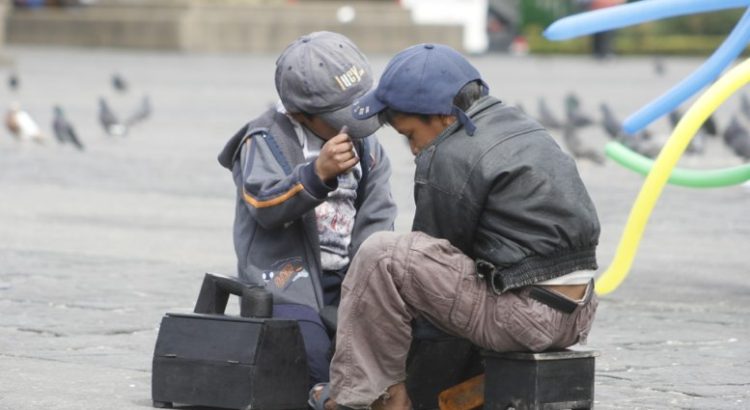
Los niños que trabajan lustrando zapatos usualmente viven alejados de cualquier educación formal, lo que limita sus posibilidades de tener un mejor futuro. Su asistencia a la escuela es difícil, ya que y en su mayoría los menores representan la única fuente de ingresos en sus hogares y por ello laboran incluso, los siete días de la semana. Sin embargo, los fundadores del programa “Lecciones Brillantes” creen que con un poco de incentivo se puede cambiar esta realidad.

Guatemala ha tenido avances significativos en algunas metas e indicadores relacionados con educación, sin embargo, estos no han sido lo suficientemente efectivos, de modo que continúa como el país centroamericano con mayor tasa de analfabetismo.

Los datos oficiales el acceso a la educación y la permanencia en el sistema educativo guatemalteco no está al alcance de la mayoría de la población, ya que se estima que únicamente el 18 por ciento de los guatemaltecos ha terminado primer grado.

Conscientes de esta realidad y con el objetivo aportar esperanza, Zapaterías Cobán y Fundación Miguel Torrebiarte crearon el proyecto “Lecciones Brillantes”, dirigido a niños lustradores de la zona 1.

La iniciativa busca que los menores puedan tener acceso a una educación digna que se ajuste a su realidad para luego transformarla. Como parte del proyecto los niños recibirán clases en el Colegio Liceo San Francisco de Borja los días sábados, desde las 7:00 horas a las 12:00 del mediodía.

Además, los menores recibirán útiles escolares como libros, cuadernos y una refacción, de modo que la asistencia a clases no conlleve gastos que podrían hacer que desistan del programa.

La misión principal del proyecto es otorgar una formación académica sólida y actualizada, además de “reforzar su autoestima lo suficiente para que sean capaz de reconocer sus fortalezas y poder así destacar sus talentos y habilidades”, especifica un comunicado de las instituciones fundadoras.

Zapaterías Cobán y Fundación Miguel Torrebiarte hace una invitación a cambiar las vidas de cientos de niños que tienen que sobrellevar un peso que nunca pidieron, pero que asumen con responsabilidad para ayudar a sus familias.

APOYO SURGE ANTE LA NECESIDAD

Zapaterías Cobán y Fundación Miguel Torrebiarte se constituye como una organización que nació al ver los altos índices de analfabetismo, desnutrición, estado de salud y forma de vida de los habitantes de las comunidades de Alta Verapaz, así como también apoyar a los empleados y familias que forman parte de la empresa.

Fuente de la noticia: http://lahora.gt/ninos-lustradores-recibiran-educacion/

Fuente de la imagen: http://lahora.gt/file/2016/06/1-26.jpg

Comparte este contenido:

Formación Avanzada para la población penal del Centro Penitenciario Metropolitano de la Región Capital ubicado en San Francisco de Yare

Por: Francisco Sánchez

En relación a la educación en los centros penitenciarios y en el escenario de la política educativa, esta se aborda en un contexto general, como lo es el tema penitenciario, caracterizado por muchos aspectos desde los centros motores que impulsan las políticas educativas y de prisiones como lo son el Ministerio del Poder Popular Para EL Servicio Penitenciario, el Ministerio del Poder Popular  Para la Educación y Ministerio del Poder Popular  Para la Educación, Ciencia y Tecnología, comprendiendo hasta los procesos legales que establece la legislación venezolana en los sectores de la sociedad históricamente excluidos, donde  se ven afectados principalmente, los privados de libertad.

En el país, la justicia venezolana asumió por más de cincuenta años los centros de reclusión como instrumento para reprimir y castigar. Es así como la Constitución de la República Bolivariana de Venezuela de 1999, partiendo de un proceso constituyente, hace especial referencia en dos aspectos innovadores en relación a la materia de Derechos Humanos, en sus Artículos 22 y 23, y al concepto desarrollado sobre el sistema penitenciario, orientado a la reinserción del individuo como prioridad ante la represión.Tomando en cuenta estas variables, no es difícil imaginar que la constitución de un sistema penitenciario humanizado en el Estado Venezolano, implique la transformación de muchas de las instituciones involucradas en la administración de justicia, para rescatar laFormación Avanzada para la población penal del Centro Penitenciario Metropolitano de la Región Capital ubicado en San Francisco de Yare solidez de dichas instituciones y gane la confianza de la ciudadanía, y de ese modo, disipar el temor que aún inspira.

A  pesar que el gobierno central plantea acciones para rescatar el sistema penitenciario desde 1995, no es sino hasta los años 2005 y 2006 cuando se pretende garantizar el derecho a la educación tanto primaria, secundaria y superior, para este sector

Legalidad de la Educación en los Centros Penitenciarios, basa su premisa en la Constitución de la República Bolivariana de Venezuela, establece importantes avances en materia de Derechos Humanos, en el principio de progresividad sobre las garantías y condiciones para su ejercicio; no obstante, los organismos adscritos al ente gubernamental, no han ofrecido un programa educativo y eficaz para el reo, y su reinserción en la comunidad; sin embargo, el ejecutivo nacional adelanta un programa de humanización del sistema penitenciario tomando como base estructuras técnicas diseñadas especialmente para esta población, buscando la sensibilización y  fortaleciendo la humanización, con el objetivo de lograr una reinserción gradual a la sociedad de los privados de libertad, de manera que sea un plan sustentable y sostenible en el tiempo.

Se busca incentivar la atención de la población reclusa en el área cultural y educativa, estableciendo alianzas con otras instituciones y entes gubernamentales. De esta manera, y gracias al apoyo de diferentes instituciones, han sido entregadas veinticinco mil Bibliotecas Temáticas, distribuidas en los distintos centros penitenciarios del país, especialmente en los centros de la Región Central, entre ellos: el Instituto Nacional de Orientación Femenina (INOF), Internado Judicial Región Capital Rodeo I, Y II, Centro Penitenciario Región Capital Yare I, II Y III así como otras contribuciones y donaciones para el desarrollo del teatro penitenciario.

Políticas éstas, dirigidas a la protección  y unión de las personas privadas de libertad, que debe ser prioridad de una Nación o Estado, las cuales deben garantizar a través de políticas públicas, el respeto de estos derechos, para de esta manera cumplir la Constitución y las leyes que  mantienen compromisos internacionales en la materia, tales como:

La Declaración de los Derechos Humanos, la Declaración Americana de los Derechos del Hombre, la Convención Americana sobre los Derechos Humanos (Pacto de San José), el Pacto de Derechos Civiles y Políticos, la Convención Interamericana para Prevenir y Sancionar la Tortura y otros tratos, Código para Funcionarios Encargados de Hacer cumplir la Ley (México), Normas Mínimas para el tratamiento de Reclusos (Perú), Código Penal Venezolano. De esta serie de normas, códigos y leyes, en el país la realidad penitenciaria viene dada por una serie de políticas, que tienen relación con las medidas privativas de libertad del interno, las mismas se efectúan desde un punto de vista general (Constitución, Código Penal) hasta las políticas de reinserción en la sociedad, entre las que se identifica con mayor criterio las políticas educativas en las presiones y que son enmarcadas por una política educativa de Estado, cuyo eje central parte del Ministerio del Poder Popular para la Educación y se imparten a través de las Misiones Robinson y Rivas, como políticas bandera de la Nación. De igual forma se trabaja con los programas  de educación superior, sumado a las propuestas en el tema  de Educación Avanzada.

Toda esta gama de servicios educativos, así como el cumplimiento de los programas de las Misiones, han logrado que las personas privadas de libertad, puedan integrarse a la sociedad, con un grado de estudio avanzado o con un determinado oficio.

Así mismo, y en virtud de los planteamientos del Criminólogo Elio Gómez Grillo (1996), se hace énfasis en la importancia primordial del proceso educativo, que logrará que el privado de libertad se reinserte en la sociedad bajo la convicción que tiene un mundo de esperanzas y triunfos, tantos personales como familiares.

Cuando entra en vigencia la Constitución de 1999 (donde el citado criminólogo participó en el proceso constituyente, con énfasis en la sección referida a los Derechos Humanos), hizo hincapié en que los penales nacionales debían ajustarse a ciertas normas internacionales, sin menoscabar el gentilicio nacional, ni mucho menos su cultura. Ese hecho quedó velado en relación al privado de libertad, no obstante en la actualidad se han obtenido logros a nivel educativo y de beneficios otorgados en el Código Orgánico Procesal Penal. Destacándose, que en el ámbito educativo se obtuvieron una serie de ajustes en cuanto a la educación andragógica, puesto que las Misiones Robinson I y II y Ribas han logrado un nivel de efectividad del 80%, algo sin precedentes en la historia penitenciaria venezolana.

Aunque no existen antecedentes significativos sobre el estudio sobre los Centros Penitenciarios en Venezuela, Gómez Grillo (1996), hace énfasis en el aspecto psicológico como influencia para que las personas que cometen delitos, que incluye la estructura familiar, tocando el proceso de socialización en la escuela durante los primeros años de vida, pasando por la venta de estupefacientes, homicidios, asesinatos y subversión. El análisis presente revisa causas de fondo familiar, donde la madre ha sido la que ha llevado la mayor participación en la educación formal, dejando de lado la autoridad del padre, a quien se ha desvalorizado, y en virtud de tal pasividad o permisividad, ha generado altos índices de abandono, falta de valores y el fenómenos del machismo, apoyado por la figura femenina, que también ha permitido otros excesos como el consumo de bebidas alcohólicas, drogas; también se consideran otros aspectos como lo son las condiciones en que ingresan los privados de libertad  a determinados retenes o cárceles, por ello, Gómez Grillo (1996), tomó como referencia principal el entorno socio – cultural en cual vive y se desarrolla el joven, porque su manera de actuar en forma violenta nace en la casa o se desarrolla en la escuela inicial, provocando conductas que van desde lo individual hasta lo colectivo, y en pronósticos negativos en materia de recuperación por parte del Estado ante las infracciones a la ley por parte de los ciudadanos.

La Educación básica de adultos en los centros penitenciarios, se basa en la formación que busca describir las políticas educativas en los centros penitenciarios, basados en esa premisa, el gobierno nacional, a través de los Ministerio del Poder Popular Para EL Servicio Penitenciario, el Ministerio del Poder Popular  Para la Educación y Ministerio del Poder Popular  Para la Educación Universitaria ,Ciencia y Tecnología, (Ministerio para el poder popular de Servicios Penitenciarios  ente creado por el Presidente Eterno Hugo Chávez el 26 de Julio del 2011en la Gaceta Oficial Nº 39.721) este último ministerio ha venido ejecutando los siguientes planes: reestructuración del sistema carcelario, incorporación directa de nuevos actores Barrio adentro, Misión  Robinson I y II, Misión  Ribas  productiva y Misión Sucre.  Así mismo, se diseñaron los perfiles del personal, haciendo énfasis en lo referente al nivel humano y profesional, de igual manera se realizan mesas de trabajo con diferentes organizaciones del Estado (Gobernaciones  y Alcaldías), esto con miras al logro de la descentralización de los centros de reclusión.

En las políticas de Educación se pretende estudiar el fenómeno del analfabetismo, a través de la Misión  Robinson I, igualmente rediseñando los programas de formación a fin de orientar al privado de libertad sobre sus deberes y derechos y, en lo referente a la educación básica se lograron soluciones estratégicas al implementarse con personal calificado el que las personas privadas de libertad se inicien en la consecución del 6to grado y de allí que comiencen  el bachillerato en la Misión Ribas.

En la actualidad, tales políticas educativas han logrado que por cada centro penitenciario que exista en el país, se haya efectuado al menos varios  eventos de graduación en la Misión Robinson I Y II, y la Misión Ribas, que comenzó tiempo después, en la actualidad se tiene previsto lograr el primer contingente de egresados a nivel de  la Misión Ribas y su posterior reinserción  en la Misión Sucre.

En cuanto a la educación no formal, a nivel nacional, a través del INCE y del Ministerio del poder popular para  la Juventud, se han venido impartiendo cursos y talleres que les permitirán ejercer una profesión o labor, para que una vez que los privados de libertad cumplan sus penas, estén en capacidad de ser facilitadores en temas como la prevención sobre el consumo de drogas, valores, autoestima, entre otros aspectos.

Se hace prioritario orientar al privado de libertad, mediante diálogos y conferencias que van encausados a velar, proteger y garantizar sus derechos, igualmente a intercambiar criterios y opiniones a fin de lograr y crear estrategias que los ayuden a su reinserción a la sociedad.

En este campo se estima reforzar la calidad y la importancia de la educación para poder articular un conjunto de propósitos y propuestas prácticas y operativas, esto con el fin de aumentar la relevancia que tiene el estudio.

El este sentido la  investigación nace a raíz de la experiencia que se  obtuvo mediante el proceso de enseñanza-aprendizaje, aplicadas a los privados de libertad del recinto penitenciario de Yare, en  el cual se pudo detectar las diversas habilidades, capacidades y conocimientos que poseen algunos de ellos que pudieran desarrollar a través de un programa de formación avanzada.

A raíz de esta investigación se pretende que los privados de libertad tengan acceso a estudios de cuarto nivel, en los que puedan desarrollar diversas capacidades aprovechables para el Estado venezolano. La investigación va dirigida a la población privada de libertad que posean estudios de pre-grado del Centro Penitenciario de la región Central  San Francisco de Yare, extensiva a privados de libertad de otros centros , así como a profesionales que laboren  en el  área penitenciaria.

Se formula la propuesta  como resultado de  que existe la imperiosa necesidad de profesionalizar al privado de libertad en áreas sustantivas en pro del desarrollo del Estado venezolano.

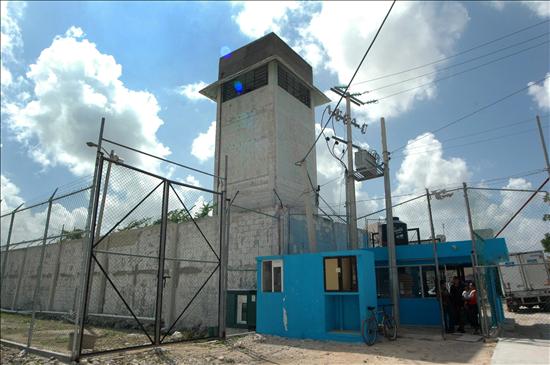
Información de la Imagen:

Establecimiento Penitenciario de Yare III

Comparte este contenido:
Page 359 of 389
1 357 358 359 360 361 389