Page 83 of 144
1 81 82 83 84 85 144

India’s Higher Education Troubles

By Nandini Sundar

India’s public universities need better funding and greater autonomy.

When the Times Higher Education World University Rankings, which rates about 1,000 global institutions, was released in May, not even one Indian institute featured in the overall Top 100, though the Indian Institute of Science made it in the reputational rankings after seven years.

India’s poor ranking in global indexes of higher education reinforced a growing sense of crisis, became a matter of national shame and is increasingly being used to drive policy and funding decisions by the federal government.

Recently, Prime Minister Narendra Modi’s government took three policy decisions with far-reaching consequences while considering these global rankings, emphasizing quality over quantity.

Mr. Modi’s government decided to designate a few Indian universities as “Institutes of Eminence.” It granted “autonomy” to 60 other universities and colleges. It chose to replace India’s University Grants Commission, the federal body regulating higher education for decades, with an even more centralized and controlling body called the Higher Education Commission.

India’s higher education sector is vast, with 760 universities and 38,498 colleges. About two-thirds of colleges are privately managed, and more than half are in rural areas. While adult literacy levels are rising, only 6 percent of Indian citizens graduate from a college. In absolute terms, however, the numbers are large: about 31.56 million Indian students are enrolled in colleges and universities.

Apart from low investment in educational infrastructure and bureaucratic hurdles, the low number of international students and faculty at Indian universities also affects the global rankings of Indian institutions. Less than 50,000 international students are enrolled in India.

Mr. Modi’s government decided that the new institutions of excellence would be allowed to recruit foreign faculty and students, charge students “appropriate” fees, without any obstacle from India’s affirmative action laws, and design their own degrees.

Yet when the list of “Institutes of Eminence” was announced recently, it was met with disbelief and biting satire. While the Indian Institute of Science and a couple of Indian Institutes of Technology made the cut and are eligible to get $146 million each in additional funding, the three private universities on the elite list included the Jio Institute, which is promoted by Mukesh Ambani, the chairman and largest stakeholder of Reliance Industries Limited and the richest man in India.

India knows “Jio” as the name for Mr. Ambani’s telephone network. The Jio Institute does not exist. It has no known campus, academic leader, courses or faculty. The criterion that helped the Jio Institute make the list is an official clause that requires potential promoters to have a net worth of about $729 million. Mr. Ambani’s net worth, according to the 2018 Forbes billionaires list, is $40.1 billion. Mr. Ambani was also a major backer of Mr. Modi’s 2014 campaign for the prime minister’s job. Mr. Modi has not been remiss in returning the favor.

Source of the article: https://www.nytimes.com/2018/08/03/opinion/india-higher-education-modi-ambani-rss-trouble.html?rref=collection%2Ftimestopic%2FEducation&action=click&contentCollection=opinion&region=stream&module=stream_unit&version=latest&contentPlacement=2&pgtype=collection

Comparte este contenido:

It’s worse than Carillion: our outsourced schools are leaving parents frozen out

By Adity Chakrabortty

Primary schools are being turned over to academy trusts with no accountability, and against the wishes of those who know the children best

This is a story they don’t want you to know. Much of it had to be prised from the grip of officials in Whitehall and the local town hall. Yet it demands to be told, because it shows how democracy and accountability are being drained from our schools, and how a surreal battle now rages over who knows what’s best for a child: the parents and teachers, or remote officials and financiers.

The school in question is Waltham Holy Cross primary in Essex. Helping on a school run last week, I found an entire small world. It was the last day of term, and teachers joined hands to form a human arch. The bell rang and all those leaving to start secondary ran under their teachers’ arms. Parents whooped while staff hugged overwhelmed pupils. There was barely a dry eye in the playground.

More than a school, this is a community – yet officials judge it a failure.

Just days before last Christmas, when a classroom’s mind is normally on the nativity play, Ofsted inspectors dropped by. Three long months later, they damned Waltham Holy Cross as “inadequate”. In the Conservatives’ “all-out war” on mediocre education, that is all the excuse needed to take it off the local authority and turn it into an academy. A trust called Net Academies will soon turn it into a “model school”.

This version of events does not match the views held by any parent I’ve spoken to, nor does it fit the facts brought to light by numerous freedom of information requests. Reported today in a newspaper for the first time, those requests reveal how little say parents and teachers have over the future of their children and school once it is forced to become an academy. In 2016, the then chancellor George Osborne ordered all schools to make the same conversion. Public outrage forced the Tories to back off then, but next time this story could be about your child.

That Ofsted inspection prompted a furious letter from the headteacher and chair of governors, alleging that before the visit had even formally begun, the lead inspector told staff that “based on the previous year’s [SAT] results, our school would be inadequate … judgment had therefore been made from the very first instant”. The private complaint reports inspectors shouting at the head, and telling staff they wouldn’t move their car away from the electric gates because “I’m Ofsted, I can park wherever I want”. Even being told that a child with autism is in his safe space didn’t stop an inspector barging over, “sitting next to him and quizzing him on what he was doing”.

Ofsted tells me the allegations are “simply untrue”, and that “inspectors do not go into schools with a preconceived idea of what judgment the school will receive”. Yet last August, a high court judge attacked the department for believing its views “will always be unimpeachable”.

Ofsted’s draft report – which only emerged through freedom of information – is shot through with errors. The headteacher is given a new surname and the number of nursery classes somehow halved. When the report was finally published, with its “inadequate” ruling, many parents could not square it with the happy place they knew. “The day we were told, I took my daughter into nursery – and she skipped all the way,” remembers Jayshree Tailor. “Is that a failing school?”

True, Waltham Holy Cross had been through rocky times, but over the past few months it has got a new headteacher (“fabulous”, say parents) and some vim. This month’s SAT results for Year 6 show a remarkable double-digit improvement in reading, writing and maths.

Once absorbed by an academy, Waltham Holy Cross has no way of returning to local authority control. This is a form of outsourcing, but with even less control than a contract with Carillion.

Ignoring my other questions, Net Academies asked why I wanted to know about its top salaries. Public interest, I replied: you’re taking taxpayers’ money to run schools. Stories of lavish pay and expenses are rife in this industry. I received no reply.

Those leading the fight against this academisation aren’t politicians or unions, but parents. On being told in March their children’s school was going to be forcibly converted, the meeting exploded. A group of them began firing off freedom of information requests and peppering officials with awkward emails. They have become what one councillor from a neighbouring borough calls “the most dogged parents I have ever come across”.

For Shaunagh Roberts, it began when she first looked up Net Academies – and got a jolt. “I just sat there researching for days, wearing the same pair of pyjamas.”

She’s been told how Net Academies successfully runs four academies in Harlow, Essex. Two of Net’s seven academies in Warwickshire and Reading have been ranked “inadequate”, a third “requires improvement”. According to the latest Education Policy Institute report, Net Academy Trust is the sixth-worst primary school group in England, falling below even the collapsed Wakefield City Academies Trust.

Its board is stuffed with City folk: PFI lawyers, management consultants, accountants – but apparently no working teacher. Even as it drops three of its schools, the trust’s aim is to run 25 to 30 institutions. Waltham Holy Cross will be the latest notch. “My kids are my world – and this school is their world,” Roberts says. “Why should Net spoil that?”

Senior staff don’t want Net either. In April, headteacher Erica Barnett sent a heartfelt private letter to the regional schools commissioner at the Department for Education (Dfe), Sue Baldwin, who has ultimate say over her school’s fate. If it must be an academy, Barnett says, at least let it be run by a rival local trust, Vine, which also has an “incredibly strong community feel”. Come visit, she urges the education official: see what a special place we are. Baldwin doesn’t visit. She picks Net Academies. And we have no idea why – despite this being a taxpayer-funded public asset, parents have been given no full reasoning for the decision. Perhaps because there is no good reason. The DfE told me it was because Vine “did not have the same level of capacity” as Net, the group struggling with almost half its schools. Yet the head refers to Baldwin’s “concern” about Vine being a trust of church schools, which Waltham Holy Cross is not (neither Barnett nor Vine see this as a problem). But the letter contains another clue.

When the school got its Ofsted result months ago, Barnett writes, “the local authority told us that the director of education, Clare Kershaw, would want us only to go with [Net Academies]”. Essex county council’s Kershaw was also a trustee with the charity New Education Trust, out of which came the Net Academies. Both the council and the government assured me that the two were separate entities, and her interest had been properly declared. Net denies any conflict of interest. Yet the charity’s last set of accounts describes the academies as “a connected charity”, affording it “direct involvement in improving [school] standards”. Kershaw also appears on an official document for the academy trust.

Faced with potential conflict of interest in other areas, officials would have ensured they were seen to be a million miles away from the decision. What’s most striking about academies is that there appears to be no such pressure – perhaps in part because private meetings between officials and business people allows everything to happen.And the people who know most about what their kids need – the parents and teachers – are shut out.

Academisation laughs at the idea that Britain is a modern, transparent democracy. Under it, the needs of the child are trumped by the demands of rightwing ideology. And as Waltham Holy Cross is discovering, it tries to reduce parents and teachers to mere bystanders.

Battling that are mothers like Roberts and Tailor. Never the sort to go on marches, they are now activists. They’ve learned about freedom of information, and used it to unearth scandalously bad decisions. They’ve done it in spare minutes, with cracked smartphones and against official condescension. While trying to preserve their children’s school, they have received another education – and taught officials a few things. Watch these women, because I think they might win.

Source of the article: https://www.theguardian.com/commentisfree/2018/jul/30/outsourced-schools-parents-primary-academy-trusts

Comparte este contenido:

Vídeo: Giving Indonesia’s children with disabilities a chance

Asia/Indonesia/14.08.18/Source: www.aljazeera.com.

This Indonesian man has made it his life’s mission to educate children with disabilities.

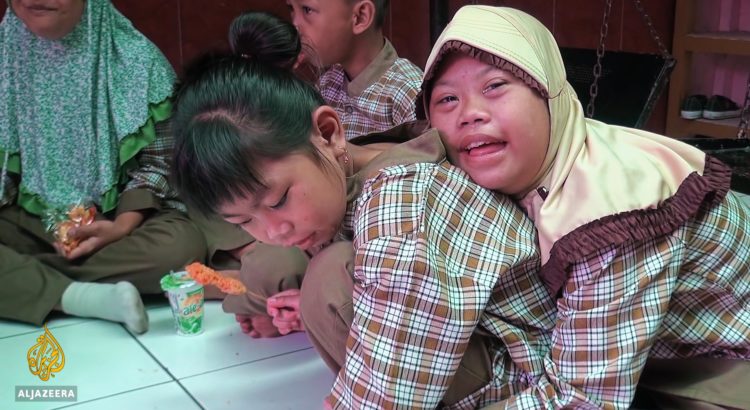
Tatang was seven years old when a surgery to improve his failing vision went wrong and robbed him of his sight altogether.

«When I came home from the hospital, my heart was broken; I was a wreck,» he says.

Eventually, with the support of friends and advice from other blind people, he picked himself back up. He learned Braille, a universally accepted system of writing used by and for visually impaired people, and went on to study anthropology at university.

When Tatang returned home in Indonesia’s Bandung after graduation, he realised there were no education facilities for children with disabilities in his community. With financial support from his brother, he set up a school in his own home, teaching children to read Braille.

Today, many years later, the school teaches dozens of children with different needs. Along with minors with vision impairment, children with hearing impairment are taught sign language with the help of volunteers, while youngsters with Down’s syndrome get the attention they need.

At times, Tatang struggles to keep the school operating.

«Following my brother’s death, things have been very difficult for me, because not only the school, but my personal life was subsidised by him,» he says.

Most of his students come from families below the poverty line, making it impossible for them to pay any kind of tuition fee towards the upkeep of the school.

Educational opportunities for children with disabilities in Indonesia remain limited. The Indonesian government says it is working towards improvement and passed a new disability rights law in 2016.

More recently, Tatang has been receiving some limited financial assistance from the local government, but he still relies heavily on donations from fellow Indonesians to stay afloat.

«I’ve never thought of giving up. No matter what, the students here are my responsibility, and I have to educate them, so they can have a bright future.»

Filmmaker: Hassan Ghani

Assistant Producer: Surya Fachrizal

Translation: Nurfitri Taher

Executive Producer: Andrew Phillips

Source of the notice: https://www.aljazeera.com/indepth/features/giving-indonesia-children-disabilities-chance-180808123227203.html

Comparte este contenido:

English schools are broken. Only radical action will fix them

By Melissa Benn

From failed free schools to poor funding and inequality, education needs drastic reform to create a fairer model

Even for the sceptical, the suddenness and speed with which the academy schools project has fallen from public grace is remarkable. After years of uncritical acceptance of official claims that academies, and free schools, offer a near cast-iron guarantee of a better-quality education, particularly for poorer pupils, there is now widespread recognition of the drear reality: inadequate multi-academy trusts failing thousands of pupils, parents increasingly shut out of their children’s education, and academy executive heads creaming off excessive salaries – in some cases almost three times higher than the prime minister – from a system perilously squeezed of funds.

Crisis can be an overworked term in politics, and our schools are good examples of public institutions, subject to years of poor political decisions, that continue to do remarkable work. But along with the academy mess, we can add the following to the current charge sheet of what should be (along with the NHS) our finest public service: pressing problems with recruitment and retention of teachers; rocketing stress among young children and teenagers subject to stringent testing and tougher public exams; and the ongoing funding crisis.

For those who have been closely observing developments in education over the years, none of this comes as much of a surprise. The reckless damage of the coalition years was, after all, only an exaggerated version of cross-party policy during the previous two decades: central government control-freakery allied to the wilful destruction of local government and the parcelling out of schools to untested rich and powerful individuals and groups, including religious organisations. From early years to higher education, every sector of our system is now infected with the arid vocabulary of metrics and the empty lingo of the market.

So what now? It is clear that the Tories have run out of ideas, bar the expansion of grammars. This autumn, following widespread consultation, the Labour party will publish its eagerly awaited plans for a national education service, an idea that Jeremy Corbyn has made clear he would like to see form the centrepiece of any future Labour administration.

For the progressive left, then, this is an important but tricky moment that requires two distinct approaches, both of which befit a potential government-in-waiting and an avowedly radical party.

The first is a calm, collegial pragmatism: addressing the immediate problems of our system, from teacher workload to reform of school accountability, loosening the screws on university teaching and research, and properly funding the all-important early years.

Here, a little political inventiveness might not go amiss. Why not tot up the money spent on unnecessary, damaging reforms and announce that equivalent sums will now be redirected to areas where they are clearly needed? Billions have been spent on the academy transfer market, failed free schools, funding the shadowy regional schools commissioners, subsidising private education: in future, let’s use that kind of money to improve special-needs provision, build up adult and further education, or send teachers to regions where it is proving impossible to recruit and retain staff.

Stop the excessive testing of primary-age children and spend the money on steadier, less cliff-edge forms of assessment. Implement the Headteachers’ Roundtable proposal for a national baccalaureate, an initiative that would immediately broaden the educational experience of every secondary-age pupil, with minimal disruption. Time, too, to learn the lessons of our global neighbours and phase out selection, reform unfair school admissions, and bring education back into public hands. As Lucy Crehan shows in CleverLands, an absorbing study of top-performing school systems around the world, many of these – including Finland and Canada – do not select or even stream until 15 or 16, and education is provided by a mix of national and local government. The result is a stable public service, capable of far greater innovation than our own fragmented school market.

Expert organisations and individuals are already considering ways to unpick the semi-privatisation of our schools. These include: opening up currently unaccountable academy trusts to parents, staff and local communities; shifting contracts currently held with the secretary of state to local authorities; and designing a bespoke mechanism by which schools could rejoin the local education authority.

But there’s an even bigger job for the progressive left, and that is to kickstart an honest public debate about what’s really wrong with English education and how we might develop a better, fairer model. Such a conversation would have to break with the current cross-party consensus – in reality, a stubborn silence – on the relationship between selective and private schools and the often beleaguered state system. Let’s ditch, once and for all, the idea that the selective schools are an inspiring model for – rather than a major block to – high-quality public education, and start to talk seriously about how to create a common system.

As Alex Beard argues in his recent book Natural Born Learners: Our Incredible Capacity to Learn and How We Can Harness it, developments in everything from artificial intelligence to neuroscience seriously challenge once rigid ideas of ability and potential – excellence only for the few. He reports on a rainbow of experiments, from improbably fun-sounding Finnish maths lessons to Californian high schools deploying “open source” learning and teamwork, that are producing skilled, enthusiastic students and responsible, questioning citizens. Beard consistently identifies a highly trained, highly valued, autonomous teaching force – another area in which the English system has, with depressing predictability, gone into reverse, truncating teacher education and controlling teachers more tightly than badly behaved teens.

It doesn’t have to be this way. With generous investment, expert teachers and heads given room to breathe, a broad but stimulating curriculum, an accountability system that supports rather than punishes, we could move in a more engaging direction. Much of the ground work has already been laid, from early comprehensive reform to the dramatic improvements to London’s schools in the 00s, through to the recent conversion of large parts of the Tory party to the benefits of high-quality comprehensive schools.

Any future government committed to such an aim needs to engage the energies of the thousands of passionate young educators, first drawn in by the academy and free school movement, as well as the mass of weary professionals in their middle years. We don’t need silent corridors or an obsession with league tables to make clear that schools must always be places of order, collaboration, high expectations and constant encouragement – and vital hubs for local communities. I don’t underestimate what a shift in substance and tone these proposals represent for the Labour party. But as Beard suggests, quoting the genius of West Wing scriptwriter Aaron Sorkin, “We don’t need little changes; we need gigantic, monumental changes. Schools should be palaces. Competition for the best teachers should be fierce. They should be making six-figure salaries. Schools should be incredibly expensive for government and absolutely free of charge to its citizens.” Not a bad place to start when building a national education service for the 21st century.

Source of the article: https://www.theguardian.com/commentisfree/2018/aug/09/schools-broken-radical-action-education

Comparte este contenido:

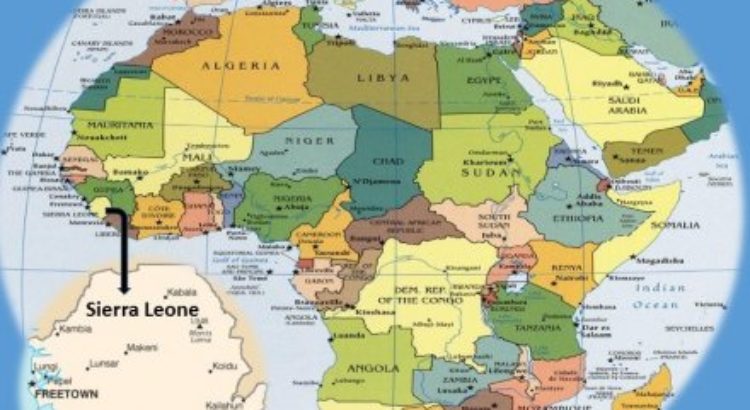
Sierra Leone – Quando la dimensione della persecuzione si intreccia con la povertà

Author: Silvia Peirolo

La Sierra Leone è un piccolo paese nell’Africa occidentale conosciuto per grandi (drammatiche) storie: tratta degli schiavi, guerra dei diamanti, Ebola. Nonostante le ingenti somme ricevute dalla comunità internazionale, la Sierra Leone rimane uno dei paesi più poveri del mondo. Nel 2017, l’Italia ha ricevuto 1101 richieste di protezione internazionale da cittadini sierraleonesi di cui 253 sono state rifiutate. Date le condizioni nel paese, il conferimento dello status di ‘rifugiato’ ai cittadini sierraleonesi – ferma restando la valutazione individuale nel merito di ogni domanda d’asilo – non è più giustificato. Ciononostante, le condizioni di fragilità e di vulnerabilità dei cittadini sierraleonesi permangono tutt’oggi. Qual è il ruolo dell’Unione Europea, e dell’Italia, di fronte alle richieste di solidarietà avanzate da persone non ‘perseguitate’ nel senso stretto del termine, ma in condizioni di estrema fragilità e vulnerabilità? Alcuni potrebbero chiedersi: perché l’Unione Europea si dovrebbe interessare alla Sierra Leone? Ci sono 4513 km in linea d’aria che separano la Sierra Leone all’Italia, non sono sufficienti per ignorare i ‘loro’ problemi? Eppure, nel passato, la futura Unione Europea si è interessata molto alla Sierra Leone, prima per la tratta degli schiavi e poi per le risorse naturali.

Le conseguenze della tratta degli schiavi

Le prime navi portoghesi iniziarono a visitare regolarmente il paese intorno al 1460. L’estuario di Freetown era considerato uno dei pochi porti ‘buoni’ della costa occidentale dell’Africa: vennero così costruiti imponenti scali commerciali lungo la costa e gli europei cominciarono a comprare una merce che nei secoli successivi sarebbe rimasta la più preziosa di tutti: gli schiavi. La tratta degli schiavi non fu, come molti pensano, un invenzione degli europei: esisteva già e rimarrà un’attività importante in Sierra Leone fino alla metà del 19° secolo.

La Sierra Leone esportava moltissimi schiavi. Bunce Island è un’isola che si trova a circa 32 chilometri da Freetown. Sebbene sia molto piccola, grazie alla sua posizione strategica al limite della navigazione per le navi oceaniche, è una base ideale per la tratta degli schiavi. Decine di migliaia di africani furono esportati da Bunce Island verso le colonie nordamericane della Carlona del Sud e della Georgia e sono gli antenati di molti afroamericani degli Stati Uniti.

Mappa di Bunce Island

Fonte: www.yale.eduhitchcock.itc.virginia.edu

Bunce Island è il simbolo di un periodo in cui la Sierra Leone si trasformò in una gigantesca riserva per la caccia all’uomo. Sono stati fatti studi interessanti per capire l’impatto della schiavitù sui paesi africani. L’economista Nathan Nunn, dall’università statunitense di Harvard, sostiene che i territori da cui un tempo proveniva la maggioranza degli schiavi sono ancora oggi i più poveri e violenti. Eppure la tratta degli schiavi è stata abolita ormai più di duecento anni fa, com’è possibile?

Nel 17° secolo all’imperialismo portoghese si sostituì quello britannico. Gli inglesi presero il controllo del paese, fondando nel 1787 la Colonia della Corona Britannica della Sierra Leone, con Freetown come capitale. Il nome ‘Freetown’ (città libera) è ben augurante e voleva essere l’incarnazione della speranza nel futuro di chi era potuto tornare in patria come uomo libero. La capitale sierraleonese venne infatti fondata come un insediamento per gli schiavi che si erano schierati con gli inglesi durante la guerra rivoluzionaria americana. Diventò quindi la destinazione degli schiavi liberati fino al 1885. Anche se originariamente gli schiavi provenivano da tutte le aree dell’Africa, la maggior parte decise di rimanere in Sierra Leone. I discendenti degli schiavi liberati sono quelli che oggi vengono definiti creoli.

La maledizione delle materie prime

Nell’ottocento gli europei costruirono gli imperi coloniali in Africa. Le stive delle navi commerciali non si riempivano più di giovani schiavi, ma di cacao, avorio, caucciù e olio di palma. I commercianti europei dividevano i profitti con un élite africana che era responsabile del controllo del territorio africano. In Sierra Leone, gli inglesi si espansero nell’entroterra promuovendo il commercio e stipulando trattati con capi indigeni. Quando il comportamento dei capi africani non era conforme ai dettami inglesi, intervenivano l’esercito e la marina. Le stesse forze di polizia della Sierra Leone furono fondate nel 1829 dai britannici con l’obiettivo di proteggere gli interessi coloniali. In un certo senso era cambiata la materia prima del commercio ma le dinamiche erano rimaste immutate: questo modello ha caratterizzato il paese anche dopo la fine del dominio coloniale, e persino dopo la conquista dell’indipendenza nel 1961.

Sull’Africa grava una maledizione delle materie prime che si passa di generazione in generazione. Richard Auty nel 1993 usò per la prima volta l’espressione ‘maledizione delle risorse’ per descrivere come i paesi africani, ricchi di risorse naturali, abbiano paradossalmente una crescita economica minore rispetto ai paesi privi di abbondanti risorse naturali. L’idea che le risorse naturali possono essere economicamente più una maledizione che una benedizione lo dimostra la sanguinosa guerra dei diamanti.

L’estrazione e la vendita dei cosiddetti diamanti insanguinati possono facilmente essere descritti come un fattore prolungante della guerra civile protrattasi tra il 1991 e il 2002, come mostra il film Blood Diamonds. Dopo l’indipendenza nel 1961, il nuovo apparato politico sierraleonese si dimostrò debole e incapace di fornire gli elementi necessari al benessere e alla crescita economica e sociale della popolazione, cosicché, quando la guerra civile esplose nel 1991, molti giovani insoddisfatti avevano trovato comprensione nel RUF, il Fronte Rivoluzionario Unito. In questa guerra civile in cui tutti combattono contro tutti, tutti vogliono quei diamanti, che si vendono molto bene negli Stati Uniti e in Europa. Quando ci si trovava a parlare con i mercanti di diamanti nei bar degli hotel per ‘opotu’ (bianchi nella lingua indigena), i commercianti dicevano che trattavano in ‘meloni e banane’. Si riferivano al colore dei diamanti grezzi.

I lavoratori lavorano alla ricerca di diamanti in una miniera gestita dal governo in Sierra Leone. Photo credit: CNN


Leggi anche: https://money.howstuffworks.com/african-diamond-trade2.htm

Nel 1999, nel tentativo di promuovere i negoziati tra il RUF e il governo venne firmato l’Accordo di pace di Lomé. L’accordo mirava a portare la pace assicurando a RUF un’amnistia generale e offrendo posizioni governative ai comandanti. Per esempio, al comandante del RUF venne proposta la vicepresidenza e il controllo delle miniere di diamanti del paese, in cambio della cessazione dei combattimenti. 
Il 19 gennaio 2002, il presidente dichiarò: “war don don”: la guerra è finita. Il bilancio è tragico. 2,6 milioni di sfollati, 50.000 morti, 257.000 vittime di abusi sessuali, 250.000 bambini soldato, 11 capi di accusa per l’ex-Presidente della Liberia, 17.000 caschi blu inviati sotto la cosiddetta “politica di riconciliazione nazionale”. Ishmael Beah, ex-bambino soldato diventato celebre scrittore di Memorie di un soldato bambino, ha avuto l’incredibile fortuna di sfuggire alla guerra dei bambini e, dopo essersi trasferito negli Stati Uniti, ha raccontato la sua storia. Eppure la guerra non ha colpito solo la generazione di Ishmael. Le vittime della guerra non sono solo quelle uccise o mutilate durante il conflitto, ma anche le successive generazioni che vivono sulla propria pelle le terribili condizioni della ricostruzione. La guerra ha avuto un impatto significativo sull’economia, sulla governance, sulla società civile, sull’ambiente, sulla salute e sul sistema educativo, i cui risultati si vedono ancora oggi.

I rifugiati sierraleonesi: da dopo la guerra ad oggi

La guerra civile ha costretto alla fuga circa due milioni di persone, soprattutto in Guinea e in Liberia. Con il ritorno degli ultimi dei circa 280mila rifugiati sierraleonesi rimpatriati dalla fine della guerra civile, si è concluso nel luglio 2004 l’imponente programma di rimpatrio dell’Alto Commissariato delle Nazioni Unite per i Rifugiati (UNHCR). Sempre secondo l’UNHCR, nel 2008, le condizioni in Sierra Leone erano tornate alla normalità. Di conseguenza, l’UNHCR ha consigliato agli stati di non concedere più lo status di rifugiato ai cittadini sierraleonesi – ferma restando la valutazione individuale nel merito di ogni domanda d’asilo – poiché le cause che avevano portato all’attribuzione di tale status in passato hanno cessato di esistere. Considerando i cambiamenti importanti e permanenti avvenuti nel paese, il conferimento dello status di ‘rifugiato’ ai cittadini sierraleonesi non è più giustificato.

Il grafico rappresenta l’andamento delle domande di asilo da parte di cittadini della Sierra Leone dal 2000 al 2017. La prima riga azzurra rappresenta il numero totale di domande di asilo. In verde è indicato il numero di richieste accettate e in rosso le domande respinte. È chiaro da subito che le domande di asilo si sono drasticamente ridotte dal 2001, per poi leggermente aumentare negli ultimi anni.

Domande di asilo da cittadini della Sierra Leone dal 2000 al 2017

Fonte: https://www.worlddata.info/africa/sierra-leone/asylum.php

In Italia, nel 2017, 1.101 cittadini sierraleonesi hanno richiesto protezione internazionale. 23 domande sono state accettate, 253 rifiutate. Delle altre 825 domande di asilo non si sa ancora nulla. Tralasciando l’assurdità della lentezza dei procedimenti che lasciano la vita di 825 persone in sospeso per mesi, quelle 253 domande di asilo rifiutate aprono una riflessione. Paolo Naso, docente di Scienza politica all’Università Sapienza di Roma, sostiene che i ‘migranti’ che arrivano oggi in Italia, non sono né migranti economici né rifugiati politici, ma entrambe le cose. La distinzione tra richiedente asilo e migrante economico appartiene ad un periodo storico passato, quello del muro di Berlino e della guerra fredda. Il rifugiato era perseguitato a livello individuale, come ad esempio un dissidente anti-comunista.

Nell’epoca attuale le persecuzioni sono più collettive, sono fatti di massa: dalla crisi ambientale, alla povertà economica, al cosiddetto state failure. Oggi dividere i due aspetti è impossibile. Da qui la debolezza delle politiche che semplicisticamente affermano: “sì ai rifugiati politici, no ai migranti economici”.

I sierra leonesi che richiedono protezione internazionale in Italia riflettono perfettamente questo concetto. La Sierra Leone ha storicamente affrontato episodi di violenza e di conflitto, con una decennale guerra civile che ha distrutto il paese. Eppure, oggi c’è qualcosa che uccide tanto quanto le guerre e le epidemie: la povertà. In Sierra Leone – 181esima su 186 posti nella graduatoria dell’indice di sviluppo umano delle Nazioni Unite – il 57% della popolazione vive con poco più di un dollaro al giorno, l’aspettativa di vita è di 50 anni, 161 bambini su 1.000 muoiono prima di raggiungere i 5 anni di età e 1 donna su 100 muore partorendo. Oggi la dimensione della persecuzione, della sofferenza, s’intreccia con quella della povertà.

Considerazioni conclusive

Quello che serve oggi all’Unione Europea non solo nuove politiche di respingimento o di accoglienza-integrazione dei migranti, non sono dibattiti sulla condizione di solidarietà tra gli Stati membri sul piano finanziario o sulla redistribuzione dei migranti e delle loro famiglie secondo precisi standard.

La domanda che dovremmo porci è: Quale potrebbe e dovrebbe essere la risposta dell’Unione Europea alle richieste di solidarietà avanzate da persone in condizioni di estrema fragilità e vulnerabilità?

Le cause di fragilità e vulnerabilità nei paesi di origine non sono un problema ‘loro’, ma un problema ‘nostro’. Quando ci dimentichiamo questo dettaglio, ricordiamoci che è stata la futura Unione Europea ad avere un ruolo centrale nel colonialismo, che ha saccheggiato paesi dalle proprie ricchezze naturali e sottomesso popoli mantenendo dittatori sanguinari. Sono state due potenze alla base dell’Unione Europea a ridisegnare la carta geografica mondiale con gli accordi di Sykes-Picot, inventando stati, e cancellando, prima con una matita e un righello, e poi con le armi, comunità intere. E, se vogliamo guardare ancora più vicino, l’Italia, nel periodo che va dal 1993 al 1997, è stato il principale fornitore di armi leggere ed esplosivi alla Sierra Leone. Secondo i dati del commercio estero Istat, nei primi undici mesi del 1997 sono stati venduti circa 1.600.000 bossoli per fucili.

Abbiamo preso le persone, quando ci faceva comodo. Abbiamo preso le risorse naturali, quando ci faceva comodo. Abbiamo venduto le armi, quando ci faceva comodo. E ora che cosa ci fa comodo?

Silvia Peirolo
Agosto 2018

Fonti consultate:
Baker, B. (2008). Beyond the Tarmac Road: Local Forms of Policing in Sierra Leone & Rwanda. Review of African Political Economy, 35(118), 555-570.

Baker, B., May, R. (2004). Reconstructing Sierra Leone. Commonwealth & Comparative Politics, 42(1), 35-60.
Berghs, M. (2010). Coming to terms with inequality and exploitation in an African state: Researching disability in Sierra Leone. Disability & Society, 25(7), 861-865.

Berghs, M. (2011). Embodiment and emotion in Sierra Leone. Third World Quarterly, 32(8), 1399-1417.

Berghs, M. (2016). War and embodied memory: Becoming disabled in Sierra Leone. Routledge.Berghs, M., & Dos Santos-Zingale, M. (2011). A comparative analysis: everyday experiences of disability in Sierra Leone. Africa Today, 58(2), 18-40.
Boas, M. (2001) Liberia and Sierra-Leone: Dead Ringers? The Logic of Neopatrimonial Rule, Third World Quarterly, Vol. 22, Issue 5, pp. 697 – 723
LA VOCE di Ferrara Comacchio, Aprile 2000, pag.2
Simoncelli, M. (2001) Armi leggere guerre pesanti. Il ruolo dell’Italia nella produzione e nel commercio internazionale, Rubbettino Editore, 190-192

Sull’autrice
Laureata in Scienze Internazionali dello sviluppo e della cooperazione all’Università di Torino (Italia) e in Scienze internazionali con una specializzazione in Aiuto Umanitario all’Università di Wageningen (Paesi Bassi). Si interessa alle questioni legate alla migrazione, ai diritti umani e alla difesa e sicurezza con un focus geografico sull’Africa. Parla fluentemente inglese e francese.

Fuente: http://www.meltingpot.org/Sierra-Leone-Quando-la-dimensione-della-persecuzione-si.html#.W2wz2NJKjMw



Comparte este contenido:

Competition and corruption in education: a lethal combination for academic integrity

By: Dr Tracey Bretag

Higher education is a competitive enterprise at every level – from student admissions processes to university ranking systems and competition for funding. In many contexts, access to education means jobs and wealth. The poisonous mix of competition, corruption and poor resources has the potential to create an environment where misconduct becomes the norm, rather than the exception.

“If you take me back to 1995, when [cheating] was completely and totally pervasive, I’d probably do it again.” (Lance Armstrong, BBC Sport 2015)

It is too simplistic to place all of the blame for cheating on individuals. While individuals do need to take personal responsibility for their actions, their behaviour is often symptomatic of wider and deeply entrenched patterns in society. As this Call for Papers suggests, when the two toxic pressures of competition and corruption intersect, it cannot be surprising that scholars at all levels of the educational spectrum may choose the ‘easy’ path of cheating to gain academic advantage.

Recent findings from the Contract Cheating and Assessment Design Project, support the earlier conceptualisation by Bertram Gallant (2011) that cheating is a systems issue requiring a broad, holistic response, rather than an individual behavioural problem which can be solved using a ‘catch and punish’ approach.

Yes, some scholars cheat. Students plagiarise or outsource their learning, researchers fabricate results and authors submit recycled or redundant publications. So much research is devoted to understanding the individual motivations for cheating (eg academic, social or financial pressure, poor time management, etc), without addressing the broader educational and social context. As I suggested in 2013:

Higher education is a competitive enterprise at every level – from student admissions processes to university ranking systems and competition for funding…This highly competitive and under-resourced environment is situated in an increasingly competitive worldwide economy, as well as a social context that may encourage students to regard higher education primarily as a means to a vocational end. Academic misconduct may also contribute to and be exacerbated by corruption in wider society…media coverage of various ethics scandals may have contributed to the perception that misconduct is common.

Competition and corruption go hand-in-hand

When corruption combines with increasing competition in society, for instance for access to education, jobs and wealth, academic integrity becomes a casualty.

The ‘Corruption Perceptions Index’ scores 180 countries and territories on how corrupt their public sectors are seen to be, using a scale of 0 to 100, where 0 is highly corrupt and 100 is ‘very clean’. The 2017 index found that more than two-thirds of countries score below 50, and many countries (including developed countries such as Australia) are actually declining in their scores.

The Global Corruption Report: Education detailed a vast array of corrupt practices including “illicit payments in recruitment and admissions, nepotism in tenured positions, bribery in on-campus accommodation and grading, political and corporate undue influence in research, plagiarism, ‘ghost authorship’ and editorial misconduct in academic journals” (Executive Summary, p. xx).

The Independent Commission Against Corruption in Australia report, Learning the hard way: Managing Corruption Risks associated with International Students at Universities in NSW, highlighted the specific corrupt practices in international education, including: falsification of entry documents, cheating in English language proficiency tests, online contract cheat sites selling assignments, plagiarism, and cheating and fraud in examinations. I commented at the time that “corruption has seeped into every aspect of the higher education sector, from admissions all the way through to graduation”.

When corruption combines with increasing competition in society (eg for access to education, jobs and wealth), academic integrity becomes a casualty. The poisonous mix of competition and corruption has the potential to create an environment where misconduct becomes the norm, rather than the exception. There is a sense of pessimism and despondency for some in academe that there is simply no other way to get ahead than to fabricate, falsify, plagiarise, misrepresent, outsource, cheat and take unfair advantage. If ‘everyone else is doing it’, scholars may justify their behaviour in the same way that famous sports stars have done by arguing that they are simply responding to external pressures and creating a ‘level playing field’.

It is therefore more important than ever that scholars at every level of the academy make a stand for academic integrity and to insist that all academic work – whether an assignment by an undergraduate student, a PhD thesis by a graduate student, or a publication by a leading researcher – is underpinned by the values and practices of honesty, trust, respect, fairness and responsibility. This journal provides the platform for that stand to be taken. As researchers and practitioners we have a responsibility to undertake the challenging task of exploring how and why competition and corruption is so harmful to academic integrity and to provide empirically based insights and recommendations for action.

*Fuente: http://blogs.biomedcentral.com/bmcblog/2018/08/06/competition-corruption-education-lethal-combination-academic-integrity/

Comparte este contenido:

Nicosia: ‘No light at the end of the tunnel’ in education crisis (Updated)

By: cyprus-mail.com/ 08-08-2018

The education ministry on Monday said it has given teaching unions all the measures decided by the cabinet earlier in the month over the streamlining of state schools, but the unions said the ongoing negotiations between the two sides were going nowhere.

The boards of the unions – Oelmek, Poed, Oltek – will meet on Tuesday to continue discussions, first separately and then together. Further action will depend on the ministry’s response on Wednesday.

According to the head of the Oelmek secondary teachers’ union, Yiannos Socratous, initial, oral replies from the education minister, “leave no room for a positive outcome.”

The discussion so far concerned procedural matters and not substantive ones, Socratous said.

Since July 2, the unions and the ministry have been at loggerheads over a decision by the ministry to end the reduction in teaching hours according to length of service and an attempt by the government to streamline teachers’ duties. The two sides have agreed on an intensive dialogue – launched last week – in a bid to reach a consensus to ensure the smooth opening of schools in September.

Socratous said on Sunday after a meeting of the three unions with the ministry, that there seemed to be no light at the end of the tunnel.

In a statement he had made in the presence of other union officials, he said a dialogue which cannot lead to solutions obviously cannot continue.

“After four days of intensive consultations, we are at a stage where you can see that there is no progress, at least not as much as we would like,” he said.

He said the unions put their contributions in writing on Friday.

Socratous said the minister has made an initial statement and will send a letter of reply by Wednesday.

“what really worries us is that we are 25 days before the start of the new school year, 25 days before September 1, and in fact there do not seem to be signs that there is an end to all,” he said.

*Fuente: https://cyprus-mail.com/2018/08/06/no-light-at-the-end-of-the-tunnel-in-education-crisis/

Comparte este contenido:
Page 83 of 144
1 81 82 83 84 85 144