Page 243 of 622
1 241 242 243 244 245 622

Egypt signs ¥993m grant with JICA for education development

Egipto/Diciembre de 2017/Autor: Doaa Farid/Fuente: Egypt Today

Resumen:  El ministro egipcio de Inversiones Sahar Nasr firmó una subvención de 993 millones de yenes ($ 8.8 millones) con la Agencia de Cooperación Internacional de Japón (JICA) para suministrar dispositivos de educación e investigación para la Universidad de Ciencia y Tecnología Egipto-Japón (E-JUST). Durante su visita a Tokio, donde se reunió con el vicepresidente de JICA, Kazuhiko Koshikawa, Nasr dijo que el proyecto apunta a apoyar el contenido educativo y el rendimiento de los estudiantes de la Facultad de Ingeniería mediante el suministro de los dispositivos necesarios.

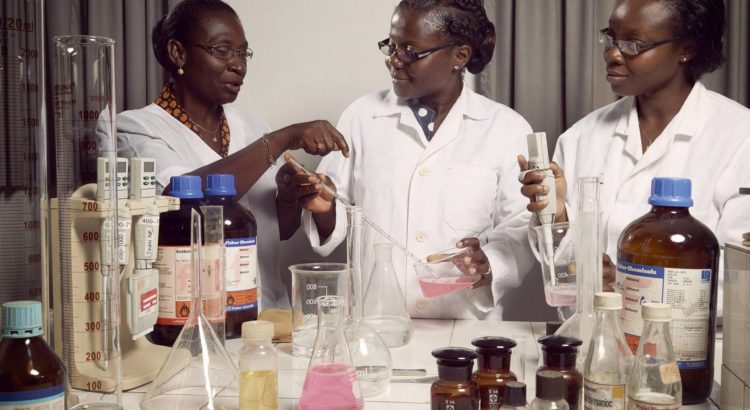
Egyptian Minister of Investment Sahar Nasr signed a 993 million yen ($8.8 million) grant with the Japan International Cooperation Agency (JICA) to supply education and research devices for the Egypt-Japan University of Science and Technology (E-JUST).

During her visit to Tokyo where she met with JICA Vice President Kazuhiko Koshikawa, Nasr said the project targets supporting the educational content and performance for the Faculty of Engineering students through supplying needed devices.

«It also aims to attract Japanese companies and authorities and use their capabilities in training and transferring technology,» Nasr added.

E-JUST is the first Japanese university to be constructed outside Japan, as it will invest in enhancing development in the fields of science and technology, Koshikawa noted.
In another meeting with the Japanese Minister of Foreign Affairs, Tarō Kōno, Nasr signed the letters to receive the grant payments.

During the visit, Nasr met with a delegation of 20 companies, including Sumitomo Corporation, Toyota and Hitachi to discuss increasing their investments in Egypt.

JICA is adopting the Egypt-Japan Education Partnership (EJEP), launched during the visit of President Abdel Fatah al-Sisi to Japan in 2016, to support Egyptian human resources, which can contribute to economic development. The Japanese agency is supporting all stages of the application.

Fuente: https://www.egypttoday.com/Article/3/37327/Egypt-signs-%C2%A5993m-grant-with-JICA-for-education-development

Comparte este contenido:

Unicef denuncia que la mitad de los niños de Sudán del Sur sufren desnutrición

Sudan del Sur/17 de Diciembre de 2017/La Sexta

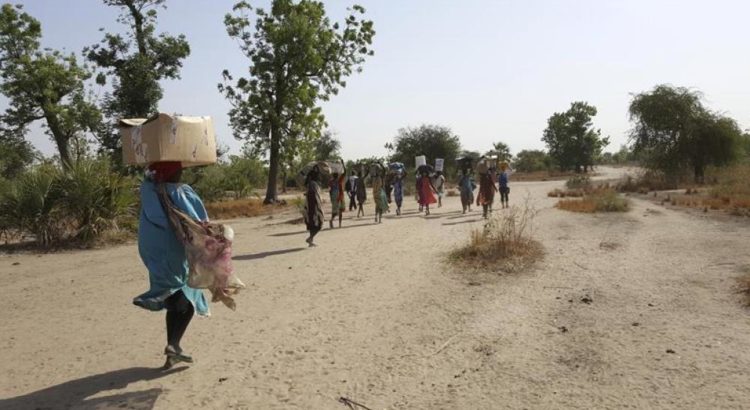
Sudán del Sur está en vías de convertirse en una «tragedia» para los niños, ya que la mitad de la población infantil sufre desnutrición y es víctima de un conflicto que cumple ahora cuatro años. Es la alerta que lanza Unicef, departamento para la infancia de la ONU.

«Ningún niño debería experimentar jamás estos horrores y privaciones», afirmó Leila Pakkala, directora regional de Unicef en África oriental y meridional, y señaló que «los de Sudán del Sur lo están sufriendo a diario. Estos niños necesitan urgentemente un entorno de paz y protección».

En el informe «Childhood under Attack», Unicef recogió testimonios de adolescentes, como Yangdé -cuyo nombre fue modificado-, de 17 años, que relató que no tenían nada en casa, «ni comida», y por eso pensó que era mejor unirse a los rebeldes y «luchar contra el Gobierno».

Sudán del Sur está sumido en una guerra civil que estalló en diciembre de 2013 entre las fuerzas del presidente, Salva Kiir, de la etnia dinka, y las del entonces vicepresidente, Riek Machar, de la tribu nuer.

Ambas partes firmaron un acuerdo de paz en agosto de 2015 que llevó a la creación de un Gobierno de unidad nacional, pero en julio de 2016 rebrotó la violencia, que ha causado miles de muertos y de desplazados y ha llevado el país al borde de la hambruna.

«Estamos hablando del país más joven del mundo, donde gran parte de los niños solo han conocido el conflicto y la violencia», adujo Javier Martos, director ejecutivo de Unicef Comité Español. «Durante este año varias partes del país han sufrido una hambruna que ha puesto aún más al límite a la población.

No podemos permitir que Sudán del Sur caiga en el olvido», insistió. Según Unicef, casi 3 millones de niños están en situación de grave inseguridad alimentaria y más de un millón sufre de desnutrición aguda, mientras que más de 2.300 niños han perecido o resultado heridos desde que el conflicto comenzara, y han registrado cientos de casos de violaciones y agresiones sexuales.

Asimismo, cifró en dos millones de niños los que se encuentran sin escolarizar y, si la situación actual se mantiene, «es probable que solo uno de cada 13 niños acabe la escuela primaria«, advirtió.

Por último, Unicef hizo un llamamiento a las partes en conflicto para que se permita el acceso sin restricciones a las zonas donde se necesita ayuda urgente, y recordó que su trabajo se realiza en un país que se encuentra entre los más peligrosos del mundo para los cooperantes porque desde que comenzó el conflicto, 95 trabajadores humanitarios han sido asesinados, 25 de ellos este año.

Fuente: http://www.lasexta.com/noticias/internacional/unicef-denuncia-que-mitad-ninos-sudan-sur-sufren-desnutricion_201712155a338eec0cf22cef518d575b.html

Comparte este contenido:

El temor a graduarse

Por. José Antonio Alonso

El PIB per cápita no es la mejor forma de certificar que los logros de un país son tan irreversibles como para hacer prescindible la ayuda internacional.

De manera no totalmente inesperada, el proceso por el que los países dejan de recibir ayuda internacional al desarrollo (denominado proceso de graduación) suscita controversia internacional. Como es sabido, el CAD de la OCDE (que es el comité que agrupa a los donantes) determina que si un país supera por tres años consecutivos el umbral que le da acceso al grupo de renta alta (hoy fijado en algo más de 12.000 dólares per cápita), deja de ser elegible como receptor de ayuda internacional. Este tema que antes estaba reservado a tediosas sesiones técnicas de la OCDE, ha pasado a ocupar un puesto estelar en la agenda diplomática de un amplio número de países en desarrollo (incluidos varios latinoamericanos). Algunos de ellos, como Uruguay o Chile, han presionado ante la Comisión Europea y la OCDE para que se alteren los criterios de graduación y diversos organismos (como SEGIB o CEPAL) han hecho saber sus discrepancias con respecto al proceder de la OCDE.

Para mediar en el debate, debiera reconocerse que está totalmente justificado que existan reglas de elegibilidad para el acceso de los países a unos fondos que, como la ayuda internacional, son de naturaleza concesional. Eso mismo sucede en el ámbito doméstico con los programas subvencionados: necesariamente han de precisarse las condiciones de acceso a los recursos. La crítica, por tanto, no puede derivar de que exista graduación, sino acaso de los criterios que la rigen. Y, desde esta perspectiva, la razón está de parte de los países afectados: la definición de un umbral puramente discrecional de PIB per cápita no es la mejor forma de certificar que los logros de un país son tan irreversibles como para hacer prescindible la ayuda internacional.

Son muchas las limitaciones que el PIB per cápita tiene para captar los niveles de bienestar y desarrollo de un país. En primer lugar, remite a una dimensión única del progreso –la económica-, omitiendo otras como el medio ambiente, los derechos de las personas o los logros sociales, cuyo valor no se expresa adecuadamente a través del mercado. Es, además, una variable promedio, que vela la información acerca de cómo se reparten los recursos y las oportunidades en el seno de una sociedad. Y, en fin, iguala en su traducción monetaria ámbitos (escuelas y cañones) que la sociedad, sin embargo, valora de forma diferenciada. La Comisión que creó el presidente Sarkozy, con la participación de dos premios Nobel, Amartya Sen y Joseph Stiglitz, ilustra bien las limitaciones de esta variable para medir el progreso.

Cabría pensar en un procedimiento alternativo que respete algunos criterios. En concreto, debería reconocerse el carácter multidimensional del desarrollo

La experiencia histórica lo confirma. El crecimiento del PIB per cápita es compatible con la persistencia en el país de mayúsculos déficits en términos de infraestructuras, logros sociales o solidez de las instituciones, que fácilmente pueden revertir los logros alcanzados. La experiencia de algunos países de América Latina, como Argentina o Brasil, ilustra estos procesos. En otros casos el progreso en el PIB deriva de una ocasional revalorización de una materia prima de exportación, con limitado impacto en la transformación social del país (piénsese en Guinea Ecuatorial o en Angola, por ejemplo). Y, en fin, en otros casos un PIB elevado es compatible con que el país presente altos niveles de vulnerabilidad ante el cambio climático u otros fenómenos ambientales extremos, como sucede en algunas islas del Caribe o Pacífico. En todos estos casos el PIB per cápita es muy poco ilustrativo de los desafíos que esas sociedades afrontan. Por ello, basar en esa variable el acceso a la ayuda no puede juzgarse sino como insatisfactorio.

Cabría pensar en un procedimiento alternativo que respete algunos criterios que parecen de razón. En concreto, debería reconocerse, en primer lugar, el carácter multidimensional del desarrollo, admitiendo que un país puede tener logros en una dimensión, mientras mantiene carencias en otras, sin que quepa encerrar todas ellas en una única variable. La Agenda 2030 de Desarrollo Sostenible refrenda ese carácter irreductiblemente multidimensional del desarrollo. En segundo lugar, debería sustituirse la lógica dual, del “todo o nada”, por una lógica más gradual, en donde los países puedan perder el acceso a unos instrumentos de apoyo, a medida que consolidan sus logros en algunas dimensiones, pero mantengan el recurso potencial a otros en aquellos ámbitos donde son mayores sus desafíos. La graduación debería tener en cuenta, en tercer lugar, no solo las carencias de un país, sino también las posibilidades que este tiene para afrontarlas, a partir de la movilización de recursos propios. No parece razonable, por ejemplo, que se reclame ayuda internacional mientras se renuncia a construir un sistema fiscal solvente, permitiendo que las clases pudientes eludan su responsabilidad tributaria. Y, por último, la oferta de apoyos debería ser transparente y clara, de modo que todo país supiese a que mecanismos de apoyo puede acceder a medida que transita de una situación a otra.

La oferta de apoyos debería ser transparente y clara, de modo que todo país supiese a que mecanismos puede acceder

La aplicación de esta forma de enfocar el proceso, permitiría que hubiese graduaciones parciales, haciendo que el proceso fuese más progresivo y adaptado a las condiciones del país. Ahora bien, para que el proceso de graduación sea manejable, las dimensiones a considerar debieran estar acotadas. De forma deseable, deberían referirse a ámbitos muy centrales del proceso de desarrollo, susceptibles de medir a través de indicadores solventes y para los que existan instrumentos específicos de ayuda, que puedan ser activados de acuerdo con las circunstancias del país. Cuatro dimensiones destacan entre las que satisfacen esas exigencias: las carencias sociales, que se expresan no solo en términos absolutos, sino también a través de diversas medidas de desigualdad y fragmentación social; la carencia en materia de infraestructuras, que está en ocasiones condicionada por adversas condiciones geográficas del país; los desafíos ambientales, que condicionan la sostenibilidad del desarrollo; y, por último, la vulnerabilidad del país frente a riesgos diversos (ambientales, de conflictos o shockseconómicos).

La Unión Europea, aunque de un modo imperfecto y parcial, ha tratado de desplazar el sistema de graduación de su cooperación a un formato cercano a lo que aquí se sugiere. Los países miembros del CAD, sin embargo, hasta ahora han hecho caso omiso a las críticas aferrándose a unos procedimientos (imperfectos) que fueron definidos hace casi cincuenta años. ¿Sería demasiado pedirles que se pongan al día?

Fuente: https://elpais.com/elpais/2017/11/22/planeta_futuro/1511366462_120639.html

Comparte este contenido:

Situación de emergencia afectará a 70 millones de niños en el mundo

ONU/16 Diciembre 2017/Fuente: Prensa Latina
El enviado especial de Naciones Unidas para la Educación Global, Gordon Brown, afirmó hoy que unos 70 millones de niños estarán atrapados en situaciones de emergencia humanitaria para el próximo año.
De ellos, alrededor de 30 millones habrán experimentado algún tipo de violencia o abusos, sobre todo quienes viven en países afectados por conflictos, alertó en conferencia de prensa.

Mientras la brecha financiera crece, más menores edad serán sometidos a la opresión y la explotación -ya sean matrimonios forzados, trabajo infantil o tráfico sexual- y carecerán de oportunidades de educación, señaló el diplomático.

Pero los programas de educación global reciben menos de la mitad de los fondos necesarios para cubrir las necesidades, lo cual compromete el futuro de millones de niños, advirtió Brown y demandó más recursos para la ayuda humanitaria en ese sector.

En países como Siria y Palestina, los conflictos inciden de forma negativa en los niños y le impiden el acceso a la educación. La situación empeora para los desplazados y refugiados, añadió.

‘No hay manera de que podamos cumplir los Objetivos de Desarrollo Sostenible si no hay un cambio importante en la financiación de la educación.’

Fuente: http://www.prensa-latina.cu/index.php?o=rn&id=138557&SEO=situacion-de-emergencia-afectara-a-70-millones-de-ninos-en-el-mundo
Comparte este contenido:

Afríca: Can’t teach old dogs new tricks? Nonsense. Tips for learning later in life

África/Diciembre del 2017/https://theconversation.com


Change, often rapid and disorienting, is today’s norm. Even things our grandparents took for granted – manual typewriters, telegrams, smelling salts, corsets – have disappeared into antique shops and museums. We change jobs and even careers many times in one lifetime. We travel more. It seems like we adapt to new technologies almost weekly.

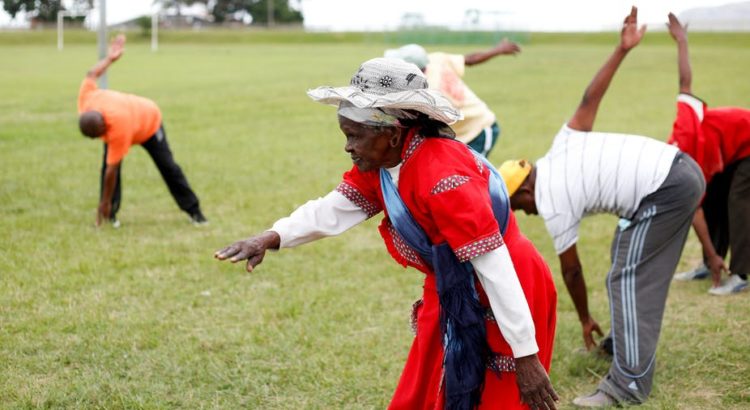
What hasn’t changed is that human beings need to learn so they can adapt and thrive in new circumstances. Is this possible for older people? It’s common knowledge that children are voracious learners but the famous cliche suggests that you can’t teach an old dog new tricks. This simply isn’t true.

As research conducted by my colleagues and I has shown, learning is a lifelong process. It’s also life-wide: we learn in all kinds of situations besides schools and colleges – in our families, workplaces, communities and through leisure activities. And it’s life-deep: it’s about emotions, morality, cultural and spiritual development, not just the intellect.

Here’s what you need to know to continue on your own lifelong learning process, and to encourage others around you to keep learning.

What older people have going for them

Ageing brings a slight deterioration in functions like short-term memory. But it has the advantage of accumulated experience. This means you know what you want to learn and how you want to apply it, and can link it to experience and concepts you’ve already acquired. Children at school typically learn a prescribed curriculum for future application. Adults tend to choose their learning and want it to count here and now.

Learning as an adult is not easy. You have to admit what you don’t know. Sometimes past learning experiences have been negative and associated with feelings of fear and failure. And adults have multiple responsibilities: work, family, social involvements and ageing parents, to name a few. Learning means negotiating these commitments and your own feelings. When you decide to embark on new studies, it’s important to let those around you know; explain how it will change things and enlist their support.

It’s also good to learn with others so that you can share the challenges and triumphs. Isolation can drive people away from learning at any stageof their lives. Study groups and learning partners, whether online, face-to-face or both, can be a great way of deepening and sustaining learning.

What and where

But what, and where, should you study? Firstly, it’s important to realise that not all, or even most, learning is formal. There’s an enormous modern emphasis on educational institutions, which for the masses is generally only a few hundred years old. And so the ways that humans have always learnt are often taken for granted.

We often learn the most important things informally from others and from experience: how to parent, how to get on with our neighbours, how to surf the Internet, where to find a job; and, perhaps most importantly, how to direct our own learning. Developing social capital – networks of friends, mentors, advisers, instructors – is as important for learning as it’s ever been.

These networks also allow us to connect with people whose voices we don’t usually hear; that helps us to avoid ghettoising our own minds and opens up new opportunities for thought and action.

Local organisations such as churches, mosques and temples often offer learning opportunities. NGOs as diverse as the World Wildlife Fund and Alcoholics Anonymous provide both face-to-face and eLearning opportunities.

In South Africa, community-based organisations such as stokvels – financial cooperatives – can be a great way to learn about money and saving. Keeping the country’s own radical tradition alive, Popular Education South Africa is a catalytic project that “seeks to inspire alternative forms of education provision that benefit working class and poor people”.

The government system of Community Learning Centres, linked to a Community College in each province, offers adult basic education and an alternative route to writing the National Senior Certificate. This is the final school-leaving exam (“matric”) that can equip you to enter tertiary institutions. Although these centres are of uneven quality, many do an outstanding job under difficult circumstances.

Navigating the Internet

The Internet offers a flood of learning opportunities. But how do you negotiate the deluge of options and pathways? It is important to check out the credentials of the websites you use because search engines don’t discriminate. Look out for websites that are linked to universities and research institutes. These and other credible online sources abound.

Though Wikipedia often gets a bad rap, it’s a vast public resource of information on almost every conceivable topic and a fascinating human invention. It’s a good spot to supplement your learning or answer quick queries.

TED Talks are devoted to “ideas worth spreading”, usually in the form of short powerful talks. You can learn anything from how to spot a liar to how to land on a comet. Each talk also offers access to a transcript, a reading list for more sources and an option for posting your own comments and joining the debate.

Learning as never before

It doesn’t matter whether your learning preferences are formal or informal; institutional or self-directed; online, face-to-face or blended.

We live in a learning world as never before, and the quality of our learning as a species is likely to determine our future. So don’t let cliches about old dogs hold you back: keep learning.

Fuente:https://theconversation.com/cant-teach-old-dogs-new-tricks-nonsense-tips-for-learning-later-in-life-85776

Fuente Imagen:https://lh3.googleusercontent.com/As_XL52yBXy4AbqObb1PiJHxQFydtT-eJnO43KInTrAJpmoLAI-A-hHr7lNp2KFlqQBiSg=s128


Comparte este contenido:

South Africa has a reading crisis: why, and what can be done about it

Afríca/Diciembre del 2017/https://theconversation.com

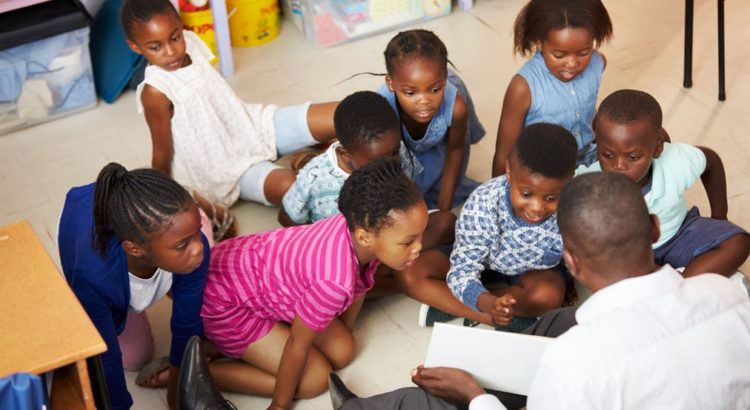
The teacher stands in front of her Grade 4 class. The 45 nine and ten-year olds are crammed together at desks, huddled over shared books. Some are sitting on the floor. “Now, class, read from the top of the page,” the teacher says. They comply in a slow sing-song drawl.

“Stop,” says the teacher. “It is not ‘Wed-nes-day’, you say it ‘Wensday’. It is what?” “Wensday,” the class responds. “Again.” “Wensday.” The reading resumes, the teacher frequently stopping to correct her pupils’ pronunciation.

Sometimes the children read aloud in groups. At other times, she calls a child to come to the front and read aloud. Not once does she ask a question about what the story means. Nor do the children discuss or write about what they have read.

This is the typical approach to how teaching is taught in most South African primary schools. Reading is largely understood as an oral performance. In our research, my colleague Sandra Land and I describe this as “oratorical reading”. The emphasis is on reading aloud, fluency, accuracy and correct pronunciation. There is very little emphasis on reading comprehension and actually making sense of the written word. If you were to stop the children and ask them what the story is about, many would look at you blankly.

Pronunciation, accuracy and fluency are important in reading. But they have no value without comprehension. Countries around the world are paying increasing attention to reading comprehension, as indicated by improving results in international literacy tests.

The problem with the oratorical reading approach is evident in the results of the recent Progress in International Reading Literacy Study (PIRLS) 2016 tests. PIRLS’ purpose is to assess reading comprehension and to monitor trends in literacy at five-year intervals. Countries participate voluntarily. Learners write the test in the language of learning and teaching used in Grades 1 to 3 in their school.

The tests revealed that 78% of grade 4 pupils in South Africa fell below the lowest level on the PIRLS scale: meaning, in effect, that they cannot understand what they’re reading. There was some improvement from learners writing in Sesotho, isiNdebele, Xitsonga, Tshivenda and Sepedi from a very low base in 2011, but no overall improvement in South Africa’s performance.

South Africa was last out of 50 countries surveyed. It came in just behind Egypt and Morocco. The Russian Federation came first followed by Singapore, Hong Kong and Ireland.

South Africa also performs poorly in the Southern and Eastern Africa Consortium for Monitoring Educational Quality surveys. These show that in reading and numeracy South Africa is lagging behind much poorer African countries such as Tanzania and Zimbabwe.

Our research on reading at a rural primary school and an adult centre in the KwaZulu-Natal province showed that the oratorical approach to teaching reading was dominant both in the school and adult classes. Both adults and children were not learning to read with meaning, and so were not achieving literacy despite attending classes. Our findings confirmed the results of other South African studies.

So where does the problem lie and how can South Africa address it?

Rote learning

To understand the situation more deeply we interviewed teachers and explored how they had learned to read. We found that they teach as they were taught; an indication that oratorical reading is a cycle repeated from one generation to the next unless it is broken.

Teachers told us they assessed pupils’ reading ability just as they were assessed by their teachers: by having them read aloud. Marks were allocated for individual oral reading performance. This was based not on understanding the passage, but on fluency and pronunciation. There was no written assessment of reading comprehension. Reading was about memorising sounds and decoding words.

This suggests that the problem in learners’ performance lies in how reading is taught in most South African schools. Learners are taught to read aloud and pronounce correctly, but not to understand the written word and make sense of it for themselves. Another consequence is that the pleasure and joy of discovery and meaning-making are divorced from school reading.

New approaches

There are no quick fixes, but there certainly are slow and sure ones. The first is to get reading education in pre-service teacher training right. A report by JET Education Services, an independent non-profit organisation that works to improve education, found that universities don’t give enough attention to reading pedagogies.

Universities need to teach reading as a process that involves decoding and understanding text in its context, not just as a “mechanical skill”. Countries such as India, with its great diversity and disadvantaged populations, have begun to address the need for this change in how reading is taught.

The second “fix” concerns in-service training. The Department of Basic Education has a crucial role to play here. Teachers need to reflect on how they themselves were taught to read and to understand the shortcomings of an oratorical approach.

Effective reading instruction, such as the “Read to Learn” and “scaffolding” approaches, should be modelled and reinforced. In a multi-lingual African context, strategies that allow teachers and learners to use all their language resources in making meaning should be encouraged. Teachers’ own reading is vital, and can be developed through book clubs and reading groups.

The school environment is also crucial. According to the PIRLS interviews with principals, 62% of South African primary schools do not have school libraries. These are central to promoting a reading culture, as work in New Zealand shows.

Schools should develop strategies such as Drop Everything and Readslots in the timetable, library corners in classrooms, prizes for reading a target number of books and writing about them, and creating learners’ reading clubs. Learners can draw on local oral traditions by gathering stories from elders, writing them and reading them to others.

Finally, the home environment is vital. The PIRLS research showed that children with parents who read, and especially read to them, do better at reading. Our research found that children with parents who attended adult classes were highly motivated to learn and read with their parents. Even if parents are illiterate, older siblings can read to younger children. The Family Literacy Project, a non-profit organisation in KwaZulu-Natal, has done excellent work in creating literate family and community environments in deep rural areas, showing what is possible.

Developing families as reading assets rather than viewing them as deficits can help to strengthen schools and build a reading nation.

Fuente:

Fuente imagen:


Comparte este contenido:

#WhosAccountable (Quién rinde cuentas): una nueva campaña que insta a los jóvenes a defender la educación de calidad

PrensaIE

El nuevo Informe juvenil sobre la rendición de cuentas demuestra el poder que tienen los jóvenes para hacer que los gobiernos rindan cuentas por una educación equitativa y de calidad.

La versión juvenil del Informe de Seguimiento de la Educación en el Mundo (GEM, por sus siglas en inglés) 2017/8 de la UNESCO sobre rendición de cuentas ha sido publicada hoy viernes 8 de diciembre. Contiene un llamamiento a la acción en forma de campaña mundial, bajo el hashtag #WhosAccountable, con el fin de respaldar el cumplimiento del derecho a la educación antes del Día de los Derechos Humanos, que se celebrará el 10 de diciembre.

La campaña, que ha recibido el apoyo de más de 15 socios educativos nacionales e internacionales, insta a los jóvenes a que se unan, ejerzan su voz colectiva y exijan a los gobiernos que garanticen que el derecho a la educación sea cumplido. La plataforma tiene por objeto consolidar una red de defensores de la juventud informados que permanezcan activos en espacios educativos locales, nacionales e internacionales.

El 12 de diciembre a las 4 p.m. GMT se llevó a cabo un lanzamiento digital que reunirá a la Dra. Koumbou Boly Barry, Relatora Especial de la ONU sobre el Derecho a la Educación, a la Consejera Juvenil del Informe GEM, Salam Al-Nukta de Siria, así como a destacados embajadores y activistas juveniles. Todos ellos compartirán sus experiencias de primera mano en la realización de campañas sobre el derecho a la educación.

Puede encontrar la versión juvenil del informe en la página web del Informe GEM.

Fuente:  https://www.ei-ie.org/spa/detail/15598/whosaccountable-qui%C3%A9n-rinde-cuentas-una-nueva-campa%C3%B1a-que-insta-a-los-j%C3%B3venes-a-defender-la-educaci%C3%B3n-de-calidad

Comparte este contenido:
Page 243 of 622
1 241 242 243 244 245 622