Page 360 of 622
1 358 359 360 361 362 622

The history of African education is one of constant struggle

África / 15 de marzo de 2017 / Por: MACHARIA MUNENE / Fuente: http://www.nation.co.ke/

There is no society on earth that does not have an education system. The difference is that some systems are more elaborate than others, depending on the complexity of the societies.

For a society to exist, or to be, the people in it must have decided to have an organised living arrangement and then to have developed an identity based on common values that distinguish them from other societies.

They hold that identity and values so dear that they are willing to defend and propagate them to people in other organised living settings. One way of defending those values is by way of an education system.

The primary purpose of education in a society is to reproduce itself, maintain its identity and to perpetuate its best through time. An education system that is a copycat that ends up reproducing identities of other societies is an enslaving system because it serves other people rather than itself.

Every African society, from the most ancient onwards, had an education system that strove to reproduce itself, perpetuate its “culture” or way of life, and safeguard its values and identity.

Each system taught children what should or should not be, the values, the taboos, and the differences with other societies. Often, the system was generational, with great-grandparents or grandparents at the apex as the custodians of societal heritage.

Generally, the grandparents become the teachers for their grandchildren and this is done for two good and interrelated reasons. First, as the custodians of the society heritage, they would have lived through imbibing and internalising the society values.

They would, therefore, know all that is best to be perpetuated, and what is negative to be downplayed. Their teaching method, therefore, would be experiential, example-setting, and role-modelling.

The second reason is that while their general body strength is less than what it used to be, their mental alertness, emphasised by collective society wisdom, is at a very high level and they can see or smell danger from afar.

A saying among the Agikuyu of Kenya, Muthuuri aikareire njung’wa oonaga haraya gukiira kihii ki muti-iguru, meaning that an elder sitting on a stool sees farther than a boy sitting on a tree branch, is reflective of this belief in the value of the elderly to a given society.

On its own, education is a useful tool for managing society but it can vary with who it is that is using it and for what purpose.

States tend to have at least two instruments of influence on their publics. These are the education system and the media, whose effect is to control thinking and possible challenges to existing order.

AFRICAN WAYS OF LIFE

Of the two, the critical one is the education system, for it influences the behavior of the media operators. Through the education systems as public controlling instruments, governments indoctrinate the young to accept certain beliefs as gospel.

When such youth become adults in the media, they instinctively propagate the same beliefs as news and opinions or purported education.

Those who use the education system to guide thinking included assorted tyrants, conquerors, and imperialists. It happens almost everywhere as the conquerors try to establish “new world orders” in which they glorify themselves and suppress diverse views that might question that self-glorification.

They engage in creating new “realities” by deliberately forcing themselves as well as the conquered to “un-remember”, or have selective amnesia of the past.

Schools and assorted education systems then become tools for creating new realities that are then forced into the heads of children to internalise as they grow to maturity.

The establishment of colonial rule falls into this pattern, whereby the European colonialists in Africa went out of their way to create new realities by destroying as much of the African ways of life as possible.

This entailed forcing Africans to imbibe and internalise every European value while despising their own beliefs, thereby becoming good “natives” who accepted positions of inferiority as natural.

The new colonial educational system was a good tool for stressing the subordinate role of the Africans as types of technicians but not as thinkers, philosophers, and decision makers.

Colonialists in Africa learned a lot from their cultural extension in the United States that had figured out an educational way to force African-Americans to accept inferiority as natural.

CONQUEROR’S LOGIC

In the same way that education can be a tool of oppression, it can also be an instrument of liberation. Often, the reaction of the conquered, once they accept the fact of being conquered, tends to be of two types.

First, are those who completely surrender their conscience as they internalise new realities of the mental, social, and political type, believing they have no alternative but to comply with everything that the conqueror demands, they elevate the conqueror to semi-divine status.

Second are those, after accepting the fact of being conquered, that engage in serious soul-searching to find out why they lost and strategise on how to regain freedom.

This soul search leads them to develop two responses. They devise ways of challenging the order by studying the conqueror’s logic, strengthens and weaknesses, contradictions and inconsistencies. One such way is to embrace the new education system and learn everything that it has to offer without being sucked into it or losing one’s identity.

Such are the people who become “freedom fighters” and liberators of their respective communities.

Using education as a tool of political liberation produced fruits in the name of independence such that many European colonies in Africa ceased being colonies in the early 1960s. They entered the post-colonial period with a lot of high expectation in the education field.

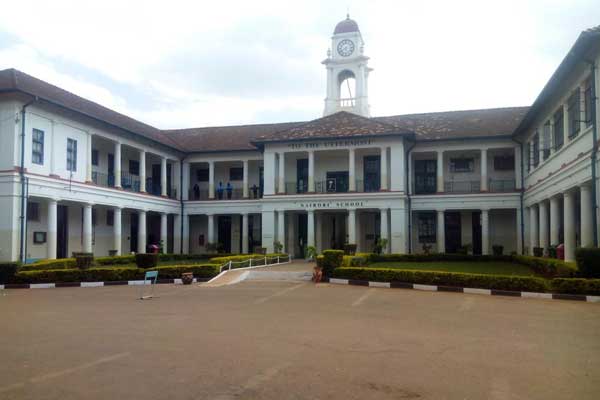
Symbolically, such mzungu schools as Prince of Wales, Duke of York, Highlands, Kenya High, St. Mary’s, and Limuru were opened up for the children of the new African elite, and even the names were Africanised.

People in colonised Africa exhibited the two types of responses. There were, and are, those who virtually surrendered everything to the coloniser, irrespective of which one, and received an education that conditioned them to accept that they were in every way inferior to the mzungu and abandoned thinking.

NEW AFRICAN POLITICAL STARTS

Another group of natives decided to accept the new education system as a tool of liberation by identifying mzungu weaknesses and questioning the new order. Kenyan “natives” had the two types of reaction but it was the second type that forced changes.

In the process of decolonisation, a few Africans set the pace, questioning of the Euro distortions of the African past. George James and Cheikh Anta Diop accused the Euros of intellectual thievery and disfigurement of history.

At independence, the few lecturers at universities embarked on Africanising all levels of education and thinking disciplines such as history, literature, theology and philosophy, and political discourses.

They wrote to decolonise academic disciplines in Africa, to prove the colonialists wrong, and to assert the African presence. In the 1960s and 1970s, therefore, there emerged new African intellectual stars that included Ali Mazrui, Bethwell Ogot, John Mbiti, Ngugi wa Thiong’o, Chinua Achebe, Wole Soyinka, Walter Rodney, Jacob Ajayi, Godfrey Muriuki, Gideon Were, Simeon Ominde, and Okot p’Bitek.

They had a lot of logistical and financial support from national governments as well as extra-continental mind controllers who funded knowledge production. The countries developed excessive dependence on extra-continental financial and policy support.

In the 1980s and 1990s, however, something went wrong in the African countries and their budding universities, with the mind controllers seemingly pulling the plug from African intellectual sockets at the universities, resulting in a nosedive in knowledge production.

This was with active encouragement from International Financial Institutions that imposed structural adjustment programs, and virtually cut funding for university ability to generate and disseminate knowledge.

FAULT FINDING

Many universities deteriorated into glorified high schools where student spoon feeding became the norm, and some of the spoon feeders needed spoon feeding. Since whatever knowledge African students needed, African universities were seemingly advised, could be given or imported at low costs, there was little need for funding research.

This was high level international politics using “education” to stifle independent thinking which then explains the decline of universities in the latter decades of post-colonial history.

The history of education in Africa, therefore, is one of constant struggle that is still going on with regard to who should determine and interpret African interests. One group of Africans appears to be beholden to external forces and end up imbibing and reproducing Euro thinking.

Through educational systems, they tend to be properly seasoned to internalise Euro thinking and ways, and to defend vigorously the right of the Euros to interpret African interests and to impose policies.

They become busy fault finding, just as the Euros do, and often have problems seeing anything positive about fellow Africans. In the opposite camp are those who tend to be selective in what they accept from extra-continental forces, assert that they have a right to make their own interpretation of what is best for Africans, and want to promote knowledge production in African universities rather than simply import it.

They stress independence and question external mind control that stifles knowledge generation in Africa while masquerading as intellectual aid. This struggle at the intellectual level percolates downward to policy and then to implementation, and it is not new. It is a constant in the history of African education

Prof Macharia Munene teaches history and international relations at United States International University – Africa.

Fuente noticia: http://www.nation.co.ke/oped/Opinion/education-oppression-liberation-struggle-/440808-3848494-6yyqngz/index.html
Comparte este contenido:

UNESCO ofrece becas para estudiar en Polonia

Unesco / ww.universia.com / 15 de Marzo de 2017

Las becas se concederán en el ámbito de la investigación de Ciencia, Tecnología e Ingeniería.

La Organización de las Naciones Unidas para la Educación, la Ciencia y la Cultura (Unesco por sus siglas en inglés), invita a egresados de las carreras de ciencia, tecnología e ingeniería (con nivel de estudios de pregrado y posgrado), a optar por las becas de investigación que se desarrollarán en Polonia.

Quienes deseen postularse deben contar con nivel avanzado del idioma inglés. El plazo será hasta el viernes 14 de abril.

Beneficios de la beca:

  • Matrícula gratuita y acceso a las instalaciones de la universidad en base a las regulaciones locales.
  • Alojamiento en el campus.
  • Asignación mensual de 1.600 PLN (1 USD = aproximadamente 4,0 PLN) correspondientes al salario de un investigador universitario local (todos los gastos de manutención y alojamiento en Polonia deben ser cubiertos por el becario con esta asignación).
  • Indemnización especial por única vez de 1.600 PLN a pagar a la llegada a Polonia, esta suma cubrirá diferentes actividades relacionadas con su estancia en Cracovia, tales como chequeo médico a su llegada (de acuerdo con la normativa interna para todos los estudiantes); y eventos culturales, históricos y / o turísticos visitas, conferencias, talleres y seminarios relacionados con sus estudios.
  • Gastos de viaje internacional: (por la ruta más directa y económica).
  • Seguro de salud.

Los temas de investigación pueden ser sobre:

  • Ingeniería de perforación
  • Geofísica o física
  • Automatización de dispositivos de minería, dispositivos de Minas
  • Ingeniería de transporte
  • Sociología económica y economía
  • Geología
  • Visión artificial
  • Ciencia de materiales
  • Nanotecnología
  • Materiales compuestos
  • Ingeniería de Gas
  • Geoturismo

Para inscribirte, debes ingresar al siguiente portal de la Unesco.

Fuente:http://noticias.universia.net.co/practicas-empleo/noticia/2017/03/13/1150418/unesco-ofrece-becas-estudiar-polonia.html
Comparte este contenido:

Educación superior para “dreamers”

Por:José Ignacio Castro Guijarro

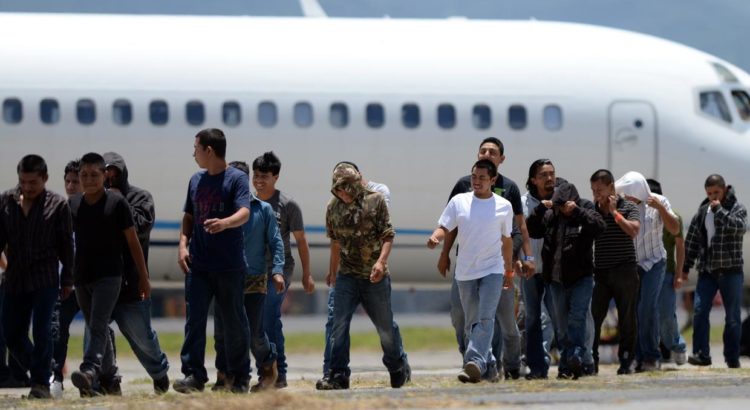
El gobierno de Estados Unidos de América (EUA) realiza deportaciones de extranjeros indocumentados que residen en ese país, la forma en que lo hace el régimen de Donald Trump es con marcado acoso policial por parte de la Oficina de Inmigración y Aduanas (ICE por sus siglas en inglés) y muestra odio racial hacia extranjeros de origen latino, situación debida al pensamiento excluyente del presidente Donald. De ahí la intensión de también deportar a jóvenes universitarios que en su niñez llegaron junto con sus padres para ilegalmente vivir en EUA y ahora se les llama “dreamers” (soñadores en español) a quienes Barak Obama les dio oportunidad de trabajar y/o realizar estudios superiores mediante el denominado “Programa de Acción Diferida para los Llegados en la Infancia” (DACA por sus siglas en inglés), creado por el Departamento de Seguridad Nacional el 15 de junio del 2012 y ha beneficiado a unos 750 mil niños y jóvenes, de estos últimos según estimaciones son unos 600 mil de los cuales 400 mil o un 40% son jóvenes mexicanos, el DACA permite a estos jóvenes obtener permiso de trabajo, una licencia de conducir e ingresar a universidades, debiendo renovarse cada 2 años pero puede anularse si comenten algún delito.

En contrapartida el gobierno mexicano a través de la Secretaría de Educación Pública (SEP) ha diseñado acciones para el posible retorno de miles de “dreamers” pues son ciudadanos mexicanos con derecho a inscribirse en cualquier nivel educativo, incluyendo el superior donde se estima que este año pudieran ser alrededor de 2 mil 155 estudiantes que dejarían trunca su carrera en EUA y que las instituciones de educación superior mexicanas bien pueden inscribirlos sin dificultad alguna, además de ofrecerles estudios a distancia vía internet con validez oficial, acciones en coordinación con centenas de Tecnológicos y Universidades públicas y particulares de todo el territorio nacional. Con ello se aseguran estudios a todos los “dreamers” en cantidad mucho más que la anterior estimada. Para ello la SEP ha dispuesto medios para agilizar la dinámica de trámites, educación bilingüe, diversos mecanismos de inclusión en instituciones mexicanas, sistema de becas específicas, incluso hasta posible trabajo como docentes de inglés previa selección y capacitación.

Esta es respuesta de las instituciones de educación superior mexicanas coordinadas por la SEP y una de las muchas acciones de respuesta ante las generadas por el presidente Donald, reafirmando así que los mexicanos sabemos defender y proteger a nuestros compatriotas. Sin embargo es preciso generar otras estrategias que apuntalen esta acción como es la generación de empleos profesionales suficientes y bien pagados tanto para los estudiantes nacionales como a los “dreamers”, ampliar proporcionalmente el presupuesto a las instituciones de nivel superior para diversos proyectos de desarrollo específico necesarios para estos jóvenes deportados y a los residentes nacionales.

La voluntad de unirnos ante la adversidad, en este caso para los mexicanos “dreamers”, está más que demostrada y tenemos sobrada capacidad de matricularlos. Excelente respuesta mexicana.

ignacio.kaxtro@gmail.com

Fuente: https://www.elsoldezacatecas.com.mx/columna/educacion-superior-para-dreamers

Comparte este contenido:

Empoderar a las mujeres mediante el desarrollo de sus capacidades en lectoescritura y cálculo en Mozambique

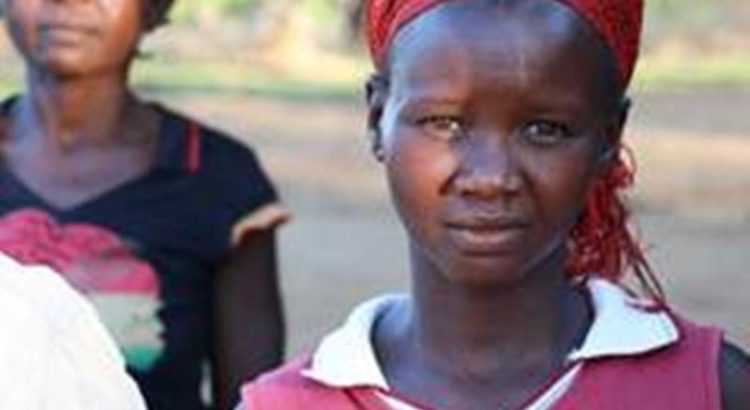
Debido al respaldo del Fondo Malala de la UNESCO para el derecho de las niñas a recibir educación las mujeres de Mozambique pueden mejorar su calidad de vida mediante el fortalecimiento de sus capacidades básicas en lectoescritura y aritmética.

África/Mozambique/14.03.2017/Autor y Fuente:http://www.unesco.org/

Las dos terceras partes de los 758 millones de adultos analfabetos en el mundo son mujeres. Esta proporción se ha mantenido estable durante los últimos 20 años a pesar de la disminución de la cantidad de adultos analfabetos.

En Mozambique, donde el índice de analfabetismo en la población femenina es elevado (57.8 por ciento), la UNESCO se esfuerza de eliminar la brecha existente entre los dos sexos y para ello ayuda a las mujeres de las comunidades rurales por conducto de programas educativos y de alfabetización para adultos, financiados por el Fondo Malala de la UNESCO para el derecho de las niñas a recibir educación.

Desde el año 2015, la UNESCO colabora con el Ministerio de Educación y Desarrollo Humano de Mozambique en Eráti, Memba y Boane, distritos de las provincias de Nampula y Maputo, con miras a implementar programas que tienen como objetivo reforzar las capacidades básicas de las mujeres en materia de lectura y escritura, así como sus habilidades empresariales y financieras. Una vez adquiridas estas habilidades, las mujeres son capaces de salir de la pobreza y de aumentar sus propias oportunidades tanto para ellas como para sus familias. Algunas participantes ya han logrado emprender actividades que les proporcionan ingresos, tales como la producción y venta de alfombras artesanales.

Participación más activa de los hombres y de los líderes de la comunidad

Ilda Faustino, de 38 años de edad, explicó cómo cambió efectivamente su vida después de haber participado en este programa: “Me siento realmente feliz pues ahora puedo leer y escribir, e incluso soy capaz de administrar fácilmente mis propios ingresos y también mi cuenta bancaria”.

Un elemento importante que garantiza el éxito del proyecto ha sido la participación muy activa de los hombres y de los líderes de la comunidad, quienes desempeñan un papel fundamental en la sensibilización y en lograr una amplia participación de la comunidad en el proyecto. “La participación activa de los hombres en el empoderamiento educativo y económico de las mujeres constituye una estrategia fundamental para alcanzar la igualdad de género”, afirmó Dulce Domingos Mungoi, responsable del programa ante la Oficina Regional de la UNESCO en Maputo. “Promovemos estrategias en que las comunidades trabajan codo a codo con las mujeres y las niñas con miras a superar las cuestiones relativas a las normas de género que entorpecen el progreso”.

Los miembros de la comunidad expresaron el deseo de continuar sus estudios en niveles superiores. La UNESCO seguirá apoyando esta iniciativa de aprendizaje a lo largo de toda la vida que proporciona a las mujeres y a sus comunidades los medios necesarios para construir un futuro mejor.

Fuente:http://www.unesco.org/new/es/media-services/single-view/news/empowering_women_through_literacy_and_numeracy_skills_in_moz/

Imagen:http://www.unesco.org/new/typo3temp/pics/51ad1b08ff.jpg

Comparte este contenido:

Destituyen ministro de Educación Superior de Angola.

África/Angola/14.03.2017/Autor y Fuente:http://www.prensa-latina.cu/
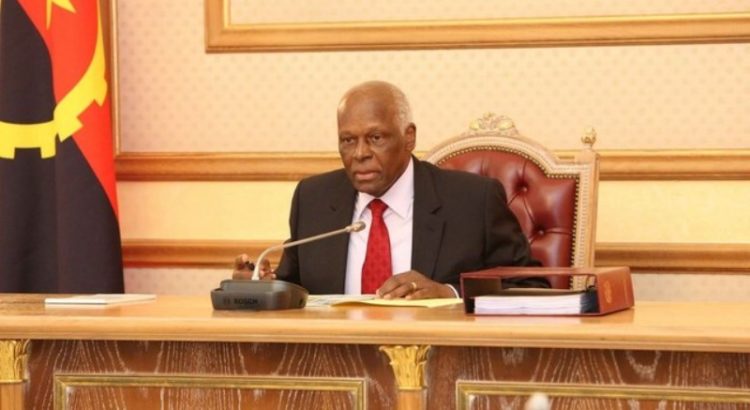
El presidente angoleño, José Eduardo dos Santos, destituyó hoy al ministro de Educación Superior, Adao Gaspar Ferreira do Nascimento.

De acuerdo con una nota de la Casa Civil del Presidente, fue nombrado para sustituirle interinamente el anterior viceministro Antonio Miguel André.

Tal movimiento se comentaba desde hacía días en medios opositores, pero ni la nota ni los despachos de prensa adelantaron razones para el cambio.

Entretanto, el mandatario anunció la sustitución de un viceministro de Comercio, la designación de su reemplazo y de otro de Agricultura. ymr/ro.

Fuente:http://www.prensa-latina.cu/index.php?o=rn&id=68844&SEO=destituyen-ministro-de-educacion-superior-de-angola
Imagen: http://cdn1.portalangop.co.ao/angola/pt_pt/files/highlight/2017/2/10/0,1abcabc7-8a31-4d96-8e68-8937b755e84e.jpg
Comparte este contenido:

Instan en Sudáfrica a los jóvenes a aprovechar oportunidades.

África/Sudáfrica/14.02.2017/Autor y Fuente: http://www.prensa-latina.cu/
La juventud debe declinar el uso de la pobreza y el desempleo como excusa para consumir drogas, advirtió hoy la ministra sudafricana de Comunicaciones, Faith Muthambi.

Muthambi insistió en las oportunidades de formación que tienen los jóvenes del país, especialmente en el campo de las Tecnologías de la Información y la Comunicación (TIC).

La funcionaria, quien visitó la provincia de North West para evaluar la marcha del sistema de educación en el área de Lefatlheng, dijo que su departamento está inmerso en el programa de migración digital en el país y tal situación demanda de técnicos y especialistas.

‘Queremos productores de contenido, fotógrafos…’, indicó la ministra, tras enfatizar que ‘la educación es una prioridad para el Gobierno’.

El recorrido de Muthambi ocurre en el contexto del llamado del presidente Jacob Zuma para que su administración priorice políticas y actividades que amplíen la participación de los negros, así como de mujeres y jóvenes, en el sector de las TIC.

Durante el discurso sobre el Estado de la Nación (SONA) el 9 de febrero, Zuma ratificó como prioridades de su gobierno la lucha contra el crimen y otros males sociales, con énfasis en la labor con el segmento poblacional de la juventud.

Según datos oficiales, la población de Sudáfrica se estimó en 55,9 millones a finales de junio de 2016, un tercio de la misma tiene menos de 15 años.

No obstante, disminuyen las tasas de crecimiento entre los jóvenes de 15 a 34 años (grupo con un índice de desempleo de 36,1 por ciento) en comparación con los crecientes índices entre los mayores de 60.

Fuente: http://www.prensa-latina.cu/index.php?o=rn&id=70402&SEO=instan-en-sudafrica-a-los-jovenes-a-aprovechar-oportunidades

Imagen: http://beyondaccess.net/es/wp-content/uploads/sites/2/2014/02/masi-interior-tables-beyond-access-cover3-1000×370.jpg

Comparte este contenido:

Gobierno keniano dedica ayuda urgente para escolares pobres.

África/Kenia/14.03.2017/Autor y Fuente:http://www.prensa-latina.cu/
El gobierno de Kenya destinó 1,5 millones de dólares para mitigar los efectos de la sequía en escuelas donde decenas de miles de niños están amenazados hoy por la hambruna, extendida a otras regiones de África.

La cifra aprobada por el ejecutivo para ese fin reforzará el programa de alimentación escolar en numerosas instituciones docentes del país que sufren por la falta de víveres a causa de ese flagelo.

El secretario del gabinete de Educación Fred Matiangi instó a funcionarios del sector y a directores de los centros docentes a monitorear la situación para afrontar de forma adecuada los efectos de la sequía.

Los maestros no deben enviar a los niños a casa y los alimentos destinados al socorro se distribuirán en colaboración con el Servicio Nacional de la Juventud, orientó el funcionario.

Según la ONU, la falta de lluvias y sus secuelas en la escasez de alimentos ponen en riesgo a unas 17 millones de personas en el este de África.

Fuente:http://www.prensa-latina.cu/index.php?o=rn&id=70159&SEO=gobierno-keniano-dedica-ayuda-urgente-para-escolares-pobres
Imagen: http://imagenes.lainformacion.com/2010/08/27/mundo/Kenia-Constitucion-multitudinaria-ceremonia-Nairobi_290680980_4764094_667x375.jpg
Comparte este contenido:
Page 360 of 622
1 358 359 360 361 362 622