Page 286 of 772
1 284 285 286 287 288 772

India: Primary Problem. Gujarat’s Dismal School Education System

India/May 08, 2018/by RITU SHARMA/ Source: http://indianexpress.com

Last month, the Gujarat government wrapped up its eighth edition of evaluation of government primary schools, Guntosav. The findings of the National Achievement Survey, released by the Centre’s HRD Ministry in January, overall paint a dismal state of school education in Gujarat.

Despite the Gujarat government’s claim of improving the quality of education, the situation on the ground is very different. With the state facing criticism for failing to do a lot, the findings of the National Achievement Survey (NAS), released by the Centre’s HRD Ministry in January, shows that the state has a lot of catching up to do.

The survey, which was conducted in all the 33 districts of the state interviewing over 1.25 lakh students, shows a consistent decline in the learning levels of students in mathematics, language and science from Class III to Class VIII in the government school system — both government schools and government-aided schools. The drop in the overall learning levels being sharp in all the three subjects.

For instance, the response level of students fell from 65 to 47 per cent in mathematics, 71 per cent to 64 per cent in language and 68 to 52 per cent in science subjects.

The dismal state of the primary education in Gujarat could be gauged from the NAS findings. For example, in Class III, 41 per cent of students could not read and write numbers up to 999. The situation worsens as one interviews students from higher classes. For instance, more than half of the 41,393 Class VIII students (53 per cent) could not solve problems on daily life situations involving addition and subtraction of fractions and decimals and nearly 7 out of 10 students (69 per cent) could not calculate the surface area and volume of a cuboidal and cylindrical object.


While 4 out of 10 students of Class V could not read and write numbers bigger than 1000 being used in their surroundings, 56 per cent of Class VIII students could not interpret division and multiplication of fractions.
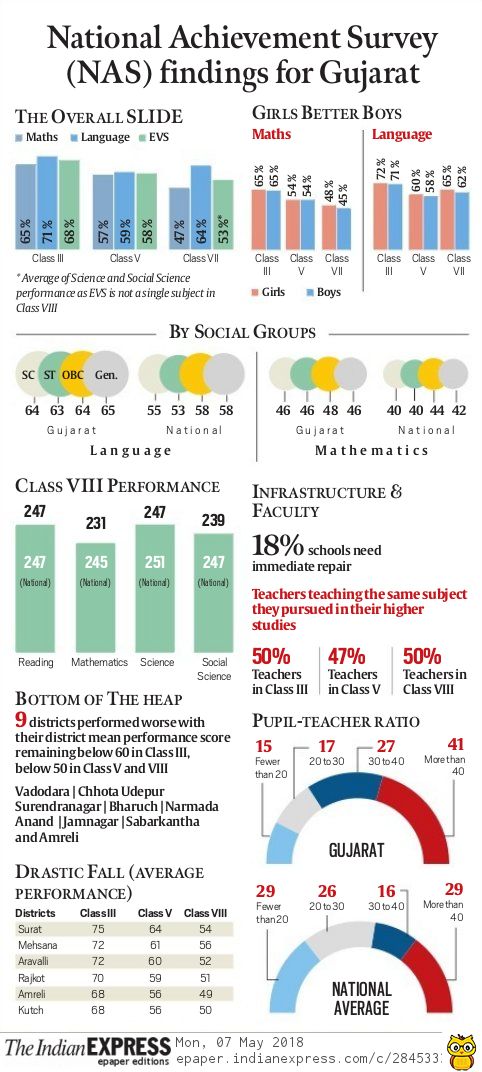
Faring even low in social science, only 27 per cent Class VIII students were able to describe the functioning of rural and urban local government bodies and 91 per cent failed to justify judicious use of natural resources. However, when it came to issues related to caste, women, social reforms, 63 per cent students could analyse them. At the same time more than half of the Class VIII students failed to apply knowledge of Fundamental Rights to find about their violation in a given situation.

The good news from the survey was the performance of girls performing marginally better than boys. However, when it comes to gender enrolment ratio — percentage of eligible girl population (in the age group of 18 to 23 years) pursuing higher education — Gujarat is in the bottom heap of eight states with poor GER ratio. [See What after school?]

NAS vis-à-vis Gunotsav

While the state government claims of improving the quality of school education through its own Gunotsav surveys, lakhs of students failed to write simple sentences in their mother tongue, Gujarati. As reported by The Indian Express earlier, the Gunotsav VI results revealed that despite attempts being made to improve performance of the students, the state’s average could reach only 53.4 per cent — same as the last Gunotsav V.

Even as the state government claims that in the last seven years, schools under Grade A category has increased from 5 to 2,100, the NAS findings show a geographically skewed performance of schools.

For Class VIII, four districts scored a mean average of below 50 in the NAS. While Bharuch scored 44, two districts from Saurashtra — Amreli and Jamnagar — scored 29 and 48, respectively. The tribal districts of Sabarkantha and Narmada scored 48 and 46, respectively.

In Bharuch, the district with lowest performance learning outcomes, only 25.41 per cent students could solve problems related to daily life situations involving rational numbers, 26.13 per cent could calculate surface area and volume of a cuboidal and cylindrical object, 27.10 per cent could generalise properties of addition, subtraction, multiplication and division of rational numbers through patterns and 30.48 per cent could solve problems related to conversion of percentage to fraction and decimal and vice versa.

However, if the performance of Class III, V and VIII are taken together, then nine of the total 33 districts make it to the bottom of the heap. They are Vadodara, Chhota Udepur, Surendranagar, Bharuch, Narmada, Anand, Jamnagar, Sabarkantha and Amreli. (See box)

For the government, the solace from the NAS findings is that the government schools have performed marginally better than grant-in-aid schools across the three subjects as well as classes. For instance, in Class III, the learning level of students in government schools in environment science is 68, compared to 63 of grant-in-aid schools, 72 against 69 in language and 65 against 61 in mathematics. In Class V, the performance gap in science was 10 per cent, maths 12 per cent and language 7 per cent with government school students faring better than grant-in aid schools. Similarly, in Class VIII, the highest gap is in social science where 54 per cent students of government schools could perform exercises compared to 46 per cent students of in grant-in-aid schools.

These numbers may be comforting for the government, but the NAS surveys and the government’s own reports point to poor school infrastructure and need for better quality teachers.

According to the government’s own data, a large number of posts of teachers and principals are lying vacant in government schools. In the residential schools in the tribal districts, the figure is staggering — over one-third teachers’ posts are lying vacant.

The state government runs several categories of residential schools — Eklavya Girls Residential schools, Adarsh Nivasi Shala, Model schools and Ashram Shalas in the 14 tribal districts of the state. But poor facilities in such affect the education. For instance, the government has spent over Rs 6.5 lakh to improve English among the students in one tribal district of Dang. But the same district has the highest percentage of vacant posts (47.3 per cent) among the seven tribals districts, according to the government’s reply in the last Assembly session.

The NAS too has found poor pupil-teacher ratio in the state. According to it, 41 per cent of schools in Gujarat has pupil-teacher ratio of above 40. Nationally, the percentage of such schools is only 29 per cent. Similarly, while the healthy pupil-teacher ratio of fewer than 20 is found in 29 per cent of schools annually, it is only 15 per cent in Gujarat.

The survey also found that 47 per cent of the 2,630 teachers taught students of Class V the same subject they pursued during their higher studies. It also found that 18 per cent of school buildings were in need of urgent repair.

Fee regulation quagmire

In all these years, the crumbling school infrastructure and the declining standard of education in government and government-aided schools have led to a boom in the number of private schools in the state. Though the number of government schools stands at 44,000, the state currently has over 16,000 private schools — 9,300 primary, 3,800 secondary and 3,100 higher secondary schools.

The increase in demand of private schools also led to a surge in the fees. With parents finding it difficult to pay high fees, the government last year passed a law to regulate the school fees. The Gujarat Self Financed Schools (Regulation of Fees) Act is aimed at fixing the annual fees at Rs 15,000 for primary eduction, Rs 25,000 for secondary and higher secondary (non-Science). However, the law has not been implemented till now in full due to numerous litigations and political slugfest over it.

“Trying to have some control over private schools in a way is good, but its political misuse made schools and education sector lose its dignity,” Gujarat Self Financed School Management Federation general secretary Bharat Gajipara.

The federation claims that the schools are ready to fix the fee at Rs 15,000 for the primary classes, but the state government should also lay down specific guidelines. “For instance, there needs to be guidelines on how much fans a classroom should have; how many children should be in a class; how many teachers among other things. We are ready not to collect extra fees, the government can keep that but give our teachers salaries and the expenses incurred by the school,” Gajipara says.

Even the parents are not happy with the turn of the events. “We have lost faith on all fronts in the last one year. More than any good, the fee regulation Act has harmed everybody,” says Amit Panchal, one of the parents spearheading the protests for over an year now. “The stricter implementation of the Act could be one measure to safeguard affordable quality education but for a long-term solution, the state government needs to improve its government as well as grant-in-aid schools. To counter the burgeoning fee demand of private schools, there is a necessity to raise an alternate affordable education system, which in this case are government and grant-in-aid schools,” says Sukhdev Patel, founder of Waali Swaraj Manch, a parents’ outfit.

Govt’s defence

The state government, however, blames the “falling standards of primary education” on the landmark Right to Education Act and its no detention policy. The law which was enacted by the previous UPA government at the Centre has been consistently opposed by BJP-led government in the state, demanding the rules to be revoked for the last two years.

“In the NCERT meeting with the Human Resource Development Minister Prakash Javadekar, I had categorically stated that until the Right to Education Act’s provision for no holding back a student till Class VIII is done away with, the quality of primary education will deteriorate,” says Education Minister Bhupendrasinh Chudasama said.

But the government’s own measures to improve quality of education by introducing NCERT books has led to criticism. Some of the government’s policies like making Gujarati compulsory till Class VIII in all boards in a phased manner has led to a resentment among schools as well as parents. “The new lot of vidyasahayaks (primary teachers) is very talented and intelligent. I am sure with the energy and dedication, the government school students will be at par with any good private school,” Chudasama promises.
http://indianexpress.com/article/education/hardlook-state-of-education-in-gujarat-part-ii-5166122/
Comparte este contenido:

Syrian children’s enrollment in secondary education still low: Expert

Syria/ May 08, 2018/ By: Sevil Erkuş – ANKARA/Source: http://www.hurriyetdailynews.com

Turkey continues to host the largest number of school-aged refugee children and youth, which increased to 976,200 in 2017 from 833,039 in 2016, with efforts provided increasing enrollment in primary schools, yet access to secondary education is still low, an expert said.

With the National Education Ministry’s progressive inclusion of Syrian children and youth in the national system, there are more school-age Syrian children enrolled in Turkish public schools (373,381) for the first time than in temporary education centers (237,234) in 2017, Research Centre on Asylum and Migration (İGAM) president Metin Çorabatır told Hürriyet Daily News.

Due to great efforts of host countries and the international community, the enrollment rates for refugee children in primary schools are increasing.

However, when it comes to access to education, a vulnerable group is youth and more than 76 percent of Syrian youth outside of Syria live in Lebanon and Turkey, he said.

“Overall, regional enrollment rates in secondary education are low: 24 percent in Jordan, 6 percent in Lebanon and 2 percent in Turkey. The regional average of refugee enrollment in secondary education is 17 percent, lower than the global average of 23 percent,” Çorabatır said.

The Turkish Education Ministry has recruited 5,600 Turkish language teachers to help Syrian students to improve their Turkish language proficiency. In addition, new and age-appropriate language teaching modules are under development.

A comprehensive psychological support program in schools is being developed and 500 school counselors were recruited to provide psychosocial support to Syrian children and youth.

Despite these great efforts by the government, various factors contribute to the low rates of access to secondary education, according to the İGAM president.

“Refugee youth often work, take care of their younger siblings or perform other household duties. This is both a complicating factor in reaching them to participate in education programs and a reason many are currently unable to, as most education programs are scheduled during working hours and require intense participation,” he said.

Çorabatır has been announced last week as a Gulmakai Champion of the Malala Fund. The Malala Fund is the official organization led by Pakistani Malala Yousafzai and is focused on helping girls go to school and raise their voices for the right to education

With this new title, İGAM will focus on Syrian refugee women’s education in Turkey and to assist in efforts for their education.

“The Malala Fund believes—and we as İGAM share that same belief—that every person can make an impact on our world. We are seeking accountability from politicians and finding ways to improve refugee girls’ access to education in Turkey,” he said.

Source:

http://www.hurriyetdailynews.com/syrian-childrens-enrollment-in-secondary-education-still-low-expert-131437

Comparte este contenido:

India: Centre shifts focus to liberalization of higher education

India/May 08, 2018/By: Prashant K. Nanda/Source: https://www.livemint.com

Over the past few months, the Indian higher education sector has been witnessing a gradual transformation.

The long promised new education policy is still in the pipeline, but the Union government seems to have taken up a new task — liberalization of higher education.

Over the past few months, the Indian higher education sector has been witnessing a gradual transformation from a restrictive regime to a liberalized one in all three key aspects: finance, academic and administrative.

“Higher education liberalization is a requirement and the government is taking steps to achieve it. You will see key regulatory bodies like the University Grants Commission and All India Council for Technical Education (AICTE) getting reformed for better management of higher education,” said a top official of the human resource development ministry.

“From legislative measures to executive orders, the ministry is now busy reducing the restrictive regime in the sector. In the next six months, you will see some more initiatives,” he said.

What he was referring to is a series of initiatives the ministry has already initiated over the past few months. It enacted the IIM Act, allowing Indian Institutes of Management (IIMs) to become virtually free of government control. It has brought in a set of guidelines for autonomous colleges allowing them freedom to prescribe courses, become more industry linked and start self-financing courses to become financially sustainable. Besides, it has put in place a non-banking financial corporation to aid infra growth of educational institutions on a borrow and pay concept — a move that will reduce the financial burden on the government and make institutions accountable for their own infra and research growth.

In March, the Union government for the first time provided graded autonomy to 62 universities and colleges both in private and public space to operate with relatively less interference from the education regulators.

HRD minister Prakash Javadekar called this a “liberalized regulatory regime” and said on the sidelines of an event recently that the Indian higher education sector often complains about restrictive rules but now the government is making a conscious effort to liberalize it.

“Of late, there seems to an intention of liberalizing the sector. Autonomy and liberalization are a necessity for the higher education section to thrive. The moment you allow freedom and competition, the best will survive and others will strive to improve quality as it will be a requirement for survival,” said Harivansh Chaturvedi, director of the Birla Institute of Management and Technology in Greater Noida.

Chaturvedi, who is also the alternate president of the Education Promotion Society for India, a confederation of private education providers, said technical education colleges under AICTE should also be granted autonomy based on their rankings and accreditation scores.

While some of the recent moves are important, a new education policy is almost paramount and the government should bring that in to give direction to the education sector, Chaturvedi said. A new education policy is being deliberated for last four years.

Of all the steps the government has taken, the establishment of a higher education financing agency and its expansion in the past couple of months is perhaps the most under-rated but far reaching, said the official cited above. The government has already sanctioned loans worth over Rs2,500 crore to nearly a dozen top schools.

“While individual sub-sectoral moves like autonomy for IIMs, graded autonomy for a group of colleges and universities have their merits, the financing agency will perhaps reduce government spending by Rs10,000 crore per year, and push top higher educational institutions to become more accountable and finically prudent. That’s a bigger change from the way public funded institutions function — you get autonomy, you decide your growth path and you raise money and pay back from your own resources. That’s a bigger liberalization move,” said the official.

Source:

https://www.livemint.com/Politics/mx1YXvM5lCt26WaaHz91HO/Centre-shifts-focus-to-liberalization-of-higher-education.html

Comparte este contenido:

یو پی : پرائیویٹ اسکول ’تعلیم کا حق‘ قانون کی کر رہے ہیں خلاف ورزی: بھارت

بھارت / مئی 6، 2018 / مصنف: سندیپ پانڈے

تعلیم کا حق ایکٹ کے تحت غریب اور کمزور طبقہ کے بچوں کو داخلہ نہیں دینے والے اسکولوں کی ہمت اتنی بڑھ گئی ہے کہ انھوں نے اپنی تنظیم بنا کر سپریم کورٹ میں اس قانون کو چیلنج پیش کر دیا ہے۔

اتر پردیش میں تعلیم کا حق ایکٹ 2009 نافذ ہوئے تقریباً چار سال ہو گئے ہیں۔ اس ایکٹ کے تحت غیر امداد یافتہ یا پرائیویٹ اسکولوں میں درجہ 1 سے 8 تک میں غریب اور کمزور طبقہ کے کم از کم 25 فیصد بچوں کو مفت داخلہ کا انتظام ہے۔ اس انتظام کے تحت پورے اتر پردیش میں سال 16-2015 میں 3135، سال 17-2016 میں 17136 او رسال 18-2017 میں 27662 داخلے ہوئے۔ لیکن بیسک ایجوکیشنل افسر یا ضلع مجسٹریٹ کے احکام کے باوجود لکھنؤ کے سٹی مانٹیسری اسکول، نویُگ ریڈینس، سٹی انٹرنیشنل، سینٹ میری انٹرمیڈیٹ کالج، لکھنؤ ماڈل پبلک اسکول، کانپور کےو یریندر سوروپ و چنٹل پبلک اسکول اور علی گڑھ کے بلو برڈ اسکول اور نہرو چلڈرنس جونیر ہائی اسکول جیسے ریاست کے کئی بڑے اسکول کمزور طبقہ کے ایک بھی بچے کا داخلہ نہیں لے رہے ہیں۔

حق تعلیم ایکٹ کی خلاف ورزی کرنے والے ایسے اسکولوں کے خلاف کوئی کارروائی نہیں ہونے کے سبب ان کی ہمت اتنی بڑھ گئی ہے کہ انھوں نے اپنی تنظیم بنا کر سپریم کورٹ میں اس قانون کو ہی چیلنج کر دیا ہے۔ تنظیم نے دہلی کے رام لیلا میدان میں ایک ریلی منعقد کر کے قانون کو خارج کرنے کا مطالبہ کیا ہے۔ ان کی دلیل ہے کہ حکومت کے ذریعہ اتر پردیش میں دی جانے والی 450 روپے فی ماہ کی فیس بہت کم ہے اور اسے طے کرنے کی کوئی مدلل بنیاد نہیں ہے۔ لیکن مجموعی طور پر سچائی یہ ہے کہ پرائیویٹ اسکولوں کو یہ بات بالکل برداشت نہیں ہے کہ ان کے ذریعہ تاناشاہی طریقے سے چلائے جا رہے اسکولوں میں تعلیم کے حق قانون کے ذریعہ کسی قسم کی سرکاری مداخلت ہو۔

پرائیویٹ اسکول اخلاقی طور پر بے حد کمزور بنیاد پر کھڑے ہیں۔ ان کے ذریعے لی جانے والی فیس کا کوئی مدلل بنیاد نہیں ہے۔ منمانی فیس کے علاوہ وہ مختلف طریقوں سے دوسری کمائی بھی کرتے ہیں، مثلاً کاپی-کتاب اور ڈریس کی خرید کے لیے اپنی دکانیں طے کرنا۔

حق تعلیم قانون کے تحت آن لائن درخواست کے انتظام کا یہ دوسرا سال ہے۔ لیکن اب تک 82388 میں سے صرف 20427 اسکولوں کو ہی ویب سائٹ پر دکھایا گیا ہے کیونکہ بقیہ اسکولوں کی اس میں شمولیت کا عمل ابھی تک پورا نہیں ہوا ہے۔ ایسے میں جو سرپرست اپنے بچوں کا اس قانون کے تحت داخلہ کرانا چاہتے ہیں انھیں 75 فیصد اسکول تو دستیاب ہی نہیں ہیں۔

لکھنؤ میں آر ڈی میموریل انٹرمیڈیٹ کالج اور سدھارتھ گلوبل اسکول جیسے اسکول، جن کے یہاں گزشتہ سال مفت تعلیم کے انتظام کے تحت داخلے ہوئے تھے، اس بار ان کے نام ویب سائٹ سے غائب ہیں۔ وارانسی کے سب سے بڑے اسکول ’سن بیم‘ کا نام بھی غائب ہے۔ وارانسی کے کچھ وارڈوں کے نام ہی ویب سائٹ پر نہیں ہیں۔ یعنی ان وارڈوں میں رہنے والے سرپرستوں کے بچے تعلیم کا حق ایکٹ کی دفعہ (ج) (1)12 کا فائدہ اٹھانے سے محروم ہو گئے ہیں، کیونکہ بچے کا داخلہ پڑوس کے ہی کسی اسکول میں کرایا جا سکتا ہے اور اس سال اتر پردیش حکومت نے پڑوس کو وارڈ کی شکل میں ہی متعارف کیا ہے۔ پہلے مرحلہ کی لاٹری میں ریاست کے 75 میں سے صرف 48 اضلاع نے ہی ان بچوں کی فہرست نکالی جو اس قانون کے تحت داخلے کے لیے منتخب کیے گئے تھے۔ وارانسی میں پہلے مرحلہ میں 2597 درخواستوں کو جانچ نہ ہونے کے سبب چھوڑ دیا گیا۔ یہ واضح کرتا ہے کہ حکومت بغیر پوری تیاری کے آن لائن داخلے کے لیے فارم بھروا رہی ہے۔ ایسے میں حکومت کے ذریعہ قوت ارادی کی عدم موجودگی میں صرف خانہ پری کرنے کا کیا مطلب ہے؟

جن اسکولوں کو نشان زد کیا گیا ہے وہ بھی ٹھیک سے نہیں ہوا۔ لکھنؤ کے راجہ بازار چوک کی باشندہ روبی بانو نے جب اپنے بیٹے سید التمش علی کا آن لائن فارم بھرا تو انھیں فاطمہ گرلس جونیر ہائی اسکول الاٹ ہوا جو ویب سائٹ پر تو ان کے وارڈ میں دکھایا جا رہا ہے لیکن اصل میں مہانگر وارڈ میں ہے جو ان کے پڑوس میں نہیں ہے، اور یہ ایکٹ کے مطابق لازمی ہے۔ ان کے لیے یہ ممکن نہیں کہ ایک دوسرا بچہ گود میں ہوتے ہوئے وہ پہلے بچے کو اتنی دور پڑھنے بھیجیں۔

داخلے کے لیے بیسک ایجوکیشن افسر کے دفتر کے ذریعہ جو لاٹری نکالی جا رہی ہے اس پر بھی سوال کھڑے ہوتے ہیں۔ جب ایکٹ کے مطابق کم از کم 25 فیصد بچوں کے داخلے کی بات ہے اور حکومت جب فیس کی ادائیگی کر رہی ہے تو اسکولوں کو 25 فیصد سے زیادہ بچوں کا بھی داخلہ لینا چاہیے۔ اگر اسکول میں کل بچوں کی متعینہ تعداد سے زیادہ درخواستیں آ جاتی ہیں تو پڑوس کے سب سے نزدیکی اسکول میں داخلہ ہونا چاہیے۔ لیکن اتنے زیادہ داخلے ابھی تک کسی اسکول میں نہیں ہوئے ہیں۔

گزشتہ سالوں میں جن بچوں کا داخلہ حق تعلیم ایکٹ کی دفعہ (ج) (1) 12 کے تحت ہو گیا تھا، ان کے لیے بھی راہ آسان نہیں ہے۔ اَنش کمار کا داخلہ لکھنؤ کے یونیورسل مانٹیسری اسکول اور گرلس انٹر کالج میں دو سال پہلے ہوا تھا۔ گزشتہ سال نرسری درجہ میں اس کے 31.93 فیصد نمبر آئے، لیکن اسے پرموشن دے دیا گیا۔ اس سال کنڈرگارٹن میں اس کے 17.77 فیصد نمبر آئے اور اسے ناکام قرار دے کر اسکول سے نکال دیا گیا ہے۔ جب کہ ایکٹ کی دفعہ 16 کے تحت بچے کو کسی کلاس میں روکا نہیں جا سکتا اور نہ ہی نکالا جا سکتا ہے۔ 18-2017 میں تین بار اس کے والدین سے 350-250 روپے امتحان فیس کے نام پر لے لیے گئے جب کہ ایکٹ کا پورا نام مفت اور لازمی تعلیم کا حق قانون ہے۔

اتنا ہی نہیں، ایک دن اَنش کو اس کے ایک ٹیچر نے کلاس میں تھپڑ مارا جب کہ قانون کی دفعہ 17 کے تحت بچے کو کسی بھی قسم کی جسمانی سزا نہیں دی جا سکتی۔ حد تو اس دن ہو گئی جب اَنش نے کلاس میں ٹوائلٹ کردیا اور اس کی ماں جمنا دیوی نشاد کو گھر سے بلا کر اس کا ٹوائلٹ صاف کرایا گیا۔ سوال یہ اٹھتا ہے کہ اگر فیس دے کر پڑھنے والے کسی بچے نے ٹوائلٹ کیا ہوتا تو کیا اس کے گھر سے بھی اس کی ماں کو صفائی کرنے کے لیے بلایا جاتا؟ ظاہر ہے کہ نشاد فیملی کی غریبی کے سبب اس کے ساتھ تفریق کی گئی اور اسے سب کے سامنے بے عزتی برداشت کرنی پڑی جب کہ حق تعلیم قانون کی دفعہ 17 کے تحت بچے کو ذہنی تکلیف نہیں دی جا سکتی۔

لکھنؤ کا ایک اسکول ’بلومنگ فلاور جونیر ہائی اسکول‘ بھی گزشتہ تعلیمی سیشن کا ریزلٹ دینے کے لیے فی طلبا 200 روپے طلب کر رہا ہے۔ گزشتہ سال تعلیم کے حق قانون کی دفعہ (ج) (1) 12 کے تحت اس اسکول میں محمد عاشق کی لڑکی مسکان اور لڑکے ریحان کا داخلہ درجہ کے جی اور 1 میں ہوا تھا۔ اسکول کے باہر سرپرستوں کا ایک دن مظاہرہ ہو جانے کے بعد اب اسکول پیسے تو نہیں مانگ رہا، لیکن ریزلٹ بھی نہیں دے رہا ہے۔

حالانکہ والمیکی برادری کے تین طلبا سنجے، منیش اور کمل کا داخلہ دفعہ (ج) (1) 12 کے تحت سیٹھ ایم آر جے پوریا اسکول میں تو نہیں ہوا، لیکن اسی گروپ کے اسکول ’نَو سریجن‘ میں سات سال کی پڑھائی کے بعد ان کو کم حاضری اور کم نمبر حاصل کرنے کے سبب نکالنے کی کوشش ہوئی اور یہ صلاح دی گئی کہ وہ کسی ہندی میڈیم اسکول میں نام لکھوا لیں جو طلبا کو ایکٹ کی دفعہ 16 کے تحت حاصل حق کی خلاف ورزی تھی۔ بات چیت کے بعد اسکول نے فی الحال تینوں بچوں کو واپس لے لیا ہے۔ کئی سرپرست اپنے بچوں کو انگریزی میڈیم سے ہی پڑھانا چاہتے ہیں۔ اتر پردیش کی بی جے پی حکومت جو ظاہری طور پر تو سنسکرت پریمی ہے، نے ابھی 5000 انگریزی میڈیم اسکول چلانے کا فیصلہ لیا ہے۔

لکھنؤ کے ہی لارڈ مہر اسکول میں گزشتہ سال شیوانشو اور شوبھم شرما کا داخلہ اس قانون کی دفعہ (ج) (1) 12 کے تحت لیا گیا تھا لیکن اس سال انھیں اسکول سے نکال دیا گیا جو قانون کی دفعہ 16 کی خلاف ورزی ہے۔ حالانکہ اخباروں میں اس خبر کے شائع ہونے کے بعد فی الحال اسکول نے بچوں کو واپس لے لیا ہے۔

تعلیم کا حق قانون کی دفعہ (ج) (1) 12 کے تحت داخلے کے حکم کے باوجود داخلے نہیں ہو پا رہے ہیں اور ایگزیکٹیو و جوڈیشیری کچھ نہیں کر پا رہی ہے۔ افسران کہتے ہیں کہ اس ایکٹ میں سزا کا انتظام نہیں ہے اس لیے وہ مجبور ہیں۔ اسکولوں کے منمانے و تاناشاہی سلوک اور نظام کی فعالیت میں کمی کے سبب یہ قانون لاوارث ہو گیا ہے جسے کوئی اختیار کرنے کے لیے تیار نہیں ہے۔

نیوز کے ذریعہ:
https://www.qaumiawaz.com/political/right-to-education-act-the-reality-of-free-education-for-poor-children-private-schools-in-uttar-pradesh-violating-the-norms
Comparte este contenido:

नेपाल: तुलसीपुर उपमहानगरको शिक्षा शाखामा तालाबन्दी

नेपाल / 6 मई, 2018 / लेखक: जन समाचार / स्रोत: जनता टेलीभिजन

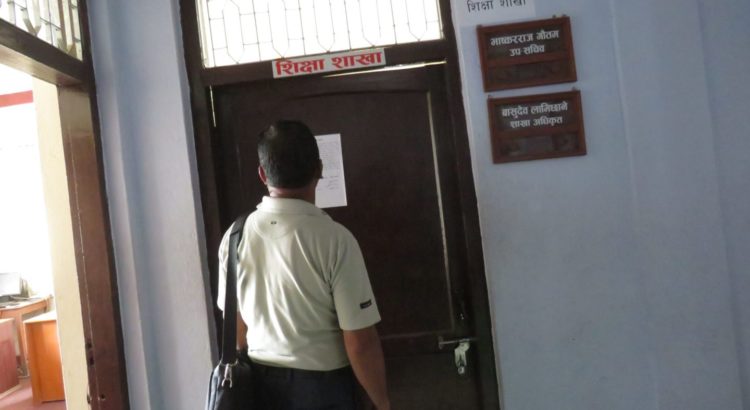
दाङ । प्रमुख तीन बिद्यार्थी संगठनले तुलसीपुर उपमहानगरपालिकाको शिक्षा शाखामा तालाबन्दी गरेका छन् ।

उपमहानगर क्षेत्रभित्रका निजी तथा सरकारी विद्यालयले अभिभावकको ढाड सेक्नेगरी शिक्षण शुल्क असुल्दा शिक्षा शाखा मौन भएको भन्दै अनेरास्ववियु, अखिल क्रान्तिकारी र नेपाल विद्यार्थी संघका नेताहरुले संयुक्तरुपमा तालाबन्दी गरेका हुन् ।

विद्यालयहरुले मनोमानी तरिकाले गरेको शिक्षण शुल्क वृद्धी रोक्न पटकपटक ध्यानाकर्षण गराएपनि शिक्षा शाखाले वेवास्ता गरेपछि अनिश्चितकालीन तालाबन्दी गरिएको बिद्यार्थी नेताहरुले बताएका छन् ।

विद्यार्थी संगठनले तालाबन्दी गरेपछि तुलसीपुर उपमहानगरपालिकाको शिक्षा शाखाका सम्पूर्ण कामकाज ठप्प भएका छन् ।

समाचार स्रोत:

http://www.janatasamachar.com/2018/05/31991

Comparte este contenido:

ભારત: શિક્ષણ વિભાગનો સપાટો, શાળાઓને ઓડીટ કરવાનું ફરમાન

ભારત / 6 મે, 2018 / લેખક: સંપાદકીય સ્ટાફ / સોર્સ: વીએટીવી ન્યૂઝ

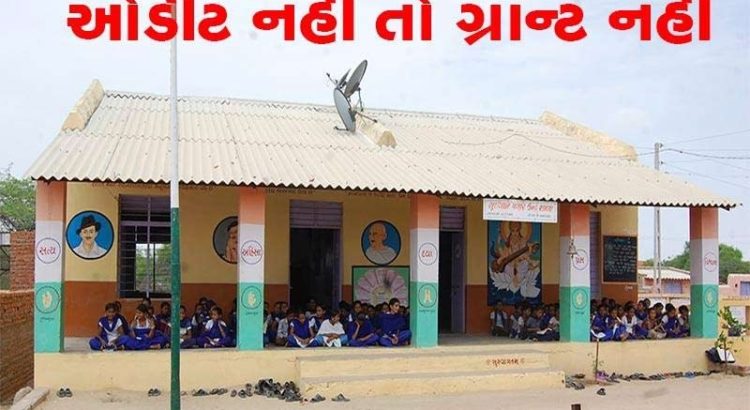
ગાંધીનગરઃ ખાતાકીય હિસાબોમાં ધાંધીયા કરતી અમદાવાદની શાળાઓ સામે શિક્ષણ વિભાગે લાલ આંખ કરી છે. અમદાવાદ શહેરની 104 શાળાઓનું વર્ષ 20014-15થી ખાતાકીય ઓડીટ બાકી છે જેને લઈને આગામી 11 દિવસમાં ઓડીટ કરવાના આદેશ આપવામાં આવ્યાં છે.

શિક્ષણ વિભાગના આદેશ બાદ DEOએ પરિપત્ર જાહેર કરીને આદેશ કર્યો છે કે, જે શાળાએ ખાતાકીય ઓડીટ નથી કર્યું તે 11 મેં પહેલા આડીટ કરાવે નહીતર ગ્રાન્ટ અટકાવવામાં આવશે. મહત્વનું છે કે, શહેરની કેટલીક શાળાઓએ વર્ષ 2014 પહેલાથી ઓડીટ કર્યા નથી.

મહત્વની વાત છે કે અમદાવાદની શાળાઓનાં ખાતાકીય હિસાબોમાં ધાંધીયા જોવાં મળ્યાં છે. ત્યારે શહેરની 104 શાળાઓના 2014-15થી ખાતાકીય ઓડિટ બાકી છે.
જેને લઇને શાળાઓનાં હિસાબી ઓડિટને લઈને તંત્રએ કાર્યવાહી શરૂ કરી છે.

શાળાઓને 11 દિવસમાં ઓડિટ કરવાનાં આદેશ આપ્યાં છે. કેટલીક શાળાઓએ 2014 અગાઉથી એક પણ હિસાબીય ઓડિટ નથી કર્યા. દરેક શાળાને નિશ્ચિત તારીખે ઓડિટ કરાવવા આદેશ અપાયાં છે. 1 મેંથી 11 મે સુધી ઓડિટ કામગીરી પૂરી કરવાનાં આદેશ આપ્યાં છે.

ઓડિટ ન કરે તેવી શાળાઓને ગ્રાન્ટ ન આપવા સુચનો આપવામાં આવ્યાં છે. ખાતાકીય ઓડિટ માટે વડી કચેરી દ્વારા કાર્યક્રમનું આયોજન કરવામાં આવશે. રાયખડ ગર્લ્સ સ્કૂલ ખાતે અધિકારીઓની હાજરીમાં કામગીરી થશે.

સેન્ટ ઝેવિયર્સ લોયલા, GLS કેમ્પસની N.R હાઈસ્કૂલ, લીટલ ફ્લાવર, ગૂજરાત વિદ્યાપીઠનાં વિનયમંદિરનું ઓડીટ બાકી છે. જેથી શિક્ષણ વિભાગ દ્વારા શાળાઓને ઓડિટ માટે હવે છેલ્લી તક આપવામાં આવી છે.

સમાચારોનો સ્રોત:

https://www.vtvgujarati.com/news-details/education-department-s-mandate-to-audit-schools

Comparte este contenido:

Los niños de Siria

Por: Leoncio Durán Garibay

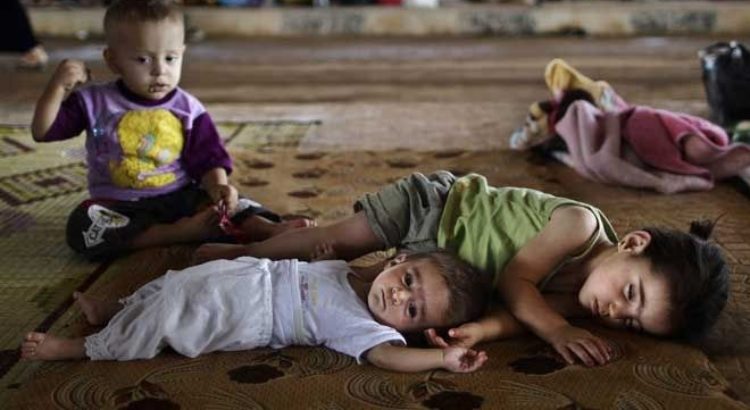
“Los árboles y pájaros más bonitos que yo jamás haya visto, estaban cerca de mi casa. Hoy los árboles están quemados y los pájaros hambrientos, porque no hay nadie que los alimente.”  Con esta frase en forma de metáfora, uno de los 2.5 millones de niños sirios, que han huido de su país y que hoy viven en calidad de refugiados, intenta explicar lo que ahí sucede y en su desafortunada realidad. Además otros 6 millones  de niños viven en calidad de refugiados dentro de su mismo país, obligados a huir de su hogar, de su ciudad. El 85% de esos niños  están en condiciones de extrema  pobreza.

La desnutrición es un cáncer que afecta a muchos de estos niños, la situación es apremiante, miles de ellos podrían morir de hambre, porque en el mejor de los casos, un pan y un vaso de agua no son suficiente para mantenerlos sanos y con vida. Los extremos son por demás conmovedores, cundo una madre de familia se ve obligada a hervir agua, para engañar a sus hijos, haciéndoles pensar que ya pronto tendrán alimento y así con éste engaño, se queden dormidos y no sigan pidiendo comida.

   Pero la muerte es una fiera salvaje que acecha en todos los rincones del país, no sólo por desnutrición mueren los niños, también por las balas y  bombas que no respetan; ni escuelas, ni hospitales, menos hogares o refugios. Según datos de la UNICEF, tan sólo en los meses de enero y febrero del presente año, han muerto en Siria más de 1,000 niños, lo que representa que cada hora y media  muere un niño, ¡escalofriante verdad!  Las imágenes son por demás dramáticas, cuando un padre intenta salvar la vida de su hijo que está bañado en sangre, corre con él en sus brazos,  para  llegar a un hospital que quizá ya no exista. Otra imagen es la de esos niños con síntomas de asfixia,  víctimas de un atentado con bombas químicas.

   El derecho a vivir  una infancia feliz, es un anhelo difícil de alcanzar para estos niños; la educación se ha convertido en lujo, no hay escuelas,   son obligados a  trabajar para ayudar o para mantener la familia. La salud es un derecho que no existe, no hay medicamentos, tampoco hospitales.  Con frecuencia son violentados sexualmente, reclutados y obligados a formar parte del ejército o de los grupos terroristas, y qué decir de aquellos niños que han quedado mutilados de su cuerpo y mutilados en sus sueños.

Por ello, me permito escribir algunas frases, tomadas de niños que han sido entrevistados, en diversos reportajes, trasmitidos en varios  medios de comunicación del mundo, y que  pueden considerarse como una petición de esos niños, que hoy no tienen nada que festejar, pero sí mucho que anhelar, mucho que preguntar y quizá mucho que reclamar.

–Es como un mal sueño, no puedo creer lo que está pasando.

–Yo sólo quiero volver a mi país y a mi escuela, con mis amigos.

–Sólo pido que la guerra termine, ¿dónde está la ayuda de los demás países?

–Somos niños de Siria, miren lo que nos está pasando, estamos siendo masacrados, mutilados, desahuciados y el miedo nos domina.

–¡¿Qué hemos hecho para que nos asesinen?

–Ustedes sólo detengan la guerra y nosotros no vendremos más a sus países, sólo detengan la guerra, ¡sólo eso!

–Un misil cayó justo en mi casa, mis abuelos murieron y 40 niños más, sacaron a mi abuela en 4 trozos.

–Sólo quiero entender una cosa, ¿por qué nos están bombardeando? Por qué ellos pueden, ¿sólo por eso?

–Me han dejado sin pierna y sin brazo, nos han matado, ¿Quién les dio permiso para eso?

— “Por favor ayuden a los sirios”.

–¡Hola Sr. Trump!, ¿alguna vez ha estado sin comer y sin beber, durante 24 horas? Piense en los refugiados y en los niños de Siria.

–Le digo al presidente Bashar que nos ha matado, que puede matarnos de hambre, puede matarnos de sed, puede encarcelarnos, puede torturarnos, puede dejarnos huérfanos,  pero no va a poder cambiar lo que sentimos en nuestros corazones.

–Y estos países que apoyan y mandan armas, ¿Qué piensan?, ¿Qué os pasa? ¡Nos están matando!

–Los sueños de nuestra infancia permanecen  en nuestro interior y aún no han crecido, los han mutilado también, ¿con qué derecho?

Fuente: https://www.elsoldeparral.com.mx/columna/los-ninos-de-siria

Comparte este contenido:
Page 286 of 772
1 284 285 286 287 288 772