The Coquille Indian Tribe has a long cultural history, broken apart by the loss and restoration of their «Tribe» designation.
The tribe has not always been given the chance to teach their history to the younger generation.
Newly passed legislation, Senate Bill 13, puts into law the process to make sure the next generation knows and celebrates their culture.
The Oregon Department of Education will draft a mandated statewide curriculum for the 2019-2020 school year. and the nine tribes of Oregon can submit their own lesson plans specific to their history.
«What an Indian is and what they look like is the story of their tribe,» said Bridgett Wheeler, the tribes’s culture, education and library director. «One of the things I’ve struggled to convince my children is that they are, in fact, legit Indians of the Coquille Indian tribe.»
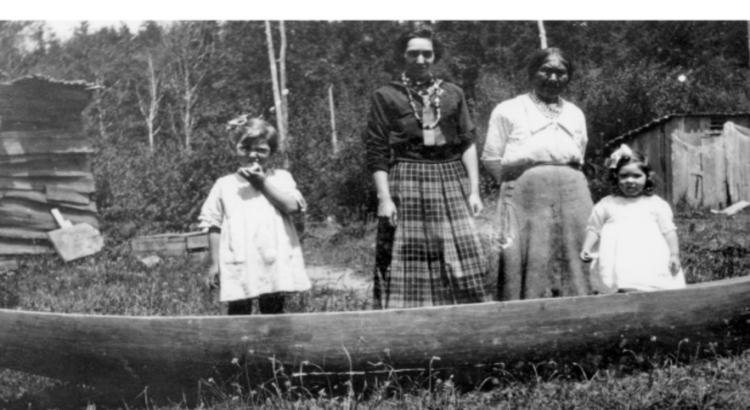
According to the tribe, after miners arrived and the government pushed the indigenous people from their lands in the 1850s, few Coquille women with white husbands were allowed to stay.
Many married white people, and these mixed-race families now make up the Coquille Tribe.
Kristina Simpson, Head Start director, said educating the younger generation is important to her as a mom and a tribal spouse.
They are currently accepting bids for proposed lesson plans that are in line with state and federal standards
«Our expectation is we lay out what we would like people to provide us,» Wheeler said, «their expertise, examples of lesson plans, basically, what their plan and price would be for them to provide this product.»
Source of the notice: https://kcby.com/news/local/coquille-tribe-moving-forward-with-indian-education-curriculum-celebrating-culture
In this first part of a two-part report, Afeez Hanafi writes about how dearth of learning facilities compounds the plight of visually impaired persons in schools across Nigeria
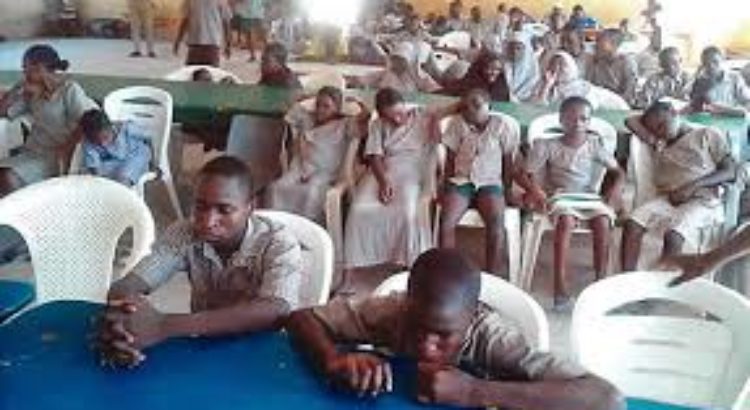
With exercise books, a pen and few other materials, Kehinde Lawrence is good to make the best out of every lesson. A Junior Secondary School 3 pupil at Owo High School, Ondo State, she reads her numerous textbooks in school and at home without let or hindrance.
But such ease is a mirage for her visually impaired classmate, Godfrey Ekevre. Aside from a snippet that he takes out of every class, the 25-year-old needs more several hours – or days – to write the same note Lawrence will have completed the moment a class ends.
The Delta-born pupil has been going through the strenuous routine since 2005 when he lost his sight to glaucoma. Before then, he had enjoyed stress-free learning as Lawrence up till Primary 6.
His 13 years of academic life without sight has been both harrowing and depressing; no thanks to the dearth of facilities in the school to aid his learning.
Devices such as braille hand frame and stylus, slate and stylus, Perkins Brailler, SMART Brailler, braille embosser/braille printer and braille notetaker are writing and reading tools for visually impaired persons with the last three devices considered up-to-date but expensive for the special pupils, many of whom are from poor families, to afford.
Perkins Brailler and SMART Brailler are typewriter-like machines for producing braille texts. While the former is old-fashioned, the latter is a modern tool that displays, vocalises and produces information typed in braille.
Similarly, Job Access With Speech, a computer screen reader programme for Microsoft Windows, allows visually impaired persons to read the screen with voice notes or by braille display.
In a review, Vision Australia, a leading national provider of blindness and low vision services in Australia, describes braille hand frame and stylus as a means of writing braille introduced over a century ago. It is said to be “very time consuming,” requiring an average of 90 minutes to produce a page of braille.
Sadly, Ekevre and many of his counterparts in Owo High School, Ondo State and some other institutions across the country use either the moribund braille hand frame and stylus or the archaic slate and stylus to write notes.
Besides the rigour of using the old-fashioned tool, Ekevre is faced with the burden of getting braille paper he slots into the frame to produce notes.
“I wish I was a sighted pupil,” the 25-year-old said regrettably as he began to share his plight with our correspondent.
He continued, “The school used to provide braille paper for us (visually impaired pupils) but they stopped buying it about two years ago. They said there was no money. Since then, we have been buying the paper by ourselves. A pack of the paper is N1,200 and it contains 100 pieces. I use about three packs a term.
“It is also difficult to get sighted pupils to assist us. We call them to dictate their notes to us after classes while we use braille hand frame and stylus to write. We usually give them money for them to assist us. I give them about N500 weekly.
“I bought a fairly-used typewriter which I use during exams for N10,000. My mother cannot afford to buy a new one for me. As I speak to you, it is faulty.
“The school has a library, but it does not make provision for the visually impaired pupils. Even the braille library at the Ondo State School for the Blind where our boarding house is has a few braille materials and most of them are scriptures. Majority of the books on the shelves are in print form.
“Our textbooks are supposed to be in braille so that we can read them by ourselves but what some of my friends who have recorders do is to give textbooks to sighted pupils to dictate to them while they record. I wish I had my own midget too instead of writing notes all the time which is very stressful.”
Although pupils with visual impairment at the school enjoy free boarding and do not pay tution, the expenses they incur to make themselves relevant academically are high compared to what their sighted counterparts are required to spend.
Our correspondent gathered that a regular pupil pays less than N2,000 per term as tuition; half of what Ekevre spends in a term only on braille paper.
For the 25-year-old on whose neck poverty and parental issues hang like a noose, the stress he passes through in the course of learning comes with its attendant psychological implications.
“I don’t usually feel settled. I think of how to get braille paper once the pack I have is almost finished. My mother is a petty trader and she has been striving by all means to fund my education. My father has two wives. For three years now, I have not seen him. He is with the second wife,” he added.
Ekevre’s counterpart at the United Faith Tabernacle College, Jarawan-Kogi, Plateau State, Yohana Iliya, endures a similar gruelling experience. But unlike Ekevre, the stress is reduced for the Senior Secondary School 3 pupil with the aid of a recorder, which he bought with donations by some Good Samaritans.
“Quality braille materials are expensive. That is why most of us resort to what we can afford. We beg classmates to dictate notes to us. Last term, I sought the help of a classmate, but he refused to offer any help. From the tone of his voice, it was clear that I had become a burden to him. I felt very bad that day, but I had to bottle up my feelings.
“The school has some braille machines but they are not working. We use slate and stylus to write our notes. Since I have a recorder, I spend less on buying braille paper,” he added.
Hundreds of kilometres away, at the Government Secondary School, Kwali, Abuja, Amos Bako strives endlessly to seek education like every other ambitious person. At 27, the SS1 pupil is unwavering in his determination to become an expert in International Relations despite the many hurdles that stand in his way.
He began his tortuous academic journey in 2007 after he became blind as a result of some particles that entered his eyes at a mechanic workshop in his village in Takum, Taraba State.
Like Ekevre and Iliya, Bako does not pay school fees, but he spends a lot of money on buying learning materials which are said to be unavailable in the school.
He stated, “My parents are retired civil servants and they live on their pensions. It is my mechanic friends that sponsor the larger part of my education. Back then when I was an apprentice, I did not think of going to school. I started my primary school in 2007. I finished in 2013 and proceeded to the secondary school.
“Special pupils are facing enormous challenges. Our writing materials are too costly but they are what we need to excel. I buy a pack of braille paper N1,500 here (Abuja). Frame and stylus costs N7,000. Perkins brailler is around N250,000 but I cannot afford it. The school has three braille machines but they are not working now. They have been faulty since I got admission into the school.”
Learning appears to be more daunting for many students at higher institutions across the country. Often times, they depend on some tolerant sighted course mates to move from one lecture room to another and document their notes.
Except for a few whose families could buy them modern facilities, many visually impaired students, especially at public higher institutions, make do with outdated devices to study, too.
Bulus Chuanoemoa, a 300-level student of Special Education, Visual Handicap, at the University of Jos, Plateau State, is one of such indigent students whose studies have been fraught with frustration resulting largely from non-provision of braille facilities by the school.
He said, “We face many challenges starting from the nature of the school environment which is unfriendly to the visually impaired students. The locations of our lecture theatres and departments are difficult for the blind students to navigate. Most times, we need our sighted friends to assist us to attend classes.
“Books in the library and those recommended by lecturers are only available in print form and it is difficult to get them translated into braille. One can buy a book for N1,000 and spend N5,000 to produce it in braille. And sometimes, we have two or three books for a particular course.
“What most of us in my department do is to buy textbooks and look for people to dictate to us while we record. The recording has its own disadvantage too because some pronunciations may not be correct and you will not be able to get their right spellings. There are times when the people that assist us in dictation are unwilling to help. You have to give them money to persuade them to help at such times.
“At times, I copy notes during exam periods when I should be reading. It is very unfortunate. The school has a resource room but it does not have materials we can access. The resource masters there are the ones helping to read questions out to us during exams; the questions are not in braille and we do exams with our typewriters.”
Born to the family of peasant farmers, the 24-year-old in a recent encounter with Saturday PUNCHexplained how he had relied largely on the benevolence of churches to augment whatever his poor parents could afford.
He added, “I could not afford to buy a Perkings Brailler. Instead, I use slate and stylus to write my notes. It consumes a lot of time and energy. A good laptop or desktop computer with JAWS installed in it is much easier and more convenient for a blind student to use to take examination than using a typewriter. A standard laptop should be about N100,000 and installation of JAWS is N20,000 or more. Where will I get the money from?”
The student of Special Education had it smooth at the primary school section of Pacelli School for the Blind and Partially Sighted but while in the secondary school section, he had to wait for days to get braille textbooks because the (secondary) school reportedly had just one functioning braille machine.From his secondary school days at Pacelli School for the Blind and Partially Sighted in Lagos State up till now that he is doing a master’s degree programme at the University of Ibadan, Oyo State, 32-year-old Oyewale Oyetunji, has been dogged, defying all odds to become a scholar.
“In the 21st Century, the world has gone beyond typewriter which is prone to errors. But in Nigeria, blind students still use it,” he said in utter disappointment.
“I spent a lot of money to have textbooks in braille during my undergraduate days in UI. What I do mostly now is to scan the textbooks and read them on my computer with the aid of JAWS.
“Most of the materials in the school library are in print. In terms of accessibility for the blind, the library can be rated low – two or five per cent. What I see is the dearth of facilities and we have complained to lecturers a number of times, but they blame it on inadequate funding.”
Corroborating the lack of facilities, the Principal, Special Inclusive School, Kogi State, Dr David Matthew, lamented that all efforts to get the attention of the state government to the plight of the special pupils had proved abortive.
It was learnt that the school was established by Christian Missions in Many Lands – a United States faith-based mission – and managed by the state government.
The principal said, “Copying of notes and lack of braille machines are some of the challenges the pupils are facing. We also have shortage of special teachers.
“Our learning disability department has collapsed because the person in charge has been made the principal of his community school. He has a master’s degree in learning disability. Unfortunately, the government is not providing replacement for those who are leaving.
“Over the years, I have visited Kogi State Ministry of Education and Government House several times, but all I got were empty promises. I later decided that the best thing was to make do with our little resources. My belief is that these challenges are temporary. I believe a time for divine intervention will come.
“A blind pupil has to be active and studious and should get friends around to dictate notes to them. If they don’t have pocket money to motivate their sighted counterparts, it will be very difficult for them to catch up.
“Sadly, most of them come from poor families. That is why we don’t insist that they buy new typewriters. A fairly-used typewriter is between N6,000 and N10,000. Sometimes, foundations donate writing materials to the school. It costs visually impaired persons a lot of money to succeed academically.”
Asked whether the deficient learning tools had implications for the pupils’ performance, Matthew said, “Performance cannot be attributed directly to inadequate facilities. You may have a pupil who has all the necessary tools but may not be brilliant. And you may have a pupil who doesn’t have all and he may be brilliant.”
He recalled that learning was excitement during his school time as he was given scholarships which are hard to come by these days.
“When I was in secondary school, I was lucky to be given scholarships by the then Benue State Government. At a time, I had as many as five typewriters but today, such privilege is not common. What we need is political will. The government should be ready to carry physically challenged persons along,” he added.
Tongtonk Danlami, a special teacher at Nakam Memorial College, a mission school in Jos, also decried the rate at which inadequate funding was crippling the smooth running of the inclusive boarding school.
Danlami said, “The issue of braille books for visually impaired pupils has been a problem over the years. Even when the school could afford to change print books to braille ones, where to do it was a problem.
“We have a library where we use a computer with JAWS, but it has stopped working. We also have the problem of having examination questions in braille. It is the teachers that assist the special pupils. The school only has one braille machine and it is old.
“A number of the children come from poor families and most parents don’t pay school fees. We have been having challenges in feeding them. Also, visually impaired persons need white canes (a cane that primarily aids its user to scan their surroundings for obstacles and helps other traffic participants in identifying the user as visually impaired) so that they can move from one place to another by themselves. We need sponsorship to provide all these things for the pupils. A white cane is about N10,000.”
National Policy on Special Needs Education in Nigeria
The Federal Ministry of Education in the 2015 National Policy on Special Needs Education in Nigeria admittedly highlighted the deficient educational system for persons living with disabilities. It stated that though Nigeria was involved in the special needs education, the practice fell short of the global best practices. The report added that the special needs classroom laboratories in the country were not technology-driven.
It read in part, “Facilities and materials that enhance learning are either lacking or – where they exist – inadequate and or/obsolete. What is more, many special needs education practitioners lack the technical knowhow to operate specialised special needs education gadgets.
“….Also, professionals in the area of gifted education are few in Nigeria. Learning materials are generally inadequate. It is the general teachers that seem to be dominating the field of Special Needs Education. Graduates of Special Education in Nigeria face the challenge of relevance on graduation because the curriculum in place is not skill-relevant after school life.
“Bias, cultural archetypes and negative behaviour patterns about special needs education are endemic in Nigeria…in the National Police of Education, it is stated that services to persons with special needs should be free, but it is not stated in an imperative term for the Federal Ministry of Education to operate.”
The report recommended that federal and state governments should ensure that necessary training and facilities that would guarantee easy access and implementation of special needs education progammes were put in place. For instance, it was stated that for students with visual impairment, there should be “training in orientation and mobility, braille reading and writing, use of computer with JAWS and repair of the equipment, etc.”
The report equally pointed out that there was inadequate synergy between the Federal Ministry of Education and other government ministries, agencies, non-governmental organisations, private sectors and international development partners.
Unfortunately, little or nothing has been done to address the disturbing issues raised in the report three years after.
No provisions for blind pupils in 2017, 2018 education budgets
A look at the 2017 and 2018 budgets of the Federal Ministry of Education showed that no provisions or allocations were made for the procurement of learning facilities for the visually impaired pupils.
For example, the 2017 budget with a personnel cost of N3,236,821,170 and an overhead of N827,950,190, did not mention any provision for blind pupils. In the budget, the government made provision for Almajiris (disadvantaged school-age children in the North roaming the streets) with N5,000,000 budgeted for their education programme. However, there was no such budget for the visually impaired pupils.
The government budgeted a staggering N30,000,000 for supply of text books to primary schools in the Kankara area of Katsina State. Similar provisions were made for several schools across the country, but there was no mention of materials for the blind pupils.
Meanwhile, it was observed that the ministry budgeted N5,000,000 for the training of personnel working in centres of persons with special needs. The government also earmarked N15,000,000 for the training of 95 teachers handling persons with special needs in the northern part of the country.
Also in the ministry’s 2018 budget totalling N621,226,697,523 with capital projects of N102,907,290,833, there was no mention of any provision for the visually impaired pupils or their schools.
The Ministry of Education’s Director of Press and Public Relations, Mr. Ben Bem Goong, did not pick several calls put across to him. He had also yet to reply to a text message sent to his phone by our correspondent on the lingering challenges facing the blind pupils.
Ondo, Plateau react
The Chairman of Plateau State Universal Basic Education Board, Prof. Matthew Sule, said the agency recently conducted training for special teachers in public schools across the state.
He added, “We are providing facilities for the children that are physically challenged. We have also provided teaching resources across the 17 LGAs in Plateau State.”
The Ondo State Commissioner for Information, Mr. Yemi Olowolabi, said the government provided the necessary braille equipment for the Ondo State School for the Blind.
But Olowolabi was silent on the provisions made for the visually impaired pupils in other public schools in the state, including Owo High School, which Ekevere attends.
He said, “This administration has spent so much money on the school. Government has increased funding of the school. Its quarterly grants are regular so that all their braille equipment is adequately provided. The government has a budget for the equipment.
“The Commissioner for Education also visits the school on a regular basis and a monitoring team was set up to monitor how the equipment is utilised.”
How visually impaired pupils fare in US
Unlike in Nigeria where special needs education is in a shambles, countries such as the United States provided state-of-the-art learning aids for visually impaired pupils.
For instance, the American Printing House for the Blind annually produces braille textbooks and other educational tools in large quantities, and distributes them to visually impaired pre-college pupils across the 50 states in the US.
The 2017 fiscal year report of APH stated that $17.8m was allocated to providing accessible materials to 63,357 registered pupils with visual impairment through the Federal Quota Programme. The FQP mandates that textbooks and aids are provided free to the eligible blind pupils in educational settings throughout the federation.
Other functions of APH include conducting research to develop and improve educational materials in core curriculum areas such as science, mathematics, English language arts, and social studies and adapting testing materials related to these subject areas.
APH also undertakes research in areas such as braille reading, orientation and mobility, and assistive technology while special materials are developed for teaching.
In the report, APH President, Craig Meador, identified BrailleBlaster as one of the modern technologies produced for the visually impaired persons to further bridge the educational barrier between them and their sighted counterparts.
“This revolutionary new software tool translates text into braille more quickly, easily and accurately – giving students access to learning materials on the first day of class at the same time as their sighted peers,” Meador said.
Source of the notice: https://punchng.com/double-trouble-for-visually-impaired-pupils-in-nigerian-schools/
La 19ª Conferencia Anual de China de Educación Internacional se celebrará en Beijing del 18 al 21 de octubre, centrada en el tema de la «Modernización de la Educación — Práctica y Exploración».
El evento de este año, organizado por la Asociación de la Educación de China para los Intercambios Internacionales, incluirá una expo de educación y seminarios sobre proyectos de cooperación entre las universidades chinas y extranjeras y las universidades mixtas.
Tres informes sobre el desarrollo de la educación superior china, las universidades mixtas en China y el estudio en China se publicarán durante la conferencia.
La expo de educación se celebrará en Beijing, Chengdu, Guangzhou y Shanghai del 20 al 28 de octubre y ha atraído a expertos de más de 400 instituciones educativas de unos 30 países y regiones del mundo, que compartirán sus experiencias y perspectivas y explorarán caminos para modernizar la educación.
Más de 40 de las principales universidades de Rusia, el país invitado de honor a la expo, participarán en el evento.
Fuente de la noticia: http://spanish.xinhuanet.com/2018-10/06/c_137514822.htm
América del Sur/Argentina/09.10.2018/Ángel Paliza/Fuente: mst.org.ar.
En el mes de Abril de 2018 iniciamos junto a un grupo de madres un Amparo Judicial con el objeto de que no se incluya la materia Religión como una asignatura curricular en las escuelas públicas de la provincia de Tucumán.
Tucumán es la única provincia del país en dónde la enseñanza religiosa es obligatoria en las escuelas públicas y esto se basa en una retrógrada concepción incluida en la Constitución de la Provincia y en la Ley de Educación provincial por la que los padres pueden exigir que se les brinde a sus hijos dentro del horario de clases la enseñanza de la religión (en este caso la Católica es la única religión que se enseña).-
El antecedente inmediato de nuestra demanda es el amparo presentado por un grupo de padres de la provincia de Salta en el juicio CASTILLO CARINA VIVIANA Y OTROS contra Provincia de Salta s/amparo en dónde la Corte Suprema de Justicia de la Nación en el mes de Diciembre de 2017 resolvió “ordenar el cese de la enseñanza religiosa dentro del horario escolar y como parte del plan de estudio, así como la realización de prácticas religiosas como rezos, bendiciones y oraciones en los cuadernos dentro del horario escolar y en el ámbito de las escuelas públicas”.
Resulta alarmante la intromisión de la Iglesia en todos los ámbitos de la vida y en la conciencia de nuestros hijos, sobre todo cuando se trata de vulnerar Derechos Humanos mundialmente reconocidos y por los que luchamos todos los días, como el derecho al aborto legal seguro y gratuito en hospitales públicos (Ley IVE). Tucumán no solo no es una excepción, sino que además arrastra conceptos medievales sobre la educación sexual, a tal punto que también es la única provincia del país que no adhiere a la ley de Salud Sexual y procreación responsable y no se instrumenta la Educación Sexual Integral ya que existe en este tema una subordinación absoluta del gobierno provincial al Arzobispado (antes de la votación de la ley IVE los diputados y Senadores provinciales fueron convocados por el Arzobispo a su despacho para “recomendarles” de que votaran en contra).-
Esa intromisión de la iglesia no se detiene allí, sino que avanza organizando movilizaciones de los “pro aborto clandestino” y ahora campañas en contra de nuestro reclamo por educación laica y de miles de mujeres por el reconocimiento de sus derechos.-
La Iglesia es una estructura de poder casi tan grande como la del estado y está al servicio de sus políticas. En la historia de la humanidad y particularmente de nuestro país, siempre estuvo del lado de las clases dominantes y de las peores dictaduras (como la de Videla y compañía), Hitler, Mussolini y Franco son algunos de los múltiples ejemplos en dónde la cúpula eclesiástica se puso del lado de los genocidas. Durante años protegiendo las peores violaciones a los Derechos Humanos (curas pedófilos).-
La enorme ola verde que conmueve los cimientos de nuestro país y el mundo está haciendo tambalear esa tremenda herramienta de dominación al servicio de la burguesía.-
Justamente por eso hoy debemos redoblar nuestros esfuerzos por frenar su ofensiva desesperada contra nuestros derechos y los de nuestros hijos. No queremos que les laven el cerebro en la escuela.-
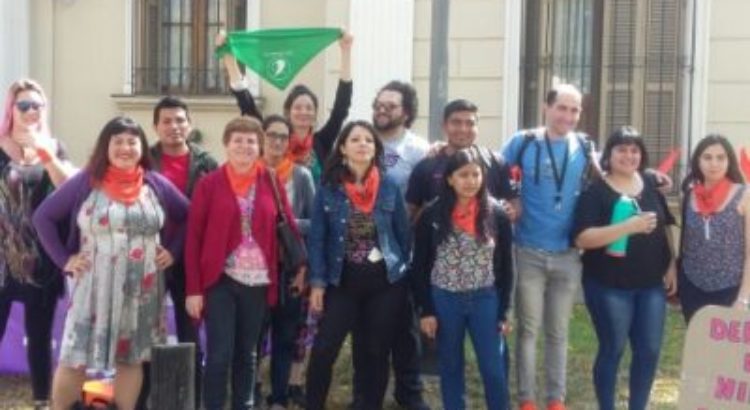
Desde el MST junto a la compañera Lita Alberstein impulsamos la formación de una Comisión por la educación laica en Tucumán con 5 madres, a la que se sumaron diversas organizaciones tales como ILEC Argentina ANDHES APDH y compañeros interesados en evitar este dominio de la derecha clerical. Tuvimos una importante repercusión en los medios provinciales y nacionales. Fuimos construyendo un espacio que crece día a día, realizando tres apostasías colectivas con más de 500 personas. Y coordinamos actividades con la Campaña federal por la separación de la iglesia y del estado.
Hoy la Cámara en lo Contencioso Administrativo Sala II de la capital dispuso abrir la demanda a todas aquellas personas físicas y/o Jurídicas que compartan el interés de los demandantes en sacar a la iglesia de las escuelas (el plazo para presentarse vence el 16 de Octubre) haciéndolo públicar en forma oficial en varios medios importantes de la provincia. Convocamos a madres/padres, docentes y organizaciones de derechos humanos, de género, partidos políticos que quieran adherir al amparo, a unirse a nuestra lucha.-
Mientras tanto el Arzobispado ha iniciado una agresiva campaña de difamación en contra nuestro (aduciendo que pretendemos dejar sin trabajo a los maestros de religión) acusaciones que hemos rechazado con sólidos argumentos, ya que corresponde al estado provincial la reubicación de estos maestros, nosotros no impulsamos ningún despido ni la pérdida de puestos de trabajo. En última instancia la Iglesia Católica que recibe subsidios anuales que superan los $32.000.000.000 se haga cargo de los salarios de sus maestros de religión, salarios que por otra parte hoy pagamos con nuestros impuestos.-
¡Educación laica y científica, ya!
¡Fuera la imposición de la derecha clerical de nuestras vidas!
¡Basta de adoctrinamiento!
¡Iglesia y Estado Asuntos Separados!
Fuente de la noticia: https://mst.org.ar/2018/10/01/tucuman-educacion-laica-ya-iglesia-estado-asuntos-separados/
Los textos reunidos en este volumen, parten del interés por aportar a la reflexión sobre la interculturalidad hoy, pero sobre todo, hacerlo desde una posición crítica a partir de las diferentes experiencias de investigación que este libro recoge. Así, desde el trabajo práctico, teórico y/o empírico, en los distintos ámbitos disciplinares, los y las especialistas convocados, escriben desde sus lugares enunciativos muy particulares y con la mirada aguda sobre lo que la interculturalidad ha aportado y, muchas veces, soslayado en campos tan significativos como lo son el de la pedagogía, la comunicación, el derecho y la antropología.
La intención de este ejercicio ha sido, sin lugar a dudas, la de ofrecer una mirada revisora sobre los hiatos y aperturas que la interculturalidad conlleva como propuesta teórica y praxis, a partir de algunos casos ejemplificadores que dirigen la mira hacia el punto de partida de nuestra convocatoria: la interculturalidad, discursivamente hablando, es una apuesta que se precisa como alternativa posible a la solución de conflictos y se circunscribe como una propuesta paradigmática que potencia –por sí sola- la buena convivencia entre las culturas –en su idea más abstracta- a partir de subsumir las diferencias en la sola voluntad de los sujetos. Esta idea que si bien podría ser una mirada reduccionista, es el detonante que conlleva a una realidad: en la práctica, la interculturalidad no logra rebasar la barrera de las diferencias y por ello, su realización es más una idealización que un hecho.
Fuente de la reseña: https://openlibra.com/en/book/interculturalidad-miradas-criticas
Link para la descarga: https://olcovers2.blob.core.windows.net/coverswp/2016/11/interculturalidad-OpenLibra.gif
El pedagogo español Miguel Angel Santos Guerra pide un mayor reconocimiento social para la profesión docente.
Cada vez que vista el país, el pedagogo español Migue Angel Santos Guerra se lleva consigo la gratitud de las maestras y maestros que asisten a sus charlas. Recoge anécdotas, felicitaciones pero sobre todo mucho agradecimiento por saberse reconocidos. Una inyección de ánimo para seguir andando. Por eso Santos Guerra decidió obsequiarles un libro llamado Un ramo de flores para los docentes del mundo (Homo Sapiens Ediciones). Un obsequio para reconocer la tarea de los educadores que, entiende, no suele ser bien valorada por los Estados y la sociedad. Y donde destaca que el afecto es un pilar del acto educativo. Porque «los alumnos aprenden de aquellos profesores a los que aman».
Catedrático de la Universidad de Málaga, Santos Guerra ejerció la docencia en todos los niveles del sistema educativo español, desde la primaria hasta la educación superior, incluyendo clases de formación docente en España, Portugal y varios países de Hispanoamérica. En la Argentina dice que ya recorrió 126 ciudades con sus conferencias. Y si hay una constante que encuentra en sus encuentros con los maestros de los distintos lugares es la falta de un reconocimiento real a los educadores. Una jerarquización a su tarea que trascienda lo meramente declamativo y se traduzca en buenos salarios, condiciones acordes para enseñar y capacitarse. Y también el respeto de las familias.
De la teoría a los hechos
«Pienso que la de los docentes es una profesión que no está muy reconocida, salvo desde un punto de vista teórico. «La educación es muy importante y necesaria», dicen los políticos. Pero a la hora de la verdad y de los reconocimientos efectivos creo que no son lo suficientemente bien tratados un maestro y una maestra», opina. Advierte que esto se hace más patente cuando son elogiados en su día, pero criticados furiosamente por ciertos sectores ante una huelga.
«Hay que exigir mejores condiciones. No van a ser traídas en bandejas de plata y ofrecidas por los políticos o la sociedad. Hay que demandarlas, exigirlas y ello lleva a tomar medidas de fuerza», reflexiona Santos Guerra. Y frente a los cuestionamientos hacia las maestras y maestros ante cada paro, invita a pensar que esas huelgas «son fruto de necesidades apremiantes». Y ejemplifica: «Hay docentes que me preguntan cuánto gana un docente en España. Pues, 2.200 euros aproximadamente. ¿Cuántos alumnos tiene en el aula? Unos 25 y aquí están con 40 ¿Cuántos turnos hacen? Solo uno ¿Cómo son las escuelas? Están bien dotadas. Claro, ante esa comparación uno no puede exigir atender a la diversidad con 45 alumnos en el aula. Para conocerlos mejor, atenderlos, saber con más precisión qué dificultades tienen en el aprendizaje y adaptarse a cada uno. Esto no llega nunca con facilidad. Entonces esas luchas y paros no sé si son eficaces, pero son inevitables. Porque llega un momento en que dicen: «No podemos trabajar bien así». Y veo muy injusto la generalización de que el cuerpo docente no quiere trabajar o hacer frente a las exigencias de la cotidianeidad de las aulas».
—También es cierto que no se percibe esa generalización negativa en otras profesiones…
—Es verdad. También es cierto que no hay ese tipo de movilizaciones en otras profesiones. Pero existe un trato diferente. No solo conceptual sino práctico. Estoy viendo cada vez más familias que cuestionan la acción docente, que interpelan con dureza a los docentes cuando hay algún problema en el aula. Hace poco en un instituto de secundaria llamaron a los papás de un chico que había insultado gravemente a un profesor. La actitud de los padres fue poco menos que increíble: ellos decían que no es verdad, porque su hijo dice siempre la verdad. Entonces eso se lo ha inventado el profesor ¿Qué beneficios puede tener un profesor para inventar eso? ¿Y qué hacen los padres en lugar de reforzar el respeto al docente? Lo cuestionan e incluso lo agreden. Tampoco quiero generalizar que esto suceda con todas las familias, pero antes esto no sucedía con la frecuencia que está pasando.
Foto: Sebastián Suárez Meccia / La Capital
Colores para enseñar
«Un ramo de flores…«, la última obra de Santos Guerra, está dividida en capítulos que llevan el nombre de flores de colores. A cada una le asigna un significado: blancas de ilusión, amarillas de aprendizaje, rosas de compromiso, verdes de optimismo y rojas de dolor, entre otras. Pero también propone pensar en flores naranjas de amor. Una característica que se destaca frente a los discursos estrictamente utilitarios del proceso de enseñanza y aprendizaje.
Al respecto, recuerda que en un curso de formación docente en la universidad preguntó que mencionen quién y por qué había sido el profesor que los había marcado más en la vida. «Cuando puse en común las respuestas —recuerda el educador español—, todas iban por un mismo lado: porque me quería, me comprendía, me ayudaba, me escuchaba, era sensible, cercano. Ninguno dijo que era una biblioteca andante que se le caía el conocimiento cuando iba por los pasillos de la escuela. Entonces me pregunto si se tiene en cuenta eso en la formación y selección de los maestros y maestras. Porque se explora cuánto sabe de su área y nada en cómo es. Me parece que la dignidad moral y la cercanía son factores fundamentales.
—¿Cómo impacta en los objetivos de la escuela?
—Pienso que la escuela tiene dos fines fundamentales: enseñar a pensar y a convivir. Cuando solo se focaliza en el aprendizaje de conocimientos y destrezas sin la dimensión moral y ética, se corre el peligro que el conocimiento que se adquiere en las instituciones pueda ser para dominar, explotar, engañar. Fueron ingenieros, médicos y enfermeras muy capacitadas en su oficio, los profesionales que diseñaron las cámaras de gas en la Segunda Guerra Mundial. Sabían muchísimo, pero sus víctimas maldijeron el día que habían aprendido tanto. No se puede confundir instrucción con educación. La educación tiene dos pilares, uno crítico y otro ético. Porque sino, a través de las escuelas y las universidades estaríamos convirtiendo a la sociedad en una selva sofisticada donde el más fuerte domina y destruye al más débil. A veces les pregunto qué quieren de sus alumnos. Me responden: que sean críticos, que aprendan a pensar y sean solidarios. ¿Y salen así o competitivos y agresivos? A veces se me asemejan las escuelas a los barcos en altamar, donde están todos ocupados, estresados, yendo y viniendo. Pero en un barco sin rumbo. Sería más conveniente ralentizar la marcha pero saber a dónde vamos y qué estamos consiguiendo. Yo digo que los alumnos aprenden de aquellos profesores a los que aman. Gabriela Mistral decía que si no eres capaz de amar no puedes dedicarte a esta profesión. Porque es de comunicación interpersonal. Y la comunicación interpersonal que salva es el amor. Por eso me parece tan importante seleccionar a las mejores personas y ciudadanos para la tarea. El que no vale para otra cosa no vale para ser un maestro.
—No que sea por descarte…
—Eso me parece muy dañino y perjudicial. Porque en la medida que tengamos más mercenarios en las escuela tendremos una peor calidad de trabajo de esos profesionales. Pero con un añadido: tendremos a esos profesionales menos felices en la tarea, porque esta profesión no se puede realizar bien sin pasión. Cuando ha cedido a ella por motivos espurios o pedagógicamente pobres, como «de algo hay que vivir», se vive con menos felicidad. No hay señal más clara de inteligencia que desarrollar las capacidades para ser felices y ser buenas personas. En la medida que estemos amargados tendremos no solamente la desdicha en nuestro interior, sino que haremos una tarea de peor calidad, porque la profesión docente es intrínsecamente optimista. Es tan consustancial el optimismo a la educación como mojarse para el que va a nadar. Sin optimismo podríamos ser buenos domadores pero nunca buenos educadores.
Fuente de la reseña: https://www.lacapital.com.ar/educacion/los-alumnos-aprenden-aquellos-profesores-los-que-aman-n1685100.html
América del Sur/Argentina/08.10.2018/Fuente:mst.org.ar.
La marea joven y verde sigue pegando con sus aguas, a cada espacio machista del patriarcado
La enorme ola feminista y verde que conmueve los cimientos de nuestro país y el mundo entero; está haciendo tambalear todos los viejos resabios patriarcales. La escuela siempre ha sido la caja de resonancia de los grandes hechos sociales y jamás queda ajena a momentos de transformación, menos en medio de esta ola cuyo protagonistas son les jóvenes.
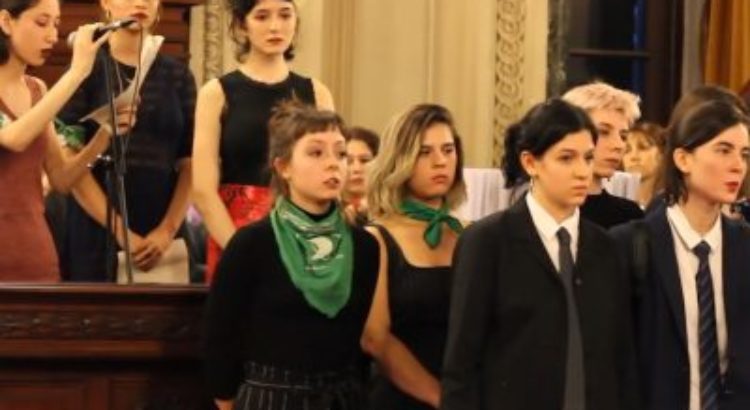
Un relato conmovedor irrumpió la semana pasada en el aula Magna del colegio Nacional Buenos Aires, donde soy profesor; y dejo enmudecidos a casi todes. Un grupo de ex alumnas, de las cuales varias han sido mis estudiantes; dejaron a la luz la descripción más exacta de un accionar machista y patriarcal que aun se respira en uno de los colegios mas históricos de nuestro país.
Ellas dijeron luego de un recorrido doloroso recordando lo vivido entre las paredes del Nacional: “Hay un sistema normativo imperante en este Colegio que da lugar a que asistamos a clases rodeades de carteles que predican, con total impunidad, que somos putas por disfrutar libremente de nuestra sexualidad, que somos objeto de consumo de nuestros compañeros” . Dejando al descubierto no solo a quienes han sido reproductores sistemáticos de ese accionar, sino también mostrando la naturalización del mismo para otros. Una tremenda herramienta de dominación al servicio del patriarcado.
Desde hace 10 años soy docente del Colegio Nacional, no he sido testigo de ninguna de estas formas reproductoras de desigualdades, aunque más allá de no haberlas visto, sé que el relato narrado desde la angustia sólo me obliga a decir: yo les creo. Como docente de la casa, se del prestigio y del nivel académico que ha tenido y siempre va a tener “el Nacional”, y este episodio lejos de empañar ese nivel, debe fortalecer al claustro para terminar con todas las prácticas que no solo resultan patriarcales, inadecuadas y fuera de toda perspectiva de género, sino que también empañan la formación que muchísimos buenos docentes tenemos y brindamos a nuestres alumnes.
Es una oportunidad para la reflexión, para la formación y fundamentalmente para acompañar a quienes tan valientemente pudieron dar a conocer un oculto modo de perpetuar desde la escuela las desigualdades de género, la dominación, abuso de poder y el machismo.
Con les estudiantes en clase pública (5/9/18)
Como docente del Colegio, y ex profesor de estas alumnas me solidarizo con ellas, y con todes les que han vivido escenas parecidas y aún no pueden contarlas; y me comprometo a seguir trabajando por una educación laica, feminista, científica, pública y gratuita que garantice la libertad y su ejercicio. Somos muches docentes en este colegio y en otros que lo sentimos así. Porque sólo una mirada que contenga los bagajes que la ola feminista y disidente trae, podrá lograr el nivel académico de una formación para este nuevo tiempo.
La lista de docentes acusados de estas prácticas ya es de público conocimiento, pero creo que más allá de los nombres, nuestra reflexión debe transformar una cultura machista que nos ubica a los varones, en un lugar de privilegio y de poder; mucho más si además existen desigualdades de edad y roles. Ese lugar de privilegio, es un estereotipo que existe y que debemos combatir. Esperanzado en que nuevos aires fortalecerán las prácticas diarias en el Nacional y sabiendo que este relato será un nuevo credo para les estudiantes, estoy convencido que nuestro claustro estará a la altura de este momento dejándose inundar por la ola feminista.
En apoyo a las estudiantes por aborto legal (8/6/18)
Soy profesor, educador, activista y feminista. He acompañado la ola verde y dicho proceso junto a mis estudiantes, y además de solidarizarme con mis ex alumnas acompañare con entusiasmo este aire de transformación, sumándome al pedido que no solo han realizado este grupo de chicas, sino que resulta de la exigencia real de muches docentes en todos los colegios:
*Que se imparta una educación sexual con perspectiva de género: queremos hablar de
consentimiento y de placer; por la ESI que necesitamos, redoblando nuestros esfuerzos para frenar la ofensiva desesperada de la Iglesia y los antiderechos contra nuestros derechos y los de nuestros hijes.
*Que se aplique el Protocolo de acción institucional ante las situaciones de violencia de
género dictado en el año 2015.
*Una reforma en el Reglamento del colegio, que nos ampare, nos defienda, que fomente la
igualdad y el respeto entre pares.
*Basta de impunidad ante las violencias. Queremos que quienes habiten estas aulas en el presente y en el futuro no sean víctimas de su negligencia.
¡Abajo el patriarcado, se va a caer, arriba el feminismo que va a vencer!
Alejandro Zarauza, profesor regular de Latín, Colegio Nacional Buenos Aires – UBA.
Profesor de Prácticas del Lenguaje y Literatura en DGCyE. Minoría de la CTA Autónoma de Lanús. Referente de la Agrupación Alternativa Docente (ANCLA / MST)
Fuente de la noticia: https://mst.org.ar/2018/10/03/nacional-aires-marea-verde-pegando-aguas/
OtrasVocesenEducacion.org existe gracias al esfuerzo voluntario e independiente de un pequeño grupo de docentes que decidimos soñar con un espacio abierto de intercambio y debate.
¡Ayúdanos a mantener abiertas las puertas de esta aula!






 Users Today : 75
 Total Users : 35490887
 Views Today : 86
 Total views : 3604309