Por: El diario de la educación/ Pau Rodríguez/03-11-2017
Recuerdan que la escuela es garante del clima de respeto social y protestan por las acusaciones vertidas contra la escuela catalana.
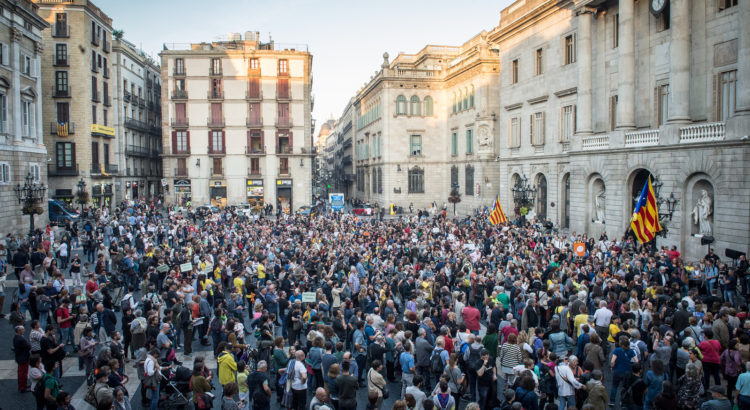
Maestros, familias y estudiantes se han congregado este miércoles en varios municipios catalanes para protestar contra las acusaciones de adoctrinamiento vertidas sobre las escuelas catalanas. Al grito de “no nos toque la educación”, en la Plaza Sant Jaume de Barcelona se han concentrado varios cientos de personas, que han rechazado también la aprobación del 155.
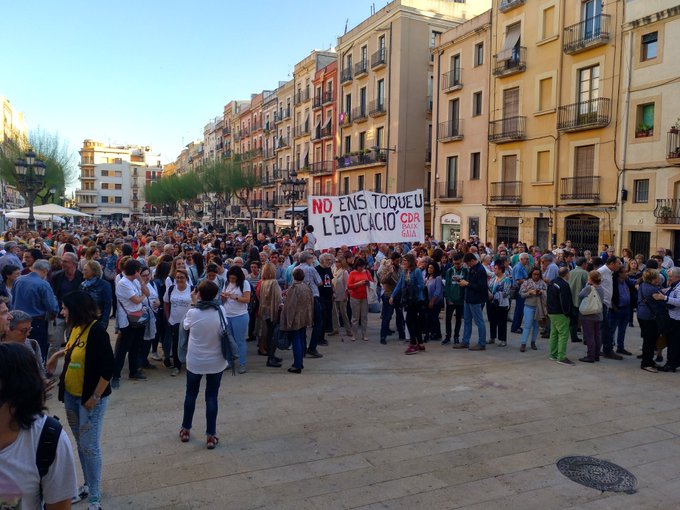
La convocatoria iba a cargo del Marco Unitario de la Comunidad Educativa, que aglutina sindicatos, colectivos de docentes y asociaciones de padres y madres de la escuela pública. Bajo el lema “no nos toque la educación”, han promovido protestas ante los ayuntamientos de todas las capitales de comarca.
Por ejemplo, en Tarragona donde se han reunido centenares de personas ante el Ayuntamiento.
Los principales actores de la comunidad educativa catalana hace semanas que están indignados por las acusaciones recibidas por parte de PP y Ciudadanos que en las aulas de escuelas e institutos se adoctrina a favor del nacionalismo. A esto se le ha sumado en los últimos días la preocupación por la aplicación del 155, que rechazan de plano a la espera de que no repercuta en su tarea diaria.
Entre los manifestantes se encontraba Esther Niubó, diputada del PSC y responsable de educación en el Parlamento.
También en Granollers (Barcelona) se han concentrado ante el ayuntamiento cientos de personas que han secundado la protesta en apoyo a la convocatoria
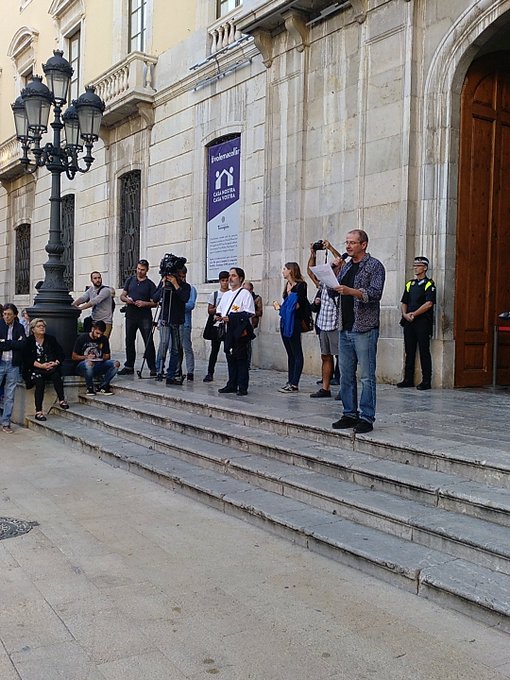
Los representantes del MUCE han leído un manifiesto en el que defendían que los ataques no sólo hacia el cuerpo docente, sino “contra la educación pública, que es la garante del clima de respeto social” que, aseguran, se vive en Cataluña. También han pedido la dimisión del ministro de Educación, Íñigo Méndez de Vigo, y del de Exteriores, Alfonso Dastis, por haber afirmado en una cadena francesa que en Cataluña no se hace clase de Lengua Castellana.
Críticas de los colegios concertados
También este martes las principales patronales de la concertada catalana, en representación de 700 colegios, han respondido a las acusaciones de manipulación. “Rechazamos las declaraciones de parlamentarios o del Gobierno del Estado en el entorno de un pretendido adoctrinamiento e incitación al odio”, aseguraron, tras sentenciar que “la escuela concertada no ha adoctrinado a nadie”.
En un comunicado que firman conjuntamente la Fundació Escola Cristiana y otras instituciones concertadas, defienden que sus colegios no necesitan “polémicas que inciten a la confrontación estéril y perjudicial”, sino “más apoyo, más reconocimiento por la labor realizada y una financiación público adecuado “.
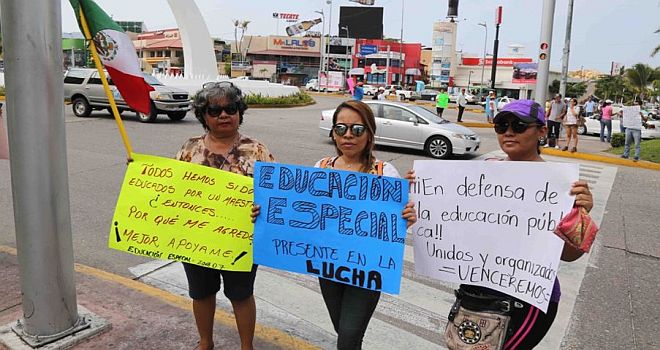
Otro resultado de la reforma educativa, impulsada durante la actual administración federal, es el franco desmantelamiento de la estructura para atender la enseñanza especial en el país, con lo cual se agrava la exclusión que viven los estudiantes con capacidades diferentes y sus familias.
En el foro Educación especial en México: inclusión o exclusión, especialistas en el tema alertaron que con el falso argumento gubernamental de dar un trato igual a esos niños y jóvenes se ha agravado su situación, con una falta de atención a causa de escasez de recursos humanos y económicos.
Gabriela Naranjo Flores, investigadora de la Universidad Pedagógica Nacional (UPN), advirtió que dicha exclusión e invisibilización afecta a la sociedad en su conjunto, pues niños y jóvenes con capacidades diferentes regularmente no pueden entrar al sistema educativo nacional o cuando llegan a ingresar lo hacen solamente por un tiempo o sencillamente no avanzan.
Dijo que a las escuelas se les está demandado el acceso de todos, pero hay prácticas excluyentes en toda la sociedad, por lo que revertir ese proceso debe ser un esfuerzo y tarea conjunta de todos los sectores para tener una sociedad y una escuela verdaderamente incluyente.
Durante su intervención en el foro, organizado por Casa Lamm y La Jornada, la especialista señaló que ante la imposición de la reforma educativa muchos expertos, valiosos y con extraordinaria experiencia en enseñanza especial, se están perdiendo.
Hay falta de recursos humanos para la atención de la educación especial. Con dicha modificación han desaparecido los equipos interdisciplinarios que existían –con terapeuta, sicólogo, pedagogo y trabajador social, entre otros–. Ahora los nuevos perfiles son inadecuados. Por ejemplo, actualmente hay un especialista por escuela y un supervisor para 40 planteles. Es imposible brindar atención en esas circunstancias.
Por su parte, Teresita Garduño Rubio, del Instituto de Investigaciones Pedagógicas, destacó que cada niño es diferente y que la inclusión inicia precisamente con el respeto a esa individualidad.
No obstante, añadió, la escuela busca hoy homogenizar a todos los alumnos. Los niños con alguna discapacidad no son números, sino tienen nombre y apellido. Por ello, mientras el Estado se empeñe en aplicar pruebas estandarizadas los niños con discapacidad siempre permanecerán rezagados.
El empeoramiento de los indicadores fundamentales para medir la igualdad de oportunidades, estatus y actitudes entre hombres y mujeres amenaza hoy con convertir la paridad de género en una meta inalcanzable para Italia.
Al menos en esa dirección apuntan los datos aportados por el Foro Económico Mundial en su informe global sobre esa materia, correspondiente al presente año, según el cual Italia ocupa el lugar 82 entre las 144 naciones incluidas en la evaluación, lo que representa un retroceso de 41 posiciones respecto a 2015 y 32 en comparación con 2016.
Según el estudio, el 61,5 por ciento de las féminas italianas que laboran no son remuneradas adecuadamente, comparado con solo el 22,9 por ciento de los hombres.
En lo que respecta a la brecha de géneros en el aspecto salarial, Italia se ubica en el puesto 126 con el agravante de que las mujeres laboran un estimado de 512 minutos diarios y los hombres 453, en tanto se sitúa en el 90 en cuanto a la participación en la fuerza de trabajo.
La situación no es mejor en la esfera política, en razón de que el parlamento, por ejemplo, está integrado por un 31 por ciento de mujeres, cifra que desciende al 27,8 en los ministerios, lo cual se traduce en una caída al lugar 123, del 77 en 2006.
El área en la cual se observan más avances es el de la instrucción con predominio de las féminas en carreras relacionadas con el arte, pedagogía, medicina y trabajo social en general.
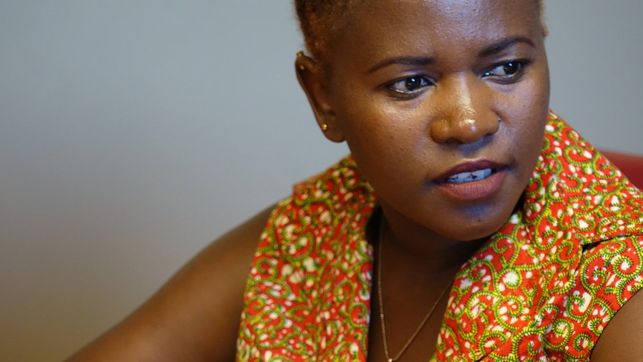
Periodista, bloguera y desde hace unos meses consultora en Women’s Links, Rosebell Kagumire se ha convertido en una de las voces femeninas de Uganda que ha cobrado fuerza en los últimos años. Especializada en derechos de las mujeres es una firme defensora de la necesidad de contar historias con perspectiva de género. En su país, asegura que sólo el “20% de las voces políticas a las que consultan o que salen en las informaciones son mujeres”, a quienes se les entrevista para temas más pequeños y circunstanciales.
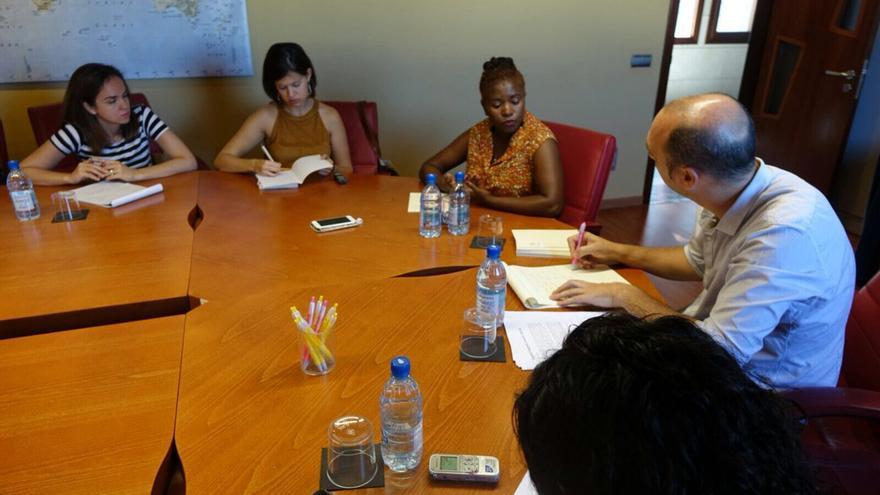
La realidad de la mujer en los medios de comunicación que describe Kagumire no se aleja de la que se da en España, donde en la sección de Política sólo un 25% de ellas actúa como fuente de información, según el último informe nacional de Monitoreo Global de Medios (GMMP). Por ello, es tan importante cambiar el enfoque y explicar las noticias desde el prisma de la mujer, recurriendo a ellas como fuente y visibilizarlas en los medios. La periodista ugandesa ha señalado este jueves en un encuentro con periodistas canarias en la Casa África que en su país cada dos meses se reúne junto a miembros de distintos medios para que reflexionen sobre cómo se han abordado algunas noticias de actualidad ya que “en las escuelas de Periodismo no se enseña cómo contar historias con perspectiva de género y es necesario”.
A Kagumire también le preocupa cómo se cuenta lo que ocurre en el continente, que en muchas ocasiones se tiende a ver como un conjunto y no se atiende a las 54 realidades diferentes que vive cada uno de los países que lo integra. A su juicio, para informar mejor de cada país africano desde España se debe contactar más con la gente local, algo que Internet llena de posibilidades.
La mayor parte de los reporteros que llega a un país de África se pone en contacto primero con otros periodistas de su mismo país o de Europa, lo cual no cree que esté mal pero considera que se está poniendo un filtro más, ya que es posible contactar directamente con periodistas de allí que aporten otros enfoques, diferentes puntos de vista de lo que ocurre y que ayuden a aumentar los contactos.
Poco a poco y gracias a la expansión de Internet en África por el empuje de la telefonía móvil, se requieren más testimonios locales o se trata de contactar más con periodistas que se encuentran sobre el terreno. Asegura que es importante crear una red y que a ella misma, aunque no nació en El Congo, muchos periodistas le escriben interesándose por este país, por lo que ella les pasa contactos para que puedan contar bien el tema.
No obstante, recalca que para contar buenas historias sobre su continente es necesario dedicarle tiempo. África es mucho más que esa imagen negativa que históricamente se le ha dado, pero cree que tampoco se deben forzar las noticias positivas sólo por el hecho de que en un medio de comunicación se hayan contado muchas noticias negativas de forma seguida. De hecho, en un mismo día pueden ocurrir cosas buenas y malas. Al final, «la gente navega en las complicaciones de la vida como en cualquier otra parte del mundo».
Lamenta que durante tantos años se haya asociado tanto a África con inmigración ya que este «no es un tema de África, es un tema global, la gente quiere moverse para mejorar su vida». En este sentido, reprocha que se esté intentando frenar la inmigración con dinero, pues «no es la solución».
Rosebell Kagumire defiende que la idea de que su continente está lejos es «una construcción mental que no es real». Prueba de ello es que en las últimas semanas muchos ugandeses le han preguntado por la situación en Catalunya e incluso bromean preguntándole si va a viajar a España o a Catalunya.
Afirma que, a pesar de que no se entienda toda la historia en profundidad, en Uganda sí que tienen una idea global de lo que está ocurriendo en España y en Catalunya, por lo que se cuestiona por qué «si ese interés está allí no está aquí respecto a África».
Periodismo en Kenia o Uganda
Rosebell Kagumire trabaja principalmente en cuatro países: Uganda, Tanzania, Ruanda y Kenia. Subraya que en este último hay una crisis política importante ya que se celebraron elecciones que fueron anuladas por el Tribunal Constitucional y, después de convocarse de nuevo, la oposición decidió no presentarse porque consideraba que no había garantías. Por ello, el anterior presidente resultó ganador con un 98% de los votos.
Cuenta que Kenia tiene además una baja presencia de mujeres en política comparado con países del este de África. En la primera ronda de elecciones hubo un importante avance de mujeres que se presentaban como políticas, pero tras esta crisis que atraviesa el país después de las últimas elecciones ha quedado en nada. La periodista ha estado trabajando con diferentes organizaciones documentando muchos casos de violencia sexual hacia mujeres en toda la represión que se ha producido durante los últimos comicios.
En Uganda, señala que no hay una crisis política comparable a la de Kenia, pero tienen el mismo presidente desde hace 31 años. El año pasado fue reelegido en otra «elección fraudulenta». No lleva aún dos años y ya está intentando promover un cambio constitucional que permita que pueda ser elegido aunque sea mayor de 75 años, que ahora la Constitución lo prohíbe». Además, a ello se le añade que el presidente está empleando dinero y técnicas de intimidación y violencia para conseguirlo.
«Su mujer es la ministra de Educación, su hijo el consejero presidencial, todo va alrededor de su familia y está usando los recursos del estado para financiar sus políticas e intereses particulares», apunta. En su país existe una tasa muy alta de población joven (un 50% tiene menos de 17 años) a lo que se le suma el aumento de esta población, que ha pasado de 11 millones a 40 en apenas 20 años, según aclara.
Rosebell Kagumire subraya que ejercer el periodismo en un sistema represivo no es fácil. En su país, el Gobierno al controlar la comisión de control de los medios veta a algunas personas o cargos de la oposición a que puedan comparecer en programas o tertulias. «Tenemos mucha vigilancia online sobre qué hacen los periodistas y muchos trolls pagados para hacer difícil la expresión en el país».
No obstante, a pesar de las dificultades, asegura que se termina contando la verdad ya que existe un gran compañerismo entre periodistas y se denuncia si alguien está siendo acosado por su trabajo. Matiza que esta situación no afecta solo a comunicadores, también a activistas de distintas asociaciones.
Rosebell Kagumire en un encuentro con periodistas canarias CASA ÁFRICA
Internet: la ventana para visualizar la verdadera África
La periodista ugandesa reitera las ventajas que ofrece Internet tanto para conocer África como las experiencias e iniciativas que se están poniendo en marcha. Destaca que muchos activistas y periodistas utilizan Facebook Life para compartir situaciones que a los gobiernos no les interesa que se conozcan.
Whatsapp es además la herramienta que más se ha expandido en los últimos años ya que, por ejemplo en Uganda aunque aún es caro mantener un móvil cada vez más ciudadanos disponen de uno.
También en redes sociales como Twitter o Facebook es posible hacer contactos e incide en la idea de crear esa red y apoyarse en la gente local a la hora de contar historias y asegura que ellos son los principales interesados en que se les tenga en cuenta en los testimonios para dar una imagen real de África al resto del mundo.
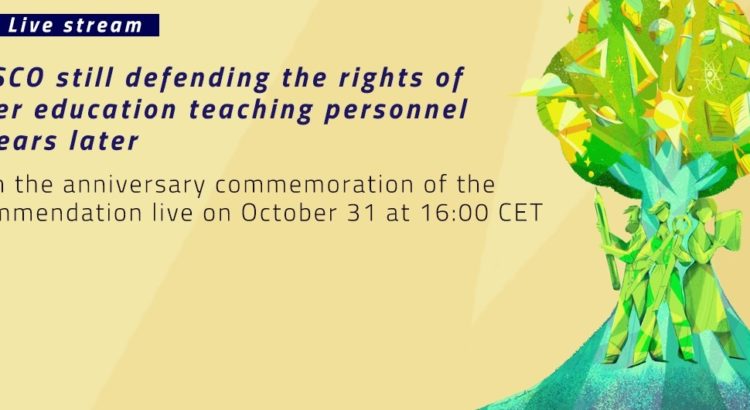
Con el fin de conmemorar el vigésimo aniversario de la Recomendación de la UNESCO sobre el personal docente de educación superior, la Internacional de la Educación hará hincapié en temas como la titularidad, la libertad académica, el autogobierno y la colegialidad, que están siendo cuestionados en todo el mundo.
El evento de Conmemoración, que tendrá lugar en la Universidad de París Pantheon-Sorbonne el 31 de octubre, reunirá a académicos y dirigentes sindicales de todo el mundo.
Dirigido por el Secretario General de la Internacional de la Educación (IE), Fred van Leeuwen, el evento no solo arrojará luz sobre la Recomendación de la UNESCO, sino más importante aún, sobre cuántos de los derechos y libertades que describen les están siendo arrebatados a los académicos.
Con el fin de llamar la atención de los Gobiernos y los principales interesados, así como de las instituciones de educación superior, hacia este importante instrumento normativo y de analizar medidas prácticas para su aplicación, este evento representa una oportunidad para expresar opiniones y compartir ideas entre compañeros.
El evento se organiza al margen de la Conferencia General de la UNESCO, que se llevará a cabo del 30 de octubre al 14 de noviembre.
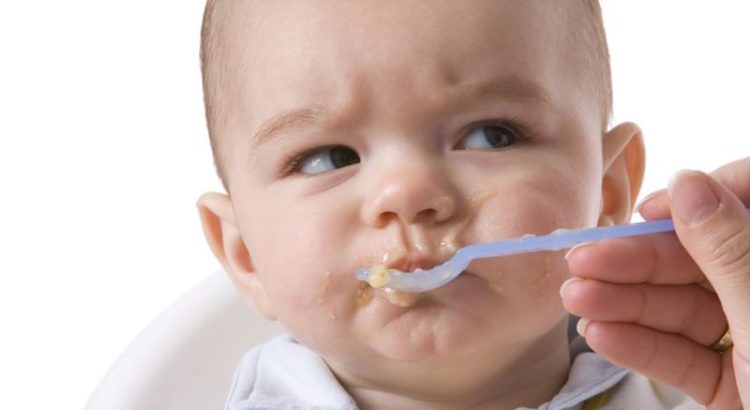
Un tercio de los productos alimenticios para bebés evaluados también contenían plomo
Según un nuevo estudio, una gran cantidad de productos alimenticios para bebés contienen sustancias químicas peligrosas.
Los productos fueron revelados para incluir arsénico, plomo, cadmio y acrilamida en una prueba llevada a cabo por The Clean Label Project, una organización sin fines de lucro que aboga por la transparencia del consumidor.
Utilizaron datos de Nielsen para analizar 530 aperitivos, cereales, fórmulas y bebidas diferentes que se habían comprado en los últimos cinco meses.
Del total de los productos analizados, los investigadores encontraron que el 65 por ciento contenía arsénico, el 58 por ciento contenía cadmio, el 36 por ciento contenía plomo y el 10 por ciento contenía acrilamida.
Específicamente se encontró que el 80 por ciento de las muestras de fórmula infantil contienen arsénico, una toxina que la Organización Mundial de la Salud asocia con una serie de problemas de salud como enfermedades cardiovasculares, diabetes y cáncer.
Si bien las cantidades de cada producto químico variaban con cada producto, algunas contenían hasta 600 partes de arsénico por mil millones.
Muchos de estos fueron productos a base de arroz, como patatas fritas y “bocanadas”.
El estudio también encontró que los alimentos infantiles hoy en día tienen un 70% más de acrilamida que el promedio de los alevines franceses, un químico que se ha relacionado con el daño cerebral y los problemas reproductivos.
El informe nombró y avergonzó a algunos de los principales minoristas de alimentos para bebés, incluidos Enfamil, Plum Organics y Sprout, a quienes consideraron como algunos de los peores delincuentes por contener químicos dañinos.
También encontraron que el 60 por ciento de los productos con etiquetas “sin BPA” de hecho dieron positivo para bisfenol A, un químico industrial que se usa para hacer plástico.
Clean Label Project concluyó sus hallazgos identificando los cinco primeros y últimos cereales, fórmulas, refrigerios, bebidas y platos de jarra en términos de contenido químico peligroso.
Por Fidel Antonio Castro Smirnov, especial para Cubadebate
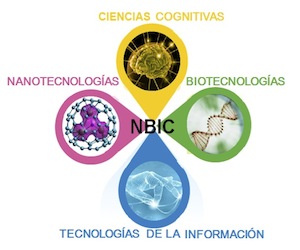
“Día llegará en que pueda llevar consigo el hombre, como hoy el tiempo en el reloj, la luz, el calor y la fuerza en algún aparato diminuto”, dijo el Apóstol de la Independencia cubana José Martí. Sin pretender que Martí se haya referido a la Nanotecnología o a la física nuclear, el investigador Fidel Antonio Castro Smirnov asegura que “desde un enfoque de la cultura y de la política (la política que es el arte de lo posible, según el propio Martí, y es el arte de hacer felices a los hombres) ya avizoraba las potencialidades de la Ciencia y la Tecnología de lo muy pequeño”
Hoy ponemos a disposición de los lectores de Cubadebatela ponencia “Nanotecnología, Cultura y Sociedad: Ética y Desarrollo Sostenible”, de Fidel Antonio Castro Smirnov, profesor de Física de la Universidad de las Ciencias Informáticas (UCI), de La Habana.
Este ensayo fue presentado en el panel ¿Ciencia como paradigma de cultura?del IX Encuentro internacional de intelectuales y artistas en defensa de la humanidad, que tuvo lugar en Río de Janeiro del 7 al 9 junio de 2012.
OtrasVocesenEducacion.org existe gracias al esfuerzo voluntario e independiente de un pequeño grupo de docentes que decidimos soñar con un espacio abierto de intercambio y debate.
¡Ayúdanos a mantener abiertas las puertas de esta aula!


 Users Today : 79
 Total Users : 35521459
 Views Today : 84
 Total views : 3705696