Page 5686 of 6793
1 5.684 5.685 5.686 5.687 5.688 6.793

Colombia: IX Simposio Nacional de Agroecología, V Seminario Internacional de Agroecología y su VII Feria de Intercambio de Experiencias y Productos de la Agricultura Ecológica

América del Sur/Colombia/02 de Septiembre de 2016/Fuente: Universidad Nacional de Colombia

La Universidad Nacional de Colombia – Sede Palmira y el Grupo de Investigación de Agroecología anuncian la realización del IX Simposio Nacional de Agroecología, el V Seminario Internacional de Agroecología y su VII Feria de Intercambio de Experiencias y Productos de la Agricultura Ecológica que se llevarán a cabo los días 17 al 23 de octubre de 2016.

Los tres eventos que se aglutinan en este espacio, convocan a la academia, a las organizaciones campesinas y a los movimientos agroecológicos a nivel nacional e internacional, para unir esfuerzos y reflexiones que contribuyan a consolidar la agroecología como alternativa política, socio-económica y ambiental en el país y en Latinoamérica.

Dando como finalidad:

  • Visibilizar la importancia de la Agroecología ante la sociedad en general y principalmente ante los entes gubernamentales, regionales, nacionales e internacionales en busca de políticas públicas que la estimulen y favorezcan.
  • Contribuir a la creación de espacios de articulación de los diferentes actores que ejecutan y apoyan la Agricultura Familiar Agroecológica (AFA).
  • Propiciar un espacio de encuentro y discusión entre los diferentes actores de la comunidad y la AFA que lleve a líneas de acción organizadas en términos de avances colectivos.
  • Conocer experiencias, investigaciones, desarrollos y panoramas nacionales e internacionales sobre la agroecología, la AFA, para la reconstrucción en paz del tejido social y la protección de la vida.

El IX Simposio Nacional de Agroecología y el V Seminario Internacional de Agroecología se llevarán a cabo del 19 al 21 de octubre. Su programación incluye conferencias magistrales nacionales e internacionales, simposios de ponencias (académicos y/o experiencias) y presentación de poster.

La Feria de Intercambio de Experiencias y Productos de la Agricultura Ecológica tendrá lugar los días 20 y 21 de octubre, también en las instalaciones de la Universidad Nacional de Colombia – Sede Palmira, con la participación de organizaciones de base, ONGs y agricultores agroecológicos regionales y nacionales.

Además de las tres actividades descritas, los interesados podrán inscribirse al Curso Teórico – Práctico (Pre-evento) que se realizará el lunes 17 y martes 18 de octubre, brindando los fundamentos a tener en cuenta para fomentar fincas agroecológicas.

Finalmente el evento incluye en su programación las giras agroecológicas programadas para el sábado 22 y domingo 23 de octubre, que incluye la visitas a fincas que ejemplifican experiencias de interés agroecológico.

Es necesario aclarar que la participación en el Curso Teórico – Práctico y las giras agroecológicas tendrán un costo adicional.

Ejes temáticos: 

El comité organizador ha propuesto 10 ejes temáticos, resaltando que para su aceptación en este evento los trabajos deben enmarcarse en el ámbito conceptual de la Agroecología. Los trabajos sometidos deben respetar la modalidad propuesta y escogida para su participación en las ponencias (trabajos científicos o relatos de experiencias o poster). La siguiente lista de temas permite direccionar la ubicación de los trabajos enviados:

La Agroecología y:

  • Soberanía y autonomía alimentaria: Agrobiodiversidad, sistemas de producción agroecológica, conservación de semillas y de saberes.
  • Mercados agroecológicos: Sistemas alternativos de certificación, organizaciones de consumidores de alimentos agroecológicos, mercados locales, regionales, nacionales o internacionales.
  • Salud, nutrición y calidad de vida: Nutracéutica, alimentación y buen vivir, calidad e inocuidad de los alimentos.
  • Cambio climático: Variabilidad, resiliencia, adaptación y mitigación desde la finca y el territorio, agua y suelo.
  • Política pública: Gestión e incidencia, tejido y movilización social y Postconflicto.
  • Economía ecológica y ecología política: Metabolismo social, conflictos ecológicos distributivos, indicadores biofísicos de sustentabilidad (huella ecológica, HANPP, el agua virtual, huella hídrica, análisis de flujo de materiales, balance energético).
  • Educación: Sistemas de conocimiento formales e informales, campesino a campesino, academia- campesino, ONGs- campesino, escuelas agroecológicas.
  • Género y relevo generacional: Mujeres y juventud y su rol en la agricultura ecológica, movimientos femeninos, movimientos de jóvenes.
  • Contexto político económico: Procesos extractivistas, acaparamiento de tierras, nuevas propuestas de agricultura industrial.
  • Agricultura familiar agroecológica: Visibilización, multifuncionalidad, servicios ecosistémicos.

Nota: Se aceptará un máximo de dos (2) trabajos por autor/coautor inscrito. Ese autor puede aparecer en otros trabajos como coautor siempre y cuando otro de los autores o coautores de los mismos hayan efectuado su inscripción respectiva.

Indique el área temática elegida. La comisión organizadora se reserva el derecho de reubicar los trabajos en las secciones y formas de presentación (Oral o Póster) más adecuadas, en caso de ser necesario.

El autor que envía el trabajo se hace responsable por los demás autores, cuando los hubiese, como corresponsables del contenido técnico-científico del mismo.

Si estas interesado en presentar ponencias orales (académicas o de experiencia) y posters ten en cuenta que: 

Se compartirán las presentaciones bajo dos modalidades, como ponencias (trabajos científicos) o relatos de experiencias, ya sea en forma oral o de poster. Inicialmente, la comisión técnico-científica seleccionará los resúmenes de acuerdo a su calidad, interés y pertinencia del tema agroecológico abordado, seguidamente se solicitará el envío del trabajo ampliado (segunda fase).

En los trabajos científicos se pueden compartir investigaciones en curso, con resultados parciales o totales, estudios de caso o planteamientos teóricos-metodológicos presentados en un ensayo. En los relatos de experiencias se pueden incluir prácticas o vivencias a nivel de fincas, territorios, grupos u organizaciones en producción, transformación, comercialización en el marco de los ejes temáticos planteados.

Los envíos de resúmenes serán realizados exclusivamente vía correo electrónico, a partir de la fecha y hasta el 15 de agosto de 2016, a la cuenta simpoagroecol@unal.edu.co con los lineamientos dados en el ítem lineamientos de presentación de resúmenes.

Redes sociales:
Facebook: /IX Simposio Nacional Agroecología
Twitter: @IXsimpoagroecologia

Fuente: http://www.palmira.unal.edu.co/index.php/noticias/palmira/280-ix-simposio-nacional-de-agroecologia-v-seminario-internacional-de-agroecologia-y-su-vii-feria-de-intercambio-de-experiencias-y-productos-de-la-agricultura-ecologica

Comparte este contenido:

Sudáfrica: Education MEC to Probe High School Following Girls’ Outcry

África/Sudáfrica/02 de Septiembre de 2016/Autor:Mbali Phala/Fuente: All Africa

RESUMEN: El Colegio de Niñas Pretoria  será investigado por el Departamento de Educación de Gauteng  tras las acusaciones de racismo contra la institución. Las niñas de la escuela protestaron el 26 de agosto y 27 y se llevaron a los medios sociales usando el hashtag #StopRacismAtPretoriaGirlsHigh para resaltar el perjuicio que han experimentado desde la escuela por el personal. El hashtag rápidamente se volvió viral, con tweets añadiendo su voz en apoyo de la protesta poniendo de relieve el racismo en otras escuelas también. Los padres y los partidarios de las niñas, entre ellos ex alumnos y estudiantes de la Universidad de Pretoria se reunieron fuera de la escuela en la mañana del lunes para mostrar su solidaridad con los estudiantes. Se encontraron con las puertas cerradas, policías armados y personal de seguridad, mientras que el personal de la escuela recibieron instrucciones de no hacer nada y continuar de forma normal. En declaraciones a la SABC en nombre del departamento de educación, un portavoz  se reunió con las chicas para escuchar sus testimonios antes de reunirse con el personal de la escuela. A continuación, se reunió con algunos de los padres de las chicas que estaban en la escuela y más tarde se reunirán con el cuerpo de gobierno de la escuela el lunes por la noche.

Pretoria High School for Girls will be investigated by Gauteng Department of Education authorities following allegations of racism against the institution.

«You have my support, I will protect you,» said Gauteng MEC for Education Panyaza Lesufi to emotional pupils during his address at the school on Monday morning. Lesufi, together with officials from the national and provincial education department and Tshwane mayor Solly Msimanga, visited the school after allegations of racism surfaced against the institution and pupils wrote a petition to the MEC’s office requesting intervention over racist victimisation, racist incidents, and the school code of conduct in relation to hairstyles.

Girls from the school protested on August 26 and 27 and took to social media using the hashtag #StopRacismAtPretoriaGirlsHigh to highlight the prejudice they’ve experienced from the school and staff. The hashtag quickly went viral, with many tweets adding their voice in support of the protest and highlighting racism in other schools too.

Parents and supporters of the girls, including former pupils and students from the University of Pretoria gathered outside the school on Monday morning to show solidarity with the students. They were met with closed gates, armed police and security personnel, while staff at the school were instructed not to do anything and carry on as normal.

«My sister has gone through a lot of bullying, she’s had to change school three times because of her hair. Other children would laugh at her and say, ‘Oh my god, your hair looks like a cabbage’. It broke my heart. She’d cry everyday when I picked her up from school. She’d get home and cry because of how she was treated because of her hair, and say that the school said her hair is a distraction and called it exotic,» said Amira Patel, the older sister of 13-year-old Zulaikha Patel.

This young girl has had to change school three times because of her hair

Speaking to the SABC on behalf of the education department, acting spokesperson Oupa Bodibe said Lesufi met with the girls to hear their testimonies before meeting with the school’s staff. He then met with some of the girls’ parents who were at the school and will later meet with the school’s governing body on Monday evening.

«This is disturbing because the girls are very traumatised. They’ve proposed that all the teachers that are implicated to be investigated and some kind of disciplinary hearing taken against them,» said Bodibe.

The girls also suggested that the school policy and code of conduct be changed.

Some of the allegations raised by the girls include being called a «dirty kaffir», being compared to a cartoon character and dividing pupils into ethnic groups in class and justifying it as a geography exercise. According to one pupil, the teacher didn’t face disciplinary action but was referred to attend a course which was supposed to remedy the situation.

«There’s a lot of issues that have been building up to this. One issue is regarding a Grade 8 [pupil] with big hair. She got reprimanded for her hair and everybody was just like, ‘we’re tired of everything, we’re tired of not being heard. We started a hashtag to try getting external attention. Because they [school management] are just going to give us more disciplinary hearings, nothing is going to change or be resolved,» grade 12 pupil Amanda Kwele told The Daily Vox.

This Grade 8 pupil also received a disciplinary hearing for writing in her English creative writing essay that black women always receive the short end of the stick compared to white women and that white women are at more of an advantage than black women. According to pupils, the disciplinary hearing sparked anger and was the final straw for the students.

«Our schools undervalue blackness and focus more on containing us than nourishing us»

«Teachers who know that they are in a position of authority use that to discriminate against us and say derogatory things against black girls and expect us not to say anything or raise our voices because they know they are in a place of authority. With that being said, they always tell us that we’re overreacting to the things that they’re saying. It’s a painful experience because as a learner, you think that you are equal to other learners around you but you’re treated very differently,» said Kwele.

She added that black teachers at the school are concerned about keeping their jobs, therefore pupils understand why they won’t really be vocal about what’s happening – «They have children and they need to keep their jobs».

Fuente: http://allafrica.com/stories/201608300448.html

Fuente de la imagen: http://www.unicef.es/infancia/proyectos-desarrollo-cooperacion/iniciativas/escuelas-para-africa


Comparte este contenido:

Estados Unidos: Glenn wants to kill Education Department, jeopardizing college funding for 320,000 Coloradans

América del Norte/Estados Unidos/02 de Septiembre de 2016/Autor: Alan Gathright/Fuente: Politifact

RESUMEN: Chris Meagher, portavoz del Partido Demócrata de Colorado, dijo en un comunicado de prensa. «Glenn quiere eliminar el Departamento de Educación y poner en peligro las becas Pell y préstamos federales para estudiantes de 320.000 residentes de Colorado. Se opone a los programas de condonación de préstamos estudiantiles e incluso cree que el gobierno no tiene la responsabilidad de ayudar a frenar los crecientes costos de la educación universitaria.» El Partido Demócrata estatal tomó su mensaje a los eventos de la Universidad del Estado de Colorado y la Universidad de Colorado en Boulder. Los republicanos han pedido que se suprime el Departamento de Educación federal desde que el presidente Ronald Reagan se comprometió a hacerlo en su campaña presidencial de 1980. El departamento fue creado en 1867, pero no se convirtió en un organismo de nivel ministerial hasta 1980. «establece la política para, administra y coordina la mayor ayuda federal a la educación», de acuerdo con el sitio web del departamento. El presidente Barack Obama ha solicitado un presupuesto del departamento $ el 69,4 mil millones para el año fiscal 2017. programas de grado kínder hasta el 12º de la agencia anualmente atienden a alrededor de 50 millones de estudiantes que asisten a más de 98.000 escuelas públicas y 28.000 escuelas privadas. los programas del Departamento también proporcionan donación, préstamo, y la asistencia de trabajo y estudio a más de 13 millones de estudiantes que asisten a la universidad y otros programas de educación superior. Cuando se le preguntó lo que los recortes de gastos significativos que apoyaría para equilibrar el presupuesto y reducir el déficit anual, Glenn respondió en parte: «Estoy a favor de la eliminación y el desfinanciamiento de todas las agencias como los departamentos de educación y energía, ya que quedan fuera del marco de la Constitución. «

The Colorado Democratic Party says Republican U.S. Senate candidate Darryl Glenn wants to eliminate the Education Department and «jeopardize» federal student funding for more than 300,000 Coloradans.

«Darryl Glenn as a United States senator would be no friend to students,» Chris Meagher, spokesman for the Colorado Democratic Party, said in a news release. «Glenn wants to eliminate the Department of Education and jeopardize Pell Grants and federal student loans for 320,000 Coloradans. He opposes student loan forgiveness programs and even believes the government has no responsibility to help curb the rising costs of a college education.»

The state Democratic Party took its message to events at Colorado State University and the University of Colorado in Boulder.

Republicans have called for abolishing the federal Education Department since President Ronald Reagan vowed to do so in his 1980 presidential campaign.

The department was created in 1867 but did not become a Cabinet-level agency until 1980. It «establishes policy for, administers and coordinates most federal assistance to education,» according to the department website.

President Barack Obama has requested a $69.4 billion department budget for fiscal year 2017. The agency’s kindergarten-through-12th grade programs annually serve about 50 million students attending more than 98,000 public schools and 28,000 private schools. Department programs also provide grant, loan, and work-study assistance to more than 13 million students attending college and other postsecondary programs.

We wanted to fact-check this statement by the state Democratic Party: «(Darryl) Glenn wants to eliminate the Education Department and jeopardize Pell Grants and federal student loans for 320,000 Coloradans.»

The Colorado Department of Higher Education, the agency that oversees the state’s public university and college system, confirms that nearly 324,000 people in the state received federal student aid in fiscal year 2015. State students received a total of $1.4 billion in federal student aid.

We asked the Democratic Party for information supporting the claim about Glenn’s intentions for the Education Department and federal grants and loans. Meagher pointed to responses Glenn made to a candidate survey for the Denver Post’s June Voter Guide.

Asked what significant spending cuts he would support to balance the budget and reduce the annual deficit, Glenn replied in part: «I support the elimination and defunding of all agencies like the Education and Energy Departments because they fall outside of the framework of the Constitution.»

«Does the federal government have a responsibility to help with student debt, and what ideas do you think would make a difference?» the Post asked.

«No,» Glenn said. «There is no constitutional basis for the federal government to be mandated to assist with student debt. Better educating our college students on the risks of high student debt and helping them to find alternatives to taking out student loans would help make the difference to their financial future.»

Glenn put his position a little differently on his campaign website, saying he puts more stock in parents managing students’ financial burdens than the federal government.

«I’m not talking about cutting one dime out of education. I’m talking about who is in charge,» Glenn wrote. «I trust Colorado families and teachers way more than I trust D.C. central planners who think they know better than parents do.»

Glenn says instead of sending millions of dollars to the Education Department, «I believe those dollars should be returned to Colorado so parents, teachers and superintendents have the freedom to make choices and direct the education of their kids.»

Glenn campaign spokeswoman Katey Price told PolitiFact, «Eliminating the Department of Education doesn’t mean cutting education; it means returning all those dollars back to the states. These things aren’t in conflict.»

How would it work?

Glenn has not said how the federal funding should be «returned» to Colorado parents and local school districts. For example, would state government administer the funding? Price also did not elaborate.

An expert on student financial aid systems said state-run programs lack the federal government’s ability to leverage better interest rates for students.

«What the federal government does when it makes student loans is to use its size to get lower rates than states and MUCH lower than students are able to get on unsecured loans,» Robert Shireman, a former deputy undersecretary in the Department of Education for the Obama administration, said in an email to PolitiFact.

Shireman was the architect of a 2010 financial aid overhaul by the Obama administration and Congress, which had the federal government lend directly to students — eliminating the government-subsidized private sector loan program.

«While there have been state loan programs, they tend to be small and usually lack helpful protections like income-based repayment (which is possible because the federal government has income information through the IRS),» added Shireman, who is now a senior fellow at The Century Foundation, a left-leaning think tank.

The New Jersey Higher Education Student Assistance Authority, the largest state-based program in the nation, has become a symbol of the pitfalls of state loan programs.

A ProPublica and New York Times investigation found the New Jersey program charged higher interest rates than similar federal programs and, in disputes, the state aggressively uses lawsuits against borrowers along with its power to garnish wages, seize state income tax refunds, revoke professional licenses and even take away lottery winnings.

A 2015 story titled, «What Happens If We Abolish the Department of Education?» by the New America think tank, said eliminating the department and its student aid funding would likely lead to the closure of some private schools and community colleges and a decrease in the number of people going to college. The story said it would also increase the number of people seeking to attend state schools, and likely require a jump in state taxes to support public colleges and universities.

Our Ruling

The Colorado Democratic Party said Darryl Glenn «wants to eliminate the Department of Education and jeopardize Pell Grants and federal student loans for 320,000 Coloradans.»

Glenn has acknowledged he wants to abolish and defund the department, adding «there is no constitutional basis for the federal government to be mandated to assist with student debt.»

He said he wants the federal education department’s funding to be «returned to Colorado so parents, teachers and superintendents have the freedom to make choices and direct the education of their kids.» But he doesn’t propose an alternative, such as an organization to administer a state loan program.

Fuente: http://politifact.com/colorado/statements/2016/aug/31/colorado-democratic-party/colorado-dems-say-darryl-glenn-wants-eliminate-dep/

Comparte este contenido:

India: Students opt more for international curricula than Indian

Asia/India/02 de Septiembre de 2016/Autor: Shaun Vaz/Fuente: The Indian Express

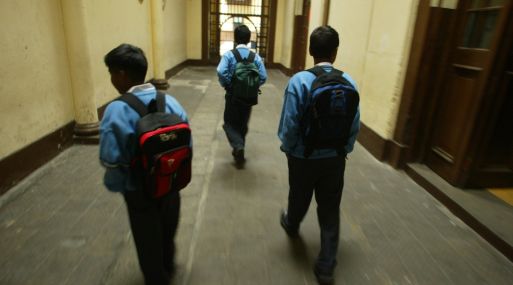
RESUMEN: Las escuelas en Mumbai que ofrecen programas de estudios internacionales han visto un aumento en el número, al igual que los estudiantes que optan por los programas de estudio nacional sobre el Consejo Central de Educación Secundaria (CBSE), Certificado de la India para la Educación Secundaria (ICSE) o certificaciones Clase XII de la junta estatal. A partir de junio de 2015, había 41 Bachillerato Internacional (IB) y 96 Exámenes Internacionales de Cambridge (CIE) escuelas en el estado afiliadas, y el Gobierno ha dado el visto bueno a la instalación de 1.018 escuelas más internacionales. De dichas escuelas, 18 estarán en Mumbai, y 50 en Thane. Esto apunta a la creciente demanda de los estudiantes para el programa de estudios orientado a la internacional. Una de las razones para el cambio puede ser debido al crecimiento en el número de los estudiantes de educación superior y carreras fuera del país. Dr. Ranjini Krishnan, director del Billabong High School, Thane, dijo: «» Ha habido un aumento, si no marcada, en el número de estudiantes que optan por planes de estudios internacionales. Hay un aumento en la aspiración entre los estudiantes y los padres, que son de la idea de una educación en el plan de estudios internacional hará que sea más fácil para ir al extranjero para estudiar o encontrar puestos de trabajo «»

Schools in Mumbai offering international syllabi have seen an increase in number, as have students opting for the curricula over the national Central Board of Secondary Education (CBSE), Indian Certificate for Secondary Education (ICSE) or the state board’s Class XII certifications.

As of June 2015, there were 41 International Baccalaureate (IB) and 96 Cambridge International Examinations (CIE) affiliated schools in the state, and the government has given a go-ahead for setting up of 1,018 more international schools.

Of these proposed schools, 18 will be in Mumbai, and 50 in Thane. This points to students’ growing demand for international-oriented curriculum. One of the reasons for the shift may be because of the growth in the number of the students pursuing higher education and careers outside the country.

Dr Ranjini Krishnan, Principal of Billabong High School, Thane, said,””There has been an increase, if not marked, in the number of students opting for international curriculum. There is an increase in aspiration among students and parents, who are of the notion than an education in the international curriculum will make it easier to go abroad to study or find jobs””

The Cambridge Board consists of the International General Certificate of Secondary Education (IGCSE), which is equivalent to the 10th standard exams, and goes on further to the As and A Levels, which are equivalent to 12th standard examinations.

Parents are eager to enroll their wards early on, even in relatively new international schools such as the Don Bosco International School — the first international school under the Don Bosco banner. Currently in their third year, the school strength has gone up from 100 students in their first year to 378 presently.

“We see a large number of applicants in our junior classes, about 400 to 500 applications for 48 seats in a particular grade. There certainly is a demand for international level education, and it is only going to grow,” said an official of the school.

The small size of classrooms — coupled with the activity and practical-oriented structure of the curriculum – is also seen as a drawing factor for applicants.

Father Gilbert d Lima, Manager of St Anne’s International School, Malad, said, “The IGCSE curriculum has a holistic approach to education, oriented towards life, and not just book. Inclusive of subjects like robotics, or

the teaching of an instrument from the first grade, it forms a connect between academics and the overall formation of the child.” St. Anne’s, which was granted permission to begin an international curriculum last year, currently has classes till the third grade, with an additional grade introduced every year.

Lissy Mathew, who works in the administration department of Nahar International School, Andheri, said, “Parents who can afford the comparatively higher fees usually choose international schools. They want the best for their children, and they opt for the international curricula.”

Most international schools have smaller classrooms, which allows high teacher-student interaction than in other boards, which usually have crowded classrooms.

There is also a marked difference in the approach and personality of students of international boards and others, said Lima.

“The children of our international school seem more curious to know about things, and express themselves much better, as compared to our state board students. This might be associated to the type of learning, with the IGCSE board being more activity-based, and the state board being rote-learning base”.

“Another major factor is the fewer number of students in the class. Our state board classrooms are much larger compared to our international school classrooms,” he said.

Amay Keval Shah, who just graduated from the Jamnabai Narsee International School earlier this year, said, “I had a choice between ICSE and IGCSE. I opted for the IGCSE because it offers a learning method based on experiments, as opposed to the ICSE, which follows a more rote method. The IGCSE programme offers students a world view, and it appealed to my style of learning.” Amay is currently in the IB programme at Dhirubai Ambani International School, and plans to study in the US after 12th grade.

Fuente: http://indianexpress.com/article/education/mumbai-students-opt-more-for-international-curricula-than-indian-3006899/

Fuente de la imagen: http://www.que.es/ultimas-noticias/sociedad/fotos/6575/20091215/53629-trabajo-educativo-fundacion-vicente-ferrer.html

Comparte este contenido:

Zimbabwe: Hundreds of Women March, Demand Free Education

África/Zimbabwe/02 de Septiembre de 2016/Fuente: All Africa

RESUMEN: Cientos de mujeres marcharon el jueves en el complejo gubernamental en Bulawayo y exigieron el raspado de las cotizaciones en las escuelas públicas diciendo que el gobierno estaba comprando más gases lacrimógenos en lugar de financiar la educación.«Estamos hartos de este sistema de educación; queremos enviar una declaración audaz de gobierno que ya es suficiente. «También queremos anunciar que vamos a ser dejar de pagar tasas y gravámenes para nuestros hijos hasta que el Gobierno respeta el derecho a la educación contenidas en los instrumentos locales, regionales e internacionales». Zimbabwe es signatario de la Declaración de Dakar sobre Educación para Todos que dice Estados deben reservar el 20 por ciento de su presupuesto nacional para financiar la educación. En el presupuesto nacional de 2016 $ 4 mil millones, el sector de la educación se destinó $ 810 millones. Mientras que el sistema educativo de Zimbabwe sigue siendo una envidia de muchos otros países africanos, ha sufrido muchos años de abandono con la infraestructura, especialmente en las zonas rurales, en un estado deplorable. Los manifestantes que cantaron y bailaron, atrayendo mucha atención, muestran pancartas, criticando la postura del gobierno en el sistema de educación pública.

HUNDREDS of women on Thursday marched to the government complex in Bulawayo and demanded the scraping of levies in public schools saying government was buying more teargas instead of financing education.

Led by firebrand leader, Jeni Wiilans, members of the Women of Zimbabwe Arise marchers called on government to implement their demands when schools open for the third term next month.

The demonstration started off at the open space opposite the Zimbabwe International Trade Fair grounds and went through the busy central business district and ended up at the Mhlahlandlela Government Office where a petition was delivered.

The complex houses the office of Minister of State for Bulawayo, Eunice Moyo, who is the highest ranking government official in the metropolitan province.

Curiously, there were no police details in sight as the marchers made their way to the government offices.

Only a few anti-riot police officers waited for the marchers at the entrance of the government offices, where they blocked the protesters from gaining access to the complex to deliver their petition to the resident minister.

The marchers who sang and danced, attracting a lot of attention, displayed placards, castigating government’s stance on the public education system.

In an interview with journalists, Williams urged government to scrap levies in all the state administered schools.

«We are fed up with this education system; we want to send a bold declaration to government that enough is enough.

«We also want to announce that we will be stop paying fees and levies for our children until the government respects the right to education as contained in local, regional and international instruments,» said Williams. She said no one was arrested during the march.

Zimbabwe is a signatory to the Dakar Declaration on Education for all which says states must set aside 20 percent of its national budget to finance education.

In the 2016 $4bn national budget, the education sector was allocated $810 million.

While Zimbabwe’s education system is still an envy of many other African countries, it has suffered many years of neglect with infrastructure, especially in the rural areas, in a deplorable state.

Fuente: http://allafrica.com/stories/201608200172.html

Fuente de la imagen: http://www.voanews.com/a/zimbabwe-women-march-demand-free-education/3471077.html

Comparte este contenido:

México: En Puebla promueven talento de alumnos a través de Feria de Proyectos

América del Norte/México/02 de Septiembre de 2016/Fuente: Terra.com

La Facultad de Ciencias de la Computación de la BUAP informó que llevará a cabo la Feria de Proyectos (FePro) 2016 en su novena edición, que tiene como objetivo promover el talento de los estudiantes.

Indicó que dicho encuentro se llevará a cabo del 8 al 10 de septiembre, en el Centro de Convenciones del Complejo Cultural Universitario. «Es una competencia estudiantil que promueve la generación de talento en el área de tecnologías de la información, con un compromiso social o científico», señaló.

En un comunicado, la Benemérita Universidad Autónoma de Puebla (BUAP) dijo que lo anterior contribuye al desarrollo de habilidades técnicas, y de innovación en los universitarios.

Explicó que FePro 2016, cuyo eslogan es ¡Levemos Anclas!, contempla siete categorías de competencia como es Software Básico, Software Avanzado, Aplicaciones Web, Aplicaciones Móviles, Videojuegos, Robótica e Internet de las Cosas.

Añadió que para lo anterior tomarán en cuenta tres áreas de impacto como son la social, comercial y científico.

«El concurso está divido en tres etapas: evaluación, ratificación o rectificación de categoría; exposición de proyectos; así como gran final y premiación», puntualizó.

Precisó que los equipos ganadores serán acreedores a materiales para desarrollo tecnológico como laptops, teléfonos inteligentes, tabletas electrónicas y tarjetas de desarrollo Arduino o Galileo, entre otros dispositivos electrónicos, asimismo distinguirán a los tres mejores proyectos por cada categoría.

Refirió que en su primera edición en 2008, la Feria de Proyectos únicamente se presentaron los trabajos finales de las materias de Programación Avanzada, Algoritmos y Estructura de Datos e Ingeniería de Software.

Subrayó que con el paso de los años, incrementó la participación de los alumnos y de proyectos registrados; el año pasado consideraron seis categorías con un total de 65 proyectos y 170 expositores.

La institución recordó que en dicha edición se enfatizó el desarrollo de aplicaciones para resolver problemas reales en las áreas de impacto social, comercial y científico.

Fuente: https://noticias.terra.com/mundo/latinoamerica/en-puebla-promueven-talento-de-alumnos-a-traves-de-feria-de-proyectos,903760d462a4ec2c6de176a31719a585ma60edwr.html

Fuente de la imagen: http://gestionccjf.blogspot.com/

Comparte este contenido:

Senadores liberales plantean revolución educacional en Paraguay

América del Sur/Paraguay/02 de Septiembre de 2016/Fuente: Prensa Latina

Senadores de la bancada liberal en la Cámara alta plantearon hoy la necesidad de realizar una verdadera revolución educativa, más que una reforma en ese sector.

La iniciativa la esbozaron ante el ministro de Educación y Cultura, Enrique Riera, quien acudió a una audiencia con los integrantes de esa instancia por el Partido Liberal Radical Auténtico (PLRA), segunda fuerza política del país.

La charla giró en torno a la situación general de la educación pública y en específico sobre la declaración de emergencia establecida hace pocos meses por esa cartera debido a las malas condiciones de la infraestructura.

Según el jefe de la bancada del PLRA, Fernando Silva, ese núcleo había decidido apoyar y tomar la iniciativa en un tema tan importante, por lo cual ya debatieron sus miembros con personalidades ligadas a esa esfera.

Tenemos una propuesta clara, hablada este jueves con el ministro, la de tener ‘el coraje de realizar no una reforma educativa, sino una verdadera revolución educativa’, explicó Silva.

Entre sus puntos incluye lograr un gran Pacto Nacional por la Educación con el fin de generar las condiciones necesarias para un desarrollo sustentable

Igualmente, una Ley de financiamiento que garantice la inversión de al menos el seis por ciento del Producto Interno Bruto nacional para garantizar la calidad de la educación paraguaya.

Otro aspecto es el de dedicar fondos a la formación y capacitación, así como al acondicionamiento de la infraestructura.

El legislador liberal reconoció la similitud existente entre la visión de la bancada y los lineamientos expuestos por el secretario de Estado.

Queremos, dijo, un país educado, que progresa, y crear no una propuesta administrativa circunstancial, sino ‘realmente programas nacionales que perduren por encima de los gobiernos y los gobernantes’.

Al terminar la reunión, Riera afirmó que los proyectos del ministerio a su cargo coinciden con varios puntos de la propuesta tendente a lograr un verdadero pacto educativo.

Los problemas de la educación en Paraguay fueron motivo de varias movilizaciones que planteaban la exigencia de mejoramiento en varios temas, tales como la elevación de la calidad.

La más recordada es una marcha de grandes proporciones en septiembre de 2015 por calles de esta capital, replicada a menor escala en otras ciudades.

En ella se unieron alumnos de centros secundarios públicos y privados, docentes y familiares de los jóvenes, con frutos positivos al verse obligado el Ejecutivo a dialogar con dirigentes de las asociaciones estudiantiles que la organizaron.

Otra fue la toma de centros escolares en mayo pasado en demanda de la renuncia de la entonces ministra, Marta La Fuente, a quien culpaban de muchas de las situaciones negativas, la cual concluyó cuando renunció la funcionaria y asumió Riera.

Fuente: http://www.prensa-latina.cu/index.php?o=rn&id=23329&SEO=senadores-liberales-plantean-revolucion-educacional-en-paraguay
Fuente de la imagen: http://www.abc.com.py/nacionales/como-mejorar-la-educacion-en-paraguay-1477255.html
Comparte este contenido:
Page 5686 of 6793
1 5.684 5.685 5.686 5.687 5.688 6.793