Page 1736 of 2546
1 1.734 1.735 1.736 1.737 1.738 2.546

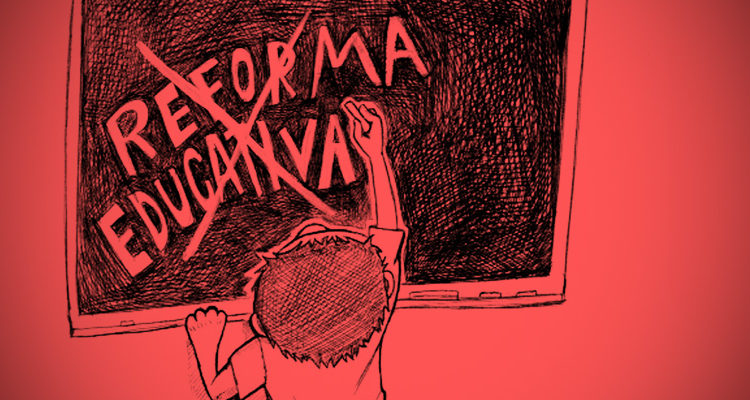
México: Reforma educativa en 3 años no ha formulado programas que impliquen cambios de fondo en la enseñanza: experto

Fuente: revoluciontrespuntocero / 8 de junio de 2016

César Navarro Gallegos, profesor e investigador del Instituto José María Luis Mora, declaró que la reforma educativa ha privilegiado la fase jurídica, administrativa y de sanción peor no ha hecho ningún solo aporte a la educación en el país.

Detalló que después de tres años de la aprobación de la reforma y las modificaciones a los artículos tercero y 73 constitucionales, la Secretaría de Educación Pública (SEP) no ha formulado ni planes, ni programas o contenidos que implique un cambio de fondo en la enseñanza y formación básica en México, ya que lo que menos ha interesado en este proceso es la infancia y adolescencia.

Navarro opinó en la mesa de análisis de la reforma educativa frente a los maestros que se encuentran en lucha y plantón en La Ciudadela, que la negación por parte de Aurelio Nuño de entablar un diálogo con la Coordinadora Nacional de Trabajadores de la Educación (CNTE), no permitirá que se aplique la reforma porque lo que se pretende es un diálogo sin diálogo.

Tras concluir la mesa de análisis los maestros se dirigieron a la Bolsa Mexicana de Valores, donde exigieron que los empresarios se involucren en la problemática por la que atraviesa la educación.

Anunciaron que el día de hoy llegarán trabajadores de la educación de Chiapas,Michoacán, Guerrero, Oaxaca, Tlaxcala, Puebla e Hidalgo que acudirán a la movilización que se prevé a mediodía; agregaron que monitorearan la llegada de los profesores a la Ciudad de México en caso que se intente impedir otra vez el acceso a la capital con el fin de obstaculizar los derechos de libre tránsito y expresión.

Enlace original: http://revoluciontrespuntocero.com/reforma-educativa-en-3-anos-no-ha-formulado-programas-que-impliquen-cambios-de-fondo-en-la-ensenanza-experto/


Comparte este contenido:

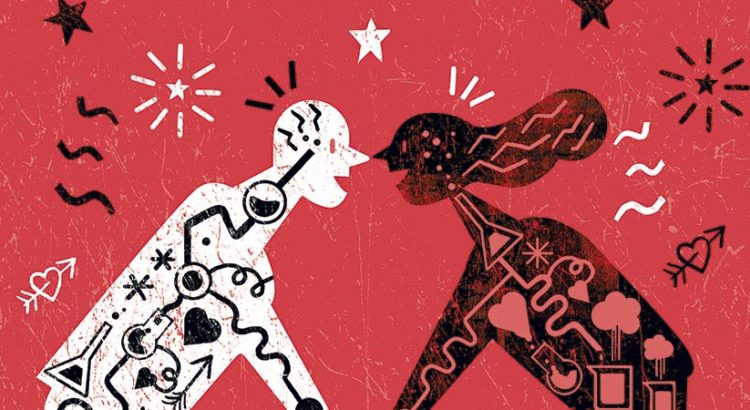
Reino Unido: University gender gap emerging at age 13, Oxford study finds

Reino Unido/08 de junio 2016/Autor: Chris Havergal/ Fuente: https://www.timeshighereducation.com

Las raíces de la creciente brecha entre los géneros en las admisiones universitarias ya son evidentes por la edad de 13 años, de acuerdo con un estudio de la Universidad de Oxford .

Las investigaciones realizadas por el Fiduciario Sutton encontró que las niñas en el año 9 fueron significativamente más propensos a percibir obtener un título universitario como importantes que sus compañeros masculinos.

En este grupo de edad, el 64,9 por ciento de las niñas consideró que era conseguir un grado muy importante, en comparación con el 57,6 por ciento de los varones.

Kathy Sylva, profesor de psicología de la educación en Oxford y un co-autor del informe, dijo que las aspiraciones más altas de las niñas «pueden estar vinculados a su mayor éxito a nivel A y admisión a la universidad».

Sobre la base de un estudio longitudinal de alrededor de 2.700 niños en edad escolar en Inglaterra, el informe encontró que una brecha importante en las aspiraciones se mantuvo en el año 11, cuando el 59 por ciento de las niñas sintió que conseguir un grado muy importante, en comparación con sólo el 53,1 por ciento de los niños.

————————————————————-

Research for Sutton Trust finds girls in Year 9 are more likely than boys to think getting a degree is important.

The roots of the growing gender gap in university admissions are already evident by the age of 13, according to a University of Oxford study.

Research conducted for the Sutton Trust found that girls in Year 9 were significantly more likely to perceive getting a university degree as being important than their male classmates.

In this age group, 64.9 per cent of girls felt that getting a degree was very important, compared with 57.6 per cent of boys.

Kathy Sylva, professor of educational psychology at Oxford and a co-author of the report, said that girls’ higher aspirations “may be linked to their greater A-level success and gaining admission to university”.

Drawing on a longitudinal study of about 2,700 schoolchildren in England, the report found that a significant gap in aspirations remained at Year 11, when 59 per cent of girls felt that getting a degree was very important, compared with only 53.1 per cent of boys.

The researchers found that more than half of all students who thought it was very important to get a degree went on to take three or more A levels – likely to be a key requirement for access to university – compared with only a third of those who thought it was fairly important and 11 per cent of those who felt it was not very important.

The research comes amid growing concern about the under-representation of young men at undergraduate level. Across the UK, 18-year-old women are 35 per cent more likely to enter higher education than their male classmates and, if current trends continue, girls born this year will be 75 per cent more likely to enrol.

Lead author Pam Sammons, a professorial senior research fellow in Oxford’s department of education, said: “Our research shows that students’ belief in themselves and their aspirations are shaped by their background. However, positive beliefs and high aspirations play an additional and significant role in predicting better A-level outcomes.

“These findings point to the practical importance for schools and teachers of promoting both self-belief and attainment as mutually reinforcing outcomes.”

chris.havergal@tesglobal.com

Fuente de la Noticia:

https://www.timeshighereducation.com/news/university-gender-gap-emerging-age-13-oxford-study-finds

Comparte este contenido:

Artículo: Scientists aren’t superheroes – failure is a valid result

El artículo nos ayuda a desmitificar la representación del científico, o la científica, como un ser infalible, perfecto y siempre obligado a aportar soluciones inequívocas ante cualquier problema planteado. Esta circunstancia, sólo emulable por los superhéroes, es la que nos revela Andrew Gelman como una muy alejada de la realidad cotidiana de quien se enfrenta a investigaciones científicas día a día. De los fallos, también en ciencia, siempre se aprende.

Source: Scientists aren’t superheroes – failure is a valid result Publicado el 8 de junio

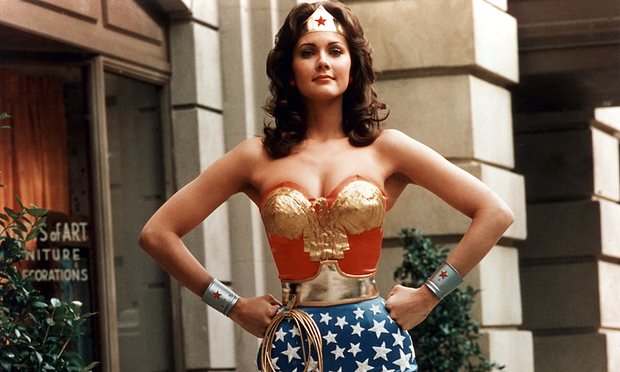
The widely reported finding that ‘power poses’ offer a hormonal boost could not be replicated in follow-up studies. Photograph: Alamy

Concern has been growing in the past decade about published scientific claims that other laboratories can’t successfully replicate. Some of these studies are pretty silly – for example, the claim that women’s political preferences change by 20 percentage points depending on the time of the month. Others were potentially useful but didn’t work out, like the one which says that holding your body in a “power pose” gives you a hormonal boost.

Related:Study delivers bleak verdict on validity of psychology experiment results

Then there are claims which may have policy relevance, such as the study that says early childhood interventions could increase young adults’ earnings by 40%. The claim came from a longitudinal study which would require at least 20 years to replicate, but, on the basis of statistics alone, we have good reason to be sceptical about the findings.

This replication problem has become a crisis in the sense that researchers, ordinary citizens and policymakers no longer know what or whom to trust. Even the most prestigious scientific journals are publishing papers that fail to replicate and which, in retrospect, are simply ridiculous.

One notorious example is a 2014 paper from the Proceedings of the National Academy of Sciences (Pnas), comparing the damage done by hurricanes with male or female names. The research was based on historical data and so could not be replicated, but featured the same sort of statistical errors that commonly appear in any work that fails the replication test.

And it’s not just journals that get sucked in. Some of our most trusted explainers and interpreters of science have been fooled by work with fatal statistical flaws. Science writer Malcolm Gladwell fell for a mathematician’s claim to be able to predict divorces with 94% accuracy and the Freakonomics team fell for the erroneous claim that beautiful parents are more likely than ordinary-looking parents to have female babies.

Statistical errors are unfortunate but unavoidable. Science is open to all, and we wouldn’t want strict gatekeeping even if it were possible. Speculative (even completely misguided) work can still indirectly advance scientific understanding. The problems come when entire fields are so shaky that outsiders – and even insiders – don’t know what to believe. This is the replication crisis, and we need to do something about it.

The problems come when entire fields are so shaky that outsiders, even insiders, don’t know what to believe

For starters, researchers need to stop making excuses and address attitudes that are getting in the way of progress. By progress, I mean moving towards a future where there are clearer links between research designs, data, analyses, criticisms and replications. The goal is not the elimination of errors, but a system with better feedback, so that dubious claims can be disputed and discussed at the point of publication, not years later when the findings have been used in news articles, TED talks, radio features and beyond.

So what’s getting in the way? Sunk cost fallacy – the error of throwing good money (or, in this case, scientific resources) after bad – certainly plays a role.

An example of this can be found in a recent New York Times op-ed by psychologist Jay Van Bavel, entitled Why Do So Many Studies Fail to Replicate?. Bavel doesn’t dodge the bad news that only 39 percent of the 100 psychological studies used had been successfully replicated – but he moves quickly to the position that the studies failed to replicate because it was difficult to recreate the exact conditions of the original.

Context certainly matters, but we should also be aware that a lot of published work is just noise. It’s always worth considering the possibility that a published finding was real and that it failed to replicate because of changing conditions, but that should not be the default assumption.

It’s natural to want to spare the feelings and reputations of hardworking researchers and it’s horrible to think that there could be hundreds of papers, published in leading journals, that are nothing but dead ends. I can see the appeal in trying to preserve some value in this mountain of published work. A paper can be seriously flawed and fail to replicate but still contain valuable insight. But our starting point has to be that any given finding can be spurious.

Related:Academics: you are going to fail, so learn how to do it better

Replications are often controlled, meaning that the researchers have chosen their data selection and analysis rules ahead of time. But published findings are almost always uncontrolled, meaning that researchers have degrees of freedom to come up with statistically significant findings. When a well-publicised study fails to replicate, this is typically consistent with a model in which the first study was merely capitalising on chance.

So how can we do better? As scientists, we have to recognise sunk cost fallacy. We need to be willing to cut our losses and accept when a research programme has not advanced, rather than grasping to explain variations that can easily be understood as mere chance.

Researchers should, of course, feel free to explore speculative routes. But we must also accept that failure is an option.

La imagen destacada es tomada de: http://www.theguardian.com/higher-education-network/2016/jun/08/scientists-arent-superheroes-failure-is-a-valid-result#img-1

Professor Gelman is giving the keynote lecture at the ESRC Research Methods Festival

Join the higher education network for more comment, analysis and job opportunities, direct to your inbox. Follow us on Twitter @gdnhighered. And if you have an idea for a story, please read ourguidelines and email your pitch to us athighereducationnetwork@theguardian.com

Comparte este contenido:

Cuba: La Unesco resalta éxitos de Cuba en educación, ciencia y cultura

La Habana / 07 de junio de 2016 / Fuente: http://www.radiohc.cu/

El subdirector general para las Relaciones Exteriores e Información Pública de la Unesco, Eric Falt, destacó los éxitos de Cuba en áreas como la educación, las ciencias y la cultura.

Un informe publicado en la página oficial del Ministerio de Relaciones Exteriores del país caribeño precisa que al reunirse con el vicecanciller cubano, Abelardo Moreno, el visitante expresó su satisfacción por estar nuevamente en Cuba y elogió los avances alcanzados por la mayor nación de las Antillas en esas esferas.

El encuentro permitió a las partes analizar la necesidad de promover la participación de las Comisiones Nacionales de la Unesco en la elaboración del Programa y Presupuesto de la institución para el próximo periodo, tema que será analizado en la III Reunión Interregional de las referidas Comisiones Nacionales a celebrarse en China este mes de junio.

Por su parte, Moreno reiteró el apoyo y compromiso de Cuba con la Unesco y agradeció, además, la posición de ese organismo internacional en contra de la política de bloqueo impuesta por Estados Unidos contra el pueblo cubano.

Fuente noticia: http://www.radiohc.cu/noticias/nacionales/96053-la-unesco-resalta-exitos-de-cuba-en-educacion-ciencia-y-cultura

Comparte este contenido:

La maldición de que cada oveja tenga su pareja

Chile/ 05 de Junio de 2016/La Tercera

Por: Carlos Mathías Pérez

Un estudio dado a conocer esta semana por el CEP revela que la gente tiende a emparejarse con personas con su mismo nivel educacional y que eso reproduce la desigualdad. Un fenómeno que ayuda a entender por qué aunque aumenta la escolaridad no se acorta la brecha socioeconómica.

Cuando se casaron en 1992, Sandra Román y Francisco Arriagada tenían una diferencia: la cantidad de años que cada uno había pasado estudiando. Él era ingeniero civil de la Universidad Católica de Valparaíso, y ella había llegado sólo hasta segundo medio en un liceo de Rengo. “Entre nosotros nunca fue tema, pero sí y mucho con las parejas de los amigos de mi marido. Ellas siempre eran profesionales”, dice Sandra que explica que le incomodaba tener que responder que no tenía título, por lo que finalmente años después terminó la educación media y se puso a estudiar en la universidad.

En Chile, el caso de Sandra y Francisco es excepcional. Algo que demuestra la experiencia directa y confirma la investigación El diálogo de dos desafíos: evolución y relación de la desigualdad y la escolaridad en Chile, del economista del Centro de Estudios Públicos (CEP) Estéfano Rubio, quien usando datos de la Encuesta Casen realizada entre 1990 y 2013, vio cómo la tendencia de los chilenos a emparejarse con personas de sus mismos niveles educacionales (o emparejamiento selectivo) afecta la desigualdad socioeconómica.

“Siempre se habla de la desigualdad que hay en Chile, lo que me hizo pensar sobre si hay factores estructurales que impiden que ésta se reduzca. Me pregunté si las decisiones de las personas -por ejemplo cómo constituyen sus hogares-, la afecta más allá de todas las medidas en políticas públicas que se tomen”, cuenta Rubio.

Florencia Torche, académica de sociología en New York University (NYU) y la UC, es probablemente quien más ha investigado en Chile el emparejamiento selectivo, también conocido como homogamia educativa (o para complicarlo más, homofilia), y explica que aún no se sabe bien qué es primero en este fenómeno, si el huevo o la gallina; es decir si es la desigualdad la que causa que la gente se empareje con sus iguales, o al revés. Pero agrega que lo que se ha demostrado es que ambas cosas suelen ir juntas: “Donde hay más desigualdad económica, hay también mayor homogamia educativa”.

En su estudio, Rubio determinó que en las últimas décadas este indicador casi no ha variado en Chile. Según sus cálculos, si en 1990 el 60,8 por ciento de las parejas chilenas (casados y convivientes) tenía el mismo nivel educacional, para 2013 era el 57,7 por ciento. Esto se apoya en los extremos: mientras la gente en tramos medios tiende a casarse con más diversidad, las personas con estudios profesionales y de postgrado, por un lado, y quienes no tienen estudios, suelen ser mucho más endogámicas.

Esos dos mundos, además, no se encuentran, lo que agudiza la desigualdad porque hay una gran diferencia de rentas entre ambos: en promedio un profesional universitario gana un 150 por ciento más que alguien sin educación que a su vez recibe tres cuartos menos que un graduado  de la educación técnica.

De acuerdo al estudio de Rubio, la cantidad de parejas que tienen el mismo nivel de estudio en Chile es alta comparada con los datos que hay de Estados Unidos, Brasil, Argentina y similar a las de México.

Los resultados llevaron al investigador a una conclusión poco alentadora: la homogamia educativa consolida la desigualdad entre generaciones. “Si a este factor le sumamos la alta segregación social que hay, la que disminuye las probabilidades de conocer personas de otro nivel, lo que vamos a tener son parejas homógamas que a su vez van a traspasar su nivel educacional a sus hijos. Entonces, se van a repetir las estructuras sociales. Eso es lo más preocupante del estudio”, dice el economista.

Para contrastar esta realidad, el investigador del CEP hizo una simulación para ver qué habría pasado si los padres de cada chileno se hubieran casado de forma aleatoria -es decir, sin emparejamiento selectivo-. En ese escenario, la desigualdad hubiera caído cinco puntos de acuerdo al índice de Gini, lo mismo que ha bajado en los últimos 25 años. “Nos habríamos ahorrado un cuarto de siglo de políticas públicas que disminuyesen la desigualdad”, dice Rubio. Además hubieran bajado en un cinco por ciento las personas sin educación.

Pero sus resultados tienen otra cara y se ve en una caída del cinco por ciento de las personas con educación superior y como consecuencia una disminución significativa de los salarios. “Como este grupo gana proporcionalmente mucho más que los otros segmentos, al reducirlos caen los ingresos promedio en un 15 por ciento”, dice el investigador. Su cálculo es el siguiente: si hoy el sueldo promedio por individuo es de 501 mil pesos, en su universo paralelo sería 427 mil pesos.

Es decir, de acuerdo al estudio se produce un intercambio entre aumento de la igualdad y una caída en el salario promedio. Si eso es deseable o no, es una decisión más política o incluso valórica que económica.

El valor de la educación

Mauricio Reyes y Rosemarie Vettel se casaron hace 22 años. Se conocieron en el trabajo, él con un título técnico de modelaje industrial del Incacea y ella, de ingeniera comercial de la Universidad de Chile. Algo que pesó. “Cuando empezamos, fue un tema la diferencia educacional. De repente me sentía que no encajaba en las conversaciones de ella con sus compañeros de universidad. Salíamos a comer y quedaba colgando”, recuerda Reyes, quien a los 40 años también entró a estudiar a la Universidad Finis Terrae.

“Me ha tocado ver que las personas que entran a carreras de pregrado sobre los 40 años son las que tienen un cónyuge con título universitario”, explica Ana María Yévenes, directora del Centro de Estudios e Investigación sobre la Familia (CEIF) de esa universidad.

Para el sociólogo Juan Carlos Oyanedel, director de la Fundación Centro de Estudios Cuantitativos, este factor se explica porque al estudiar una carrera se aprende a hablar un “idioma”. “El proceso educativo te transforma, adoptas otros códigos. Por eso empiezas a hablar como abogado, sociólogo o economista, para entenderte mejor con tu nueva comunidad”, dice Oyanedel, agregando que “mientras más alto es el nivel educacional, más codificado es el lenguaje y más alta la probabilidad de emparejarse con alguien del mismo nivel educacional”.

En esto también tiene que ver el explosivo aumento de la educación superior. En 1990, el 13 por ciento de la población entre 18 y 24 años llegaba a ella, cifra que en  2009 alcanzó el 30 por ciento. Para probar el efecto que ese mayor acceso a estudios ha tenido sobre la homogamia educativa, Florencia Torche, comparó los últimos cuatro censos válidos (1970, 82, 92 y 2002) y descubrió que el emparejamiento selectivo aumentó en todos los periodos, especialmente en 2002.

Oyanedel cree que los distintos mundos han extremado sus barreras. “Ahora lo que tienes es que las personas sin educación no tienen otra opción: se tienen que casar entre ellos. La educación ya no es un elemento de selección, sino más bien de exclusión social”, explica el sociólogo, quien agrega que es posible que eso se siga agudizando y para las personas que no tienen estudios sea cada vez más difícil romper el círculo y emparejarse con alguien con otro nivel educacional. “La distinción ya no va a ser por tener educación superior, sino que por tener estudios de postgrado o por las características institucionales. Habrá una homogamia más alta entre la gente de la Chile y la Católica, por ejemplo”, augura Oyanedel.

En el estudio del CEP se ve que en el último tiempo los grupos con educación superior se han abierto más a casarse con gente que no tiene el mismo nivel educacional y en las últimas dos décadas las parejas en que ambos son profesionales cayeron en un 42 por ciento. Pero, a la vez, aquellos en que ninguno de los dos tiene estudios crecieron en la misma proporción.

Otro hito en este proceso ocurrió en 2008, año en que las mujeres matriculadas en pregrado superaron a los hombres rompiendo de paso la equidad en el mercado marital de los universitarios. Torche explica que esta es una tendencia mundial frente a la cual las mujeres tienen caminos: emparejarse con tipos con menor nivel educacional o simplemente quedarse solteras, opción que era la más común en Estados Unidos en décadas como los 60, 70 u 80. Para hacerse una idea, hoy en Chile las mujeres duplican a los hombres en estudios de postítulo: 16.521 frente a 7.481.

Todo esto presiona por cambios en las costumbres. “Que un hombre se casara con una mujer con mayor educación estaba un poco estigmatizado, pero en la medida que cambian los patrones culturales el que hayan parejas así se ha vuelto una opción más prevalente y menos estigmatizada”, explica la socióloga de NYU.

A la hora de proyectar qué pasará en el futuro, Rubio es optimista: “En las próximas generaciones va a haber una caída en la desigualdad, un aumento en los ingresos y en los niveles educacionales”. Eso sería producto del incremento de los chilenos con educación superior: “Muchos de nuestros padres no tenían educación, y eso bajaba mucho los índices, pero hoy hay mucha más gente que tiene educación superior”. Y ya se sabe, a más progenitores profesionales, más probabilidades de que los hijos tengan un cartón.

Sandra Román y Francisco Arriagada

En 1991, trabajaban en la mina El Teniente. Él era ingeniero civil y ella había llegado sólo hasta segundo medio en su liceo de Rengo. Ahí se conocieron, se casaron, se cambiaron de zona y mientras él trabajaba, ella se hacía cargo de la casa y lideraba proyectos sociales, como un hogar de menores que fundaron en Punta Arenas. “En regiones siempre pude desarrollar proyectos y relacionarme con las autoridades, pero cuando llegué a Santiago toqué puertas y no se me abrió ninguna porque no tenía un título”, recuerda Sandra. Cuando rondaba los 40, por el trabajo de Francisco, se instalaron en Lima, donde le resultó más fácil decidirse a terminar sus estudios. De vuelta en Chile, a los 43 años, entró a la carrera de Ciencias de la Familia en la Universidad Finis Terrae. Hoy prepara su tesis y trabaja en el diplomado de Niños y Políticas Públicas de la Universidad de Chile.

El principal cambio que eso le ha traído es la relación con sus tres hijas.  “Es muy gratificante poder responderles. Me acuerdo cuando estaban en el colegio, me preguntaban cosas y no podía hacerlo. Era muy frustrante”, concluye Román.

Mauricio Reyes y  Rosemarie Vettel

Se conocieron en el trabajo, ella era ingeniera comercial de la Universidad de Chile y él, técnico de modelaje industrial del Incacea. “Hay un tema social un poco fuerte respecto a las diferencias educacionales. Para nosotros fue un tema casarnos, hacer pareja y familia”, reconoce Reyes. En esos años llegaron a un acuerdo: Rosemarie, que tenía mejor renta, se abocaría más al trabajo y él se enfocaría más en los hijos. “Al largo plazo te das cuenta de que con esto hay un desgaste para la pareja, porque socialmente te hacen ver que esa parte en lo financiero a lo mejor la debías haber llevado tú”, dice Reyes.

Llegando a los 40 quiso estudiar Ciencias de la Familia en la Universidad Finis Terrae. “Entré porque el negocio que tenía se estaba yendo a las pailas y porque mi hijo menor, Lukas, nació con una discapacidad, entonces me di cuenta de que tenía que reinventarme”, explica. Hoy trabaja en la Cámara Chileno Alemana de Comercio (Camchal), donde es asesor de proyectos.

Jorge Leiva y María José Pérez

Se conocieron en 2012 por amigos en común. Él era técnico de ingeniería en gestión de negocios y ella era magíster en ingeniería civil de la UC y se preparaba para partir a estudiar Management Science and Engineering a la Universidad de Columbia. Él dice que la diferencia de niveles de estudio no fue importante. “Al contrario. Más que un conflicto era admiración por todo lo que ella ha logrado con esfuerzo”. Mientras ella estaba afuera, él se quedó acá y se puso a estudiar en las noches ingeniería comercial. “Ella me motivó, pensé que mis esfuerzo darían frutos, así como los tenía ella por el suyo”, dice Leiva, quien ya se tituló y ahora trabaja en una empresa de tecnología.

Fuente: http://www.latercera.com/noticia/tendencias/2016/06/659-683521-9-la-maldicion-de-que-cada-oveja-tenga-su-pareja.shtml

Comparte este contenido:

Honduras: organizaciones de la comunidad LGTB demanda respuestas por crímenes

San Pedro Sula / 07 de junio de 2016 / Fuente: http://www.laprensa.hn/

La Unidad de Muertes de Impacto trabaja en la investigación de este y otros casos, dice vocero del Ministerio Público.

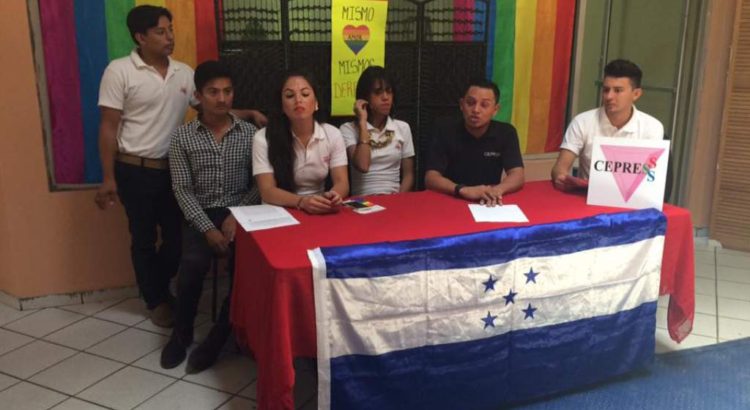
Las organizaciones de la comunidad lésbico-gay demandaron, en conferencia de prensa, la resolución investigativa de la muerte del dirigente René Martínez, encontrado sin vida la noche del miércoles pasado en un solar baldío de Chamelecón.

En lo que va del año se reportan ocho muertes violentas de hombres y mujeres pertenecientes a los llamados LGTB (lesbiana, gay, transexual y bisexual), de los cuales cuatro se han suscitado entre mayo y junio.

El Centro de Educación y Prevención Salud Sexual y Sida (Cepres) realizó una conferencia de prensa para pronunciarse sobre la tragedia ocurrida la semana pasada con su compañero René Martínez, quien además era presidente de un patronato en Chamelecón y militante del Partido Nacional.

Josué Hernández, director ejecutivo de Cepres, manifestó que en los próximos días esperan tener una respuesta estatal sobre los responsables de la muerte de René, al igual que con las de sus demás compañeros.

“Queremos que la mirada del mundo se vuelque a Honduras y puedan ayudar a resolver estos crímenes que solo dejan en evidencia lo expuestas que estamos todas las personas que tenemos orientación sexual distinta”, dijo Hernández.

El directivo de Cepres informó que solo un día después de la muerte de Martínez reportaron la pérdida de otro de sus miembros.

Tras la pista

Elvis Guzmán, vocero del Ministerio Público, indicó que la Unidad de Muertes de Impacto trabaja en las investigaciones para dar con los hechores de la muerte de todas las víctimas de la comunidad LGTB.

“Es un proceso que a veces tarda porque son muchos los factores que deben tomarse en cuenta”, declaró Guzmán.

Fuente noticia: http://www.laprensa.hn/honduras/967581-410/comunidad-lgtb-demanda-respuestas-por-cr%C3%ADmenes

Comparte este contenido:

EEUU: Parents wrote about their transgender five-year-old, and readers had strong reactions

EEUU/8 junio 2016/Fuente: Whashinton 

Resumen:

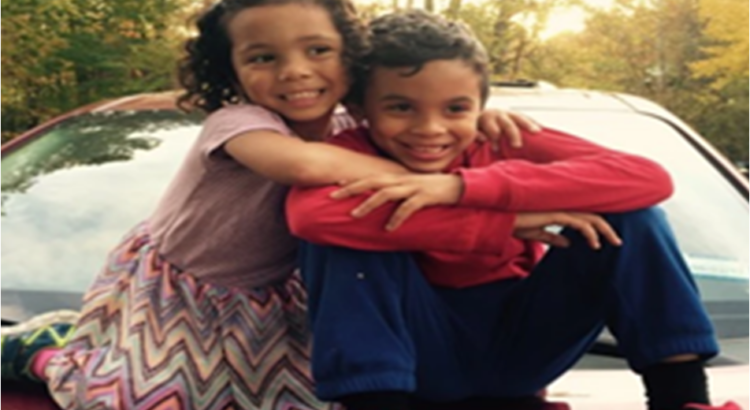
Ron y Vanessa Ford son los padres de un niño transgénero 5 años de edad, y recientemente escribió para The Washington Post acerca de por qué ellos aprecian y apoyan la directiva de la administración de Obama a las escuelas sobre la acogida de los estudiantes transgénero. La directiva ha provocado una reacción de las autoridades locales y estatales que lo consideran extralimitación federal, y que sobre todo oponerse a la exigencia de que las escuelas permiten a los estudiantes transgénero a utilizar baños que corresponden a su identidad de género.

————————————————————————————-

Ron and Vanessa Ford are the parents of a 5-year-old transgender child, and they recently wrote for The Washington Post about why they appreciate and support the Obama administration’s directive to schools on accommodating transgender students. The directive has spurred a backlash from local and state authorities who call it federal overreach, and who particularly object to the requirement that schools allow transgender students to use bathrooms that correspond to their gender identity.
During a town hall event on June 1, President Obama said his decision to direct public schools to allow transgender students to use the bathrooms of their choice was based on the law and is intended to keep children out of «a vulnerable situation.» (Reuters)
For the Fords, the debate about bathroom access is really a debate about discrimination, and about whether the government will or will not sanction discrimination against their child.

“We are an interracial couple,” they wrote. “Fifty years ago, in many places across the country, it would have been legal to discriminate against us because, many people said, a fundamental part of who we are was somehow offensive and perverse. Our daughter is transgender. In many places across the country, it is legal to discriminate against her because, many people say, a fundamental part of who she is somehow offensive and perverse.”

We asked readers to weigh in on how the bathroom debate compares to earlier civil rights debates. There were many responses, representing the wide range of views and strong feelings that have characterized the discussion about transgender rights in America.

We heard from people who believe that the fight for transgender rights is akin to the civil rights battles of the Jim Crow era, and others who believe it is insulting to compare the two.

We heard from Christians who said that people should live according to their biological sex because God doesn’t make mistakes, and we heard from Christians who said their faith calls for loving and respecting all people, regardless of gender identity.

We heard from transgender adults who praised the Fords for giving their daughter the gift of unconditional love, and from parents of transgender children who said they appreciated the Fords’ courage in speaking publicly.
Others said they believe the Fords are encouraging a child’s delusion, and they questioned whether such a young child is capable of deciding that her gender doesn’t match the sex she was assigned at birth. How do the Fords know that their daughter isn’t going to change her mind?

Vanessa Ford pointed to an emerging body of research on transgender children who are supported and affirmed by their families — a population that has been difficult to study until now because the acceptance of transgender children is a relatively recent phenomenon.

One recent study from the University of Washington — published in Psychological Science in 2015, and part of a longer longitudinal study of transgender children younger than 12 — suggested that transgender children’s gender identity is real, and not the result of confusion or acting. Another, published in February in Pediatrics, showed that transgender children who are supported by their families have the same rates of anxiety and depression as children who are not transgender — and they have much lower rates of anxiety and depression than gender-nonconforming children in earlier studies.

Ford said that people who want to know more about their decision to support their child’s gender identity can read the letter they sent to family and friends, which appears in full below.
Here are a selection of responses The Post received from readers to the Fords’ original essay, who wrote about how the debate about transgender rights compares to past civil rights battles. Some have been edited for length and clarity.

“Being transgender myself, I spent my childhood, youth and most of my adult life in denial and hiding my true self”
I fully agree with the article and the notion it expresses. Being transgender myself, I spent my childhood, youth and most of my adult life in denial and hiding my true self, resulting in self-loathing, self-harm and two suicide attempts. (Thank the Lord, also in a 30+3 year marriage — yes, three years already as wife and wife — and with two open-minded children.) No kid, no youth, no adult who happen to be trans should be discriminated against. Bathroom bills aren’t about bathrooms, aren’t about safety, they are about discrimination. 70 years ago, the marriage of my mother and my father would have been illegal, I would have been sent to a concentration camp (probably right into the gas chambers) which is why I am very sensitive to discrimination and do advocate for equal rights for any human being no matter age, ethnicity, gender, sexual orientation, whatever.
— 55 years old, Germany
“People who are transgender/non-conforming need protection”
Bless you for having the courage to share your family’s story. Your children are both fortunate to have you as parents.
Since your story was personal, I wanted to add a comment to readers who worry that pedophiles will use this legal protection as a means to abuse children in public bathrooms. We can protect children from abuse only if we adults move beyond fear and learn facts. Pedophilia is not characterized by random — or public — crimes. (Consider wrenching stories of well-hidden clergy abuse.) The truth is, people who are transgender/non-conforming need protection from others wishing to harm them.
— 53 years old, Silver Spring, Md.

“God bless parents like yourselves”
I am a transgender woman, now aged 71, who grew up in fear of being locked up and the key thrown away, so I tried to conform but I was bullied at school, called names and “rechristened” a girl’s name by the boys because of how I was. I tried to transition in 1962 when I was 17, but I didn’t have supportive parents or support groups, and the Internet was not even dreamt about at that time. So I thrust it deep, lost myself in studies and got innumerable degrees — and also became borderline alcoholic in a desperate attempt to numb my mind. A failed suicide attempt at the age of 27 led me to seek help from a medical professional. I transitioned in the early 1970s and have had a wonderful, fulfilling life for almost half a century now. God bless parents like yourselves who by accepting their child as they are, can avoid the fear, trauma and pain of trying to be somebody that you are not.
— 71 years old, United Kingdom

“I wish we could change our society”
Instead of changing bodies, I wish we could change our society to one that accepted feminine boys and men and masculine girls and women so that no one felt compelled to expose themselves to the risks of life-long hormone administration or the removal of healthy organs.
— 50 years old, Philadelphia

“I was so close to suicide so many times I have lost count”
Having lived through the civil rights movement since the 1950s, I see little difference in the nasty justifications to discriminate based on race or gender identity. Among certain people there still seems a deep seated need to identify those who are different and exclude them from society and to limit their rights. I am a transgendered woman and the discrimination kept me in the closet from about age 8 until my transition this year at the age of 67. What was it like to live a restricted, unauthentic life for 6 decades? I really can’t put it into words and when I try all that comes is tears. It is a miracle that I am still here today to enjoy my newfound life as myself. I was so close to suicide so many times I have lost count. I am only here because my sense of duty towards family kept me tied to this life. This long, long lonely sojourn was not because there was anything wrong, perverse or abnormal about me, but was entirely the result of a cruel and uncaring society that promised the complete destruction of my life and the lives of those I held dear should I ever express my true self. When I realized my difference in 1957 we were living north of Atlanta and I still can see in my mind the towering figures in white satin robes manning their KKK Labor Day roadside coffee stops to disseminate hate under the pretense of performing a civic service. Human cruelty seems to have no limits. I think we can win the fight this time, but it is very hard. I cannot bear the thought of children like Ellie experiencing any of what I had to endure. People who support these laws have not the slightest concept of the suffering and damage they are attempting to inflict on the transgender community and its children. The human heart still has an infinite capacity for ignorance and cruelty.
— 67 years old, Sequim, Wash.

“This boy is not and never can be a girl”
This is outrageous! These “feel good” articles are deceiving and totally evil. This is nothing more than social engineering! Any parent who allows this “transgender” fantasy is guilty of child abuse! This boy is not and never can be a girl because his sex is defined in his DNA and CANNOT BE CHANGED! STOP THE MADNESS! Children who act this way need help, not pandering to their delusional fantasies! As for bathrooms, people need to go to the one according to their biological sex! Period!
— 70 years old, Orlando, Florida
“You are made to feel you are not wanted”
I wish you all the best with your transgender child. It is a rough life as most are not accepting. I transitioned almost twenty years ago so I have seen the storms directly. Looking just for bathroom rights is probably one of the more minor issues – not that it is not important. Being able to secure work, housing and overall life opportunities are far more critical. As a transgender person, there is a pressure everywhere that is forcing you out of society. You are made to feel you are not wanted and are not accepted as you are. Anyone can deal with such attitudes in the short term, but in the long-term it is easy to just give up. Your skills do not mean anything, because any potential employer just looks at your transgenderism and decides not to hire. That is the killer!
— 48 years old, Reno, Nev.

“It is extremely insulting to compare trans rights with the struggle that black people have faced”
It doesn’t compare at all because they’re two completely different situations in different time periods affecting two different types of people. It is extremely insulting to compare trans rights with the struggle that black people have faced ever since they came to America. Until trans people are lynched, getting bit by police dogs, hosed with hard pressured water, and treated like actual second class citizens then the comparison is extremely silly!
— 23 years old, Houston, Texas

“Get over it, people. It’s no one’s business what’s in someone’s pants.”
This issue pisses me off. Let a person use the bathroom that they want to use. People are afraid there will be “men” in the ladies room, while the person next to you checking their makeup may have a penis, they think of it as a mistake because they have a woman’s brain. Transgender people have been around since the dawn of time and have been using public restrooms since their invention. Sex reassignment surgery has been done since the 1930’s (Google it). Get over it, people. It’s no one’s business what’s in someone’s pants when it comes to marriage or bathrooms. If we would all treat each other with the love and respect they deserve as a human being the world would be a much nicer place, and just maybe “officials” would be free to tackle the important issues.
— 53 years old, Washington, Pa.

“A child of 4 or 5 cannot and should not make a decision like that”
It is a parent’s job to guide the child in the right direction, and a child of 4 or 5 cannot and should not make a decision like that. If their “daughter” shows her penis in any bathroom I’m in, HE will be told he’s a BOY and told to get out of the LADY’S ROOM!!!
— 60 years old, Seattle, Wash.

“No child should have to grow up that way”
My daughter claimed her identity as female at age eight. Before that time she lived in constant stress. She was constantly forced to use the wrong restroom. The boys’ room was a foreign and unsafe space for her. She was bullied there. She knew it wasn’t the right place for her, and consequently she stopped going. She developed a bowel disorder that could plague her for the rest of her life. Even though we live in a relatively accepting community, she still faces a lot of pressure from a society that does not completely accept transgender children. No child should have to grow up that way. There is an immediate and direct connection with previous civil rights struggles. It’s the same phenomenon cloaked in different labels.
— 52 years old, Boulder, Colo.
“We are becoming too permissive with our children”
As a Catholic, and a Christian, I believe we are becoming too permissive with our children. I remember when my sister and I were growing up, we were allowed to play as we wanted. We hung out with boys and dressed in boyish clothes. We played with toys meant for boys. We never doubted the fact that we were girls. Until we come to terms with the fact that a person’s gender cannot completely be changed, nobody will be happy. As for the bathroom, a lady should never be forced to share a bathroom with a man.
— 44 years old, Lubbock, Tex.

“This push towards transgender acceptance is very dangerous”
How did this turn into a civil rights movement? Because it shouldn’t be, it should be about teaching your child right from wrong and ignoring those who would disturb morality. The bathroom and transgender rights would not be a problem if people understood that it is harmful to allow one to identify as the opposite gender. Transgenders have a 41 percent chance of committing suicide. In what way is allowing children to do the same a positive thing? You can google transgender violence or bullying and it’s common. This push towards transgender acceptance is very dangerous. It’s a safety issue that should have been addressed before experts decided that kids should transition. The best way to protect your child is to let them know they need to follow what their parents say instead of the child doing what they want. Parents need to teach kids right from wrong.
— 25 years old, Chicago, Ill.

“Christians should act like Christians and embrace the diversity of humankind”
My husband and I have been foster parents for 30 years to children from many backgrounds and inclinations. Our role as adults is to do all we can to make a child feel included. Fear is what creates stupid laws and an atmosphere of paranoia. Remember the mean girls in the high school bathrooms? Those were the people I feared. Haven’t had an issue with a restroom since then. Do we start challenging people who do not fit the model of femininity, masculinity and become the bathroom police of who can enter? Anyone with evil intent can always find a way. Christians should act like Christians and embrace the diversity of humankind.
— 76 years old, Kensington, Md.

“Students are much more accepting than their parents”
I think state bathroom laws regarding transgender students IS the new civil rights debate. I am a teacher at a public school and I can tell you that students are much more accepting than their parents, so there is hope in the next generation for all civil rights issues. I agree with the rights of all humans and agree with the Dept. of Justice and the federal government withholding money from states that discriminate.
— 58 years old, Bowie, Md.

“Separate but equal”
To those who want to compare sex-segregated facilities to race-segregated facilities, I would only ask this: if requiring people to use facilities that match their sex regardless of their gender identification is the same as prohibiting people of different races from using the same facilities, what possible moral or legal justification can there be for “separate but equal” facilities for different sexes — or for different genders, for that matter?
— 62 years old, Arlington, Va.

“This controversy is about fear”
Oh, I don’t think it is even about civil rights. This controversy is about fear. All of a sudden we are concerned about predators accosting our women in public restrooms. There has never been a law to prevent men from entering a women’s room in the first place, but now, men or even worse, boys, are going to pretend they are female to enter a restroom to attack women?? Who thinks like this? Most people do not flash their private parts in public restrooms. I don’t have any personal experience with transgenders that I know of, but I have always had gay friends or co-workers. I never thought I would see the progress we have achieved in the last few years. It’s about time, and now we have another hurdle. Can’t we just accept them as people?
— 58 years old, Crownsville, Md.

“I’m afraid they’re making a terrible mistake”
A 5-year-old transgender?! At 5, I wanted to be a boy. I’m so glad my mother didn’t indulge that. I’d be so screwed up if she had. I’m now a happy healthy adult heterosexual female who is still a bit of a tomboy. Just do gender neutral activities and buy gender neutral clothes until the kid finds out who s/he is. These parents think they’re doing a good thing, but I’m afraid they’re making a terrible mistake.
— 32 years old, Los Angeles

“I too worry about what would happen if society turns against my child”
Vanessa, I am so proud of you and Ellie and your entire family. Your words are powerful. As the parent of another transgender 5-year-old, I too worry about what would happen if society turns against my child and discrimination were to be legislated on the basis of fear and falsehood. I start too many days reading missives filled with fear and anguish from parents whose children are not affirmed in their communities, and who hang in the balance between life and death. I urge people to listen to your words carefully, and to allow you to be the bridge by which they cross over and experience for a moment, the life of the “other.” Love to you and your family.
— 39 years old, Melrose, Mass.

“Last time I checked, restrooms had private stalls”
I really don’t understand all this fear of ‘perverts’ in the bathrooms. As far as I can tell there has never been a reported case of a transgender person ‘misbehaving’ in a restroom. Although there are now many cases of cis-gendered persons being harassed because they don’t look ‘male’ or ‘female’ enough in some people’s eyes to be using the restroom of their sex. Last time I checked, restrooms had private stalls – if we could all just respect that privacy – this would be a non-issue.
— 64 years old, Reston, Va.

“My daughter is also transgender”
My daughter is also transgender. I fear for her safety because she is living in an area where politicians are actively advocating laws to discriminate against her. The least-informed people are spreading fear and hatred against some of the most wonderful, caring people I know. I know I will never fully know the pain and suffering of those who struggled with racial discrimination, but having a transgender daughter has opened my eyes to how heartbreaking it can be to parent an innocent child who is targeted by those who know nothing about her.
— 54 years old, Houston area

“I salute these kids for their courage and strength”
I find it totally fascinating that kids at 4 and 5 are now confident enough to in essence come out and express who they are and how they feel. Just as a parent, I find it amazing. (It also shows that even at early ages kids listen and form their own ideas and actions.) My kids are not transgender, but I deal with issues of self-image, self-confidence, anxiety and depression. From that perspective alone I salute these kids for their courage and strength at any age and the parents that provide and support them!
— 50 years old, Washington, D.C.

“I am the father of a gender non-conforming daughter”
I am the father of a gender non-conforming daughter. At age 5 she refused to wear dresses. She sometimes said that she wanted to be a boy and periodically asked to be called by a boy’s name. She often refers to herself as “he” in her various imaginary games. At age 6, she started asking for “fancy” clothes, i.e., boys’ suits, which she loves wearing. That being said, she has never complained about using a girls’ bathroom, has never said she wished she had a penis and refers to herself as our daughter. Her teachers have been incredibly understanding and supportive, and her fellow elementary school students appear to treat her just like anyone else. I confess that I don’t understand all of her preferences but what I do understand is that she’s my child and deserving of my unconditional love, support and acceptance. My daughter is a remarkably happy, easygoing child and we attribute that, in part, to the casual acceptance of those around her. Of course I have no idea what path my daughter will take through life but I know that the objective of all parents is to help their children become the best versions of themselves that they can be. It baffles and infuriates me that some people might stand in my way to do that.
— 56 years old, Bethesda, Md.

“As a Christian this deeply disturbs me!”
I find it outrageous. As a Christian this deeply disturbs me! It has gotten progressively worse. My daughters are grown but I won’t subject my 3 yr old gbaby to such foolishness. She should never have to worry about who’s in the bathroom with her. The problem with this is it will open the door to perverts and that IS the problem. As far as the little boy wanting to be a little girl, I wont even comment but to say, Puhlease, God makes NO mistakes!
— 48, Waldorf, Md.

“I have a few questions”
This is a good article. I support people being who ever they are. I also believe that this is a civil rights issue. Bathrooms should be built that are unisex so this does not continue to be a real issue. However, I have a few questions as I am trying to learn more about transgender people. Is this a chromosome issue? What happens when this child starts to grow facial hair? Will she have some kind of surgery to deal with genitalia? What about her voice? Will she take hormones? Will these hormones stunt her growth? Does she get psychological counseling? Sometimes people fear other people who are different because they lack information. Just like racism, sexism, ageism etc.
— 58, Washington D.C.
The Ford family’s letter to family and friends about their child’s coming out as transgender:

Dear Friends,

For a long time, we said, “Our son likes dresses but also ninjas” to describe our child to others. However, we, and a number of experts and specialists, don’t feel that’s a fair description of our child anymore. Our child insists every day, in many ways that they are a girl and has for a long time. Our child has asked for us to call them her/she/sister and Ellie is a name she chose once she realized people would think she was a boy with her birth name.

Starting around age 4, Ellie has consistently and persistently told us she is a girl in many ways. The most clear have been “I’m not a boy. I am a girl.” “I’m a girl in my heart and my brain.” Most times when she says these things, she says them without prompting or questioning. She draws herself as a stick figure girl, says she’s a girl — often many times a day when playing (“I’m the girl power ranger, I’m Wonderwoman/SpiderGirl/BatGirl etc). We purchased a whole “girl” wardrobe after a tantrum one morning about having to wear “boy” underwear. Since that point, our daughter has truly emerged. She has blossomed, is happier and just seems more herself. It’s hard to explain. (Ellie chose her new name by the way. It’s the name of her lovey and it means “shining light”!)

We haven’t seen that she’s experienced a lot of the distress (dysphoria) that often appears in transgender children but we have seen some, and it’s been concerning. For example, we’ve heard her talking in her room late at night pointing and poking at her chest saying “Boy! Boy! Boy! I am a boy! I like power rangers!” It was unsettling and her tone was worrisome. That was the last time she ever mentioned being a boy and we soon got her the clothes to match who she said she really was. This has helped. Another example was when we didn’t have a “girl” swimsuit and she had a rash guard that said “surfer girl” on it. Twice she threw a tantrum having to put on a life jacket. We didn’t know why but eventually she said, “It will make me a boy! It covers my girl words. People will think I’m a boy and I’m not!” So we got her a “girl” suit and she is much happier… and safer in the water!

When a person is transgender, their brain doesn’t match their body and we are going to work to ensure we can do whatever we can to affirm our child so she doesn’t feel the conflict between how she feels inside and how she is seen on the outside.
We thought about waiting with the name and pronouns… seeing how this played out over time. But the reality is, the risks are too high for us to ignore her true self as she tells us, and has been telling us. If, later in her life, she tells us differently, we will listen then too. Over 50% of transgender teens attempt suicide, even higher for teens of color like Ellie. Ron and I are going to do every single thing we can so our child knows they are loved for whoever they tell us they are. And our child tells us she is Ellie.

Finally, and very importantly, we don’t see anything “wrong” with our daughter. This is the way our child was born and we love her… and hope the community around her in school, playgroups etc. will do so too. 
All experts say how important it is for parents and other important people to be knowledgeable about this all and that acceptance and support of the child is the #1 predictor of the child’s health and safety (especially when it comes to that horrific statistic above). The leading groups around all of this are here in DC so that’s good. Ultimately we don’t care at all about the label, only about the well-being and happiness of our child.

If you have more questions, or want to learn more, we have listed some resources below . Thank you so much for your support!
8 Great Children’s books
Lots of great resources for families here
PFLAG has a great new resource guide for families of transgender or gender-expansive children. Childhood focus starts on page 16.
Human Rights Campaign
Children’s National Medical Center

Fuente de la Noticia:

https://www.washingtonpost.com/news/education/wp/2016/06/08/parents-wrote-about-their-transgender-five-year-old-and-readers-had-strong-reactions/?wprss=rss_Copy%20of%20local-alexandria-social&utm_source=twitterfeed&utm_medium=twitter

Comparte este contenido:
Page 1736 of 2546
1 1.734 1.735 1.736 1.737 1.738 2.546