Page 50 of 2546
1 48 49 50 51 52 2.546

Ghana: Parents urged to invest in bilingual education of wards

Ghana/Diciembre de 2016/Fuente: Citi 97.3 Fm

RESUMEN: La señora Ama Atta Sagoe, propietaria de Ecole Francaise, una institución educativa bilingüe privada en Cape Coast, ha exhortado a los padres ghaneses a invertir en educación bilingüe para sus hijos. Dijo que ser bilingüe da a los niños una ventaja competitiva y ofrece beneficios prácticos e intelectuales en la sociedad global de hoy. La Sra. Sagoe, quien habló en una conferencia de prensa antes del quinto aniversario de la escuela y el discurso y el premio que da la celebración del día en Cape Coast, dijo que el fluir en una segunda lengua abrió el mundo de nuevas oportunidades especialmente en el mercado de trabajo.

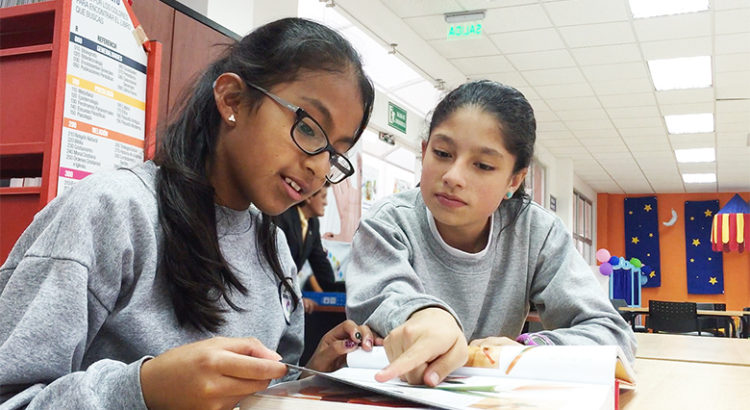
Mrs Ama Atta Sagoe, Proprietress of Ecole Francaise, a private Bilingual Educational Institution in Cape Coast, has admonished Ghanaian parents to invest in bilingual education for their children.

She said being bilingual gives children a competitive edge and offers practical and intellectual benefits in today’s global society.

Mrs Sagoe, who was speaking at a media briefing ahead of the school’s fifth anniversary and Speech and Prize giving day celebration in Cape Coast, said being fluent in a second language opened up the world of new opportunities especially in the job market.

The anniversary celebration, which is on the theme “Significance of Bilingual Education in the 21st Century”, is scheduled for Friday, December 16.

She said it was imperative for every Ghanaian to show interest in learning French as a second foreign language.

She emphasized that learning a second foreign language promotes technology, science, culture and a technical know-how, adding that “these are tools for development”.

Mrs Sagoe called for a review of the educational policies in Ghana to enhance teaching and learning in schools.

She said the School which was established in 2012 with just four pupils, could now boast of more than three hundred pupils.

“Ecole Francaise is the only Bilingual Basic Education Institution in Cape Coast and the whole of the Central Region. We offer all the subjects under the Ghana Education Service (GES) curricula,” She said.

She mentioned some of the activities lined up to include a cleanup exercise, a donation to the children’s ward at the Cape Coast Teaching Hospital, a walk through the principal streets of Cape Coast, among others.

Fuente: https://citifmonline.com/2016/12/15/parents-urged-to-invest-in-bilingual-education-of-wards/

Comparte este contenido:

Ecuador: Más de 38 mil estudiantes se beneficiarán de proyecto de educación técnica y tecnológica

Ecuador/Diciembre de 2016/Fuente: Banco Mundial

El Directorio Ejecutivo del Banco Mundial aprobó un préstamo de US$90,5 millones para incrementar la participación y permanencia de estudiantes en programas de educación pública técnica y tecnológica diseñados e implementados en colaboración con empleadores en Ecuador.  Adicionalmente, el proyecto apoyará el fortalecimiento  de la gestión institucional de la educación técnica y tecnológica en el país.

El Proyecto Reconversión de la Educación Técnica y Tecnológica Superior Pública que lleva a cabo la Secretaría de Educación Superior, Ciencia y Tecnología (SENESCYT) fortalecerá  la optimización y mejoramiento de la oferta en provincias,  la calidad de la enseñanza y capacidad administrativa de los Institutos; la formación de docentes y directivos; así como el fortalecimiento de los mecanismos de coordinación institucional con el sector privado.  Adicionalmente, el proyecto incluye un plan de género para monitorear las tasas de acceso y permanencia de estudiantes mujeres, para promover la igualdad de oportunidades en el acceso a educación técnica.

De acuerdo con el Gobierno Nacional, este financiamiento promueve el proceso formativo del talento humano ligado al cambio de la matriz productiva. Entre las principales actividades que se impulsarán a través del proyecto está el aporte en el diseño de un plan de estudios alineado con las necesidades  del mercado laboral. El proyecto también busca la dotación de infraestructura adecuada que facilite el aprendizaje, y la articulación entre los estudios de secundaria y terciaria, y el fortalecimiento de la gestión del sistema de educación técnica y tecnológica.

El proyecto apoyará los esfuerzos del Gobierno para mejorar la calidad de los programas de educación técnica y tecnológica con el objetivo de incrementar el acceso, la permanencia y la graduación de los estudiantes a través de una alternativa a la formación universitaria tradicional que impulse la productividad. Para esto es muy importante la coordinación con los empleadores y el sector privado en particular.”, afirmó Alberto RodríguezDirector del Banco Mundial para Bolivia, Chile, Ecuador, Perú y Venezuela.

Con este préstamo se contempla la construcción y equipamiento de 11 Institutos Tecnológicos Superiores en las provincias de: Bolívar, El Oro, Guayas, Manabí, Pichincha, Tungurahua y Sucumbíos.

Este proyecto busca formar trabajadores con habilidades que requiere el sector laboral. El crédito del Banco Mundial asciende a US$102.47 millones, de los cuales la SENESCYT aportará US$11.97 millones.

El cierre del proyecto está previsto para el 2021. El plazo del préstamo es a 35 años, incluyendo un periodo de gracia de 17 años.

Contactos:

En Washington: Marcela Sánchez-Bender, (202) 473-5863, msanchezbender@worldbank.org,

En Quito: Cristina Medina, (593) 22943600 ext 676, cmedina1@worldbank.org

Fuente: http://www.bancomundial.org/es/news/press-release/2016/11/23/more-than-38000-ecuadorian-students-will-benefit-from-a-technical-and-technological-project

Comparte este contenido:

India: Ministers want education system to make students more patriotic

India/Diciembre de 2016/Fuente: Hindustamtimes

RESUMEN: Desde la introducción de las lecciones militares en las escuelas hasta el levantamiento obligatorio de la bandera nacional, la educación debe ayudar a que los estudiantes sean más patrióticos de lo que son, dijo un grupo de ministros al máximo órgano de formulación de políticas educativas del país. Entre otras sugerencias se encuentran la construcción de más escuelas enfocadas en el ejército, la enseñanza de biografías de héroes nacionales y el canto del himno nacional obligatorio para que los niños creen un «ecosistema de moral, ética y patriotismo». Las ideas fueron impulsadas por varios ministros centrales, así como los de los estados gobernados por el BJP en una reunión de la Junta Asesora Central de Educación (CABE) el 25 de octubre. CABE es el máximo órgano consultivo sobre educación para los gobiernos centrales y estatales.

From introducing military lessons in schools to compulsory hoisting of the national flag, education must help make students more patriotic than they are, a group of ministers has suggested to the country’s top education policy-making body.

Among their other suggestions are building more military-focused schools, teaching biographies of national heroes and making the singing of the national anthem mandatory for children to create an “ecosystem of morals, ethics and patriotism”.

The ideas were pushed by several central ministers as well as those from BJP-ruled states at a meeting of the Central Advisory Board of Education (CABE) on October 25. The minutes of the meeting were accessed by HT this week. CABE is the highest advisory body on education for central and state governments.

Read | RSS holds high-profile event to influence India’s education policy

The suggestions echo an increasingly strident brand of nationalism whose rise has coincided with the election of Prime Minister Narendra Modi’s government two years ago. Many oppose this resurgent nativist wave as just a means to curb personal freedom and dissent.

In the October 25 meeting, Deepak Joshi, Madhya Pradesh’s minister of state for school education, suggested that more Sainik schools be built than state-run Kendriya and Navodaya Vidyalayas because “nationalism and patriotism is need of the hour”.

“He further suggested that chapters on the role of freedom fighters and stories of national heroes could be included in the upcoming policy,” according to the meeting’s minutes. The government is in the process of overhauling the country’s education policy.

Joshi’s idea of military education was echoed by Mahendra Nath Pandey, Union minister of state for human resource development, who said, “Military education should be provided to students to promote the idea of patriotism and nationalism. He felt that due importance be given to girls’ education and value education”.

Discussions also included shortages of teachers, skill development, the state of midday meals in schools, how to push yoga, rising dropout rates and the possibility of imparting lessons in mother tongue.

Vijay Goel, minister of state (independent charge) for youth affairs and sports, stressed on instilling patriotism and nationalism in the curricula. Terming moral-and value-based education as the need of the hour, Kunwar Vijay Shah, minister of school education of Madhya Pradesh, suggested schools and government offices compulsorily fly the Tricolour.

For Himanta Biswa Sarma, minister for higher, secondary and elementary education in Assam, the focus must be on developing an eco-system where students could learn and develop patriotism.

But this isn’t the first time government ministers have spoken of the need for education to be more patriotic.

In February, the central government decided to fly the Tricolour atop a 207-feet mast in all central universities across the country to evoke nationalistic sentiments on campuses, many of which were at that time rocked by anti-establishment protests.

Fuente: http://www.hindustantimes.com/india-news/ministers-want-education-system-to-make-students-more-patriotic/story-f61KgNidD8hX5h11cNkdZP.html

Comparte este contenido:

Kreisel: El inmisericorde toma y dame del capitalismo con los niños

Por: Alberto Aranguibel B.

En la sociedad capitalista, desideologizada como es, existe la creencia de que el quehacer humano estaría determinado por el carácter o la vocación de quienes llevan adelante cualquier actividad.

Los curas, por ejemplo, suelen ser vistos como personas de carácter mesurado y habla amorosa, porque la religión es supuestamente el compendio de la pureza del Ser supremo que veneran.

De ahí la creencia en las sociedades contemporáneas de que un empresario cuya área de negocios sea la de juguetes, deba ser una persona movida indefectiblemente por los más nobles sentimientos de amor hacia los niños.

Walt Disney, cuya trascendental obra dirigida especialmente a los niños lo convirtió en el más emblemático ícono de la bondad sobre la tierra, se erigió a la larga en la referencia del mundo capitalista que mejor expresó la fórmula de hacer negocios milmillonarios explotando sin el más mínimo pudor la sensibilidad del ser humano hacia los más pequeños.

Disney logró ser la persona cuyo trabajo en el ámbito cinematográfico ha sido reconocido más que ningún otro hasta hoy con el prestigioso Premio Oscar. Sus películas forman parte del acervo cultural del mundo entero desde hace casi un siglo; con ellas se ha construido el ideario del cuento infantil animado en todos los rincones del planeta.

La noción de diversión y entretenimiento que hoy en día tiene la humanidad, pasa indefectiblemente por el modelo de parque temático concebido y llevado a cabo por Disney con Disneyland (California, Estados Unidos) y Disney World (Florida, EEUU), bases de la más poderosa corporación del mundo en la creación y mercadeo de productos de consumo masivo para niños.

Pero el famoso magnate del entretenimiento, fallecido a causa de un cáncer de pulmón en 1966, era en realidad uno de los seres más aborrecibles que pueda recordar la humanidad desde los tiempos de Atila.

Desde siempre Disney fue un miserable explotador que erigió su gran fortuna a costa de escamotear el trabajo de auténticos artistas del dibujo animado, entre ellos Ub Iwerks, creador del ratón Mickey que Disney se atribuyó como creación propia hasta su muerte.

El desprecio del tacaño empresario hacia los trabajadores llegaba a extremos de lo indecible, no solo impidiéndoles las posibilidades de agruparse en sindicato (lo cual hizo durante mucho tiempo hasta que las leyes y la presión social lo hicieron ceder) sino negándoles incluso la sola mención en los créditos de las películas que producía.

Para esconder ante los tribunales su vocación explotadora, Disney argumentaba que los sindicalistas eran “simples comunistas tratando de acabar con la democracia estadounidense”, razón que le granjeaba no solo una mayor simpatía entre la gente sino que le hacía ganar cada vez más dinero, porque esa posición procapitalista le aseguraba el financiamiento fácil de los grandes bancos de EEUU y le permitía obtener los jugosos contratos que obtuvo para la producción de la propaganda que el Ejército de Estados Unidos requería para avanzar con su empeño genocida por el mundo durante la II Guerra Mundial.

Contrario a lo que piensa la mayoría de la gente, Disney no le debió nunca su gigantesca fortuna al éxito de los personajes que sus dibujantes crearon y que él presentó al mundo como suyos, sino a los creados por Lewis Carroll y los hermanos Grimm, entre muchos otros grandes creadores de cuentos infantiles, a los que Disney no les pagó jamás ni un centavo por derechos de autor apoyándose en las superficiales modificaciones que hacía a las historias originales que plagiaba para así hacerlas aparecer como propias.

Todo, absolutamente todo lo que hizo Disney como empresario, estuvo cimentado en la más perfecta y salvaje lógica capitalista. Pero no es solo esa condición la que determina su carácter aborrecible.

Como hombre de derecha que era, apoyó el crecimiento de su empresa ya no solo en su condición de fervoroso militante del Partido Republicano, sino como funcionario encubierto de la Oficina Federal de Investigaciones (FBI), tal como lo han revelado diversos documentos que evidencian sus actividades desde 1940 como agente de contacto especial (Special Agente Contact) para ese organismo, por órdenes directas de John Edgar Hoover, brazo ejecutor de la razia fascista del macartismo anticomunista en Estados Unidos.

Aquel “noble buen hombre” que siempre aparentó ser, preocupado exclusivamente por la felicidad de los niños, no fue nunca sino un capitalista perverso y ruin, que llegaba a la peor vileza incluso contra sus propios colaboradores en la búsqueda de acumular cada vez más dinero.

La indecible inmoralidad de ofrecer felicidad a los niños a cambio de cualquier fortuna mal habida está reñida hasta con la palabra de Dios.

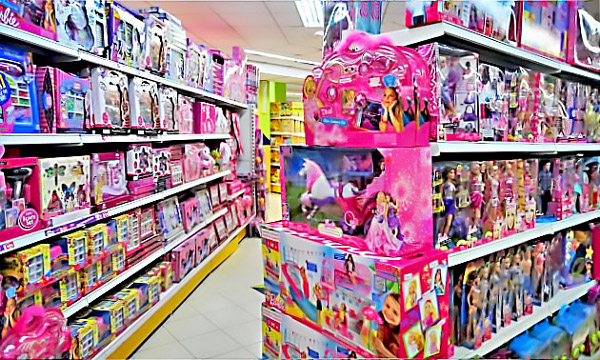
Eso es lo que no entienden (o no les da la gana de entender) quienes hoy elevan su más airada protesta en contra del procedimiento de incautación y decomiso por parte de los organismos del Gobierno Bolivariano que velan por los intereses del consumidor venezolano, de los más de 4 millones de juguetes que la empresa Kreisel mantenía ocultos desde el año 2009 en sus galpones de varias ciudades del país.

Los juguetes, adquiridos con divisas preferenciales por esos delincuentes, son presentados por los líderes de la oposición venezolana (y por cientos de seguidores de la MUD a través de las redes sociales) como objeto de “un robo al trabajo honesto de un noble y esforzado empresario venezolano”, como dicen ellos que son los empresarios que juegan con su empresa a la quiebra económica del país para asaltar el poder y reinstaurar el neoliberalismo en Venezuela.

El propósito de la empresa Kreisel no es otro que el de la especulación para obtener beneficios incalculables, en el marco de una acción contra los consumidores que busca hacerles estallar de ira contra el gobierno.

Nada puede ser más inhumano y cruel que provocar el sufrimiento intencional a los niños para obtener un beneficio económico y ejercer a la vez una acción política que acabe con el derecho de esos pequeños, y de la sociedad toda, a disfrutar de la vida en paz y en armonía, sin las presiones delirantes de quienes con su guerra económica contra el pueblo promueven la convulsión social como medio para hacerse del poder.

Esconder 4 millones de juguetes en temporada de Navidad es la contravención incluso de los mismos principios del capitalismo que dicen promover la Noche Buena como la fecha más hermosa y auspiciosa de la humanidad, y que el mercado neoliberal usa en realidad como hipócrita escenografía para tratar de ocultar la pobreza que el propio capital genera a lo largo del mundo.

Pero nada de extraño hay en todo este acontecimiento.

En los locales de esa empresa estafadora y criminal se está ejerciendo simplemente una filosofía que se opone a la concepción humanista que inspira a la mayoría de la población venezolana.

Se trata de la insalvable confrontación del capitalismo y su perversa forma de actuar en la sociedad, frente a un socialismo fundado en la más clara e inequívoca idea de justicia e igualdad social.

No es para nada la persecución del gobierno del presidente Nicolás Maduro contra el empresariado, ni la individual actuación canallesca del miserable dueño de la empresa Kreisel contra el pueblo venezolano.

En la Venezuela revolucionaria de hoy esa lógica de un capitalismo al mejor estilo de Walt Disney, que se presenta como bondadoso cuando en realidad su credo y su práctica es la del asaltante, ya no funciona.

No funciona porque el pueblo está consciente del carácter criminal de esos usureros que buscan quebrar al país para asaltarlo, y sabe que sus autoridades, en apego estricto a la ley y en defensa del pueblo, aplicarán siempre la justicia que corresponde para que tal miseria no prospere nunca jamás en nuestro suelo.

Fuente: http://www.correodelorinoco.gob.ve/nacionales/kreisel-inmisericorde-toma-y-dame-capitalismo-ninos-opinion/

Comparte este contenido:

Entrevista: How Hitler won Germans over with his ‘scientific religion’

How Hitler won Germans over with his ‘scientific religion’

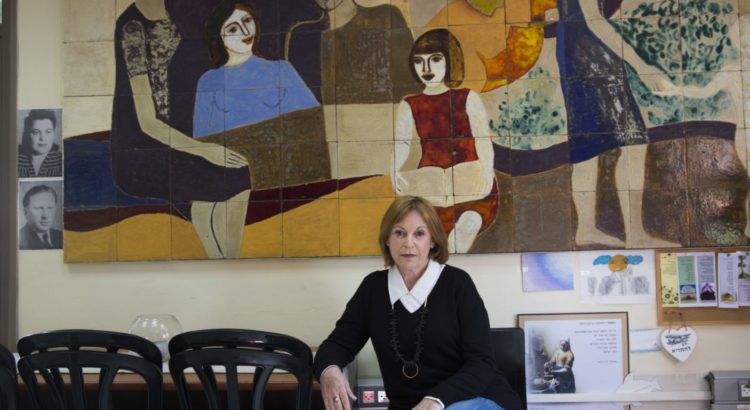
The Nazis conducted experiments on her mother and nailed her father’s tongue to a wall. And yet, Israeli lecturer Tamar Katko still managed to be shocked by what she found in Nazi textbooks she discovered in a Zurich library cellar.

By Ayelett Shani

RESUMEN: Los nazis realizaron experimentos con su madre y clavaron la lengua de su padre en una pared. Y, sin embargo, la profesora israelí Tamar Katko todavía se sorprendió por lo que encontró en los libros de texto nazis que descubrió en una bodega de la biblioteca de Zurich. Hablando con: Dra. Tamar Katko, profesora de filosofía de historia y de educación en el Colegio de Educación Kibbutzim, en Tel Aviv; Encabeza el programa de honores de la universidad. Donde: Un café de Tel Aviv. Cuándo: jueves a las 6 pm Su libro «Ice Creatures: The Nazi Educational System» (Resling Books, en hebreo) contiene pasajes de libros nazis que usted encontró hace 20 años. ¿Cómo localizaste los libros? Después de la guerra, era ilegal estar en posesión de estos libros en Alemania. Los busqué en bibliotecas y archivos. Las personas con las que traté estaban enojadas porque esto era lo que buscaba, y no querían ayudarme. Resultó que muchos de los libros de texto habían sido sacados de contrabando de Alemania a Sudamérica ya Suiza. Prosiguió mi búsqueda en la Biblioteca Nacional de Zurich, y allí también el bibliotecario se sorprendió ante mi petición, pero me remitió a una anciana alemana. Bajamos a la bodega, y no podía creer lo que veía: misas de libros, todas con svastias en las mantas. Un verdadero tesoro.

Talking to: Dr. Tamar Katko, lecturer in philosophy of history and of education at Kibbutzim College of Education, in Tel Aviv; heads the college’s honors program. Where: A Tel Aviv café. When: Thursday at 6 P.M.

Your book “Ice Creatures: The Nazi Educational System” (Resling Books, Hebrew) contains previously unpublished, very extreme passages from Nazi textbooks that you found 20 years ago. How did you locate the books?

After the war, it was illegal to be in possession of these books in Germany. I looked for them in libraries and archives. The people I dealt with were angry that this was what I was looking for, and didn’t want to help me. It turned out that many of the textbooks had been smuggled out of Germany to South America and to Switzerland. I continued my search in the National Library in Zurich, and there, too, the librarian was taken aback at my request but referred me to an elderly German woman. We went down to the cellar, and I couldn’t believe my eyes: masses of books, all with swastikas on their covers. A true treasure.

You write that you were shocked by the books’ contents. What kind of books were they?

They ranged from books for early childhood to instructional booklets for teachers, and of course textbooks for primary and high schools and for higher education. I told the German woman that I wanted history books, and she produced them for me. I will never forget the air of reverence with which she held the books, with such delicacy. Her hands, in rubber gloves, shook. She made me put on gloves, too, of course. I sat down and started to read. I was utterly shocked – at actually having found the textbooks and at what I read. “It can’t be,” I said to myself.

I asked the librarian: “Are you sure these are textbooks?” She confirmed that they were. For example, one book stated, “In the beginning, God created the German. From ice he created him.” I went back to the librarian and told her I needed textbooks. “These are textbooks!” she replied. “This is what they learned!”

Here, too, our children are taught that “In the beginning God created…”

Here it’s taught in Torah lessons; in Nazi Germany it was part of the history curriculum. And when I got to the biology books, my hair stood on end. For example, a textbook for the fourth grade explained the concept of racial purity: why the German people must be kept separate, especially from the Jews. Another book explains how to identify a member of the Aryan race: height of forehead, distance between nose and lip, depth of chin cleft. There were drawings. Also the shape of the legs: These are legs of the Aryan genome, those are not. These are toes of the Aryan race, those are not. Anatomy.

That’s appalling, but not necessarily surprising.

Education is a dangerous thing. Educators made it possible for Hitler to succeed; without them it simply would not have happened – not as it did, not on that scale and with those results. Nazi education simply recreated the Germans. It succeeded in a way we can’t comprehend and it resulted in almost 70 million people killed and murdered in World War II. The victory of Nazism [in Germany] was above all an educational revolution.

You discuss how history was rewritten in order to serve the narrative of the master race and the need to purge the world of the other races.

Yes, it was a mishmash of utter fantasies alongside facts. According to these books, Julius Caesar was Aryan; Napoleon was Aryan, and that was the secret of his success; Abraham Lincoln was Aryan, and was called Abraham Linkhorn. By the way, he actually was of German descent, and from their point of view, he represented the Aryan race in the United States.

Here’s a quotation from a sixth-grade history textbook: “The collapse of German society and of the German economy was the deliberate result of the Jews… When will the savior come who will do battle against these forces of hell, the Jews? Now we hear his footsteps. He is arriving to save us. Awake, Germany, the redeemer has come. The truth is coming to light. The Nordic Aryan race shall yet rule the world.”

That book was written by Hilke Dreyer, the chief scientist in the Reich Education Ministry. He was in charge of a series of books that explained to children why the improvement and flourishing of the Aryan race was contingent on the extermination of the Jewish race. You have to understand that these books were not only in the schoolchildren’s satchel or in the school library. They were not considered propaganda; they were part of the official curriculum. Parents, grandparents, the children’s whole milieu, knew what they were learning and memorizing and what they studied for before exams, and proudly reinforced and supported them. The Germans like to read. They were accustomed to treating books of thought, science and research with great respect, sanctity and utter seriousness.

Everyone read and talked about this material – in newspapers, in movie theaters, in offices, on the radio and in the theater. And not with skepticism, puzzlement or ridicule. It’s not sufficient to say that all the horrors occurred only because of despair, a dire economic situation and Nazi terror. Terror does not recruit 60 million people for such theories and for belief in a leader like this to the point of sacrificing their lives for him. For them, Nazism was the absolute truth. Period. It wasn’t just education and training that made millions of students believe in it, not with such totality. They saw the light, they were strengthened in their belief and upheld scrupulously the “new scientific religion.”

This is a passage from a fourth-grade textbook: “Germany being on the brink of an abyss, Divine providence sent the German people a great leader, Adolf Hitler, descendant of the Nordic Aryan race… May you be able to give yourselves limitlessly for the sake of the Fuehrer… Do not forget that treason against a leader like this will bring perdition and bitter revenge down on you, for he was sent to save the nation… Only the Germans can understand his sublime language… And now, children, so can you.”

That’s a quote from a book by the historian Dr. Herbert Göbel that was published in particular for primary-school students and was included in courses for teachers. That material was distributed by order in all the schools as part of a rigorous curriculum that was worked on by the finest researchers, pedagogues, scientists and educational personnel in Germany. Their task was to rewrite all the textbooks, and ensure that all students in the Third Reich without exception were examined on them.

To simplify, the principal themes of the curriculum were education to cultivate the German body and spirit, education for martyrdom and sacrifice for the sake of the homeland and the Fuehrer. The doctrine of racial purity and improvement was taught from the first grade, along with the need to remove the Jewish threat and veneration of the Fuehrer as a savior. The texts are very messianic.

And very scientific. They are constantly marked by that contrast. For Dr. Gobel, for example, Hitler was a miracle, a meteor. Not for messianic, mythic or fantasy purposes, but according to the science of history itself. He based all these propositions on a host of examples and analyses that drew on the findings of institutes that were established to study the history of the Aryan race, with a vast investment by archaeologists, physicians, geneticists, physicists and Germany’s leading historians. Their work was highly regarded in Germany and internationally even before the Nazis’ rise to power. They were considered reliable and credible sources in science, philosophy and history. There was no chance that anyone would cast doubt on these texts, on top of which they received a budget, authorization and the seal of the Education Ministry and of Hitler himself. Like the word of the living God.

It’s a kind of rationalization of messianism. There are many cults like this, in which the “mission” is backed by pseudo-scientific knowledge. For example, Heaven’s Gate, whose members committed suicide [in 1997] in order to undertake a space journey. The leader does not necessarily grab people at their weak spot. On the contrary, he grabs them where they feel smart and superior. He speaks to them in high language.

The Nazis deciphered some sort of riddle about the machine called man and the maximization of man’s natural, genetic, physical and mental abilities. I believe that this is why it grabbed such intelligent people, the elites, tens of thousands of academics, musicians, philosophers, writers, scientists. They could have packed their things and fled. They had options elsewhere. These were people who should have asked themselves what they were doing in this circus, with the mustachioed man who preached to them all day on the radio, explaining to them that they were created from ice. That they were different.

Then why didn’t they leave?

Because Hitler, in his genius, understood that the language that would grab the elites most powerfully was the language of science. After all, what did he want most? For them to take him seriously. He had no problem with the masses and the workers. His problem was with the intellectuals: how to reformat them, as we would say today. His solution was that he would not come to them with a political agenda, but rather with a different scientific religion that reordered the world. All this required evidence and proof, so they simply produced it. Professors in the most prestigious universities offered seminars, and their students did research and doctoral theses that were bound in leather, asserting that in order to rediscover this special Aryan genome, it was necessary to take action internationally. First to isolate the German people from the other races and then to improve the race.

Jews were seen as a genetic mutation whose role was finished. The role of the Jews was to safeguard knowledge for the Aryan people – in the kabbala, by the very fact of writing, for the Jews had been able to read and write when most of mankind was illiterate. That role was now done with. They are an unsuccessful genetic mutation of ours with other races – the fact is that they are scattered across the globe. Now they must be got rid of, because they are carrying our Aryan knowledge in a defective body. I am talking about the content of lectures in universities, not speeches in the cellar of a secret society.

Ariosophic theories

Let’s talk about the practical implementation of this approach, the takeover of the education system. The education system was standardized – all the schools were political, along the party’s lines, and the same subjects were taught at the same time throughout the Reich. All other schools – Catholic, democratic, special education – were shut down. In fact, what happened to the children who were in special education?

Some were put to death, others were incarcerated. They were isolated. The children of Germany underwent a selection process, based on their abilities and the homes they came from. They were then divided among schools in which there was a long school day, until the evening, or others that were full-time boarding facilities. In addition to the material they were stuffed with, they underwent exhausting physical training. After school, from the age of 6, they were sent to the Hitler youth movements or to engage in party activity. When they arrived home in the evening, they were worn out. The idea was not to leave them even a minute of spare time. The youths who completed those tracks successfully went on to attend university equivalents in isolated fortresses, in boarding-school conditions.

You describe a totally militarized daily regimen in the boarding schools, beginning at 6 A.M. and concluding at 10 P.M. – studies, training, drills, cleaning. A quarter of an hour’s break in the morning and evening, half an hour at midday.

Everything was done by the clock. There was no such thing as “I haven’t finished.” For Hitler, this was the breeding ground for the resurgent Aryan race, the nation’s future. They underwent training like an elite commando unit: climbing, riding, wrestling. They went home twice a year for a 48-hour break.

I found the most jolting sentence in the book to be a quote from Hitler to his opponents: “Your child belongs to us already… What are you? You will pass on. Your descendants, however, now stand in the new camp. In a short time they will know nothing else but this new community” [English translation from “The Rise and Fall of the Third Reich,” by William L. Shirer].

That comment sums up the whole book and the whole frame of mind. It is the key to Nazi education. You, the mother, are nothing but a receptacle. You brought this child into the world. Now he is ours.

Perhaps you can explain a little about the Ariosophic theories that underlie the textbooks.

Next to nothing has been published about this in Hebrew, or in general. The Ariosophic movements study the source of the peoples descended from the Aryan race. It’s a whole philosophy whose basis is the idea that a certain archetype of human beings exist, whose source is not on Earth. The exponents of this doctrine believe that they are the descendants of beings who came to Earth and mated with what they found here. The offspring is the primal ancestor of the Aryan race.

The result, in any event, is not a human being.

It’s the Übermensch. These theories were presented to Hitler by researchers, thinkers and philosophers. Hitler and his close circle were drawn to it with the intensity of people who become religiously observant and think they have found the Truth.

You write that an analysis of the material in the textbooks and in Nazi thought, and Hitler’s forewords to the books makes it all but certain that he, Himmler, Goering, Goebbels and many others led a double life: leaders and commanders in public, members of a fanatic pagan cult in secret.

They transformed pagan ritual into a language. Think of the Nazi salute, which was second nature in the grocery store, in the line for the doctor, when you enter the office. There were oaths, and whoever joined these societies had to swear that no Jewish blood or any other blood other than pure German blood flowed in him, his wife and his children’s blood up to three generations back. The wedding ceremonies of high-ranking Nazi officers were also conducted in that style or with that language.

There’s a frightening wedding scene in Erik Larson’s book “In the Garden of Beasts.”

Yes, and one that seems mythic. The groom uttered his vows to the bride in Runic, the ancient Nordic language. Similar rituals existed in ceremonies of promotions in rank. The famous SS lightning rods? They are actually letters of the Runic alphabet. There were two symbols like that on every collar and belt buckle; girls wove them onto their bras. Even bread bore the image of a swastika or other symbol. They ate the symbol. Nazism, that pagan science, became part of their genome. It wasn’t just some ceremony they did and then went home. It was the routine, it was their life, children came home at night from their groups, after it was drummed into them all day, to parents who were up to their necks in it.

They believed that more developed beings existed in other galaxies who were the fathers of their nation. They claimed that it took light-years to make the journey each way, and that their founding fathers were now on the way back. It sounds wacky, but for Adolf Hitler it was pure science. Himmler sent a research delegation of scientists and archaeologists to the Himalayas, in order to prove that this was the origin of the ancient Germans and that their anatomical structure was different.

They believed that they had superhuman abilities.

Yes, that they possessed quasi-electromagnetic traits, or the ability to hypnotize. Himmler was very obsessive scientifically; he was in contact with many scientists around the world. His conjecture was that people who carried the genetic makeup of the Aryan race could, for example, read other people’s thoughts. The brain sciences of our time developed in the Nazis’ research institutes.

I didn’t realize that.

Well, what was Auschwitz?

A laboratory?

The biggest-ever laboratory for experiments on human beings. Do you know what a luxury it is for a scientist to perform experiments on living people? Artificial insemination, in vitro fertilization, twins, dwarfs, optics, plastic surgery, skin grafts and organ transplants. Where was all that done? In Auschwitz … How did medicine suddenly leap forward by hundreds of years? What I’m saying now is horrible, but my parents were there, next to these medical institutes, they saw everything. My father, who was an inmate in Auschwitz, worked closely with one of those physicians. With his own eyes he saw what they did there.

What did he see?

All kinds of crossbreeding within families: father and daughter, twins. They wanted to see what kind of fetus would emerge, study its genetic features, what it received from each side. They studied all kinds of stages of pregnancy. Jews were perceived as raw material. When my father asked, “How can you burn people?” his commanding officer replied, “How can you eat a chicken? What difference is there between a cow and a Jewish woman?” That was their approach. That’s the education they received. The same was true regarding Gypsies or handicapped people. By the way, the first killings in Germany occurred long before the war broke out. In 1938, hundreds of thousands of people who were insane, homosexual or mentally retarded, as well as exceptionally ugly people were exterminated.

Eugenics – to improve the race.

Or euthanasia. The race has to be cleansed. The superfluous sentiments the world received from the Jewish soul have to be eliminated. No compassion. Do you want people to be healthy? Stop being compassionate. Sentiments are the most dangerous barriers to the development of the Aryan human race. The super-race. The whole Nazi hierarchy was ordered to name their firstborn child after one of the goddesses of Odin’s planet.

The Valkyries.

Himmler’s daughter, who is still alive, is named Gudrun. She supports the Nazi movements, gets Nazi criminals released from prison and finances them. She remains convinced that everyone else is wrong and that her father was right.

Mother and Mengele

And hovering in the background is your own personal story. The Holocaust was talked about in your home.

All the time. My beautiful mother was the singer and pianist for Dr. Mengele. He played the violin, Dr. Mengele. Sometimes he joined her in playing, and of course performed experiments on her. He told her, “I will prove to you that it is possible to starve and despite that you will play wonderfully, because the spirit is stronger than the body. The moment you hit a false note, my dog will deal with you.” And in fact, when she hit a false note – because she had tuberculosis and was reduced to a skeleton – the dog simply attacked her.

She told you this?

She lived it. We had a piano in the house, and she would wake up every night in the middle of the night and play her repertoire. That’s what I remember from the moment I was born. My father was in the Sonderkommando, one of the commanders of the Sonderkommando uprising, almost the only one who survived. They didn’t want to kill him; they only hammered his tongue into the wall with a nail, so that he would be mute, so he would not be able to talk and tell what he saw.

My home was a bubble that was brought from there. Outside people behaved the way they did in Israel, but in the house everything was different. My mother’s language was German. I only learned Hebrew when I entered preschool. If there was money, they would buy an opera record. My father discussed with me from age zero the philosophy of Kant and Hegel in German. They wanted to give me the basis for a better education, from their point of view. The Ordnung was implanted in me: Everything in its place. My son’s commanding officer in the [Israeli] army told me: No matter what kind of hole we’re in, his bed is always neatly made. Shoes shined, one next to the other. I asked him: Would you like to see our home? That’s German education. Order. Systematization. Always demand more from yourself.

You also saw the dark and dangerous side of that education.

What’s dangerous is the connection between high intelligence and fanaticism. As a political tool, as an instrument to rule. People are drawn to it. Humans are addictive beings. Just give them essence and reason, and they’re yours. My father understood that. I was brought up not to become addicted to anything. My father told me: You won’t drink, you won’t puncture the body, you must always be in control, always with eyes open. Don’t be deluded, don’t let anyone dull your senses. Ever. He would wake me up and take me out for training in fields: What time is it? Tell me without a clock, look at the moon.

He wanted to save you.

Yes. So I would not become a follower of something. He knew that ideologies are perilous, that rulers can be dangerous. So you are not to go that way. You will not listen to anyone. You will always know what you are doing at all times. You will not be influenced by anyone. You will not be conquered by anyone.

Fuente: http://www.haaretz.com/world-news/europe/.premium-1.759197
 

Comparte este contenido:

Argentina: Más de 2.500 chicos tendrá en 2017 un codocente

Argentina/Diciembre de 2016/Autora: Natalia Meja/Fuente: El Tribuno

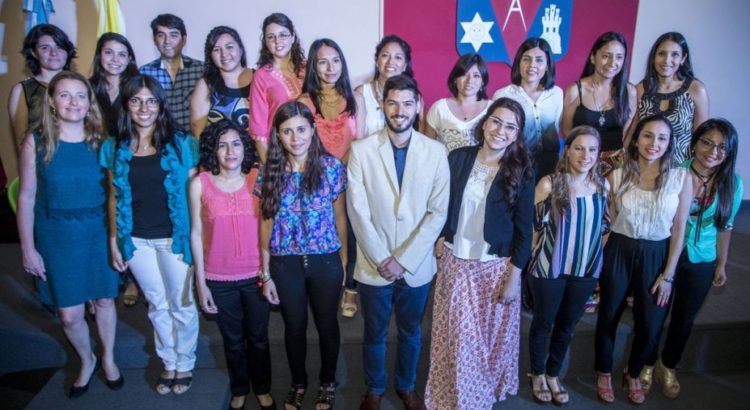
Samuel Villena es abogado y a partir del 6 de marzo de 2017 pondrá su granito de arena para mejorar la educación desde el aula, de la mano de la organización Enseñá por Argentina. «Hay que trabajar en la motivación para que los chicos y adolescentes de hoy empiecen a ver un futuro distinto para su vida. Creo que esa es la clave y en lo que me voy a esforzar para que pueda salir algo bueno. Motivarlos, despertarles el interés, buscar alguna vocación en ellos, intentar en los que no ven un futuro que empiecen a construirlo desde ahora», señaló el profesional de 29 años.
Para Shajira Cortez Chaín, licenciada en Relaciones Internacionales y Ciencias Políticas, el reto será cerrar la brecha tecnológica que existe entre los chicos y los docentes. «Yo hace 10 años dejé el colegio, de manera que la realidad de hoy en día no solo es un desafío para los chicos sino también para mí misma porque hay muchas cuestiones que están interactuando en el aula y que a mi no me pasaron: las redes sociales, en fin todo lo que tiene que ver con la tecnología», dijo la líder de 26 años.
Samuel y Shajira son dos de los 30 nuevos jóvenes profesionales universitarios seleccionados por Enseñá por Argentina para trabajar durante dos años con alumnos secundarios de escuelas públicas ubicadas en zonas vulnerables, en un programa de co-docencia. Uno de los objetivos que persigue la ONG, que forma parte de la red internacional Teach for All, es que un día todos los niños y jóvenes reciban una educación de calidad.
Abogados, ingenieros, politólogos, biólogos y arquitectos, entre otras profesiones, colaborarán con el profesor responsable de la clase que se les asigne en 18 escuelas salteñas, de las cuales 11 se incorporan a la experiencia con la meta de mejorar los aprendizajes de más de 2.500 estudiantes.
En Salta, Enseñá por Argentina comenzó a trabajar en 2015 en siete establecimientos educativos. «Trabajar dentro del aula transforma la sociedad, independiente de la gestión; la gestión directiva en la institución es más administrativa y muchas veces nos hace perder esa visión del aula», señaló la ministra de Educación Analía Berruezo, quien felicitó a los «valientes» profesionales.
Samuel admitió que la posibilidad de aportar a la educación «es una puerta que se abrió y que no tenía planificado desde un principio». Por su parte, Cortez Chaín destacó: «Creo que los que trabajan en la educación son profesionales de la esperanza; ellos creen en los chicos, los adolescentes y en los jóvenes. Por eso me pareció oportuno comprometerme con la realidad de mi provincia».
A modo de balance, Oscar Ghillione, titular de Enseñá por Argentina, le dijo a El Tribuno: «Vemos mucha ganancia en el trabajo colaborativo entre el joven profesional y el docente en el desarrollo de habilidades socioemocionales que tienen que ver cómo los chicos trabajan en equipo, qué autoconcepto tienen, cómo pueden construir proyectos, proyectarse hacia el futuro. También estamos estudiando si vemos mejoras y ganancias en términos de bajar la repitencia y la deserción. Hasta ahora venimos viendo que mejoran las tasas de permanencia y de aprobación de un año al siguiente, pero pronto ya tendremos datos precisos».
Fuente:  http://www.eltribuno.info/mas-2500-chicos-tendra-2017-un-codocente-n802387
Comparte este contenido:

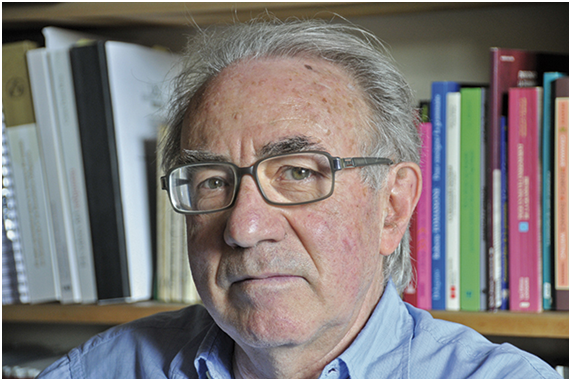
Entrevista a Joaquim Sempere: La palabra clave es autocontención

Entrevista a Joaquim Sempere
«Tenemos que aprender a controlar nuestras expectativas a lo psíquicamente razonable y ecológicamente posible. La palabra clave es autocontención»

Nuria del Viso

Joaquim Sempere (Barcelona, 1941) es doctor en Filosofía por la Universidad de Barcelona y licenciado en Sociología por la Universidad de París-X. Ha trabajado como director de la revista Nous Horitzons y forma parte del consejo editorial de la revista Mientras tanto. Es profesor emérito de Sociología de la Universidad de Barcelona, especializado en temas de medio ambiente. Ha desarrollado su pensamiento en torno a las necesidades humanas, el papel de la ciencia y los conflictos socioecológicos. Entre sus libros más recientes figura Mejor con menos (Crítica, 2008) y, en coautoría con Jorge Riechmann, Sociología y medioambiente (Síntesis, 2014). En esta entrevista desgrana su visión sobre la calidad de vida.

Nuria del Viso (NV): Para abrir este boletín sobre calidad de vida, nos gustaría primeramente que nos ayudaras a acotar conceptos y relaciones entre calidad de vida y bienestar; y entre buena vida y su equivalente del buen vivir en América Latina.

Joaquim Sempere (JS): “Bienestar” y “calidad de vida” se usan a menudo como sinónimos, aunque con acentos distintos. Bienestar alude más bien a los elementos “objetivos” o utilitarios, como la satisfacción de necesidades básicas objetivables: alimentación adecuada y suficiente, buen estado de salud, acceso a vivienda digna, vestido, protección ante los imprevistos de la vida, etc. Calidad de vida alude a aspectos más cualitativos y subjetivos, es decir, a los niveles de satisfacción experimentados, que incluyen presupuestos culturales distintos para las distintas sociedades consideradas, así como la adecuación a los tipos y niveles de expectativas de las personas consideradas. De todos modos, las diferencias son pequeñas y los dos términos a menudo se usan indistintamente para designar lo mismo.

Entiendo que el “buen vivir” de las comunidades autóctonas de América Latina es más que lo que nosotros consideramos “vida buena” porque incluye una relación armónica con el medio natural que supone también armonía social, esto es, justicia, reciprocidad en los derechos y deberes, vida humana adaptada a ritmos menos artificiales que los de las ciudades modernas. Es obvio que se trata de un planteamiento de vida del que tenemos mucho que aprender.

Quiero insistir en el tema de las expectativas. La sociedad productivista-consumista genera incesantemente expectativas materiales cada vez más altas, lubricando así la tendencia al crecimiento, pero con efectos psicológicos y morales devastadores porque reproducen sin cesar la insatisfacción (que a su vez realimenta el deseo de más cosas). Tenemos que aprender a controlar la formación de nuestras propias expectativas, a adaptarlas a lo que es psíquicamente razonable y ecológicamente posible. La palabra clave en esto es autocontención.

NV: Desde tu óptica, ¿cuáles son los ejes principales de la calidad de vida?

JS: En la calidad de vida creo que debe incluirse la satisfacción suficiente y adecuada de las necesidades básicas materiales (alimentación, vivienda, vestido, salud) junto con ciertos parámetros que dan a la vida humana una densidad de significación satisfactoria. Comer, vestirse y cuidar la salud son, en definitiva, bienes instrumentales: necesarios para “estar bien” pero no suficientes para una vida buena. Se dice, con razón, que estamos físicamente bien cuando no sentimos el cuerpo, porque funciona como debe: es al enfermar o sufrir dolor cuando nos apercibimos de que “tenemos” cuerpo. Con las necesidades materiales pasa algo parecido: si están bien satisfechas no las sentimos y podemos dedicar nuestras energías a construir nuestra vida, nuestra persona, nuestras relaciones con los demás. “Calidad de vida” viene a ser esta conjunción de unas necesidades básicas adecuadamente satisfechas con una panoplia de actividades y relaciones humanas que dan sentido e interés a nuestra existencia.

Conviene precisar que “necesidades materiales” es un término que a veces se usa de manera restrictiva, olvidando que en su satisfacción propiamente humana se juega una gran variedad de aspectos. La comida no es mero metabolismo animal, sino arte, gastronomía, cultivo de la riqueza sensorial, búsqueda y experimentación, y comer es también un acto social donde juegan elementos de reciprocidad, compañía, intercambio de dones y de afectos, etc. Algo parecido puede decirse del alojamiento: la vivienda no sólo nos protege de la intemperie, sino que es el espacio que organizamos a nuestra manera, proyectando nuestra personalidad en la decoración y en la búsqueda de algún confort vital, etc. Y lo mismo de otras necesidades materiales.

Pero la calidad de vida no se detiene ahí. Incluye todo lo que da a nuestra vida sentido, relieve, riqueza emocional, artística e intelectual, incluyendo las experiencias relacionales de amor, amistad y otras interacciones, como las comunitarias, políticas, recreativas, ceremoniales, deportivas…

NV: Todas estas actividades implican tiempo. Precisamente, una de las percepciones más repetidas actualmente es la sensación de falta de tiempo con la aceleración de los ritmos de vida. En este contexto, ¿qué significa la aparición del movimiento slow? Y en el ámbito laboral, ¿cómo incidir para una mejora de la calidad de vida?

JS: El movimiento slow es una rebeldía contra la prisa que invade la vida moderna en casi todas sus facetas. La sensación de falta de tiempo y la prisa que se deriva de ella proceden de la lucha fáustica contra la finitud de la vida humana, la reacción desesperada para lograr este imposible que es detener el tiempo, otra manera de experimentar la ilusión de la eternidad imposible. Naturalmente, se refuerza con la dinámica capitalista de la acumulación indefinida de capital que requiere una ampliación permanente de la demanda de mercancías; el resultado de esta dinámica es la demanda incesante de más bienes y servicios para consumir, que se disputan entre sí el tiempo de que disponemos, que es limitado. No puedo trabajar mis ocho horas al día, preparar la comida, comer, aprender idiomas, jugar al tenis, ir al cine, ver televisión, usar mi teléfono móvil para mil y un usos, y así al infinito en las 24 horas que dura un día. El mensaje del movimiento slow lo interpreto así: el tiempo que nos es asignado es, en cualquier caso, limitado; como no nos permite abarcarlo todo, tenemos que autolimitarnos; es mejor hacer menos cosas y dedicar más tiempo a cada una de ellas, experimentándolas con la máxima intensidad posible, en lugar de mariposear superficialmente sobre un montón excesivo de actividades y estímulos, para descubrir, al final, la vaciedad y la frustración de tantas experiencias veloces, acumulativas, abundantes y superficiales. Más vale saborear con detenimiento y atención pocas experiencias que nos dejen huella.

NV: Nos hallamos inmersos en una profunda crisis ecológica y social. Sin embargo, las políticas económicas al uso continúan situando la meta del bienestar en el crecimiento (para “tener más cosas”), lo que implica no sólo mantener, sino aumentar, el ritmo de extracción de energía y materiales, alimentando estilos de vida que no son generalizables. ¿En qué consiste la calidad de vida en este contexto?

JS: La calidad de vida que se nos vende en estas circunstancias es una estafa. No digo que no se pueda vivir bien teniendo más cosas, pero cuando se descubre la profundidad de la crisis ecosocial, cuando se le cae a uno la venda de los ojos, ya no se puede ser feliz sin tratar de detener esta carrera hacia el desastre. La respuesta tiene dos vertientes, a mi juicio. Por un lado, la lucha política (en sentido amplio) para detener la carrera hacia el abismo, tratando de influir en la cultura, en la vida pública, en la política, para encaminar nuestras sociedades hacia la sostenibilidad. Por otro lado, adoptar personalmente, y con la gente que te rodea, estilos de vida congruentes con la consciencia de la crisis, tratando de reducir el impacto ecológico propio: andar, ir en bicicleta, viajar poco o nada en avión, prescindir del coche particular, instalar fotovoltaicas, vigilar lo que comes y lo que consumes en lo que atañe al despilfarro de recursos y energía, etc. El cambio personal de estilo de vida no resuelve el problema, que es de dimensiones colectivas inmensas, pero determina la ejemplaridad de la conducta adoptada como conducta deseable: en este sentido tiene que articularse con la acción política contribuyendo a señalar el camino correcto. Y a la vez, es una manera de avanzar en calidad de vida congruentemente con la toma de conciencia del desastre ambiental.

NV: En un artículo anterior para Boletín ECOS, relacionado con tu libro Mejor con menos (Crítica, 2008), apuntabas que “hace falta una reconsideración de muchos parámetros de la vida social”. ¿En qué consistiría este cambio de paradigma?

JS: Consistiría en no superar la biocapacidad de la biosfera para que podamos vivir dignamente en ella todos los seres humanos y el máximo número posible de especímenes de otras especies animales. En otras palabras: no superar la huella ecológica media por habitante que la biosfera puede soportar sin degradarse. ¿Cómo se arbitra esto? Ahí radica la dificultad, dado que hemos construido un mundo no sólo insostenible ecológicamente, sino encadenado por unas dinámicas incontrolables. Las interdependencias son tan densas y tan fuertes que no se puede intervenir en un lugar sin que tengan lugar efectos en otros lugares. Y como la oligarquía mundial del dinero controla los mecanismos esenciales, procura que ninguna comunidad, ningún país, escape a la lógica dominante, y puede conseguirlo. El ahogo de Grecia por la UE es un ejemplo. Para que la ciudadanía recupere capacidad de autogobierno, tendrá que producirse, a mi entender, un desmontaje de estas interdependencias, una transición a comunidades más autárquicas (permitidme esta palabra maldita) o más autosuficientes. No pienso en autarquía plena, sino en reorganizar el metabolismo entre sociedades humanas y medio natural cercano para lograr un aprovechamiento eficaz y no destructivo de los recursos que proporciona la naturaleza. Así sería más fácil ajustar las necesidades humanas al entorno ecológico cercano, materializando una cierta armonía entre ser humano y naturaleza.

Lo ideal sería conservar los adelantos de la tecnociencia que pueden enriquecer la vida humana, y para ello la autarquía propuesta debería combinarse con una “mundialización espiritual” que permitiera compartir los saberes y las otras expresiones espirituales sin limitación. Las técnicas de comunicación de que disponemos hoy hacen posible esta mundialización. Pero esto requeriría también una estructura industrial muy sofisticada: ¿cómo hacerla compatible con un metabolismo simplificado? Esta compatibilidad es uno de los retos importantes para “salvar” el progreso tecnocientífico sin sacrificar la biosfera.

NV: ¿Alguna pista sobre las medidas necesarias para implantar ese cambio de paradigma?

JS: El capitalismo desregulado que impera en el mundo es, en las actuales circunstancias, lo peor que nos podía suceder, pues las tareas necesarias para salvar la civilización humana requieren dosis importantes de intervención deliberada en la vida pública, regulación y planificación (con todos los correctivos que se desprenden de los fracasos del siglo XX en materia de planificación). Pero no se ve cómo introducir cuñas en un sistema tan compactamente interdependiente para introducir regulaciones conscientes. A mí, este sistema capitalista, asociado a una megamáquina, como decía Mumford, se me aparece como invencible. Sin embargo, se me aparece tan invencible como inviable: creo que camina hacia su autodestrucción. Si esto es así, tras la autodestrucción del capitalismo tecnológico desregulado surgiría la oportunidad de reconstruir una sociedad nueva desde las ruinas de la vieja. Pero esto sólo sería posible si hubiese una masa crítica de personas con la suficiente consciencia ecosocial (y la suficiente mochila de experiencias alternativas previas, aunque fueran modestas y locales) para tomar el relevo y marcar la dirección a seguir. Si en el momento oportuno no existe esa masa crítica, la ruina de la megamáquina puede desembocar en el caos más espantoso, en una “nueva Edad Media” dominada por grupos armados y mafias que impongan la ley del más fuerte en un planeta devastado. Por eso creo en las pequeñas acciones, en las intervenciones modestas para construir desde hoy embriones de futuro en los intersticios de la sociedad existente. Estas experiencias pueden parecer insignificantes hoy, pero pueden ser decisivas mañana. El futuro no está escrito en ninguna parte: dependerá de lo que hagamos desde hoy mismo. Y no debemos despreciar ningún ámbito de acción: ni esta construcción de experiencias locales que sean embriones de futuro, ni la acción política, ni la acción cultural, ni el desarrollo del saber, ni la transformación personal.

Fuente: http://www.rebelion.org/noticia.php?id=220492&titular=%22tenemos-que-aprender-a-controlar-nuestras-expectativas-a-lo-ps%EDquicamente-razonable-y-ecol%F3gicamente-posible.-la-

Comparte este contenido:
Page 50 of 2546
1 48 49 50 51 52 2.546