Argentina/29 de Noviembre de 2017/El Intransigente
Será el mismo día en el que el paquete de reformas ingrese al Congreso Nacional. Con esta medida, los docentes se suman al paro que impulsan otros sectores sindicales.
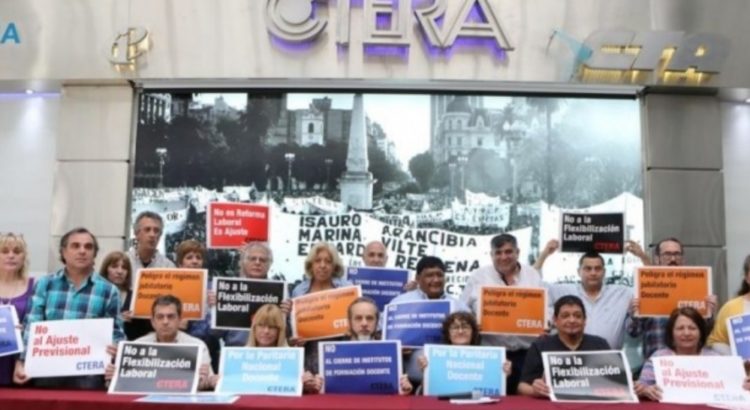
Argentina/29 de Noviembre de 2017/El Intransigente
Será el mismo día en el que el paquete de reformas ingrese al Congreso Nacional. Con esta medida, los docentes se suman al paro que impulsan otros sectores sindicales.
España/29 de Noviembre de 2017/La Vanguardia
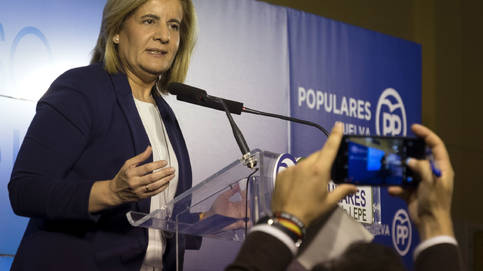
España no cuenta con una «apuesta real» por poner en marcha medidas que favorezcan la integración educativa de los menores refugiados, un colectivo con el que se ceba la falta de recursos para la atención a la diversidad en los centros docentes, ha denunciado hoy Comisiones Obreras.
El sindicato ha presentado hoy una investigación sobre el derecho a la educación de los refugiados, impulsado por la Internacional de la Educación, y una batería de propuestas para mejorar la atención educativa de estos menores.
Desde Comisiones Obreras, lamentan que el descenso en el gasto en educación, especialmente el destinado a la atención a la diversidad -que bajó un 55,4 % entre 2009 y 2012-, incida negativamente en su integración: para los refugiados, el centro educativo es esencial porque es la primera institución normalizada con la que tienen relación en el país.
En la actualidad, las condiciones para una escolarización exitosa de los refugiados son «las peores», según el secretario general de enseñanza de CCOO, Francisco García, quien se ha quejado de que no existan datos oficiales actualizados sobre el número de refugiados menores que viven en España.
García ha avanzado que las «consecuencias empiezan a tasarse»: la tasa de abandono educativo temprano es del doble entre alumnos extranjeros que entre los españoles.
La directora de Derechos Humanos de la Internacional de la Educación, Dominique Marlet, ha sostenido que en España la inclusión en las escuelas se está produciendo entre recortes: «No hay un apoyo adicional a los directores para que se ocupen de la integración de los niños refugiados», ha indicado.
Directores y personal docente, «están solos para afrontar los retos», ha continuado.
Marlet ha subrayado que los centros educativos segregan al alumnado y que se trata a los refugiados como un colectivo, sin tener en cuenta las necesidades individuales de cada menor.
La secretaria de políticas sociales de CCOO, Paula Guisande, ha criticado que la legislación española no preste una atención específica a los menores refugiados y ha pedido una «respuesta urgente» por parte del Gobierno.
Entre las propuestas de CCOO para lograr la escolarización exitosa de los refugiados, se encuentran el desarrollo de un marco curricular flexible para atender sus necesidades específicas, un programa de becas y ayudas, la puesta en marcha de un sistema de apoyo lingüístico o de cursos de formación para el profesorado.
A diferencia de lo que ocurre en España, donde los esfuerzos de integración se producen en el entorno local y de centro, Marlet ha explicado que en Alemania las escuelas con refugiados reciben financiación adicional y en Suecia los docentes acuden a una formación específica. En Italia, se puso en marcha una legislación específica para los menores refugiados no acompañados.
CCOO presentará esta tarde en el Senado los resultados de su investigación con el objetivo de «invitar a la administración educativa a mirar de otra forma el sistema educativo inclusivo», que entienda la diversidad como algo positivo y no como un déficit.
Fuente: http://www.lavanguardia.com/vida/20171127/433253575629/ccoo-denuncia-la-falta-de-medidas-para-la-integracion-educativa-de-refugiados.html

América del Norte/Estados Unidos/28.11.2017/ Autor y Fuente: https://www.ei-ie.org
Durante la 23ª Conferencia de las Partes en la Convención Marco de las Naciones Unidas sobre el Cambio Climático (COP23), que tuvo lugar en Bonn del 6 al 17 de noviembre, los representantes de casi 200 países no han conseguido realizar progresos concretos en lo que respecta a las normas de aplicación del Acuerdo de París contra el calentamiento global.
No se ha alcanzado ningún acuerdo con respecto al seguimiento de las medidas que los países debían adoptar, ni sobre la ayuda financiera prometida por los países ricos, compromisos que, sin embargo, deben aplicarse a partir de 2020. A lo sumo, se ha convenido entablar un diálogo que se llevara a cabo a lo largo de 2018, con el fin de establecer un balance global de las emisiones de gases de efecto invernadero. Así pues, dado que no se han realizado avances sustanciales, las decisiones cruciales han quedado aplazadas para la COP24, que se celebrará en Katowice, Polonia, en diciembre de 2018.
La idea impulsada por los sindicatos de llevar a cabo una transición justa gana adeptos
No obstante, la COP23 ha representado una oportunidad para que el movimiento sindical prosiguiera su incidencia a favor de unas políticas de «transición justa», que están siendo cada vez más respaldadas por las partes interesadas. El reconocimiento de la importancia que tiene la creación de un pacto social que fomente el paso hacia economías con baja emisión de carbono infunde, según la Confederación Sindical internacional (CSI), un gran optimismo para el futuro de millones de trabajadores y de sus comunidades.
Esta es la razón por la que la CSI ya está solicitando un plan de acción de «Katowice» a favor de una transición justa. Para la Internacional de la Educación (IE), la adopción de dicho plan de acción constituye una excelente oportunidad para poner de manifiesto el papel fundamental que desempeña la educación a la hora de combatir el cambio climático.
El día de la Educación: reforzar nuestras colaboraciones sobre la educación para el cambio climático
Desde hace varios años ya, los organizadores de la Conferencia han tenido la brillante idea de organizar un día temático dedicado a la educación que dé lugar a un gran número de actividades relacionadas con la educación sobre el cambio climático (ECC), y comprenda conferencias, seminarios, actuaciones y exposiciones.
Este año, la IE ha podido intervenir como organización invitada en el evento «Dreaming big in Climate Education» (Soñar a lo grande en la educación climática), que fue llevado a cabo por varios organismos de las Naciones Unidas. En dicho evento se abordaron colaboraciones destinadas a emprender los cambios necesarios en cuanto a actitudes y medidas que deben ponerse en marcha para hacer frente a los riesgos derivados del cambio climático.
El representante de la IE, Dennis Sinyolo, argumentó que, ante el escaso nivel de penetración que posee la ECC en los programas curriculares de los distintos países, las organizaciones miembros de la IE deben absolutamente unir sus fuerzas para obligar a los Gobiernos a cumplir sus compromisos en virtud del Acuerdo de París. Por otra parte, los docentes deben tener acceso a todo el apoyo y la formación necesarios con el fin de convertirse en actores comprometidos y eficaces a la hora de luchar contra el cambio climático. Por su parte, la Internacional de la Educación movilizará a sus afiliados en torno a este asunto crucial para nuestro futuro colectivo.
Fuente: https://www.ei-ie.org/spa/detail/15549/la-conferencia-de-las-naciones-unidas-sobre-el-cambio-clim%C3%A1tico-no-produce-los-resultados-esperados
Imagen: https://www.ei-ie.org/resources/views/admin/medias/timthumb.php?src=https://www.ei-ie.org/media_gallery/original_6cf77.jpg&w=1200&h=530&zc=1
Europa/Reino Unido/28.11.2017/Autor y Fuente: https://www.ei-ie.org
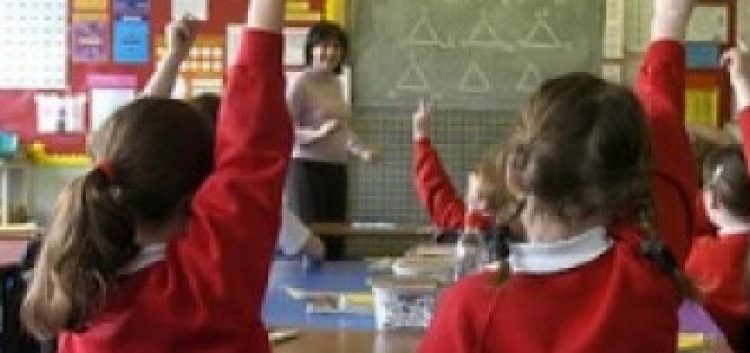
Para mejorar la educación de los niños y niñas del país, los sindicatos de docentes reclaman al Gobierno británico que aumente la partida dedicada a Educación en los próximos Presupuestos, porque temen recortes de calado en las escuelas.
Los sindicatos del Reino Unido expresan su alarma por los posibles recortes en los próximos presupuestos del país, que se anunciaron el 22 de noviembre. La afiliada británica a la Internacional de la Educación, National Education Union, junto con GMB at Work, National Association of Head Teachers, UNISON y UNITE, basan sus preocupaciones en las últimas estadísticas publicadas por el Departamento de Educación.
Recortes en los fondos por alumno
Según cálculos de los sindicatos educativos responsables del sitio web schoolcuts.org.uk,que saca a la luz los recortes en Educación, 17.942 colegios podrían sufrir recortes en términos reales en los fondos que reciben por alumno —500 más de los previstos inicialmente y el equivalente a nueve de cada diez escuelas—. Las organizaciones representantes de docentes explican que la web School Cuts se ha convertido en todo un fenómeno porque ha compilado meticulosamente los datos oficiales del Departamento de Educación y ofrece una imagen real de la situación financiera que están padeciendo los colegios.
Transparencia
Los datosfueron calificados como “engañosos” en el Parlamento británico y sus predicciones de “alarmistas”. Sin embargo, los sindicatos afirman que están siendo totalmente transparentes con las cifras y la metodología que utilizan.
Muchos otros grupos, como padres y madres, miembros de juntas de gobierno escolares y una delegación de más de 5000 directores de colegios llevan tiempo advirtiendo que los presupuestos escolares se encuetran en un punto de inflexión. La crisis de la financiación escolar es real, insisten, y añaden que es necesario aumentar los fondos en términos reales, no en términos de liquidez.
La necesidad de un sistema educativo financiado adecuadamente
Se está agotando el tiempo para cambiar los presupuestos escolares de este año, subrayan los sindicatos. También acogieron con satisfacción los 1300 millones adicionales ofrecidos por el Departamento de Educación en julio.
Si bien estos 1300 millones de libras adicionales, que el Departamento Educación está reasignando de su actual presupuesto, son bienvenidos, se trata de una cantidad inferior a la que necesitan las escuelas para preservar la calidad, destacan los sindicatos. Sólo un sistema educativo financiado adecuadamente garantizará la igualdad de oportunidades que tan apasionadamente defienden el personal educativo, las familias, administradores, directores y políticos.
Teniendo esto presente, los sindicatos que participan en la web schoolcuts.org.ukinstan a Secretario de Estado de Educación a interceder ante el Ministro de Hacienda para que inyecte un aumento a los fondos presupuestados para las escuelas.
Fuente: https://www.ei-ie.org/spa/detail/15544/reino-unido-los-sindicatos-presionan-para-que-el-presupuesto-del-estado-aumente-la-partida-de-educaci%C3%B3n
Imagen: https://www.ei-ie.org/resources/views/admin/medias/timthumb.php?src=https://www.ei-ie.org/media_gallery/UK_145285748014528574805049.jpg&w=1200&h=530&zc=1
Europa/Reino Unido/28.11.2017/Autor y Fuente: https://www.ei-ie.org
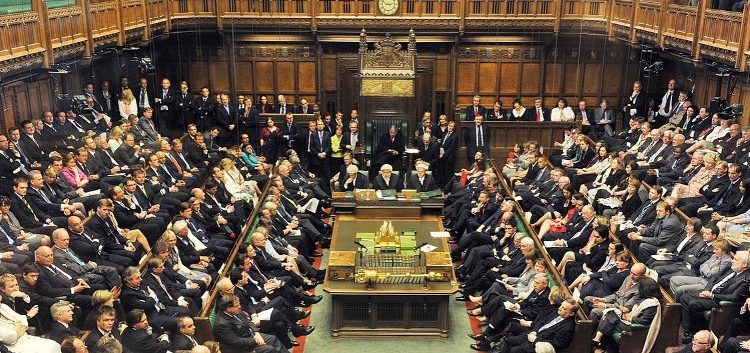
Un informe publicado hoy por el Comité de Desarrollo Internacional de la Cámara de los Comunes británica cuestiona la inversión realizada por el Reino Unido a favor de la cadena de escuelas privadas de bajo coste Bridge International Academies debido al surgimiento de problemas importantes relacionados con el acceso y la calidad en la educación.
El informe,encargado por la Cámara de los Comunes británica y publicado hoy, expresa una gran preocupación por la inversión y el apoyo que el Ministerio británico para el Desarrollo Internacional (DfID, por sus siglas en inglés) proporciona a Bridge International Academies (BIA) (DfID). «Está claro que Bridge es un socio polémico a la hora de conseguir los objetivos del ODS4», afirma.
El comité de la Cámara de los Comunes ha advertido: «que no recomendaría que el DfID realizara más inversiones en el grupo Bridge hasta que se disponga de pruebas tangibles e independientes que certifiquen que estas escuelas producen resultados de aprendizaje positivos para los alumnos. Incluso en ese caso, nos gustaría contar con argumentos irrefutables que justificaran cualquier petición de apoyo por parte del DfIF, así como de pruebas que demuestren que Bridge proporcionaba una educación a los niños más pobres y desfavorecidos».
A principios de este año, en una carta dirigida al DfID, la Internacional de la Educación (IE), la federación mundial de los sindicatos de docentes, manifestó claramente su oposición al apoyo continuo ofrecido a las escuelas BIA por parte del DfID considerando que «superaba cualquier justificación». Esta acción fue acompañada por una amplia cobertura mediática tanto en Gran Bretañacomo en otros países.
Fuente: https://www.ei-ie.org/spa/detail/15545/cese-a-la-financiaci%C3%B3n-de-bridge-international-academies-reclama-el-comit%C3%A9-parlamentario-brit%C3%A1nico
Imagen: https://www.ei-ie.org/resources/views/admin/medias/timthumb.php?src=https://www.ei-ie.org/media_gallery/original_78dda.jpg&w=1200&h=530&zc=1
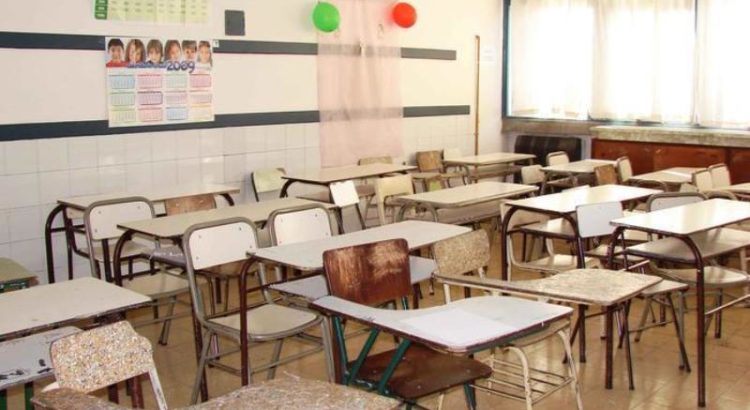
América del Sur/Argentina/28.11.2017/Autor y Fuente: https://www.diarioeltiempo.com.ar/
El viernes pasado se llevó a cabo el Plenario de Secretario Generales de la Confederación de Trabajadores de la Educación de la República Argentina (CTERA).
De acuerdo con lo dado a conocer, en el marco de ese encuentro -que fue presidido por Sonia Alesso, secretaria general de esa organización- se decidió impulsar, en un congreso a desarrollarse mañana, impulsar la propuesta de realizar un paro nacional con movilización cuando se trate la reforma laboral, previsional e impositiva.
Lo resuelto en el plenario
Según se informó, los secretarios generales de CTERA votaron los ítems que a continuación se detallan textualmente:
– Mantener el estado de alerta y movilización.
– Rechazar en forma unánime las reformas que el Poder Ejecutivo está impulsando, que significaran un retorno a las políticas educativas de los ’90, de ajuste en la educación pública.
– Rechazar el pacto fiscal firmado por los gobernadores, que significara el desfinanciamiento de la educación y la salud pública.
– Impulsar en el Congreso de CTERA paro y movilización nacional cuando el Congreso de la Nación trate las reformas laboral, previsional e impositiva.
– Marchas provinciales en defensa de la educación pública y contra el ajuste con presencia de CTERA.
– Realizar una campaña nacional de difusión sobre los impactos que estas reformas tendrán en los trabajadores activos y jubilados.
Asimismo se destacó que “el Plenario de Secretarios Generales se manifestó por lograr el mayor marco de unidad con todos los sectores sindicales y sociales para frenar estas medidas de ajuste”.
Finalmente se expresó la solidaridad “de los maestros argentinos con las familias de los tripulantes del ARA San Juan ante este difícil momento”.
UN RECLAMO DEL FRENTE DE UNIDAD DOCENTE BONAERENSE
Por otro lado, desde el Frente de Unidad Docente Bonaerense (FUDB) se solicitó “ante el comunicado en el Boletín Oficial llamando a licitación para la realización de Juntas Médicas, exámenes preocupacionales, y el control domiciliario y/o en consultorio en los casos que la Dirección General de Cultura y Educación considere convenientes, los sindicatos que integramos el Frente de Unidad Docente Bonaerense solicitamos ser convocados con urgencia”.
En ese sentido, desde el FUDB se exige “que las autoridades salden sus imprecisiones y expliquen con claridad cómo funcionará el sistema que pretenden implementar a partir del 1 de enero de 2018”.
Ante este escenario fue desde el SUTEBA que se explicó que -junto al FUDB- el mencionado gremio viene planteando en todas las comisiones paritarias “la necesidad de la participación de los representantes de los docentes en las decisiones sobre las condiciones laborales y la salud de los trabajadores”.
“Es primordial que este encuentro se produzca ya que resulta imprescindible que las autoridades escuchen nuestras dudas y reclamos. A pesar de estas irregularidades, nos parece importante hacer hincapié en que éste es un triunfo de todos los trabajadores de la educación que lucharon año tras año contra las deficiencias del inefable sistema de las prestatarias”, se remarcó.
Fuente: https://www.diarioeltiempo.com.ar/los-docentes-se-pronuncian-contra-el-ajuste.html
Imagen: https://www.diarioeltiempo.com.ar/wp-content/uploads/2017/11/201704-Aula-1.jpg

Centroamérica/Panamá/28.11.2017/Autor y Fuente: http://laestrella.com.pa
La Organización del Convenio Andrés Bello de Integración Educativa, Científica, Tecnológica y Cultural traslada su sede de Colombia a Panamá .
La sede, ubicada en Cárdenas, fue inaugurada el pasado jueves con la presencia de Andrés Navarro, ministro de Educación de República Dominicana y presidente de la reunión de ministros del Convenio, así como ministros y vicemnistros de los 12 países de del Convenio, incluyendo la ministra de Educación de Panamá, Marcela Paredes.
La organización fue creada en enero de 1970 con la finalidad de contribuir al desarrollo equitativo, sostenible y democrático.
La ministra Paredes agradeció a los países miembros para hacer realidad la nueva sede e informó que Delva Batista estará al frente de la organización por los próximos cuatro años.
Fuente: http://laestrella.com.pa/panama/nacional/panama-sede-convenio-andres-bello/24035582
Imagen: http://laestrella.com.pa/media/news/image/365075_800x600_crop_5a1b6e91e3bc1.jpg


 Users Today : 38
 Total Users : 35503809
 Views Today : 41
 Total views : 3629977