Saltar al contenido principal
Page 123 of 622
1 121 122 123 124 125 622

Improving Inclusive Education in South Africa

Africa/ South Africa/ 12.08.2019/ Source: www.borgenmagazine.com.


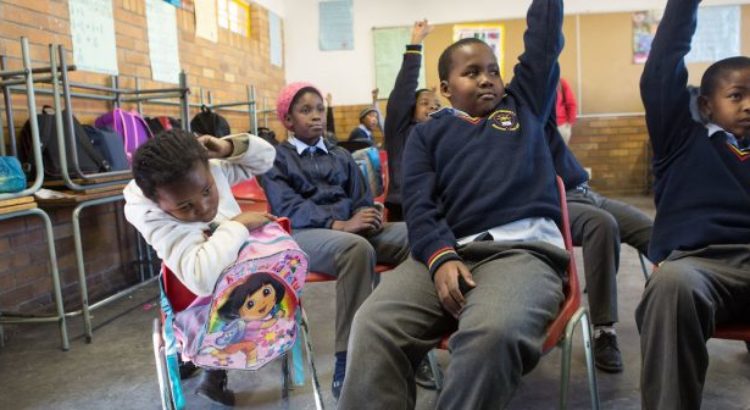
ince 1989, UNICEF has recognized the right of every child to equal and quality education. However, many nations fall behind in having an education system that supports children with disabilities or those who come from poorer backgrounds. South Africa is no different. Only half of those who enter first grade make it the full 12. Despite the fact that inclusive education in South Africa has been a government priority since the early 2000s, little progress has been made. Fortunately, organizations are stepping in to create initiatives that have a positive impact on hundreds of children.

Children with Disabilities

A recent report by Human Rights Watch accused South Africa of failing to provide inclusive education for children with disabilities. These children often do not have access to the programs and supplies that would give them an equal opportunity to succeed at school. Approximately 600,000 South African children with disabilities are not in school, in part because of the fees required. While many children are not required to pay school fees, this is not extended to children with disabilities and they are often charged an additional fee.

Additionally, rather than creating inclusive schools, separate schools for children with disabilities were created. Many of these special schools do not provide the same level of education that supports the holistic development of cognitive skills of these children. Therefore, they ultimately fail to prepare these students for employment.

Steps to Improve Inclusive Education

The government has taken some steps to improve this, such as adopting a national curriculum for South African sign language, distributing teaching materials in Braille and even declaring that public schools for children with disabilities would soon abolish fees, but there’s still a long way to go before inclusive education in South Africa meets international standards. There are organizations and projects that are trying to improve things a little faster.

  1. Inclusive Education in South Africa (IESA): IESA has been working since 1995 to promote and support inclusive education practices. Its efforts are aimed at educators and professionals, giving them theknowledge and tools necessary to provide high-quality education for all students, regardless of disability or background. One of IESA’s methods is a two-day training for early childhood educators and caregivers on inclusive education. The training teaches them how to accommodate children with disabilities in their centers.
  2. The Workbook Project: In 2012, the Department of Basic Education and the EU’s Primary Education Sector Policy Support Programme began a workbook project to supply literacy and numeracy workbooks to every child in school. This project is a response to low literacy and numeracy rates, fuelled by a lack of classroom resources, including workbooks. In an effort to be inclusive, workbooks in braille and large print were created and distributed to students who needed them. However, there is still a need to further adapt the workbooks for a wider variety of disabilities.
  3. Focusing on Vocational Skills: While there is still a long way to go, the Department of Basic Education has recognized the need for job training and made an effort to make it more available for children with disabilities. Kempton Park Panorama School’s vocational training program provides an example for other schools seeking to provide inclusive education in South Africa. The school works with local mechanical workshops, nursery schools and bakeries to provide students with workplace skills development. For students with disabilities, or those with little interest in receiving higher education, finding a job is often crucial. There is also a shortage of students going into vocational education programs, so making these programs more accessible to students can help fill an employment gap and ensure people with disabilities can make a living for themselves.
  4. Full-Service Schools: As of 2017, South Africa had 900 full-service schools. These schools welcome all students, including those who are disabled and meet the differing educational needs of all students. One of these schools is Isiziba Primary School in Gauteng’s Ekhuruleni North District. Of the school’s 1,309 students, 108 have a learning disability. All 35 teachers have received training on how to identify and support those students. The school provides a model for inclusive education that all schools should be striving to meet.

Moving Forward

UNICEF is currently preparing a survey on inclusive education to assess whether standards are being met in countries around the world, which could help South Africa and other nations improve their inclusive education programs. Current initiatives need to be expanded to increase their sensitivity to and accommodation for children with disabilities.

Awareness of the impact that these schools can have on the children needs to be spread if inclusive education in South Africa is to be achieved across the nation. Furthermore, accurate data also needs to be released about the educational needs of children with disabilities. With that data, the government and other organizations can make smart decisions about how to use their funding and resources to best help the most children in need.

Source of the notice: https://www.borgenmagazine.com/improving-inclusive-education-in-south-africa/
Comparte este contenido:

Nigeria: ‘House Girls’ Documentary Causes Media Frenzy

Redacción:  Allafrica

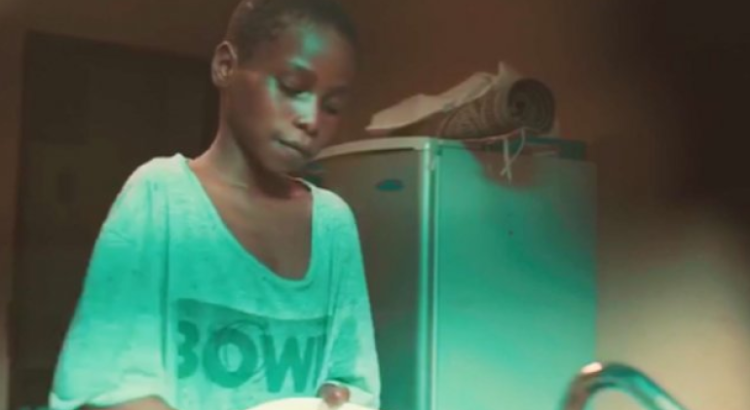
The Creative minds of producers, John Adewusi and Jola Ayeye of Salt and Truth productions have put together a PSA from their upcoming documentary, which highlights the experiences of House Girls in Nigerian homes.

The short but deep clip shows the life of two young girls of the same age, one a house girl and the other a child in the house where the house girl was employed.

The video did a mirror take on the life of both kids as they wake up every morning, start their day and how the routine.

Adewusi had this to say, «In millions of homes across Nigeria, the exploitation of children as providers of arduous, menial labour is quietly, socially accepted. This documentary delves into the social and economic elements that make this gross abuse, thrive. This is a fixture that has become very common in the average Nigerian home.»

Over the weekend, social media users were touched by the message the video had to share. It has since gotten over a million views and over 35,000 comments across all social media platforms and has pushed the  conversation to a wider audience.

Fuente: https://allafrica.com/stories/201908100013.html


Comparte este contenido:

Etiopía planta más de 350 árboles en 12 horas

Redacción: Muy Interesante

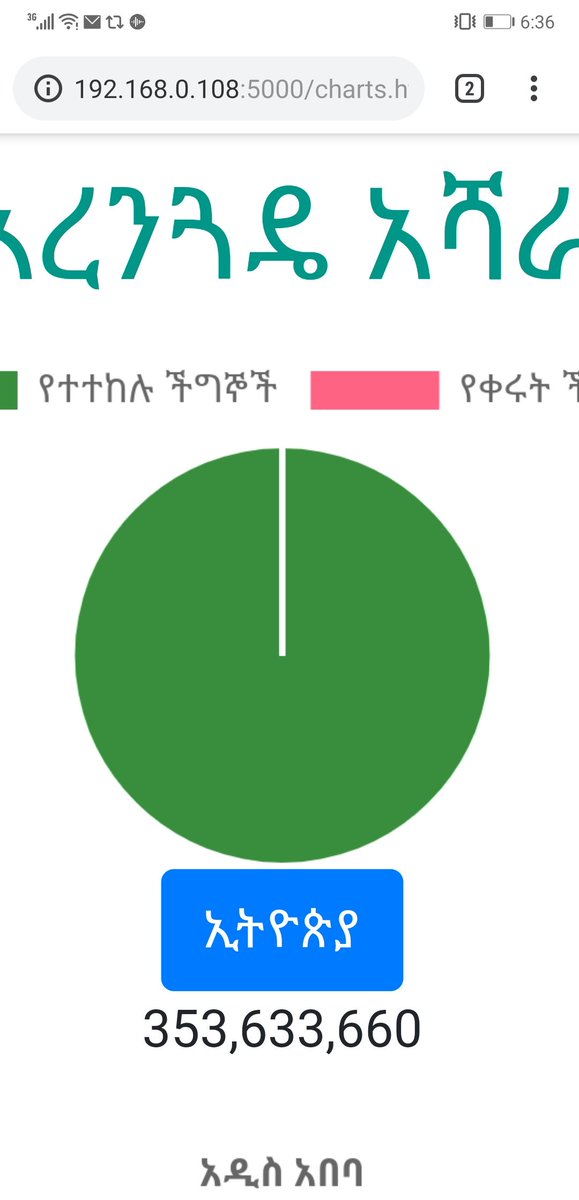
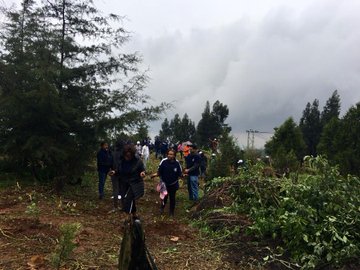
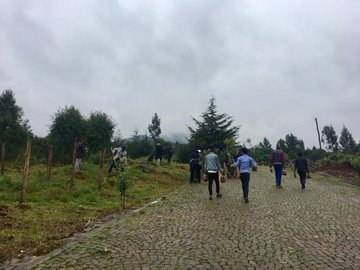
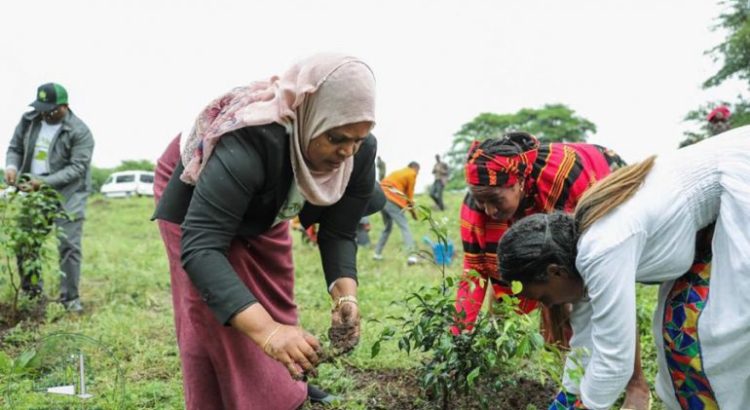
Para combatir el cambio climático y la rápida deforestación, Etiopía batió récord al plantar más de 350 millones de árboles en 12 horas.

El primer ministro Abiy Ahmed puso en marcha la ambiciosa campaña «Green Legacy» para plantar cuatro mil millones de árboles entre mayo y octubre para restaurar el paisaje del país. Sin embargo, durante una convocatoria realizada el lunes se batió el récord.

El objetivo de Legado Verde (Green Legacy) es sensibilizar a la población y tomar responsabilidades para revertir la degradación ambiental.


La oficina del primer ministro felicitó al país por exceder su objetivo inicial de plantar 200 millones de árboles en un día, a través del sitio web del gobierno.

La tierra boscosa del país ha disminuido alrededor del 30% a finales del siglo XIX. Etiopía, la segunda nación más poblada de África con 100 millones de personas, tenía una cubierta forestal de solo 14% de su territorio en 2018, según las Naciones Unidas.

Muchas escuelas y oficinas gubernamentales cerraron durante el día, ya que se instó a los estudiantes y funcionarios a participar en el programa, apoyado por varios grupos de ayuda internacional.

350 MILLONES DE ÁRBOLES: RÉCORDS MUNDIALES

Las cifras no se pudieron verificar, pero superan con creces el récord anterior, en manos del estado indio de Uttar Pradesh, que en 2016 plantó más de 50 millones de árboles en un día, informó The New York Time.

La nación africana plantó un total de 353,633,660 árboles jóvenes en 12 horas, escribió el ministro de innovación y tecnología del país, Getahun Mekuria, en un tuit.

Ver imagen en Twitter

Mientras que el 80%  de la población de Etiopía depende de la agricultura para su subsistencia, la agricultura extensiva ha aumentado la vulnerabilidad del país a la degradación de la tierra, la erosión del suelo y las inundaciones,según CNN.

Adicionalmente, según el Libro de Registros de Guiness, la cifra más alta de árboles plantados en un día por una persona es de 15,170 una marca fijada por el canadiense Ken Chaplin en 2001.

Ver imagen en TwitterVer imagen en TwitterVer imagen en TwitterVer imagen en Twitter
Fuente: https://www.muyinteresante.com.mx/medio-ambiente/etiopia-planta-350-millones-arboles/
Comparte este contenido:

Emprendimiento en África, ¿diversificación o subsistencia?

Por: Navin Khemlani/Rebelión

El emprendimiento digital, y especialmente el sector tecnofinanciero, está registrando grandes éxitos en el continente. Sin embargo, terminar con la informalidad de algunos negocios y combatir la brecha de género son dos asuntos clave, entre otros, para que el emprendimiento no sirva solo para subsistir, sino para que diversifique las economías, cree empleo sostenible y logre mayores niveles de bienestar social.

“El emprendimiento crea nuevos empleos y empresas, nuevas formas de proporcionar servicios básicos, nuevas formas de ver el mundo: es la chispa de la prosperidad”. Esta fue una de las frases más contundentes del discurso de Barack Obama en la Cumbre International de Emprendimiento celebrada en Kenia en 2015, un evento que sirvió para dar visibilidad al emprendimiento en el continente africano. Pero África ¿emprende para diversificar su economía o por subsistencia?

La respuesta no es sencilla y hay que tener en cuenta varios factores. En primer lugar, el PIB per cápita de África en 2018 fue de tan sólo 1.930 dólares (1.640 dólares en África subsahariana), según datos del Banco Mundial, y con alta desigualdad del reparto de la riqueza entre los distintos Estados y regiones.

En segundo lugar, para emprender hay que tener en cuenta la facilidad de hacer negocio en la región o país, que depende de varios factores y también de si la administración pública favorece o no un clima de emprendedor óptimo que cree empleo y riqueza mediante políticas, incentivos y reformas con el objetivo de crear nuevas empresas. Informes como el Doing Buiness 2019 elaborado por el Banco Mundial posiciona a África subsahariana, por sexto año consecutivo, como líder en número de reformas regulatorias empresariales en un año.

Según el Banco Mundial, Islas Mauricio (puesto 20 a nivel mundial) y Ruanda (en la 29) ocupan las dos primeras posiciones en la región y están incluso por encima de España (puesto 30). Kenia (en el 61) ocupa el tercer lugar en África subsahariana.

Ante estos datos, son varios los informes que afirman que emprender en África está erigiéndose como una solución sostenible para erradicar la pobreza y combatir las altas tasas de paro y empleo precario, particularmente en la población joven, ya que el 60% de la población africana tiene menos de 25 años.

Aun así, emprender es difícil en muchos Estados africanos debido a factores que frenan la creación de empresas como la ineficiencia administrativa, el entorno político, el difícil acceso a la financiación tradicional, la falta del acceso a la educación y de infraestructuras, etcétera. De hecho, hasta hace bien poco el emprendimiento en África se consideraba un trabajo secundario al trabajo asalariado, es decir, tener al menos un ingreso para subsistir y complementarlo con el emprendimiento para mejorar la calidad de vida a medio y largo plazo.

Son muchos los países del continente que dependen de la evolución de los precios de diferentes materias primas y que han mermado el crecimiento económico, por tanto, el emprendimiento puede servir para que África diversifique su economía.

Dentro del emprendimiento en el continente africano destaca la proliferación de empresas en el ámbito de las nuevas tecnologías que están atrayendo cada vez más inversión, pese a que África ha ido registrando un fuerte descenso en la atracción de inversión extranjera en 2017, que alcanzó el mínimo en 10 años por el descenso continuado del precio de las materias primas (petróleo principalmente) y con un ligero incremento del 8% en 2018, según el informe World Investment Trends Monitor elaborado por la Conferencia de Naciones Unidas sobre Comercio y Desarrollo (UNCTAD, en sus siglas en inglés).

En paralelo al auge de las startups tecnológicas en África eclosionó el fenómeno de los tech hubs , que son centros o clústeres de empresas tecnológicas situadas de norte a sur y de este a oeste, que comparten espacio e infraestructuras que han creado un efecto de bola de nieve, ya que han impulsado la estructuración del sector consiguiendo notoriedad y la implicación de las administraciones públicas bajo un ecosistema colaborativo para ser auténticos polos de innovación y diversificación económica pese a las dificultades para emprender en este sector. Según un reciente estudio de GSMA , en 2018 se contabilizaron más de 440 hubs tecnológicos activos en el continente, un 50% más que en 2016. Los países con mayor concentración de ellos en el continente africano son Suráfrica, Nigeria, Kenia, Egipto y Marruecos.

El gerente de la startup eButler.co.za, Brian Ndona, en un espacio de coworking, Johannesburgo. Suráfrica. Leon Neal/Getty Images

Todo esto ha contribuido para que el ecosistema emprendedor tecnológico africano en 2018 consiguiera captar 725,6 millones de dólares en 458 nuevos proyectos, lo que supone un incremento del 300% en volumen monetario y un 12% en volumen de proyectos si lo comparamos con 2017, según datos del informe realizado por WeeTracker .

Según el mismo informe, Nigeria fue en 2018 el país con mayor número de proyectos financiados con un total de 136, desbancando a Suráfrica que ocupa el tercer lugar en 2018. En el segundo lugar se situó Kenia con 73 proyectos. El informe destaca que hay países que están sumándose a esta carrera de captación de financiación para el emprendimiento tecnológico como son Egipto, Uganda, Ghana y Túnez.

Son las empresas tecnológicas que desarrollan soluciones en el sector financiero, las Fintech , las que acaparan el 40% de la financiación del total en 2018, siguiendo la tendencia de estos últimos años. En este ámbito financiero han aparecido muchas empresas que han desarrollado sistemas de pago mediante móvil que ni siquiera necesitan Internet, tan sólo es necesario enviar un SMS para pagar. En definitiva, surgen por mera cuestión de supervivencia, todavía hay una gran parte de la población africana que no posee una cuenta corriente en un banco o no tiene una sucursal por no residir en zonas urbanas o simplemente porque el país tiene un sistema financiero débil.

De hecho, África es el hogar de más implementaciones de servicios financieros digitales que cualquier otra región del planeta, con casi la mitad de los cerca de 700 millones de usuarios individuales en todo el globo, según datos del Banco Mundial; además, según recoge la base de datos elaborada por Global Findex , la inclusión financiera en África ha pasado del 23% en 2011 al 47% en 2017 gracias al fenómeno de las Fintech africanas.

Todo esto hace que se haya aumentado el gasto per cápita en familias, que pequeños agricultores puedan vender o comprar a gran escala y, por tanto, se generen beneficios más amplios para la sociedad africana. Por ejemplo, en 2007 la empresa Safaricom, filial de Vodafone, lanzó M-Pesa , un sistema que permitió a las personas, e incluso a comunidades enteras, que nunca habían tenido una cuenta bancaria, enviar y recibir dinero para pagos esenciales como agua y luz, además de no tener que llevar dinero encima y evitar robos.

En la actualidad, el 96% de los hogares kenianos usan la aplicación de M-Pesa y, según un estudio de 2016, el impacto que ha tenido esta tecnología en Kenia ha sido enorme, ha sacado a casi 200.000 hogares de la pobreza extrema y ha permitido que casi la misma cantidad de mujeres pasen de la agricultura de la subsistencia a un modelo de empresa.

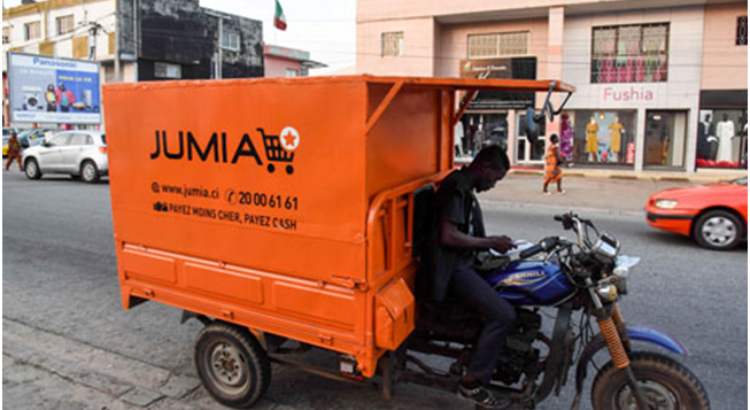
El emprendimiento digital en África continúa registrando nuevos hitos en 2019, como es el caso de la empresa africana Jumia , que es un conglomerado de comercio electrónico (conocida como el Amazon africano) que vende desde calzado, moda, electrónica, viajes, etcétera, y que este año se convirtió en la primera startup africana que cotiza en la bolsa de Nueva York, pese a que hay cierta polémica por sus orígenes (fue fundada en Nigeria pero sus socios fundadores son franceses y la empresa tiene raíces en Alemania) y porque están en entredicho por haber inflado sus cuentas y usuarios. Aún así, es la primera tienda online con presencia panafricana y adaptada a las necesidades y especificidades del continente.

Un hombre enseña en su móvil el servicio de M-Pesa en Nairobi, Kenia. TONY KARUMBA/AFP/Getty Images

Emprender también puede otorgar mayor independencia económica a la mujer en África, una de las regiones con mayor brecha de género y en donde tan sólo 37% de las féminas en la región tienen una cuenta bancaria, según el Banco Mundial. Pese a esto, las africanas son altamente emprendedoras y poseen un tercio de todas las empresas en el continente, hasta un máximo del 62% en Costa de Marfil, según el índice de emprendimiento de MasterCard 2018 .

Aunque también es cierto que lo más probable es que las mujeres estén dirigiendo microempresas en el sector informal, participando en actividades de bajo valor agregado que cosechan rendimientos marginales. Tienden a ser empresarias que surgen de la necesidad, en lugar de la oportunidad, impulsadas ​en pequeñas compañías por la falta de alternativas. Solo el 15% de las empresas del sector formal tienen a una mujer como directora gerente, mientras que el 32% tiene algún grado de propiedad femenina.

Incluso los organismos multilaterales son plenamente conscientes de la necesidad de fomentar el emprendimiento femenino en África, por ello recientemente la Women Entrepreneurs Finance Initiative (Iniciativa de financiación para emprendedoras) que está compuesta por 14 gobiernos, ocho agencias multilaterales y comandadas por el Banco Mundial concedió al Banco Africano de Desarrollo 61,8 millones de dólares para el programa Affirmative Finance Action for Women in Africa (Acción financiera afirmativa para las mujeres en África) con la intención de mejorar el acceso a financiamiento para 40.000 pequeñas y medianas empresas propiedad de mujeres en 21 Estados africanos, principalmente en países frágiles y de bajos ingresos, donde las empresarias tienen serias dificultades para acceder a financiación, mercados, conocimiento y mentoría

En definitiva, el emprendimiento en África ha estado siempre en el continente para la subsistencia de una parte de la población y actualmente está ayudando a que compita globalmente en sectores no tradicionales diversificando su economía, y ayudando a reducir la brecha de género. A medio y largo plazo, el emprendimiento debería poder contribuir a un mayor bienestar social, consolidar una clase media y generar empleo sostenible en África.

Fuente: http://www.rebelion.org/noticia.php?id=259174

Comparte este contenido:

El Congo: La educación en las emergencias

Comparte este contenido:

Nigeria: Ekiti begins mass recruitment of primary school teachers

Africa/ Nigeria/ 07.08.2019/ Source: www.pulse.ng.

The Ekiti State Universal Basic Education Board (SUBEB) on Monday commenced the process of recruiting teachers into public primary schools in the state.

A statement made available to the News Agency of Nigeria (NAN) in Ado-Ekiti by the Executive Chairman of SUBEB, Prof. Francisca Aladejana, said the planned mass recruitment was sequel to the approval of Gov. Kayode Fayemi.

According to her, the governor has directed the board to fill vacancies in public primary schools in the state without delay.

She said that application forms would be distributed free to applicants at the SUBEB headquarters in Ado-Ekiti on Tuesday and Wednesday between 8 am. and 4 pm.

Aladejana stated further that only applicants with verifiable credentials would be allowed to obtain the application forms.

She advised interested applicants with prerequisite qualifications to visit the SUBEB headquarters to collect their forms which must be submitted in person at the same venue on or before Friday for processing.

According to her, qualifying examination will hold on Aug. 17 at Ado-Ekiti, Ikere-Ekiti, Ikole-Ekiti, Ido-Ekiti, Ijero-Ekiti and Ode-Ekiti.

The SUBEB chairman warned that the board would not accept application forms submitted late .

Source of the notice: https://www.pulse.ng/communities/student/ekiti-begins-mass-recruitment-of-primary-school-teachers/rkc16mg
Comparte este contenido:

We ignore our children’s future

By: Mail & Guardian.

Beyond all the noise — the politics and the Twitter spats between politicians — are South Africans who are grappling with serious difficulties and few people are paying attention to their plight.

This week, the Mail & Guardian visited the area near Weenen in KwaZulu-Natal. This is where Sahlumbe village is situated. It’s a village that has been grappling with the violent behaviour of schoolboys who fight dangerously among each other on school grounds and turn these battles into impi yezigodi (faction fights).
The parents were forced to take the hard decision of shutting down Sahlumbe High School for three months. This gave them time to put their heads together to find solutions for the fighting culture among learners that is slowly eating away the good record of the school — the matric pass rate has dropped from 96.30% in 2002 to 32.6% last year.

The school was closed because of children fighting. Let that sink in. In those three months young people, whose only ticket out of that village is education, were starved of it. They loitered on the streets of their village with no sense of purpose. This is three months they will never get back.

The KwaZulu-Natal department of education has essentially washed its hands of this, saying that there is little they can do to intervene in that situation. The school was finally reopened last month, at the start of the third term. But parents, schoolchildren and teachers are on edge; they don’t know when the war will start again.

Have we become a society that is so hardened that we no longer care about the future of our children? Do we no longer care about the marginalised and disadvantaged? Are we willing to watch children kill each other over nonsensical things and we don’t even make noise about it?

Government officials always say that education is a societal issue and that when there is violence at schools those involved need to come together to find lasting solutions. But the people of Sahlumbe are alone in this fight. They have come together as parents and relied on their inkosi for guidance to try to bring stability to the school. The provincial department could bring in social workers to try to understand what issues these learners are dealing with. The department of community safety could also intervene.

Instead, the provincial education department held one imbizo with parents and then drove away, leaving no lasting solutions behind.

Adults also need to do better. It’s true that the violence that plays out at Sahlumbe High and other schools mirrors what is happening in society. When parents use violence to address problems, children do the same in the schoolyard.

When we do react to this kind of thing, it is after the fact. This year it was to a learner who was killed by another child at a Johannesburg school. But learners have been killing each other at least as far back as 2011 in KwaZulu-Natal villages in alleged faction fights.

Why have we not been outraged by that? And why have we not found ways to interrogate this phenomenon in the province and nip it in the bud?

History will judge us harshly for being preoccupied with the battles between elites when our children — the future of this country — perish in front of our eyes.

Source of the article: https://mg.co.za/article/2019-08-02-00-editorial-we-ignore-our-childrens-future%5B3/8

Comparte este contenido:
Page 123 of 622
1 121 122 123 124 125 622
OtrasVocesenEducacion.org