Page 168 of 622
1 166 167 168 169 170 622

Nigeria: Beyond NEC’s 15 per cent for education

Africa/ Nigeria/ 14.11.2018/ Source: punchng.com.

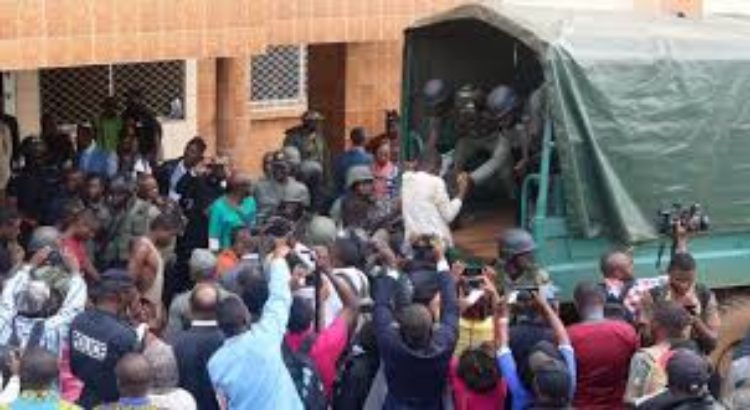
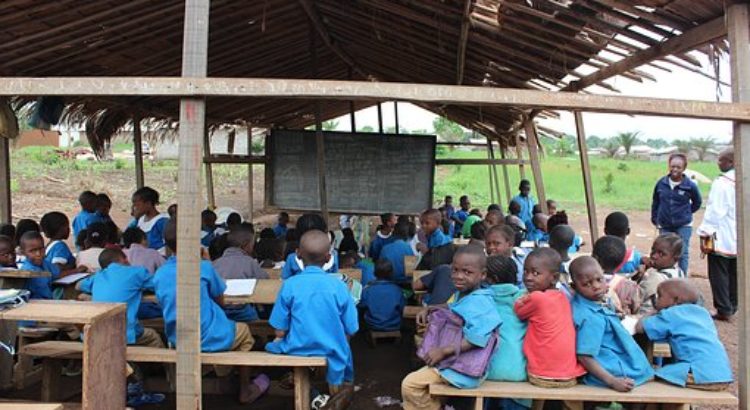
THE National Economic Council recently made a crucial decision in its proposal to federal and state governments to allocate 15 per cent of their annual budgets to education in furtherance of a state of emergency declared in that sector. Many stakeholders had before now, advocated this initiative, against the backdrop of the total collapse of the system, from the basic to tertiary levels. In 2018, N605.8 billion was allocated to the sector by the Federal Government, representing seven per cent of the N8.6 trillion budget.

A special task force or committee will be set up to manage the funds at all levels of government and also oversee infrastructure overhaul in selected schools. The Deputy Governor of Edo State, Philip Shaibu, who elaborated on the proposal, said the primary school level was the focus, just as the entire reform will be anchored on a strategic plan of action already designed by the Federal Ministry of Education. He said, “If we address basic education and the foundation is well laid at that level, obviously, the problems in the secondary and tertiary education would have been half solved.”

The strategic document places emphasis on: out-of-school children; adult literacy and physically challenged; science, technology and mathematics; technical and vocational; teacher education; quality and access to tertiary education; ICT in education and improved library services.

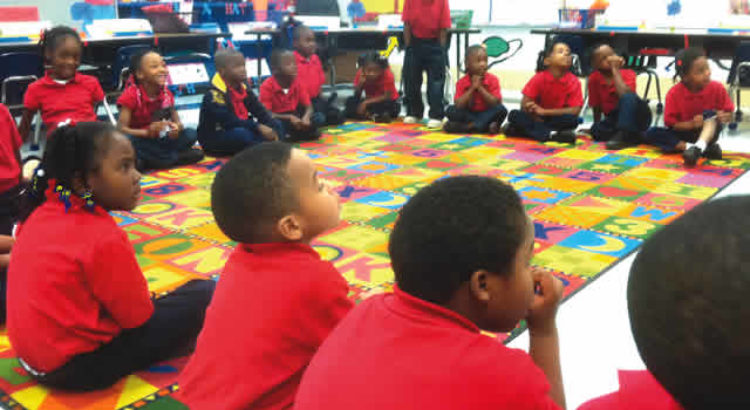
Across the 36 states, many primary schools are dilapidated: pupils sit on the bare floor to learn; in the North, especially in Sokoto State, “more than 50 per cent of the entire teachers in the state cannot read” instructional materials supplied to schools, the then Executive Secretary, Universal Basic Education Commission, Ibrahim Moddibo, said in 2012. In Kaduna State within the same period, 21,780 teachers out of 33,000 failed a primary four pupils test, a shocking revelation that Kwara State also experienced. Added to this incongruous mix is the perennial delay in the payment of teachers’ salaries.

The NEC prognosis is right. But this is a minor point at issue, considering that similar attempts in the past were not allowed to work. In fact, the percentage of the budget devoted to education is not as critical as the faulty implementation strategies and monstrous corruption that trammels every national endeavour. In an attempt to make education more functional, the 6-3-3-4 system was introduced, with emphasis on continuous assessment, technical knowledge acquisition and guidance counselling.

However, the country made a total mess of the scheme: teachers for the technical subjects and workshop equipment were not available, just as the transition from Junior Secondary School 3 to Senior Secondary School 1 was automatic for every pupil. Emergency contractors, mostly fronts for the bureaucrats, milked the system. Absurdly, many years after the country inaugurated the system, equipment imported for it was discovered abandoned at the Lagos seaport.

Interventionist funds like UBEC grants and Tertiary Education Trust Fund have been designed to improve the standard of education. But many state governors divert grants for fixing primary schools to other priority areas or embezzle them outright. It is an abuse of office for which some former governors are being prosecuted by the Economic and Financial Crimes Commission. In many cases, they fail to provide their counterpart funding or meet other due process requirements. This is why N86 billion meant for states was idle as of September.

The situation is not different at TETFund. Its Executive Secretary, Abdullahi Baffa, in July, visited the EFCC acting-Chairman, Ibrahim Magu, and requested his assistance “to tackle the menace of inappropriate projects, abandoned projects, mismanaged funds, and stolen funds, which are almost grounding the institutions.” Angered by how institutions treat the grants as slush funds, President Muhammadu Buhari did not approve TETFund 2017 interventions. But in 2016, it received N213 billion from which universities, polytechnics and colleges of education were allocated N1 billion, N691.6 million and N679 million, respectively.

This is a malodorous landscape that must be cleansed for any serious educational revival to take place.  Therefore, giving education priority attention must go beyond official rhetoric. Understanding the fact that education is the bedrock of economic development and the wealth of nations is imperative. Countries in Europe, America and parts of Asia, which have transited from the Industrial Revolution to the Third Revolution – the digital age, are now embracing the Fourth Revolution – the age of quantum computing, robotics, artificial intelligence, nanotechnology, autonomous vehicle and 3D printing. They have made the point that investment in productive knowledge makes all the difference. This has brought them enormous wealth and high standard of living.

Nigeria may have been centuries behind, yet, it has to begin the race, which the state of emergency in education symbolises, if successfully executed. Consequently, rather than continue to merely “fund education” without the desired results, it should now “invest in education.” The quality of education cannot rise above the level of the teachers. This is why training and retraining teachers; their motivation; creating an ideal environment for learning to take place; providing instructional materials and effective school supervision should be areas of special focus. Without functional basic and secondary education, Nigeria’s entire education architecture is a superstructure erected on quicksand.

It is for this reason that universities now decry the quality of their intakes. University education in Nigeria has become a huge joke with many misfits serving as administrators and the increasing number of such schools. The base, absurd principle of: “let us establish them first, after which the issue of funding would be addressed,” should stop. With existing funding gaps that provoke the Academic Staff Union of Universities to strike regularly; obsolete libraries and science laboratories, shortage of hostels, lecture halls and the alarming mismatch in the teacher and student ratio, higher institutions of learning in Nigeria should be helped to rediscover their very essence.

Source of the notice: https://punchng.com/beyond-necs-15-per-cent-for-education/

Comparte este contenido:

Free education needs reconsidering: Egypt’s Education Minister

Africa/ Egypt/ 14.11.2018/By: Al-Masry Al-Youm/ Source: egyptindependent.com.

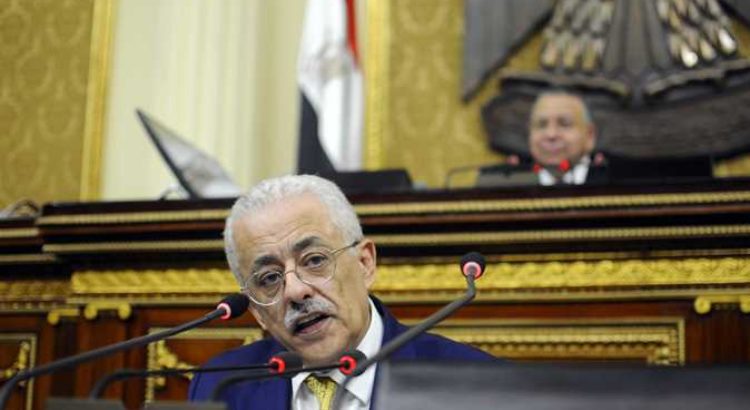
Egyptian Education Minister Tarek Shawki said on Saturday that the issue of free education should not be left without discussion and requires reconsidering.

“People pay money to any place except the government, and the evidence is the money spent annually on private tuition lessons. For whom education should be free? Those who have two children or those who have 10 children?!” Shawki said.

The Education Minister’s remarks came during a meeting of a House of Representatives committee on Saturday, sparking a storm of controversy and speculation that the minister wants to abolish free education, a right enshrined in the country’s constitution.

Article 19 of Egypt’s constitution stipulates, “The State shall provide free education in the various stages in the State’s educational institutions according to the Law.”

The controversy prompted the minister to clarify his statements on Facebook.

Shawki explained that discussion regarding the economics of education is a necessary topic to be discussed in community dialogue.

“The free education provided for in the constitution was not realized properly. And the evidence is the expensive cost of lessons which poor and rich alike complain about. So the reality that education is expensive and not free,” the minister said.

“And therefore I see it normal to face this reality with study and research, while we said nothing about the abolition of constitutional entitlement at all and did not ask for this.”

“We invited MPs to study this reality which contradicts the Constitution and study the economics of education and how we will face the high cost now and in the future with better solutions to make use of what we spend on education to achieve real social justice and higher quality of Egyptian education,” Shawki said.

Source of the notice: https://egyptindependent.com/free-education-needs-reconsidering-egypts-education-minister/

Comparte este contenido:

Democratic Republic of Congo: Migrant education program in Dodge City Public Schools helps nearly 300 students

Africa/ Democratic Republic of Congo/ 13.11.2018/By: Katie Moore/ Source: www.cjonline.com.

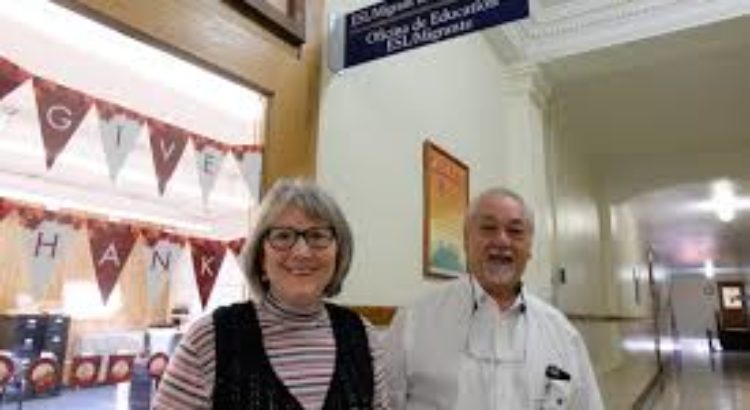
The migrant education program in the Dodge City school district provides a “holistic” approach to learning and integration for nearly 300 students, program director Robert Vinton said.

Students qualify for the federal program through their parent’s employment, predominately large agricultural companies. The program was established in 1965 and came to Unified School District 443 in the 1970s, according to Vinton.

In the 2017-18 school year, 288 students are participants in the migrant program. Nearly half of the district’s 7,000 students are English language learners with 17 languages represented throughout the district’s student body. Most of the staff is bilingual.

“For a small community, we’re very, very diverse,” Vinton said.

Students have come from Mexico, Guatemala, Honduras, Somalia, Democratic Republic of Congo, China, the Philippines, Russia and Haiti, among other countries.

To qualify for the migrant program, students must have moved across school district or state lines in the past three years. The legal status of participants isn’t known. School officials are barred from asking for documents because it could create a chilling effect, Vinton explained.

Student performance varies widely. Some are at the honors level. Others, in their teens, may have attended a minimal amount of school in a developing country and need to learn how to hold a pencil, he said. Greta Clark, English language agent, said they make efforts to discern between a student’s language level and their capacity.

For high school students, there is an emphasis on career readiness, parent engagement and understanding the college system.

The program also has two full-time community liaisons who make home visits, checking on the well-being of families and sharing information about local resources, Clark said.

Socially, there are many variables and by and large, most do well, becoming part of the “mainstream fabric,” Vinton said.

But for a few, “It’s virtually impossible to cross those lines,” Vinton said. “They struggle.”

In addition to an emphasis on reading and math, the migrant program can assist students with basic needs like health services. Vinton said diabetes awareness has been a focus because it is a growing problem. When options outside the program are limited for things like tennis shoes or glasses, the program can step in.

However Vinton said funding has shrunk in recent years as the definition of migrant was narrowed. The program in the past had up to 2,000 participants in Dodge City.

Vinton also said migrants have felt a sense of fear and insecurity since President Trump was elected.

“He has created more of a tremendous fear of families being separated,” Vinton said.

Many families have created a plan for their children, bank accounts and other assets in case immigration enforcement comes in. Vinton said developing that plan is critical, but also shows a “sad reality.”

Nationally, Vinton said, he has observed a troubling inability to understand diversity. He said he hopes the country can reach a more “sophisticated” point where people understand there is a place for everyone.

Vinton believes that passing immigration reform will help things settle down.

“Right, wrong or indifferent, we need immigration reform,” he said.

Clark said she hopes the immigrant population in Dodge City continues to expand, bringing with them rich traditions and culture to the community.


Source of the notice: https://www.cjonline.com/news/20181111/migrant-education-program-in-dodge-city-public-schools-helps-nearly-300-students

Comparte este contenido:

Ghana: Support robotics inspired science education to unleash Potentials – Foundation

Africa/ Ghana/ 12.11.2018/ Source: www.ghanaweb.com.

Dr Yaw Okraku-Yirenkyi, the co-founder and Director for the Ghana Robotics Academy Foundation (GRAF), has urged government institutions and other stakeholders to requisitely support talented young ones in Engineering, to unbridle their hidden potentials in the country.

He advised the Government to prioritise Science, Technology and Engineering education among others because, they are meant to produce innovators for development.

Speaking at the 2018 Robotic Inspired Science Education Awards (RISE) Ceremony on Saturday, he said the programme was mainly focused on overcoming the teething challenges impeding the progress of the foundation.

He said the foundation as its mandate, was solely focused on systematically, addressing the problems being faced, with regard to contributions and funding from the Government, philanthropists and other stakeholders.

“Ghana Academy Robotics Academy Foundation wants to create problem-solvers, not just a handful but many”, he noted.

Dr Okraku-Yirenkyi said the Foundation was more focused on building poised innovators who could translate theories into useful outcomes, which can be used to solve real life problems in the country.

He reiterated the challenges facing the foundation, saying, the Government crucial role in supporting their modus operandi, cannot be overlooked, if the foundation is to achieve its aims and objectives.

“Without doubt, the Government has a role to play to effect the needed change, however, the GRAF cannot and will not just sit and wait for the Government to act”, he added.

He stated that the Foundation had been achieving its objectives by organising Robotics Inspired Science Education workshops, competitions and motivational sessions encouraging the establishment of Robotics clubs in neighbourhoods, churches, mosques and rallying to participate in national and international competitions such as RISE and the World Robot Olympiad (WRO).

Speaking on the achievements of the GRAF since the year 2011, he said about 80 students have had the opportunity to participate in international competitions and training camps.

“At least, 4 Rise students have gained admissions to top class universities in the United States of America through the programme”, Dr Okraku-Yirenkyi added.

He stressed on the need for financial support from stakeholders and other benevolent individuals to assist in sending out trainers.

He also urged them to consider linking the foundation to respective institutions, organisations, groups and individuals who are relishing the opportunity to help them to achieve their objectives.

The three most prestigious awards under the Autonomous Rescue Challenge (ARC) went to the Methodist Girls Senior High, Mamfe in the Eastern Region Under 21 years, Dayspring Montessori International School-Under 16 years and Right to Dream Academy-Under 12 years. Prempeh College, Opoku Ware School, Archbishop Porters Girls among others were also awarded in their respective categories. Dr Elsie Effah Kaufman, a Ghanaian Biomedical Engineer and the Quiz Mistress for the National Math and Science quiz was the guest of honour at ceremony.


Source of the notice: https://www.ghanaweb.com/GhanaHomePage/NewsArchive/Support-robotics-inspired-science-education-to-unleash-Potentials-Foundation-699690

Comparte este contenido:

Desciende drásticamente la tasa de mutilación genital de niñas en África

Por: Sinc

La prevalencia de mutilación genital de niñas de hasta 14 años se ha reducido considerablemente en la mayoría de las regiones africanas. Sin embargo, en países como Yemen e Irak esta práctica sigue realizándose e incluso ha aumentado, según un estudio observacional que abarca casi tres décadas.

La revista BMJ Global Health publica hoy un estudio que apunta a un gran descenso de las prácticas de mutilación genital femenina (MGF) en la mayoría de los países africanos. El trabajo, liderado por Kandala Ngianga-Bakwin, un experto en bioestadística en la Universidad de Northumbria (Reino Unido), desvela también que las tasas de reducción varían ampliamente según el país.

La práctica se ha reducido en la mayoría de los países africanos, pero ha aumentado en Irak y en Yemen

El equipo ha basado sus hallazgos en un análisis de los datos de la Encuesta de Salud Demográfica y la Encuesta de  Indicadores Múltiples desde 1990 hasta 2017 en 29 países de África y en dos países de Asia occidental: Irak y Yemen. Los sondeos incluyeron datos de 208.195 niñas hasta los 14 años para un análisis de tendencias en el tiempo.

Los resultados mostraron que el descenso de esta práctica fue más pronunciado en África oriental, seguido de África del norte y occidental.

En concreto, la prevalencia disminuyó del 71,4% en 1995 al 8% en 2016 en África oriental; desde poco menos del 58% en 1990 a poco más del 14% en 2015 en el norte de África; y del 73,6%  en 1996 al 25,4% en 2017 en África occidental.

Sin embargo, el estudio advierte que la práctica de MGF en Asia occidental –en países como Irak y Yemen– aumentó en un 1% en 1997 y en casi el 16% en 2013.

“Si bien estas tendencias apuntan al éxito general de las iniciativas nacionales e internacionales para reducir la práctica en las últimas tres décadas, todavía hay motivos de preocupación importantes”, señala Ngianga-Bakwin.

Factores de riesgo

«Los factores de riesgo aún prevalecen, lo que aumenta la probabilidad de una tendencia inversa en algunos países», agrega. «Estos factores incluyen la pobreza, la falta de educación, la cultura de género y la percepción de que la MGF es beneficiosa para el ‘mercado’ matrimonial».

Los autores aclaran que se trata de un estudio observacional y que, como tal, “no se pueden extraer conclusiones firmes acerca de sus hallazgos, a lo que se suma que la información de las encuestas está basada en contribuciones personales, a menudo afectadas por el analfabetismo, la pobreza y las sensibilidades culturales”.

Más de tres millones de niñas en África corren riesgo cada año de ser sometidas a mutilación genital

Sin embargo, el equipo recalca que el análisis ha incluido muchos países y que se han utilizado métodos de muestreo sólidos para las encuestas. La conclusión principal es que más de tres millones de niñas en Áfricacorren riesgo cada año de ser sometidas a MGF.

Además, añaden los investigadores, la práctica no se limita a África y Oriente Medio, sino que también ocurre en India, Indonesia, Israel, Malasia, Tailandia, algunos países europeos, así como en Norteamérica del Sudamérica.

«Si el objetivo es garantizar que se elimine esta práctica, se necesitan con urgencia más esfuerzos e intervenciones y planificación. Esto significa: legislación, defensa, educación, comunicación y forjar asociaciones con líderes religiosos, comunitarios y trabajadores de la salud”, concluyen los autores.

Referencia bibliográfica:

Kandala Ngianga-Bakwin et al. “Secular trends in the prevalence of female genital mutilation/cutting among girls: a systematic analysis”. BMJ Global Health (noviembre, 2018). 

Fuente: https://www.agenciasinc.es/Noticias/Desciende-drasticamente-la-tasa-de-mutilacion-genital-de-ninas-en-Africa

Comparte este contenido:

A pesar de que cifras de Yemen e Irak continúan en aumento, disminuye el número de niñas sometidas a mutilación genital en África

Redacción: El Espectador

Tras analizar datos de dos grandes encuestas aplicadas en 29 países de África y en dos países de Asia occidental, investigadores ingleses revelaron la tendencia de esta práctica en los últimos 27 años. El resultado fue una reducción considerable en la mayoría de la región.

La revista BMJ Global Health publica un estudio que apunta a un gran descenso de las prácticas de mutilación genital femenina (MGF) en la mayoría de los países africanos. El trabajo, liderado por Kandala Ngianga-Bakwin, un experto en bioestadística en la Universidad de Northumbria (Reino Unido), desvela también que las tasas de reducción varían ampliamente según el país. (Lea: Indígenas Embera-Chamí se comprometen a abolir la mutilación genital de sus niñas)

El equipo ha basado sus hallazgos en un análisis de los datos de la Encuesta de Salud Demográfica y la Encuesta de  Indicadores Múltiples desde 1990 hasta 2017 en 29 países de África y en dos países de Asia occidental: Irak y Yemen. Los sondeos incluyeron datos de 208.195 niñas hasta los 14 años para un análisis de tendencias en el tiempo.

La práctica se ha reducido en la mayoría de los países africanos, pero ha aumentado en Irak y en Yemen.

Los resultados mostraron que el descenso de esta práctica fue más pronunciado en África oriental, seguido de África del norte y occidental. En concreto, la prevalencia disminuyó del 71,4% en 1995 al 8% en 2016 en África oriental; desde poco menos del 58% en 1990 a poco más del 14% en 2015 en el norte de África; y del 73,6%  en 1996 al 25,4% en 2017 en África occidental.

Sin embargo, el estudio advierte que la práctica de MGF en Asia occidental –en países como Irak y Yemen– aumentó en un 1% en 1997 y en casi el 16% en 2013. “Si bien estas tendencias apuntan al éxito general de las iniciativas nacionales e internacionales para reducir la práctica en las últimas tres décadas, todavía hay motivos de preocupación importantes”, señala Ngianga-Bakwin.

Factores de riesgo

«Los factores de riesgo aún prevalecen, lo que aumenta la probabilidad de una tendencia inversa en algunos países», agrega. «Estos factores incluyen la pobreza, la falta de educación, la cultura de género y la percepción de que la MGF es beneficiosa para el ‘mercado’ matrimonial».

Los autores aclaran que se trata de un estudio observacional y que, como tal, “no se pueden extraer conclusiones firmes acerca de sus hallazgos, a lo que se suma que la información de las encuestas está basada en contribuciones personales, a menudo afectadas por el analfabetismo, la pobreza y las sensibilidades culturales”.

Más de tres millones de niñas en África corren riesgo cada año de ser sometidas a mutilación genital

Sin embargo, el equipo recalca que el análisis ha incluido muchos países y que se han utilizado métodos de muestreo sólidos para las encuestas. La conclusión principal es que más de tres millones de niñas en África corren riesgo cada año de ser sometidas a MGF. Además, añaden los investigadores, la práctica no se limita a África y Oriente Medio, sino que también ocurre en India, Indonesia, Israel, Malasia, Tailandia, algunos países europeos, así como en Norteamérica del Sudamérica.

«Si el objetivo es garantizar que se elimine esta práctica, se necesitan con urgencia más esfuerzos e intervenciones y planificación. Esto significa: legislación, defensa, educación, comunicación y forjar asociaciones con líderes religiosos, comunitarios y trabajadores de la salud”, concluyen los autores.

Fuente: https://www.elespectador.com/noticias/salud/disminuye-el-numero-de-ninas-sometidas-mutilacion-genital-en-africa-articulo-822485

Comparte este contenido:

Educación para los Estados frágiles

Por: Homi Kharas y Rebecca Winthrop/El País

El desafío actual consiste en asegurar que todos los niños, incluso los que están yendo a la escuela, y en todos los niveles, aprendan la gama completa de habilidades que necesitarán para prosperar

Para 2050 cerca de un 90% de la pobreza mundial se concentrará en el África Subsahariana, y dos tercios de los más pobres del planeta vivirán en apenas diez países, según el último informe anual Goalkeepers, publicado el pasado mes de septiembre por la Fundación Bill & Melinda Gates.

Sin embargo, la percepción de que la fragilidad presagia un fracaso es equivocada. Con un planeamiento adecuado es posible implementar proyectos que mejoren vidas incluso en los lugares más riesgosos. Lo mejor de todo es que sabemos dónde comenzar: invirtiendo más en capital humano, y especialmente en educación.

Según el informe Goalkeepers, la cantidad de niños matriculados en la escuela primaria en África se elevó desde 60 millones en el año 2000 a cerca de 250 millones en la actualidad, y el ritmo de aumento se repartió equitativamente entre chicos y chicas. Pero si bien la asistencia a clases es mayor, la calidad de la educación sigue siendo irregular. El desafío es ahora asegurar que todos los niños, incluso los que están yendo a la escuela, y en todos los niveles, aprendan la gama completa de habilidades que necesitarán para prosperar.

Menos de un cuarto de la ayuda programable de los países de la OCDE se asigna a países seriamente rezagados

Para dar a los jóvenes la mejor oportunidad de tener éxito, los dos “extremos” de la escuela primaria (educación preescolar y educación secundaria) también deben ir bien amarrados. La educación preescolar prepara a los niños para la secundaria enseñándoles cooperación, perseverancia, control de sí mismos y otras habilidades esenciales. Esos años formativos son fundamentales para la educación infantil, porque según la Unesco más de la mitad de los niños y adolescentes del mundo nunca desarrollan las competencias fundacionales que son cruciales para convertirse en educandos de por vida.

Al otro lado del espectro, la educación secundaria ayuda a los adolescentes a prepararse para el mercado laboral. Para lograrlo, los estudiantes deben adquirir un dominio mínimo de la comprensión lectora, las matemáticas y numerosas habilidades no cognitivas. Pero incluso aquí los resultados educativos son desalentadores. En países de bajos ingresos, nueve de cada diez jóvenes carecen de un dominio básico de nivel de educación secundaria en un conjunto de habilidades esenciales, desde la alfabetización y el pensamiento crítico hasta las matemáticas y la resolución de problemas. Se estima que solo en el África Subsahariana 200 millones de jóvenes (cerca de un 90% de la población escolar de nivel primario y secundario inferior) son incapaces de leer textos básicos.

Los especialistas en desarrollo saben que una buena educación tiene un efecto transformador para los estudiantes, así como sus familias, comunidades y países. Un estudio de 2008 determinó que la calidad del sistema educativo de un país, y las habilidades cognitivas de sus egresados, influencia positivamente el crecimiento económico. Ese hecho por sí solo debería convencer a los estados frágiles y a sus donantes para invertir en la ampliación del acceso a una educación de calidad.

En su conjunto, la escolarización y la planificación familiar se podrían traducir en una reducción de 120 gigatones de emisiones de dióxido de carbono a lo largo de las próximas tres décadas

Pero hay otros beneficios más indirectos, especialmente para las mujeres y niñas. Para comenzar, si una mujer ha recibido una mejor educación, es probable que posponga el embarazo y tenga familias más pequeñas. Los expertos en desarrollo, demógrafos y defensores de la educación reconocen que en muchas partes del planeta el empoderamiento femenino es proporcional al tamaño de la familia. Por ejemplos, nuestros estudios han concluido que una mujer con cero años de escolarización tendrá un promedio de cuatro a cinco más hijosque una con al menos 12 años de escolarización.

El aumento de las oportunidades de educación para las niñas también beneficiaría al planeta. El International Institute for Applied Systems Analysis ha proyectado que si cada niña del mundo completara la educación secundaria, se reducirían las tasas de fertilidad y el crecimiento demográfico global se ralentizaría en al menos dos mil millones de personas para 2045, y más de cinco mil millones para 2100. La desaceleración sería incluso mayor si las 214 millones de mujeres que en todo el mundo desean evitar el embarazo pero no pueden adquirir anticonceptivos pudieran acceder a servicios de planificación familiar. No es ninguna coincidencia que muchas de ellas vivan en países donde la asistencia a escuelas es mayor entre niños que niñas.

En su conjunto, la escolarización y la planificación familiar se podrían traducir en una reducción de 120 gigatones de emisiones de dióxido de carbono a lo largo de las próximas tres décadas, ya que menos personas consumirían menos recursos. No es de sorprender que ambientalistas como Paul Hawken crean que la educación —y educar a las niñas en particular— esté entre los pasos más eficaces que se pueden tomar para luchar contra el cambio climático.

El informe Goalkeepers anual es un recordatorio de que problemas como la desigualdad de género, la desnutrición, la violencia y la inestabilidad política asolarán a los más pobres del mundo en las décadas venideras. Si los estados frágiles y los donantes internacionales destinaran más recursos al fortalecimiento de los tres pilares de la educación (preescolar, primaria y secundaria) los países más rezagados podrían tener una oportunidad de recuperar lo perdido.

Fuente: https://elpais.com/elpais/2018/11/06/planeta_futuro/1541519576_200983.html


Comparte este contenido:
Page 168 of 622
1 166 167 168 169 170 622