Redacción: Pablo L. Orosa/El País
En Kenia, cada día 75 toneladas de alimentos acaban en el basurero solo por razones estéticas. Parte de ellos se están sirviendo en los menús escolares de los barrios más desfavorecidos del país.
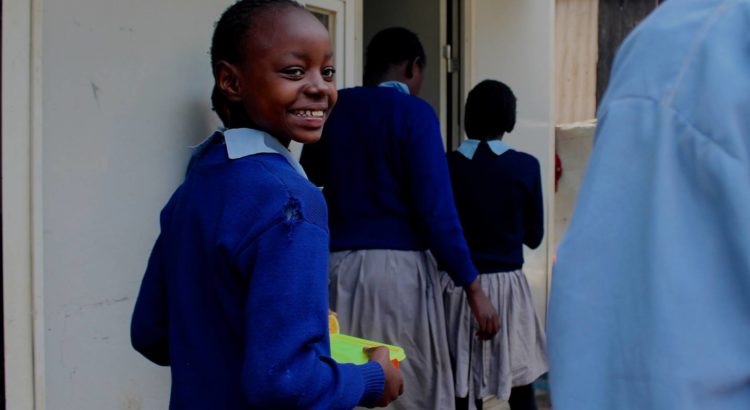
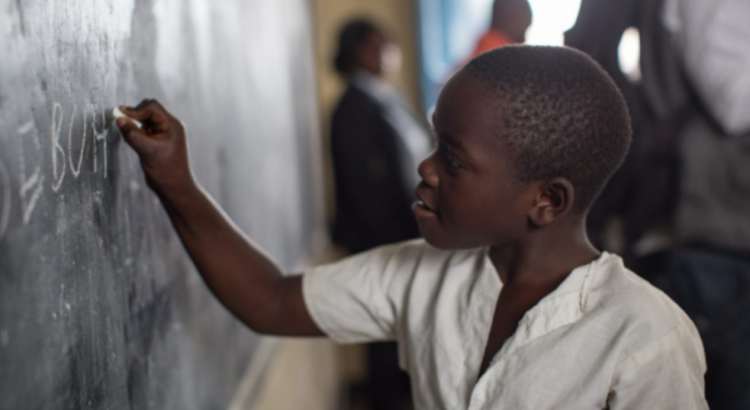
Faith tiene hambre. Desde que se levantó, a las cuatro y media de la madrugada, no ha probado bocado. Y ha hecho muchas cosas. Ha caminado dos horas para llegar a la escuela. Ha correteado por el descampado y ha atendido en clase. En la de matemáticas. Y en la de inglés. Faith, 12 años y unas ganas enormes por sonreír, quiere ser una buena estudiante. Pero tiene hambre. Y así no hay quien se concentre en la pizarra. Lo que le dan en la escuela de Mcedo, en los subirbios de Nairobi, la capital de Kenia, es a menudo lo único que come en el día.
“Sí, muchos días es lo único que como”, reconoce mientras espera, con su jersey raído en el pecho, a que le llegue su ración. Hoy, como casi siempre, toca githeri, una mezcla de maíz y alubias hervidas. También hay naranjas. Y a Faith le encantan las naranjas. “Mucho. Mucho”, farfulla en inglés. A su espalda, una veintena de chicos, todos menores de 14 años, aguardan en la fila su plato de githeri. A algunos, como a Morientos Avugwi, el mayor de cinco hermanos, se les escapa una de esas barrigas hinchadas con las que ironiza la desnutrición. Mientras espera por su cuenco azul, infla los carrillos. Como si así pudiese engañar al hambre. Morientos Avugwi tiene hambre.
“Estamos hartas del githeri, es todos los días lo mismo. Queremos algo más. Queremos pollo”, se escucha desde el otro lado del patio. Es una voz que en realidad son cuatro, la de Lucy, la de Cynthia, la de Violet y la de Lydia, que es la que habla por todas. Son las compañeras de clase de Faith. Ellas también tienen hambre.
Mathare, una sucesión de slums en la periferia de Nairobi, es desde hace tiempo una de esas ciudades de sombra en las que familias llegadas desde las zonas rurales tratan de conquistar un futuro. “Nosotros llegamos hace 10 años desde una aldea de Kisumu”, en la ribera del lago Victoria, a este lado de la frontera con Uganda. Lo dice Milicent, la madre de Lydia. Pensaban que en Nairobi habría más oportunidades, pero a día de hoy apenas tienen que llevarse a la boca. “El padre está intentando ganar algo de dinero, pero no siempre lo consigue”. Trabajos precarios, en la construcción o en lo que salga, que no dan para los seis miembros de la familia. En Mathare es lo que hay: hambre.
Las sonrisas en Mathare cuestan 0,016 euros
A la escuela de Mcedo acuden a diario 485 chicos de la barriada. Más de 300 comen aquí gracias al programa de menús escolares apoyado por el Programa Mundial de Alimentos (PMA) desde 1980. En 2009, el Gobierno de Kenia se hizo cargo del grueso del proyecto, del que se benefician 1,2 millones estudiantes, mientras el PMA se mantiene como responsable de los complementos alimentarios de las zonas más complicadas: los cuatro condados afectados por la sequía, Garissa, Mandera, Turkana y Wajir, y los barrios chabolistas de Nairobi. En total, 393.904 alumnos que reciben su ración diaria de cereales, legumbres, verduras y, desde mediados de 2016, fruta fresca.
“Los menús escolares son una red de seguridad muy efectiva: atraen y retienen a los alumnos en la escuela, contribuyen a aliviar el hambre a corto plazo y para muchos niños suponen una parte importante de su ingesta diaria de energía y nutrientes», destaca el PMA. En la práctica se trata que los alumnos de Mcedo no piensen en otra cosa que seguir estudiando. Y que cada vez obtengan mejores resultados. “Antes se enfermaban más, tenían menos fuerzas. Ahora se les ve con energía. Además, ayuda a luchar contra el abandono escolar: si no vienen al colegio, no les damos comida”, asegura Mark Okwiri, el jefe de estudios.
Al otro lado de la cocina, una estancia coloreada por el humo negro que emana de la lumbre, Milicent asiente con la cabeza. “Es verdad, los niños se sienten mejor desde que está en marcha el programa”. Ella es una de las madres voluntarias que acude cada día al centro escolar a preparar el menú para para los más de 300 alumnos. Entre ellos, dos de sus hijas.
Incorporar fruta fresca ayuda a aumentar el valor nutricional de los menús escolares, a menudo la única comida diaria de muchos chicos
Llenar de sonrisas Mathere cuesta dos chelines. 0,016 euros al cambio. Es el precio que tiene incorporar las frutas frescas al programa. En total, cada menú cuesta 11 chelines al día (0,08 euros). Una vez al trimestre, Okwiri organiza un concurso entre los proveedores locales para adquirir, con los fondos del PMA, sal, aceite, alubias y maíz. “Las verduras las compramos cada semana, también en el mercado local”, señala. Esta fórmula, de la que se sirven 88 de las 91 escuelas —con 80.000 estudiantes en total— adheridas a la iniciativa en los suburbios de Nairobi, sirve además de catalizador para la economía vecinal, pues son los productores locales los que venden sus cultivos a la escuela.
El problema, apuntan los técnicos de la agencia internacional, es la fluctuación de los precios y las limitaciones de muchos centros para guardar los alimentos y prepararlos cada día. No en todas las escuelas hay personas como Milicent, dispuestas a pasar la mañana cocinando para los niños del barrio.
75 toneladas de frutas tiradas a diario
En un país donde casi la mitad de la población vive por debajo del umbral de la pobreza y uno de cada cuatro niños sufre problemas de crecimiento retardado a causa de la malnutrición, cada día se rechazan 75 toneladas de frutas y verduras cultivadas para su exportación por no cumplir los estándares estéticos. Esa cantidad equivale a, por ejemplo, 600.000 tomates.
El país africano es uno de los grandes suministradores de frutas y hortalizas al mercado europeo. El 43,6% de los repollos importados por la Unión Europea proceden de Kenia. El sector hortofrutícola supone el 23% del PIB y da empleo, directa e indirectamente, a ocho millones de personas. Sin embargo, casi la mitad de los cultivos, el 44,5% según un informe de Feedback Global, son rechazados para su exportación por su aspecto: por ser demasiado grandes o pequeños, por tener manchas, imperfecciones, porque su color no es el deseado o, simplemente, porque su forma no resulta atractiva.
El programa de menús escolares es una herramienta contra la desnutrición y contra el abandono escolar
Sin embargo, “son perfectamente aptos para el consumo”. Feos pero nutritivos. Hasta ahora, continúa Dina Aburmishan, nutricionista del PMA, algunos de estos excedentes eran enviados a orfanatos o utilizados para alimentar animales, aunque la mayoría acababan inevitablemente en los vertederos.
El pasado curso, la agencia puso en marcha una iniciativa piloto bautizada como Transformers para aprovechar estos cultivos rechazados por su aspecto. Varias empresas exportadoras pusieron a disposición sus productos, que eran enviados a una empresa de catering encargada de elaborar los menús escolares para tres escuelas de Nairobi con 2.200 alumnos.
Está previsto que este verano el Gobierno keniano se haga cargo de la alimentación de las 1.095 escuelas que todavía están bajo el mandato del PMA. A Faith poco le importa quien se encargue de la comida mientras sigan trayendo naranjas. “Me gustan mucho”, insiste. El timbre de la tarde ha sonado ya y los estudiantes de Mcedo salen a la carrera. Algunos juegan al fútbol en el descampado, mientras otros se entretienen con el pilla-pilla entre pequeñas montañas de basura.
Fuente: https://elpais.com/elpais/2018/07/04/planeta_futuro/1530715477_282442.html




 Users Today : 69
 Total Users : 35502045
 Views Today : 89
 Total views : 3627650