Page 205 of 622
1 203 204 205 206 207 622

Learning from Liberia’s educational partnerships

By: Marcus S. Wleh/ newtimes.co.rw/ 16-05-2018

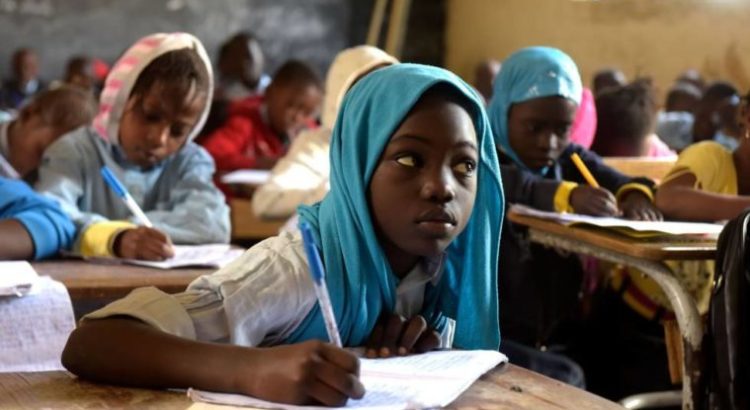
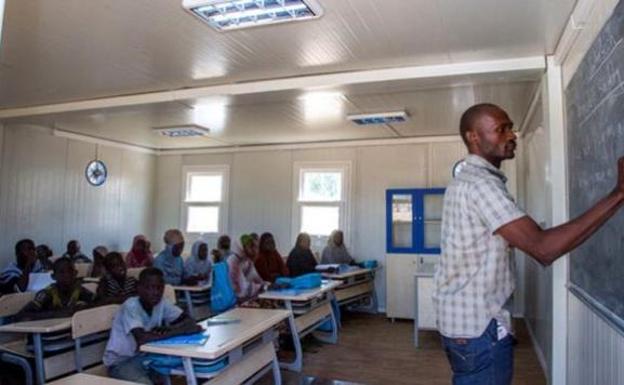
MONROVIA – Around the world, some 263 million children remain out of school, and of those who do attend classes, 330 million are receiving substandard education. As a result, an estimated 617 million school-age children are unable to read at grade level.

The problem is a global one, but it is particularly acute in Sub-Saharan Africa, where 88% of young students– some 202 million boys and girls – are not achieving a sufficient level of reading proficiency. And it is also here where solutions are being tested.

African governments and international donors have long paid lip service to improving educational outcomes, especially in basic skills like reading, writing, and math. At a financing conference for the Global Partnership for Education in February, developing countries vowed to increase spending on education by $110 billion, and wealthy donors pledged an additional $2.3 billion to improve school systems in poor countries.

But as important as these commitments are, Africa’s education crisis will not be overcome by donations and pledges alone. A new approach is needed to strengthen struggling schools, train teachers, and ensure that every child can obtain the necessary skills to succeed. One pilot programme being tested in my country, Liberia, has shown considerable promise.

Because low-income countries rarely have enough money to implement needed education reforms, pooling public and private resources is an attractive alternative. Since 2016, Liberia’s education ministry has merged select public schools with various independent operators in an effort to increase educational quality in a tight budget environment. Early results are impressive.1

For example, at the free public schools currently managed by expert contractors participating in the program, learning outcomes improved by 60% in the first year. At the 25 schools operated by my employer, Bridge Partnership Schools for Liberia, average student test scores doubled in just nine months. Parents and pupils have embraced these reinvigorated schools, with many calling them the best they have ever experienced. As a result, the previous government expanded the program, and the current one is committed to continuing support.

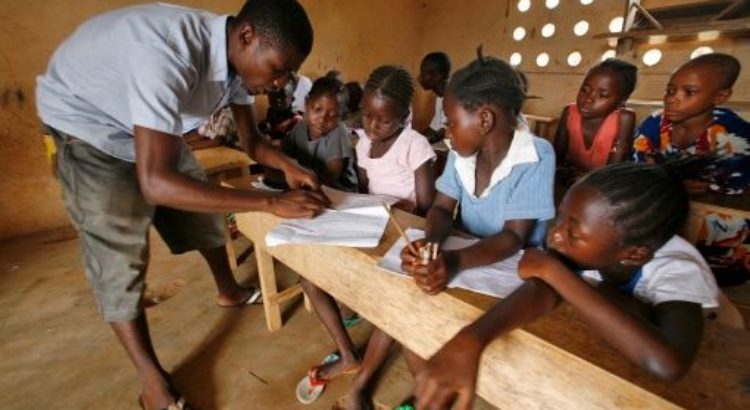
One of the most powerful components of a Bridge Partnership School is the pedagogy. For every lesson in every subject across every grade, educators have access to detailed lesson plans developed by academics. These plans help teachers prepare and deliver instruction to maximise learning outcomes. By assisting in classroom planning, Bridge ensures a degree of standardisation across schools, and helps teachers focus more attention on individual students.

At first glance, Liberia’s school system might seem a poor fit for such an innovative experiment. Today, some 58% of Liberian children are out of school, the literacy rate is among the lowest in the world, and teachers are in short supply. Moreover, the current government budgets just $50 annually for each child attending elementary school. The average in the OECD in 2013 was $9,200.

But programmes like these are attractive for two reasons: they deepen a country’s access to educational expertise, and, more important, they open up new funding streams.

Developed countries have already recognised the value of strong public-private partnerships in education. Notably, the United Kingdom’s 2018 education policy encourages the expansion of such programs because they have been found to “improve access to education for poor and marginalized children.”

Not everyone will agree; partial partnerships with the private sector and NGOs in education generates considerable controversy, and there is little doubt that in Liberia, the Bridge model remains a work in progress. (A new impact analysis is due in the next academic year.)

But while costs were high, they are quickly falling. And continuous teacher training for those who are part of Bridge PSL is helping to increase the quality of instruction. As test results in Liberia demonstrate, children are learning more than ever. With the support of prominent global investors, our schools are achieving outcomes that were previously unthinkable.

From my perspective, the public-private partnership model has revolutionised education in Liberia, and I am confident that it can work in other parts of Africa, too. In countries where learning outcomes continue to lag, governments need collaborative solutions. And, as past failures have demonstrated, education systems in much of the Global South cannot succeed alone.

To achieve “education for all” by 2030, the target set by the UN Sustainable Development Goals, educators must embrace bold solutions like Bridge Partnership Schools. With millions of children still being denied the right to an education, the world can no longer afford the status quo.

The writer is the country director of Bridge Partnership Schools for Liberia.

*Fuente: http://www.newtimes.co.rw/opinions/learning-liberias-educational-partnerships

Comparte este contenido:

Sierra Leona tendrá educación gratuita a partir de septiembre

Sierra Leona/15 de mayo de 2018/Por: EFE/ Fuente: https://www.telesurtv.net

Hasta ahora, la educación en ese país era privada. En 2013 la tasa de analfabetismo en Sierra Leona en mayores de 15 años era de 68 por ciento.

El presidente de Sierra LeonaJulius Maada Bio, declaró el pasado viernes la educación gratuita desde primaria a partir de septiembre.

«Estoy orgulloso de anunciar oficialmente que empezando el próximo año académico en septiembre de 2018 mi Gobierno introducirá educación gratuita desde primaria hasta la graduación secundaria», anunció Bio en su discurso del inicio de legislatura del Parlamento.

Hasta ahora, la educación en ese país era privada. En 2013 la tasa de analfabetismo en Sierra Leona en mayores de 15 años era de 68 por ciento, de acuerdo a datos del Banco Mundial.

Foto: EFE


Asimismo, creó dos comités para elaborar el nuevo programa: uno interministerial y otro de colaboradores.

«Para mejorar el sistema (educativo), mi Gobierno va a incrementar las horas lectivas, a construir nuevas aulas y a desarrollar una institución más técnica y vocacional», agregó.

La educación fue una de sus promesas electorales de Bio, que obtuvo el 51,81 por ciento de los votos en la segunda vuelta de las elecciones celebradas en marzo. El sábado juró su cargo en Freetown como nuevo presidente de Sierra Leona.

Fuente de la Noticia:

https://www.telesurtv.net/news/sierra-leona-educacion-gratuita-desde-primaria-20180513-0026.html

Comparte este contenido:

Namibia Prepares to Open Robotics School

Namibia/ 14.05.2018/ From: Allafrica.

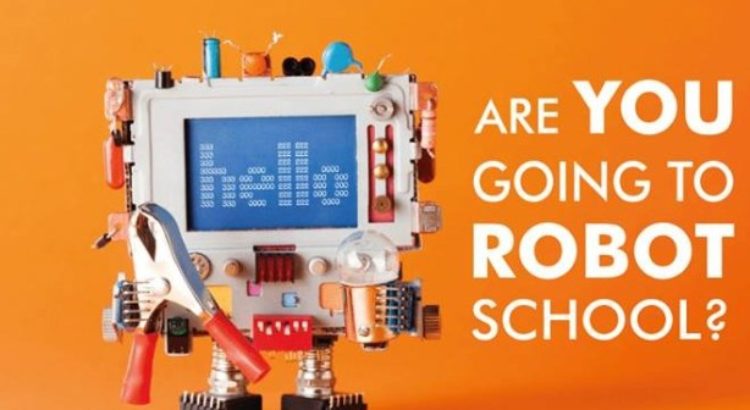
Windhoek — In an exciting move by dynamic local duo, Bjorn and Kirstin Wiedow of FABlab fame, a new and inventive school will launch in Windhoek in June 2018, aptly dubbed ROBOTSCHOOL – ‘the robotics hardware and software school for kids of the future’.

Technology is no doubt building the future as we all witness explosions of it in our everyday lives; from the fast evolving of the brick phone to the super sleek iPhone and now tablets and even locally designed small form factor computers like the inspirational PEBL from local innovator Vincent van Wyk, we are dependent on it to survive.

According to the World Economic Forum, over half of the world’s young people will end up in jobs that haven’t been created yet.

Considering the current curriculum that children between the ages of 6 and 13 are learning, it is worth noting that this curriculum was developed years ago and in parallel the digital era and Fourth Industrial Revolution are changing everything around us daily – these two need to go hand-in-hand if we are to learn the skills we need today, sadly this is not the case for many countries.

From: http://allafrica.com/stories/201804180193.htm.


Comparte este contenido:

Kenya Among the Leaders in Using ICT in the Classroom in Africa

Kenya/14.05.2018// From: allafrica.

Abu Dhabi — East Africa is leading Africa in terms of integration of technology in the education sector.

Warren Fleur, Microsoft’s Regional Manager, Education Industry Sub Saharan Africa, says Kenya is leading the pack, followed by Rwanda. He spoke to Capital Business on the sidelines of the ongoing Bett MEA summit in Abu Dhabi at the United Arabs Emirates.

Describe to us the status of integration of technology in Kenya and the rest of the continent

It is a mixed bag where we are seeing substantial innovations in some parts of the continent while other places are seen to be lagging behind.

In Kenya with the digital literacy learning programme, we are seeing not just technology being used in the classroom, but also more broadly where there are programmes to support and sustain such innovations to make them more meaningful. These include activities such as modernizing the curriculum, teacher-training on the application of the programme or introducing digital content.

There is also Rwanda which is following in the footsteps of Kenya. There are however countries that are really lagging behind on the continent.

How does the continent compare with the rest of the world, for instance, UAE and the larger Middle East?

It is an unfair comparison considering we are a much larger population and have more intractable issues with infrastructure for example, so it is quite unfair. There, however, are similar challenges that include modernizing the curricula and applying new approaches towards teaching. Use of innovation in the classroom will definitely help them overcome these challenges. It will be about using technology in a way that will attract and spark innovation in the students. Teachers need to inspire this in students as it is being seen at the UAE. Africa could learn this from schools in the UAE.

What are Microsoft showcase schools and how many are there in Kenya?

Microsoft showcase schools are spaces where not only are there great teaching practices but also the application of technology to support innovative approaches towards learning. We consider them to be a holistic delivery of change; new teaching practices, new ways of using content, new ways of using virtual technology and new ways of collaborating with schools around the world.

Currently, there are about forty showcase schools around the continent and about seven in Kenya.

Why do parents, schools and society need to accept the new norm of having technology in the education system?

As we approach the third decade of the millennium, we need to prepare the students of the ever-changing world. We cannot begin to imagine what the class of 2030 will be doing in terms of technology or the kind of jobs they will have created. This is why we need to encourage them to integrate technology into their education.

Describe to the modern student

The modern student across Africa is rich, collaborative, thinks differently and has a computation mindset. He also thinks about problem-solving in unique ways. Africa is inherently a problem-solving part of the world and this student is the one looking for a solution where they use technology.

From: http://allafrica.com/stories/201804240348.html.

Comparte este contenido:

Nueva York: Estudio demuestra el agravamiento de los ataques contra la educación en todo el mundo

Nueva York/12 de Mayo de 2018/HRW

 Los ataques deliberados e indiscriminados contra escuelas y universidades y sus alumnos y personal se han vuelto más comunes en los últimos cinco años, manifestó la Coalición Global para Proteger la Educación de Ataques (Global Coalition to Protect Education from Attack, GCPEA) en la edición de 2018 de su informe insignia, presentado hoy. El informe de 300 páginas, Ataques a la educación 2018identifica más de 12.700 ataques ocurridos entre 2013 y 2017 que afectaron a más de 21.000 alumnos y educadores.

En los últimos cinco años, 41 países sufrieron al menos cinco ataques a la educación, incluido como mínimo uno con carácter deliberado o consecuencias letales. Esto supone un drástico incremento respecto de la edición 2014 del informe, cuando GCPEA documentó que 30 países sufrieron este nivel de ataques a la educación entre 2009-2013.

“Enseñar y aprender es cada vez más peligroso, y a menudo están en riesgo las vidas de estudiantes, docentes y académicos”, explicó Diya Nijhowne, directora ejecutiva de GCPEA. “Aunque las escuelas y universidades deberían ser espacios seguros y de protección, sigue ocurriendo que fuerzas y grupos armados las conviertan en ámbitos de intimidación y violencia”.

Este informe incluye perfiles de 28 países que sufrieron al menos 20 ataques a la educación entre 2013 y 2017. GCPEA concluyó que nueve países sufrieron más de 1.000 ataques a la educación o agresiones en las que se perjudicó a más de 1.000 estudiantes, docentes, profesores u otro personal educativo. Entre estos países se incluyen la República Democrática del Congo (RDC), Israel/Palestina, Nigeria, Filipinas, Sudán del Sur, Siria y Yemen.

Por ejemplo, más de 1.500 escuelas y universidades en Yemen resultaron dañadas o destruidas por ataques aéreos o combates, o se usaron para fines militares. GCPEA identificó señalamientos de al menos 650 incidentes de ataques a la educación o uso militar de escuelas en Siria. En Filipinas, grupos armados habrían hostigado o intimidado al menos a 1.000 alumnos y enseñantes.

En 18 de los países relevados, los ataques a la educación estuvieron dirigidos deliberadamente a alumnas o mujeres docentes. Algunos grupos extremistas atacaron con explosivos o incendiaron escuelas de niñas, o bien mataron, hirieron o amenazaron a alumnas y profesoras. Por ejemplo, cerca del 25 % de los ataques que se habrían cometido contra escuelas en Afganistán estuvieron dirigidos a escuelas de niñas. En todo el mundo, partes armadas también abusaron o violaron sexualmente de mujeres y niñas en contextos escolares o en las proximidades de estos. En un ejemplo de 2017, milicias armadas de la RDC habrían secuestrado a ocho niñas de una escuela primaria para violarlas sexualmente durante un período de tres meses.

Entre 2013 y 2017, se usaron escuelas y universidades para fines militares en 29 países, por ejemplo, como bases, cuarteles, centros de detención o para otras tareas militares. Estos usos militares aumentan el riesgo de que las escuelas y universidades afectadas sean atacadas por fuerzas contrarias, que grupos armados recluten a niños y niñas o que se someta a violencia sexual a alumnos y docentes. Por ejemplo, una escuela en Ucrania usada por diversas fuerzas y grupos armados como depósito de armas fue alcanzada por lanzamientos de artillería en seis ocasiones en enero y febrero de 2015.

Fuerzas y grupos armados también han reclutado a niños soldados en escuelas en 16 de los 28 países analizados. En un incidente ocurrido en diciembre de 2013, cerca de 413 niños de escuelas de la localidad de Rubkona en Sudán del Sur fueron reclutados por la fuerza y enviados a combatir.

En 52 países de distintas regiones del mundo hubo ataques contra la educación superior, incluidos todos los países analizados. Los ataques incluyeron, entre otros hechos, la represión violenta de protestas vinculadas con la educación en las cuales se hirió a estudiantes o personal educativo, o abusos físicos o amenazas debido al contenido del programa académico. En 20 de los países analizados se produjeron ataques a edificios de educación superior. Uno de estos ataques ocurrió en Kenia, donde hombres armados mataron al menos a 142 alumnos e hirieron a otros 79 el 2 de abril de 2015, durante un ataque perpetrado en la Universidad de Garissa.

“Fueron varias las tendencias que contribuyeron a los abusos que se describen en el informe”, apuntó Amy Kapit, directora de Investigación de GCPEA. “Se pueden mencionar los ataques de grupos armados extremistas, como ‘Estado Islámico’, el uso de bombardeos aéreos para combatir a grupos armados y la violencia contra estudiantes durante protestas en escuelas o universidades”.

Ante esta violencia, existe un consenso global cada vez mayor de que debe protegerse a las escuelas y universidades como espacios seguros en contextos de guerra. Más de un tercio de los Estados Miembros de la ONU, 74 países, han adheridos a la Declaración sobre Escuelas Seguras, un compromiso político impulsado por Noruega y Argentina. Al adherir a la Declaración, los Estados se comprometen a tomar medidas concretas para proteger la educación, entre otras cosas, implementando las Directrices para Prevenir el Uso Militar de Escuelas y Universidades durante Conflictos Armados. La cantidad de Estados que adhieren a la Declaración se ha duplicado en menos de tres años y el nuevo informe de GCPEA insta a todos los Estados a sumarse a la Declaración e implementarla como principal recomendación para proteger la educación en los conflictos armados.

Asimismo, el Objetivo de Desarrollo Sostenible 4, Educación de calidad —un compromiso global para alcanzar la educación de calidad universal y equitativa en 2030—, incluye un indicador que mide el Número de ataques a estudiantes, personal e instituciones, y reconoce así la importancia de preservar a la educación durante los conflictos armados. La serie de documentos Ataques la educación ha sido seleccionada como fuente para medir los avances hacia el logro de este indicador.
“Ataques a la educación 2018 pone de manifiesto el profundo sufrimiento humano infligido por estos ataques”, señaló Nijhowne. “Al adoptar e implementar la Declaración sobre Escuelas Seguras, entre otras medidas, llevando a cabo un seguimiento de los ataques a la educación para responder de manera más eficaz y posibilitar que haya rendición de cuentas, los países podrán empezar a garantizar la educación segura para todos”.
                                         *****
La Coalición Global para Proteger la Educación de Ataques (Global Coalition to Protect Education from Attack, GCPEA) incluye a los siguientes miembros: copresidentes Human Rights Watch y Save the Children, el Council for At-Risk Academics (Cara), el Instituto de Educación Internacional (Institute of International Education, IIE), Education Above All Foundation (EAA) y organismos de la ONU. GCPEA es un proyecto de Tides Center, una organización sin fines de lucro constituida en virtud del apartado 501(c)(3).
El presente estudio se elaboró a partir de investigaciones independientes realizadas por GCPEA. Se llevó a cabo separadamente de las distintas organizaciones miembros que integran el Comité Directivo de GCPEA y no refleja necesariamente la opinión de estas. Para la preparación de este informe, GCPEA reunió datos de organismos de la ONU, organizaciones no gubernamentales, órganos gubernamentales; organizaciones de investigación, informes de medios y datos compartidos por expertos y grupos de trabajo nacionales. El estudio es el cuarto de la serie. Las ediciones anteriores de Ataques a la educación fueron publicadas en 2007 y 2010 por la UNESCO y en 2014 por GCPEA.
Education Above All Foundation, el Ministerio de Relaciones Exteriores de Noruega y un donante anónimo brindaron generosos aportes para la preparación de Ataques a la educación 2018. EAA trabaja en la prevención de ataques a la educación en alianza con GCPEA desde 2011. La Escuela de Salud Pública Mailman de la Universidad de Columbia colaboró con investigaciones en áreas concretas. The NoVo Foundation también ha patrocinado el trabajo de GCPEA.
Fuente: https://www.hrw.org/es/news/2018/05/10/estudio-demuestra-el-agravamiento-de-los-ataques-contra-la-educacion-en-todo-el
Comparte este contenido:

KENYA Falling student numbers – A shift in the High Education landscape

Africa/Kenia/.universityworldnews.com

Resumen: Los inversores privados y el gobierno de Kenia están mirando millones de dólares en pérdidas ya que varias universidades registran una caída en el número de estudiantes, dejando a las universidades con una capacidad subutilizada significativa. Los datos de la encuesta publicados por el Ministerio de Educación del país recientemente indican que la mayoría de las universidades están luchando para atraer a los estudiantes a tomar algunos cursos bajo el programa regular financiado por el estado. Para empeorar las cosas, todos los estudiantes que se inscribieron anteriormente para los lucrativos cursos de auto patrocinado ahora están siendo absorbidos por el programa regular. Desde el año pasado, el número de candidatos exitosos que se gradúan de las escuelas secundarias ha disminuido sustancialmente después de que el gobierno endureció las reglas de examen para eliminar a miles de tramposos que se habían beneficiado a lo largo de los años de un sistema de supervisión descuidado. En términos de una directiva del gobierno emitida a comienzos de este año, las universidades públicas deben absorber directamente a todos los que abandonan la escuela secundaria y obtienen una calificación promedio de C + y superior. Los que están por debajo del límite ya no podrán inscribirse en los grados. Esto es una desviación del pasado cuando tenían la opción de ingresar a las universidades como estudiantes con financiación privada.


Private investors and the Kenyan government are staring at millions of dollars in losses as several universities record falling student numbers, leaving universities with significant underutilised capacity.

Survey data released by the country’s Ministry of Education recently indicate that a majority of universities are struggling to attract students to take up some courses under the state-funded regular programme. To make matters worse, all the students previously enrolling for the lucrative self-sponsored courses are now being absorbed under the regular programme.

Since last year, the number of successful candidates graduating from secondary schools has fallen substantially after the government tightened examination rules to weed out thousands of cheaters who had over the years taken advantage of a sloppy monitoring system.

In terms of a government directive issued at the beginning of this year, public universities are to directly absorb all secondary school leavers who score a mean grade of C+ and above. Those below the cut-off will no longer be allowed to enrol for degrees. This is a departure from the past when they had the option of entering universities as privately-funded students.

The state, through the sector regulator the Commission for University Education, also barred universities from offering bridging courses, often taken by students who lacked sufficiently high grades to qualify for degree courses.

The changes have significantly drained universities of potential students, raising questions over the viability of costly expansion projects embraced by several higher education institutions over the past few years.

Statistics show that slightly fewer than 70,000 students qualified to join universities this year after attaining the requisite grades in the 2017 secondary examinations. Previously, at least half of these students were joining universities under the self-sponsored programmes while an equal number would be enrolled for regular courses. The number of those joining public universities is at least 18,000 lower than in 2017.

Of the qualified candidates, only 62,851 have expressed an interest in joining universities this year, which suggests that over 7,000 students have opted not to enrol in any of the available courses.

Data released recently by the Kenya Universities and Colleges Central Placement Service (KUCCPS) – the body that places qualified students in universities – show that universities had at least 132,686 slots available in 2018.

According to the data, one private university that had declared capacity for 50 students failed to attract a single one; another institution, which expressed interest in admitting at least 400 students, only received eight applicants; one of the newly-established constituent colleges, formed under the older public universities, attracted only four students in total; and a total of 14 of the universities vying for the available students attracted under 50 students.

Educationists are justifiably concerned about the sustainability of Kenya’s higher education system and predict it is set for a major restructuring.

“Many universities face a bleak future because they cannot attract students and may not survive if the trend continues. Even those that do survive will have to scrap several courses that have turned out to be unpopular and irrelevant,” said David Aduda, a Nairobi-based educationist.

 “What is emerging is that university education was built on quick sand. The exponential growth witnessed in the past 20 years was a mirage. It was not based on fundamentals. Now the chips are falling in place and the reality is that the country may not require so many universities after all,” he wrote in a blog in the leading Daily Nation newspaper.

The situation was not entirely unforeseen. Recently, as reported by University World News, government asked for a policy review that will see the rationalisation of institutions. In terms of the review, Education Cabinet Secretary Amina Mohamed directed the commission to justify the existence of the 74 universities in the country and asked all universities to defend their academic programmes and provide evidence of staffing levels.

“In the recent past, the quality of university education in Kenya has been under scrutiny, attracting great public attention. The time has come for drastic and bold steps to be taken to revive the university education sub-sector. This may be a painful, but inevitable, process for the growth and development of the sub-sector,” said Mohamed in March.

“There have been complaints from the public that are indicative of the failure of universities to provide a conducive learning environment for students to excel in their fields of study, produce graduates who have the knowledge, skills, attitudes and competencies needed for the world of work; and drive the national development agenda,” she said.

The data from the KUCCPS paints a dire picture in respect of course choices. There is growing disinterest in skills that were previously identified as key drivers of the county’s economic agenda. In most of the universities, courses related to agriculture, horticulture, food science and technology and environmental studies received the lowest number of applicants. There was also a general neglect of courses in social sciences.

The changing dynamics in the higher education sector is beginning to raise questions over the millions of dollars being pumped into universities annually.

For the coming financial year which begins in July, the National Treasury has allocated US$1.03 billion to the institutions of higher learning, up from US$961 million in the current fiscal year. This is the first time the allocation has crossed the billion dollar mark, raising hopes of increased funding in the coming years.

However, the amount is US$300 million lower than the amount the universities requested, according to budget documents released by the government. Funding is projected to rise to US$1.3 billion by 2020. Treasury, which funds a huge part of the public universities’ budgets, has over the years either cut allocations or failed to meet institutions’ needs.

Analysts believe that the declining student numbers will discourage investors who were previously falling over each other for opportunities in the sector. Kenya is seeking over US$200 million from foreign and local private investors to help build hostels in three public universities this year. The Treasury has called for potential bidders to present proposals to add 30,000 extra bed spaces across three of the country’s institutions: South Eastern Kenya University, Embu University College and Moi University.

For now, only time will tell the direction the country’s higher education sector will take.

Fuente: http://www.universityworldnews.com/article.php?story=20180502112909878
Imagen tomada de: http://otrasvoceseneducacion.org/wp-content/uploads/2018/01/FORM-1-STUDENTS-ARRIVE-1.jpg
Comparte este contenido:

Big data could be key to Africa’s graduate employability

Africa/universityworldnews

Resumen: En todo el continente africano, la educación superior está ampliando su alcance, tanto en términos de cantidad como de calificaciones. Al mismo tiempo, las universidades subsaharianas enfrentan enormes desafíos para mejorar la calidad y la relevancia. Hay muchas razones para esto: lo más importante es la cuestión de la falta de datos confiables y útiles sobre la base de los cuales planificar, supervisar y revisar. Hacer frente a este problema requiere una atención meticulosa a los detalles, la capacidad analítica, el aprendizaje adecuado o las plataformas estadísticas y el apoyo de gestión de alto nivel. Es importante destacar que también se considera que necesita un aporte financiero continuo y significativo.  Por lo tanto, es particularmente interesante observar el progreso de un pequeño proyecto piloto que promete desafiar algunos de los factores que limitan la capacidad de las universidades del África Subsahariana para unirse al juego de «grandes datos».  El proyecto, dirigido por el British Council, persigue dos objetivos: (i) realizar una encuesta de salida de postgrado sobre estudiantes graduados de Bachelor of Pharmacy de tres universidades importantes de la región (las universidades de Ghana, Lagos y Western Cape), y al mismo tiempo (ii) probar el potencial de los teléfonos móviles para la recopilación de datos.


All over the African continent, higher education is expanding its reach, both in terms of numbers and range of qualifications. At the same time, Sub-Saharan universities face enormous challenges in enhancing quality and relevance. There are many reasons for this – paramount is the issue of the lack of reliable and useful data on the basis of which to plan, monitor and review.

Addressing this problem requires meticulous attention to detail, analytical capacity, adequate learning or statistical platforms and high-level management support. Importantly, it is also viewed as needing ongoing and significant financial input.

It is therefore particularly interesting to note the progress of a small pilot project that promises to challenge some of the constraining factors militating against Sub-Saharan African universities’ ability to join the ‘big data’ game.

The project, run by the British Council, seeks to achieve two aims: (i) to conduct a graduate exit survey on graduating Bachelor of Pharmacy students from three major universities in the region (the universities of Ghana, Lagos and the Western Cape), and at the same time (ii) to test the potential of mobile phones for data collection.

The first aim has intrinsic interest, given the significant curriculum developments in the field that impact on the role of pharmacists in national health systems. Graduate exit surveys also provide important information about the kinds of jobs students obtain after graduation – for example, how long it takes them to find a job, what resources they employed to do so, who is employing them (including self-employment) and this helps institutions to build long-term, mutually beneficial relationships with employers.

The second aim, however, has broader implications for universities across Sub-Saharan Africa – indeed, in lower income countries more generally. If it can be shown that data can be gathered cheaply and reliably, and that the quality of the data is not compromised, a major hurdle to establishing and maintaining student databases could be overcome.

Rolling out the survey

Initial evidence in this regard is encouraging, with very high response rates – over 90% of surveys have been fully completed. Analysis of the data is in progress and so it is not appropriate to make more in-depth claims at this stage.

Plans are under way to roll out the graduate exit survey project from the small, highly specialised field of pharmacy to a very large qualification such as the Bachelor of Commerce (or Administration), and to a higher number of universities. This will allow the approach to be fully tested.

At the same time, another higher education project in Sub-Saharan Africa is working on the provision of capacity development programmes for senior professional staff in universities. The four priority topics identified in the regional needs analysis workshops held to date include the capacity to work with data as a planning, monitoring and developmental tool for universities. It is envisaged that staff from universities participating in the early phases of the graduate exit surveys will be among the earliest beneficiaries of these opportunities.

Modern universities need to be much more than centres of teaching and research excellence; they need to be preparing their undergraduates for the world of work, going beyond the formal curriculum to provide pastoral support and improve skills across the board.

There is, however, a relative lack of capacity for many universities, not only in Africa but around the world, to go beyond traditional university improvement efforts (such as increasing the numbers of staff with PhDs) to meet these aspirations.

International internet-based market research firm YouGov recently conducted a survey which discovered that 52% of employers believed that no or few graduates were ready for the workplace, with just 19% believing that all or most were ready – and 17% said that none at all were prepared. This chimes with several of the findings of the recently concluded ‘Universities, Employability and Inclusive Development’ study commissioned by the British Council.

So this is why, in Sub-Saharan Africa, our proposed higher education development priorities are focusing on two areas where we think that we can make a real difference: data collection, analysis and use and support for university staff in this area.

Dr Nan Yeld is a senior adviser in higher education development at the British Council.

Fuente: http://www.universityworldnews.com/article.php?story=20180424134453712 
Comparte este contenido:
Page 205 of 622
1 203 204 205 206 207 622