Page 251 of 622
1 249 250 251 252 253 622

UN supports education in S. Sudan pastoralist communities

Sudan/November 21, 2017/Source: http://www.sudantribune.com

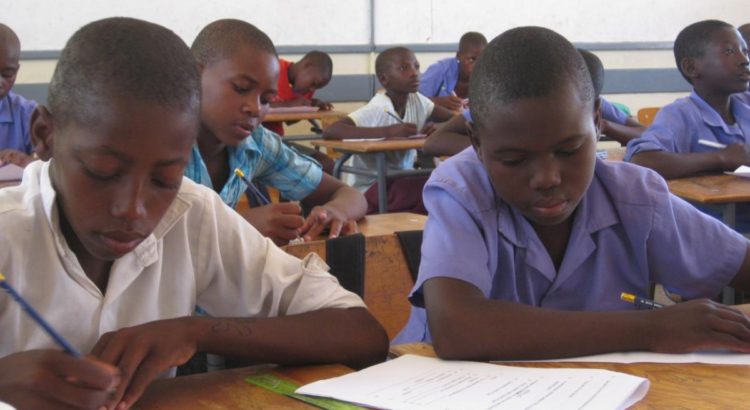
South Sudan government in partnership with United Nations Food and Agriculture Organization (FAO) and the UN Educational, Scientific and Cultural Organization (UNESCO), have unveiled on an initiative to provide extended education services to nomadic pastoralist communities.

JPEG - 59.5 kb
A cattle keeper carrying a gun in Lakes state (File/ST)

Officially launched on Thursday, the Pastoralist Livelihoods and Education Field Schools (PLEFS) and the Pastoralist Education Program Strategy Framework will reportedly offer active and constructivist approach tailored to meet the needs of adults, youth and children in pastoralists’ communities.

Serge Tissot, the FAO Representative in South Sudan, said PLEFS, the first of its kind in South Sudan, will provide pastoralists with sustainable and high-quality learning opportunities as they move.

«The partnership between the three line ministries, FAO and UNESCO is unique and has realized a way for marginalized communities to access vital services in challenging conditions,» said Tissot.

«FAO is committed to strengthening livelihoods, and integrating basic literacy and numeracy skills into the field school approach really improves pastoralists’ way of life,» he added.

The program, officials said, is currently being implemented by FAO and UNESCO in the central regions and it will be brought to other pastoral communities across the country in the near future.

«It is our long-term vision to see to it that pastoralist communities receive adequate services and infrastructure to improve their livelihoods,» said James Janka Duku, Minister of Livestock and Fisheries.

Illiteracy rates are high in South Sudan, a country that broke away from Sudan in July 2011. More than 80% of the South Sudanese population, UN estimates show, cannot read or write. Also, according to the UN Children Fund (UNICEF), fewer than 1% of girls in South Sudan complete primary education.

Comparte este contenido:

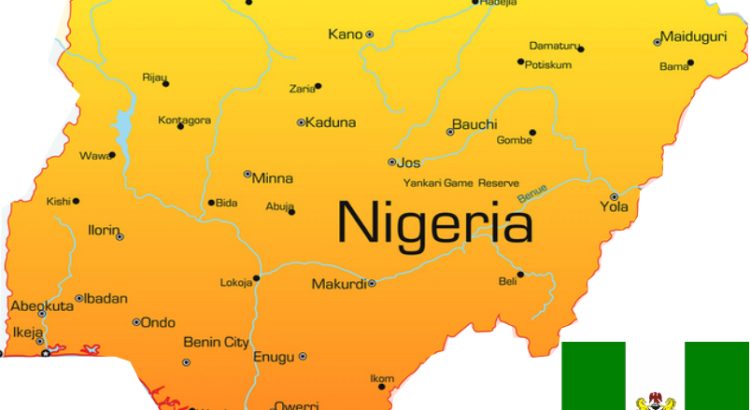
Nigeria: Change Should Begin With Education

Nigeria/November 21, 2017/Source: http://allafrica.com

The Federal Executive Council [FEC] held a special retreat in Abuja last Monday on the challenges of education in Nigeria. The retreat had the theme: «Education in Nigeria: Challenges and Prospects.» President Muhammadu Buhari declared it open while Vice President Yemi Osinbajo and most ministers were present. The decision to hold the retreat was first made in June at a FEC meeting chaired by then Acting President Osinbajo. Minister of Education Malam Adamu Adamu said at the time that «[FEC] members agreed that the falling standards in education are so serious that we will need a ministerial retreat to look at all the issues…Initially, we had prepared a blueprint but FEC felt the issue is beyond that because there are crises in all the areas of education, in out of school children, in technical education and training, in ICT, in all the areas you can think of.»

The minister increased the areas of educational malaise when he spoke at the 2017 Convergence Education Summit in Abuja last week. He said, «The education sector is plagued with so many challenges. Some of the challenges include dearth of qualified technical teachers, dilapidated and inadequate classrooms, lack of tools and equipment for technical and vocational education, poor data for educational planning and administration. Others are dearth of critical ICT infrastructure and services, low access to tertiary education due to insufficient institutions, multiplicity of curriculum-related issues, problem of out-of-school children and poor funding, among others.» The list looks very long but the minister actually left out other areas such as poor quality of teachers in many states, high drop-out rate, inability of many parents to pay their children’s exam fees, widespread malpractice in exam administration, the problem of fake certificates and sexual abuse, among others.

President Buhari’s opening speech at the retreat was overshadowed by a remark he made about Kaduna State Governor Nasir el-Rufai’s plan to sack 21,780 teachers who failed a basic competency exam. Most newspapers seized on that remark and had screaming headlines that «Buhari backs el-Rufa’i’s plan to sack teachers.» This was unfortunate because the Kaduna controversy is but a flash in the pan when it comes to tackling the major problems devilling education in Nigeria.

In his speech at the retreat, Minister of Education Malam Adamu Adamu called for a state of emergency to be declared in education. He said «all change must begin with education because if we get education right, other areas of our national life will be right and they will fall in line.» This is true indeed but what is the solution? The minister said, «What is needed is vastly improved funding accompanied by a strong political will.» He said while the Buhari administration has the will, what it «must now do is to make the funds available.» Both are easier said than done. The APC administration’s political will to solve the deep-rooted problems of the education sector is yet to be proved. As for funding, Malam Adamu said among sub-Saharan African countries, Nigeria commits far less to education as a percentage of its budgets than smaller and less endowed nations in the region.

«From 1999 to date,» the minister said, «the annual budgetary allocation to education [in Nigeria] has always been between four per cent and 10 per cent.» He said none of the E9 or D8 countries other than Nigeria allocates less than 20 per cent of its annual budget to education. It is true that for a developing country such as Nigeria, all sectors of the socio-economy are yearning for greater attention. If however we believe, beyond mouthing slogans, that education is the sector with the greatest multiplier effect for national development, then we must up our game and greatly increase spending in education at all levels to address the myriad of problems that have already been identified.

That assertion has caveats, however. The education sector is not spared from the national malaise of corruption. It cannot be said that this country has got real value for the amounts we invested in education, less though they are compared to other countries. The anti-corruption campaign being waged in other sectors must also be waged vigorously in the education sector, otherwise pumping in more money could be an exercise in futility.

It was not said after the FEC retreat whether it accepted the minister’s prayer to declare a state of emergency in education. In case it decides to do so at a later date, the elements in this declaration and the timelines for achieving specific targets should be made clear to all Nigerians so that we can all monitor compliance. Besides, the problems of education in Nigeria cannot be tackled by the Federal Government alone. In fact, state and local governments have a greater role to play in education than the Federal Government. The sectors the latter are mainly responsible for, i.e. primary and secondary education, are the ones that have suffered the greatest quality deterioration and are more badly affected by other problems. Needless to state, the Federal Government’s heavy investment in tertiary education can hardly achieve desired results if the two lower tiers of education are in crises.

That is why last week’s ministerial retreat should be followed up by a wider stakeholders’ summit involving the other tiers of government as well as non-government actors in the sector, local and international. At the end of it, a comprehensive yet simple blueprint of action with reasonable timelines should be produced and widely circulated in the country. At that point the President should bring his full moral authority to bear to get all actors to key into the program and bestow on it the political will and resource infusion. Hopefully within a few years the country will begin to reap the fruits of such concerted action.

Source:

http://allafrica.com/stories/201711190024.html

Comparte este contenido:

Worsening security holds back Africa’s progress

África/Noviembre de 2017/Autor: Steve Johnson/Fuente: Financial Times

Resumen:  África se ha convertido en un continente menos seguro y respetuoso de la ley en la última década, según una encuesta influyente.

El Índice anual de Gobernabilidad Africana de la Fundación Mo Ibrahim también advierte sobre la desaceleración del progreso en educación en un continente donde el 41 por ciento de la población tiene menos de 15 años, y el deterioro de las perspectivas para aquellos que viven en áreas rurales.

Mo Ibrahim, un multimillonario de telecomunicaciones sudanés-británico, temía que los sistemas educativos que no están capacitando a los alumnos para el trabajo corrían el riesgo de alimentar la violencia.

«Jóvenes, desempleados, sin esperanza, ¿qué van a hacer? Ellos intentarán este viaje a través del Sahara, al otro lado del Mediterráneo, enfrentando la muerte en el desierto o en el mar, o entrarán en estos grupos terroristas que pueden proporcionar algún tipo de ingreso, alguna forma de redención y respeto propio «, dijo. «Es una situación peligrosa con consecuencias peligrosas».

Africa has become a less safe and law-abiding continent in the past decade, according to an influential survey. The Mo Ibrahim Foundation’s annual Index of African Governance also warns of slowing progress in education in a continent where 41 per cent of the population is under 15, and deteriorating prospects for those living in rural areas. Mo Ibrahim, a Sudanese-British telecoms billionaire, feared that education systems that are failing to equip pupils for work risked fuelling violence. “Young people, unemployed, no hope, what will they do? They will try this trek across the Sahara, across the Mediterranean, facing death either in the desert or in the sea, or get into these terrorist groups that can provide some form of income, some form of redemption and self respect,” he said. “It’s a dangerous situation with dangerous consequences.” The overall measure of governance in Africa’s 54 states, based on 100 indicators, ticked up to 50.8 in 2016, on a scale of 0 to 100, after flatlining since 2010. However Mr Ibrahim warned that the pace of progress has slowed in the past five years compared to the previous five. “The slowing, and in some cases, even reversing progress in a large number of countries, or in some key dimensions of governance, is worrying for the future of the continent,” he said. Three of the four pillars that feed into the overall index: human development; sustainable economic opportunity; and participation and human rights, have improved over both five and 10 years, albeit at a slowing pace. However the fourth pillar, safety and the rule of law, has deteriorated over both time periods, as the first chart shows. In particular, the index flags up worsening social unrest, armed conflict, human trafficking, personal safety, crime and corruption. Share this graphic Troubled states such as South Sudan, Burundi and Libya have experienced the sharpest deterioration in the past decade, followed by the likes of Egypt, Mozambique and Cameroon. Charles Robertson, chief economist at Renaissance Capital, an emerging market-focused investment bank, cited “constant terrorism concerns in Egypt and Kenya, mutinies in Ivory Coast and unrest in Addis Ababa,” while South Sudan was “degenerating” and “crime remains a problem in South Africa”. The failure to establish the rule of law in Libya, meanwhile, has created a lucrative opportunity for human traffickers across the region, Mr Robertson said. There have been some positives though, such as Nigeria’s success in curbing Boko Haram, an Islamist group. Share this graphic Mr Robertson attributed many problems to weaker commodity prices, which have damaged government finances. This saps many countries’ ability to keep a lid on economic and social problems given that “in low per capita GDP countries conflict and disruption is more common”. The index’s human development measure, which includes health and welfare, has risen solidly, despite sharp slides in Libya and Ghana. However the education component of this has stalled. Share this graphic Mr Robertson, who has written extensively on the link between education and economic growth, said that while primary school enrolment and literacy rates were improving, he shared Mr Ibrahim’s concerns about the quality of education in some countries. “Malawi has gone from 75 children per class in 2000 to 126. How can they teach and learn much?” he said. Share this graphic Mr Ibrahim’s other major concern centred on opportunities in rural areas, which his index suggests have worsened since 2009-13. “Agriculture is the mainstream of the African economy. We have half our population living on the land and off the land,” he said. “We need to work this land and improve productivity. How can we make agriculture more sexy so young people want to do it? How can we increase the income of smallholders?” At the country level, Ethiopia is one of a quartet where overall economic opportunities are deteriorating at an accelerating pace, despite its high-profile, largely Chinese-funded attempt to copy Beijing’s development model. Share this graphic And, while most countries with “increasing deterioration” at headline level have the excuse of ongoing crises, Mr Ibrahim raised red flags over the direction of travel in Botswana and Ghana, even if they still remain among the best governed countries. One apparent success story, however, is Zimbabwe. Despite only being ranked 40th out of 54 countries, it has made among the biggest advances over the past five years. Significant improvements have been realised in economic development, human rights, security and the rule of law — at least before last week’s attempt to topple President Robert Mugabe. Mr Ibrahim was equivocal about the military intervention: “I’m not excited at all. This is a quarrel between factions in the ruling party, some wearing uniforms and some not, so what difference does it make? It’s the same generation. It’s not like we have a Mandela coming out of prison to take over.”

Fuente: https://www.ft.com/content/23c5d21a-cacb-11e7-aa33-c63fdc9b8c6c

Comparte este contenido:

Aumenta en 24 millones la malnutrición en África, afirma FAO

África/20 noviembre 2017/Fuente: Invasor

La subalimentación crónica en África subsahariana afecta hoy a unos 224 millones de personas frente a los 200 millones registradas entre 2015 y 2016, aseguró la FAO.

La Organización de Naciones Unidas para la Alimentación y la Agricultura (FAO) afirmó en su informe Panorama regional de la seguridad alimentaria y la nutrición en África 2017, que tal situación se debe en mayor parte al cambio climático, a los conflictos y a la ralentización de la economía mundial.

Ante esas situaciones debemos crear resiliencia en las comunidades más afectadas, señala el texto publicado en Costa de Marfil.

El dato sobre el hambre supone que un 25 por ciento de los 815 millones de personas subalimentadas en el mundo en 2016 se encuentran en ese continente, destacó el representante regional de la FAO para África, Bukar Tijani.

Definió que entre los factores determinantes para el aumento del hambre en la región aparecen el incremento de la población con incapacidad para acceder a los alimentos, las condiciones climáticas adversas y los conflictos, factores que a menudo coinciden.

El estudio indica que, en la primera década del milenio, África subsahariana progresó en la lucha contra el hambre, la cual cayó desde el 29,1 por ciento al 20,6 por ciento. Sin embargo, este avance retrocedió en 2015 y 2016 en muchos países.

Tal retorno se debió, entre otras causas, al impacto de los conflictos y las condiciones climáticas —como las reiteradas sequías, a menudo relacionadas con el fenómeno de El Niño—, que dieron lugar a malas cosechas y la pérdida de ganado.

Según la investigación, existe un estrecho vínculo entre el hambre y los conflictos, y asegura que 489 millones de personas de los 815 millones que padecían subalimentación en el mundo en 2016 viven en países asolados por los conflictos, la violencia y la fragilidad.

En el caso de África subsahariana la mayoría de la población subalimentada se encuentra en naciones afectadas por conflictos, señala el documento.

Asegura que casi se duplican los países que padecen violencia y crisis prolongadas, al igual que sus resultados nutricionales.

Fuente: http://www.invasor.cu/es/internacional/15683-aumenta-en-24-millones-la-malnutricion-en-africa-afirma-fao
Comparte este contenido:

¿Por qué luchamos? Experiencia de jóvenes en Naciones Unidas

Por: Amnistía Internacional

“En la India está penalizado darse un beso entre dos mujeres o entre dos hombres. Tenemos mucho por lo que luchar. Es fundamental salir a las calles y que el reclamo por la diversidad sexual y la no discriminación sume más voces. Igualmente la sociedad también tiene normas muy rígidas para parejas heterosexuales y las expresiones de deseo o de amor en lugares públicos no son muy comunes”. Pooja, activista de la India, revivía lo que allá es moneda corriente y acá, para las leyes argentinas, suena rudimentario. Si bien podemos leer estas historias en las redes, ser parte de un equipo de activistas que participó en el Foro de Alto Nivel Político de Naciones Unidas fue una oportunidad única para conocerlas de primera mano.

En junio quedé seleccionada entre un grupo de 500 jóvenes de todo el mundopara unirme a 4 jóvenes líderes de Kenia, Nigeria, Zimbabwe y la India*. Nuestra misión era lograr que, como jóvenes activistas por los derechos humanos, nuestras voces, preocupaciones y prioridades tengan un lugar en el Foro de Alto Nivel Político sobre Desarrollo Sostenible (HLPF-ONU) que se realizó del 11 al 19 de julio, en Nueva York.

Una vez en Nueva York pude conocer cómo trabajan otros y otras jóvenes que comparten el desafío de lograr el reconocimiento de nuestros derechos sexuales y reproductivosEn Kenia, Nairobi, por ejemplo, un joven facilita el acceso a Internet a través de un cyber para que otros puedan ir ahí a conectarse y sistematizar datos que recogen en comunidades. Son más de 300 jóvenes que caminan las comunidades para monitorear el nivel de implementación del Objetivo 5 que demanda lograr el empoderamiento de mujeres y niñas y la igualdad de género.

Otro día, entre sesiones, conocí a una joven activista de Nigeria que también trabaja a través de la educación en derechos humanos. Busca promover los derechos de las niñas a decidir sobre su cuerpo de forma libre y luchar contra el machismo en un país en el cual el matrimonio infantil y la mutilación genital femenina son unas de las principales violaciones de derechos humanos. Un gran desafío es buscar formas creativas de hablar estos temas entre niñas, niños y adolescentes para generar cambios culturales y sociales que respeten su dignidad y que involucren a todos y todas.

El cara a cara con jóvenes de todo el mundo me motivó a seguir trabajando para que otros puedan hablar libremente sobre sexualidad, puedan acceder a información sobre cuáles son sus derechos y puedan, además de ejercerlos, disfrutarlos. En la medida en que conocemos nuestros derechos, tenemos más poder para actuar por ellos. Estos Foros son una instancia en la cual podemos monitorear y dar seguimiento a la labor de los Estados para garantizar esos derechos a través de los Objetivos de Desarrollo Sostenible (comúnmente conocidos como ODS) y la Agenda 2030, acordados en diciembre de 2015.

Mi participación como joven activista fue como un curso acelerado en incidencia política ante Naciones Unidas: dos días previos al HLPF tuvimos talleres sobre el proceso de la Agenda 2030, el Foro y oportunidades de incidencia. Desde Amnistía Internacional pude dar un taller sobre campaña y activismo en el que fue muy valioso indagar sobre las experiencias e iniciativas en lugares tan distantes como Arabia Saudí, Alemania, Canadá y Uruguay. Luego, durante el Foro enfrenté los desafíos de conocer a actores relevantes: presentarte, tener claro para qué hablarle y cómo ese actor puede colaborar con tu estrategia eran preguntas claves antes de iniciar una charla. Sobre todo cuando un mismo edificio reunía a más de 2.500 personas para dar seguimiento a los ODS y revisar las estrategias para asegurar un desarrollo inclusivo.

No estás solo, no estás sola, súmate como joven activista al Grupo de Jóvenes de Amnistía Internacional Argentina para aprender más sobre tus derechos sexuales y reproductivos, defenderlos y actuar para que otros y otras jóvenes puedan ejercerlos libremente.

Fuente: https://www.amnesty.org/es/latest/news/2017/10/what-are-we-fighting-for-the-experience-of-young-people-at-the-united-nations/

Comparte este contenido:

Angola: Minister Defends Dialogue With Universities

Angola/ November 20, 2017/Allafrica

Resumen: El diálogo con las universidades es una importante fuente de consulta, reflexión y debate para la toma de decisiones sobre la definición de políticas del sector, dijo el jueves en Lubango la ministra de Educación Superior, Ciencia, Tecnología e Innovación, Maria Sambo.

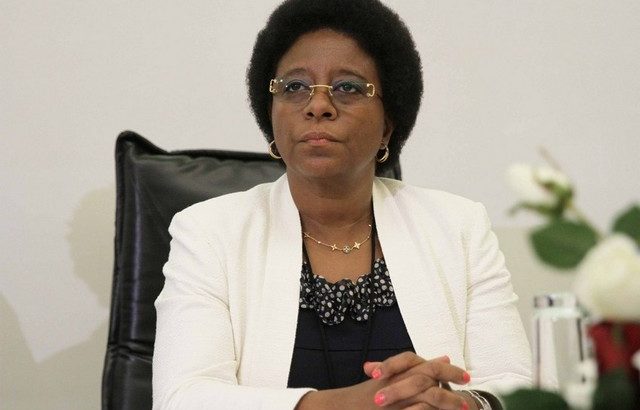
The dialogue with the universities is an important source of consultation, reflection and debate for the decision-making regarding the definition of policies of the sector, said Thursday in Lubango, the minister of Higher Education, Science, Technology and Innovation, Maria Sambo.

The official, who was speaking at the opening of the IV Forum on Higher Education in the Country, promoted by the Association of Angolan Private Institutions of Higher Education (AIESPA), considers it essential the dialogue between the actors of the higher education subsystems (public and private) , as well as national systems of science, technology and innovation, to achieve improvements in quality.

She said that society recognizes the importance of private higher education institutions, since public universities only absorb one-third of the candidates who enter that subsystem in the country.

 Maria Sambo stated that the motto of the forum «Training, innovation and employability as a factor of competitiveness» refers to several convergent dimensions of higher education, since training without the use of science and scientific research amputates the labor market and consequently compromises individual and institutional competitiveness.

The two-day forum and covers themes such as «Relevance of the role of quality higher education in sustainable development», «Statute of the teaching career», «Tuition and funding in higher education», «Institutional development plan», «Semi-face-to-face teaching», among others.

Fuente: http://allafrica.com/stories/201711170304.html

Comparte este contenido:

Estudiantes angoleños contribuyen para desarrollo del país

Angola / 19 de noviembre de 2017 / Autor: Redacción / Fuente: ANGOP

Estudiantes angoleños graduados en Israel en las diversas áreas del saber, fueron exhortados, este viernes, a criar una red de lazos con la embajada de Israel para el fortalecimiento de la capacidad y materialización de los conocimientos en el país.

La exhortación fue hecha por el embajador de Israel en Angola, Oren Rosemblet, que hablaba en la ceremonia de graduación de los estudiantes angoleños formados en aquel país.

Los estudiantes frecuentaron las carreras de Agua, Agricultura, Irrigación, Educación, Salud, Ambiente, Desarrollo Sostenible, Revitalización Rural, Gestión de Recursos Humanos, entre otras especializaciones.

El diplomático anunció también la creación en Angola de un club social para la realización de actividades de amistad y solidaridad.

Con la entrada del satélite angoleño en órbita, prosiguió el secretario, estarán creadas las condiciones para que Angola esté en el mismo nivel de otros países de lengua oficial portuguesa en el dominio de los servicios digital del sector público.

Por su parte, el coordinador general del proyecto de apoyo a la mejoría de la cualidad y proximidad de los servicios públicos de los PALOP, Diogo Franco, dijo que Angola ya dio un paso significativo para el avance en la gobernación digital modernizando y digitalizando los procesos, principalmente en el Ministerio de la Justicia, con el Carné de Identidad moderno.

Fuente de la Noticia:

https://www.angop.ao/angola/es_es/noticias/educacao/2017/10/46/Estudiantes-angolenos-contribuyen-para-desarrollo-del-pais,d5c2ab66-1e95-48e6-b7be-b81ba243ab40.html

Fuente de la Imagen:

http://www.angop.ao/angola/es_es/noticias/educacao/2015/5/27/Angola-Estudiantes-angolenos-conquistan-cinco-medallas-oro-olimpiadas-internacionales,445cd922-6f84-457d-8587-c9c3426034dc.html

Comparte este contenido:
Page 251 of 622
1 249 250 251 252 253 622