Page 282 of 622
1 280 281 282 283 284 622

Los niños de las camisetas rotas

Por: www.lavanguardia.com/Xavier Aldekoa/01-09-2017

La violencia de los yihadistas ha dejado miles de huérfanos y de niños que durante su huida se separaron de sus padres

El zoo de Maiduguri es un lugar de respiro sucio. Los fines de semana, familias, grupos de amigos y parejas adolescentes compran por 50 nairas (doce céntimos de euro) un rato de emoción y paz entre jaulas de leones y fosos de elefantes. El zoológico ha tenido tiempos mejores. Durante los peores días de la guerra con los yihadistas de Boko Haram, el recinto estuvo semiabandonado y los cuidadores sacrificaron a otros animales para alimentar a los felinos y los cocodrilos. La jaula más sucia es la de los babuinos, nada más entrar. Uno de los monos ha aprendido a hacer una cabriola y no para de saltar sobre sí mismo entre montañas de botellas de plástico y basura.

Después de cada pirueta, alarga la pata entre los barrotes y la gente, divertida, le tira cosas. No tarda en agruparse una multitud frente a la jaula. Entre las piernas de los curiosos, se escurren tres niños vestidos con harapos y uno de ellos, animado por el jolgorio, se acerca e intenta tocar al animal. Un guardia le echa una bronca de impresión. “Son huérfanos y viven en la calle, en la entrada les dejan pasar para que se entretengan”, comenta Bitar, un vecino asiduo al parque de animales. En las calles de Maiduguri hay cientos de niños de camisetas rotas como ellos. Según las autoridades, hay más de 52.000 huérfanos sólo en el estado de Borno, aunque admiten que la cifra real podrían ser perfectamente el doble. Nadie lo sabe. El conflicto descarnado entre el Gobierno nigeriano y Boko Haram, que ya ha dejado 35.000 muertos en siete años, ha provocado una ola de niños perdidos, que han quedado huérfanos o que durante su huida desesperada (los yihadistas suelen atacar las aldeas de madrugada) se separaron de sus familias y no les han vuelto a ver.

Hay más de 52.000 menores perdidos tan sólo en el estado nigeriano de Borno

Además de la camiseta descosida, Umar Isa tiene roto el pantalón. Tiene la entrepierna abierta y, cuando se sienta y como no lleva calzoncillos, se tapa con las manos para que no se le vea demasiado. Pero se le ve. Habla tan bajito, y está tan acongojado, que hay que empezar por preguntas amables, que no traigan demasiado pasado.

Su deporte preferido, dice entre susurros, es el fútbol e ir en bici, pero no sabe quién es Messi ni Cristiano Ronaldo. Su mejor amigo, aquí se despierta más, se llama Rawana y a los dos les gustaría ser soldados cuando crezcan. Y Umar directamente sonríe al confesar su perdición: los caramelos de sandía Freely.

NIGERIA
NIGERIA (Josep Ramos)

De repente, Umar empieza a recordar y abre la herida sin anestesia. “Empezaron a disparar y una bala le dio a mi mamá”. Vivía en Kwata, un pueblo del noreste de Nigeria y a él y a su padre les dio tiempo a escapar porque durante el ataque de Boko Haram los dos estaban trabajando el campo. Los yihadistas no le dejaron tiempo
para llorarla. Durante el funeral, al día siguiente, los barbudos regresaron y con ellos los disparos. “Dejamos a mi mamá allí, sin enterrar”, señala.

Umar se tapa la cara con las manos y se hunde en una silla de plástico azul cuando se cansa de preguntas. En realidad, el resumen de su vida, de su última vida al menos, está estampado en su camiseta gris. En ella hay dibujado un monstruo de color verde junto a un lema que parece una broma de mal gusto. “Run for your life”. Corre por tu vida. Es lo que Umar lleva haciendo desde hace meses.

El zoológico de Maiguri ha tenido tiempos mejores. Durante los peores días de la guerra con los yihadistas de Boko Haram, el recinto estuvo semiabandonado

La huida con su padre le llevó por diferentes pueblos, pero tarde o temprano los yihadistas volvían a atacar y ellos a escapar. Bosso, Daban Masari, Malam Fatori… Umar enumera bajito, casi silbando, las aldeas donde se instalaron y donde los extremistas volvían a golpear. Su vida y la de su padre se convirtió en una huida eterna, aunque juntos. Hasta llegar a Charkari. Y aquí la voz de Umar se quiebra: volvían de comprar en el mercado y cuando sonaron los tiros, todo el mundo echó a correr. Se separaron. Desde entonces, no sabe dónde está.

A Umar lo llevó un tío lejano a la ciudad porque había oído hablar de un programa de acogida para huérfanos y niños perdidos. Coordinado por la oenegé italiana Coopi y por Unicef, selecciona a familias locales que acojan a los niños y les integren en sus hogares hasta que son adultos o, si tienen suerte, hasta lograr reunirles con algún
familiar.

Umar dice que su hermana huyó a Diffa, en Níger, y querría ir con ella. O con su padre, si aparece. Pero no será fácil. Primero hay que comprobar que realmente sea así y hablar con el familiar para ver si quiere y puede hacerse cargo del menor. Sólo entonces empieza el largo proceso de reunificación.

Para Muntala Hatuna, no hay prisa. Él acogió a Umar en su casa de Damaturu, donde nos recibe para explicar sus motivos. “Soy musulmán y nuestra religión dice que debemos ayudarnos. Cuando puedo, le compramos ropa”. Pero no es a menudo. El patio de su casa, con paredes de adobe desconchadas y techos y puertas de uralita, avisa de que nadie lleva una vida de excesos aquí. Aunque las oenegés les dan mantas, enseres de higiene personal y algo de comida y dinero para gastos —tres pagos de 3.000 nairas (siete euros), dice Hatuna—, el sacrificio sólo se sostiene por la solidaridad de las familias de acogida.

Por una bondad parecida, Amina Abatcha soporta la pena. Ella es la otra cara del drama de los niños perdidos. Vivía en Dikwa, también en el noreste, cuando su hijo mayor, de quince años, desapareció durante un ataque de Boko Haram. En las calles de la localidad aún duermen las cicatrices de aquellos días: esqueletos de coches calcinados y torres de teléfono derribadas. No hay conexión telefónica desde hace meses.

Amina no sabe nada de su hijo perdido, pero insiste convencida en que lo secuestraron, que no está muerto. “Rezo cada día para que el ejército de Nigeria lo rescate”, dice. Mientras espera, ayuda a los que sí son libres. Se ha presentado voluntaria como cocinera para los recién llegados: grupos de personas, normalmente mujeres y niños, que o bien llegan por su propio pie a Dikwa huyendo de la violencia tras varios días de travesía o bien han sido llevados allí por los militares, después de haber limpiado alguna zona bajo control de la banda yihadista.

Esa mañana Amina ha tenido mucho trabajo. Han llegado más de doscientas personas y ha preparado para ellos dos ollas de hierro enormes de arroz con alubias. Cuando reparten la comida en platos planos, decenas de personas se colocan alrededor y comen con las manos y una ansia imposible de disimular. Tienen mucha hambre. Amina les observa comer desde la distancia; tan quieta y con la mirada fija, que parece estar dejando volar la imaginación. Pero se seca el sudor y guarda silencio. Cuando le pregunto, dice que no pensaba en nada.

*Fuente: http://www.lavanguardia.com/internacional/20170815/43574151881/dominios-boko-haram-ninos-camisetas-rotas.html

Comparte este contenido:

ÁfricaThreatened languages and how people relate to them: a Cameroon case study

äfrica /Septiembre del 2017/Noticias/https://theconversation.com/

The world is going through an unprecedented period of language endangerment. Some experts predict that half of the world’s languages will disappear within a century, with urbanisation and the increasing use of major world languages diminishing smaller languages’ chances of survival.

The death of a language can be a significant loss for speaker communities who view their language as a key part of their heritage. This has led to revitalisation efforts, especially in parts of the world dominated by settler societies, such as Australia, Canada and the US. But the link between language and identity can differ greatly from community to community and is especially complex in societies dominated by multilingualism.

Since 2004 I have been working with my colleague Pierpaolo Di Carloand other collaborators to understand the language dynamics of a region of Cameroon known as Lower Fungom. Cameroon is one of the most linguistically diverse countries in the world. Around 300 languages are spoken by its approximately 20 million people. These include colonial languages such as English and French as well as hundreds of local languages.

Lower Fungom in Cameroon.

Lower Fungom is especially remarkable for its degree of linguistic diversity. In an area of around 100 square kilometres, roughly the size of the city of Paris, nine local languages are spoken by 12,000 people.

The languages of Lower Fungom, like so many others, are endangered. The ways that people use these languages are also endangered. Multilingualism is woven into the fabric of Lower Fungom society, as it is in much of Africa. What is especially remarkable is the sheer number of languages spoken by each individual in Lower Fungom. A survey conducted by Angiachi Esene Agwara, a Cameroonian collaborator, found there to be no monolinguals in Lower Fungom. The average adult is able to speak or understand around five to six different languages. Most are learned without any formal schooling and are acquired through family relationships, friendships or for work.

Shift to major languages

All over the world, the dominant trend is for small speaker communities to shift to major languages such as English, Spanish, or Chinese. But in Lower Fungom, individuals are actively learning both local languages as well as socioeconomically powerful ones.

We have been investigating what motivates people to become multilingual in Lower Fungom. From a Western perspective, a striking finding is that languages are not strongly connected to “deep” identities, such as ethnicity. In a country like France, speaking the French language is an integral part of what it means to be French. In countries like Australia and the US, immigrants are expected to master English if they want to become citizens of their new countries.

A panoramic view of Lower Fungom, where most villages are located on top of relatively steep hills. Pierpaolo Di Carlo

In Lower Fungom, we found something different. Each village is viewed locally as having its own “language”. A linguist might classify some of these languages as “dialects”, but, for those living in Lower Fungom, a distinct way of talking is a key marker of an independent village.

Villages are an important part of local life and the means through which individuals can access resources, such as food and shelter, and achieve personal security. Speaking a language is the clearest way for an individual to signal that they are part of a village community and that they should be allowed access to its resources. Being multilingual is a kind of insurance policy. The more languages a person speaks, the greater variety of resources they can claim access to.

Language saves man from drowning

Sometimes the connection between speaking a language and personal security is quite direct. A Cameroonian collaborator, Nelson Tsong Tsonghongei, working on the language of the Mbuk village, found close to Lower Fungom, collected a story about a man drowning in a river in the Mbuk area.

The man was not from Mbuk, but he knew the language of the village. He shouted for help in the Mbuk language and people from the village came to rescue him. After he was rescued, they were surprised to find out that was not from Mbuk. If he had shouted in Cameroonian Pidgin English, he almost certainly would have been understood, but people may not have come to help him.

Other times the connection between language and identity is more subtle. The fragment of a conversation given below, collected by another Cameroonian collaborator, Rachel Ojong, has been translated into English. It originally took place in two Lower Fungom languages, Buu and Missong.

There are two men speaking, one senior (S) and one junior (J). The senior man is from the Buu village. The junior man is from the Missong village, but his mother is from Buu. The Buu language dominates the conversation. This is because the junior man is showing deference to the seniority of the man from Buu.

Senior Man: Did you come up to Fang? I heard that you were chased away there.

Junior Man: Chased away? It was not me, it was Manto.

The senior man is accusing the junior man of some wrongdoing in a nearby village. The junior man first protests in Buu, but he then changes his language and speaks for one turn in Missong. This irritates the senior man, who ends the conversation immediately after.

S: So where did you go?

J: I reached here and saw you in this bar. (Language changes to Missong.)

S: You are still a child.

The junior man has switched his language to send a signal that he is no longer accepting the senior man’s authority: He should not be treated as a junior man from Buu, but as someone from another village entirely. This can be seen as a kind of codeswitching, with a very specific social meaning embedded within the local culture.

Dance of the Mndong ‘juju’ in the village of Ngun. Each village is characterised by having a distinctive set of ‘jujus’, where a juju is to be understood as a group owning exclusive rights on a mask and its associated dances, instruments, and songs.Pierpaolo Di Carlo

If we want to understand the full scale of the world’s linguistic diversity, we should be thinking not only about languages, but also how speakers relate to their languages.


Fuente: https://theconversation.com/threatened-languages-and-how-people-relate-to-them-a-cameroon-case-study-82395

Imagen: https://lh3.googleusercontent.com/NEQxvUhHYd6YCRWAcVHTu13tVGmf6xMuflQn9X3akCEJzDpxfPNkv1dJhlElnjflCmqt84s=s85

Comparte este contenido:

Sudan: How South Sudan’s universities have survived civil war and independence

África/Sudan/Septiembre del 2017/Noticias/https://theconversation.com/

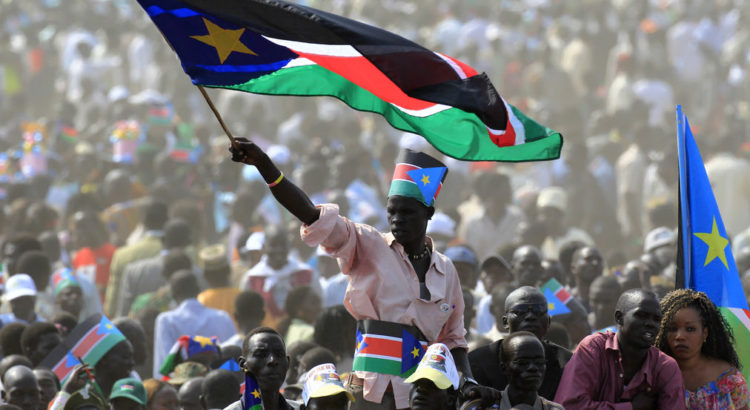
After almost half a century of conflict, South Sudan attained its independence from Sudan in July 2011. One of the challenges it faces as a new country is a small and troubled higher education system.

Sudan’s three oldest public universities – Juba, Bahr el Ghazal and Upper Nile – all have their origins in southern Sudan. In the late 1980s they were relocated to Khartoum in the north. This was ostensibly done to protect students and faculty from the war. It also allowed the regime to execute the war away from the scrutiny of intellectuals. In exile the universities flourished, acquiring additional property and staff.

After the comprehensive peace agreement between the Sudan People’s Liberation Movement (SPLM) and the government of Sudan in January 2005, the return of the universities became one of the priorities of the Government of the Southern Sudan. In late 2010 the institutions were moved back south.

But the return was rancorous. The universities left behind some of their most valuable assets – experienced academics, buildings, libraries and laboratory equipment. Infrastructure was taken over by the University of Bahri in Khartoum North.

In the south, universities struggled to reestablish themselves. They needed to resettle students, recruit staff and acquire new facilities and equipment. Issues of physical infrastructure and severe staff shortages trouble the university system.

Recently renewed conflict between factions of the ruling SPLM has exacerbated the problems. The hostilities in the Upper Nile region have drastically reduced oil production, which accounts for 98% of South Sudan’s GDP. This plus the plunge in global oil prices placed serious constraints on state funding of higher education.

Still, South Sudan has five functioning public universities: the three cited above, as well as Dr John Garang Memorial University of Science and Technology and Rumbek University. Together they educate nearly 20,000 students. That is only 0.16% of the population of about 12 million. The proportion is the lowest in the region.

The resilience of South Sudan’s higher education system is due mainly to dedicated staff, institutional partnerships and supportive governance.

Dedicated staff

South Sudanese universities lost many of their staff in the 2010 move south. Juba, with 66% of the students, lost 77% of its staff – leaving it with only 137 staff members in total. Similarly large numbers of Upper Nile and Bahr el Ghazal University staff remained in Khartoum. A World Bank report in 2012, which I used for my research but which is not available online, found that only 721 faculty were employed at the southern universities. Since then staff numbers have improved. For example, Juba’s staff increased from 291 in 2014 to 574 in early 2016. Today South Sudan has a moderate student to lecturer ratio of 28:1.

The real problem is qualifications. Most faculty are under qualified. According to the same World Bank survey only 86 of all academics in South Sudan held PhDs in 2012. Only 36 faculty were full professors, while 62 were associate professors, 76 assistant professors, 242 lecturers, and 262 teaching assistants.

This is still the most educated workforce in the country. Rigorous recruitment procedures insulate the universities from the corrupt practices in the civil service. More importantly, the dedication of the academic staff to the institution is exemplary.

While universities work to overcome the staff shortage, they depend on part-time lecturers. According to Professor John Akec and Professor Samson S. Wassara, the Vice Chancellors of Juba and Bahr el Ghazal, 31% of Juba and 60% of Bahr el Ghazal lecturers were part-timers.

Productive partnerships

The universities have developed staff development programmes with each other and internationally.

In early 2011, Juba agreed to a three-year venture with the Virginia Polytechnic and Virginia State University to train staff.

Juba also signed a memorandum of understanding (MoU) with the Open University of Tanzania in August 2015 to promote distance learning.

Bahr el Ghazal entered a similar arrangement with Makerere University in Uganda and the University of Oslo in Norway. A&M University in Texas and the State University of New York signed an MoU with John Garang Memorial University in June 2010.

Some South Sudanese academics are pursuing postgraduate studies at Makerere University, the University of Zambia and the University of Zimbabwe.

Professors in other universities also supervise some of Juba’s graduate students.

Universities share the meagre facilities they have. Juba and Bahr el Ghazal, which were least affected by the conflict, support their colleagues in John Garang, Rumbek and particularly Upper Nile. The latter has moved to Juba because of insecurity in Malakal.

Supportive governance

The Ministry of Higher Education has supported the tertiary institutions through its challenges.

In addition to organising the international staff development programmes, the Ministry has improved university staff pay and given the vice-chancellors a voice in making policy.

Some of the senior officials in the ministry have an academic background. They ensure that the views of universities are taken seriously.

The vice-chancellors also draw on their connections and political insight to access resources. Members of university councils are often influential ministers or parliamentarians. In South Sudan, informality tends to yield better results than bureaucracy.

Fuente: https://theconversation.com/how-south-sudans-universities-have-survived-civil-war-and-independence-80095

Imagen: https://lh3.googleusercontent.com/WHOdLa6dZ0OUH9ZU-xlWRxScx16zvtQK2dgAi8KRwPd-Al-bIDaUCpTd8tqObak7On_bk_Q=s85


Comparte este contenido:

Ghana: Free Education, Here are what students will benefit from Nana Addo’s free SHS

Africa/Ghana/pulse.com.gh

Resumen: La presidenta Nana Addo Dankwa Akufo-Addo dice que la implementación de su promesa de campaña para proveer educación pública gratuita de escuela secundaria (SHS) comenzará a partir del año académico 2017/2018. Según él, está comprometido, «sin ningún tipo de equívoco, sin ninguna reserva, sin ninguna duda, para llevar a Ghana a la etapa en que la educación pública de secundaria será gratuita para cada niño ghaneso».
jugar- La educación pública gratuita de SHS, dijo, estaba dirigida a la construcción de una población educada para el rápido desarrollo nacional y el progreso.


President Nana Addo Dankwa Akufo-Addo says the implementation of its campaign promise to provide free public senior high school (SHS) education will begin from the 2017/2018 academic year.

According to him, he is committed, «without any equivocation, without any reservation, without any doubt, to take Ghana to the stage where public Senior High School education will be free for every Ghanaian child.»

The free public SHS education, he said, was aimed at building an educated populace for speedy national development and progress. «By free SHS, we mean that in addition to tuition, which is already free, there will be no admission fees, no library fees, no science centre fees, no computer laboratory fees, no examination fees, no utility fees. There will be free textbooks, free boarding and free meals and day students will get a meal at school for free.

«Free SHS will also cover agricultural, vocational and technical institutions at the high school level,» Nana Addo said.

Speaking as the Special Guest of Honour at the 60th Anniversary celebration of Okuapeman School Saturday, February 11, 2017, he said the government had a well thought-out plan that involved the building of new public and cluster SHSs to give more meaning to free public SHS education.

Free SHS was a major campaign promise of the New Patriotic Party (NPP) in the 2012 and 2016 general elections.

Fuente: http://www.pulse.com.gh/communities/student/free-education-here-are-what-students-will-benefit-from-nana-addos-free-shs-id6213030.html

Comparte este contenido:

Sudáfrica: Zuma studying report into feasibility of fee-free higher education

Sudáfrica/Agosto de 2017/Fuente: News 24

Resumen:  El presidente Jacob Zuma está estudiando el informe final de la comisión que investiga la viabilidad de una educación y capacitación gratuitas en Sudáfrica, dijo el jueves la Presidencia. «El presidente de la comisión, el juez Jonathan Heher, presentó el informe al presidente en su residencia Genadendal en Ciudad del Cabo», dijo el portavoz Bongani Ngqulunga en un comunicado. Después de estudiar el informe y sus recomendaciones, Zuma lo pondría a disposición del público. La comisión se estableció después de que los estudiantes universitarios de todo el país se embarcaron en una violenta protesta a nivel nacional de Honor Debe Caer hacia el final de 2015.

President Jacob Zuma is studying the final report of the commission investigating the feasibility of fee-free higher education and training in South Africa, the Presidency said on Thursday.

«The chairperson of the commission, Judge Jonathan Heher, presented the report to the President at his Genadendal residence in Cape Town,» spokesperson Bongani Ngqulunga said in a statement.

After studying the report and its recommendations, Zuma would make it available to the public.

The commission was established after university students from across the country embarked on a violent nationwide Fees Must Fall protests toward the end of 2015.

They were demanding free education following the proposed 2016 fee increments.

A number of students were arrested during the protests which saw some university infrastructure being damaged and torched.

Fees Must Fall activist Mcebo Dlamini is one of the students whose case is still pending.

He faces charges of violating a court order, public violence, assault, theft, and damage to property.

He briefly appeared at the Johannesburg Magistrate’s Court on Tuesday and his case was postponed to September 7.

By April 2016, the department of higher education said the protests had resulted in over R300m in damages.

The department’s minister, Blade Nzimande, revealed in Parliament that 14 universities had submitted damage reports.

Zuma established the commission in January 2016, with an expectation to complete its task within eight months.

«However, after the amendment of its terms of reference, the commission was granted an extension to complete its work by June, 30, 2017,» Ngqulunga said.

Zuma expressed his gratitude to Heher and all members of the commission for the work done «that ensured the successful conclusion of the work of the Commission.

«He all the witnesses and stakeholders in higher education for their contribution and participation in the commission,» he said.

Fuente: http://www.news24.com/SouthAfrica/News/zuma-studying-report-into-feasibility-of-fee-free-higher-education-20170831

Comparte este contenido:

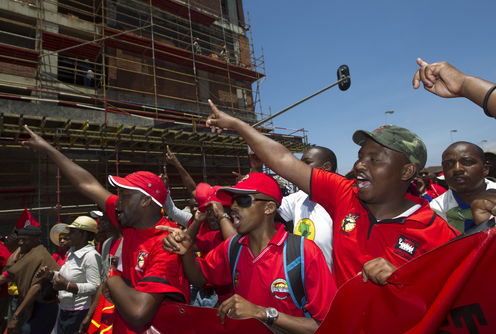
Nueva escuela internacional sobre Energética Sostenible para África

África/31 agosto 2017/Fuente: El Correo Gallego

Durante el mes de agosto se ha llevado a cabo en Camerún la segunda edición de la escuela internacional de verano Sustainable Energetics for Africa (SE4A) en la que han participado medio centenar de estudiantes de ocho nacionalidades africanas, y una decena de expertos internacionales. Entre dichos especialistas sobresale la profesora de la Universidade de Santiago (USC) Angeles López Agüera, principal responsable del proyecto de Comunidades Sostenibles de Clrla-Unesco.

Además, dentro del grupo de los participantes, han estado implicadas 24 mujeres, jóvenes científicas y empresarias “que han mostrado, una vez más, el papel predominante y crucial de la mujer en el ámbito de la energía y la sostenibilidad”, según detalla la nota de prensa.

Como ejemplo, las ganadoras en el concurso de emprendimiento y desarrollo fueron mujeres de Túnez, Ghana y Zimbabue que presentaron ambiciosos proyectos en el ámbito de la investigación aplicada al desarrollo.

Durante una semana, a través de charlas, talleres y visitas formativas sobre las expectativas energéticas sostenibles a medio y largo plazo, la adecuación a los Objetivos de Desarrollo Sostenible y la implicación de las políticas energéticas en la mitigación del Cambio Climático en África.

La escuela, auspiciada por la Fundación Volkswagen, ha sido organizada por Ansole (African Network for Solar Energy), siendo la USC una de las instituciones promotoras.

López Agüera es profesora de Física de Partículas, en concreto en el área de : Física Atómica, Molecular y Nuclear, disciplina que imparte en la USC.

Fuente noticia: http://www.elcorreogallego.es/tendencias/ecg/nueva-escuela-internacional-energetica-sostenible-africa/idEdicion-2017-08-30/idNoticia-1071085/

Fuente imagen: http://www.7dias.com.do/showimage.php?typeid=18&imageid=157405

Comparte este contenido:

Obispos de Kenia reafirman compromiso de apoyo a escuelas católicas

Kenia/31 agosto 2017/Fuente:
Bajo el lema «Una Escuela Católica: un núcleo de integridad», los miembros de la Asociación de Directores de Escuelas Católicas de Kenia se congregaron en su Congreso nacional, en el cual recibieron de parte de los Obispos un mensaje que reiteró el compromiso de los prelados en el apoyo a la educación católica.

«En su Congreso de 2016, ustedes eligieron el tema ‘Encontrando a Jesucristo, Maestro Compasivo’, y entonces se desafiaron a asegurarse que los jóvenes experimenten la vida moderna en una perspectiva de Cristo a través de su cuidado y modelado compasivo», indicó a los presentes el Obispo de Homabay, Mons. Philip Anyolo, Presidente de la Conferencia de Obispos de Kenia (KCCB). «Este creo que es el camino que de manera persistente y apasionada han hecho el año pasado». El prelado alabó esta intención que consolida el rol del director de escuela en ser ejemplo de paz, integridad y altos estándares morales. En esta iniciativa, Mons. Anyolo prometió el apoyo y oraciones de los prelados.En el Congreso participó la Secretaria Ejecutiva Nacional de la Comisión para la Educación y Educación Religiosa de la KCCB, Agusta Muthigani, y más de mil directores provenientes de todas las diócesis del país. El principal propósito de este evento, explicó Muthigani, es mejorar la respuesta de los directores a las necesidades de los alumnos, además de «reflexionar sobre la tenencia de la integridad y hacer propósitos personales no sólo de actuar con integridad sino crear entornos institucionales que promuevan la integridad». El lema del Congreso se inspiró en la frase contenida en el versículo 2 del Salmo 101: «No tendré más que rectas intenciones para actuar en mi casa».

Sobre esta reflexión, el ViceCanciller de la Universidad Católica de África Oriental (CUEA), Prof. Justus Mbae, destacó su actualidad. «La integridad se relaciona con los valores, la moralidad, la ética y las virtudes», explicó a AMECEA News. «De hecho creo que si la integridad no puede encontrarse en una institución católica entonces no puede encontrarse en ninguna parte. Esto es porque por la definición misma de lo que somos, si una institución católica le falta integridad o ha dejado de ser una institución católica o no está yendo en a dirección correcta».

Entre los prelados presentes en el Congreso se encontraron el Nuncio Apostólico para Kenia y Sudán del Sur, Mons. Charles Daniel Balvo, el Obispo de Nakuru y Presidente de la Comisión de Educación de la KCCB, Mons. Maurice Muhatia Makumba y el Secretario General de la KCCB, Mons. Daniel Rono.

Fuente: http://es.gaudiumpress.org/content/89535-Obispos-de-Kenia-reafirman-compromiso-de-apoyo-a-escuelas-catolicas

Comparte este contenido:
Page 282 of 622
1 280 281 282 283 284 622