Page 2732 of 6815
1 2.730 2.731 2.732 2.733 2.734 6.815

México: UDEG abre inscripciones de 27 cursos para adultos mayores.

Por: NTR Guadalajara. 05/09/2018

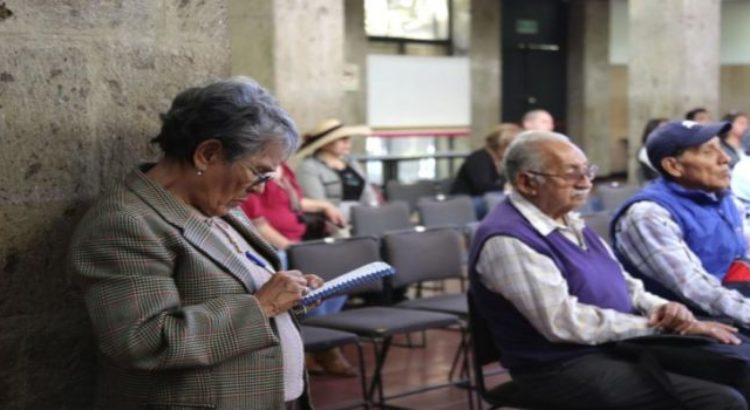
Del 15 al 17 de agosto, en un horario de 9 a 14 horas, estará abierto el periodo de inscripciones para 27 cursos y talleres, además de dos diplomados que se ofertarán durante el ciclo escolar 2018–B del Sistema Universitario del Adulto Mayor (SUAM).

Este semestre se abrirán cursos sobre salud física; salud cerebral; derechos del adulto mayor; computación básica, intermedia y avanzada; además de uno enfocado en teléfonos celulares y tabletas inteligentes, informó el Director de la Biblioteca Pública del Estado de Jalisco (BPEJ) Juan José Arreola y Coordinador General Académico del SUAM, doctor Juan Manuel Durán Juárez.

Habrá también talleres de creación poética; narrativa; historia oral (que busca que escriban su experiencia de vida familiar o laboral); el círculo de lectura “Hilando y tejiendo historias”, en el que tendrán oportunidad de escuchar la lectura en voz alta de un libro; además de cursos sobre aprovechamiento de plantas medicinales y otro sobre huertos orgánicos.

Se impartirán también clases de pintura; danza regional, elaboración de bonsái y sobre el uso de plantas medicinales

A PROBAR

Entre las novedades se encuentran la enseñanza de la lengua náhuatl contemporánea; e introducción a la cultura prehispánica y náhuatl clásico, informó Durán Juárez.

El SUAM oferta, además, los diplomados para el Desarrollo Integral del Adulto Mayor y en Desarrollo Especializante del Adulto Mayor. Ambos tienen las modalidades presencial y semipresencial, y podrán cursarse en un lapso de año y medio a tres años.

El primero está enfocado en proporcionar herramientas teóricas y prácticas que ayuden a afrontar los retos de la tercera edad y que permitan a las personas desarrollarse en los ámbitos social y económico; el segundo tendrá tres áreas especializantes: salud, biología y humanidades.

Las clases en el SUAM iniciarán el martes 21 de agosto, y serán de lunes a viernes con un horario variante, según las actividades a elegir. Tanto los cursos, talleres y diplomados son gratuitos. Un día antes, el 20 de agosto, habrá una sesión de bienvenida con una conferencia inaugural, a las 10:00 horas.

Mayor información en avenida 16 de Septiembre 849, colonia Centro, en el correo electrónico suam@redudg.udg.mx y en el teléfono 3619-3235.

*Fuente: http://www.ntrguadalajara.com/post.php?id_nota=105761

Fotografía: NTR Guadalajara.

Comparte este contenido:

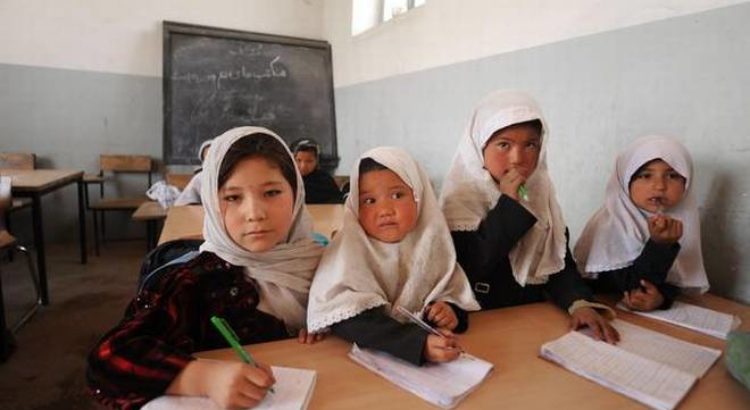
Militants’ war on education in Afghanistan

Asia/Afghanistan/05.09.18/Por Ruchi Kumar/Source: www.thehindu.com.

Education is increasingly a casualty in Afghanistan,” a briefing note by the Norwegian Refugee Council (NRC) recently observed. The note was in reaction to a larger, comprehensive report by the Global Coalition to Protect Education from Attack (GCPEA), titled ‘Education Under Attack’, which studies the impact of conflict on education in 28 countries.

According to the report, Afghanistan, along with Nigeria, suffered the most number of attacks against students and educators. Indeed, as conflict in the country surges, educational facilities find themselves threatened or caught in the crossfire. In the latest such attack, a suicide bombing inside a classroom in Kabul on Wednesday killed 48 people, many of them students preparing for the national university entrance exams. Claimed by the Islamic State (IS), the attack targeted the minority Shia Hazara community. In June, some schools for girls were forced to shut following threats from the IS. Separately, over a 100 schools in Logar province were briefly closed, allegedly by local Taliban groups. Last month, the Malikyar Hotak High School in Khogyani district of the eastern province of Nangarhar came under attack, resulting in the beheading of three staff members.

“Threats — and actual violence and destruction — to schools and staff in Nangarhar Province are paralysing the educational sector and quickly reversing development gains,” William Carter, head of the Afghanistan programme at the NRC, told this writer, adding that the situation has had “a profoundly distressing effect on children’s sense of safety”. Aid organisations working with local educational groups have also confirmed that not only are school and educational facilities at risk of attacks but also that the overall environment has discouraged student attendance. The NRC observed that schools in the region were “increasingly at risk on military, ideological, and political fault lines, with attacks increasing in eastern Afghanistan”.

Not safe at school

In its own research, the NRC found that a majority of the surveyed children did not feel safe at school. It discovered that at least 12% had experienced attacks on their schools and 15% had experienced shooting very near their school buildings. Another 36% were frightened about risks of kidnapping or attack en route to schools and many of them had missed lectures and exams because of threats from armed groups. “This also undermines parents’ attitudes to the value of education,” Mr. Carter elaborated.

Meanwhile, as the much-delayed parliamentary elections approach, school facilities used as voting registration and election centres are increasingly at risk from insurgent attacks. An assault on a school that was being used as a National ID registration centre in Kabul resulted in 60 deaths in April. Currently, according to the UN, over 60% of the 7,000 voter registration and polling centres are schools, with activities taking place during classroom hours.

The deteriorating situation has also affected the delivery of educational aid. “This level of insecurity has made it very difficult for us to assure the safety of both our beneficiaries and our own staff,” Mr. Carter said, adding that they are evaluating different approaches to ensure that children are protected and that their learning can be continued in the wake of deepening insecurity. “However, we are making adjustments intended to reduce the likelihood and limit the impact of such incidents on children and staff,” he said.

Source of the notice: https://www.thehindu.com/news/international/militants-war-on-education-in-afghanistan/article24726454.ece

Comparte este contenido:

Concerns about possible dealmaking constraints hit Chinese education stocks

Asia/China/05.09.18/Por Kelly Olsen/Source: www.cnbc.com.

  • Chinese education stocks in Hong Kong came under pressure on concerns the central government is considering limited acquisitions.
  • Draft legislation for a new education law released Friday «spooked the market.»
  • The Chinese education sector is growing rapidly.

Stock prices in Chinese education companies listed in Hong Kong have come under pressure after the central government issued a draft proposal that would tighten regulations.

Shares in a number of the companies plunged on Monday, with some closing nearly 40 percent lower, though they began clawing back some of the losses in Tuesday trading.

Wisdom Education International led the declines, falling 39.8 percent on Monday, while Tianli Education International dropped 37.4 percent.

Prompting the declines was a release Friday from China’s Ministry of Justice regarding draft legislation for changing a law on private education that some saw as potentially instituting curbs on mergers and acquisitions activity in the space.

«Imprecise terms and language in the recently reviewed draft legislation for the amendment of the Promulgation of Private Education Law» were blamed for unnerving investors, Jefferies’ stocks analyst Johnny Kin Man Wong said in a Monday report.

Confusion largely centered on one section of the draft that suggested larger listed companies that control more than one school could be banned from engaging in mergers and acquisitions of non-profit private schools.

«We believe this is the article that has spooked the market as it is new and on the surface appears to block the route for M&A by listed companies,» Wong said.

He stressed, however, the article lacks an exact definition of group-based education and that was likely to be remedied.

‘Clarify the definition’

«We expect the next updated version of the draft to clarify the definition,» Wong said, stressing that education companies are expected to have their opinions heard.

Chinese education stocks in Hong Kong rebounded somewhat on Tuesday after the steep declines the day before.

Wisdom Education International gained 17 percent after Hong Kong trading began, while China New Higher Education Group rose 10 percent after skidding more than 30 percent on Monday.

Other companies also recovered some of the previous day’s losses. Tianli Education International gained a more modest 1.5 percent.

The Chinese education space has been closely followed by some investors, and Deloitte in a 2016 report painted a rosy picture of the sector’s future.

«China’s education industry is ushering into its ‘golden age’ with expansion in terms of both industry size and market activity,» the report said.

The education sector in China is expected to grow to nearly 3 trillion yuan ($435 billion) in 2020 from 1.6 trillion yuan in 2015, the report said.

A key driver in the sector is early childhood education, which is set to get a boost from China’s relaxation of policies that had limited family sizes.

Source of the notice: https://www.cnbc.com/2018/08/14/chinese-education-stocks-in-hong-kong-hit-by-regulatory-concerns.html

Comparte este contenido:

UK announces major investments in future of African youth through education and voluntary family planning

Africa/05.09.18/Source: www.gov.uk.

New UK aid programmes to help millions more young people to plan their families, stay in education and get better jobs

  • UK aid to help 5,000 young Kenyan girls who have dropped out of school due to early marriage, motherhood and gender-based violence get back into education
  • UK will also improve affordability and accessibility to voluntary family planning and vocational skills training for millions across Africa
  • This will save girls’ lives and allow young people to plan their families, stay in education and get better jobs to support Africa’s future prosperity

UK aid will help millions more young people across Africa to access vital family planning services, receive a quality education and help them get better-paid jobs, it was announced as the Prime Minister was in Kenya today (30 August 2018).

This will empower young people to have better control of their health and futures, allowing them to choose whether to have children and when, while tackling inequality and improving youth education and employment for a strong and prosperous continent.

New UK aid programmes through the Department for International Development will:

  • support up to 5,000 girls to start or get back into school for a brighter future – including girls who have dropped out due to early marriage or motherhood, or being the victim of gender-based violence – through UK aid’s new Leave No Girl Behind programme in Kenya;
  • help hundreds of thousands more Kenyans access to safe, voluntary modern contraception over the next five years – particularly young people who want but currently struggle to access family planning services;
  • help to create much needed, high quality jobs for young Kenyans by providing advice and grants to innovative start-ups or technology ventures that have most potential to create high numbers of jobs through the new Kenya Catalytic Jobs Fund;
  • launch the Women’s Integrated Sexual Health (WISH) programme that will ensure six million couples can use voluntary contraception every year of the programme, and prevent the deaths of around 20 women every day; and
  • launch a global Skills for Prosperity programme, including major investment to help young Africans access skills training and vocational courses focused on getting them into better paid, future-proof jobs in industries struggling with skills gaps.

Minister for Africa Harriett Baldwin said:

It is a tragedy that so many young girls are needlessly robbed of their education and career aspirations. We will only lift people out of poverty by ensuring that every child can access quality education, healthcare and employment regardless of circumstance or gender.

By tackling these issues together, UK aid will save countless girls’ lives, while allowing young people to plan their families, stay in education and get better jobs, building better lives for millions of young Africans for now and the future.

In Kenya, 18% of girls have had or are pregnant with their first child by the age of 19. Improved access to family planning services will empower girls and women to plan when or whether to have a child, giving them the opportunity to complete their education and pursue a career, while contributing to sustainable economic growth in Kenya. It will also save thousands of lives by averting preventable maternal deaths.

Leave No Girl Behind will tackle other common barriers to girls’ education by helping girls that cannot afford to go to school due to poverty or poor accessibility for girls with disabilities. Up to 1,000 of the girls supported through the programme in Kenya will have a disability.

Skills for Prosperity will not only improve employment rates among young people, including in Kenya, Nigeria, South Africa and Egypt, it will also strengthen core industries in those countries and allow them to trade more prosperously with the UK.

Kenya’s young tell us they want opportunities, choices and jobs; we want to empower them with the means to ensure greater prosperity for themselves, their families and their country. The Kenya Catalytic Job Fund will support better paid, sustainable employment for Kenya’s youth by providing technical advice and grants to innovative business ideas with high potential to create a large numbers of jobs. This will give the country’s young people opportunities to leave poverty behind and stimulate economic growth and investments that will benefit the UK too.

A huge number of African women want to use contraception but do not have access to it, with 58 million women in sub-Saharan Africa wanting to avoid or delay pregnancies. WISH will prioritise the poorest and most in need, particularly young and marginalised women, increasing the number of ways and places they can access the vital family planning services they need, and helping to avert tens of thousands of maternal deaths.

This will empower millions of women with control over their bodies and support the future prosperity of young people in some of the world’s poorest countries by allowing them to plan when to have children, stay in education and get better jobs, to contribute to their country’s economic development.

This is why, as part of the UK’s new and distinctive offer to work alongside, invest in and partner with African nations, we will be bringing in more specialist health advisers to work with African governments and civil societies to enable women and girls to access the voluntary family planning that is right for them.

Notes to editors

Leave No Girl Behind

  • Leave No Girl Behind is a UK aid project (up to £6.6 million) that will support up to 5,000 out-of-school girls get the vital education they need to lift themselves and their families out of poverty – and to play a transformational role in their communities and societies.
  • It will help an estimated 2,000 girls get back into mainstream primary or secondary school, and help give a further 3,000 girls education and training opportunities. Up to 1,000 of the girls supported by the project in Kenya will have disabilities.
  • The UK is also strengthening Kenya’s education system, through support to the Global Partnership for Education. This will make Kenya less dependent on aid, as it moves towards a modern partnership with the UK.
  • This is part of the UK’s commitment to ensure every girl across the globe can receive 12 years of quality education.
  • Getting girls into school, and then into good employment, allows them to play a transformational role lifting their communities out of poverty, growing their economies and shaping the future of their countries. Globally, if all women had a quality primary education we could:
  • Reduce maternal deaths by 2/3, saving 98,000 lives
  • Reduce the number of child deaths by 15%
  • Save 1.7 million children from stunting
  • Avert 14% of child marriages

Family Planning in Kenya

  • By the age of 19, 18% of girls in Kenya have had or are pregnant with their first child. Early pregnancy carries significant health risks and limits girls’ life choices and their ability to fulfil their potential.
  • The Government of Kenya recognises family planning as an essential tool in reducing poverty, particularly by stabilising population growth and allowing young people to choose when to finish school and get a job, which will help to stimulate economic growth and prosperity in Kenya.
  • The UK will provide £36 million between January 2019 and January 2024 to support the Government of Kenya to increase access to modern family planning services in 19 counties (out of 47) where fewer than 45% of women use any modern contraceptive. This will support at least 320,000 additional users of safe, voluntary, modern contraception in Kenya.

Kenya Catalytic Job Fund

  • Africa’s young people tell us exactly what they want: opportunities, choices and jobs. We want to empower them with the means to ensure greater prosperity for themselves, their families and their country.
  • The Kenya Catalytic Job Fund will invest £5 million over the next four years with a focus on creating jobs for young people in agriculture and manufacturing; for the most marginalised such as youth with disabilities; and those outside of the formal economy, such as in small-scale farming and microenterprises.
  • The programme will provide technical assistance and grants to test innovative business ideas with the most potential to create jobs at scale and remove barriers to growth, such as start-ups providing new solutions to unmet problems or technologies that will overcome current barriers to growth.

Skills for Prosperity

  • Countries with growing economies are often frustrated by a lack of skilled workers. Young people in these economies are at risk of being left disenfranchised and unemployed because they cannot access the skills they need to get quality jobs.
  • The UK is investing up to £75 million in the Global Skills programme to support nine countries to tackle the key skills gaps in their most important areas, which are holding back growth and prosperity. These countries will include Kenya, Nigeria and South Africa.
  • The programme will look to improve the affordability, quality, relevance and equity of Higher Education (HE) and Technical and Vocational Education and Training (TVET).

WISH

  • The UK is investing £200 million in a new flagship programme ‘WISH’ which will ensure three million extra girls, women and men, to consistently gain access to life-saving voluntary contraception in some of the world’s poorest countries.
  • Globally there are an estimated 214 million women who want to delay or prevent pregnancy but who are not able to access or use contraception. Unintended and early pregnancy is a key cause of high maternal death rates in Africa. Having access to contraception is critical for women continuing their education and being able to take up employment opportunities.
  • The programme will operate across at least 18 countries in Africa and Asia, to ensure previously unreached people, especially young and poorer women, are able to access contraception and have the choice on whether, when and how often to have children. This includes more accessible sexual reproductive health and rights (SRHR) sites, mobile clinics into rural and poorer areas, community outreach services and family planning commodities.
  • To ensure sustainability beyond the life of the programme, WISH will work with national governments to bolster their own capacity to provide longer-term services.
  • Voluntary family planning – with women’s choice at the centre – contributes to wider development by bringing down fertility rates. This could enable African countries to unlock economic growth and prosperity.

Source of the notice: https://www.gov.uk/government/news/uk-announces-major-investments-in-future-of-african-youth-through-education-and-voluntary-family-planning

Comparte este contenido:

Milioni di bambini rifugiati senza istruzione secondo il rapporto UNHCR ‘Turn the Tide: Refugee Education in Crisis’

Europa/Italia/05.09.18/Fonte: www.unhcr.it.

Secondo un rapporto pubblicato oggi dall’UNHCR, l’Agenzia delle Nazioni Unite per i Rifugiati, quattro milioni di bambini rifugiati non frequentano la scuola, un aumento di mezzo milione in un solo anno.

Il rapporto Turn the Tide: Refugee Education in Crisis evidenzia come, nonostante gli sforzi dei governi, dell’UNHCR e dei suoi partner, l’iscrizione dei bambini rifugiati a scuola non riesca a tenere il passo con la crescente popolazione di rifugiati. A fine 2017, si calcolavano oltre 25,4 milioni di rifugiati nel mondo, di cui 19,9 milioni sotto il mandato dell’UNHCR. Più della metà, il 52%, erano minori e tra questi 7,4 milioni erano in età scolare.

“L’istruzione è un modo per aiutare i bambini a guarire, ma è anche la chiave per ricostruire il loro Paese”, ha affermato Filippo Grandi, Alto Commissario delle Nazioni Unite per i Rifugiati. “Senza istruzione, il futuro di questi bambini e delle loro comunità sarà irrimediabilmente danneggiato”.

Solo il 61% dei bambini rifugiati frequenta la scuola primaria, rispetto al 92% dei bambini nel mondo.

Con l’età, il divario aumenta. Quasi due terzi dei bambini rifugiati che frequentano la scuola elementare non continuano gli studi. In totale, il 23% dei bambini rifugiati frequenta la scuola secondaria, rispetto all’84% dei bambini su scala globale.

Per quanto riguarda l’istruzione superiore, la situazione è particolarmente critica: se nel mondo l’iscrizione scolastica a tale livello è pari al 37%, nel caso dei rifugiati la percentuale scende all’1%, una cifra che nel corso degli ultimi tre anni non è cambiata.

“La scuola è il primo posto in cui i bambini rifugiati trovano una qualche normalità dopo mesi, se non addirittura anni”, aggiunge Grandi. “Sulla base dei modelli attuali, se non vengono effettuati investimenti urgenti, altre centinaia di migliaia di bambini diventeranno parte di questi dati allarmanti”.

Il rapporto mette in evidenza i progressi compiuti da coloro che hanno sottoscritto la Dichiarazione di New York per i Rifugiati e i Migranti, impegnandosi a garantire l’iscrizione a scuola di 500.000 bambini rifugiati senza istruzione nel 2017. Sollecita inoltre a far di più per consentire a tutti i rifugiati di beneficiare dell’istruzione di qualità che meritano.

Il rapporto invita i Paesi che accolgono bambini rifugiati ad iscriverli nei sistemi scolastici nazionali, con programmi di studio adeguati, per tutta la scuola primaria e secondaria, affinché possano ottenere un titolo valido per proseguire gli studi universitari o per intraprendere un percorso di formazione professionale superiore.

Nel rapporto viene anche ricordato che i Paesi nelle regioni in via di sviluppo ospitano il 92% dei rifugiati in età scolare a livello globale e necessitano di un maggiore sostegno finanziario da parte della comunità internazionale.

Infine, il rapporto invita a instaurare partnership più solide con il settore privato, le organizzazioni umanitarie e per lo sviluppo e i governi per incrementare le soluzioni sostenibili per l’istruzione dei rifugiati.

****

La versione integrale del rapporto Turn the Tide: Refugee Education in Crisis in inglese è disponibile qui.

****

Informazioni sul rapporto

Turn the Tide: Refugee Education in Crisis è il terzo rapporto annuale sull’istruzione dell’UNHCR. Il primo, Missing Out, è stato pubblicato in occasione del Summit dell’Assemblea Generale delle Nazioni Unite per i Rifugiati e i Migranti svoltosi nel settembre 2016. Sollecitava i donatori a fornire finanziamenti pluriennali e sicuri a sostegno dell’istruzione dei rifugiati. Il secondo, Left Behind, è stato pubblicato nel 2017 e ha evidenziato il divario tra le opportunità di cui beneficiano i bambini rifugiati e i loro pari non rifugiati e invitava a considerare l’educazione come un elemento fondamentale per rispondere alle emergenze dei rifugiati.

Il rapporto contiene una prefazione di Filippo Grandi, Alto Commissario delle Nazioni Unite per i Rifugiati, e le osservazioni finali dell’Inviata Speciale dell’UNHCR Angelina Jolie.

Informazioni sull’UNHCR

L’UNHCR, l’Agenzia delle Nazioni Unite per i Rifugiati, guida l’azione internazionale volta alla protezione delle persone costrette ad abbandonare le proprie case a causa di conflitti e persecuzioni. Fornisce assistenza salva-vita come alloggi, cibo e acqua; contribuisce a salvaguardare i diritti umani fondamentali e sviluppa soluzioni che garantiscano alle persone un luogo sicuro che possano chiamare casa e dove possano costruire un futuro migliore. Si adopera inoltre per garantire che gli apolidi possano ottenere una cittadinanza.

Contatti Media a Ginevra:

Altri Contatti Media:

Fonte delle notizie: https://www.unhcr.it/news/milioni-bambini-rifugiati-senza-istruzione-secondo-rapporto-unhcr-turn-the-tide-refugee-education-crisis.html
Comparte este contenido:

Argentina: Legisladores de Cambiemos ratificaron su compromiso con la educación pública

América del Sur/Argentina/04.09.18/Fuente: www.fenix951.com.ar.

Los legisladores nacionales y provinciales ratificaron su compromiso con la educación pública, gratuita y de calidad. También se acordó una mesa de trabajo con la universidad para analizar las necesidades a gestionar.

Tras una semana de haberse reunido con las máximas autoridades de la UNLaR, Fabián Calderón y José Gaspanello. Los legisladores nacionales y provinciales de Cambiemos y Fuerza Cívica Riojana, ratificaron su compromiso con la educación pública, gratuita y de calidad. Recordaron también que se acordó una mesa de trabajo conjunta con la universidad para analizar punto por punto lo que se necesita gestionar.

En aquella reunión, las autoridades universitarias explicaron el reclamo que están llevando adelante las universidades públicas del país. A su vez, los legisladores nacionales y provinciales de Cambiemos explicaron que no existe “ningún tipo de ajuste al presupuesto universitario” y resaltaron los incrementos en sus partidas que constituyen un 170% desde el año 2016 a la fecha.

También pidieron no alimentar fantasmas, como la desaparición de la universidad pública “porque no hay ajuste, la universidad no está en peligro. Nosotros ratificamos nuestro compromiso con la educación pública, gratuita y de calidad. El conflicto salarial docente dista mucho de convertirse en un peligro para la educación superior”, indicó la senadora Inés Brizuela y Doria.

Asimismo los legisladores resaltaron el cumplimiento de las pautas presupuestadas en un 96% de lo solicitado por el Consejo Interuniversitario Nacional “lo cual habla claramente de la importancia que tiene para nuestro gobierno nacional la educación superior”.

«El reclamo salarial es legítimo”

Fue la expresión del senador Julio Martínez, quien pidió separar el reclamo en tres partes “una es la situación presupuestaria actual, otro es lo salarial y la otra es la lucha para el presupuesto por el año que viene”.

También desmintió que la universidad pública esté en riesgo. “Eso es mentira como lo que se está diciendo que se quiere hacer desaparecer la educación pública. Está ampliamente demostrado en el presupuesto pedido por el Consejo Interuniversitario Nacional”.

Igualmente reconoció que existen demoras en el envío de partidas, pero explicó que en la gestión nacional anterior estas demoras superaban los 5 meses y en la actualidad sólo llegan a 2 meses.

Sobre el reclamo de los docentes explicó que el mismo es legítimo “por eso nuestro gobierno ha vuelto a abrir la paritaria nacional y esperamos que pronto tengamos una solución al conflicto”.

A la reunión también asistieron: el diputado nacional Héctor Olivares y los legisladores provinciales Gustavo Galván, Juan Amado y Alfredo Brígido.

Fuente de la noticia: http://www.fenix951.com.ar/nuevo_2013/noticia.php?id=114967

Comparte este contenido:

Argentina: “Basta de ajuste en educación”

América del Sur/Argentina/04.09.18/Fuente: www.pagina12.com.ar.

El Frente Gremial Docente insistió con su rechazo a la propuesta del 19 por ciento de aumento de la gobernadora Vidal y reiteró su pedido para declarar la emergencia educativa en la provincia, que involucre la crisis en infraestructura.

El Frente Gremial Docente en la provincia de Buenos Aires (Suteba, FEB, Udocba, Sadop y Amet) cumplió ayer la segunda jornada del paro de 72 horas contra la oferta salarial ofrecida por el gobierno de María Eugenia Vidal. Bajo la consigna “Basta de ajuste en educación”, los docentes bonaerenses se concentraron desde temprano en Plaza Italia, en La Plata, y desde allí marcharon hacia la Gobernación para reclamar la declaración de la emergencia educativa en la provincia, soluciones a la crisis de infraestructura que atraviesan las escuelas y la plena ejecución del Fondo Educativo.

Tras el fracaso de la última reunión paritaria, en la que la provincia ofreció un magro aumento del 19 por ciento que no se condice con los pronósticos inflacionarios que hablan del 32, los gremios docentes volvieron a la calle para pedirle al gobierno que resuelva la paritaria y la situación de emergencia que atraviesan las escuelas, que se visibilizó con las muertes de Sandra Calamano y Rubén Rodríguez por la explosión de la Escuela de Moreno.

La titular de la Federación de Educadores Bonaerenses (FEB), Mirta Petrocini, confirmó a PáginaI12 que la adhesión a la medida “fue contundente” y “pone de manifiesto la decisión de los docentes en rechazar las propuestas y seguir reclamando y exigiendo por las condiciones en general, por infraestructura, por salarios, por las escuelas seguras, por la falta de respuestas en términos de un plan integral, de una declaración de emergencia educativa por la que están atravesando un sinnúmero de escuelas”. En ese sentido, la dirigente gremial destacó “el espíritu de lucha que tiene la docencia de la provincia de Buenos Aires porque antes de iniciarse el plan de lucha arremetieron con actas, con resoluciones tratando de amedrentar, de intimidar cuestionando el derecho a huelga”.

Además, la dirigente criticó la actitud del gobierno provincial que no convocó a los maestros hasta que la Justicia obligó a los funcionarios a retomar la negociación paritaria. “Un gobierno que no escuchó, que dilató, que desoyó por ejemplo una orden judicial, que dictó una conciliación obligatoria para cercenar el derecho a huelga”, cuestionó Petrocini.

“Nos quieren ver agachar la cabeza, quieren que firmemos a la baja, quieren disciplinar al resto de los trabajadores, pero digan lo que digan no vamos a firmar a la baja, no negociamos nuestra dignidad”, planteó Roberto Baradel, secretario general de Suteba, tras un acto en el centro platense. “Le reclamamos a la gobernadora un plan de contingencia con partida presupuestaria, queremos que las escuelas sean lugares seguros y que declaren la emergencia escolar”, puntualizó Baradel.

Los docentes denunciaron que el gobierno “no escucha y los ataca porque desprecian la educación pública”. “Más que nunca me siento orgulloso de ser docente, de ser del SUTEBA y ser parte del FUDB, que pese a los aprietes del gobierno, decimos que la educación pública se defiende y lo mostramos con un paro contundente en toda la provincia”, remarcó el dirigente gremial.

Por otra parte, Petrocini señaló que “en el día de hoy se van a intensificar las asambleas que se realizan en cada distrito, obviamente con los docentes que son los que en definitiva deciden y la FEB tiene un congreso provincial el día viernes con el objetivo de aunar todas las posiciones que se recogerán de las asambleas”. Además, como cierre de la huelga los docentes acompañarán la movilización de los docentes universitarios en “defensa de la universidad pública y gratuita”.

Fuente de la noticia: https://www.pagina12.com.ar/138773-basta-de-ajuste-en-educacion

Comparte este contenido:
Page 2732 of 6815
1 2.730 2.731 2.732 2.733 2.734 6.815