Page 3071 of 6815
1 3.069 3.070 3.071 3.072 3.073 6.815

Ghana: Education; The Right Of Every Child

Ghana/April 17, 2018/By: Josephine Nettey/Source: http://theheraldghana.com

The goal of education is not to increase the amount of knowledge but to create the possibilities for a child to invent and discover, to create men who are capable of doing new things (Jean Piaget)

At independence, many countries looked to reform education to accelerate economic and social development. Ghana was no exception, and the newly independent government saw in education the keys to social and economic development. This insight still lived 5 decades onwards in the Republic, for this reason the framers of the 1992 Constitutionprovided for the security and guarantee of this right in Article 25, Clause (1) Sub-clause (a) of the 1992 Constitution. This provision reads;

  • All persons shall have the right to equal educational opportunities and facilities and with a view to achieving the full realization of that right,
  • Basic education shall be free, compulsory and available to all.

Where Basic Education Level is provided for Section 1(2) of the Education Act, 2008 as amended by Education (Amendment) Act, 2010 as follows;

  • The basic level of education shall consist of
  • Two years kindergarten
  • Six years of primary
  • Three years of junior high school.

Per the above provisions all persons, every child has a right to education emphatically the right to free and compulsory education. This right as provided for imposed a duty on our government after the coming into force of the constitution to ensure that all children are educated as provided for in Article 38 Clause (2) of the 1992 constitutions. This provision reads;

  • The Government shall, within two years after Parliament first meets after the coming into force of this Constitution, draw up a programme for implementation within the following ten years, for the provision of free compulsory and universal basic education.

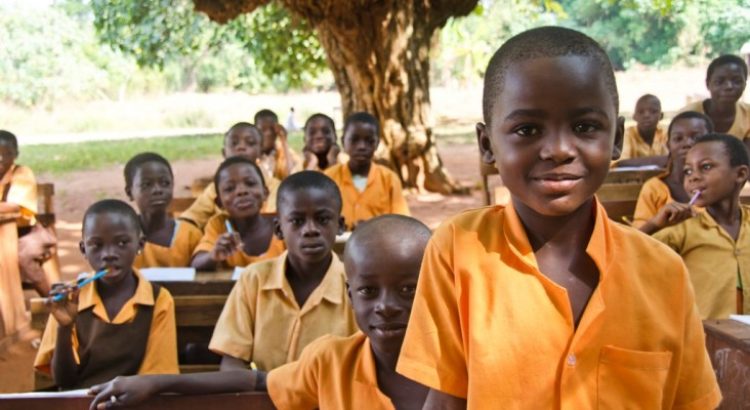
The issue is that all successive government following the enforcement of the 1992 Constitution have failed to implement the above provision in providing freecompulsory and universal basic education to all children. They have even failed more woefully in enforcing the compulsory aspect of the education as mandated them. Because of their inactionour children are on the street instead of being in the classroom working and engaging in perilous activities daily.

Yet we dare to tag them as “Street Children” …!!!  Who is to blame?

Especially when our own laws namelyThe Children Act, 1998 (Act 560) sets the minimum age for light work at 13yrs and hazardous work at 18years. However, the opposite is true that most often than not we see children below these ages engaged in hazardous work in the middle of highways and major roads including begging, selling, wiping windscreen of cars and even inhaling fumes from vehicle exhaust.

Noting that Begging as an activity is an offence as per Section 2 Subsection 1 (a) and (b) of the Beggars and Destitute Act, 1969 (N.I.C.D 1969) which reads;

  • A police officer may arrest without warrant
  • A person who is found begging
  • A person wandering, or
  • A person who is in any premise or place for the purpose of begging.

That is to say we will have no street children on our streets if the Police Agency were complying to the law and arresting these children and putting them in schools to receive education and enjoy their fundamental as such.

The sight of these children on the street is even more distasteful when you see them accompanied by adults who clearly by their conductare perpetuators of denying theirchild access to education. But isthat really the case?

Especially when the mandate is on the government through its Ministry namely the Ministry of Education and its local representative the is District Assemblies to provide for the necessary infrastructural needs for education of the population in the area of authority as provided for by Section 2 Subsection (2) of Act 778as Amended.

Notably to mention Section 4 of Act 778 as Amended provides for the role of the District Assembly social welfare where a child fails to go to school. This section reads;

  • Where a Child does not attend a course of instruction in compliance with subsection (1) the parent shall, in the first instance, appear before the social welfare committee of the District Assembly for the Appropriate action.

And Section 1 of Act 778 as Amended reads;

  • A child who has attained school going age shall, at the basic level, attend a course of instruction as laid down by the Minister in a school recognized for that purpose by the Minister.

The above is to the effect that the District Assemblies Social Welfare have a duty to ensure parent or guardians do not preventtheir child from enjoying their right to education as guaranteed by the supreme laws of our land. Have they lived up to this Duty?

As we recognize International Day for Street Children today April 12,2018 may our government through its Ministry and local assemblies live up to the duty imposed on them by the laws of our motherland so we may be celebrants of Children Day only and not the opposite.

For Education is a tool for producing a scientifically literate population, tacklingthe environmental causes of low productivity; and for producing knowledge to harness Ghana’s economic potential…!!!

Long live every Child. Long Live Ghana..!!

Koiwah Koi-LarbiOfosuapea, 0501451986

(Fellow – Center for Constitutional Order)

Source:

http://theheraldghana.com/education-the-right-of-every-child/
 

Comparte este contenido:

Africa needs a revolution in education

Africa/April 17, 2018/by ISS Today/ Source: https://www.dailymaverick.co.za

Access to education must be markedly improved if Africa is to catch up with global averages. By Jakkie Cilliers and Stellah Kwasifor. 

While education worldwide, especially for girls, has improved, the gap between Africa and the rest of the world is wide and the continent doesn’t appear to be catching up. In fact, it is falling further behind.

From 1960 to 2015, the gap between the average number of years of education obtained by African adults aged 25 and above and that of the rest of the world increased from two to three years. Today African adults have, on average, five years of education while the rest of the world has around eight.

Globally the disparities are large. Adults in North America and Europe have 13 and 11 years respectively, while those in South Asia have seven years. Education levels are improving everywhere, but more slowly in Africa than anywhere else.

Source: Barro-Lee

Quality of education aside, countries now take less time to improve average years of education than in the past. Whereas it took around 17 years to increase average education levels in poor countries by one year in the 1960s and 70s, it now takes around 11 years. However while the rate of progress has generally sped up, Africa is falling further behind and will continue to do so, in part because of rapid population growth.

There are many well-known benefits of education. First, education affects demography through improved health (it reduces mortality) and reduced fertility rates (there are fewer children per female within childbearing age, meaning parents can better look after their children). In turn, demography affects improved education systems and opportunities in terms of size and characteristics of the school-going age of the population. Slower growth in pupil numbers allows poorer countries to cope with the requirement for more schools, books, teachers and other facilities.

Second, educational gains lead to improved productivity. A more literate and skilled workforce is more productive and can be engaged in higher value-add activities. For example, with grade 12 it may be possible to staff a call centre; with Grades 4 to 6, manual labour is probably the only option.

Third, better-educated people can increase their incomes, thus improving their economic circumstances. The relationship between higher levels of education and income is strong and almost linear. As workers progress from primary to secondary and eventually tertiary education, they are better positioned to increase earnings, sometimes dramatically. Education also promotes equity and democracy. A better educated citizenry can make more informed political choices.

Finally, improved levels of education reduce social inequalities where individuals can progress and be judged based on merit, with less importance being put on their social backgrounds, standing or other characteristics such as religion, race or caste.

Beyond these general positive features, attaining secondary education for females has numerous additional benefits. According to a widely quoted 1995 study by K Subbarao and Laura Raney, completion of secondary education would reduce the total fertility rate among women in developing nations by 26%. By comparison, doubling access to family planning would decrease the total fertility rate by only half that number.

Currently, only 14% of Africa’s low-income female population of the appropriate age group graduate from secondary school. For females in lower-middle-income Africa the portion is 48% and in upper-middle-income African countries it is 57%. The International Futures forecasting system from which these trends are extracted calculates that 122-million Africans are missing secondary school, slightly more than half of whom are female.

Economically, female education increases income of households when women enter the workforce and are gainfully employed. A 2003 study by the United Nations Educational, Scientific and Cultural Organisationin 19 countries points out that a country’s long-term economic growth increases by 3.7% for every year that the adult population’s average years of schooling increases. Female education should therefore be a cornerstone of any nation’s strategy to ensure that women are empowered economically, socially and intellectually.

So how does Africa catch up with progress elsewhere?

More rapid economic growth rates would allow African governments to spend more money on education. Improved health care, the provision of water and sanitation and access to modern contraceptives would aid these efforts as they would reduce fertility rates over time. Fewer children would reduce the burden of spreading money too thinly, allowing those who enter the system to do better.

Urbanisation accompanied by improved facilities and services like water, electricity and educational material would promote quality education. Students would be better able to access amenities like the internet to aid learning – a resource that is largely absent and/or expensive in rural regions. This way, efficient education planning by these under-resourced governments can be achieved. More donor aid would also help.

But even more is needed for Africa to close its enduring education deficit compared to the rest of the world.

Given current backlogs and budgets, Africa would simply not be able to build enough schools and train enough teachers at the scale that is required. Neither would it be able to provide resources such as books and laboratories and all the associated support structures needed for functioning schools at that scale.

Some experts say Africa may be able to catch up by tapping into the digital revolution. Direct access to world-class education material should provide some added momentum. But even this requires African governments to invest heavily in the provision of internet access and the means to access such material.

The 2017 United Nations Children’s Fund report on the state of the world’s children points to the potential of information and communication technology to transform education by “expanding access to high-quality educational content, including textbooks, video material and remote instruction, and at a much lower cost than in the past”. The report warns, however, that technology cannot fix education without support from “strong teachers, motivated learners and sound pedagogy”.

Equally important, societies need to recognise the value of education, especially of girls, and provide an enabling environment to ensure gender equity in education. In north-east Nigeria, girls already lag behind boys in attendance, because of cultural barriers, the belief that girls’ education isn’t that important and the determined efforts by Boko Haram to deny education to females.

Whatever the combination of solutions, African governments will need to get serious about improving access to education. More of the same is not enough if the continent is to catch up with progress elsewhere. DM

Jakkie Cilliers is Head of African Futures & Innovation, ISS and chair of the ISS Board of Trustees. Stellah Kwasi is a researcher, African Futures & Innovation, ISS

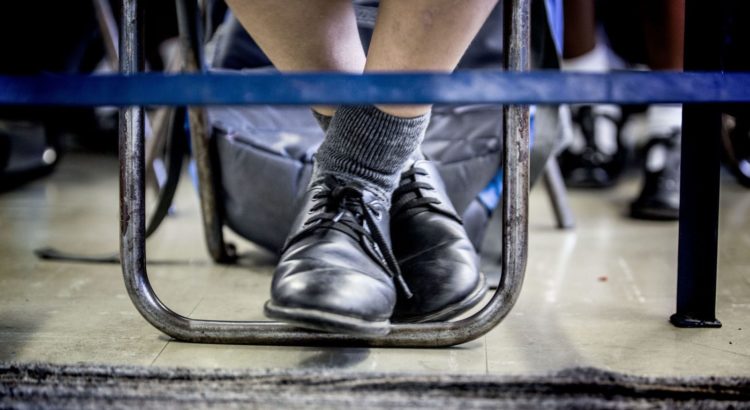
Photo: Learners in a classroom in Cape Town. 8 May 2018. Photo by Leila Dougan

Source:

https://www.dailymaverick.co.za/article/2018-04-16-africa-needs-a-revolution-in-education/#.WtVmVYjwbIU


Comparte este contenido:

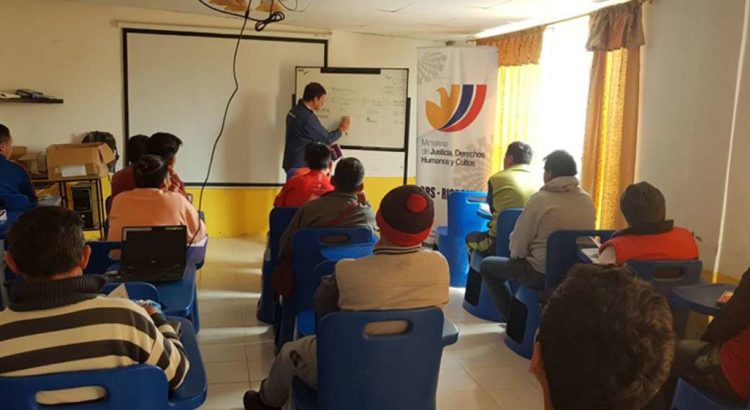
Ecuador: 69 internos de cárcel regional terminaron la educación primaria

América del Sur/ Ecuador / 16.04.2018 / Fuente: www.eltelegrafo.com.ec.

Tras cumplir cuatro módulos de seis meses cada uno, 69 internos del Centro de Rehabilitación Social (CRS) Regional Guayas, culminaron la educación primaria, el pasado jueves. Los presos pertenecen al proyecto de Educación Básica para Jóvenes y Adultos (EBJA), que lleva adelante el Ministerio de Educación. Liliana Guzmán Ochoa, viceministra de Atención a Personas Privadas de Libertad, manifestó que los internos serán promovidos a octavo año de educación básica superior. Los estudiantes estuvieron acompañados de sus familiares.

El programa gubernamental de educación tiene como objetivo reducir la tasa de analfabetismo al 4% de manera progresiva en el Ecuador. La viceministra felicitó a los graduados y los motivó a seguir esforzándose, a continuar de pie, luchando por la vida. “Sigamos avanzando, con voluntad, con iniciativa.

La educación es un derecho que les otorga el Estado ecuatoriano, me satisface conocer que el esfuerzo vale la pena”. La funcionaria reiteró que los ministerios de Justicia y Educación garantizan el derecho a la educación de las personas que en estado doble de vulnerabilidad al estar privados de su libertad y no haber accedido o concluido el proceso educativo, en los diferentes niveles del sistema educativo nacional.

“El tiempo en privación de libertad podemos aprovecharlo de la mejor manera con los ejes de tratamiento que nos ofrecen”, dijo Junior R., el alumno mejor puntuado del periodo 2017-2018. Destacó que todo depende de sus propias capacidades y el aprovechar las facilidades que les brinda el Centro Regional. “Sin embargo, la decisión de cambiar está en cada uno. Agradezco a los ministerios, y a los maestros que  nos ayudan diariamente”, acotó Junior R.

Además, 30 personas privadas de libertad del Centro de Rehabilitación Social  CRS Regional Guayas, se graduaron como Bachilleres en Ciencias. El interno Alfredo S. fue reconocido por alcanzar 9.52 de puntaje académico. El interno inició su bachillerato en la etapa de máxima seguridad y, actualmente, está en la etapa mínima. (I)

Fuente: https://www.eltelegrafo.com.ec/noticias/judicial/12/ppl-carcelregional-educacionprimaria-ecuador

Comparte este contenido:

Educación argentina: la desigualdad en las escuelas públicas divide la ciudad en dos

América del Sur/Argentina/ 16.04.2018/ Por: Guadalupe Rodríguez/ Fuente: www.lanacion.com.ar.

El sur de la ciudad de Buenos Aires muestra una desigualdad crónica respecto del norte y la educación no es una excepción. Allí donde vive la mayor cantidad de chicos menores de 14 años del distrito más rico del país se dan los peores indicadores educativos: faltan escuelas, las aulas están abarrotadas, no alcanzan las vacantes y los niveles de repitencia y deserción son los más altos. Los alumnos que no terminan el secundario en Palermo y Núñez no llegan al 5%, pero rondan el 30% en Villa Lugano y Soldati. Una realidad que se refleja en las cifras oficiales relacionadas al empleo y el ingreso.

Cada mañana en la escuela N° 11, bien al sur de la ciudad, un rato después de que los chicos llegan a clase, hacen a un lado los útiles y se sirve el desayuno en los mismos bancos donde estudian. Son varios los alumnos que entran al aula sin comer. «A veces, les cuesta arrancar porque no desayunan en sus casas. Entonces, primero comemos y después empezamos con la clase. De otra forma no se puede», cuenta Emmanuel Fariña, docente de 7° grado en esta pequeña escuela del distrito escolar 19, uno de los tres con los niveles más altos de necesidades básicas insatisfechas de toda la Capital.

La docente Florencia Toyos está orgullosa de los recursos de la escuela N° 16, de Palermo
La docente Florencia Toyos está orgullosa de los recursos de la escuela N° 16, de Palermo Fuente: LA NACION – Crédito: Silvana Colombo

En el informe de coyuntura «La ciudad en deuda», del Centro de Estudio de Ciudad de la Facultad de Ciencias Sociales de la UBA, la licenciada en Trabajo Social Inés Albergucci deja bien en claro que la desigualdad tiene correlato con la distribución geográfica. En los barrios del sur (Lugano, Soldati, Bajo Flores, Villa Riachuelo, Nueva Pompeya, Barracas, La Boca) vive la población más vulnerable social y económicamente: se hace notable que las condiciones de vivienda, empleo, salud e ingreso son peores. Por ejemplo, según datos de la Dirección General de Estadística y Censo de la Ciudad, en el segundo trimestre de 2017, en la zona sur el desempleo era del 16,9%, más del doble que en el norte, donde rondaba el 7%, y el ingreso promedio per cápita fue de $10.308 y $22.633, respectivamente.

Consultado sobre qué medidas está tomando frente a esta situación y a la necesidad de la construcción de escuelas para albergar a los estudiantes que ya están fuera del sistema y a los que se suman cada año, desde el Ministerio de Educación porteño afirman que están llevando adelante obras en las comunas sureñas, como ocurre en los polos educativos Mataderos (Murguiondo y Directorio, comuna 9), Piedrabuena (Piedrabuena y Zuviría, comuna 8) y Lugano (Fonrouge y Barros Pazos, comuna 8). También explican que están en proceso de aumentar la matrícula en la comuna 4 (La Boca, Barracas, Parque Patricios y Nueva Pompeya) y que asumieron el compromiso de construir en lo que resta de 2018 y en 2019, 30 escuelas con salas de 3 años, de las cuales el 60% corresponde a zona sur.

Un problema de acceso

Según la Asociación Civil por la Igualdad y la Justicia (ACIJ), en 2017 hubo en la ciudad 10.553 chicos en lista de espera. De esta cifra, la gran mayoría fueron familias del sur que no pudieron costear la cuota de una escuela privada como alternativa. Los números son claros: en los barrios más pobres, el 70% de los alumnos está matriculado en escuelas estatales, y en los más ricos (Núñez, Belgrano, Palermo, Recoleta, Colegiales), solo el 40%. Además, año a año, en los distritos más pujantes, la cantidad de chicos matriculados en el sistema estatal decrece al tiempo que migran al sistema privado. Al contrario, en el otro extremo del mapa porteño la demanda por la educación estatal aumenta.

Patricia Pines es docente y madre de dos niños que van a un colegio estatal. Cuando en 2014 comenzó la inscripción online en la ciudad de Buenos Aires, se encontró con las primeras dificultades. Lejos de darse por vencida ante un sistema que muchos califican de deficiente, por complejo y expulsivo, se juntó con otros padres y formaron Vacantes para Tod@s, un colectivo que busca convertir espacios ociosos en escuelas públicas, laicas y gratuitas de todos los niveles, especialmente en zona sur. Según sus proyecciones, «en el inicio del ciclo lectivo 2018 fueron 15.000 los alumnos de los tres niveles que se quedaron sin vacantes». Pines calcula que son 75 las escuelas que se necesita abrir en la Capital para albergar a los chicos que se quedaron sin vacantes, con un costo cercano de 1000 millones de pesos.

«No sobran pibes, faltan escuelas», dice enfáticamente el maestro Emmanuel Fariña, y cuenta que frente a la sede del distrito 19, ya empezadas las clases, se podían ver familias enteras haciendo hasta dos cuadras de cola por una vacante. Esto hace también que las familias se bifurquen, porque los chicos recalan en distritos diferentes. El gobierno porteño implementó para esos casos trasladarlos en micros a las instituciones alejadas de sus casas. Florencia Toyos cuenta que en el Wenceslao Posse estudian chicos de la villa 31 de Retiro -otra zona con graves problemas de vacantes-, que viajan hasta Palermo en estos colectivos.

Emmanuel Fariña es maestro en una de las zonas más pobres de la ciudad
Emmanuel Fariña es maestro en una de las zonas más pobres de la ciudad Fuente: LA NACION – Crédito: Emiliano Lasalvia

Distintas oportunidades

En la escuela N° 11 de Nueva Pompeya hay un solo patio y sin techo para los casi 200 alumnos que van por turno. Ahí juegan durante el recreo, saludan a la bandera y hacen gimnasia. Cuando llueve, nada de eso es posible y deben quedarse en las aulas, en las que apenas entran. Según el Reglamento Escolar (art. 90, inc. 2), el espacio mínimo por alumno debe ser de 1,35 m² de superficie y de 4 a 5 m³ de capacidad. Tienen una sala de informática en la que funcionan no más de siete computadoras y sin acceso a Internet. «Si les pedimos que traigan las netbooks del Plan Sarmiento, hay un solo enchufe por aula para cargar veinte máquinas», sostiene Fariña.

En el otro extremo, y no solo geográfico, la escuela N° 16 Wenceslao Posse, a la que asisten cerca de 250 alumnos por turno, cuenta con patio interno y externo, y hasta dispone de un sector de pasto sintético que donó la escuela de fútbol Claudio Marangoni. «Tenemos sala de música, biblioteca, un gabinete de ciencia excelente y una sala de computación con pantalla digital interactiva. Los chicos traen las netbooks y acá también hay de repuesto. Usamos muchísimo los recursos digitales», cuenta orgullosa Toyos.

En su trabajo «La discriminación educativa en la ciudad de Buenos Aires», la ACIJ señala que «el hecho azaroso de haber nacido o asentarse en un distrito escolar particular de la ciudad determina, en gran medida, la posibilidad de una persona de acceder o estar privada de determinados bienes y servicios básicos». La ONG plantea que «esto es lo que se considera posición social de origen, y es justamente un factor que debe ser tomado en cuenta a la hora de honrar los compromisos sociales igualitarios»

Fuente: https://www.lanacion.com.ar/2125900-educacion-la-desigualdad-en-las-escuelas-publicas-divide-la-ciudad-en-dos

Comparte este contenido:

Argentina: Investigación señala que por el abuso de tecnología, los niños tienen dificultades para aprender la lectura y escritura

América del Sur/Argentina/ 16.04.2018/ Fuente: www.lacapitalmdp.com.

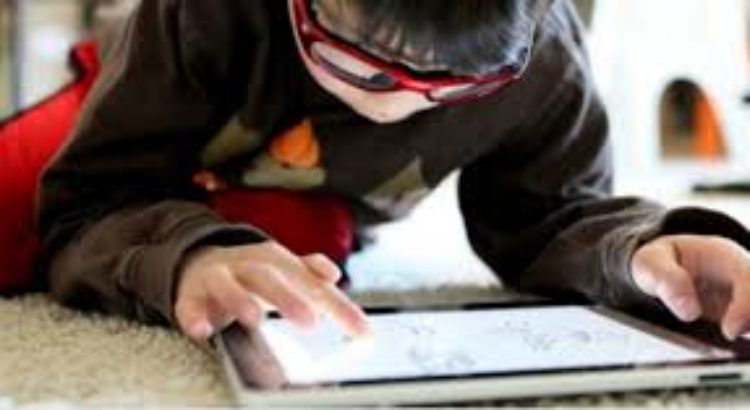
Un trabajo realizado por la kinesióloga marplatense Daniela Gigli reveló que más de la mitad de las niñas y niños tiene algún desfasaje en la coordinación visomanual (ojo y mano) provocada por el uso excesivo de la tecnología.
Esto afecta al aprendizaje de la lecto-escritura, a la maduración cognitiva, a la comprensión textual y hasta a la destreza corporal.

El estudio, que demandó entre 7 y 8 meses de trabajo, con realización de pruebas estandarizadas a los infantes de escuelas públicas y privadas y encuestas a sus padres, fue parte de la tesis de grado de la licenciada en kinesiología, especialista en la actividad psicomotora e integrante del Colegio de Kinesiólogos de la provincia de Buenos Aires (Cokiba).

En charla con este medio, la especialista aseveró que la difusión de estos datos no tiene intención de alarmar o cuestionar el uso de las tecnologías, sino “concientizar sobre el abuso de ellas y sobre la importancia de la participación familiar en la estimulación y el desarrollo de las capacidades de coordinación visomanual”.

“Hoy en día vemos que uno de los factores principales que dificulta que los niños adquieran un desarrollo grafomotor adecuado, es la masificación y el uso sin límite de los avances tecnológicos”, sostuvo.

“Los celulares, tablets, compus y dispositivos (táctiles) para juegos electrónicos y de consola sólo permiten la ejercitación de la mano y en particular del pulgar, dejando de lado aquellas destrezas motoras necesarias para la escritura. Esto conlleva además, a que la acción, exploración e imaginación en el pequeño se manifieste en forma escasa o nula”, explicó Gigli, encargada del área infantil del Servicio de Atención Temprana del Centro Conin Mar del Plata, kinesióloga matriculada del Cokiba y coordinadora de la carrera de Kinesiología de Ufasta.

Trabajo puntual

Para este registro se tomó una muestra no probabilística a 72 niñas y niños que asisten al sistema de educación inicial en Mar del Plata. De ese total, un 55% no cumplió con el desarrollo necesario, es decir que presentaron problemas de coordinación en la vista y en las manos lo que afecta directamente en la escritura.

El 31, 9% de los niños evaluados mostró una coordinación oculomanual (vista y manos) correspondiente a su edad y el 6,94% tenía un desarrollo superior a su edad.

También se observó que el 17% de los estudiantes no sabían escribir su nombre sin ayuda y aún no se habían iniciado ni en la lectura ni en la escritura.

El informe lleva como conclusión que la mayoría de los niños tiene una motricidad fina inferior a su edad, siendo ésta como la de un niño de 4 años.

En la charla, Gigli indicó que “no se observaron variaciones entre niñas y niños y tampoco en cuanto a su concurrencia a establecimientos públicos o privados”.

Si bien se trató de un trabajo puntual, con un objetivo específico “la información obtenida, la repercusión y la temática, me generaron curiosidad y estamos viendo la posibilidad de continuarlo. En primera medida de ampliar la muestra y, luego, hacer un seguimiento. Nos dimos cuenta que es un tema del que quedan muchos hilos por tirar” comentó. De todas formas, reconoció que “por el momento es una idea, se requiere tiempo y mucha gente para la realización de las pruebas y análisis de los resultados”.

Desarrollo motriz

Según los expertos los primeros años de vida en el ser humano son decisivos en la formación y el desarrollo de la inteligencia, personalidad y el comportamiento social que alcanzará el niño en los años venideros. Por lo que al momento del ingreso al sistema escolar, debe poseer un nivel de desarrollo físico, psicológico y social que le permita enfrentar adecuadamente esa situación y sus exigencias.

La motricidad es uno de los núcleos básicos que contribuyen al desarrollo global e integral. Es el soporte de aprendizajes escolares propios de edades tempranas que, de no desarrollarse a su debido momento, repercuten negativamente para alcanzar los niveles de madurez que debieran darse. Tareas como rasgar, cortar, pintar, colorear o enhebrar se relacionan directamente con la capacidad del infante de coordinar su visión con los movimientos de manos y dedos; favoreciendo la motricidad fina, que desempeña un rol protagónico en el posterior aprendizaje de la habilidad manuscrita. Estos ejercicios suponen la representación mental de la acción, antes de realizarla, por lo que se pueden definir como una sucesión ordenada, funcional y precisa de movimientos ojo-mano, que implican un adecuado funcionamiento de los órganos visuales y una actividad reguladora del sistema nervioso central, para que se produzca la respuesta adecuada, en este caso las grafías del niño. “La lecto-escritura -según la Licenciada Gigli- es un proceso cognitivo que requiere de cierta madurez perceptiva, especialmente en las áreas visual, auditiva y de motricidad”.

“Lo que demostró el estudio no es irreversible. No se trata de prohibir los dispositivos, ni mucho menos, pero si es importante que, desde los primeros garabatos, se estimule y promueva que los chicos realicen otras actividades con cuentos, juegos de mesa, encastres, colorear, dibujar, etc, pero de manera sostenida en el tiempo, no aislada”, apuntó.

Fuente reseña de investigación: http://www.lacapitalmdp.com/por-el-abuso-de-tecnologia-los-nenes-tienen-dificultades-para-aprender-la-lecto-escritur

Comparte este contenido:

England: Music education should be inclusive. So where are the disabled teachers?

England/ 16.04.2018/ From: www.theguardian.com.

For Kris Halpin, a disabled musician who delivers music lessons in schools, the thought of being in front of a room full of students used to be terrifying. But he knew what it would have meant to him at 14 to see a disabled person teaching his class.

“My experience in education [in the 1980s] was not immensely positive,” Halpin says. “I was bullied a lot at school because of my disability. Not by my peers but by the staff … When I had to flag an access [problem], I was told I was only disabled when it suited me. It was not a supportive place to be. Music education was my one salvation.”

Representation in the arts

At charity Drake Music, we wanted to look at the representation of disabled people in music education. But finding the data was problematic. Figures from Arts Council England [pdf] show that only 4% of the wider arts workforce identify as disabled. UK Music’s diversity research did not include disability in its survey.

In an attempt to improve knowledge in this area, we spoke to 36 music education hubs [pdf] about their workforce. Music hubs are groups of organisations – such as local authorities, schools, art organisations and voluntary organisations – working together to provide music education. They are so varied that making direct comparisons between them is difficult, but it gave us some idea about disability representation.

A third of the hubs said they had at least one paid member of staff who self reported as disabled. One in five (22%) were paid music leaders. There was a wide range of understanding and experience of disability, and each hub was at a different stage in providing truly inclusive music education services. But we were heartened to see that many recognised the importance of the topic. One respondent told us: “You are opening up a discussion we need to have.”

Diverse populations need teachers from a range of ages, backgrounds, experiences and communities. A more balanced and representative workforce creates relatable role models and opens the door to new possibilities for young people. It makes space for positive, constructive debate about the best teaching methods and approaches for working with young disabled people, and it combats negative perceptions and misunderstandings.

We know that music is a powerful force for many of the disabled people we work with. If made accessible, it can be a space for self-expression and offer a way in to a world of creative opportunities. That doesn’t happen enough.

Change cannot be affected by one organisation, or by a single policy, but will take many small movements across music education. There is increasing recognition that making music education more inclusive is important. This month, Youth Music launched the Alliance for a Musically Inclusive England, promoting diversity and cultural democracy in music education. Accessible practice is taking centre stage at conferences such as Music Mark. And there is recognition of the problem of declining music provision in schools more broadly.

From: https://www.theguardian.com/teacher-network/2018/apr/13/music-education-should-be-inclusive-so-where-are-the-disabled-teacher

Comparte este contenido:

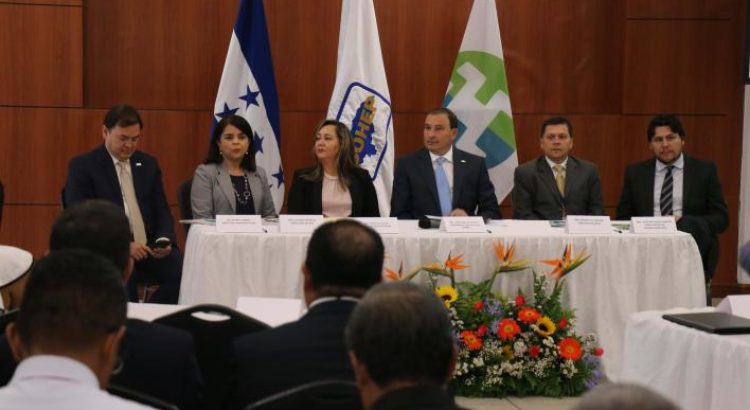
Firma de la Carta de Entendimiento, para la promoción del funcionamiento de un Marco de Cualificaciones Profesionales de la Educación y Formación Técnica Profesional en el Sistema Educativo Nacional

En el marco del “Proyecto de Fortalecimiento a la Educación y Formación y Técnica Profesional” que la OEI está impulsando en Honduras, se firmó el 10 de abril de 2018 la Carta de Entendimiento para la promoción del funcionamiento de un Marco de Cualificaciones Profesionales de la Educación y la Formación Técnica Profesional en el Sistema Educativo Nacional.

Ver firma:

Comparte este contenido:
Page 3071 of 6815
1 3.069 3.070 3.071 3.072 3.073 6.815