Page 7 of 51
1 5 6 7 8 9 51

Nigeria es testigo del aumento de la matrícula y la retención de niñas en la escuela

El presidente Muhammadu Buhari, dijo el jueves que Nigeria está presenciando un aumento en la matrícula y retención de niñas en las escuelas.

El presidente Buhari afirmó esto en una reunión de alto nivel de las Naciones Unidas para conmemorar el 25º aniversario de la 4ª Conferencia Mundial sobre la Mujer.

En un mensaje de video a la reunión virtual, convocada por el presidente de la 75a sesión de la Asamblea General de la ONU, Volkan Bozkir, en Nueva York, el presidente Buhari atribuyó el éxito a la implementación del Programa de Educación Básica Universal, el Proyecto de Educación de Niñas y las Iniciativas de Escuela Segura. .

Una declaración emitida por la Asesora Especial del Presidente en Medios y Publicidad, Jefa Femi Adesina, citó a Buhari diciendo: «Nuestro Gobierno está implementando enérgicamente el Programa de Educación Básica Universal, que mejora la educación de las niñas en las bases.

Además, el Proyecto de Educación de las Niñas ha contribuido al marcado aumento de la matrícula y la retención de niñas en las escuelas, así como a una capacidad productiva plena garantizada para las generaciones futuras de mujeres.

«Para garantizar la seguridad de los niños en edad escolar, especialmente de las niñas en el noreste de Nigeria, hemos ratificado la ‘Declaración de Escuela Segura’ y comenzado la implementación de nuestras Iniciativas de Escuela Segura en todo el país», dijo el líder nigeriano en la reunión en la que Participó Jefe de Estado y de Gobierno.

El Presidente señaló con satisfacción que a través de los programas de Escuela Segura, su administración había garantizado una mayor seguridad mediante la provisión de los materiales de aprendizaje necesarios para las instituciones educativas.

Sobre la lucha contra la violencia de género, el presidente nigeriano dijo que se estaba creando conciencia sobre un registro de delincuentes sexuales para desalentar y gestionar mejor los casos de violencia contra las mujeres.

«También estamos ampliando los refugios temporales existentes y construyendo otros nuevos en lugares donde no existen, para atender a las víctimas de abuso y proporcionarles la rehabilitación necesaria.

«En nuestra búsqueda para abordar la amenaza del tráfico de nuestras mujeres y niñas, Nigeria está trabajando en estrecha colaboración con socios relevantes para rescatar, rehabilitar y reubicar a las víctimas rescatadas del tráfico», dijo.

Para mitigar los efectos socioeconómicos de la pandemia de coronavirus, el presidente Buhari reveló que Nigeria priorizaba a los grupos vulnerables, incluidas las mujeres, en la prestación de asistencia médica y social.

«En el último año, más de un millón de nigerianos se han inscrito en el Registro Social Nacional de hogares pobres y vulnerables para que puedan acceder a la asistencia social necesaria.

«Bajo el Programa Nacional de Inversión Social, hemos comenzado transferencias de efectivo y distribución de alimentos a personas y familias en todos los estados de Nigeria como paliativos para amortiguar el efecto de la pandemia del coronavirus.

«Nuestra administración cree que la promoción y protección de los derechos humanos y las libertades fundamentales son fundamentales para el logro de la Agenda 2030 para el desarrollo sostenible.

Es por ello que insto a la comunidad internacional a que apoye el mandato y las operaciones del Consejo de Derechos Humanos en su búsqueda por fortalecer las instituciones en relación con la igualdad de género y el empoderamiento, así como la eliminación de todas las formas de discriminación y violencia contra mujeres y niñas «, dijo.

Instó a los Estados miembros a desarrollar estrategias adicionales para mejorar la calidad de vida de las mujeres y las niñas, y prometió que Nigeria redoblará los esfuerzos para mejorar el acceso a los recursos productivos para las mujeres y las niñas y continuará garantizando la protección de los derechos fundamentales.

«Nuestra administración es consciente de la necesidad de empoderar a las mujeres y las niñas para la realización de la Agenda 2030 para el Desarrollo Sostenible; la Agenda 2063 de la Unión Africana; así como la Declaración y Plataforma de Acción de Beijing», dijo.

La Presidenta también aprovechó la ocasión para felicitar a los Estados Miembros por los grandes avances logrados en la implementación de los resultados de la Cuarta Conferencia Mundial sobre la Mujer durante las dos últimas décadas.

Señaló que las doce áreas de preocupación crítica identificadas en la Plataforma de Acción de Beijing, hace 25 años, han sido fundamentales en el progreso registrado hasta ahora en el avance de las cuestiones de las mujeres y las niñas a nivel mundial.

Sin embargo, enfatizó que el desarrollo sostenible seguiría siendo imposible si a las mujeres y las niñas se les niegan los derechos humanos.

Nigeria reconoce que el logro del pleno potencial humano y el desarrollo sostenible es imposible si a las mujeres y las niñas se les niegan sus derechos humanos y sus oportunidades.

«Desde la adopción de la Declaración de Beijing, Nigeria ha realizado esfuerzos concertados para asegurar la participación de las mujeres en todos los aspectos de la construcción de la nación, mediante una educación de calidad, el acceso a recursos económicos y la promoción de roles de liderazgo en todos los niveles.

Nuestra administración sigue comprometida con la erradicación de la pobreza y la mejora del crecimiento y el desarrollo de las mujeres y las niñas. Para abordar todas las formas de pobreza basada en el género, hemos iniciado programas como Tradermoni, Marketmoni y Farmersmoni en el marco del Programa de Empoderamiento y Empresas del Gobierno.

«Estos programas están especialmente dirigidos a proporcionar créditos sin intereses y sin garantías a los pequeños comerciantes, artesanos y agricultores, muchos de los cuales son mujeres y niñas», dijo.

Fuente: https://allafrica.com/stories/202010020288.html

Comparte este contenido:

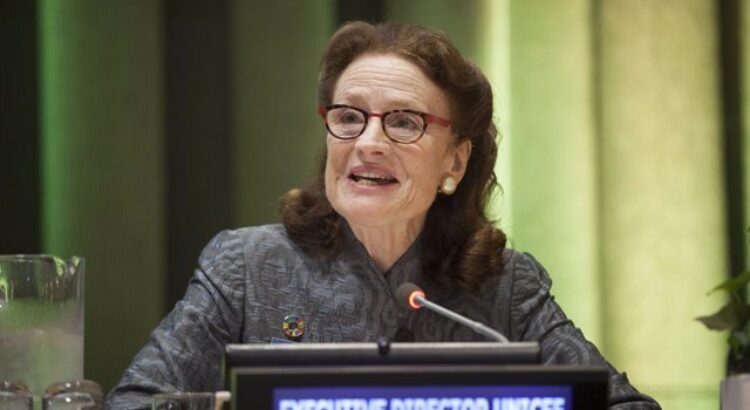
Nigeria: UNICEF Criticizes Sentencing of 13-Year Old for Blasphemy in Nigeria

UNICEF Criticizes Sentencing of 13-Year Old for Blasphemy in Nigeria

ABUJA, NIGERIA – The United Nations Children’s Agency, UNICEF, has condemned a Nigerian court for upholding a 10-year prison sentence with manual labor for a 13-year-old boy convicted of blasphemy.

The Sharia court in the northern Nigerian state of Kano convicted Omar Farouq in August of using foul language against Allah during an argument with a friend.

A UNICEF statement this week firmly opposed the sentence, saying it contravened core principles of children’s rights and justice in Nigeria.

The U.N. children’s agency called on Nigerian authorities to immediately review and reverse the sentence.

Milen Kidane, the chief of child protection at UNICEF Nigeria, said that he case has received global condemnation, and that she is certain that it’s something that the U.N. committee on the rights of the child may even take up.

Farouq’s sentence is one of several controversial cases recently passed by the state-sanctioned Sharia court.

Last month, human rights groups protested the sentencing to death by hanging of a 22-year-old singer, Yahaya Aminu, for blasphemy against the Muslim Prophet Mohammed in a song.

Human rights lawyer Martin Obono say he opposes such court rulings.

«Blasphemy is a religious affair, it has nothing to do with the state in the real sense. Sharia law is bound by people in the north and Muslims who are also signed up to it. But then again, there’s a superior law which is the constitution that trumps over even Sharia law and what does that law say? It also gives you the right to freedom of expression,” Obono said.

Sharia law applies mainly in the 12 predominantly Muslim states in northern Nigeria.

Although blasphemy against Islam is theoretically punishable by death, the death penalty is rarely imposed unless approved by a state governor.

Islamic scholar Is-haq Abdulganiyy says other criteria, not the age of an offender, are considered before any judgment is passed.

«In Islam we don’t count age. If that boy has reached that age of puberty, I think the Sharia court in Kano … before they even have the judgement, they must have followed all the necessary investigations to know the boy is deemed fit to be sentences to ten years imprisonment,” Abdulganiyy said.

Kidane says UNICEF wants to appeal the court’s ruling.

«UNICEF is committed to actions to revisit this judgement including through appeal, through child sensitive judiciary measures that respect the fundamental rights of the child to a fair hearing,” she said.

Blasphemy in Islam is considered a serious offense. But subjecting offenders to Sharia law continues to trigger strong opposition in other parts of Nigeria, where secular laws are more accepted.

By:Timothy Obiezu

Fuente de la Información: https://www.voanews.com/africa/unicef-criticizes-sentencing-13-year-old-blasphemy-nigeria


Comparte este contenido:

UNICEF critica la condena a diez años de cárcel a un niño de trece años por «blasfemia» en Nigeria

El Fondo de Naciones Unidas para la Infancia (UNICEF) ha criticado este miércoles la condena a diez años de cárcel a un niño de trece años por «blasfemia», una sentencia dictada por un tribunal islámico del estado nigeriano de Kano.

El niño, Omar Farouq, fue declarado culpable el 10 de agosto de hacer comentarios «despectivos» sobre Dios durante una discusión en público y durante la jornada ha sido sentenciado a diez años de cárcel con trabajos domésticos, lo que ha sido descrito como «un error» por el representante de UNICEF en Nigeria, Peter Hawkins.

Fuente: https://www.notimerica.com/politica/noticia-nigeria-unicef-critica-condena-diez-anos-carcel-nino-trece-anos-blasfemia-nigeria-20200916181014.html

Comparte este contenido:

Nigeria: Government failings leave rural communities at the mercy of gunmen

Nigeria: Government failings leave rural communities at the mercy of gunmen

  • At least 1,126 villagers killed by bandits from January to June 2020 
  • Attacks pose threats to food security in rural areas 
  • Failure to bring killers to justice fuels impunity

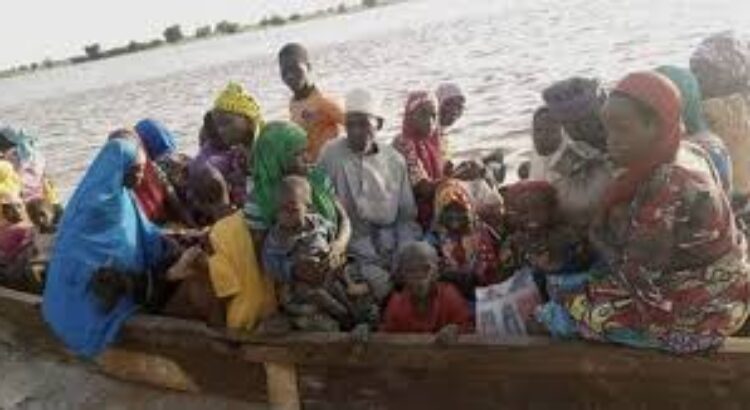
The Nigerian authorities have left rural communities at the mercy of rampaging gunmen who have killed at least 1,126 people in the north of the country since January, Amnesty International said today.

The organization interviewed civilians in Kaduna, Katsina, Niger, Plateau, Sokoto, Taraba and Zamfara states, who said they live in fear of attacks and abductions as insecurity escalates in rural areas. Many of those interviewed described how security forces often arrive hours after attacks have ended, even when officers have been given information about impending attacks. During one attack in Unguwan Magaji in Kaduna state, security forces arrived at the scene but left when they saw the sophisticated ammunition the attackers were using. By the time they returned, at least 17 people had been killed.

Amnesty International has documented an alarming escalation in attacks and abductions in several states in north west and north central Nigeria since January 2020. Worst affected are villages in the south of Kaduna State, where armed men killed at least 366 people in multiple attacks between January and July 2020.

«Terrifying attacks on rural communities in the north of Nigeria have been going on for years. The ongoing failure of security forces to take sufficient steps to protect villagers from these predictable attacks is utterly shameful.»

“In addition to the security forces’ failure to heed warnings or respond in time to save lives, the fact that no perpetrators have been brought to justice leaves rural communities feeling completely exposed. The President claims he has repeatedly tasked security agencies to end the killing so that Nigerians can go to bed with their eyes closed, but clearly nothing has changed.”

Houses burned, villagers abducted 

At least 77 people have been killed since January 2020 in the ongoing communal clashes between the Jukun and Tiv ethnic groups in Taraba state, northeast Nigeria. The ethnic conflict between Jukun and Tiv ethnic groups has been on and off since the early 1990’s as authorities consistently failed to end the conflict.

On 28 May, at least 74 people were reportedly killed in Sokoto state, when gunmen attacked four villages in Sabon Birni Local Government Area.

According to witnesses interviewed by Amnesty International in Kaduna, Plateau and Katsina states, the attacks are well coordinated. Attackers stormed villages on motorcycles and heavily armed. They shoot sporadically at people, set houses on fire, steal cattle, destroy farm produce and abduct villagers for ransom.

Most villagers told Amnesty International that the government left them at the mercy of their attackers. They complained of receiving little or no help from security officials during attacks, despite informing them prior or calling for help during attacks. They lamented that, in most cases, the security forces arrived hours after attacks.

A witness to an attack in Unguwan Magaji in southern of Kaduna said:

“During the attack, our leaders called and informed the soldiers that the attackers are in the village, so the soldiers did not waste time and they came but when they came and saw the type of ammunitions the attackers had they left. The following morning so many soldiers came with their Hilux pick-up trucks to see the dead bodies.”

Escalating violence in southern Kaduna 

In response to increasing violence in the south of Kaduna State, the State Governor imposed a 24-hour curfew in affected communities in June 2020, but attacks have continued. Violence has been on and off in southern Kaduna since the aftermath of 2011 elections and authorities have failed to both end the violence or bring the perpetrators to justice.

On 6 August at least 22 people were reported killed when gunmen suspected to be herders attacked four communities in Zangon Kataf Local Government Area of the state.

More than 100 people were killed in July during 11 coordinated attacks in Chikun, Kaura and Zangon-Kataf Local Government Areas of the state. At least 16 people were killed in Kukum-Daji on 19 July 2020, in an attack that lasted for five minutes, when attackers shot sporadically at villagers.

A farmer in Kukum Daji whose son was killed during the attack informed Amnesty International:

“My son was 20 years old, he had just gotten admission at University of Jos. He was at home due to the Corona pandemic, then the attack happened. When I saw his dead body, my body became very weak, I started feeling dizzy, I thought I was going to fall, my whole body was on fire but there was nothing I could do, I just told myself that am leaving everything to God. I will never be happy again in this life for losing this boy. His death has really affected me”.

Some victims of the recent attacks in southern Kaduna told Amnesty International that security forces were absent during most of the attacks, arriving only hours after the attackers had left. In rare cases when security forces arrived during attacks, they often came with inadequate intervention.

Humanitarian crisis looms 

The violence has forced many farmers and their families to flee their homes. In Katsina state, at least 33,130 people are now in displacement camps, and others have gone to stay with relatives in urban areas. Thousands of farmers could not cultivate their farms during the 2020 rain season because of fear of attacks or abduction.

«These attacks have caused massive displacement and food insecurity in the affected states. The majority of the people in these communities depend on farming for their livelihoods, but they are now too afraid to go to their fields.»

“This is pushing the region to the brink of a major humanitarian crisis. The Nigerian authorities’ failure to stem the violence is costing people’s lives and livelihoods, and without immediate action many more lives may be lost.”

A 50-year-old farmer in Batsari Local Government Area of Katsina State told Amnesty International:

Abductions

At least 380 people have been abducted for ransom during attacks in Kaduna, Niger, Katsina, Nasarawa and Zamfara states in 2020, mostly women and children. Largely, relatives of those abducted sell all their belongings to pay ransom to the gunmen and those unable to pay are mostly killed.

Arrested for Daring to Seek for Better Protection

Not only has the government failed to take the steps needed to stop these attacks, police regularly punish those who dare to ask for more protection. Amnesty International has documented how farmers, rights groups, and activists are subjected to intimidation, arrest and torture for speaking out against the attacks or asking government to help protect the people.

On 8 August at least 3 people were arrested during a peaceful protest at Refinery Junction, Kaduna South, and on 18 June, at least 20 protesters were arrested and detained for days by police in Katsina State.

On 17 June, Nastura Ashir Sharif – an activist was arrested for speaking out against the killings and leading protests calling for an end to the rising insecurity in the country.

On 10 April, a youth from the Oureedam community in the Bassa area of Plateau State was arrested after complaining that security forces had arrived late to an attack. He said he was beaten and was made to roll on a wet floor. He was eventually released when a lawmaker representing his community intervened.

«In their response to these attacks, the Nigerian authorities have displayed gross incompetence and a total disregard for people’s lives. Arresting people who dare to ask for help is a further blow. Instead of arresting critics, the   authorities should be seeking urgent solutions to this crisis and doing all they can to prevent further attacks.»

Amnesty International is calling on Nigerian authorities to independently investigate all these deaths and ensure accountability by bringing the perpetrators to justice. Spate of these killings is an evidence of failure of authorities to protect the people. Inability of authorities to bring attackers to justice is fueling dangerous conspiracy theories that only escalate the violence.

“The government has an obligation to protect its population. The rising death toll in the north of Nigeria shows just how badly the authorities are failing in this responsibility.”

Rising insecurity in several states in the north of Nigeria, including Kaduna, Katsina, Niger, Plateau, Sokoto, Taraba and Zamfara states, has left thousands dead.

Amnesty International Nigeria has been monitoring the banditry attacks and clashes by herders and farmers since 2016. In December 2018 we published a report, based on years of research, that documents the violent clashes between members of farmer communities and members of herder communities in parts of Nigeria, particularly in the northern parts of the country.

Fuente de la Información: https://www.amnesty.org/en/latest/news/2020/08/nigeria-government-failings-leave-rural-communities-at-the-mercy-of-gunmen-1/

Comparte este contenido:

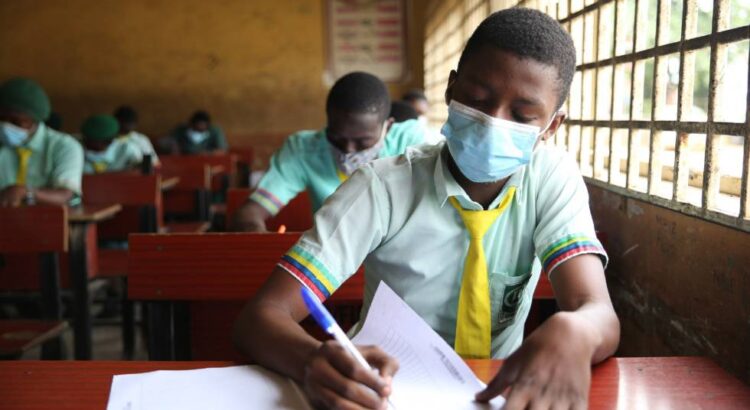
Nigeria: Reapertura de escuelas en la capital de Nigeria

Reapertura de escuelas en la capital de Nigeria

Túnez anuncia que el uso de mascarillas en los colegios e institutos públicos será obligatorio para los niños mayores de 12 años.

El gobernador de Lagos, epicentro del coronavirus en Nigeria con sus 14 millones de habitantes, anunció el domingo 30 de agosto la apertura de colegios y universidades en septiembre en la ciudad. Los restaurantes, clubes sociales y centros recreativos también podrán reabrir con medidas determinadas. Las mezquitas de Egipto reabrieron este viernes para las oraciones semanales de sus congregaciones, en lo que se trata de su primer día de apertura tras cinco meses de cierre por la pandemia de coronavirus que ha afectado al país. Los fieles asistieron a las oraciones mientras observaban estrictas medidas de salud, con mascarillas protectoras y usaban alfombras personales mientras mantenían el distanciamiento social.

África suma este domingo 30 de agosto 1.246.365 positivos registrados de covid-19. De ellos, los casos activos son 240.790 y los pacientes que se han recuperado superan ya el millón. Los fallecidos ascienden a 29.548. Sudáfrica, Marruecos y Etiopía sufren el mayor repunte de casos estos días, con más de 2.000 y 1.000 contagios respectivamente. Los cuatro países más afectados por la pandemia en el continente son Sudáfrica, Egipto, Marruecos y Nigeria. Ghana, ahora en sexto lugar, ha sido superado por Etiopía tanto en número de casos como de fallecidos.

El Ministerio tunecino de Educación precisó el viernes las recomendaciones de la comisión científica de lucha contra el coronavirus al anunciar que el uso de mascarillas en los colegios e institutos públicos será obligatorio para los niños mayores de 12 años. En declaraciones a la prensa, el ministro de Educación en funciones, Mohamad Hamdi, reveló, asimismo, que las vacaciones escolares se acortarán este año para tratar de recuperar las clases perdidas.

Unicef denunció el jueves que una tercera parte de los niños en edad escolar de todo el mundo, unos 463 millones, no han tenido acceso a la educación a distancia debido a la crisis sanitaria provocada por la covid-19. En el este y sur de África ha afectado al 49% de los niños en edad escolar (unos 67 millones) y en la zona oeste y central al 48%, unos 54 millones.

Los médicos del sistema sanitario del condado de Nairobi en Kenia han vuelto al trabajo este jueves después de una huelga de seis días por los retrasos en los salarios y la falta de protección cuando se trata de pacientes que pueden tener covid-19, ha anunciado una funcionaria sindical. Thuranira Kaugiria, secretaria general del Sindicato de Médicos de Kenia, dijo en un mensaje de WhatsApp que los médicos habían vuelto al trabajo después de firmar un acuerdo con los funcionarios del condado el miércoles.

El Gobierno de Namibia dijo el martes que el país reabrirá a los extranjeros a partir del 1 de septiembre para tratar de salvar hasta 120.000 puestos de trabajo en el turismo, gravemente afectado por las prohibiciones de viaje. El anuncio se produjo a pesar de un aumento reciente en los casos, que casi se han triplicado a más de 6.000 este mes. Las muertes registradas han aumentado de 11 a 57 desde el 1 de agosto.

El presidente del Banco Africano de Desarrollo (BAfD), Akinwunmi Adesina, realizó el miércoles estas declaraciones durante la Reunión Anual de 2020 de los BAfD.También aseguró que el banco ha lanzado programas para hacer frente a la recesión económica.Adesina hizo hincapié en la necesidad de unidad para permitir que el continente se uniera y se mantuviera enfocado en el objetivo de combatir el efecto de la pandemia en la economía de África porque la recuperación del continente va a ser «larga y difícil».

Fuente de la Información: https://elpais.com/elpais/2020/08/24/planeta_futuro/1598244088_143846.html

Comparte este contenido:

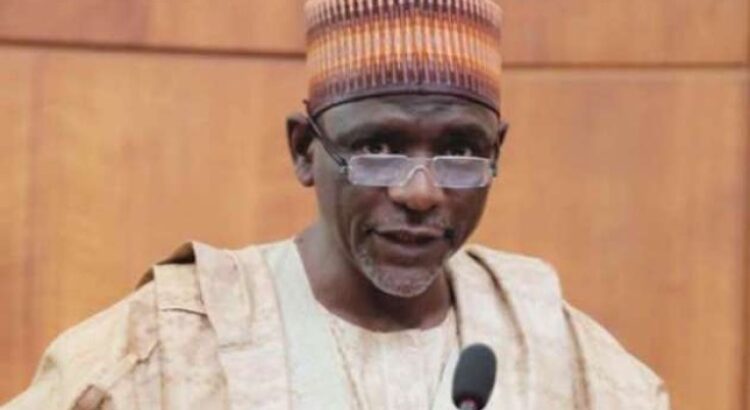
Nigeria: COVID-19 – Nigerian Govt Releases New Guidelines for Resumption of Schools

COVID-19 – Nigerian Govt Releases New Guidelines for Resumption of Schools

The federal government has released guidelines ahead of the resumption of schools at every level in the country.

The guidelines for the safe reopening of schools and learning facilities after the COVID-19 pandemic outlined actions, measures, and requirements needed for resumption.

In the document released by the federal ministry of health and the National Centre for Disease Control education emergencies working group and signed by the minister of education, Adamu Adamu, on Monday, the federal government said learners should be supported to stay two metres apart.

However, the government did not disclose when schools will resume.

The COVID-19 pandemic has led to the closure of schools and other learning facilities since March. PREMIUM TIMES reported how the federal government reversed its earlier announcement on the resumption of schools.

The minister of state for education, Chukwuemeka Nwajiuba, also announced during a media briefing on July 6 that WAEC examination will take place between August 4 and September 5.

But Mr Adamu last week said no Nigerian school will participate in examinations earlier scheduled for August 5 to September 5.

This year’s examination was postponed indefinitely in April after it was earlier scheduled to commence in May.

New guidelines

The 52-page document also showed that where the two-meter rule cannot be reasonably applied, other risk mitigation strategies may be adopted. «Examples include early years, younger primary school children, and those with additional needs».

«The scenarios require organising learners and children into small groups with consistent membership and compliance to the risk mitigation strategies. The membership of these groups should not change unless the NCDC public health guideline suggests otherwise,» the document reads in part.

The document also revealed that the government will conduct a rapid assessment and determine funding requirement for upgrading infrastructure and facilities to sustain prescribed safe school reopening requirements.

The document said it was time for the education sector to plan and address the eventual safe reopening of schools and learning facilities.

Among the guidelines are recommendations for the review of existing policies, practices, and risk mitigation strategies in the use of schools for other purposes, such as distance learning centres, temporary shelters, isolation, quarantine and treatment centres, markets, voting centres, among others.

«As a responsible government, it is also our duty to provide comprehensive guidelines for a safe and hitch-free reopening of schools and learning facilities. We do so knowing that the health, safety, and security of learners, teachers, education personnel, and families are priorities,» the document reads in part.

The document recommended what government called, «systematic, phased, safe reopening that factors resource availability to meet basic requirements and differentials in COVID-19 effect (e.g., fumigation and disinfection of schools; provision of learning material; impact and vulnerabilities across schools, learning facilities, communities, localities, local governments, and states).»

The minister also said safety and hygiene measures outlined in the document «should be followed carefully.»

«It is imperative that safe distancing between adult staff working with such groups be maintained,» the document reads.

Safe distancing, staggered attendance, others

While considering what it called «Alternative Learning models for safe distancing», the government said schools must implement safe distancing measures that minimize and isolate risks. «As such, they may offer some alternative learning models,» it explained.

«Outdoor learning can limit transmission and also allows for safe distancing between learners and teachers. The use of shelter outdoors is necessary for the protection and safety of learners and teachers. In addition, safety in all weathers and security measures are required for each location.»

Speaking on staggered attendance, the document said «learners may arrive and depart at different times to avoid overcrowding; schools may reopen gradually (e.g., starting with particular grade levels).»

On alternate attendance, the document said schools may alternate attendance days per week, «with learners at the secondary level (or equivalent) and above having fewer in-person classes».

«Learners can better manage independent learning (e.g., junior secondary school learners attend on Tuesdays and Thursdays while primary school learners attend classes on Mondays, Wednesdays, and Fridays).»

The document also said classes may be divided into morning and afternoon shifts.

Speaking on ‘decreased interaction’, the document said learners may remain in one location «with teachers coming to them.»

«In addition, lessons may be delivered more holistically to take into account various learning environments for in-person learning (indoor, outdoor) and various media for distance learning (printed materials, online, TV, and radio). Learners may have allocated time learning in each of these environments to reduce the burden placed on indoor facilities.»

Closing and reopening

The document said gradual and phased reopening can be considered while prioritising learners who are vulnerable, have reduced access to distance learning modalities, and/or are in examination classes.

«The following steps and actions should be taken before schools and learning facilities are reopened to safeguard health and ensure safety and security of learners, teachers, administrators, and other education personnel,» it warned.

The document said all facilities must be fumigated.

The government also promised to deploy new and existing resources to recruit additional teachers and education personnel to guarantee prescribed safe distancing and teacher-learner ratio.

«We will establish and adequately equip dispensaries and clinics as appropriate. We will reate adequate classrooms and learning spaces to maintain safe distancing in schools; provide better-ventilated classrooms and TLCs-use solar power and alternative energy sources for electricity, and boreholes for water.»

The government said it will train teachers, administrators, and other education personnel on safety and hygiene measures.

It also explained that more than 1.5 billion children and young people globally have been affected by school and university closures.

Fuente de la Información: https://allafrica.com/stories/202007140055.html


Comparte este contenido:

La primera historia de amor lesbiana de Nigeria se publica en línea para vencer a los censores

Dos mujeres desnudas yacen en la cama, acariciándose el cabello y hablando de salir del armario con sus padres en Nigeria, donde podrían ser encarceladas durante 14 años por tener una relación lésbica.

El avance del primer largometraje lésbico de Nigeria, «Ife», que significa amor en yoruba, ha sido visto miles de veces desde que se subió a YouTube en julio, y los espectadores comentaron su entusiasmo por su estreno.

«En Nigeria, nunca ha habido una película como ‘Ife'», dijo su productora Pamela Adie, una de las activistas LGBT + más destacadas de Nigeria, que ha sido oradora del Foro Económico Mundial y ganó el reconocimiento de la Fundación Obama como una joven líder africana. .

«Ninguna película ha tenido el impacto que tendrá, o ya lo ha tenido en Nigeria … La recepción al cartel y al tráiler ha sido una locura. Esperamos que sea más loco cuando se estrene la película completa», dijo el diario de 36 años. -dijo el viejo a la Fundación Thomson Reuters.

Nigeria es un país profundamente religioso, donde millones rechazan la homosexualidad como una importación occidental corruptora. Las personas LGBT + generalmente se reúnen en secreto o en línea, ya que vivir abiertamente corre el riesgo del estigma, el rechazo familiar o incluso la lapidación según la ley Sharia en el norte.

Una ley de 2014 que penaliza las relaciones homosexuales se está utilizando para procesar a 47 hombres por demostraciones públicas de afecto entre personas del mismo sexo, luego de que la policía nigeriana allanara en 2018 lo que dijeron que era un club gay. Los hombres dijeron que era una fiesta de cumpleaños.

Pero los africanos LGBT + son cada vez más vocales y visibles, con Internet proporcionando un espacio para películas, programas de entrevistas y sitios web amigables con los homosexuales, que los activistas dicen que fomentan una mayor tolerancia entre las generaciones más jóvenes.

Como la junta de cine del gobierno podría no aprobar «Ife» para su distribución en Nigeria, Adie dijo que planea lanzarlo en una plataforma en línea bajo demanda a finales de este año.

«Cualquiera que quiera ver podrá hacerlo desde cualquier parte del mundo», dijo, negándose a dar más detalles.

Kenia prohibió su primer largometraje lésbico «Rafiki» por promover la homosexualidad en 2018, a pesar de ser la primera película de la nación del este de África que se estrenó en el festival de cine de Cannes.

DEMONIO DE LA HOMOSEXUALIDAD

Las artes y el entretenimiento son las principales exportaciones culturales de Nigeria. Su industria cinematográfica multimillonaria, Nollywood, es famosa por sus lujosas historias de romance y brujería, que produce a un ritmo solo superado por el Bollywood de la India.

En la mayoría de las películas de Nollywood, los personajes LGBT + son enfermos mentales o están poseídos. Los líderes espirituales intentan liberarlos del ‘demonio de la homosexualidad’ antes de que su orientación sexual destruya la vida de todos los que los rodean.

El grupo de defensa TIERS ha producido varias películas y series de televisión populares LGBT +, como la galardonada historia de amor de adolescentes masculinos «Ya no vivimos aquí», del reconocido cineasta nigeriano Tope Oshin.

Cree que esto ha contribuido a suavizar las actitudes entre los nigerianos hacia la comunidad LGBT +. En su última encuesta, encontró que el 30% de los nigerianos dijeron que aceptarían a un familiar gay en 2019, frente al 11% en 2011.

Adie ve a los medios de comunicación como una fuerza clave para cambiar corazones y mentes. Después de ir a la universidad en los Estados Unidos, regresó a Nigeria para trabajar como gerente de campañas de All Out, un grupo de derechos LGBT + con sede en Estados Unidos.

Un punto culminante de su trabajo fue liderar una campaña exitosa para prohibir al pastor homofóbico estadounidense Steven Anderson visitar Sudáfrica en 2016, con más de 50,000 personas firmando una petición All Out denunciando su discurso de odio.

Luego fundó The Equality Hub en 2017 para promover los derechos de las mujeres lesbianas y bisexuales y lanzó un documental «Under the Rainbow» el año pasado sobre sus luchas como lesbiana en Nigeria.

En el documental, describe cómo su madre la rechazó cuando salió del armario en 2011 y trató de ‘curarla’ con una bebida hecha por una profetisa que dijo que la familia de Adie estaba bajo ataque espiritual.

«Todavía estaba casado en el momento en que salí del armario, así que fue un momento muy difícil», dijo Adie en la película, que fue producida por The Equality Hub. «Fue el momento más deprimente y más bajo de toda mi vida».

Al hacer la primera historia de amor lésbica de Nigeria, espera poder ayudar a otras mujeres que luchan con su sexualidad.

«Cada vez que se hace una película que se centra en las personas LGBTQ, siempre se trata de hombres homosexuales», dijo.

«Este es uno para nosotros … traerá una inmensa alegría a los corazones de muchos de nosotros que veríamos a personas como nosotros centrados en una película nigeriana por primera vez».

Adie cree que «Ife» ayudará a combatir la homofobia al mostrar cómo el amor de Ife y Adaora lucha frente a la presión de sus familias y la sociedad en general.

«También esperamos que deje a otros sintiéndose tiernos, sabiendo que el amor es amor y … capaces de ver los efectos reales del prejuicio, la falta de aceptación y la homofobia en las vidas de las personas LGBTQ», dijo.

Historias relacionadas:

La corte de Kenia se niega a levantar la prohibición de la aclamada película de romance lésbico

Una redada policial, vídeos virales y las vidas destrozadas de sospechosos de ley gay nigerianos

Con lista de chantaje, hombres homosexuales en Ghana luchan contra estafadores que se hacen pasar por amantes

(Reporte de Vincent Desmond; editado por Rachel Savage y Katy Migiro. Por favor, déle crédito a la Fundación Thomson Reuters, el brazo caritativo de Thomson Reuters, que cubre las vidas de personas de todo el mundo que luchan por vivir libre o justamente. Visite http: // news.trust.org)

Fuente: https://allafrica.com/stories/202008060018.html

Comparte este contenido:
Page 7 of 51
1 5 6 7 8 9 51