Sur-Sur.
ISBN 978-987-722-177-0
CLACSO. CODESRIA. IDEAs.
Buenos Aires.
Abril de 2016
Sur-Sur.
ISBN 978-987-722-177-0
CLACSO. CODESRIA. IDEAs.
Buenos Aires.
Abril de 2016
África/Sudáfrica/Octubre de 2016/Autor: Chris Havergal/Fuente: Times Higher Education
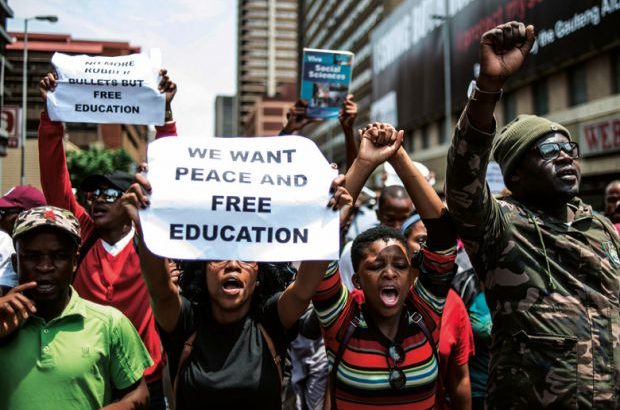
RESUMEN: Mientras los manifestantes estudiantiles de Sudáfrica están llamando a la educación superior universal y gratuita, si esto podría ser acordada por el gobierno del país es dudosa. Existe un reconocimiento generalizado de que la matrícula debe ser gratuita para las familias más pobres, pero, ya que el país sigue siendo agarrado por una crisis económica, los líderes del sector creen que la introducción de préstamos supeditados a los ingresos garantizados por el gobierno es una solución más viable para la mayoría. «La demanda es ‘educación superior gratuita ahora’; así ¿qué pasa con la salud, ¿qué pasa con la educación básica, ¿qué pasa con la vivienda, ¿qué pasa con los subsidios sociales? Estas son las conversaciones que tendrá que tener acerca de dónde es el lugar adecuado para la educación superior en eso «, dijo Wim de Villiers, rector de la Universidad de Stellenbosch. «Con la situación económica actual y la restricción financiera del gobierno está bajo, no puede prever que la educación superior gratuita podría ser una recomendación implementable.»
While South Africa’s student protesters are calling for universal free higher education, whether this could be afforded by the country’s government is doubtful.
There is widespread acknowledgement that tuition should be free for the poorest families but, as the country remains gripped by an economic crisis, sector leaders believe that the introduction of government-backed income-contingent loans is a more viable solution for the majority.
“The demand is ‘free higher education now’; well what about health, what about basic education, what about housing, what about social grants? These are the conversations we will need to have about where the right place is for higher education in that,” said Wim de Villiers, vice-chancellor of Stellenbosch University. “With the current economic climate and the financial restraint the government is under, I cannot foresee that free higher education could be an implementable recommendation.”
Many in South Africa argue that it is right that students who can afford to pay for their own university tuition should make a contribution. The question is, however, whether this would be acceptable to a protest movement that appears to retain the sympathy of students.
Martin Hall, emeritus professor in the University of Cape Town’s Graduate School of Business, highlighted that free higher education meant very different things to different people. Currently, fees in the country have to be paid up front and students with outstanding debts are unable to graduate. A graduate tax or income-contingent loan repayment system would be much more palatable, he suggested.
“There will always be students who won’t accept these solutions, but I think if there was a solution where there was a combination of bursaries and income-contingent loans, that would actually meet a very significant proportion of student demand to the extent that it could quieten the system down,” Professor Hall said.
The other question is whether a South African government, which too often seems unable to provide the solutions that the country needs, is actually capable of delivering such a system.
Belinda Bozzoli, the former deputy vice-chancellor (research) of the University of the Witwatersrand and the opposition Democratic Alliance’s shadow higher education minister, said that there were some in the ruling African National Congress who “don’t care a fig about universities”, although others were more understanding.
“What can be afforded by the government isn’t very big, and whether it is a priority for the state is not clear,” she said.
For those reasons many also see an important role for the private sector in South African student finance, perhaps providing the loans under direction from ministers.
Meanwhile, others believe that the current crisis should provide the impetus to rethink the funding of the country’s higher education system more fundamentally.
Cheryl de la Rey, vice-chancellor of the University of Pretoria, argued that some institutions should focus on undergraduate education, while others should be supported to maintain their excellence in research and postgraduate tuition.
“I see this as a defining moment for the future of higher education in South Africa,” she said. “I really think it is time for us to think about a national system that is differentiated.”
Fuente: https://www.timeshighereducation.com/news/sector-leaders-back-income-contingent-loans-south-africa
África/Malawi/29 Octubre 2016/Fuente:nyasatimes /Autor: Linda Likomwa
Resumen: La primera dama Dr. Gertrude Mutharika miércoles renovó su compromiso con la educación de niñas mediante la mejora de la nutrición entre ellos. Lo dijo en Lilongwe durante la inauguración de la segunda conferencia internacional de difusión de Alimentación y Nutrición de Investigación 2016.
First lady Dr Gertrude Mutharika Wednesday renewed her commitment to the girl child education by improving nutrition among them.
She said this in Lilongwe during the official opening of the second 2016 International Food and Nutrition Research dissemination conference.
«As I was listened to the presentation on how increased girl education is linked to improved nutrition indicators, I have more reasons to renew my commitment to the girl child education,» Mutharika said.
She explained that the burning zeal on the plight of the girl child by nutrition sector compliments with the global agenda in investing in the girl child.
The first lady added that Beatify Malawi (BEAM) Trust has goals of keeping girls in school which are similar to nutrition fraternity in the country.
Mutharika assured the nutrition fraternity in the country, that as a mother she is on their side and together they are a winning team in improving nutrition on a girl child.
She said she will help to accelerate access to quality community nutrition services and appealed to researchers, programmers, development partners and other stakeholders to go deeper in unearthing what needs to be done and how to do it so that the country can concentrate its limited resources on what could work best in the country’s context.
Minister of Heath, Dr Peter Kumpalume said the country’s economy depends on nutrition and the conference would help the heath sector to make right policies on nutrition.
He said this year’s conference is focusing on a girl child because the vast majority of the children born in this county are from adolescent girls who have no resources to provide good diet to themselves and their newborn babies.
Kumpalume added that poor nutrition result in stunted growth which causes low productivity among the affected group.
He assured the delegates that the research findings would be translated into policies and urged researchers in the country to train others so that nutrition they can carry on the job once they retire.
Associate Professor of Human Nutrition at Lilongwe University of Agriculture and Natural Resources (LUANAR) Alexander Kalimbira in his presentation said a lot of malnutrition occurs among adolescent girls.
He said there is a need to keep a girl child in school to reduce early marriages and pregnancies to improve the nutrition status of this country.
«Girls who have not attained education 43 per cent of them contribute to stunted growth among their child unlike those that attained education and their contribution is at 12 per cent and 34 per cent of girls that did not attain education fail to give their children minimum acceptable diet than those that attained which their contribution is 7 per cent,» Kalimbira explanied.
He added that nutrition has infect on health, education and productivity as 23 per cent of children die because of malnutrition and 59 per cent of death among children under the age of two are caused by malnutrition.
Kalimbira further said 18 per cent of children who repeat at school is due to under nutrition and stunted growth makes the production to be low.
He emphasized the need to place girls needs at heart, keep girls in school, protect them from early pregnancies and marriages and ensure food and nutrition security among them.
Kalimbira also said the first 1000 days have to be treated well to improve nutrition status of pregnant mothers and children before they reached the age of 2.
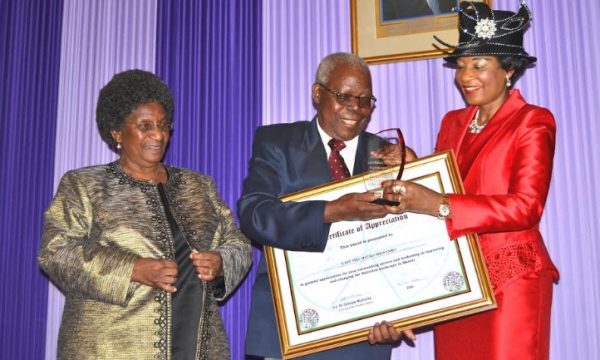
The conference is the second one and this year’s theme: «You are what you eat» and three women were awarded for contributing in improving nutrition status of the country. The awardees were late Matasi Mkwamba, Dr Mary Shawa and Dr Beatrice Mtimuni.
Prensa Foro Económico Mundial
El último Informe Global de la Brecha de Género del Foro Económico Mundial (World Economic Forum – WEF), con base en datos de 29 países, ha revelado que las mujeres trabajan unos 50 minutos más al día si se tiene en cuenta el trabajo remunerado y no remunerado. El informe estima que, al ritmo actual, la brecha económica entre sexos no se cerrará hasta dentro de 170 años.
La brecha global en ingresos y empleo entre hombres y mujeres es la mayor de los últimos ocho años, aunque se está cerrando en otros ámbitos como la educación. Estas son algunas conclusiones del Informe Global de la Brecha de Género del Foro Económico Mundial, el cual contiene un índice de brecha de género con datos de 142 países que, por octavo año consecutivo, encabeza Islandia como país más igualitario del mundo, según ha publicado la BBC en un artículo.
Según este mismo ranking:
Casi 250 millones de mujeres han entrado en la fuerza laboral global en la última década, y aunque los hombres hacen un 34% más de trabajo remunerado que las mujeres, éstas todavía pasan más tiempo haciendo trabajo doméstico. Teniendo este último dato en en cuenta, el Foro Económico Mundial (World Economic Forum – WEF) calcula que las mujeres trabajan más de un mes al año más que los hombres.
Para calcular esta cifra, los investigadores utilizaron datos de la Organización para la Cooperación y el Desarrollo Económicos (OCDE) de 2014 que muestran que, en 29 países, las mujeres trabajan de media 52 minutos más al día. El cálculo global de días adicionales trabajados al año lo hicieron tras estimar un promedio de duración de la jornada en esos países de 8,21 horas al día, incluyendo el trabajo remunerado y el no remunerado.
La gran mayoría del trabajo no remunerado es trabajo doméstico y cuidados de niños y personas mayores. La demografía, la renta y las expectativas sociales juegan un fuerte papel en la división del trabajo entre hombres y mujeres, según el informe.
Por otro lado, uno de los factores que influyen en la repartición de responsabilidades es el permiso por paternidad. Solo hay seis países donde los hombres trabajan más horas que las mujeres, y tres de ellos son países nórdicos en los que el permiso por paternidad se comparte de forma relativamente equitativa entre hombres y mujeres.
Algunos economistas sugieren que invertir en el sector de los trabajadores no remunerados que participan en la economía de los cuidados, la mayoría mujeres, contribuiría al desarrollo económico mundial.
La Confederación Internacional de Sindicatos estima que si el 2% del PIB de un país se invirtiera en el sector de los cuidados a las personas, el empleo aumentaría entre un 2,4% y un 6,1%, dependiendo del país. Esto implicaría la creación de casi 13 millones de nuevos puestos de trabajo en Estados Unidos, 3,5 millones en Japón y 1,5 millones en Reino Unido.
Fuente: http://www.equiposytalento.com/noticias/2016/10/28/la-desigualdad-economica-de-hombres-y-mujeres-desaparecera-en-el-ano-2186
Imagen tomada del archivo de fotos de OVE
África/Sudán del Sur/29 Octubre 2016/UNICEF
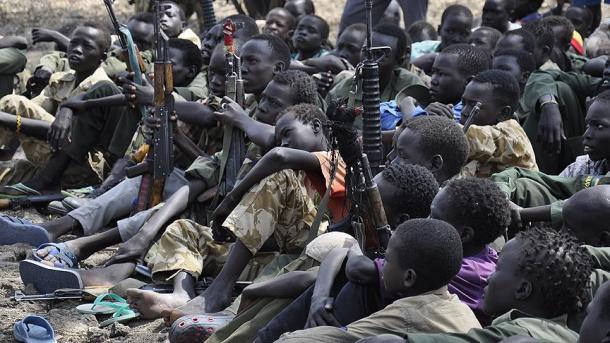
145 niños han sido liberados hoy de grupos armados en Sudán del Sur, según informa UNICEF. Es el segundo grupo más numeroso desde 2015, cuando 1.775 niños fueron liberados en el área administrativa del Gran Pibor.
“Nuestra esperanza es que la liberación de hoy preceda muchas otras, para que 16.000 niños que permanecen hoy en fuerzas y grupos armados puedan volver con sus familias”, afirmaba Mahimbo Mdoe, representante de UNICEF en Sudán del Sur.
Durante la liberación de la Facción Cobra y el SPLA-in Opposition (Sudan People’s Liberation Army in Opposition), los niños han sido oficialmente desarmados y se les ha entregado ropa de civil. Los niños han pasado además un examen médico y han sido registrados en un programa de reintegración.
A lo largo de los próximos meses recibirán asesoramiento y apoyo psicosocial y serán trasladados a un centro de atención temporal, hasta que sus familias sean localizadas. Una vez se produzca la reunificación, las familias recibirán un paquete de asistencia alimentaria básica para tres meses así como ganado para apoyar los ingresos del hogar durante el proceso de reintegración.
“Los niños en Sudán del Sur necesitan seguridad, protección y oportunidades”, dijo Mdoe. “Nuestra prioridad es que vuelvan al colegio y proporcionar servicios a las comunidades para que los niños puedan acceder a un futuro más prometedor”, dijo Mdoe.
“Con el conflicto actual por todo el país, UNICEF recibe constantemente informes sobre reclutamiento en estados como Unity y Jonglei, entre otros. Exigimos a todas las partes en conflicto que cumplan con el Derecho Internacional, detengan los reclutamientos y liberen a todos los niños que a día de hoy siguen en sus filas”.
Se estima que 16.000 niños han sido reclutados por fuerzas y grupos armados en Sudán del Sur desde los enfrentamientos que comenzaron en diciembre de 2013. Se estima que más de 800 niños han sido reclutados desde el comienzo de 2016.
UNICEF ha trabajado con la Comisión Nacional de Desarme, Desmovilización y Reintegración del Gobierno de Sudán del Sur para asegurar la liberación y reintegración de niños vinculados a fuerzas y grupos armados, y ofrecer a los niños oportunidades de educación y medios de vida. UNICEF necesita 4 millones de dólares adicionales (3,7 millones de euros) para poder seguir proporcionando los servicios para cubrir las necesidades de los niños liberados hoy y los que se espera sean liberados en el futuro.
Fuente: http://www.unicef.org/spanish/media/media_92960.html
África/Sudáfrica/29 Octubre 2016/Fuente: Prensa Latina
‘Si condenamos a los estudiantes desde lejos, sin ningún compromiso significativo, solo podemos endurecer sus actitudes’, expresó el juez, citado en medios locales.
El jefe de Justicia, quien participó anoche en Johannesburgo en la conferencia anual dedicada a Oliver Tambo, reconoció que las demandas de los manifestantes del movimiento #FeesMustFall son genuinas.
Ningún estudiante debe ser impedido de acceder a la educación superior solo porque sus padres no pueden pagar las tasas de matrícula, dijo Mogoeng.
Es hora de escuchar, acotó el magistrado al expresar su rechazo a la destrucción y daños a la infraestructura en las universidades. No queremos que se quemen las instituciones, subrayó.
Las máximas autoridades de Sudáfrica coinciden en lo legítimo de las protestas por el logro de una educación gratuita, pero desaprueban de forma enérgica la violencia que las acompañan.
Un reporte del canal SABC divulgó que al menos 25 estudiantes de la Universidad de Western Cape (UWC) comparecerán ante la Corte de Bellville este viernes en busca de una fianza.
Los implicados fueron acusados de violencia pública luego de los enfrentamientos con la policía en el campus hace más de una semana.
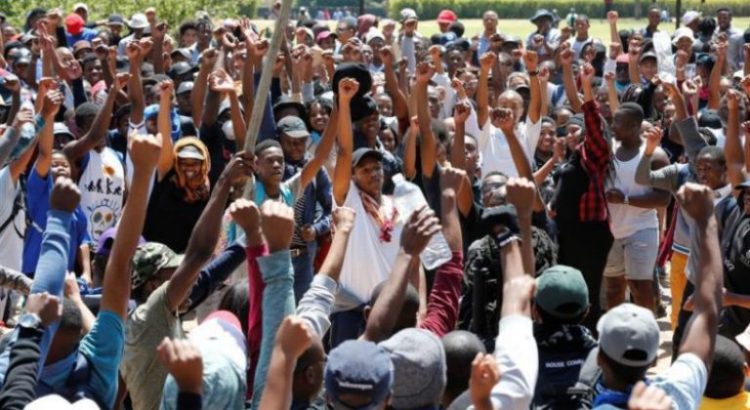
Las movilizaciones, que dejaron ya el saldo lamentable de dos muertes asociadas, comenzaron a partir del anuncio el 19 de septiembre del eventual incremento de las tasas de matrícula en las universidades públicas del país en 2017.
El ministro de Educación Superior, Blade Nzimande, puntualizó en aquel momento que el alza de los tributos sería hasta el tope de ocho por ciento y que era una responsabilidad individual de cada una de las instituciones decidirla.
Al mismo tiempo aclaró que de la medida se exceptuaban los jóvenes de familias menos favorecidas y que reciben ayuda del gobierno.
El gobernante partido Congreso Nacional Africano (ANC) reiteró en un comunicado su compromiso con lograr una educación gratuita y de calidad en un futuro no lejano, algo en lo que considera se han dado pasos.
Una generalización del movimiento #FeesMustFall, hizo que el presidente Jacob Zuma decretara el ‘cero aumento’ de las cuotas en 2016.
El ministro Nzimande considera que detrás de estas protestas hay, sin dudas, una agenda política.
África/Ghana/Octubre de 2016/Fuente: Ghana Web
RESUMEN: El Sr. Issifu Salifu Cantón, director ejecutivo de la Alianza para el Desarrollo de la Comunidad (CDA), ha dicho que la educación Senior High School (SHS) en el norte de Ghana se acerca a un nivel de crisis. Dijo que el calendario académico había sido tan afectado que un período de tres años de la educación ahora se había reducido a prácticamente dos años, lo que hace difícil para la enseñanza y el aprendizaje efectivo. El Sr. Issifu Salifu Cantón, quien hizo esto conocido en una conferencia de prensa en Wa, atribuyó la situación al retraso constante en la concesión de subvenciones de alimentación por los sucesivos gobiernos para cubrir los gastos de alimentación de los estudiantes de SHS en el Norte, Noreste y el Upper West Regiones.
Mr Issifu Salifu Kanton, Executive Director of Community Development Alliance (CDA), has said Senior High School (SHS) education in Northern Ghana is nearing a crisis level.
He said the academic calendar had been so badly affected that a three-year period of education had now been reduced to practically two years, making it difficult for effective teaching and learning.
Mr Issifu Salifu Kanton, who made this known at a press conference in Wa, attributed the situation to the consistent delay in the release of feeding grants by successive governments to cover the feeding expenses of SHS students in the Northern, Upper East and the Upper West Regions.
He said it was regrettable to note that since 1992 till date, payment of feeding grants to SHSs in the three regions has remained a challenge and posed one of the biggest threats to the delivery of quality education to the people from the affected regions”.
“As we speak, government has not released funds for the feeding of SHS students for the second and third terms of the 2015/16 academic year as well as the first term of the 2016/17 academic year periods”, he said.
Mr Kanton said the situation has compelled management of these schools to delay the admission of first year students as well as the re-opening of schools for the continuing students.
The NGO is, therefore, demanding that government release all outstanding claims of feeding fees and subsidies to all beneficiary schools within two weeks. It also demanded the immediate realignment of the academic calendar of the SHSs to enable students have at least three years of instructional period as envisaged by the policy blue print on SHS education.
In addition, it said, the progressive free scholarship scheme for the second and third terms of the 2015/16 academic year should be paid immediately to all beneficiary schools.
“We certainly have seen massive infrastructure improvement across board in SHSs. This in no doubt has increased access but the neglect of the soft issues has also negatively affected quality of education service delivery across the three regions,” Mr Kanton said.
Fuente: http://www.ghanaweb.com/GhanaHomePage/NewsArchive/Secondary-education-in-North-nearing-crisis-level-NGO-480873
Imagen de archivo