Page 12 of 49
1 10 11 12 13 14 49

La UNESCO y Suecia destacan la educación en sexualidad como catalizador del desarrollo

UNESCO – Suecia/ Fuente: https://es.unesco.org

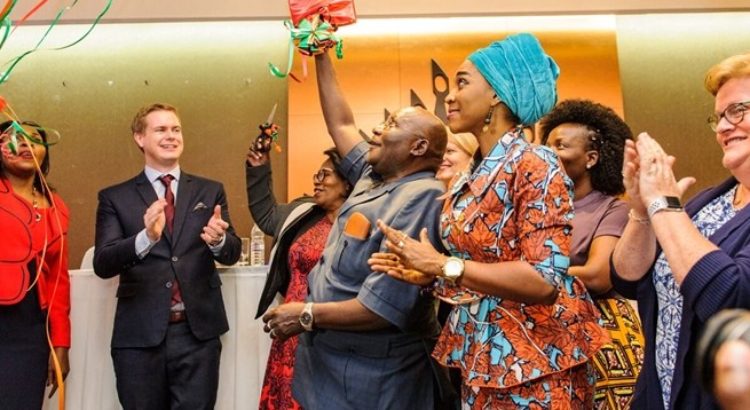
La UNESCO y Suecia se reunieron en el África subsahariana en el mes de enero para manifestar su compromiso en favor de la Educación Integral en Sexualidad (EIS), con miras a impulsar acciones en el ámbito regional para garantizar que todos los niños y jóvenes tengan acceso a una educación integral en sexualidad en el marco de sus programas educativos.

A los representantes de la UNESCO se sumó el Sr. Gustav Fridolin, Ministro de Educación de Suecia, quien efectuó una visita a Zambia y Sudáfrica durante la que sostuvo diálogos de alto nivel con los ministros y responsables políticos de los Gobiernos de Zambia, Zimbabwe, Ghana, Sudáfrica, Swazilandia y Côte d’Ivoire. El ministro sueco también participó en la presentación regional de la edición revisada de las Orientaciones técnicas internacionales sobre educación en sexualidad, que tienen por objeto brindar asistencia a los ministerios de educación, salud y otros ámbitos que participan en la elaboración y ejecución de programas y materiales relativos a la EIS.

Dichas Orientaciones, publicadas por la UNESCO en colaboración con el ONUSIDA, el Fondo de Población de las Naciones Unidas (FPNU), el Fondo de las Naciones Unidas para la Infancia (UNICEF), ONU Mujeres y la Organización Mundial de la Salud (OMS), propician el desarrollo de las actitudes, las capacidades y los conocimientos adaptados para cada edad que contribuyen a mejorar las relaciones, la salud y el bienestar, así como el respeto de los derechos humanos y la igualdad de género.

El ministro Fridolin afirmó que todos los jóvenes tienen derecho a la EIS. “Esto permite que se den pasos importantes en pos de la igualdad de género y, por consiguiente, significa una inversión en favor del desarrollo, la economía y la sociedad en su conjunto. La educación integral en sexualidad (EIS) de buena calidad no es una cuestión que atañe solamente a las niñas. Para promover el intercambio, la igualdad de responsabilidades y las actitudes saludables, tanto la salud sexual y reproductiva como los derechos y la educación integral en sexualidad tienen la misma importancia para los jóvenes como para los hombres, para las jóvenes como para las mujeres”.

El señor Ministro, conjuntamente con sus homólogos de la enseñanza primaria y de la enseñanza superior de Zambia, presentó también el programa de la UNESCO Our Rights, Our Lives, Our Future (O3) [Nuestros derechos, nuestras vidas, nuestro futuro – sólo en inglés]. El programa O3 velará por que los jóvenes y adolescentes de 30 países del África subsahariana tengan acceso a una educación integral en sexualidad.

La Sra. Patricia Machawira, asesora regional de la UNESCO para la salud y la educación, afirmó que gracias al programa O3 “vislumbramos para África subsahariana que los resultados positivos en materia de salud, educación e igualdad de género se vuelvan una realidad para niños y jóvenes”, antes de añadir que “los jóvenes reciben mensajes confusos y contradictorios acerca de las relaciones, el sexo y el género. De modo que, resulta vital que las escuelas proporcionen una educación basada en puntos de vista científicos que permita desarrollar las capacidades, las actitudes, las competencias y los conocimientos requeridos para lograr una transición saludable a la edad adulta. Los sectores educativos y gubernamentales del África subsahariana tienen la oportunidad y la imperiosa responsabilidad de ampliar los programas de educación sexual”.

La visita al África subsahariana hizo hincapié en la educación integral en sexualidad como catalizador para la consecución de los Objetivos de Desarrollo Sostenible (ODS) 3, 4 y 5, en materia de salud y bienestar, educación de calidad e igualdad de género.

Fuente de la Noticia:

https://es.unesco.org/news/unesco-y-suecia-destacan-educacion-sexualidad-como-catalizador-del-desarrollo

Comparte este contenido:

El Gobierno de Sudáfrica ultima un plan para dar educación universitaria gratuita a estudiantes pobres

Sudáfrica/22 de Enero de 2018/Europa Press

El ministro de Finanzas de Sudáfrica, Malusi Gigaba, ha anunciado este martes que el Gobierno planea ofrecer educación universitaria gratuita a los estudiantes más pobres del país.

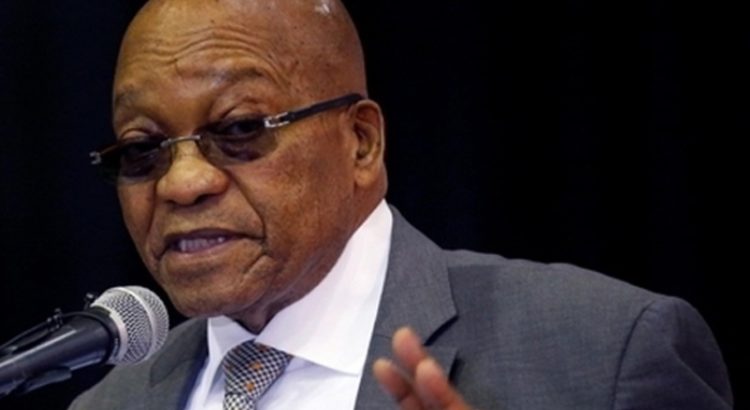
El presidente, Jacob Zuma, anunció el mes pasado que el Gobierno financiaría la formación académica de los jóvenes sudafricanos pero no dio detalles.

Gigaba ha explicado en declaraciones a la prensa desde Pretoria que el Gobierno ultima el plan financiero para hacer realidad la educación gratuita para los alumnos universitarios de las clases más humildes.

Sin embargo, un informe interno y el Ministerio de Hacienda indican que el plan no es factible a nivel económico porque ampliará el déficit presupuestario que arrastra el país desde hace años.

El Gobierno de Sudáfrica ultima un plan para dar educación universitaria gratuita a estudiantes pobres

Gigaba ha reconocido que Zuma está en una «posición difícil». «Tiene que decidir cómo gestionar el proceso e implementarlo de forma que sea sostenible, sin superar el techo de gasto público», ha señalado.

No obstante, ha justificado la medida esgrimiendo que, «si el presidente no hubiera actuado este año proporcionando algún tipo de financiación (a los estudiantes), se habrían producido protestas».

El Gobierno de Sudáfrica ultima un plan para dar educación universitaria gratuita a estudiantes pobres

Los estudiantes han protagonizado varias protestas desde 2015 en demanda de formación gratuita. El pasado mes de marzo llegaron hasta el palacio presidencial de Pretoria y arrancaron a Zuma esta promesa.

Fuente: http://www.europapress.es/internacional/noticia-gobierno-sudafrica-ultima-plan-dar-educacion-universitaria-gratuita-estudiantes-pobres-20180116225720.html

Comparte este contenido:

Felicitan a educandos sudafricanos por éxitos en exámenes.

África/Sudáfrica/09.01.2018/Autor y Fuente: http://www.prensa-latina.cu
El presidente Jacob Zuma felicitó hoy a los estudiantes de nivel medio superior que vencieron los exámenes nacionales certificados, que según informó el Departamento de Educación alcanzaron el más alto por ciento desde la instauración de la democracia en Sudáfrica en 1994.
Según la ministra de Educación Básica, Angie Motshekga, los resultados favorables llegaron al 75,1 por ciento, del 72,5 en 2016.

En su mensaje de congratulación, Zuma dijo que ese aumento refleja una mejoría desde la reconfiguración del sector educacional en dos departamentos separados, uno encargado de la educación básica y otro para altos estudios y capacitación

Esto demuestra que el gobierno está centrado en la educación por considerarla una prioridad ya que facilitará el avance social, agregó el mandatario, quien exhorto a los jóvenes que no lograron pasar las pruebas a no perder la esperanza porque existen numerosas oportunidades para alcanzar sus sueños.

La ministra Motshekga, por su parte, también felicitó a los educandos del curso 2017 por mantener el alza de aprobados en los últimos siete años, superior al 70 por ciento,

Precisó que el número de jóvenes que pasaron exitosamente el grado 12 para acceder a la educación superior fue de 401 mil 435.

El número de aspirantes registrados para las pruebas realizadas en noviembre alcanzó los 802 mil 431, que incluye 629 mil 155 estudiantes a tiempo completo y 173 mil 276 a media jornada. De ellos, los que lograron el título de Bachiller o Diploma son elegibles para acceder a las universidades.

Los restantes 86 mil 364 que recibieron certificados podrán continuar estudios en tecnolóigos y otros centros de entrenamiento, explicó la Ministra.

Los alumnos de las provincias de KwaZulu Natal, Gauteng, Cabo Occidental, Limpopo y Cabo Oriental, en ese orden, fueron los más exitosos, agregó.

Fuente: http://www.prensa-latina.cu/index.php?o=rn&id=142765&SEO=felicitan-a-educandos-sudafricanos-por-exitos-en-examenes

Imagen: http://www.prensa-latina.cu/images/2017/diciembre/05/jacob-zuma.jpg

Comparte este contenido:

South Africa: Nzimande on free higher education: ‘Where is the money going to come from?’

South Africa/ January 09, 2018/By: Derrick Spies/Source: https://www.news24.com

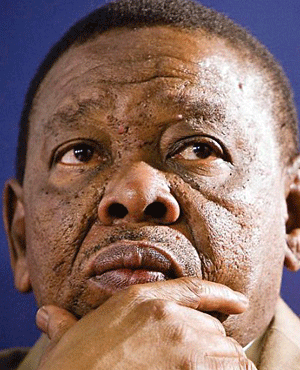
Soweto – SACP General Secretary Blade Nzimande has slammed President Jacob Zuma’s announcement of free tertiary education during his address at the Joe Slovo commemoration held at the Avalon Cemetery in Soweto on Saturday morning.

Nzimande, the former Minister of higher education who was in the spotlight during #FeesMustFall protests, said while the move was welcomed, there was no indication where the money would be coming from.

«It is very important the announcement made by Zuma must be clarified as a matter of urgency. If we don’t handle this correctly, a train is coming,» he said.

«Can we afford free Higher Education, as announced on the 16th of December, and at the same time have a nuclear deal? Can we do these things? Where is this money going to come from?» he asked.

«We want to say now as the SACP we are not going to allow the increase of VAT to fund this higher education, or allow fees to be taken from UIF or PIC to fund it,» he said,

Nzimande said to do so would essentially be saying the poor must fund their own children’s higher education.

He also questioned why the ANC had been quiet on the issue, saying there should be calls for registrations to be done in accordance with agreed upon, and not to allow the EFF’s opportunism to derail the issue.

«Higher education must be transformed and not destroyed,» he said.

Nzimande congratulated the class of 2017, but said it was also important that learners realise university was not the only option available to them.

«As a country we must reflect, are we not putting too much pressure on individuals? We must make sure we don’t put undue pressure on these young people,» he said.

Judicial Enquiry into State Capture urgent

Nzimande said the SACP’s position on the judicial enquiry into state capture was clear, and that the matter must be addressed as a matter of urgency.

«We want immediate decisive action to stop corruption and wide spread corporate state capture.
We are being kind in how we define state capture, it is actually treason,» he said.

Nzimande said Zuma’s appeal against the State Capture ruling compromised the integrity of the ANC.

«It is clear he is conflicted, you can’t appoint a commission to investigate yourself,» he said.

Nzimande said Zuma was only delaying the inevitable.

He also lambasted the alliance’s leadership for allowing themselves to reach a position where the judiciary was compelled to grant relief, when the leadershi could have taken action themselves.

«We are opening ourselves up for the judiciary to make decisions on our behalf,» he said.

There can’t be two centres of power

Earlier in the day, Cosatu General Secretary Bheki Ntshalintshali called for members to continue to support the ANC, but said that the newly elected ANC NEC had to look at how to implement the judicial commission of enquiry into state capture.

«There can’t be two centres power, there must be one president. President Zuma must step down,» he said.

ANC National Chairperson Gwede Mantashe, speaking before Nzimande, said there was a cult of personality developing within the ANC and this was killing the ANC and the movement.

«Once we start worshipping them, we can’t question them and they become bigger than the organisation,» he said.

Mantashe reiterated his call that the organisation must rid itself of corruption, saying that when this was done, they would realise that state capture was not a myth.

Calls for Zuma’s head will cause ANC to close rank

Mantashe said immediately after the election, there had been calls for Zuma to be replaced, referring to Archbishop Thabo Makgoba in particular.

Source:

https://www.news24.com/SouthAfrica/News/nzimande-on-free-higher-education-where-is-the-money-going-to-come-from-20180106

Comparte este contenido:

South Africa: Don’t attack EFF for demanding free education: Mcebo Dlamini

South Africa/January 09, 2018/Source: http://www.enca.com

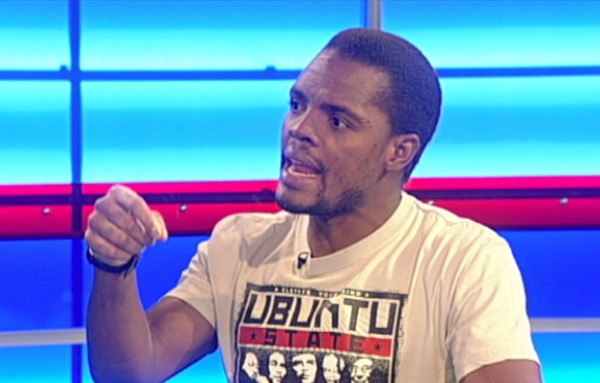
Fees Must Fall activist Mcebo Dlamini said government should not attack the Economic Freedom Fighters for calling on potential students to go to universities and demand free education.

Dlamini, a student activist who has been at the forefront of the battle against university fees said the free education issue should be handled politically.

«We have an obligation as a country and as students and as activist and assist our people at home. The call by the EFF is just a mere protest and it says to government work hard. I am taking it as activist. We need to handle it politically and not attack the EFF,» he said.

Dlamini’s remarks follow the EFF leader Julius Malema’s New Year message where he called on all qualifying students even those who did not apply last year to report to tertiary institutions and take advantage of free higher education.

Malema’s statement followed President Zuma’s announcement of free higher education for most South Africans in December.

However Universities South Africa said no university would allow walk-ins this year and Higher Education Minister Hlengiwe Mkhize accused Malema of making reckless statements.

Source:

http://www.enca.com/south-africa/dont-attack-eff-for-demanding-free-education-mcebo-dlamini

Comparte este contenido:

South Africa: Basic Education results show that the failing educational system is stuck in a rut

South Africa/ January 9, 2018/By: Freedom Front Plus/Source: https://southafricatoday.net

South Africa’s Basic Education system, with its lowered standards, is too inadequate to properly prepare learners for training after school and that puts a damper on the 2017 matric results that have just been announced, says adv Anton Alberts, FF Plus chairperson, and Dr Wynand Boshoff, FF Plus spokesperson on Basic Education.

Adv Alberts and Dr Boshoff would like to congratulate the successful learners on their results on behalf of the FF Plus and they urge those learners that did not succeed not to give up hope, but to do everything in their power to pass the matric exam.

According to adv Alberts and Dr Boshoff, there are three gaps in the system that are particularly disadvantageous to learners at present. They are:

The majority of learners enter the labour force with matric being their highest qualification, but career skills are not a priority.
Education is also increasingly being centralised to serve the ANC’s ideologies and that marginalises everyone that strive for better.
As opposed to the Gauteng Education Minister’s suggestion to centralise matric exams even more, the FF Plus proposes greater freedom of choice. It is recommended that schools receive a monetary grant from the state that they can use to either register with the Department of Basic Education or with one of the independent examinations boards (IEB of SACAI).

The Higher Education system is also failing Afrikaans-speaking matriculants, particularly from the Northern and Western Cape provinces, all the more. Instead of expanding Higher Education to include instruction in other indigenous languages, misdirected attempts at redress have seen Afrikaans being replaced by English.

• In 2011, Boshoff obtained a PhD in Curriculum Studies and Instructional Design.

Read the original article by Adv. Anton Alberts on Freedom Front Plus

Source:

Basic Education results show that the failing educational system is stuck in a rut

Comparte este contenido:

Africa: SA will have a fee-based, not ‘free’ education in 2018 – Universities SA

Africa/Enero de 2018/Fuente: News 24

Resumen:  Sudáfrica aún tendrá un sistema de educación terciaria basado en honorarios después de que el gobierno implemente su nuevo esquema de financiamiento, dijeron las Universidades de Sudáfrica (USAF).

En declaraciones a News24, el CEO de la USAF, Ahmed Bawa, explicó los aspectos prácticos sobre cómo se implementaría la «educación gratuita» luego de una reunión con el Departamento de Educación Superior y Capacitación el lunes.

Representantes de las 26 universidades del país estuvieron presentes en la reunión, que se realizó en las oficinas del departamento en Pretoria.

«Cada universidad aún establecerá sus propias tarifas, para ser aprobadas por el consejo de la institución, que luego será pagado por becas financiadas por el Departamento de Educación Superior», explicó Bawa.


South Africa will still have a fee-based tertiary education system after government implements its new funding scheme, Universities South Africa (USAF) said.

Speaking to News24, USAF CEO Ahmed Bawa explained the practicalities around how «free education» would be implemented following a meeting with the Department of Higher Education and Training on Monday.

Representatives from the country’s 26 universities were all present at the meeting, held at the department’s Pretoria offices.

«Each university will still set its own fees, to be approved by the institution’s council, which will then be paid by bursaries funded by the Department of Higher Education,» Bawa explained.

 «Unlike the previous NSFAS (National Student Financial Aid Scheme) loans scheme, the department’s bursaries will not be capped and will hence be differential to each university.»

Bawa said the higher education department would provide further details on its new funding scheme during the course of the week.

The department was not immediately available for comment.

‘Areas of concern’

Asked whether the new scheme would incentivise universities to charge exorbitant fees, Bawa said the department had announced plans to introduce a fees framework to cap future fee increases.

He also said the Economic Freedom Fighters’ Student Command’s threats of walk-in registrations had also been discussed at the meeting.

«USAF supports the call to help students further their studies – everyone does – but we urge that students do not resort to violence.»

Students can register on the Department of Higher Education and Training’s website for possible university placement if they did not register in 2017.

Bawa said while universities «have a better idea» of how the government’s fee plan would be implemented, «several areas of concern have been raised».

«There’s certainly a sense among all the universities and vice-chancellors to make it work.»

President Jacob Zuma announced «free education» for first years from households with a combined annual income of up to R350 000 in December – hours before the start of the ANC’s elective conference.

This will be phased over a five-year period and excludes post graduate students.

At the time, National Treasury said details of how «free education» would be funded would be provided in Finance Minister Malusi Gigaba’s budget speech in February.

Fuente: https://www.news24.com/SouthAfrica/News/sa-will-have-a-fee-based-not-free-education-in-2018-universities-sa-20180108

Comparte este contenido:
Page 12 of 49
1 10 11 12 13 14 49