Page 240 of 396
1 238 239 240 241 242 396

Película: Escuela del vicio

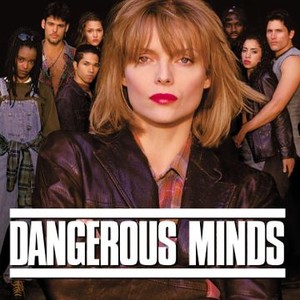
Dangerous Minds (Mentes peligrosas en España, La escuela del vicio en México) es una película dramática estadounidense de 1995 dirigida por John N. Smith y producida por Don Simpson y Jerry Bruckheimer. Se basa en la autobiografía My Posse Don’t Do Homework de la marine retirada LouAnne Johnson, que ocupaba un puesto de profesora en la escuela secundaria Carlmont en Belmont, California, en 1989, donde la mayoría de sus estudiantes eran adolescentes afroestadounidenses y latinos de East Palo Alto, una ciudad empobrecida, segregada racialmente y privada económicamente en el extremo opuesto del distrito escolar. Protagonizada por Michelle Pfeiffer como Johnson, la película se convirtió en un éxito de taquilla sorpresa en el verano de 1995, dando lugar a la creación de una serie de televisión de corta duración.

Argumento

LouAnne (Michelle Pfeiffer), una marine retirada, se postula para un trabajo de enseñanza en la escuela secundaria Parkmont en California, y se sorprende y complace en ser ofrecida la posición con efecto inmediato. Presentándose al día siguiente para iniciar la enseñanza, sin embargo, ella se encuentra confrontada con un aula de adolescentes difíciles y hoscos, todos de clase baja y desfavorecidos, que participan en guerras de pandillas y se niegan de plano a comprometerse con nada. Ellos acuñan inmediatamente el apodo de «pan blanco» para LouAnne, debido a su raza y aparente falta de autoridad, a lo que LouAnne responde regresando al día siguiente en una chaqueta de cuero y enseñándoles karate. Los estudiantes muestran algún interés en este tipo de actividades, pero vuelven inmediatamente a su comportamiento anterior cuando LouAnne trata de enseñar el plan de estudios.

Desesperada por llegar a los estudiantes, LouAnne prepara ejercicios de clase que enseñan principios similares a la obra prescrita, pero utilizando temas y lenguaje que atraen a los pícaros estudiantes. Ella también trata de motivarlos, dándoles todo un grado A desde el comienzo del año, argumentando que lo único que se requiere de ellos es que lo mantengan. Con el fin de introducirlos a la poesía, LouAnne utiliza la letra de «Mr. Tambourine Man» de Bob Dylan para enseñar simbolismo y metáfora; una vez que esto se logra, ella avanza a «Do not go gentle into that good night» de Dylan Thomas. LouAnne premia a los estudiantes abundantemente, utilizando barras de caramelo y un viaje a un parque de atracciones. Sus métodos atraen la ira de las autoridades escolares, George Grandey (Courtney B. Vance) y Carla Nichols (Robin Bartlett), que tratan de obligarla a permanecer dentro del plan de estudios.

Estudiantes particulares atraen la atención de LouAnne por sus problemas personales. Callie Roberts (Bruklin Harris) es una niña inusualmente brillante que sobresale en inglés, pero se retira de la escuela a mitad del semestre cuando ella queda embarazada. LouAnne la visita fuera del horario escolar para tratar de convencerla de continuar con la educación superior. Raúl Sanchero (Renoly Santiago) es un muchacho bien intencionado que participa con frecuencia en guerras de pandillas y delincuencia callejera. LouAnne intenta animarlo a enfocarse haciéndole una visita especial a su familia para felicitarlo por su trabajo, y de ir a cenar con él como una forma de infundirle confianza y autoestima. Emilio Ramírez (Wade Dominguez) es su proyecto personal más problemático, ya que él cree firmemente en un sentido del honor personal que le impide pedirle a ella ayuda. Cuando LouAnne descubre que su vida está en peligro debido a un rencilla personal que posee hacia él un matón recientemente liberado, ella trata de protegerlo, pero debido a la actitud fría del director, es abandonado en el momento crucial y es asesinado posteriormente.

Al final del año, LouAnne anuncia a la clase que no seguirá enseñando en la escuela, lo que promueve una muestra desenfrenada de emoción de los estudiantes que se niegan a dejarla ir. Conmovida, ella decide quedarse.

  • Michelle Pfeiffer como LouAnne Johnson
  • George Dzundza como Hal Griffith
  • Courtney B. Vance como George Grandey
  • Robin Bartlett como Carla Nichols
  • Beatrice Winde como Mary Benton
  • John Neville como Camarero
  • Lorraine Toussaint como Irene Roberts
  • Renoly Santiago como Raúl Sanchero
  • Wade Dominguez como Emilio Ramírez
  • Bruklin Harris como Callie Roberts
  • Marcello Thedford como Cornelius Bates
  • Karina Arroyave como Josy
  • Paula Garcés como Alvina
  • Ivan Sergei como Huero
  • Gaura Vani como Warlock (acreditado como Gaura Buchwald)
  • Camille Winbush como Tyeisha Roberts
  • Al Israel como Mr. Santiago

Producción

Dangerous Minds fue una de las últimas películas del productor Don Simpson. Andy García filmó escenas como el interés amoroso de Michelle Pfeiffer, pero estas fueron cortadas antes del estreno de la película.2 La escuela real a la que LouAnne Johnson enseñó, la secundaria Carlmont en Belmont, California, fue considerada como lugar de rodaje, pero la mayoría de filmación se completó en Burbank, California.

Recepción crítica

La película está clasificada en Rotten Tomatoes con un índice de aprobación positiva del 29% (con 11 de los 38 críticos dando críticas positivas). En Metacritic, la película mantiene una puntuación de 47 sobre 100, lo que indica comentarios mixtos a negativos.

Janet Maslin en el The New York Times escribió: «No hay muchas cosas que se verían mejor en papel que en Michelle Pfeiffer, pero el papel de LouAnne Johnson es uno de ellos… Películas falsas y condescendientes en este género no son nada nuevo, pero Dangerous Minds apisona su camino frente a algún talento real. La Sra. Pfeiffer es una mucho mejor actriz que lo que este personaje unidimensional le permite ser… No importan las quejas que se podrían hacer sobre los métodos de enseñanza de LouAnne: ella premia a estudiantes con sobornos, coquetea con condescendencia e inflige un castigo cruel e inusual al analizar el subtexto de «Mr. Tambourine Man»… Los niños resultan ser ángeles, directamente desde el centro de la fundición… Las actuaciones son tan realistas como el material permite, pero el guion de Ronald Bass no comercia fuertemente en sorpresas».

Kenneth Turan en el diario Los Angeles Times escribió: «Mientras que las películas son admiradas por hacer fantasía realidad, algunos logran un revés, una especie de alquimia no deseada, convirtiendo realidad participativa en un sinsentido. Es ese tipo de transformación lamentable que Dangerous Minds logra… nada de ella, con la excepción de la actuación de Pfeiffer, parece vagamente real. Esto es especialmente cierto de los eventos climáticos excesivamente melodramáticos de la película, una tragedia falsa que no ocurre en el libro y tiene artificio escrito por todas partes… Teniendo en cuenta cuán pocas son las oportunidades para que mujeres lleven una película, y con la oportunidad de ser un modelo positivo arrojado en la negociación, no es sorprendente encontrar a Pfeiffer protagonizando Dangerous Minds, y ella es tan creíble como la película le permite ser. Pero si esta trivialización de materia participativa es la mejor una estrella de sus considerables habilidades puede aferrarse, las actrices de hoy en día lo tienen peor de lo que hemos imaginado».

Roger Ebert en el Chicago Sun-Times escribió: «Hemos visto esta historia básica antes, en Stand and Deliver, Lean on Me, Teachers, Dead Poets Society, etc. Esta versión es menos convincente… Pfeiffer, que es una buena actriz, hace con este material lo que puede… La verdadera señorita Johnson no utilizó [Bob] Dylan, sino las letras de canciones de rap para tener a la clase interesada en la poesía… Lo que ha ocurrido en la transición del libro a la película del libro de LouAnne Johnson es revelador. La película pretende mostrar pobres chicos negros siendo sobornados hacia alfabetización por Dylan y barras de caramelo, pero en realidad es el público blanco el que está siendo sobornado con caramelo mental en la forma de las palabras de los dos Dylan. ¿Cuáles son las posibilidades de que esta película podría haber sido hechas con Michelle Pfeiffer enganchando a los niños en la letra de Ice Cube o Snoop Doggy Dogg?».

Terrence Rafferty en The New Yorker escribió: «Gracias a la actuación inventiva de Pfeiffer, la película de John N. Smith hace un trabajo bastante entretenido de capturar la astucia inescrupulosa, como de guerrilla de un buen maestro en una mala escuela. Pero la dramaturgia del corte a la iluminación del guion de Ronald Bass se siente desesperado y falso, y en las escenas finales de la película se pone tan pegajosa como To Sir With Love. Se canoniza la heroína innecesariamente: Pfeiffer se ve muy bien sin un halo».

Peter Travers de Rolling Stone escribió: «El joven y en su mayoría desconocido reparto es excepcional y Pfeiffer da una actuación divertida, rudimentaria que te hace sentir el fuego de una profesora comprometido con hacer una diferencia. La película también cuenta con el toque astuto de Elaine May, quien colaboró con Ronald Bass (Rain Man) en esta adaptación cinematográfica las memorias de Johnson de 1992, My Posse Don’t Do Homework… Tal vez los productores Don Simpson y Jerry Bruckheimer (Bad Boys, Crimson Tide) no saben cómo dejar que un personaje femenino fuerte lleve la pelota. Dangerous Minds a menudo se desarrolla como una actualización débilmente sentimental de To Sir With Love de Sidney Poitier. Aun así, en un verano, cuando la mayoría de las mujeres se ven obligadas a hacerse las tontas para emocionar o matar, Pfeiffer se hace a sí misma y a su especie en peligro orgullosa».

Kevin McManus en el The Washington Post escribió: «Por desgracia, Dangerous Minds, que cuenta la historia de una maestra [de] tal [carisma], merita sólo una C. Y si no fuera por Michelle Pfeiffer, seguramente estaríamos viendo un grado más triste… el escritor Ronald Bass rocía el guion con líneas sacarinas que suenan simplemente tontas proveniendo de estudiantes de secundaria. «Pero no nos puede dejar», se queja un chico cuando Pfeiffer decide renunciar. «Eres nuestra Tambourine Man!»… Pfeiffer y los estudiantes (interpretados por desconocidos talentosos) hacen secciones de la película agradables de observar. Cuando sus bromas vuelan de ida y vuelta en clase, suena bien. Cuando secuencias representan pasillos de la escuela y las calles de la ciudad, se ve bien. Si sólo los cineastas habían utilizado alguna sutileza para contar la historia, podrían haber hecho bien a la verdadera LouAnne Johnson».

Edward Guthmann en el San Francisco Chronicle escribió: «Es artificial, es cursi, pero Dangerous Minds, un vehículo de Michelle Pfeiffer, funciona sorprendentemente bien… Ella juega con una bolsa de clichés, pero ella es tan valiente y simpática, te pasas por alto el sinsentido».

La revista Time Out escribió: «En realidad es una bastante respetable pieza de trabajo, con una impresiva actuación de amor duro de Pfeiffer, pero el guion trillado de Ronald Bass es todo zanahoria y ningún palo»

Para ver la película, haga clic aquí:

https://www.youtube.com/watch?v=8I2fCktDL_Q

Fuente de la Reseña:

https://es.wikipedia.org/wiki/Dangerous_Minds

Comparte este contenido:

Do You Qualify for Education Tax Breaks in 2017?

By Matthew Frankel

Admittedly, higher education costs have risen tremendously over the past few decades, to a point where fewer and fewer people would use the words «college» and «affordable» in the same sentence. However, there are several tax breaks for education that are designed to take some of this burden off the shoulders of American families. Here’s an overview of the tax breaks you might be able to qualify for both during and after your higher education career and the requirements for each.

3 tax breaks for tuition

If you’ve paid tuition in 2017, or are planning to do so, there are three possible tax breaks you may be able to qualify for. Two are tax credits, which reduce your overall tax bill dollar-for-dollar, and one is a deduction. In order of most valuable to least, here are the three tax breaks for paying tuition, and a discussion of the requirements to qualify for each one.

1. The American Opportunity Tax Credit

While the American Opportunity Tax Credit is the most valuable of these three tax breaks, it’s also the toughest to qualify for. If you can get it, the credit is worth as much as $2,500 a year per student for up to four years.

In order to take the credit, the student must be enrolled in a degree or certificate program and must be taking classes on at least a half-time basis and have no felony drug convictions. Additionally, the credit can only be applied to the first four years of postsecondary education. If a student has already completed four years of college, he or she is no longer eligible, regardless of whether the credit was used for those four years.

Finally, the credit phases out above modified adjusted gross income Opens a New Window. (MAGI) of $80,000 for single taxpayers and $160,000 for married couples filing jointly and disappears completely above MAGI thresholds of $90,000 and $180,000, respectively.

If you meet the strict requirements, the American Opportunity Tax Credit is worth 100% of the first $2,000 of qualifying education expenses and 25% of the next $2,000. Effectively, if you pay $4,000 or more in tuition and other qualifying expenses, the government will give $2,500 of it back.

2. The Lifetime Learning Credit

The Lifetime Learning Credit is designed for low- to middle-income taxpayers who paid qualifying education expenses but cannot meet the requirements of the American Opportunity Tax Credit.

Unlike the American Opportunity Tax Credit, the Lifetime Learning Credit does not require the student to be pursuing a degree, attending classes at least half-time, or are within the first four years of higher education. In other words, you can take a single college course just because you felt like it and claim the Lifetime Learning Credit. However, the MAGI phase-out thresholds are significantly lower, at $55,000-$65,000 (single) and $110,000-$130,000 (married filing jointly).

If you qualify, the credit is worth 20% of up to $10,000 in qualified tuition expenses per year. Another important distinction is that this limit is per return, not per student. The maximum credit of $2,000 isn’t that much different from the American Opportunity Tax Credit, but you’ll have to spend more to get the full amount.

3. The Tuition and Fees Deduction

Finally, there is a deduction for tuition and fees, which is generally used by taxpayers who would otherwise qualify for the Lifetime Learning Credit but whose incomes are too high. The deduction has significantly higher phase-out thresholds than the Lifetime Learning Credit, at $65,000-$80,000 (single) and $130,000-$160,000 (married filing jointly).

The deduction allows you to exclude up to $4,000 in qualifying tuition and fee expenses from your income, so the maximum benefit depends on your tax bracket. If you’re in the 25% marginal tax bracket, for example, this translates to up to $1,000 less in tax liability. Also keep in mind that this is an above-the-line tax deduction, meaning that you can take it even if you don’t itemize.

It’s important to mention that for all of these tax breaks, the IRS wants you to use the amount you paid during the calendar year, not the amounts billed by the school. Specifically, if your classes start during the first three months of 2018, but you pay the bill in 2017, you can use this to figure your 2017 tax breaks.

A tax break for student loan borrowers

Once you’re done attending school, if you find yourself with a bunch of student loan debt, there’s another tax break designed to make the burden of repaying them just a little easier.

The student loan interest deduction Opens a New Window. allows you to deduct the actual amount of interest you paid on your qualified student loans, up to $2,500. Like the tuition and fees deduction, this is an above-the-line deduction, so you can take it regardless of whether you itemize or not.

For the purposes of this deduction, your student loan qualifies if it was taken out for the sole purpose of paying for qualified higher education expenses within a reasonable time frame after the loan was taken out.

The deduction has the same MAGI phase-out thresholds as the tuition and fees deduction, of $65,000-$80,000 for singles and $130,000-$160,000 for married joint filers.

College is expensive, but these tax breaks can help

The bottom line is that while higher education can be extremely expensive, these tax breaks can certainly make it more affordable.

For example, the average cost of tuition and fees at an in-state university is $9,650 as of the 2016-2017 school year. Thanks to the American Opportunity Tax Credit, the average person paying in-state tuition can get 26% of this cost back for four years.

Personally, I’m currently taking classes to obtain my CFP (Certified Financial Planner) certification, and plan to take advantage of one of the other two tuition tax breaks this year. And since I have more than a couple of student loans between my undergraduate and graduate degrees, I plan to deduct my student loan interest as well.

The point is that when you’re planning the cost of higher education, be sure to know the tax benefits you can expect to qualify for, as they could put thousands of dollars back in your pocket.

The $16,122 Social Security bonus most retirees completely overlook
If you’re like most Americans, you’re a few years (or more) behind on your retirement savings. But a handful of little-known «Social Security secrets» could help ensure a boost in your retirement income. For example: one easy trick could pay you as much as $16,122 more… each year! Once you learn how to maximize your Social Security benefits, we think you could retire confidently with the peace of mind we’re all after.

Source:

http://www.foxbusiness.com/markets/2017/04/30/do-qualify-for-education-tax-breaks-in-2017.html

Comparte este contenido:

EEUU: Una madre critica la tarea y provoca debate

América del Norte/EEUU/ObservatorioItesm.mx

La escritora Bunmi Laditan inició un debate en redes sociales después de publicar un correo que escribió a los profesores de su hija diciéndoles que la chica no haría la tarea.

En el post de Facebook, Laditan explica que a su hija le encanta aprender, leer y programar, pero el estrés por la tarea la ha rebasado a tal punto que ha afectado su salud.

Señala que la niña está en la escuela de 8:15 AM a 4:00 PM y, cuando llega a casa, tiene que dedicar 2 o 3 horas más a terminar su tarea.

Esto, dice la mujer, no le deja tiempo para jugar, relajarse o participar en actividades familiares.

«¿El tiempo familiar no es importante? ¿El tiempo dedicado a ser niño o relajarse en casa no es importante? ¿Los niños deben volverse adictos al trabajo a los 10 años? »

Luego, Laditan menciona el caso de Finlandia, donde la tarea está prohibida y los estudiantes obtienen altas calificaciones en pruebas internacionales.

El post ha generado miles de comentarios. Algunos padres están de acuerdo en que los estudiantes deben tener tiempo para relajarse, y varios maestros han compartido su experiencia al prohibir la tarea, muchas veces obteniendo mejores calificaciones.

Sin embargo, algunas personas señalan que si los padres no motivan a sus hijos a poner su máximo esfuerzo en la escuela, los chicos podrían quedarse atrás.

Fuente: https://observatorio.itesm.mx/edu-news/2017/4/28/una-madre-critica-la-tarea-y-provoca-debate

Comparte este contenido:

¿Y usted, fue a manifestar los sábados de ir broncearse en el 2015?

Ilka Oliva Corado @ilkaolivacorado contacto@cronicasdeunainquilina.com
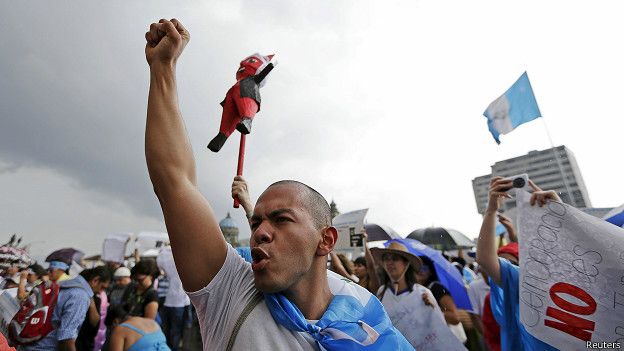
Le pregunto a usted guatemalteco de doble moral, ¿fue a manifestar los sábados de ir a broncearse? ¿Apoyó las manifestaciones masivas, en las plazas en el 2015? ¿Fue de los que se devanaba y lanzaba bocanadas para que le tomaran la foto del recuerdo? ¿Usted sintió cólera e indignación, que lo hicieron ir a manifestar? ¿Usted fue de los que gritaban que con su generación se habían equivocado? ¿Usted era de los que gritaban que landivarianos y sancarlistas eran pueblo? ¡Pero patadas en el culo!
 
¿Fue usted uno de los que apoyó el llamado a paro general en los últimos días de las manifestaciones? ¿Usted, guatemalteco de doble moral, acaso llevó carteles, banderas, panderetas, redoblantes, sartenes, chinchines y cuanto cachivache para llamar la atención en las manifestaciones? ¿Fue usted de los que se paraba catrín por si de guasa salía en una de las tantas fotos que fueron publicadas en los medios de comunicación y sentirse héroe por un día?
 
¿Fue usted uno de los que hizo uso de las redes sociales y se convirtió en reportero instantáneo para que el mundo supiera lo que estaba pasando en Guatemala? ¿Fue usted un guatemalteco viviendo en el extranjero, uniéndose a las muestras de repudio y apoyando las manifestaciones? ¿Usted levitó cuando se unieron parias, campesinos, clasemedieros y burgueses en las manifestaciones de los sábados de ir a broncearse? Dijo, ¡hoy sí, Guatemala está unida!
 
¿Era usted uno de los que gritaba o se sentía orgulloso cuando otros asoleados gritaban ser los nietos de Árbenz? ¿Cuándo gritaban que eran la revolución? ¿Usted, guatemalteco de doble moral, tiene su foto del recuerdo de aquellos días de sábados de ir a broncearse? ¿Y se sintió poderoso, sintió que el pueblo tenía el poder y podía cambiar el sistema? O sea, ¿se sintió usted pueblo en ese momento?
 
¿Usted fue uno de los que apoyó que le dieran baje a los corruptos del gobierno pero dijo no a la Asamblea Nacional Constituyente que exigían los Pueblos Originarios? ¿Usted se perfumó y se fue a manifestar pero se alejó de los parias porque la cosa era juntos pero no revueltos? ¿Usted fue uno de los descarados que fue a exigir un alto a la injusticia pero aprovechó a que un niño lustrador le lustrara los zapatos entre la multitud? ¿Usted es de los tibios que jampones dijo, pues sí, si es sábado sí, de ahí nos vamos a comer ceviche? ¿Usted es de los tibios que no tuvo las agallas para manifestar entre semana y realizar paros generales y tapar las calles y ponerle el pecho a los pijazos que vinieran?
 
Bueno, si no tuvo las agallas y participó de la bullaranga de los sábados de ir a broncearse, ¿con qué autoridad moral señala a los alumnos de las escuelas e institutos públicos que sí tienen el valor de salir y tapar las calles y ponerle el pecho a los pijazos? ¿Por qué los señala como delincuentes? ¿Porque no son catrines como usted? ¿Porque brincos diera usted de tener esos arrestos? ¿No es acaso delincuente por añadidura quien solapa con su silencio la corrupción y el abuso? ¿No es acaso una plasta quien viendo que abusan a otros voltea la cara y finge no ver?
 
Si usted es de quienes se perfumó y se fue a manifestar los sábados de ir a broncearse, ¿por qué llama delincuentes a los alumnos que lo hicieron entre semana, si tuvieron más agallas que usted y que los miles que lo acompañaron? ¿Es eso acaso, no soporta que esos adolescentes parias, marginados, tengan las agallas que a usted y a su banda le hacen falta? ¿Es por eso que los llama huevones, delincuentes? ¿De la misma forma en que llamó huevones y delincuentes a los estudiantes y docentes de magisterio cuando pelearon por sus derechos manifestando en las calles, entre semana, cuando el Ministerio de Educación los ensambló?
 
¿Qué hubiera pasado si en las manifestaciones del 2015, hubieran sido embestidos por un automóvil, o una panel blanca o un tráiler o camión? ¿Hubieran dicho que era un conductor anónimo, acelerado por no soportar que le taparan el paso? ¿Se hubieran creído el cuento de que aquello fue solo un conductor molesto? ¿Qué hubieran hecho? ¿Se hubieran dedicado a llamar delincuentes a los atropellados? ¿Hubieran denunciado el intento de asesinato en las redes sociales, en los medios de comunicación, hubieran gritado fuerte para que el mundo se enterara? ¿Entonces porque qué están culpando a los alumnos?
 
Si usted en el 2015, sintió cólera por el abuso y el descaro de los gobernantes, si decidió ir a llenar las plazas del país, echarse bronceador, ponerse ropa cómoda e ir a gritar improperios como si estuviera en el estadio viendo un juego de fútbol y aprovechar para tomarse la foto del recuerdo, por si las moscas, quedar como héroe para las generaciones posteriores en su familia, ¿con qué moral insulta y señala a los estudiantes de las escuelas e institutos públicos que también sienten cólera por la injusticia que viven y salen a manifestar?
 
La forma en que ellos lo hicieron es la correcta y la legítima, tapando las calles, ¿acaso ustedes no llamaron a paro general y a paralizar el país? ¿Cuál es la diferencia entre ustedes y ellos? Yo se las voy a decir, ustedes son descarados y aprovechados, y ellos llevan la dignidad en la sangre, en su origen por eso levantan la cara y le ponen el pecho a la injusticia. Mientras ustedes recularon votando por Jimmy Morales y la mafia gubernamental, ellos están saliendo a las calles, entre semana, como debieron hacerlo ustedes. ¿Quién es el delincuente entonces?
 
Si usted por clasemediero, remedo de clasemediero, por burgués o remedo de burgués, cree que es mejor que los estudiantes de las escuelas e institutos públicos, porque ellos son parias, déjeme decirle que está equivocadísimo, se lo majearon, porque usted es un simple mediocre, solapador de corruptos, de abusadores, de atracadores, es tan culpable como ellos de que Guatemala esté podrida.
 
Ya quisieran ustedes, tener un poquito de las agallas de los parias y de los Pueblos Originarios. Qué va, lo único que tienen es bronceador para los sábados de las manifestaciones de los tibios.
 
Y por si queda duda, este texto lo escribió una maestra de Educación Física, egresada de la Escuela Normal de Educación Física, soy producto de la educación pública y no permito que nadie me llame delincuente por mi origen o por haber estudiado en escuela pública.
 
 
Comparte este contenido:

Entrevista: El Segundo Mercado más Grande de EU

Vito Alessio Álvarez Rodríguez

ENTREVISTADOR: Agradecemos a David Brooks, periodista canadiense-estadounidense, columnista especializado en política y cultura, que escribe para The New York Times y en The Washington Times, que nos haya aceptado la invitación formulada por estos Diálogos, para entrevistarlo sobre un tema que la prensa estadounidense había guardado celosamente, sin ninguna mención al respecto. La gran disputa nacional en torno a la educación pública. Por lo que la primera pregunta que le formulo es: ¿Por qué de pronto la educación pública se ha vuelto un nuevo “mercado”, apetecido por los sectores más ricos de los Estados Unidos?
DAVID BROOKS: Mire usted, en primer lugar quiero agradecerle su atenta invitación para tratar un tema educativo, que determinará el futuro de nuestra democracia. “La educación como Negocio”. Entrando en materia, puedo contestar su pregunta, señalando que las reformas educativas impulsadas a lo largo de la última década en Estados Unidos, han resultado muy por debajo de los prometidos y han originado cada vez más dudas en la opinión pública, amén de la creciente ira entre maestros, estudiantes y padres de familia, por sus propósitos ya que se basan en visiones empresariales, formuladas por algunas de las personas más ricas del país.
ENTREVISTADOR: ¿Cuál es su opinión respecto a las razones por la cuales los empresarios más poderosos de su país inesperadamente se hayan interesado por la educación?
DAVID BROOKS: Durante los ocho años del gobierno de Barack Obama se han impulsados a escala federal “Reformas” centradas en sistemas de evaluación de maestros y escuelas, con base en exámenes estandarizados de sus estudiantes, junto con la introducción de guías de instrucción que obligan a maestros a cumplir con requisitos que pueden ser evaluados en cada aspecto de su labor, la introducción de escuelas chárter, que son financiadas públicamente pero administradas por intereses privados, y programas de capacitación para nuevos maestros entrenados específicamente para ser soldados en este nuevo régimen.
ENTREVISTADOR: ¿A quién se le responsabiliza según los empresarios, como únicos causantes del problema educativo?
DAVID BROOKS: Mientras tanto, al promover estas reformas, se acusa que las fallas del sistema público son responsabilidad casi exclusiva de los sindicatos del magisterio, que protegen a maestros mediocres, evitan evaluación objetiva de la labor de su membresía y defienden el statu quo del sistema educativo.
El presidente Obama; su actual secretario de Educación, Arne Duncan; el alcalde (y hombre más rico de Nueva York) Michael Bloomberg y el alcalde de Chicago, Rahm Emanuel, entre otros, prometieron elevar el nivel educativo comprobado por calificaciones en los exámenes y por la aportación de las escuelas chárter.
ENTREVISTADOR: ¿Después de una década, se han cumplido las promesas de la clase empresarial de mejorar la educación en E.U.?
DAVID BROOKS: Con base en investigaciones de instituciones como la Universidad de Stanford, junto con las calificaciones casi nada de lo prometido se ha logrado. En 2009, esa casa de estudios concluyó que sólo 17 por ciento de las llamadas escuelas chárter ofrecían un mejor nivel de educación que las escuelas públicas tradicionales, pero 37 por ciento ofrecían peores resultados que las tradicionales, 46 por ciento eran iguales que las tradicionales; sólo una de cada cinco logra obtener los resultados que promete.
A pesar de la evidencia empírica de que esto no ha logrado los propósitos que ellos mismos anunciaron, los políticos han insistido en promover sus reformas. Ante la creciente presión sobre maestros y administradores para cumplir con los requisitos, se han multiplicado los engaños, la manipulación de datos y fraudes en diversas burocracias de la educación pública a escalas local y estatal, desde jefes de educación en Washington DC, como en distritos escolares de Atlanta, hasta la manipulación de resultados de exámenes por el gobierno de Bloomberg en Nueva York.
ENTREVISTADOR: ¿Ante esas evidencias el gobierno ha hecho algo para corregir el rumbo de la educación?
DAVID BROOKS: Al contrario, se continúa devastando partes enteras del sistema de educación pública, mientras se va ampliando la presencia de escuelas semiprivadas (las chárter). Sólo la semana pasada se anunció el despido de mil maestros más en Chicago, y planes para cerrar 50 escuelas públicas; decenas de escuelas se están cerrando en Filadelfia y otras ciudades. Pero en cada una se inauguran más escuelas chárter, las cuales no tienen qué contratar a personal sindicalizado y pueden aceptar fondos del sector privado.
Un programa fundado hace 24 años con el propósito de atraer a más jóvenes a la profesión de educación pública y enviarlos a sectores más necesitados, Teach for America (TFA), impulsado por el gobierno federal y financiado por algunas de las fundaciones más grandes del país, se ha transformado en la última década para capacitar a maestros entrenados explícitamente para las nuevas escuelas chárter y el modelo empresarial para la educación pública.
En sesiones de cinco semanas, se pretende capacitar a recién egresados de universidades que son colocados en escuelas necesitadas. A cambio de capacitación gratuita y empleo, los participantes se comprometen a trabajar en la escuela que se les asigna durante dos años. El programa, junto con otros asociados, promueve el movimiento para la clausura de escuelas fracasadas, la ampliación de escuelas chárter y vincular el empleo a las calificaciones de sus estudiantes en los exámenes estandarizados, reporta la revista sobre política y sociedad “American Prospect”.

Fuente de la Entrevista:

http://www.laverdad.com.mx/nota/268397/el-segundo-mercado-ms-grande-de-eu/

Comparte este contenido:

El mapa que usan las escuelas públicas de Boston «para terminar con más de 400 años de una visión colonialista» del mundo

ECO Portal

600 colegios públicos de Boston recibieron planisferios mundiales con la proyección de Gall-Peters, donde Europa aparece mucho más pequeña de lo que se veía antes, en comparación con África, que se ve mucho más grande. La intención de este cambio busca promover una mirada decolonial en el aprendizaje de la geografía.

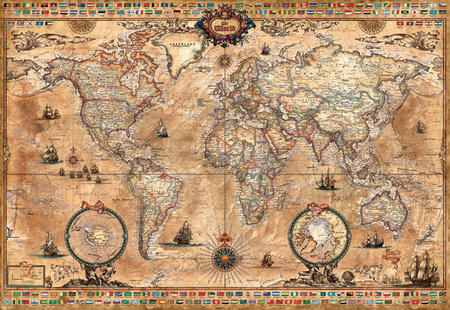
as representaciones del mundo que se utilizan actualmente se basan en la proyección elaborada por el cartógrafo flamenco Gerardo Mercator en 1569 para los navegantes de la época.

Sus gráficos respetan la forma de los continentes, pero no los tamaños. En ellos, Europa y América del Norte se ven más grandes de lo que son, y Alaska se ve más extensa que México, pese a que no lo es.

Uno de los errores más notorios es que África aparece más pequeña de lo que en realidad es, pese a que triplica en extensión a América del Norte y es 14 veces más grande que Groenlandia.

Pero ahora, algunas aulas de las escuelas públicas de Boston (Massachusetts), en el noreste de Estados Unidos, empezarán a usar el mapa Gall Peters.

Esta proyección recibe los apellidos de James Gall, escocés aficionado a la astronomía, que la delineó por primera vez en 1855, y del historiador alemán Arno Peters, que la difundió en la década de 1970.

El mapa Gall Peters muestra el tamaño y proporción de los países, continentes y océanos de manera más precisa:

La semana pasada, unos 600 colegios públicos de Boston recibieron estos mapas, según informó el periódico The Boston Globe.

En ellos, Europa aparece mucho más pequeña de lo que se veía antes, en comparación con África, que se ve mucho más grande.

Derechos de autor de la imagenGETTY IMAGESImage captionGerardo Mercator diseñó un mapa para navegantes, en 1569.

Continentes distorsionados

Uno de los motivos de las distorsiones cartográficas es la dificultad de proyectar una esfera como la Tierra -de tres dimensiones- en una superficie plana -de dos dimensiones- como la de un mapa.

Pero para los geógrafos, detrás de los errores de Mercator hay también otra razón.

El tradicional mapa de Mercator muestra a Groenlandia tan grande como África.

«La mayoría de los primeromapas del mundo fueron creados por europeos del norte», dijo Vernon Domingo, profesor de geografía de la Universidad Estatal de Bridgewater y miembro de la Alianza Geográfica de Massachusetts, en declaraciones recogidas por The Boston Globe.

«Tenían la perspectiva del hemisferio norte, pero también una perspectiva colonialista».

Descolonizar el plan de estudios

El cambio de mapas responde al deseo de Boston de «descolonizar el plan de estudios», dijo al mismo medio Colin Rose, superintendente asistente de la Oficina de Oportunidades de las Escuelas Públicas de Boston.

«Se trata de mapas, pero al mismo tiempo, no se trata de mapas», añadió Rose. «Se trata de un cambio de paradigma. Hemos tenido una visión que es muy eurocéntrica. ¿Cómo hablamos desde otros puntos de vista? Este es un gran punto de partida».

Para Hayden Frederick-Clarke, director de Competencias Culturales de las escuelas públicas de Boston, el error más grave de Mercator es el tamaño de África.

«El 86% de nuestros estudiantes no son blancos y tienen padres y abuelos que son de lugares que se muestran más pequeños», señaló Frederick-Clarke al programa The World de la cadena Public Radio International(PRI)yla BBC.

«Queremos que los estudiantes se vean de una manera apropiada y contrarrestar la narrativa de que muchos de estos lugares son pequeños e insignificantes en el mundo», aseguró.

«Groenlandia parece tener el mismo tamaño que África y EE.UU. parece de un tamaño comparable, aunque sabemos que esto no es así para nada. África es 14 veces más grande que Groenlandia. Además, en el mapa de Mercator México es más pequeño que Alaska, cuando en realidad México es mucho más grande», explicó el docente.

«También hay problemas con Brasil. Europa, y más específicamente Alemania, parecen cerca del centro del mapa. Y sabemos que esto no es verdad».

«Por mi experiencia como instructor, sé que a la gente le gusta la verdad y especialmente los profesores quieren dar el producto mejor y más auténtico», aseguró Frederick-Clarke.

El periodista de PRI David Leveille señala que los críticos de esta iniciativa la ven como «otra batalla en la guerra de culturas» e insisten que «un mapa tan solo es un mapa».

«Ningún mapa es perfecto, así que ¿por qué molestarse?», se preguntan según Leveille.

Ecoportal.net

BBC

http://www.bbc.com/

Fuente del Artículo:

http://www.ecoportal.net/Eco-Noticias/El-mapa-que-usan-las-escuelas-publicas-de-Boston-para-terminar-con-mas-de-400-anos-de-una-vision-colonialista-del-mundo

Comparte este contenido:

Shutting Down American-Style Authoritarianism

By Henry A. Giroux

Editor’s note: A shorter version of this piece appeared in CounterPunch.

It is impossible to imagine the damage Trump and his white nationalists, economic fundamentalists, and white supremacists friends will do to civil liberties, the social contract, the planet, and life itself in the next few years.

Rather than address climate change, the threat of nuclear war, galloping inequality, the elimination of public goods, Trump and his vicious acolytes have accelerated the threats faced by these growing dangers. Moreover, the authoritarian steam roller just keeps bulldozing through every social protection and policy put in place, however insufficient, in the last few years in order to benefit the poor, vulnerable, and the environment.

A neo-fascist politics of emotional brutality, militant bigotry, and social abandonment has reached new heights in the United States. Think about the Republican Party call to eliminate essential health benefits such as mental health coverage, guaranteed health insurance for people with pre-existing conditions, and the elimination of Meals on Wheels program that benefit the poor and elderly.
As the Trump regime continues to hollow out the welfare state, it builds on Obama’s efforts to expand the surveillance state but with a new and deadly twist. This is particularly clear given the Congressional Republicans’ decision to advance a bill that would overturn privacy protections for Internet users, allow corporations to monitor, sell, and use everything that users put on the Internet, including their browsing history, app usage and financial and medical information.

This is the Orwellian side of Trump’s administration, which not only makes it easier for the surveillance state to access information, but also sells out the American public to corporate demagogues who view everything in terms of markets and the accumulation of capital.

On the other side of the authoritarian coin is the merging of the punishing society and permanent warfare state with a culture of fear and cruelty. Under these circumstances, everyone is viewed as either a potential terrorist or narcissistic consumer making it easier for the Trump machine to elevate the use of force to the most venerable national ideal while opening up lucrative markets for defense and security industries and the growing private prison behemoth.

At the level of everyday life, the merging of corporate and political brutalism into a war culture were on full display in the savage beating of a United Airlines passenger who refused to give up his seat because the airlines over booked. Couple this with the Star War spectacle of the United States dropping a 21,600 pound non-nuclear bomb on the Achin district in Afghanistan, which has a population of around 95,000 people. Nobody on the plane came to the aid of the passenger as he was being assaulted and dragged from his seat as if he were a dangerous criminal suggesting that brutality, fear, and powerlessness have become normalized in America.

Moreover, the relative silence of the American public in the face its government dropping the “Mother of All Bombs” in Afghanistan and unloading endless weapons of death and destruction in Syria testify to the amnesiac state of the country and the moral coma which has settled like a dense fog on so many of its inhabitants. As historical memory is erased, public spheres and cultural spaces are saturated with violence and the endless spectacles of civic illiteracy. Pedagogies of repression now enable the suffering produced by those most vulnerable, who disappear amidst the endless trivialization produced by the mainstream media, which anxiously awaits for Trump’s next tweet in order to increase their ratings and fuel the bottom line.

The government propaganda machine has turned into a comic version of a failed Reality TV series. Witness the daily spectacle produced by the hapless Sean Spicer. Spicer dreams about and longs for the trappings of Orwell’s dystopia in which he would be able to use his position as a second rate Joseph Goebbels to produce, legitimate, and dictate lies rather than be in the uncomfortable scenario, in which he now finds himself, of having to defend endlessly Trump’s fabrications. For Spicer, the dream of the safety of Orwell’s dystopia has given way to the nightmare of him being reduced to the leading character in the Gong Show. Actually, maybe he is the confused front man for our stand-in-president who increasingly resembles the psychopath on steroids, Patrick Bateman, from the film, American Psycho—truly a symbol for our times. Ignorance is a terrible wound, when it is the result of systemic constraints or self-inflicted, but it is a pathology and plague when it is willful—the active refusal to know- and translates into power. Trump and his mostly incompetent and ignorant government appointees are not just stupid and offensive in their ideological smugness, they are a threat to the very act of thinking and its crucial connection to memory, justice and truth.

Neo-fascist policies and practices now feed a war culture and demand more than a political and moral outrage. At the very least, it must be recognized that neo-fascism must be restored as Paul Gilroy has argued “to its proper place in the discussions of the moral and political limits of what is acceptable.” This would suggest making visible not only the elements of neo-fascism that animate the new policies and political formations being produced in the Trump administration, but also unveiling how power is reproduced through those architects, managers, and intellectuals and institutions for hire that legitimate this distinctively American neoliberal-military machine.

The supine response of the mainstream press and the general public to ongoing acts of state and corporate violence is a flagrant and horrifying indication of the extent to which the United States government has merged the corporate state with the military state to create a regime of brutality, sadism, aggression, and cruelty. State sovereignty has been replaced by corporate sovereignty. All the while, militarized ignorance expands a culture awash in public stupidity and views critical thought as both a liability and a threat making it all the more difficult to recognize how authoritarianism appears in new forms.

The established political parties and politicians are nothing more than crude lobbyists and shock troops for the financial elite who believe everything is for sale. The boundaries of humanity are now inscribed and defined exclusively through the metrics of the twin logic of commercial transactions and the politics of disposability. The horrors unfolding under the Trump administration are not only abetted by white supremacists, religious evangelicals, but also by liberals who still believe that capitalism and democracy are synonymous, and who appear to delight and rush to support any military intervention or act of aggression the United States wages against a foreign power. Liberals are affronted over alleged charges of Russian spying but say nothing about their own country which does far more than spy on other countries it disagrees with, it overthrows them through either illegal means or military force.

Trump’s brand of authoritarianism is a combination of the savagery of neoliberalism and civic illiteracy on steroids. This legacy of neo-fascism represents more than a crisis of civic literacy and courage, it is a crisis of civic culture, if not politics itself. As civic culture wanes, a market based ideology increases its grip on the American public. This militant ideology of sadism and cruelty is all too familiar and is marked by unbridled individualism, a disdain for the welfare state, the elevation of unchecked self-interest to an organizing principle of society, the glorification of militarism, and a systemic erosion of any viable notion of citizenship.

This ideology has produced over the last forty years an agency killing form of depoliticization that paved the way for the election of Donald Trump and an updated version of American authoritarianism. This homegrown and new edition of neo-fascism cannot be abstracted from the cultural spectacles that now dominate American society and extend from the trivializing influence of celebrity culture and the militarism of video game culture to the spectacles of violence that dominate Hollywood and the mainstream media.

The new technologies increasingly lock people into orbits of isolation and privatization while the wholesale deformation of the formative cultures and public spheres that make a democracy possible disappear at a terrifying pace. Neo-fascism feeds on the spectacle, a misplaced populism, and a “mood economy” that reduces all problems to matters of self-blame and defective character. Under such circumstances, the militarization of society expands more readily and reaches deeply into everyday life producing militarized subjects, exalting military-style discipline, criminalizing an increasing range of social behaviors, transforming local police into paramilitarized soldiers, and normalizing war and violence. Rather than viewing war and militarization as a source of alarm, they become sources of national pride. The curse of the theatrical performance so endemic to fascism has been updated with the Internet and new digital technologies and allows the legacies of fascism to live on in a distinctively American modality.

The war culture must be stopped and hopefully more and more efforts will be made in the name of collective struggle to think anew what an effective form of resistance might look like. Any struggle that matters must acknowledge “that eradicating racial oppression ultimately requires struggle against oppression in all of its forms… [especially] restructuring America’s economic system.”

There is no shortage of diverse movements operating in multiple spheres that extend from the local to national levels. Some aim at winning general elections, conduct sit-ins, or engage in direct action such as blocking the vehicles of immigration officers. Others provide support for sanctuary movements that include institutions that range from churches to institutions of higher education. Many of these movements do not call for a qualitative change in fundamental institutions of power, especially in the economic realm, and as such offer no long term solutions. But, no viable form of collective struggle will succeed if it fails to link resistance efforts among the local, state, federal, and international spheres.

There are a wealth of strategies available that contain the possibility of becoming more radical, capable of merging with other sites of resistance, all of which look beyond tactics as diverse as organizing massive protests, direct resistance, and rebuilding the labor movement.

Martin Luther King, Jr. in his speech at the Riverside Church spoke eloquently to what it meant to use non-violent, direct action as part of a broader struggle to connect racism, militarism, and war. His call to address a “society gone mad on war” and the need to “address the fierce urgency of now” was rooted in an intersectional politics, one that recognized a comprehensive view of oppression, struggle, and politics itself. Racism, poverty, and disposability could not be abstracted from the issue of militarism and how these modes of oppression informed each other.

This was particularly clear in a program put forth by The Black Panther Party, which called for “equality in education, housing, employment and civil rights” and produced a 10 Point Plan to achieve its political goals. A more recent example of a comprehensive notion of politics and can be found in the Black Lives Matter movement’s call to connect police violence to wider forms of state violence, allowing such a strategy to move from a single-issue protest movement into a full-fledged social movement.

Such struggles at best must be about both educating people and creating broad-based social movements dedicated not merely to reforms but transforming the ideological, economic, and political structures of the existing society. Social transformation has to be reconnected with institutional change. This means rejecting the notion that global capitalism cannot be challenged successfully at any of these levels alone, especially if such resistance, however crucial, is not connected to a comprehensive understanding of the reach of global power. Lacino Hamilton is right in arguing that “institutional patterns and practices will not change unless protesters go beyond rallying, marching, and what usually amounts to empty slogans. “The function of activists,” he writes, “is to translate protest into organized action, which has the chance to develop and to transcend immediate needs and aspirations toward a radical reconstruction of society.”

Clearly, resistance to this impending and ongoing reality of neo-fascism is more urgent than ever and necessitates challenging not only the commanding structures of economic power but also those powerful cultural apparatus that trade in the currency of ideas. A formidable resistance movement must work hard to create a formative culture that empowers and brings together the most vulnerable along with those who inhabit single issue movements.

The power of such a broad-based movement could draw inspiration from the historically relevant anti-war, anti-racist, and civil rights movements of the sixties and the ACT UP movement of the late eighties. At the same time, current social movements such as Podemos in Spain also offer the possibility of creating new political formations that are anti-fascist and fiercely determined to both challenge authoritarian regimes such as the Trump regime and dismantle the economic, ideological, and cultural structures that produce them. What all of these movements revealed was that diverse issues ranging from the war abroad to the racist and homophobic wars at home were symptomatic of a more profound illness and deeper malady that demanded a new understanding of theory, politics, and oppression.

There is certainly something to be learned from older proven tactics such as using education to create a revolution in consciousness and values along with broad-based alliances to create the conditions for mass disruptions such as the use of the general strike. Such tactics combine theory, consciousness and practice as part of a strategy to paralyze the working of this death dealing machinery of casino capitalism and its recent incarnation in the Trump administration.

One of the most powerful tools of oppression is convincing people that the conditions of oppression they experienced are both normal and cannot be changed. At the same time, this oppressive ideology of normalization prevents any understanding of the larger systemic forces of oppression by insisting that all problems are individually based and ultimately a matter of individual character and responsibility. Dominant ideology spread its message through a range of cultural apparatuses extending from the schools to the mainstream media. The message was generally the same in that it insisted that there are no structures of domination only flawed individuals solely responsible for the problems they experience and that the system of capitalism as a whole was organized for their own good. The sixties produced a range of critical thinkers who challenged this central element of oppression, and included Herbert Marcuse, Malcom X, W. E. B. Du Bois, James Baldwin, Robin Morgan, and Susan Willis to brilliant theorists such as Stanley Aronowitz, Mary Daly, Louis Althusser, Pierre Bourdieu, Zygmunt Bauman, and many others. For them structures of domination were rooted in both subjectivity itself as well as in larger economic apparatuses.

Those who believe in a radical democracy have got to find a way to make this regime ungovernable. Planting seeds and local actions are important, but there is a more urgent need to educate and mobilize through a comprehensive vision and politics that is capable of generating massive teach-ins all over the United States so as to enable a collective struggle aimed at producing powerful events such as a nation-wide boycott, sit-ins, and a general strike in order to bring the country to a halt.

The promise of such resistance must be rooted in the creation of a new political party of democratic socialists, one whose power is rooted in the organization of unions, educators, workers, young people, religious groups, and others who constitute a popular progressive base. There will be no resistance without a vision of a new society and new mechanisms of resistance. In this instance, resistance registers as a form of total paralysis for the financial elite, religious fundamentalists, and neo-conservative warmongers. In doing so, it gives birth to what we might term a politics of ungovernability.

America now chokes on its claim to innocence. Up until now, it has been successful in both evading that fact and covering up its lies—lies about its history, about social mobility, about freedom, about justice, about the end of racism, about the value of meritocracy, about spreading democracy abroad, and so it goes. The era of hiding behind this mythical innocence has passed. In the age of Trump, the raw brutality of casino capitalism, with its highly visible acts of violence against all aspects of ethical and political decency, is enacted without apology.

A moral political coma now drives an authoritarian society that embraces greed, racism, hatred, inequality, stupidity, disposability, and lawlessness, all of which are celebrated as national virtues. The dark present is now the endpoint of a history of violence and barbarism that can no longer be camouflaged, in part, because it is unapologetic about the viciousness of its practices and the savagery of its effects. I want to hope that this moment of unmitigated violence, this period of punitiveness, and era of unimaginable cruelty will provoke people to wake up from the nightmare that has befallen the American public. Hopefully, in that wakefulness, in a resurgent act of witnessing and moral outrage will grow and provide the basis for a new kind of politics, a fierce wind of resistance, and a struggle too powerful to be defeated.


Henry A. Giroux is a Contributing Editor for Tikkun magazine and the McMaster University Professor for Scholarship in the Public Interest and The Paulo Freire Distinguished Scholar in Critical Pedagogy. His most recent books include The Violence of Organized Forgetting (City Lights, 2014), Dangerous Thinking in the Age of the New Authoritarianism (Routledge, 2015), coauthored with Brad Evans, Disposable Futures: The Seduction of Violence in the Age of Spectacle (City Lights, 2015), and America at War with Itself (City Lights, 2016). His website is www.henryagiroux.com.
Comparte este contenido:
Page 240 of 396
1 238 239 240 241 242 396