Por: María Victoria Peralta
¿Cuál es nuestro concepto de niño, de niña? La respuesta es crucial. En un currículo tradicional, el adulto reina en el aula y el aula reina. Y el niño obedece, depende y es visto como lleno de carencias. En un currículo progresista, hay que escuchar a los niños, hay que construir conocimiento con ellos y hay que salir fuera del aula. Y además de cualquier currículo explícito, cuenta el currículo oculto y el currículo que anulamos.
Siempre educamos en base a un currículo. Un currículo es un conjunto consistente y coherente de factores y elementos de diferente tipo que intencionamos y organizamos para favorecer lo que queremos en la educación: aprendizajes deseados o esperables. En América Latina debemos reflexionar en lo que un currículo puede hacer o deshacer, en las diferencias que en el desarrollo de un niño y de una niña puede hacer un currículo u otro desde la educación inicial, desde el jardín infantil.
CONCEPCIONES QUE HAY QUE CAMBIAR
Existen currículos tradicionales y progresistas. Otros les llaman currículos que favorecen el rol pasivo o el rol activo. Otros los llaman currículos rígidos o flexibles. Suelo usar otra distinción: currículo humanizante o currículo cosificante. En un currículo cosificante el niño es visualizado no como una persona, como un sujeto, sino como una cosa con la que yo puedo hacer lo que yo quiera. Un currículo humanizante ve al niño como un sujeto, favorece el desarrollo del niño como un ser humano.
Siempre se educa partiendo de una determinada concepción del ser humano. Si no tengo claro el ser humano que quiero favorecer en el niño, seleccionaré medios inadecuados. Y no podré seleccionar medios adecuados sin tener claro qué es lo que van a favorecer esos medios. En los currículos tradicionales, cosificantes, uno observa una concepción muy limitada del niño pequeño y de sus posibilidades de aprendizaje, y lo que prima es el sentir del adulto. Es por eso que le damos al niño una plantilla, un modelo, el trabajo ya hecho. Yo, adulta, digo: “Lo que quiero que haga es un hoyito con una agujita en este modelito”. Eso tiene sentido para mí, porque lo que quiero favorecer es la coordinación ojo-mano, objetivamente muy valiosa. Pero si yo le preguntara al niño: “¿Te resulta interesante hacer el hoyito en el papelito?” quizás diría que la primera vez sí, y hará los primeros hoyitos con interés, pero después hacer eso será aburridor.
Tras este tipo de actividades rutinarias hay una concepción del niño pequeño muy limitada y hay la idea de que no es necesario que quien aprende le encuentre sentido a lo que aprende. Actualmente, y para lograr una educación de mejor calidad, tratamos de instalar una concepción mucho más clara de la potencialidad de los párvulos y de sus posibilidades de aprendizaje. Y proponemos que se escuche a los niños. Por eso se habla de la pedagogía de la escucha. Y se buscan los sentidos del aprendizaje. Pero pasar de una concepción tradicional a esta nueva concepción no es fácil.
Un primer paso para cambiar de concepción es tener presente que todo concepto social -en este caso, lo que es un niño pequeño, una niña pequeña, un párvulo- es una idea que se ha construido históricamente. No hay conceptos permanentes. Eso cuesta mucho entenderlo, porque “yo estudié pedagogía, a mí me capacitaron hace diez, veinte años, y ya aprendí lo que era el desarrollo de un niño pequeño”. Pero eso lo aprendimos en una época, en un momento y en una situación. Y hoy, en este mundo vertiginoso, donde el conocimiento sobre las potencialidades de los niños resulta abrumador, donde cada día sabemos más sobre la enorme capacidad de aprendizaje que tienen, debemos reconstruir conceptos -que no son estables, fijos, invariables- para asumir conceptos dinámicos. Hay autores que incluso nos dicen que la infancia no existe, que nosotros la hemos creado, que es un concepto que hemos construido en la historia, que es una construcción social, política y cultural.
LA PREGUNTA: EL GRAN RECURSO EDUCATIVO
¿Cuál es el concepto de niño que estamos construyendo hoy, en el siglo XXI, en sociedades tan plurales, tan mezcladas y tan diversas como son las latinoamericanas, con la postmodernidad metida ya en nuestras ciudades, aún rurales y con instituciones del mundo desarrollado y expresiones de subdesarrollo total por todas partes?
¿Cuál es nuestro concepto de niño? La respuesta es crucial. En un enfoque tradicional, se consideraba que el niño llegaba al jardín infantil listo y allí sólo se le desarrollaba un poco más, que en el jardín no se construían estructuras nuevas en su cerebro. Hoy sabemos que el niño pequeño está en una permanente formación de conexiones neuronales, en una permanente formación de estructuras afectivas y cognitivas, que todo su aparato de pensamiento está construyéndose, que nada en esa construcción es gratuito y que todo depende del trabajo educativo que hagamos con él.
En una concepción tradicional, el rol del niño es ser receptivo de conocimientos y de valores. Por eso todo se lo damos hecho. Todo. Escogemos el tema, la canción, el cuento, los colores. Todo está ya hecho y el niño recibe, recibe, recibe. En una concepción nueva, favorecemos el rol activo del niño en el pensar, en el sentir y en el actuar. Y muy importante: concebimos al niño como productor de conocimientos. Es un niño al que no le damos las respuestas hechas, sino que promovemos que él piense por qué las cosas son como son: por qué el cielo es celeste y por qué el pasto es verde.
En una concepción tradicional, tendemos, de forma compulsiva, a darle al niño todas las respuestas hechas, cuando lo interesante es la pregunta como el gran recurso educativo, la pregunta que despierta, la pregunta gatilladora. Que el niño construya y haga sus propias hipótesis de las cosas, que el niño nos explique por qué las cosas son como son, desde su mundo mágico, desde su mundo de las intuiciones, desde su mundo, que también es científico. A veces los niños dan explicaciones de las cosas que a uno lo dejan abismado. Y decimos: ¿de dónde sabe estas cosas? Nos olvidamos de los medios de comunicación, de la información que les llega de las conversaciones de niños mayores que comparten con ellos la escuela. Hoy los niños reciben por muchos caminos muchas informaciones que los hacen distintos de los de hace unos años.
La pregunta es el gran recurso educativo. Una pregunta que produzca un conflicto intelectual. La pregunta que haga pensar al niño y no la que le haga decir cosas obvias, como “¿De qué color es la manzana?” Y decimos nosotras: “La manzana es ro…” y ellos completan “ja”. Cuando limitamos el nivel del trabajo intelectual de un niño lo empobrecemos. Es distinto que le preguntemos: “¿Por qué la manzana es roja?” No importa lo que respondan, no nos interesa la respuesta científica acertada. Nos interesan preguntas que den lugar a respuestas variadas. Pueden responder: “Está avergonzada y por eso se puso roja”. Es una hipótesis. Nos importan las hipótesis que hagan. Fantástico es que las hagan desde los tres años, porque después las seguirán haciendo, sean carpinteros o astrónomos. Y esa capacidad de pensar se forma en esta etapa inicial de la vida.
QUEREMOS NIÑAS Y NIÑOS CIUDADANOS
En una concepción tradicional, el niño es pasivo ante su medio natural y su medio social. No es un niño ciudadano, que participa en el medio ambiente ni en redes sociales. Ahora concebimos a un niño que desde que es párvulo debe recibir formación ciudadana. Que tiene que aprender a elegir desde que es un bebé. A los seis meses a un niño se le debe dar a escoger entre varios juguetes, se debe promover que escoja, con la clara intencionalidad de que aprenda a elegir.
Ahora concebimos a un niño activo en la conservación del medio natural. Sabemos que si América Latina no cuida su entorno natural, nuestros ecosistemas quedarán destruidos. El niño es el mejor conservador del medio ambiente, el más coherente. Todas las experiencias lo demuestran. Recuerdo un jardín infantil en la montaña de Chile, absolutamente natural. Los niños le cantaban todos los días a su árbol mágico, cuidaban las plantas, criaban gallinas. Un día llegaron los niños de un jardín de Santiago a visitar ese jardín, ¡y Atila habría quedado pálido! Los niños de la ciudad arrancaron las flores, persiguieron a las gallinas, se encaramaron a los árboles, mataron insectos. Una gran diferencia. En aquel jardín los niños fueron tan coherentes en el proyecto de cuidar y no destruir que se convirtieron, por sí solos, en vegetarianos, y las educadoras tuvieron que inventar artimañas para que comieran pollo, porque ellos no entendían por qué matarlos si los habían cuidado y alimentado.
En un currículo tradicional el niño vive en una burbuja, descontextualizado. El currículo tradicional no toca temas que a los niños les interesan, aunque son parte de su vida. ¿Cuándo los currículos tradicionales tocan temas como el de las familias que no son esa familia tradicional de papá, mamá e hijitos, sino que la mamá es la jefa de la familia y esta sola, que es lo que sucede en el 50% de las familias latinoamericanas? De eso no se le habla al niño, se le presenta la familia con la parejita y los hijitos, se le presenta una sociedad diferente a la que conoce y nunca se le cuenta nada sobre la familia y la sociedad reales. Y sin embargo, ya existen cuentos y materiales didácticos que buscan conectar al niño con la realidad que está viviendo: familias separadas, madres solas criando a sus hijos, divorcios. También ya hay cuentos y materiales que le hablan a los niños de situaciones de choque racial. ¿Hablamos a los niños de la discriminación racial?
TODOS LOS TEMAS SON TEMAS DE NIÑOS
¿Y cuándo le hablamos a los párvulos de la muerte? Y sin embargo, la conocen: se les muere el abuelito, la abuelita, un vecino. Y el niño no entiende bien lo que pasó. En los currículos tradicionales el niño vive en una vida artificial, lo meten en una burbuja en donde no le pasa nada. ¡Y a los niños y a las niñas les pasan miles de cosas que nadie les explica! En un enfoque más progresista, y sin convertir la escuela en una tragedia griega, a los niños se les debe hablar de todo, cuando sucede, cuando les interesa, cuando pasa, cuando es parte de su vida.
En un currículo tradicional anulamos las diferencias del mundo. No hablamos de los migrantes. Y son una realidad presente por todas partes. En Chile estamos llenos de niñitos peruanos y bolivianos, que hablan distinto de los niñitos chilenos, y sus familias comen otras comidas y tienen otras costumbres. Ese tema está ahí, es un tema para currículo. Es un tema, como muchos otros, de actualidad, que tenemos que aprovechar desde el punto de vista humano y cultural. En un currículo tradicional este tema es invisible y los únicos temas son los que nos parecen “temas de niños”.
Un niño con una visión muy restringida de su entorno próximo no está bien educado. Hoy, con los medios de comunicación, los niños tienen amplias oportunidades de interacción próxima y distante en el tiempo y el espacio. ¿Por qué tantos niños están tan interesados en los dinosaurios cuando nunca han visto uno? Por los medios, por las revistas, por los juguetes, porque venden dinosaurios por las calles. ¿Por qué andan interesados en el espacio y quieren saber del espacio? ¿Por qué les interesa el fondo del mar si jamás han estado ahí? Siempre dijimos que los niños aprenden en situaciones concretas y vivenciales. Hoy día, este paradigma se ha ido flexibilizando, porque los niños asumen intereses muy importantes en temas que no necesariamente les son cercanos o concretos, porque los medios los relacionan con situaciones y temas del otro lado del mundo o con temas del pasado remoto o del futuro lejano, y todo eso les interesa a ellos. El currículo actual de los niños más pequeños tiene que estar abierto a todo lo que los niños nos piden hoy a gritos.
Cuando uno entrega a los niños contenidos insustanciales, que no les interesan, historias ya pasadas y aburridas, no educa bien. Hay niños en las montañas perdidas de Chile que nos han dicho que ellos quieren conocer de los dinosaurios y hay maestras que les siguen hablando del perrito y del gatito. Para saber qué es relevante para un niño y a una niña de hoy hay que escuchar a los niños y a las niñas.
NIÑOS Y NIÑAS PUEDEN MÁS Y SABEN MÁS
En una concepción tradicional, el niño aparece siempre como un niño dependiente, sin fortalezas, necesitado, carenciado. Es una niña, un niño, que debe ser tranquilo, ordenado, calladito, hacer las cosas cuando la educadora le dice. El currículo tradicional privilegia la obediencia por sobre toda otra actitud. En las visiones más actuales, al niño se le reconoce con todo lo que significa ser sujeto-persona. Ésta es una idea filosófica muy poderosa. Ser sujeto significa tener capacidad de actuar. Decir que el niño pequeño es persona significa que tiene todos los rasgos de humanidad que tenemos nosotros los adultos: es singular, relacional, creativo, contingente, con capacidad de decisión. Y todo eso lo tiene desde que nace. No es que cuando sea grande pasa a ser persona. Es persona desde que nace.
Y es una persona que no sólo tiene carencias y necesidades, sino que tiene también fortalezas. Los diagnósticos escolares no deben ser solamente sobre lo que le falta al niño, o sobre aquello de lo que carece, sino sobre todo aquello para lo que es bueno. Y todos somos buenos para muchas cosas. El niño debe hacerse consciente de sus fortalezas: yo soy bueno para correr, soy buen amigo, tengo buenas ideas. Porque en esta vida nosotros no funcionamos con nuestras carencias. Las carencias las asumimos, pero funcionamos con nuestras fortalezas. Y es a eso a lo que hay que sacarle más provecho. Los currículos tradicionales señalan carencias: que el niño no habla bien, y entonces desarrollamos lenguaje, lenguaje, lenguaje. Pero ese niño puede ser un fantástico inventor de cosas y ese lado lo dejamos a la buena de Dios, y como Dios está bastante ocupado y para educar a los niños nos tiene a nosotros, no le desarrollamos esa fortaleza.
Actualmente, estamos pasando de una pedagogía de la carencia, de la compensación de las necesidades, a una pedagogía de las fortalezas, de las oportunidades, de la esperanza, como decía Paulo Freire. Freire comenzó con una “pedagogía del oprimido” en años muy duros en América Latina. Y terminó con una “pedagogía de la esperanza”. Se trata de dejar de ver al niñito pobrecito, limitado y con puros problemas, para equilibrar la balanza viendo, por ejemplo que de la Naturaleza sabe quizás más que todos nosotros. Ese niño pescador que a los tres, cuatro años, sabe poner el anzuelo, limpiar espineles, partir mariscos, sabe lo que no sabemos nosotros. Ese niño que en el campo, a los tres años, monta a caballo agarrado a las puras crines, sabe más que nosotros. Todos los niños saben hacer miles de cosas, y debemos tener ojos para ver sus fortalezas. Esa niña que conoce las hierbas, sabe dónde encontrarlas y para qué sirven, sabe más que nosotros. Todos los niños y todas las niñas son productores de conocimientos y no hay que caer en la liviandad y en la tontería de pensarlos limitados.
En la capacitación de las maestras hay que enseñarles a re-mirar a los niños con otros ojos, a re-conceptualizar qué es un niño, una niña. Es como ponerse en otro mirador para descubrir que todo niño y toda niña puede mucho más. Si la educadora es capaz de hacer ese cambio, todos los demás cambios serán más fáciles.
APRENDER A LEER Y A ESCRIBIR NO CON PALOTES, SINO CON PENSAMIENTO
El currículo tradicional y el currículo progresista se diferencian también en que el tradicional enfatiza la educación infantil como una preparación para la educación básica. Y aún con esta concepción, en América Latina manejamos todavía ideas muy limitadas cuando preparamos a los niños para la lectura, la escritura y las matemáticas. Tendríamos que escuchar más a la Dra. Emilia Ferreiro, una argentina que tanto investigó y aportó en esta materia desde México.
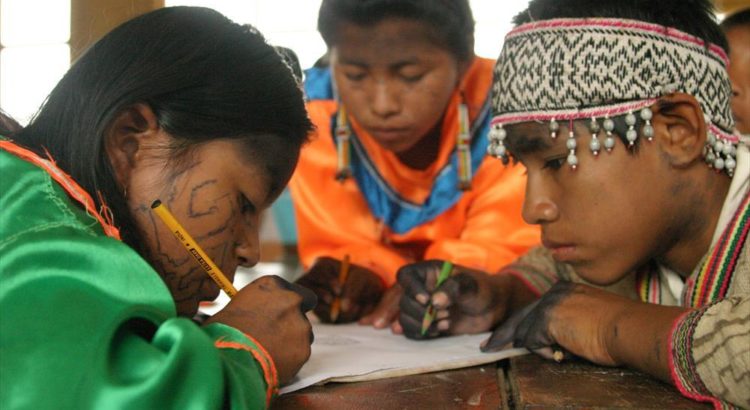
Ella nos ha enseñado que los niños tienen que iniciarse en esas materias, pero como niños pensantes y activos. Y que es muy diferente que un niño aprenda a escribir con un método donde hace palotes para un lado y curvas para el otro -trazos sin sentido-, a que el niño se dé cuenta de que la escritura existe como una pieza del repertorio cultural de la humanidad. A los tres, cuatro años, todo niño empieza a inventar sus propios sistemas de escritura y escribe lo que se le ocurre. Inventa sus propias combinaciones de signos, de símbolos. A partir de eso, uno puede empezar a desarrollar con ellos situaciones de conflicto intelectual: “A ver, te voy a contar un cuento bien largo para que tú lo escribas después”. Y el niño, que es un ser inteligente, hará una relación correcta: si yo le hablo mucho, mucho, mucho, él sabe que tiene que escribir mucho, mucho, mucho. Y si yo le hablo poquito, él sabe que tiene que escribir poquito. Según lo largo, inventará muchos signos o pocos signos. Empezará a establecer la relación muchos signos hablados-más signos escritos y pocos signos hablados-menos signos escritos. Un niño que hace esto está pensando.
Y llegará un momento en que ese niño querrá que le lean sus escritos, sus cuentos, sus cartas y le pasará lo que escribe a cualquier persona, que le dirá: “No puedo leerlo, porque para leer las personas tuvimos que ponernos antes de acuerdo”. Y será la ocasión de enseñarle sobre la arbitrariedad de la escritura. Y entonces, le enseñaremos a escribir su nombre. Y el niño escribirá su nombre y se lo llevará al papá, a la mamá, a la abuela y comprobará que todos pueden leer su nombre. Y le dirán: “Mira, es con estos signos que nos hemos puesto de acuerdo para entender lo que escribimos”.
El niño descubrirá la escritura y empezará a escribir palabras con sentido: su nombre, los nombres de los objetos de la casa, lo que vio en un paseo. Al comienzo, va a escribir grandote, después controlará su mano y escribirá más chiquito y descubrirá que hay que escribir de izquierda a derecha y de arriba a abajo. Eso es lo que nos enseña la Dra. Ferreiro. Pero, ¿cómo lo hemos hecho y lo seguimos haciendo? Con palotes para un lado y con curvas para el otro.
Con esos palotes, con ese apresto tradicional, se aprende, sobre todo, ejercitación motora. Pero no estamos desarrollando el plus intelectual de esta tarea. No estamos desarrollando el gozo por la escritura y la lectura. La rutina de los palotes termina matando ese gozo. Porque si fuimos a un paseo y lo pasamos bien y vimos cosas lindas, y eso es lo que escribimos y eso es lo que dibujamos, eso tiene sentido y empezaremos a amar el escribir y el leer.
¿Por qué América Latina tiene problemas tan tremendos en lectura y escritura? ¿Por qué nadie entiende nada de lo que lee, los chiquillos no leen nada, no escriben nada y les va horrible en las pruebas nacionales y en las internacionales? Es un verdadero drama. Tenemos una respuesta en ese famoso apresto tradicional de palotes y curvas con los que enseñamos a leer y a escribir. Ahora la Dra. Ferreiro está trabajando con el mismo enfoque en el aprendizaje de las matemáticas. Y dice lo mismo: matemáticas sí, pero entendiendo, construyendo, pensando, y no llenando cuadernos con números, como si esa rutina fuera algo interesante y estimulante.
COMO EN UNA OBRA DE TEATRO
En un currículo tradicional, el educador, la educadora, asumen un rol directivo, son el centro de todas las acciones. La educadora es la que dice a los niños dónde deben moverse, a dónde deben ir, qué deben hacer, pensar, hablar… Todo está dirigido, pensado de antemano. Con frecuencia dicen: “Tengo que controlar al grupo”, “Tengo que manejar el grupo”, “No tengo dominio del grupo” “¿Cómo controlo a los treinta para que no se muevan mucho?”. Existe la concepción de un yo muy activo y de un tú muy pasivo y muy controlado por mí.
En un currículo nuevo, la educadora es un agente convocador, llama a la comunidad educativa a participar. Llama a los niños, a las familias, a otras personas, a la comunidad. Y lo hace desde un concepto que empodere a todos. Da lugar a que la familia y los miembros de la comunidad vengan al aula y trabajen con los niños. Facilita el involucramiento de todas esas personas en las distintas etapas del currículo: en la planificación, en la puesta en marcha, en la evaluación. No es ella el único eje de las acciones, no acapara todos los roles, aun cuando socialmente haya sido designada para el rol de agente convocador de la comunidad educativa.
En un currículo tradicional las estrategias son siempre grupales: todos los niños haciendo lo mismo, de la misma forma y en el mismo momento. Estrategias muy centradas en lo disciplinario. En el currículum progresista, se enfatiza la calidad de las interacciones afectivas y cognitivas y las estrategias se orientan a la diversificación.
Es crucial el ambiente humano que se crea entre adultos y niños y las interacciones entre ambos. Armar un currículo educativo es como armar una obra de teatro. Necesito primero los actores: actores adultos -educador, familia, miembros de la comunidad, jóvenes y niños mayores- y actores infantiles. Esos actores necesitan un espacio, un escenario.
Es muy importante organizar el espacio educativo: dónde se moverán los actores. Hay que tomar decisiones tanto sobre el espacio interior como el exterior, hay que organizar ambos espacios en forma consistente con todos los demás elementos para favorecer los aprendizajes de los niños. También hay que organizar el tiempo, tanto el gran tiempo del trabajo anual o semestral, como el tiempo diario, el de la jornada, el de la rutina cotidiana de trabajo. Esto supone planificación, con todo lo que significa: objetivos, actividades, recursos.
Actores, escenario, actos de la obra y guión. Planifico, implemento, evalúo. En una obra de teatro la evaluación es la acogida del público. Aplausos o pifias. Ovación final: entonces la obra estuvo bien.
LAS AULAS NO SE “DECORAN”,
SE AMBIENTAN CON INTENCIÓN EDUCATIVA
En un currículo tradicional toda la preocupación se centra en lo que pasa dentro del aula. El aula reina. Y es un aula donde el adulto reina. Hay salas que revelan ese currículo tradicional: una educadora trabajando detrás del escritorio, una sala de la mitad para arriba, sin ningún elemento al alcance de los niños, donde no se mira variedad de recursos -y recursos no significa que yo tenga media juguetería en el aula-, donde no se han incorporado elementos naturales ni materiales en desuso pero intencionados, donde la ambientación no va más allá del Pato Donald o de Pokemon.
La ambientación de una sala de un jardín infantil siempre debe ser intencionada. Y debe agregar un plus a lo que habitualmente el niño recibe. Si el niño ve al Pato Donald por todos lados, yo no se lo voy a poner en el aula. Y además, ¿a qué objetivo de mi currículo responde ponérselo? Hablo de “ambientación”. En la educación inicial tenemos una deformación y hablamos de decoración. Pero un currículo no se decora. Eso está bien para un decorador de interiores que tiene que poner algo para llenar una pared, pero en un currículo preescolar uno no decora, uno ambienta espacios en función de una intencionalidad educativa.
En un currículo tradicional los espacios son rígidos. Desde que comienza hasta que termina el año escolar vemos el mismo ambiente. Nada cambia o hay muy pocos cambios. En un currículo progresista se trabaja siempre con diversos y variados ambientes. Y todo lugar puede convertirse en un espacio educativo. La sala, una huerta, un mercado, un taller artesanal, un museo, una biblioteca. Hay una selección intencionada de todos los espacios dentro y fuera del aula.
Sería una falta de respeto tener una sala sin nada. Sería poco acogedora, poco grata. Pero, no todo debe estar hecho por la educadora. Es parte del trabajo educativo hacer que los niños aporten a la ambientación del aula. “Nos entra mucho sol por esa ventana y nos deslumbra, ¿qué podríamos hacer?” Y entonces convierto el tema del sol en una actividad. A más de alguno se le ocurrirá decir que pongamos cortinas. Entonces, haremos las cortinas. “Y para no comer la merienda sobre la mesa, ¿qué hacemos? ¿Podríamos hacer mantelitos individuales?” Se trata de que los niños participen en la ambientación construyendo sus espacios de trabajo.
El concepto de que yo educadora hago todo lo que hay en la sala es erróneo. El ser humano hizo cultura al enfrentarse a un medio: se enfrentó al oso, sacó al oso de la cueva, limpió la cueva, pintó las paredes de la cueva y vivió en la cueva. Esto es esencial en la historia humana. Con los niños lo mismo. Que hagan suya el aula, que se apropien de ese lugar, que personalicen ese lugar con sus distintivos. Todo lo que hay en el aula puede y debe ser hecho con los niños.
AULAS ESTÉTICAS Y DINÁMICAS CON MATERIALES PARA “INVENTAR”
En el aula, los espacios deben ser dinámicos, interesantes, donde suceden cosas. Porque tengo una planta a la que se le secan las hojas, le sale una flor, un frutito. Y de eso hablamos. Porque tengo gusanos en una botella transparente. Y hablamos de eso. Que los niños tengan ganas de llegar a la sala a ver qué hay allí de nuevo. Fomentarles la capacidad de asombro. Las salas de los jardines infantiles deben ser interesantes. Hasta en las salas para bebés debe haber cosas significativas al alcance de ellos. A su altura. Debe haber retratos de ellos mismos. Fotos forradas, para que puedan pasarles la mano, lamerlas, y no las arruinen.
En el aula la estética debe ser interesante. Si yo, por ejemplo, pongo un cuadro de un pintor latinoamericano, de un muralista mexicano, si pongo en la pared grecas de cualquiera de las culturas indígenas latinoamericanas, promuevo en los niños el interés por otra estética, por otros símbolos y colores. Hay que emplear materiales que promuevan reflexión e interés. Eso no necesariamente significa materiales elaborados industrialmente o materiales caros. Son válidos el puzzle, la muñeca o la pelota que se compra. Y también lo son los materiales naturales que están ahí, y que basta con recogerlos.
A menudo, los juguetes comprados están muy usados, desarmados, desgastados. Hay en la sala un camión, pero sin ruedas. Hay una muñeca, pero sin cabeza. Hay pedazos de cosas. ¿Aportarán algo? O a menudo, son tan costosos los juguetes comprados que están muy guardaditos en estantes con llave para un día especial.
Debemos trabajar con otros materiales. Materiales en desuso: todos esos objetos que ya tuvieron un uso para el que no sirven: un despertador o una radio que ya no funcionan. Materiales de proceso, que sirven para “inventar” cosas: tubos de manguera, alambres, plásticos, que pueden ser transformados y con ellos hacer máquinas, robots. Materiales reciclables: la cajita, el tubito, el palito. No le llamamos material “de desecho”, porque es material que el niño va a reciclar y a convertir en otras cosas. Y esas otras cosas que hagan los niños se convertirán en ambientación de la sala.
LOS NIÑOS DEBEN SALIR A MUSEOS, A LA ÓPERA, A LA CALLE
No sólo debemos poner atención a los ambientes internos. Una educación del siglo XXI, por muy buena que sea, no será válida si se queda entre las cuatro paredes de la escuela. Si estamos tratando de hacer una educación contextualizada, con raíces culturales, reflexionando sobre lo que pasa en este mundo, los niños tienen que salir. Y al salir veremos que la sociedad no está preparada para recibirlos. Que la sociedad esté preparada para los niños pequeños es un “temazo” pendiente. Desgraciadamente, América Latina está muy poco preparada. Exceptuando ciertos Museos del Niño, ha costado mucho, por ejemplo, que nuestros museos tengan instalaciones para que las personas chiquitas se acerquen al arte, a la ciencia, a la cultura.
Desde los Ministerios de Educación se pueden mover muchos hilos. En Chile, un buen museo de arte precolombino acogió la idea de hacer algo. Y organizó una exposición con reproducciones de piezas arqueológicas que los niños pudieran tocar y tener en sus manos. Una anécdota: a la salida del museo, en la parte de ventas, los niños se acercaron a hojear los grandes libros con ilustraciones a colores de piezas mayas, aztecas, incas, muy impresionados porque las habían visto y tocado en el museo. Entonces, quien vendía ahí les dijo: “No, eso no es para ustedes, la parte de los niños es allá”. Y “la parte de los niños” eran tres o cuatro libros sin colores, insulsos, mientras a ellos les fascinaban los libros “de mayores”.
En el Museo del Niño en La Paz, Bolivia, un país con altos niveles de pobreza, he encontrado algo único en América Latina: una sala para niños de 0 a 3 años. En la sala hay monitores que trabajan con ellos y que están vestidos con los trajes típicos de las culturas andinas. Lo que demuestra que éste es un tema que no depende de grandes recursos, sino de la conciencia y de la educación de la sociedad.
México ya tiene un Museo del Niño. También Bogotá. Allí me encontré también un museo con una hermosa sala para niños dedicada a Botero, uno de los grandes pintores y escultores colombianos, caracterizado por sus gordas y gordos. En la sala no sólo estaban reproducidos sus cuadros, puestos al alcance de los niños, para que pudieran verlos de cerca y tocarlos, sino que en el suelo sus cuadros estaban transformados en grandes puzzles que los niños podían hacer y deshacer.
En América Latina nuestros niños deben salir e ir a museos, a bibliotecas, a talleres artesanales. En Italia, he visto jardines infantiles que llevan a niños de 3 a 5 años al teatro municipal para que vean el ensayo de la ópera que se va a representar. O a una exposición de vitrales en el museo de arte medieval. Son iniciativas que expresan un concepto muy alto del niño. ¿Por qué darle al párvulo chatarra y mugre en el arte, en la música, en la ciencia, en la tecnología? ¿Por qué pensamos, por adelantado, que un niño o una niña pequeña no va a interesarse por la ópera o por las obras del arte clásico? Los niños y las niñas tienen derecho al buen arte, a la buena ciencia, a la buena tecnología, y no solamente a la cultura chatarra que a veces les dan.
PONGAMOS ATENCIÓN AL CURRÍCULO OCULTO Y AL CURRÍCULO QUE ANULAMOS
Todo esto es currículo, en su versión tradicional o cosificante y en su versión progresista o humanizante. Pero una cosa es el currículo escrito, el que explicitamos, otra es el currículo oculto y otra el currículo nulo. Entender estas diferencias nos adentra más aún en el complejo mundo de la educación. El currículo explícito es el que tengo en un documento, el que puede leer todo el mundo. Mucha gente cree que basta con el currículo explícito, que en él está toda la intencionalidad y toda la orientación pedagógica. Y no es así.
El currículo oculto es inherente a todo proceso educativo, aunque no estemos conscientes de ello. Tiene que ver con las expresiones y los gestos que usamos, que siempre tienen un gran impacto entre los niños y las niñas pequeños. Ya existe mucha investigación sobre currículo oculto en la educación inicial, especialmente en el tema de género. Ningún currículo explícito dirá que hay que discriminar a las niñas, pero quizás cuando estoy trabajando con los 30 niños y niñas que tengo delante me dirijo más frecuentemente a los varones, porque son los que se mueven más, y dejo a las niñas en segundo lugar.
Los gestos son fundamentales. A veces, un gesto dice más que mil palabras. Viene un niño a enseñarme su dibujo, que tanto le ha costado, y sin casi mirarlo, le hago un gesto que a él le indica que no me interesa lo que hizo. Todo esto es muy sutil. Va en el rostro, en cómo te miro, en cómo te recibo, en si te miro a los ojos, en lo que te digo y en lo que no te digo con palabras y sí con el rostro, con las manos, con todo el cuerpo. Si hay una educadora que está siempre con cara de desgano y de poco asombro, ¿cómo va a tener niños inteligentes y animados? Capacitar en cómo tomar conciencia de los gestos es mucho más trascendental que dar un montón de intelectualidad teórica.
¿Y el currículo nulo, el currículo que anulamos? En cualquier país de América Latina hay uno, dos, tres o cuatro colegios -según el tamaño del país- que están en la capital, que son muy connotados y de donde tradicional y generacionalmente han salido los presidentes, los ministros, los parlamentarios, todos los tomadores de decisiones. En Santiago, por ejemplo, uno ya sabe que uno de los niñitos del jardín infantil de cierto colegio del barrio alto será posiblemente Presidente de Chile o Ministro de Educación o senador o diputado. Porque, por clase social y por recursos, ese colegio es semillero de esos altos cargos públicos.
Este colegio se plantea como un proyecto muy democrático. Una vez, trabajando con este colegio, pregunté a mis colegas de educación parvularia cómo hacían para que los alumnos conocieran la realidad de Chile. “¿Han llevado a los niños del jardín a alguna población urbano-marginal para que conozcan que hay otros niños chilenos, de su misma edad, que hablan distinto, que juegan distinto, que huelen distinto, que usan otras palabras, que se visten con ropa usada, que se peinan diferente?” Me contestaron que nunca lo habían hecho y que tampoco nunca habían invitado a esos niños “distintos” a visitar el colegio.
Después, me invitaron a una reflexión sobre el currículo y les hice ver el currículo que estaban anulando. Porque estaban enseñándole a aquellos niños, futuros mandatarios, que Chile era de niños igual que ellos, que en Chile no había otro tipo de niños. Y esto sucedía en un proyecto educativo muy progresista. Les hice ver que, desde la supuestamente inocente educación infantil, se pueden establecer discriminaciones, separaciones y privilegios que se mantendrán después durante toda la vida.
NADA ES INOCENTE
La educación infantil nunca es inocente ni ingenua. Marca tendencias, marca actitudes. Por eso debemos preguntarnos siempre: ¿qué explicito, qué valoro, qué anulo, qué dejo de lado? Y debo ser consciente que al explicitar unas cosas siempre estoy dejando de lado otras. Últimamente se está develando la importancia del currículo oculto, viendo que muchos de los fracasos y éxitos de la educación se juegan en el currículo oculto. Porque el papel lo aguanta todo, y en el currículo explícito podemos poner las maravillas más maravillosas, pero en el currículo real, el que hago en la sala de actividades, donde no considero a todos iguales, donde privilegio unas cosas, donde hago gestos que envían señales, donde doy prioridad a la niña más bonita o al niño que es líder, es en donde se juega la calidad de la educación.
Fuente artículo: http://www.envio.org.ni/articulo/3236



 Users Today : 119
 Total Users : 35492006
 Views Today : 1168
 Total views : 3608387